
Empower and improve your construction business with smart fleet management software

The buildings, homes, bridges, iconic structures and the very cities we live in today, are all made possible thanks to construction companies.

To bring these masterpieces to life and ensure operational success, effective fleet management features are a must-have.

If you are in the construction industry, you’ve come to the right place.

We will inform you about ways you can empower and improve your construction business, and how smart fleet management software will help you do this.

We will inform you about ways you can empower and improve your construction business, and how smart fleet management software will help you do this.

What does a fleet management software platform do?

This can be referred to as a fleet software platform.

All kinds of businesses or industries can use the tool to manage all aspects of their operations, from the powerful data insights it provides. For example, gain insights about maintenance, driver behaviour, fuel expenditure, fuel consumption and so much more.

For a fleet manager, time is money.

A lot of tasks can be automated to cut time spent on admin and create more time for growing the business.

Certain managerial qualities are also needed, to add the cherry on top of a good fleet management process.

What skills do you need to be a fleet manager?

  1. Create quality supervision

Construction fleet managers need to make sure they have an overview of their operations, drivers, and vehicles all day. No matter the time of day, if their vehicles are not working, they need to give reasons why they are not working, react fast, and find immediate solutions. Or perhaps there could be an issue on-site, they need to identify who is in charge of what construction project or which driver is responsible for using certain vehicles or equipment.

  1. Make safety a priority

Necessary measures should be taken to secure his/her fleet. They need to know the location of their vehicles in real-time to prevent or identify any theft, and to protect their assets during a construction project. Fleet managers also need to make sure their vehicles are driven well and set performance standards for drivers to meet. This will ensure the drivers, vehicles, and assets are all safe, while at the same time, unnecessary fleet costs won’t be incurred. Another safety measure is to ensure rules and regulations are being followed, where drivers should be encouraged to avoid distractions and safety hazards. In this case, managers should be aware of no-go zones for their fleet, and create geofences or barriers stopping drivers from entering any unsafe or unauthorised areas.

  1. Make sense of data

Fleet managers need to analyse, interpret and react fast to software data, to make instant decisions that will safeguard operations. If they receive data alerts such as a vehicle has broken down, there’s bad driving or a vehicle is not where it should be, they will need to respond. For instance, there could be a non-functioning vehicle, and then maintenance will need to be carried out to prevent costly repairs on construction vehicles.

  1. Manage vehicle maintenance and make better decisions

A manager needs to be more strategic about the data received from the software platform, and use it to plan and be more organised in the future. They can make predictions or forecasts for newly purchased or old vehicles and maintenance plans. Questions like are more vehicles needed? Or which vehicles are being used the most and which are the most efficient? Can be answered by the software platform service to plan ahead. Ultimately, to reduce fleet costs and do operations more efficiently.

What are the types of fleet management industries out there?

  • Vehicle rental & leasing
  • Cold chain logistics
  • Construction
  • Taxi
  • Transportation & logistics

In this article specifically, we will dive into what fleet management involves for construction businesses, and give you construction fleet tracking and telematics solutions.
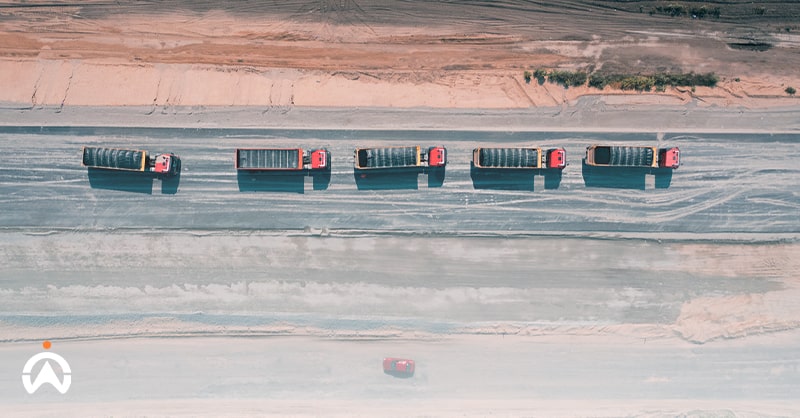
In this article specifically, we will dive into what fleet management involves for construction businesses, and give you construction fleet tracking and telematics solutions.

What is construction fleet management?

It involves the planning and oversight of all vehicles, drivers, and assets to ensure productivity and effective workflow in the business.

It is a process where fleet managers gain full visibility and control of their operations using route planning, vehicle fleet monitoring, data collection, and reporting.

Managers of construction fleets need to see what’s working and what isn’t, so there are fewer project delays and cost impacts on the entire business.

A smart fleet management platform is the answer to effective construction fleet management– here’s how.

Why you need Cartrack’s fleet management solution to improve your construction fleet business

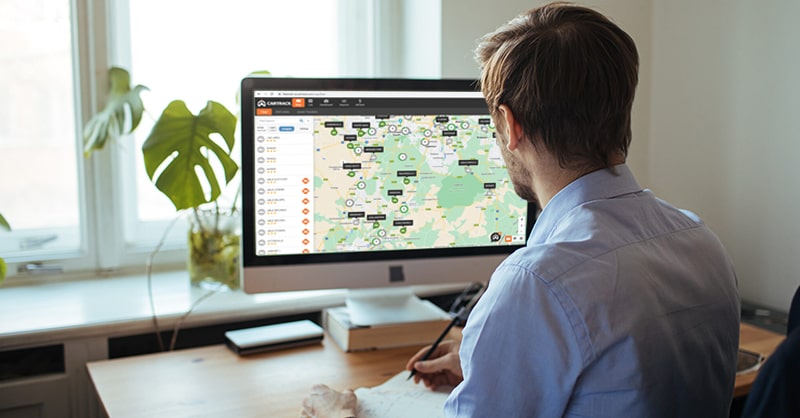
  • GPS vehicle and equipment tracking: Easily locate your vehicles and assets to keep them safe, and acquire information about their condition. And monitor if they are being utilised efficiently.
  • Maintain your construction assets: Get maintenance alerts when your vehicles and machinery need a service to reduce costs and increase the lifespan of your vehicles. Also, reduce downtime and improve productivity.
  • Construction fleet safety: AI-powered tech cameras give insight into driver behaviour, making sure they are not easily distracted and are driving correctly.
  • Driver management and training: Promoting safe driving habits and training will help save you time and money. This will improve road behaviour and reduce wear and tear on vehicles.
  • Keep your assets and cargo protected: Ensure they are where they should be, and receive alerts when they enter or exit unauthorised zones.
  • Timestamps: Know when teams arrive and leave job sites to ensure working hours align so can pay your team’s wages accordingly.
  • Less admin: Less paperwork, as all fleet processes are automated and documented electronically.
  • Manage costs: Understand your project costs and ensure your pricing keeps you profitable and competitive. Our actionable insights help you spot cost inefficiencies, empowering you to focus on growing your business.

Equipment fleet management in a construction fleet

Not only is vehicle management important for your construction fleet vehicle or vehicles, but heavy equipment fleet management plays an equal role.

The breakdown of this equipment could be severely costly to the business, limit projects getting done on time, and cause a lack of delivery to clients.

Let’s look at a concrete mixer, as an example.

They allow you to produce your own batches of mixed concrete that can be transported directly to where it’s needed on the construction site. It’s also a money and time saver as you won’t have to rely on a concrete batch plant to deliver and you can control the quantity of what is used.

Let’s say you have ten cement mixers on site, do you know if they are being utilised effectively and if they are protected? Monitor them with GPS tracking technology, and get data insights on the platform.

They could be left on without supervision, and are turning unnecessarily without cement in them– thus are not being used efficiently. You could have some that are underutilised, so then you’ll save by not buying more where there’s no need.

Also get live alerts if they are stolen, or are being used without consent and if they are due for maintenance.
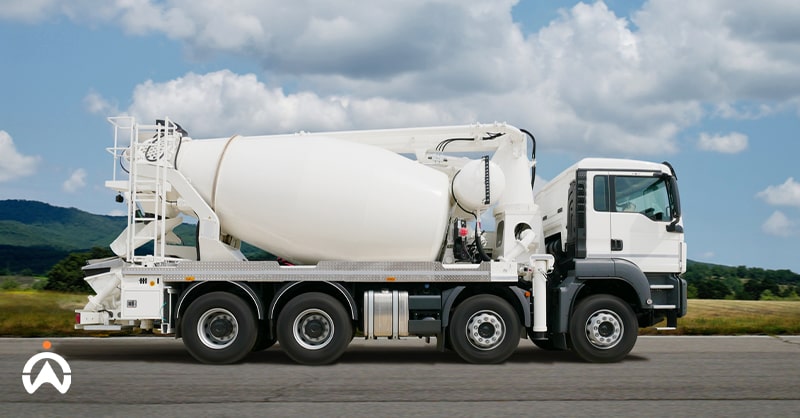
Equipment fleet management in a construction fleet

4 major benefits of fleet management software for construction fleets

  1. Optimise fleet and operator performance

Successful fleet management systems involve analysing vehicle and operator data to the max.

Data insights such as fuel consumption, mileage, mechanical diagnostics, maintenance and driver performance– all allow managers to understand fleet operator history and performance thoroughly.

Fleet managers can then refine daily operations, save on costs and make informed business decisions.

For example, truck breakdowns and service maintenance can also be extremely costly. Managers can use the data to develop and manage a vehicle maintenance schedule, resulting in a drop in repairs and extending the lifespan of vehicles. They will also operate at full capacity, which means a reduction in fuel running costs.

In addition, data about the best routes to take and safe driving methods to use can be implemented to improve driver safety and fuel economy.

  1. Increase productivity and workflow

When fleet management software is in place, there’s less room for errors, issues, delays, or anything that could disrupt workflow, resulting in more efficiency overall.

Fleet managers must coordinate vehicle and equipment dispatch efficiently to keep construction projects on schedule. They can plan efficient routes, find the best routes and send the nearest available drivers to fulfil site requirements. The right people are assigned to the right jobs, and get tasks done better and on time. Projects are planned accurately and the team is accountable and on top of task deliverables needed to keep projects moving forward.

As a result, the company will have more time to respond to urgent requests and adapt quickly without delays.

  1. Improve invoicing

Automated reports tell you exactly when your construction teams arrive or leave their assigned project sites.

This lets you see their actual working hours so you can bill your clients and pay your team’s wages accurately, helping you avoid cost wastages.

Managers should consider their invoicing and transactions to be done digitally, which will also improve data security and safety.

Also to implement financial record-keeping on a digital platform to improve accuracy and minimise payment errors and/or misses.

This will allow construction companies to look back at payment history and send accurate invoices to clients.

  1. Better budgeting & forecasting

The whole objective of running a successful construction operation is to see if there are capital gains. Companies can thus leverage valuable fleet data to get an overview of expenses and an understanding of what projects are making or losing money.

Get reports to predict expenses and revenue, and generate more accurate budgeting and projections for the future. For example, they can assess how much money has been spent on fuel within a certain period and budget accordingly.

Overall, the business should understand where they stand financially, to take the right measures to keep their doors open and finances healthy.

How to grow an efficient construction business

We know a fleet management platform will give you more control of your business, but as with any business, other elements are important to your success.

We’ve got some additional tips for your toolbox.

  1. Create a great team: You need the right people in your corner to ensure the work gets done right. And you should also be rewarding them for great work and empowering them to do better.
  2. Build a strong network: Attend events and network to build your customer base. Build a report with existing clients, and create a space for positive referrals.
  3. Launch a website: Your website should include valuable information about your company and services, and answer questions your customers often ask. You should list how your services will solve their problems.
  4. Build effective sales and marketing channels: Having an engaging website and social media accounts is a good starting point for an online presence. But to take it a step further, you should consider using effective digital strategies like SEO, analytics, content marketing, and advertising as part of your overall growth strategy.
  5. Invest in the right construction fleet management software: As mentioned, a saas platform will assist with much smoother operations, and give fleet manager’s more control of their fleet through accurate reporting and data insights.

The best fleet management for construction businesses is out there. Get started with fleet management software from Cartrack. Grow and improve your business with a tech-powered platform today.

Vehicle tracking tools in the palm of your hands

With today’s technology, having to worry about your fleet is old-school. Vehicle tracking systems have created a world where fleet management has been made easier. Get peace of mind with vehicle tracking from dispatch to delivery, all in the palm of your hand.

Technology continues to make our lives easier. Today, smartphones give us access to the online world and even our household appliances like washing machines. One of the tech creations that has completely transformed the fleet industry, is GPS tracking! Fleet companies are now in the know of their entire operations from beginning to end.

The real question is, how do you get the best vehicle tracking software with so much to choose from? By the end of this blog, you will know exactly what GPS vehicle tracking is, what to look for in vehicle tracking software and how your fleet business will benefit from vehicle tracking.

What is a vehicle tracking system?

A vehicle tracking system is software used to determine the exact location of a vehicle at any given time. To receive real-time insights on the geographic position of a vehicle, a vehicle tracking device is connected to the vehicle and uses GPS technology.

How exactly does GPS tracking work?

Okay, let’s break it down: GPS, which stands for Global Positioning System, is a satellite constellation supporting high accurate positioning, navigation and timing (PNT) measurements worldwide. While one of the first satellite positioning systems was initially developed in the 1960s for military purposes, GPS became available for public use in 1983.

Today, GPS has various uses in agriculture, marine surveying, and even fleet management where it is used to determine when, where, and how vehicles are being used, including driver behaviour, maintenance alerts, and more. This is done using the Global Navigation Satellite System (GNSS) network which comprises satellites that are in communication with GPS tracking devices providing information on the location, route, time, and speed of vehicles.

How exactly does GPS tracking work?

How do you know you need GPS fleet tracking?

Let’s unpack fleet tracking a bit more. Fleet tracking refers to a management system that uses GPS to monitor not just a fleet, but also tracked assets.

Fleet tracking usestelematics technology to collect real-time data from the fleet so fleet managers can monitor and efficiently manage the entire fleet and make strategic operational decisions.

These are some indications that your fleet business needs GPS fleet tracking:

  • A fleet manager is unable to manage drivers’ tasks and completion rates
  • There is poor visibility over your fleet and drivers, and poor task progression
  • A fleet manager is unable to assign and communicate important tasks in the event of an emergency
  • A fleet business has poor customer experience due to the inability to reach high customer expectations
  • Paperwork and signed proof of delivery (POD) get misplaced

4 benefits of fleet tracking

On the flip side, effective fleet tracking translates to the smooth operation of a fleet business, regardless of the fleet size. In turn, productivity increases, saving the business time and money, and overall, improving the customer experience which is great for any business’s bottom line.
Here are 4 benefits of vehicle tracking for fleet businesses:

  1. Driver visibility and asset tracking: Previously, fleet managers had no way of knowing the exact geographical location of the fleet and even the completion rate of the deliveries. Now, GPS tracking systems allow fleet managers to create, assign and monitor drivers’ tasks.
  2. Reduced operational costs: Whether it is reducing money or time, GPS tracking allows fleet managers to efficiently manage a fleet, increase productivity and reduce late and incorrect deliveries.
  3. Good customer experience: With vehicle tracking, customers can get real-time tracking of their cargo every step of the way from dispatch to delivery. Upon delivery, customers can sign an electronic POD and receive a delivery confirmation email.
  4. Reduced admin: Vehicle tracking allows fleet managers to reduce admin burdens with the ability to assign tasks, track drivers and fleet, and store electric PODs, all in one place.

But with so many tracking systems to choose from, how do you know which one is best? Let’s find out.

How to spot a good GPS tracking software

Vehicle tracking tools come in a variety of shapes and sizes from plug-ins, to hardwired, and battery-operated. Here’s how to choose the best fleet tracking software:

  • Find an easy-to-use platform: Simplicity ensures fleet companies don’t exhaust additional time, resources, and energy. Find tracking software that provides everything you need for your fleet in one platform so that fleet managers can focus on expanding the business.
  • Get real-time tracking: Efficiently managing a fleet operation entails having access to the right information at the right time, when it is needed. Get real-time vehicle tracking, including HD video footage, and AI-powered cameras, so fleet managers can use data received to make strategic operational decisions.
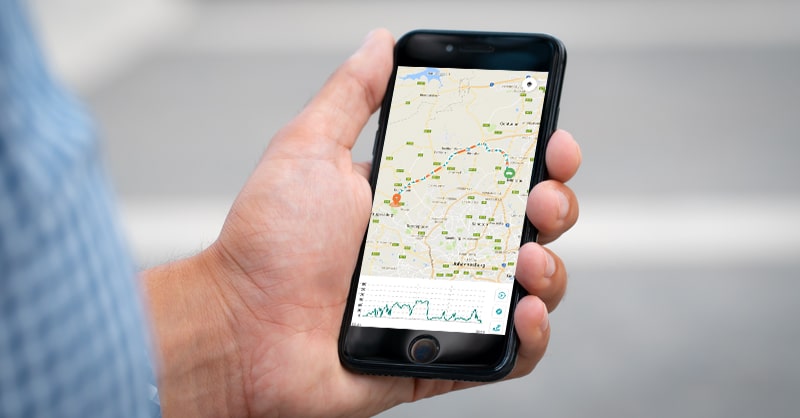
  • Mobility is a must-have: The ability to get visibility of the fleet and communicate with drivers from anywhere is essential for a fleet to operate smoothly. This way, you can manage the whole business operation (from assigning tasks to routing and dispatching, to the delivery) in the palm of your hands.

Get vehicle tracking in the palm of your hand with the Cartrack App

Cartrack provides an easy-to-use vehicle tracking and fleet management platform. Catrack’s vehicle tracking software puts fleet managers in complete control of your fleet, drivers, and assets.
Let’s take a look at some of the most popular features from Cartrack’s all-in-one fleet management software:

Live-vision and AI-powered cameras:Cartrack’s easy-to-use video system provides real-time visibility of your fleet, cargo, and drivers. This AI-powered and live-stream camera technology has up to eight internal or external cameras to ensure the safety of your drivers, fleet, and cargo and includes event recording, giving fleet managers insights into driver behaviour.

Geofence: With an accurate GPS positioning functionality alongside route histories on comprehensive street-level mapping, fleet managers can set up predefined areas (geofences) and receive notifications via SMS and email when vehicles enter or exit these areas.

Protector: Protector is a Value-Added Service by Cartrack. At a push of a button provided on the Cartrack App or website, drivers can get medical, roadside, legal, accommodation, and car hire services, making their work experience as comfortable as possible.

MiFleet: MiFleet is an easy-to-use software that can efficiently manage fleet-related operating costs. With MiFleet, fleet managers can easily import fuel transactions, highlight all fuel risks, get informed on possible fraud and investigate ways to save fuel, money, and reduce admin.

Stolen Vehicle Recovery (SVR): If a vehicle is stolen, Cartrack’s stolen vehicle recovery uses an advanced tracking device to track and recover vehicles. With the support of a highly-trained response team, Cartrack has over 92% stolen vehicle recovery rate and offers a generous R150 000 Recovery Warranty in the unlikely event their response team is unable to recover your vehicle.

Get peace of mind with Cartrack

Fleet managers’ lives are made easier with Cartrack’s vehicle trackingand telematics platform, and fleet administration system which provides security, safety and control, anywhere, anytime. .

Contact Cartrack today for peace of mind in the palm of your hand.

How vehicle tracking works and why you’ll benefit from it

To operate a successful fleet business, vehicle tracking is essential! Vehicle tracking has provided telematics technology to efficiently and successfully operate a fleet business. Let’s find out how it works and why your business will benefit from it.

The development of vehicle tracking systems began in the 1960s. Today, vehicle tracking gives fleet managers and businesses more control over their fleet. Truck, taxi, logistics and car service industries depend on vehicle tracking systems to operate efficiently. However, vehicle tracking goes beyond more than merely determining the exact geographical location of vehicles. Let’s discover what more there is to vehicle tracking.

vehicles need a tracking system

vehicles need a tracking system

Why do vehicles need a tracking system?

The name says it all, a vehicle tracking system allows you to track the geographical location of your vehicle(s) in real-time. Thanks to innovation, vehicle tracking systems now go beyond just determining the exact location of a vehicle at any given time to collecting data and providing detailed reports on driver behaviour, vehicle maintenance, vehicle trip history, and even vehicle fuel consumption and management.

For vehicle tracking to work, a GPS tracking device is required. This is a small, portable unit that is installed on a vehicle (or even asset for tracking) enabling you to track the exact location of the vehicle or asset and receive information about when, where, and how your vehicles are being used.

Sounds similar to in-car navigation systems, right? But there are highlighting differences. On the one hand, GPS navigation systems show your location on a digital map and give you directions from point A to point B. On the other hand, GPS tracking devices use telematics technology to determine a vehicle’s exact geographical location and trip history, and further store this data in a computer, smartphone, or tablet.

Let’s dive into how this smart device works?

How a GPS vehicle tracking system works

GPS which stands for Global Positioning System, is a satellite constellation supporting high accurate positioning, navigation and timing (PNT) measurements worldwide. GPS tracking systems use the position of three or more satellites from the Global Navigation Satellite System (GNSS) to determine an exact geographical location.

There are different ways that a GPS vehicle tracking system can work.Active or commercial tracking systems provide real-time view of the geographical positioning of a vehicle while passive tracking systems or GPS loggers do not offer real-time tracking. Instead, they simply collect and store a vehicle’s GPS location and data on trips based on specific events to be viewed at a later time.

Although both active and passive vehicle trackers are the same GPS devices, they have different functions. Fleet managers use active tracking systemsto monitor drivers ’ real-time locations and drivers’ behaviour. Whereas passive tracking systemsprovide fleet managers with data and information on the fleet vehicles’ geographic locations, driver behaviour, and other vehicle insightswhenever they need access to the information and data.

How can vehicle tracking systems be used?

Because there are different vehicle tracking devices, there should be different ways vehicle tracking systems are used. Let’s explore the different scenarios in which vehicle tracking systems can be used:

  • To track a fleet: You are a fleet manager and you want to know the exact geographic location of your drivers and fleet. To make matters worse, customers are unsatisfied with the business’ services; complaints include late or no deliveries and missing or damaged assets. And if that’s not enough, you have piles of paperwork to deal with, including missing and unsigned proof of deliveries (PODs).

In this case, fleet managers often use GPS tracking to monitor the whereabouts of the vehicles. With vehicle tracking, fleet managers have a simplified and uncomplicated way to manage and oversee vehicles. Fleet managers receive information on where drivers and vehicles are at any given moment, where drivers have travelled throughout the day, the deliveries that have been completed as well as electronic PODs.

  • To keep an eye on your car: You are a car owner and need peace of mind that you will find your car exactly where you parked it. You want to have fun, live life, shop and have lunch with friends without having to worry about the security of your vehicle every second.

You can use GPS tracking to stay informed about the exact geographic location of your vehicle at any given time, receive notifications in the suspicion of idling, and if yourvehicle is stolen it can be tracked and recovered.

  • To access data and information when needed: You are a fleet manager and you are looking for an affordable tracking system that will provide you with the information and data you need to increase productivity, increase customer service, and effectively manage and maintain vehicles.

In this scenario, vehicle tracking is used to monitor vehicle mileage for the fleet businesses, access data and information that will assist in improving driver behaviour and reducing the misuse of vehicles.

3 fleet management challenges solved by fleet tracking

The purpose of fleet tracking is to collect data about a fleet using telematics technology. Fleet managers can use fleet tracking to help solve fleet management challenges. The following are three common fleet management problems that can be solved with fleet tracking:

  1. Driver accountability: Accountability can be defined as the willingness to accept responsibility or to elucidate one’s action. Fleet managers need the ability to confirm that drivers have completed tasks as expected, at the time specified and location. Real-time GPS tracking is the solution to this problem. Fleet tracking helps fleet managers set clear expectations for drivers and allows them to focus on achieving their goals and tasks.
  2. High customer expectations: With efficient delivery options such as one-week, one-day or even same-day, customer expectations have risen over the years and so have competitors. However, vehicle tracking systems have made it easier to meet high customer expectations. With vehicle tracking, fleet managers can optimise routes for drivers ensuring that deliveries are made on time and track assets from dispatch to delivery.
  3. High operational costs: From fuel usage to vehicle maintenance, vehicle theft, and even time, fleet-related operation costs can get extremely high. Vehicle tracking provides fleet managers with the information needed to monitor fleet operation costs and efficiently manage the fleet to reduce operational costs.

benefits of vehicle tracking

benefits of vehicle tracking

9 benefits of vehicle tracking

The obvious benefit of vehicle tracking is that it provides real-time tracking of vehicles, this is a basic function that makes way for more benefits of vehicle tracking. There are more reasons why your business will benefit from vehicle tracking, here are nine:

  1. Full visibility of drivers, fleet and assets: Previously, fleet managers had no way of knowing the exact geographical location of the fleet and even the completion rate of the deliveries. Now, GPS tracking systems allow fleet managers to create, assign and monitor drivers’ tasks all in one platform. The ability to oversee your entire fleet operation puts you in control of productivity, service delivery, and costs.
  2. Reduced operational costs and increased profits: Whether it is reducing money or time, GPS tracking provides actionable insights about how the fleet business’ time, money, and resources are used. This way, fleet managers can analyse operating expenses and reduce unnecessary costs, time wastage,, and increase profits.
  3. Decrease vehicle downtime: Fleet vehicles are either on the road everyday (whether for long or short distances) or in some instances not in use for long periods. Whatever the case may be, vehicles cannot curb the need for regular maintenance or else they suffer from damages such as wear and tear and engine faults.

With vehicle tracking, fleet managers receive diagnostics and alerts to ensure that potential vehicle damages are identified and vehicles get maintenance regularly. This information reduces vehicle downtime and the risk of vehicles breaking down while the drivers complete tasks and deliveries.

  1. Increased customer satisfaction: Vehicle tracking does not only increase customer satisfaction by increasing productivity through clear task allocation and task progression tracking but it also enhances the customer experience by involving customers every step of the way. With vehicle tracking, customers can get real-time tracking of their cargo from dispatch to delivery. This allows both fleet managers and customers to communicate and stay informed on any emergency changes to the delivery. Customers can further efficiently sign electronic PODs and receive a confirmation email.
  2. Theft prevention: Another reason why fleet businesses benefit from vehicle tracking is that it provides the ability to retrieve stolen vehicles. Vehicle tracking systems help reduce vehicle theft-related crimes by making it easy and accessible to track the whereabouts of vehicles, this saves financial and resource losses that could be incurred from vehicle theft.
  3. Seamless fleet management: With vehicle tracking, fleet managers don’t only get a birds-eye-view of the whole fleet operation in real time, but they can further seamlessly create, assign and track tasks. The ability to easily assign and track tasks leads to higher productivity, a reduction in incorrect or late deliveries, and reduced operational costs.A game-changing benefit of vehicle tracking for fleet management is the ability to communicate efficiently in case of an emergency. When unexpected situations occur fleet managers can communicate changes with drivers, quickly decide which vehicles to send where, or decide on the best alternative routes for drivers.
  4. Minimise paperwork and admin: Managing hand-written paperwork can be stressful and time-consuming. With vehicle tracking there is no need to manually create timesheets, create receipts to record payments, or fill out and search through piles of paperwork. Vehicle tracking allows fleet managers to reduce admin burdens with the ability to assign tasks, track drivers and fleet, and store electric PODs all in one place.

The cut-down of paperwork and admin boosts employee productivity as it lifts the paperwork and admin burdenfrom employees and allows them to fully focus on completing tasks.

  1. Increase driver accountability: The ability to seamlessly create, assign, and track tasks ensure that there are clear expectations of tasks and work ethic. With access to information and data on the accurate geographic location of vehicles, vehicle trip history and driver behaviour each employee can be held accountable for their work ethic whether good or bad. This way, vehicle tracking can foster a culture of accountability, integrity and honesty, and reduce internal and external conflict.
  2. Improved driver safety: Driver safety should be a major priority for fleet businesses as the success of the business is dependent on the drivers’ ability to efficiently and safely complete tasks. Road safety risks on the other hand can lead to accidents, driver injuries, legal issues as well as financial losses.

There are many ways vehicle tracking enhances driver safety. Some of the ways include route optimizationallowing fleet managers to create the most cost-effective, time-saving, and safe route for drivers no matter the size of the fleet business, camera solutions to monitor driver behaviour as well as driver assistance in case of emergency. Vehicle tracking tools can also allow fleet managers to monitor poor driver behaviour such as speeding, harsh braking and acceleration.

Why you need a tracking device for your car

Regardless of being a fleet manager or a fleet business owner, getting a vehicle tracking device is beneficial as it allows you to personally monitor the geographical location of your car, at any given time.

Here are some reasons why you should get a vehicle tracking device for your car:

  • To ensure the security of your car at all times.
  • To be alerted if your car is being tampered with or is stolen.
  • To remotely deactivate your car’s ignition to prevent theft.
  • To get quick assistance in the event that your car is stolen.
  • To recover your stolen vehicle.
  • To receive reports on maintenance, driver behaviour, and vehicle trips.

This may sound like a whole lot of admin but it isn’t. All the above can be done remotely, on your smartphone, with the Cartrack App.

Boost your business with Cartrack GPS features

Boost your business with Cartrack GPS features

Boost your business with Cartrack GPS features

Cartrack provides an easy-to-use platform that allows fleet managers to oversee the entire fleet operation all in one place. Cartrack features ensure that fleet managers run the fleet as best as possible at the lowest costs, ensuring that your business reaps the rewards.

Below are some Cartrack features that allow fleet managers to monitor fleet vehicles, driver behaviour, fuel usage, and more:

  • MiFleet: With MiFleet, fleet managers can manage their fleet, drivers, and fleet-related costs efficiently. MiFleet is easy-to-use software which allows fleet managers to monitor fuel transactions, be alerted on fuel risks, get informed of possible fraud, investigate ways to save fuel and money, and reduce admin.
  • Geofence: Geofence uses accurate GPS positioning to set boundaries on certain areas that vehicles are restricted from crossing. With this Cartrack feature, fleet managers can monitor when vehicles enter or exit the pre-set geographical boundaries by receiving a notification via SMS and email.
  • AI-powered cameras: Cartrack’s easy-to-use vehicle video cameras provide fleet managers with real-time visibility of their fleet, assets, and drivers. With this AI-powered and live-stream camera technology fleet managers get event recordings as well as information and data that provide critical information to improve driver behaviour and productivity.
  • Routing: This is a Cartrack feature that allows fleet managers to easily set, optimise and manage predefined routes for fleet vehicles to reduce wastage in operating costs. In the case of route deviations, fleet managers receive real-time alerts. This way, fleet managers can ensure that drivers are sticking to their tasks.
  • Stolen Vehicle Recovery (SVR): SVR is a Cartrack feature that can save fleet business financial losses from vehicle theft. With the use of the advanced tracking devices installed on vehicles together with a highly trained response team, Cartrack has over 92% stolen vehicle recovery rate.

Get 24/7 vehicle tracking with Cartrack

Cartrack offers fleet businesses and car owners a variety of packages with various vehicle tracking features. This way you can find a package that is best for you based on your personal or business needs.

Contact us today!

Top telematics trends in 2022 and beyond

In today’s growing digital landscape, the success of many companies will rely on advanced software tools and systems that optimise business operations.

As for the fleet industry, this is no exception.

Vehicle tracking and telematics systems are undoubtedly a part of successful fleet management and customer success.

Businesses need ground-breaking tech to optimise operations, monitor fuel consumption, and maintenance costs, to name just a few.

Here are some telematics trends of 2022 that’ll help keep your business relevant.

But first, how relevant is the telematics industry?

According to Fortune Business Insights, the global vehicle telematics market size is projected to grow to USD 179.50 billion in 2028.

Through telecommunication and information technology, telematics is being used across various industries for top transportation and logistics purposes.

What are the different types of telematics for your fleet?

With innovative fleet technologies on the rise, companies will need to select an ideal telematics solution for their vehicles.

These are some of the telematics solutions currently out there:

  • On Board Diagnostics (OBD) II

This is a port in a vehicle that allows a user to retrieve valuable data like the vehicle’s speed, engine performance, and more. A portable fleet telematics device will connect to the OBD port. OBD-II telematics devices transmit in-vehicle data to the base station to be processed and utilised in fleet management software.

  • Smartphone-based

The smartphone mobile apps receive data via Bluetooth-enabled in-vehicle sensors and provide customised vehicle tracking options. The latest smartphones are equipped with a (GPS) receiver and offer a variety of services for capturing, storing & processing real-time data.

  • Hard wired devices

These are secure and hard-fitted into the vehicle, connected to the vehicle’s electronics, and powered by the vehicle’s battery. The telematics control unit sends critical telematics data over wireless infrastructure.

What are three benefits for companies that use telematics?

  1. Improved fleet operations

There are many areas of a fleet business that can expand to the next level. A telematics solution will provide actionable data insights, so you can make the best possible operational decisions for your business. For instance, the data will give insight into ways to improve fleet maintenance, which leads to preventing roadside violations, minimising vehicle downtime, increasing driver awareness, and improving maintenance costs.

  1. Enhanced Security

GPS vehicle monitoring lets you see if your asset is in the right place, and is essentially the first security step in keeping your vehicle safe. However, it’s the telematics technology and frameworks that can take your fleet’s security to another level.

Here are some examples of telematics safety features:

  • Truck theft prevention: Keep track of driver IDs, route deviations, and unauthorised stops, to prevent your drivers from going into high danger zones. Notifications and alerts will be sent to warn fleet managers accordingly.
  • Driver safety: In the unfortunate event of your driver being assaulted, you will be alerted and be able to react immediately, to protect your driver and vehicle. Get notifications with the driver’s location and other information straight away, by the press of a panic button.
  • Safe driving methods: A telematics platform gives all kinds of information about driver behaviour such as harsh driving, and excessive idling which can be used to mitigate road accidents and promote healthy driving patterns.
  1. Increased cost management and revenue

Businesses have the opportunity to unveil weak spots in their operations and make them better overall. This can only bring more customers into the business, maintain a competitive advantage, and delight existing customers with service excellence. Sometimes it might be difficult to pinpoint these challenges, which is why fleet management systems will do the work for you.

Perhaps admin processes are lacking, and the platform will organise it better for you. Or maybe there are fuel discrepancies you just can’t explain. In this case, you will get insight into how you can monitor your fuel consumption, in addition to other fuel-saving factors, such as fuel card theft and fraud.

What are three benefits for companies that use telematics?

10 telematics trends to watch out for in 2022

  1. Improvements in driver behaviour

There is a strong focus on monitoring the behaviour of drivers in the fleet industry and empowering them to improve their driving methods. Companies understand that this contributes positively to overall fleet performance and business profits, and vehicle telematics systems will help them achieve this. They will always need all sorts of real-time information such as harsh speeding, sharp turns, hard braking, and excessive idling to prevent accidents and improve fuel consumption in the process.

  1. The Internet of Things (IoT)

IoT brings internet connectivity, data processing, and analytics to the world of physical objects.As a result, devices can be interconnected and communicate with one another to give users a unique experience, and develop business operations.

IoT solutions are a telematics trend in fleet management solutions to allow every aspect of fleet operations to be managed efficiently, with the exchange of real-time data.

For example, a fleet business transporting cargo that needs temperature regulation can benefit from IoT technology. Sensor devices give out data if there are unwanted fluctuations in temperature, and managers will be alerted through the telematics fleet platform.

  1. 5G expands connectivity

According to experts, the use of 5G wireless integrated into smart transportation will thrive by 26% annually over the coming decade, reshaping the future of the vehicle telematics market.

What’s the 5G fuss about? The technology is fast, with more bandwidth, lower latency, and increased reliability. It can create new opportunities in vehicle connectivity and monitoring.

Low-latency 5G tech has allowed automakers to deliver advanced features in Advanced Driver-Assistance Systems (ADAS) such as fuel-tracking, real-time navigation and communication, speed and cruise control, and better fleet management.

It also assists fleet managers to monitor and control the parameters from remote locations via smartphones.

  1. Reduced maintenance costs and improved productivity

Any way fleet managers can save and improve their business, will always be a hit.

Cutting on maintenance costs is an increasing trend because it reduces breakdowns, unnecessary downtime, and expenses keeping profits on the rise.

A telematics system allows fleet managers to adopt a proactive approach to maintenance, and get real-time information on vehicle mileage, alerts for maintenance scheduling, and more. It’s an affordable way to run well-maintained vehicles and prevent costly repairs later on.

  1. Actionable data insights

Getting lots of data and diving into what it means, and then taking action is the core of what effective fleet management is all about. It will always be an ongoing trend, and a software platform such as Cartrack strives to give out the best insights possible, through advanced telematics.

Simultaneously, cloud technology is needed to store, handle, and process large amounts of data. Thanks to the cloud, fleet owners can access data from anywhere and at any time.

Historical data can also be pulled out from the platform to analyse all kinds of business tasks.

Ultimately, the data will be used to make actionable decisions to streamline processes and ensure the business is always up to speed.

  1. Remote fleet management

The way we do business and working culture has shifted since the global pandemic. With the demands of day-to-day operations, fleet managers are always looking for ways to make their lives easier.

A remote-friendly system gives them the flexibility they need to keep on top of activities, from a distance.

For instance, a software platform lets managers communicate in real time with drivers and manage their fleets from a computer or via an app on their phones.

They can check on the status of deliveries, and locate where their fleet and drivers are, from anywhere, at any time.

  1. Data security

The reliance on technology and data transmission makes vehicles potentially more vulnerable to hacking and cyber-attacks.

And with Cyber attacks on the rise, fleet owners will need to ensure their sensitive data is protected. In 2022 and beyond, they will need to install devices and software from a trusted brand such as Cartrack.

Training staff on security measures to improve their fleet’s safety is also a persistent trend.

  1. Optimised fleet safety

Advanced fleet safety measures will always be one of a fleet manager’s priorities. They seek the appropriate technology that will give them the insight to implement safe driving methods, prevent vehicle theft, avoid accidents, and more. AI camera technology solutions are also on the rise, as fleet managers use high camera systems to monitor and keep drivers, fleet, and cargo safe. AI-based vehicle video cameras are used to identify risky driving, and drivers can be alerted about potential safety violations so they can correct them immediately.

  1. Electric vehicles

The sale of EVs (electric vehicles) increased in 2021, and the trend is yet to grow further. EV companies are finding ways to make communication and data sharing easier with fleet software. These vehicles also offer lower preventative maintenance, emissions, and fuel costs, so there’s no question that companies will consider these in the near future.

  1. Telematics tracking

GPS telematics tracking isn’t going anywhere, any time soon. Real-time tracking and diagnostics make it easy for companies to track their drivers’ locations, and driving habits and give other data insights to benefit their entire fleet.

10 telematics trends to watch out for in 2022

The future ahead

As technology develops, so too will the telematics industry grow exponentially.

With the evolution of technology including systems, hardware, software, and the power of 5G, businesses can meet the needs of their customers more effectively.

By embracing new trends, it will give fleet owners a competitive edge and be on top of all aspects of their vehicle fleet, with meaningful telematics insights.

Chat to Cartrack today to get the latest software solution that will keep you on top of vehicle telematics trends in 2022 and beyond.

Fleet compliance and safety management made easy for fleet controllers

Regardless of the number of vehicles in a fleet operation, fleet compliance is pivotal to the smooth running of a business and ensuring the safety of drivers and vehicles. This article covers fleet compliance best practices, advantages and how Cartrack’s smart technology makes daily fleet operations a whole lot easier

From an outward perspective, fleet management appears to be an uncomplicated and rosey walk in the park. Unfortunately that is not the case, fleet management is a complex process that entails a number of intricate inner workings ensuring that the fleet runs like clockwork.

Employees and assets are managed by fleet controllers. This includes ensuring that drivers are well-trained and rested to efficiently complete tasks and that vehicles are roadworthy- this is where fleet compliance comes in.

Fleet compliance is one of the general struggles amongst fleet managers. Fortunately, fleet management systems provide information and data for an entire fleet operation on one platform. In this article, we discuss fleet compliance, its best practices, advantages and how it is made easy with Cartrack.

What is fleet compliance and who are fleet controllers?

Before diving into fleet compliance, let’s really get our heads around compliance. Compliance refers to actions or protocols that meet a set of legal rules and standards. That being said, fleet compliance means meeting the set rules and standards that apply to a fleet- from just about anything with wheels right up to the people who operate them.

Fleet controllers are in charge of managing the day-to-day operations of the fleet and ensuring that the operation remains compliant.

Fleet compliance and safety management

A fundamental portion of fleet compliance management is safety management. Safety management refers to applying a set of principles, frameworks, processes and measures to help prevent accidents, injuries and other catastrophic consequences through the use of a service or product. Effective safety management ensures fleet compliance and vice versa.

Safety management and fleet compliance are both dependent on software that has the ability to store detailed information and data on vehicle maintenance, driver performance and road behaviour.

This systematic approach will allow fleet operations to achieve fleet compliance and safety management through effective use of fleet management solutions. By using fleet management software the fleet operation can continually renew and review its fleet safety strategy, transport operations, policies and procedures to reach set standards, laws, and rules.

Fleet compliance and safety management

5 ways to implement compliance best practices

As a fleet controller, fleet compliance is vital! Fleet compliance not only ensures the safety and productivity of a business. It also makes the business reputable for abiding by the set standards, rules and laws. These are five ways to implement compliance best practices:

  1. Monitor drivers’ hours of service (HOS)

One of the leading causes of accidents, particularly in long-distance, bus, taxi and fleet operations is driver fatigue. Driver fatigue can happen anywhere, at any time, under any circumstances. Fortunately, HOS restricts the number of hours a single driver can operate a vehicle without taking a break. HOS refers to the maximum number of hours that a commercial driver can spend driving and working each day. To achieve fleet compliance, fleet controllers need toprioritise HOS. The standard hours-of-service for fleet commercial drivers are:

  • 11 hours driving limit and 10 consecutive hours off duty for property-carrying drivers
  • 10 hours driving limit and 8 consecutive hours off duty for passenger-carrying drivers
  • Other restrictions include: a 14-hour limit, 30-minute driving break, and sleeper berth provision

Compliance with the set HOS restrictions will reduce the occurrences of accidents, injuries, and fatalities related to operating commercial motor vehicles. Efficient management of HOS will also improve driver safety by keeping fatigued drivers off the road.

The goal is to keep drivers alert, awake and attentive!

  1. Fleet maintenance

Regardless of the industry, companies are responsible for providing a safe working environment (this includes the safety of vehicles). Fleet controllers need to ensure fleet operations adhere to standards of safety while work is completed.

Ensuring that your fleet compliance efforts include maintaining safe and roadworthy vehicles is almost equally as important as monitoring drivers’ hours of service. Fleet maintenance refers to the process of ensuring that fleet vehicles are serviced, repaired, safe and roadworthy. Fleet vehicles are on the road everyday which may lead to damage, this means vehicles need to be repaired regularly. If not, the daily or regular use of vehicles without maintenance will lead to vehicle breakdown or downtime, bringing the business operations and drivers’ productivity to a halt.

To help avoid malfunctions, the US Federal Motor Carrier Safety Administration (FMCS) requires all drivers to fill out a Driver-Vehicle Inspection Report (DVIR) which serves as a pre-trip and post-trip inspection. These vehicle inspections are preventative road safety measures that ensure vehicles are safe and roadworthy. DVIRs include essential checks that ensure fleet compliance:

  • Lights and reflectors
  • Tires, rims and wheels
  • Horn
  • Rear-view and side-view mirrors
  • Windshield wipers
  • Steering mechanisms
  • Brake systems
  • Fifth wheel and connection points
  • Safety and emergency equipment
  • Record of wear-and-tear and repairs

You can already imagine how time-consuming and frustrating manually filling out DVIRs can be. As a solution to this, fleet management and software and telematics companies allow electronic Driver-Vehicle Inspection Reports (eDVIR). This drastically cuts down paperwork and admin, allowing for accurate DVIRs.

  1. Keep compliance, safety, and accountability scores up to date

In addition to monitoring driver hours and fleet maintenance, fleet compliance also includes

compliance, safety, and accountability (CSA) scores. CSA scores range from 0 (best) to 100 (worst) and are calculated based onseven Behaviour Analysis and Safety Improvement Categories (BASICs):

  • Driver fitness
  • Unsafe driving
  • Vehicle maintenance
  • Crash indicator- the frequency or intensity of collisions
  • Compliance with hours-of-service requirements
  • Controlled substance or alcohol
  • Hazardous material compliance

The CSA is run by the FMCSA to enforce safety measures for both fleet controllers and drivers. The categories listed above are assessed at roadside inspection points along various major highways across the United States and drivers with CSA scores closer to 100 will be

taken out of service and the fleet business could be penalised. Although this law is of the United States, it can apply to the fleet compliance of businesses around the world.

  1. Driver qualifications

It is the responsibility of fleet controllers to ensure that all drivers who operate vehicles are licensed, and have the relevant training and specialities that meet legal requirements. Likewise, drivers need to ensure that fleet controllers are informed if there are any variations with their licence, in order for fleet controllers to ensure that licences are renewed smoothly.

Fleet controllers can ensure compliance by conducting pre-employment screenings. This gives the fleet controller an idea of a potential driver’s history on the road. Pre-employment screenings include drug and alcohol testing, even though fleet controllers should have random checks to ensure that drivers remain compliant.

  1. Comply with fuel tax

Fuel tax refers to the excise tax imposed on the sale of fuel. Fleet controllers are responsible for tracking where commercial vehicle fuel taxes go. Fuel monitoring is considered an important aspect of fleet management as it assists fleet controllers in determining the consumption of fuel whether for personal or commercial use.

The International Fuel Tax Agreement (IFTA) is an agreement between forty-eight U.S. states (excluding Alaska and Hawaii) and ten Canadian provinces which keep a record of:

  • Miles driven
  • Fuel purchased
  • Purchase locations
  • Vehicle operators or fleet compliance managers submit these records to their local IFTA office every quarter. Then, based on the number and location of miles driven, the IFTA office distributes fuel taxes to each state and province.

Most fleet companies rely on telematics to help with fuel tax compliance. With telematics, fleet management software can provide fleet controllers with fuel consumption insights.

5 ways to implement compliance best practices

5 advantages of fleet compliance

Having fleet compliance become a core component of fleet operations and carrying these out correctly and accurately can result in the following advantages:

  1. Organised paperwork and reduced admin: With help of fleet management software, fleet controllers can efficiently ensure compliance by electronically keeping insurance, permits and any other regulatory contracts up to date. This way, all fleet documents stay organised and updated, documents are not misplaced and time is not wasted searching through piles of paperwork.
  1. Minimised traffic violations: Compliance with drivers’ licences and qualifications as well as fleet maintenance ensures that drivers are well trained and vehicles are roadworthy, therefore preventing traffic violations. Additionally, drivers’ compliance with agreed company route plans and work schedules helps greatly minimise risk and lower fuel costs.
  1. Improve driver safety and efficiency: Fleet compliance empowers drivers to complete tasks within the set safety standards. Fleet controllers can be clear on safety and productivity standards- how drivers should load vehicles, operate vehicles, optimise routes and the hours they should spend on the road. Drivers who comply with the set standards will be properly trained, well-rested, fully engaged, and abiding by both the rules of the road and company safety standards, thus reducing the safety risk.
  1. Reduces legal costs: Fleet-related lawsuits and settlements can cost a large amount of money or result in damaged company reputation and a decrease in sales. Whatever the case may be, the business loses money. Following fleet compliance best practices helps your business avoid legal risks.

Builds customer trust: Complying with set standards, rules and laws will demonstrate to your customers that your business cares about keeping your drivers and their assets safe. While lawsuits or traffic violations damage company reputation, a record of compliance will demonstrate that your business is a trustworthy operation.

Fleet compliance and safety control made easy with Cartrack

As much as fleet controllers and fleet owners desire to be everywhere at the same time, it is impossible for them to ensure fleet compliance at all times. Not unless they use fleet management software that makes fleet compliance easy, uncomplicated and undemanding.

Cartrack provides fleet management software solutions that empower fleet controllers to streamline the entire fleet operation, all from one platform.

Fleet controllers can ensure fleet compliance with Cartrack’s fleet tracking software features:

  • Reporting: With Cartrack youcan choose from a range of over 40 standard reports including mileage, driver scorecard, speeding and productivity reports. Cartrack’s GPS tracking device monitors driver behaviour and tracks vehicles. This data is obtained by the fleet management system and can be accessed by the fleet controller via the internet, at any time.

Some reports accessible to fleet controllers include:

  • Driver reports: Fleet controllers can use these reports to inform drivers where they can improve on their drivers. This report focuses on drivers’ road performance and obtains records through gps vehicle tracking which includes events such as harsh acceleration, braking, cornering or speeding.
  • Drive scorecards: This monthly report shows how safe drivers are on the road by monitoring high-risk behaviour. With this, fleet controllers can improve driver behaviour by training drivers where needed.
  • Logbook: Historically, drivers had to manually record trip details to distinguish between business and private journeys in order to claim tax deductions. Cartrack’s logbook feature simplifies this process. This feature automatically logs all vehicle trips and categorises them as personal or business trips. This ensures a tax-compliant logbook by distinguishing between business and private journeys for SARS submissions.
  • Vision: Cartrack’s AI-powered and live-stream camera technology ensures driver safety with the use of the following features:
  • Forward collision warning
  • Distracted or fatigued driving detection
  • Yawning and cell phone use detection
  • Up to 8 cameras: any combination of internal or external AI-cameras
  • MiFleet: Easy to use administrative and vehicle cost software that fleet controllers can use to efficiently manage drivers, fleet and related operating costs. The main benefits include managing:
  • Vehicle services
  • All-inclusive vehicle maintenance
  • Vehicle mileage
  • Driver licence validity
  • Asset depreciation
  • Fines and notices issued
  • Breakdowns per vehicle
  • Driver permits
  • Fuel card fraud

Fuel fraud detection

Effortlessly achieve fleet compliance with Cartrack fleet management solutions

Fleet compliance has never been easier! With Cartrack, you can remain compliant by easily managing and automating your fleet compliance throughout your operations.

Take full control of your fleet, contact us today.

What is vehicle telematics and how can it benefit my business?

Step into the world of modern fleet management and get unique insights into your fleet vehicles and drivers through telematics solutions. This article will help you get the most out of your fleet and fully understand what telematics systems can do for you.

The telematics industry strives to benefit and make changes to every business it touches, and its efforts are evident. Telematics has grown immensely in recent years, encouraging businesses to implement telematics solutions to improve safety, increase efficiency, and most importantly, reduce costs.

This has seen the demand for innovative technology, prompting more businesses to grow curious about what telematics can be used for and how it can benefit them.

This blog will answer all your questions and give you the information you need to make an informed decision about telematics.

What is telematics

What is telematics?

What is telematics?

Telematics (also known as fleet telematics) is a system used to collect GPS fleet tracking data along with a range of vehicle-specific information and store it in a database. It integrates both wireless telecommunications and information technology (informatics) to process, deliver actionable data and efficiently convey information over vast networks.

Telematics is often associated with fleet management and vehicle GPS tracking devices. With these fleet systems in mind, telematics can be defined as an onboard communication system where all fleet software can interact with one another and share vital information.

Telematics can also be seen as a new method of integrating all types of data, from vehicle equipment to driver behaviour.

How do telematics systems work?

For a telematics system to work, it needs a few items:

  • A communication device (mobile phone, computer, laptop and/or tablet)
  • Fleet communication software
  • GPS tracking device
  • Engine interface
  • Input/output interface
  • SIM card
  • Accelerometer
  • Alert/notification

Telematics systems function by connecting a GPS fleet tracking device, or other data logging tool, to an asset. The tool collects critical performance data about the asset, like real-time engine diagnostics, vehicle location, and vehicle activity.

After being collected, the device transmits the data to a data centre where it can be analysed, interpreted, and compiled.

Fleet managers can access the uploaded data via the software of the telematics system once it has been uploaded. However, the method of doing so may vary depending on the particular telematics solution.

How are telematics devices installed?

Telematics is implanted via the vehicle’s on-board diagnostic (OBD) II port, or CAN-BUS port, typically located under the steering wheel.

GPS tracking devices and fleet management telematics are installed in discrete places so they are hard to locate and tamper with. Here are three types of units available and their hiding spots:

Plug in: These are devices that can be easily plugged into any fleet vehicle’s cigarette lighter, like Cartrack’s compact mobile unit. Since these devices have to be plugged-in to function, they could be very easy to spot.

Hardwired: These devices are installed directly into the vehicle and connected to the vehicle’s power supply (battery). Because they are not attached to the OBD port, they can be easily hidden in the vehicle.

Battery operated: Thesehave a battery or solar charger of their own and can operate independently from the vehicle, so they can be easily placed anywhere in the vehicle. These types of devices often have powerful batteries that could last for months at a time.

After installing telematics units, the device collects GPS fleet tracking data and a range of vehicle-specific information where fleet managers can implement smart solutions to achieve, automate and improve the following:

  • Manage route optimisation
  • Ensure the safety and compliance of the drivers
  • Help identify and improve bad driving habits
  • Receive notifications for preventative maintenance
  • Reduce idling, fuel and maintenance costs
  • Manage assets’ utilisation
  • Help drivers comply with policies and regulations
  • Reduces carbon footprint

A centralised server receives the information from the units via General Packet Radio Service (GPRS), 4G or 5G mobile data and cellular networks or satellite communication, and displays it through a secure website (usually the telematics system’s platform) accessed through tablets or smartphones.

Telematics and vehicle tracking systems

Vehicle tracking is the most common use of telematics in most industries, especially in trucking and transportation.

This technology is preferred in vehicles because of the notable benefits it offers. The ability to map the exact location of the vehicle, its speed, and its maintenance status, all through the use of GPS systems, combined with onboard diagnostics.

Here’s a list of additional information gained through telematics.

  • Location
  • Fuel Usage
  • Maintenance issues
  • Fuel consumption
  • Idle time
  • Instances of harsh driving (e.g., hard braking or cornering)
  • Speed and rapid acceleration

To make good use of this information, the telematics system analyses the data for certain events and patterns and creates reports on specific drivers and fleet vehicles, specifically for the convenience of fleet managers.

Telematics integration with vehicles

Telematics integration with vehicles

from fleet manager to fleet driver

Telematics integration with vehicles

Typically, trucks, trailers and other fleet vehicles are sold without tracking systems installed and are fitted with GPS tracking devices soon after they have been sold. If the vehicles don’t come pre-equipped with this technology, many aftermarkets offer GPS and telematics unit installation.

Some car dealerships also partner with telematics providers or vehicle tracking companies, such as Cartrack, to provide a seamless end-user experience and sell vehicles already fitted with Cartrack’s tracking units.

How to positively use telematics technology in your fleet

You have now gathered a basic understanding of telematics software and decided to implement it into your business, great! To properly use this technological game-changer, here are a few key areas where telematics can boost your business.

1. Safety tracking

Fleet telematics allows you to track vehicle location, speed, seatbelt use, as well as driving behaviour. You receive a digital record of every aspect of your fleet vehicles’ operations, which can provide insight into where and what improvements can be made to prevent accidents and improve driver safety.

2. Better payroll management

A telematics solution can help you reduce instances of overtime and timesheet fraud by monitoring your fleet’s electronic time logs and allocating resources based on real-time information. You can optimise your drivers’ routes so that no driving time is wasted. You’ll also know exactly how long and how far a vehicle has driven, making payroll calculations easier.

3. Trailer and asset tracking

Telematics can be used for more than just monitoring vehicles. You can attach a GPS tracking unit to trailers, expensive equipment, and non-motorized assets to prevent them from becoming lost and help find them faster if they are stolen.

You can also create alerts to be sent to you if a trailer or other non-motorized asset is moved without your permission.

4. Insurance risk assessment

With the permission of the owners, telematics can be used by insurance companies to monitor driver behaviour, allowing them to better determine risk factors and adjust insurance premiums accordingly. If additional help is needed in sorting out insurance, Cartrack helps motorists find affordable insurance by viewing the current insurance package used and providing you with 14 quotes with better rates.

How is it used in everyday life?

The telematics solutions market is projected to reach $62.6 billion by 2025, up from an estimated $29.9 billion in 2020. With this amount of money on the table, it’s safe to assume not just the transportation and freight industries reap the benefits of this system. Almost every industry has space in their regime to integrate telematics into their business and some of them use this technology a little bit differently than the rest.

Here’s a look at the industries making the most of telematics today.

  • Heavy machinery: Maintains heavy equipment and prevents theft with the use of telematics and asset tracking safety features.
  • Public Security: Monitors the location and driving speed of emergency vehicles to improve officer safety and increase response times.
  • Fleets: Trucks and various fleet vehicles are monitored to ensure shipments arrive at their destination safely and on schedule.
  • Construction: Performance diagnostics, fuel usage, and maintenance schedules are all reported on through the use of telematics.
  • Oil & Gas: Oil, gas extraction and transportation activities are monitored to improve efficiency and worker safety.
  • Refrigeration: The temperature of cold or heat-sensitive products is monitored to reduce spoilage and ensure safe consumption.
  • Executive fleets: Improve luxury vehicles’ maintenance to reduce breakdowns, unscheduled repairs, and part replacements.
  • Landscaping and lawn care: Monitors the performance of employees and equipment to improve productivity and customer service rates.

Generators: Generator conditions such as fuel level, battery voltage, and coolant temperature are monitored to ensure it is in healthy conditions and can run for longer.

How does telematics benefit the fleet business?

Telematics works to help fleet managers conduct their vehicles, drivers and other fleet employees. With telematics, GPS devices work to track your vehicle, trailers and assets successfully while also gathering vehicle data such as a full trip history of your vehicle and other actionable insights fleet managers can use to improve vehicle and driving conditions.

Other noticeable improvements telematics can make in fleet management are as follows:

  • Boost fleet efficiency

With actionable insights from our telematics and fleet data, you can track your drivers’ progress, improve communications and streamline your workflow.

  • Eliminate toll and fuel-card fraud

Telematics will automatically verify fuel-card payments whenever they are made by matching fuel sensor data, vehicle location history and fuel-card recipes. Making sure each driver is using their authorised cards at all times.

  • Always know exactly where your assets are

With our GPS units, you don’t only know the exact location of your assets but also ensure the cargo is accounted for from dispatch to delivery. For extra safety measures, you’ll receive alerts and footage whenever the cargo door is opened and the cargo itself.

  • Actionable insights on the conditions of your fleet

From the petrol intake to driving behaviour, telematics gives fleet managers all the information they need regarding their fleet. They also receive real-time alerts used to address maintenance issues immediately before they escalate. This allows you to keep your vehicles operational for longer, saving money on large repair bills, avoiding critical safety violations, and protecting your Compliance, Safety, and Accountability (CSA) scores.

  • Real-time tracking

Easily track the progress of your deliveries with automatic job status updates via SMS or email with electronic signature and photo sent, for that little layer of assurance and safe delivery.

  • Accurate dispatching schedules to ensure on-time deliveries

Use the Cartrack communication app for easy information transfer from fleet manager to fleet driver. Say goodbye to incorrect customer information, ensuring faster deliveries and happy customers.

  • Have Streamlined communication

Fleet telematics can drastically improve communication between drivers and fleet managers or administrators in a business. Improved communications, combined with accurate vehicle location, can help you accurately estimate arrival times and improve customer satisfaction.

  • Decreased fuel costs and operational expenses

Telematics can assist in uncovering waste areas, such as vehicle idling or fuel leakage, and allow fleet managers to rectify them quickly, improving fuel efficiency in the business and the bottom line. It can also assist management in planning the most efficient route for each driver to save wasted miles.

  • It increases driver safety

Accidents are always harmful to businesses and could be worse for drivers’ health and safety. Telematics can be used to improve driver behaviour and promote overall road safety. Fleet management software collects telematics data on your team’s driving habits and ranks your drivers according to their safety scores. You may then teach your drivers safer driving habits and improve the overall safety of your fleet.

  • It automates IFTA reports

Telematics and fleet management software can calculate distance driven and fuel expenses for different drivers in different jurisdictions automatically. They can also automate calculations for International Fuel Tax Association reports, increasing administrative efficiency, lowering calculation errors, and decreasing your company’s chance of being audited.

How does telematics work with other fleet software

How does telematics work with other fleet software

How does telematics work with other fleet software?

Businesses are increasingly relying on telematics and fleet management software to assist them in managing their fleets.

Fleet management software, a branch of telematics, is popular among modern companies as a way to manage the vehicles in their possession. Fleet management systems allow them to gain a comprehensive view of the health, profitability, and productivity of their entire fleet.

Many fleet managers use both fleet management systems and telematics to simplify and efficiently compile gathered information.

What is fleet management software?

Fleet management software is a large information database where you can keep track of everything and anything linked to your fleet. These records may include:

  • Purchased or leased vehicles
  • Vehicle information
  • Maintenance plans
  • History of parts and service
  • Compliance documentation (insurance, licences, tax)
  • Fuel transaction logs
  • Operating costs
  • Financial data

The purpose of using both telematics and fleet management technologies is to reduce the administrative processes associated with managing all fleet lifecycle information. This helps make sense of a fleet in terms of operating costs and total cost of ownership, as well as ensure that you are operating legally, complying with regulations, and effectively maintaining assets.

As such, these fleet systems usually have quite comprehensive reporting tools that can set alerts and send emails while perfectly integrating with third-party systems that offer financial solutions like Cartrack’s SARS-compliant logbook feature.

Are both systems needed?

If you’re asking yourself if the use of both telematics and fleet management software is truly needed to optimise your business, the answer is yes. These systems work together to improve fleet efficiency and productivity and provide several benefits that can easily be observed as soon as the technology is integrated into a business.

The benefits include:

  • Creating risk analysis by combining driver behaviour information with data on accident rates, medical history and fines
  • Safety monitoring
  • Elimination of costly idling
  • improved routes for travel
  • Streamlined processes by eliminating administrative time
  • Improved accuracy by eliminating redundant data entry

By incorporating telematics and fleet management software into business practices, you can reduce investment and operating costs in a variety of areas, including fuel purchasing, leasing, maintenance, accident management, and accounting.

Gain fleet insight with Cartrack

Use Cartrack’s fleet management solutions as well as the telematics technology to have your whole fleet under your control and watchful eye. Be informed about all the comings and goings of your fleet at any time and location.

Contact us on our website and take the first step in achieving fleet efficiency.

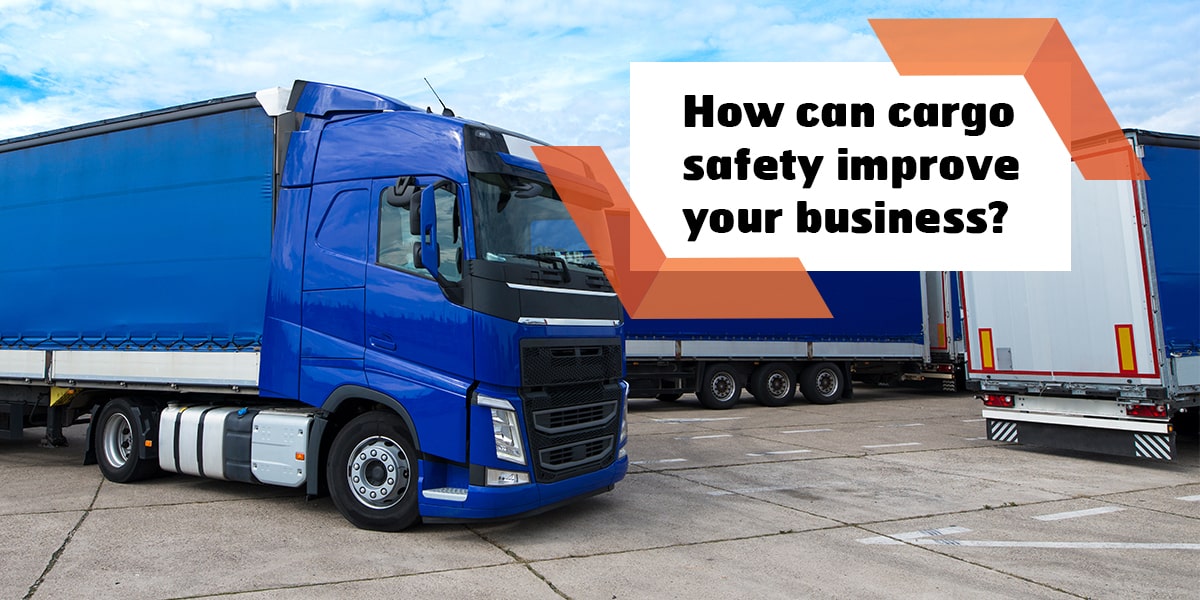
How can cargo safety improve your business?

When transporting various materials, certain safety measures should be taken to keep cargo as safe as can be. Read more to discover top-notch safety features used by the freight industry.

The freight industry transports hundreds of different materials, ranging from food and fabric to coal and fertiliser. Most of these materials are valuable which encourages criminals to go to great lengths to steal the cargo while in transit. But rest assured, there are plenty of ways to keep your cargo safe with the help of good fleet management software and its advanced features.

Safety measures for cargo

Cargo is transported through different types of freight channels like land, air or water. No matter the type of cargo, special care is taken to ensure that it is not damaged while in transit. Packaging the cargo in containers and wrapping them in foam, bubble wrap, or any other material is just one way to keep cargo safe and prevent it from moving around or being tampered with.

Shipping companies are responsible for packaging and labelling cargo before departure and are liable for protecting the contents against damage or theft.

Here are a few tips shippers can take to ensure cargo is handled safely:

  • Use proper shipping supplies like cushion materials, appropriate lashing, and labelling
  • To prevent shifting while on the road, the cargo must be secured on all sides
  • Fill open spaces with various materials like boards, airbags, empty packages and foam to minimise weak points
  • Secure cargo with special lashing on the top and bottom side rails, as well as the corners
  • Use nets to secure cargo in place

Cargo being loaded for shipping

Cargo being loaded for shipping

High-risk cargo

Living in certain countries where crime is prevalent and fleet attacks are common can be stressful for both fleet managers and transporters.

Although cargo theft can occur at any time, criminals usually target goods in transit. This is mainly because of the countless unsafe parking spots and dodgy streets along the way. This is when cargo is at its most vulnerable.

The distance between one point and another might also be a factor in an attempted theft. The more the driver is on the road, the more tired and less aware they get, making them an easy target for hijackers. As a result, crime syndicates may attempt to steal the goods at stop signs, under bridges, in unsafe parking spots or on deserted quiet streets when the driver least expects it.

There are a few preferred features frequently used by fleet managers to avoid these situations, geofencing being one of them. It’s a feature that allows perimeters to be set around any area, or danger zones, that fleet vehicles might pass along their way.

When the vehicle arrives at these locations, an alert will be sent and if for some reason, the vehicle does not exit these locations, the fleet manager would immediately know something is wrong and can quickly act by sending emergency personnel to the exact location, hopefully arriving just in time to stop the hijacking attempt.

The impact of technology on the road.

With safety measures becoming more sophisticated and technically advanced, it seems crime syndicates have also evolved with the times and started implementing tech in their operations.

Truck hijackings in South Africa have been increasing over the years and don’t seem to be slowing down anytime soon. Last year, Police Minister Bheki Cele reported a sizable increase of 31.7% in truck hijackings across the country.

“Criminals are now so sophisticated that they are using signal jammers, diversion tactics, infiltration teams, blackmail and even planted employees to reach products or assets,” says transport tactical risk specialist, Stan Bezuidenhout, as he shares some insights with Arrive Alive.

Though this might all seem negative, hope is not lost. While criminals become more intricate and ‘professional’ in their craft, technology will always be one step ahead. Fleet management safety systems have certain features such as CarWatch, Protector, AI surveillance cameras and many others that can add another layer of monitoring and security to protect your assets.

Cargo loaded on a truck

Cargo loaded on a truck

Keeping track of your cargo

Monitoring the arrival times of drivers is one of the most effective ways for fleet managers to keep their trucks and cargo safe. To ensure optimum safety while in transit, tracking companies such as Cartrack provide fleet management solutions to help with daily operations.

While fleet managers do their part to keep their fleet safe, transporters also have the tools to manually protect cargo with certain features provided.

Benefits of geofencing:

Geofencing provides a location-based service that defines a virtual perimeter around any area via GPS, such as a warehouse or even an entire city.

With this feature, fleet managers can:

  • Live track their vehicles
  • Identify certain events while on the road, like travelling in an unassigned area
  • Deliver automatic notifications to preset geofenced areas and receive alerts when drivers enter or exit high-risk or unassigned areas
  • Allow immediate reaction if theft of cargo or hijacking occurs

While geofencing is a huge asset in terms of fleet safety, it also contributes to the business’s bottom line. By using this solution, fleet managers will save money that would have otherwise been spent on replacing or repairing stolen or damaged vehicles.

AI-powered and live-stream camera technology:

It is more important than ever for fleet managers to have an extra pair of eyes on the road and ‘be’ present in each of their fleet vehicles. It may be an overwhelming task to manage risk for large fleets, but LiveVision is the dream tool that provides fleet managers with the visibility needed to ensure driver, vehicle and cargo safety.

LiveVision is Cartrack’s AI-powered video surveillance solution that can be used to protect, monitor and record the activities of your drivers and fleet. This solution can be used for fleet management, fleet tracking, and fleet security.

Fleet managers can gain full visibility of cargo by live-streaming the journey from their laptops or phones, or instantly download footage to review events or attend to alerts of potential cargo tampering.

International road safety rules

While ensuring cargo arrives safe and sound is a top priority, the purpose of certain safety measures is to reduce the chances of attempted theft or road accidents.

A Monash study on fleet management and safety provides insight into how three different countries approach the issue of road safety:

  1. In Germany, The German Traffic Safety Council has advocated the formation of volunteer safety circles, in which the company’s fleet of employees gathers to discuss prominent safety issues and find solutions under the guidance of an expert moderator. They also offer one-day “Safe, Economical, and Environmentally Friendly Driving” courses.
  1. In the United Kingdom, various strategies have been implemented in the UK to improve road safety within organisations. These strategies are as follows: driver training programmes, reward schemes, punishments, accident investigations, driver monitoring systems, and driver feedback procedures are among the long list.
  1. In South Africa, we have taken a hands-on approach with our road and cargo safety protocols. We have fleet management and vehicle recovery companies such as Cartrack that offer training facilities for drivers to better improve their driving skills and driving behaviour, as well as fleet management training, helping fleet managers reach a higher operations management level.

We also have a wide range of safety features, specially made for every individual motorist as well as businesses with any number of fleets. These features include Carwatch, Protector, Fuel monitoring, Geofencing, AI-Powered cameras and over 40 reports features that constantly monitor the state of your vehicles as well as your drivers. With all these insights and tools at your fingertips, productivity and efficiency levels within your business will only improve.

Cargo safety inspection

Cargo safety inspection

End goal for driver and fleet safety

Although countries around the world take different approaches to their cargo safety protocols, the end goal is for all to improve road safety for cargo, fleet vehicles and transporters involved in transit.

Implemented cargo safety protocols are necessary steps taken to reach:

  1. Reduced theft and hijacking attempts
  2. Vehicle accident prevention
  3. Enhanced driver education, alertness and behaviour
  4. Readily available accident analysis reports
  5. Reduces operation costs for damaged or stolen goods.

Improve and implement safety with Cartrack

Cartrack offers security features specially designed to protect your drivers, fleet and cargo against theft, hijacking, or any other roadside emergency that may occur. Put your trust in us and we will protect your assets. Visit our website today to get a free quote.

Using fleet management systems to empower your drivers

Fleet drivers represent the business world and provide much-needed services to the public. Safety measures would not only benefit them, but also the company they work for in terms of maximising profits, cutting costs, and improving delivery systems. Discover actionable fleet safety tips for drivers.

From the moment they drive out the business grounds and hit the road, fleet drivers are responsible for the vehicle, cargo, and their own well-being. They should consider how they handle the vehicle, how they avoid potholes and any objects that could compromise their safety, and much more.

The safety of drivers is the most critical aspect of the success of a fleet management system. By putting driver safety and empowerment at the centre of training programs, fleet managers can focus on their most valuable assets – drivers who can recognise their own risky, on-road behaviour and strive to correct their actions. Taking initiative puts fleet drivers in the best position to help keep their fleet on track during challenging times and gives their managers one less thing to worry about.

Cartracks-fleet-management-system-helps-you-manage-your-vehicle-maintenance-schedule

Managing your fleet on the road

While fleet systems get new technical upgrades annually, it’s important not to forget to use the technological innovations to also positively impact fleet drivers’ daily workload. Fleet managers should start using fleet management software to not only optimise delivery workflow but also improve driver skills, awareness and behaviour on the road.

There are many challenges fleet drivers face while driving; one that impacts the supply chain is on-road issues, which may hinder or delay delivery. These issues could be anything from dealing with vehicle maintenance problems such as a tyre blowout while driving, which could endanger both themselves and other motorists, or unforeseen situations of criminal activity, putting the driver’s life in possible danger.

Fleet safety comes first

According to the International Traffic Safety Data and Analysis Group Annual Road Safety Report for 2020, issues such as heavy loads and unworthy cross-border vehicles contribute quite heavily to road accidents and casualties, as do vehicles travelling inappropriately on rural roads.

Speed coupled with the lack of lane lines, unmarked intersections and unsafe road surfaces, also adds to the high accident rate on our roads.

This same report highlights that in all countries:

  • Speed is a contributing factor in 15% to 35% of fatal crashes
  • Driving under the influence of alcohol is a factor in 10% to 30% of fatal crashes

Truth is, your drivers are on these very roads but that’s where a technologically advanced fleet management system comes into play. It will allow you to put a speed management and monitoring strategy in place that will help you enforce safer driving behaviour through regular reporting, as well as keep track of where your drivers and vehicles are so that if they do run into any kind of trouble, you can act fast.

Gain insights from your fleet

A good means of instilling safer driver behaviour in your fleet is to hold safety meetings with your drivers. Here they can actively engage in discussions with the management team on where improvements need to be made to individual vehicles and the fleet as a whole. These can be as simple as avoiding a route currently under construction or needing to change a route completely due to dangerous situations such as potholes, illegal activity and more.

Take the time to draft a fleet safety policy revolving around your drivers. Put yourself in the driver’s seat. Keep it simple but as specific as possible and conduct regular reviews with your drivers. These meetings could include discussions around the wearing of seat belts, the use of breathalysers, and focused driving, which could be monitored by a fleet management system.

Being on the road gives fleet drivers the front-seat advantage, so put their knowledge to good use and drive effective teamwork. Managers can also use these meetings to discuss aspects such as the vehicles themselves, ways and means of improving things such as inspections, toll fees, licence renewals and more.

Cartrack’s MiFleet software is a great application to use for all this; it cuts down on your administration time and keeps you updated through alerts and reminders on where and when vehicle costs need to be covered.

The alerts sent would also help fleet managers avoid unnecessary downtime and loss of production due to delays such as service maintenance or unpaid fines, and help increase vehicle longevity.

Using-Cartracks-fleet-management-system-to-keep-track-of -your-vehicle-maintenance

Fleet monitoring to benefit transporters

Roadside situations are plentiful and it’s the responsibility of the fleet manager to try and be present as much as possible in every one of his/her fleets, to defuse any minor or major problems and quickly find the right long term solutions.

While managers do their part in keeping drivers safe, with the help of fleet management software, they can also:

  • Supply accurate vehicle tracking
    Through GPS wireless connectivity, the fleet system ensures your drivers can always be found, no matter what route they take.
  • Provide 24-hour live reporting
    To keep the fleet manager as informed as possible, fleet management systems will automatically send reports of every event that occurs while in transit, even if the driver forgets to update it on the mobile app.
  • Have always-on digital platforms
    A live program grants both the manager and driver the benefit of continued and instant communication.
  • Instant access to custom dashboards
    Conveniently have your important or most used tools at the ready as soon as you access your mobile app. Cutting time spent on having to search for certain features.

These types of features help managers keep track of their fleet and implement both instant and long-term strategies to improve driving habits, reduce running costs and increase fleet longevity.

Put safety in your own hands

There are also a few ways drivers can take initiative and implement safety into their daily schedules.

Training programs are available to help in managing the risks of driving, improve behind-the-wheel skills and also reduce the impact of accidents and breakdowns.

Sometimes, something as simple as rewarding drivers who practise safe road behaviour is all the motivation needed to encourage self-awareness and improvement.

Finding solutions to fleet vehicle neglect

Before we start deep diving into solutions, we first have to know the reason behind destructive driving behaviour and neglect of company vehicles.

One is if drivers haven’t been properly trained, are unsatisfied or unmotivated at work and are reluctant or haven’t properly integrated into the work environment or culture.

This negligent behaviour can result in on-road running costs increasing, including frequent tyre and brake replacements, future maintenance expenditures, and worse, accidents.

To help rectify this behaviour, fleet managers can peruse:

  • Engaging the workforce by sharing pertinent information with them
  • Hold regular meetings with your fleet drivers to keep them informed and engaged
  • Show them their performance reports, pointing out where they’re doing well or need to make improvements, and what factors affect their results
  • Obtain as much data as possible, both electronic and verbal, to help you form a holistic image of your fleet that allows you to make informed changes with speed and efficiency

The cost of fleet accidents

One accident can greatly affect and cost your company anywhere from $16,000 to $75,000, even if it’s minor and no one was hurt. In the case of fatalities, the cost can skyrocket even if it wasn’t your employees’ fault. The fact that fleet accidents are among the most expensive injury claims for a business, is one of the main reasons why safety is a high priority for fleet business owners.

Here’s a list of the type of cost implications accidents can have on your fleet:

  • Vehicle repairs/ replacement
  • Fines due to traffic violations
  • Legal representation
  • Court fines
  • Loss of revenue due to damaged fleet vehicles
  • The cost of insurance premiums and deductibles
  • Replacement driver training
  • Loss of productivity due to avoidable downtime

Though this list might be enough to cause a dent in any business’s profit margin, there might still be additional costs added depending on the circumstances, but rest assured, with fleet safety programs and training implemented, there will be significant reductions in on-road incidents.

Cartracks-fleet-management-system-helps-you-monitor-vehicle-maintenance

What are the 5 key elements of effective fleet management?

To avoid losing money in the case of accidents or general poor productivity, businesses should invest in fleet management systems and a fleet safety program, as this long-term investment pays off through better accountability, improved fleet safety, promotes fewer collisions, and reduced operating costs.

There are a few key elements that contribute to an effective fleet safety program:

1. Hiring responsible drivers

An effective fleet safety program begins with the driver recruitment process. Start by finding the right drivers that meet the business’s fleet driver standards. Having a skilled driver with experience in driving fleet trucks would be beneficial.

The idea is to build a reliable and safe team of skilled drivers who understand the importance of fleet safety and prioritise it as much as possible. Hiring drivers who are like-minded in terms of work ethic, attitude and driving skills might result in having a low fleet driver turnover rate.

2. Having a comprehensive driver training program

After assembling a team of safe and reliable drivers, the next step is to train them.

Cartrack has a fleet management training course for fleet managers looking to maximise productivity, as well as offers training facilities for drivers to better improve their driving skills and behaviour.

The training of drivers not only reduces the possibility of accidents on the road but also sets a standard for safe driving among the fleet, ensuring smooth operations.

3. Monitoring driver performance and behaviour

An effective fleet safety program requires the use of high-end fleet management software that allows fleet managers to efficiently monitor all fleet activity. Regular monitoring of driver performance and driver behaviour ensures all drivers are following the fleet safety guidelines and driving safely.

As a Cartrack customer, you’d have the benefit of using an AI-powered camera system that monitors drivers while on the road. With this, you could get a full view of your drivers, vehicles and cargo in transit, and receive alerts on any risky driving behaviour or possible collisions.

You can also use driver scorecards to review their performance, which makes it easier for fleet managers to identify drivers who require further coaching.

4. Vehicle maintenance

Having routine inspections of fleet vehicles is also an essential part of proper fleet management. Now that you’ve trained your drivers to exercise safe driving behaviours, you need to equip them with vehicles that are in tip-top shape.

This will help prevent unforeseen breakdowns and accidents that result from faulty equipment or poorly maintained parts. Plus, regular vehicle monitoring will lower maintenance costs.

5. Keep a continued focus on fleet safety

The importance of overall fleet safety needs to be repeated regularly. With constant use of safety procedures, this idea will become the norm and integrate itself into the business’ culture.

Sharing important fleet safety metrics with your drivers, fleet managers, and safety officers frequently is also recommended. Seeing the benefits that the safety program brings will validate the effectiveness of the fleet safety program. The habit will continue and be properly implemented into the training programs of new drivers.

With Cartrack’s end-to-end SaaS solutions, you can improve the safety of your fleet by:

  • Having real-time monitoring of vehicle and driver behaviour with Artificial Intelligence (AI) technology can help identify and correct poor driving habits that lead to accidents and prevent them.
  • Monitoring driver performance through scoring and providing targeted training opportunities for drivers improves driving efficiency and lowers your fleet operating costs. Provide end-to-end driving analysis on your drivers’ dashboards so you can identify their most-used routes and intervene to prevent unsafe driving.
  • Creating customised driver safety policies to ensure that they can operate safely while delivering items. It also helps to lower the costs associated with poor driving behaviour.
  • Maintaining and servicing vehicles properly to keep them safe to operate and reduce the risk to both drivers and other road users. Proper maintenance can help prevent problems from occurring.
  • Creating a rewards programme to encourage drivers to drive safely and increase engagement. It is important to be able to attract and retain drivers that are motivated and engaged, as well as offer incentives or bonus payments for those who go above and beyond.

Cartrack’s tailor-made fleet management systems

Put driver safety and empowerment at the centre of fleet management with Cartrack’s user-friendly, fleet management tools. Fleet managers can get more out of Cartrack by taking part in their fleet management training as well as empowering their drivers to partake in the available driver training programs.

To see other ways Cartrack can help you optimise your business, visit Cartrack today.

7 ways you can drive to save fuel

With the general cost of living on the rise, be it fresh produce or monthly rent, the recent petrol price spike is beginning to seem like a stretch too far for many. Although we can’t bring the petrol prices down, we can give you some fuel-saving advice that could help keep your wallet a little fuller each month.

For many of us, saving money and drafting a budget doesn’t come naturally. Most often, we end up spending the money we initially saved. Well, don’t stress, we are going to unpack a few ways you can burn fewer fumes and save more cash.

We know millions of people are feeling the pinch at the petrol pumps. That’s why Cartrack is giving motorists something to smile about.

#ExploreMore with Cartrack, sign up and stand a chance to win your share of R25 000 in petrol vouchers. While you think about that, here are some free fuel-saving tips you can put to the test the next time you’re out on the road:

How-safe-driving-habits-can-become-a-fuel-saver

1. Drive like your petrol depends on it

Keeping your engine on while your vehicle is not moving is not advised, here’s why: Idling while driving burns an unnecessary amount of fuel and puts additional stress on some parts of your vehicle that could become damaged as time goes by.

Contrary to popular belief, continuously switching your car on and off while stuck in traffic, does not burn more fuel than leaving it idling, in fact, idling burns more. We elaborate on this in more detail in another article that explains how turning off your engine when not moving for longer than 10 seconds can be a simple fuel-saving solution that also saves on business costs.

2. Don’t speed

Sure, this activity may feel like you’re getting from A to B faster, but speeding is one of the biggest contributing factors to rapid fuel consumption. Simply put, vehicles naturally use the most energy when accelerating.

If you are serious about getting the most litres per kilometre, we recommend you leave the bad driving habits like speeding, abrupt acceleration and braking, for the race track and stick to the rules of the road. Exercising safe driving and driving the recommended speed limit, especially on long-distance roads, will improve your vehicle’s fuel economy drastically.

3. Change gears smartly

If you have a manual gearbox, switching gears too early may be another reason why you find your fuel light turning on empty a lot sooner than you expect.

Not giving your vehicle ample time when changing gears from a higher gear to a lower one will increase fuel consumption and engine strain as the engine is still continuing to run at a higher rpm while shifting into a lower gear, making the engine work harder than it should.

To help lessen the load on your engine, keep your revs per minute low while cruising, preferably between 1500 and 2000 rpm, and below 3000 revs while accelerating on a highway. This will provide you with the optimum fuel efficiency for your engine.

4. Check your tyre pressure

Believe it or not, the state of your car impacts your petrol usage. Being up to date with servicing your car and frequently checking on its maintenance are good habits to have if you hope to save on petrol.

Underinflated tyres take up more space on the road, causing them to drag while driving. This increases resistance and fuel consumption as you continue to use them.

Depending on your manufacturer, you can typically find the recommended tyre pressure on the inside of the door or in the manual. For low-rolling-resistance tyres, you can have the pressure pumped up to 0.3-0.5 bars above the recommended level for a smoother ride.

5. Make shopping an all-in-one experience

Another smart way to make every drop in your tank count is to make shopping a “one-stop-shop”. Imagine this, you’ve finally finished your long day at work and are about to head home. You get home, open the fridge and realise you’re all out of ingredients. Before even putting your feet up, you’re already out the door, heading to the shops.

Next time, head to your local shops on your way home and buy whatever you need. Simply planning your trips or routes before heading out can help you avoid burning unnecessary fuel.

6. Carpooling

“Hitching a ride,” or more commonly “carpooling,” is the next big thing when thinking of sparing your own petrol. According to Business Tech, carpools and lift clubs are South Africans’ go-to options for beating record-high petrol prices.

Besides saving money on fuel costs, alternating lifts let you sit back, relax, and listen to music while you’re being driven around town. If more people started carpooling, fewer cars would be on the road, traffic would be greatly reduced and air pollution would slowly decrease.

Carpooling also helps to prolong the life of your own vehicle, as your monthly mileage will be significantly reduced. Although this fuel-saving method is very popular, it could have an impact on insurance premiums.

For instance, if you’re the designated driver and you receive payments that exceed just the petrol and parking costs, your insurer could view this as a commercial transaction and require you to switch to business insurance or obtain a special permit for carpooling.

7. E-hailing

If you don’t have a group to drive with or simply don’t enjoy the company of local strangers, then e-hailing services might be for you. With e-hailing, you don’t have to worry about how much petrol you have left or putting extra wear and tear on your own car. You just open an app, order a car, wait for the driver and enjoy the ride.

These days, there are multiple e-hailing apps to choose from, including Uber, Taxify, inDriver and many more. All these services offer different pricing on rides and offer their own special discounts on their respective mobile apps from time to time.

Save-fuel-by-implementing-safe-driving-habits

Fuel positive helper

There’s also technology out there that can help you monitor your vehicle’s fuel usage. You can track how much fuel your fleet or vehicle uses every day with Cartrack’s smart dashboard. By analysing the data provided by the devices installed on your fleet or everyday vehicles, you can learn where fuel is consumed most and why.

Cartrack can also calculate the safest and fastest route you should take when driving, so you don’t have to burn extra unnecessary fuel getting to your destination. Visit us today to start saving on fuel.

The real hidden cost of owning a car

There’s more to owning a car than monthly repayments. You see an ad for two or three thousand rand a month and think, “I can afford that”. The truth is, you probably can get your first car before the end of the month – all checks and balances considered – but before driving off, you’ll have to fork out more than that monthly instalment.

Yes, there’s a catch. The additional costs of insurance, licensing and registration, annual disc fees and changing your tyres aren’t part of the annual service – did you know that?

Knowing what the hidden costs of owning a car are, beyond the obvious, helps you plan on how to deal with them. This will save you from overextending yourself every month, trying to keep up with the cost of running your car.

Keep car ownership the exciting – and convenient – experience it should be with these tips to help you make a wise decision about the car you can really afford.

1. The once-off costs of car ownership

For the average South African, buying a car cash isn’t an option, although it would be the best way to eliminate the biggest monthly cost of the repayments – plus interest. The advertised price may be, for example, R200 000 but by the end of the term (usually 72 months) you’ve paid almost double that amount. So you’ve spent about R400 000 on a car whose market value has declined significantly in the five years since you first bought it.

Deposit

Financing the purchase through a bank is the most popular way of obtaining car ownership, but without a decent deposit, this option is costly in the long run, thanks to interest on the credit extended.

If you’ve been saving up, you’ll know the bigger the deposit, the lower the instalments, but more importantly, the better the interest rate the bank charges you.

On-the-road costs

When buying a car you may find a line item for “on-the-road fees/costs” (OTR) on your invoice. Also known as a “dealership fee” or “service and delivery fee”, take a closer look and you’ll see that even the little things count. Typical OTR fees include the following items:

  • Pre-delivery inspection/safety check
  • Certificate of Roadworthiness
  • Delivery fuel
  • Initial fuel
  • HPI Clearance
  • Administration
  • FSB Fees
  • Cleaning or Valet costs

OTR costs are common once-off expenses, but your ability to negotiate the final cost comes into play here, because the amount can add up to an additional R4 000, affecting your monthly premiums.

Service and maintenance plans

Do you know that annual physical exam you’re supposed to have? Your car needs it too. And unlike yours, skipping it can affect your car’s future value. If you’ve ever tried selling a car with no service history, you’ll know how important proof it’s been looked after is to potential buyers.

Although you’ll need to make an upfront payment, which can be financed, having a service plan and a maintenance plan will pay off in the long term. Your services are guaranteed to be covered and, depending on your plan, you won’t be liable for any faulty parts in the car.

Remember that your service and maintenance plan may not cover everything, for example, a new car battery, so you may have to add a few thousand rand to your car emergency fund.

2. The monthly expenses of owning a car

You’re still getting used to the beeping sound of locking your car and cruising through traffic with your commute playlist keeping you going when you realise that your vehicle finance debit order isn’t all you’re going to be spending on your car this month.

Fuel

Your biggest expense, following your monthly repayments on your car, is fuel. Whether it’s petrol or diesel, keeping your car running will make up the largest portion of the money spent on staying mobile. This is why it’s important to calculate a car’s fuel consumption before making your choice.

The importance of fuel efficiency will depend on the distance you drive every day, amongst other considerations, such as fuel price fluctuations.

Remember to factor in the class of vehicle you’re planning on buying as that also impacts your fuel budget. Most brands publish fuel consumption figures based on both urban and rural terrain, so think about the routes you drive most regularly and use that to find out what your expected fuel costs will be.

Insurance

It’s a grudge purchase, but come theft, hijacking or accidents, you’ll be glad you got insurance before driving out in your fresh set of wheels. Besides, the dealership (and the bank, if you’ve financed your car) won’t let you drive out of the parking lot without insuring your car.

The bank’s main concern is guaranteeing that their investment is safe until you pay it off, that’s why it’s a contractual vehicle finance requirement to have an active comprehensive insurance policy.

But insurance means you’re covered even after you’ve paid the car off, saving you huge replacement or repair costs in the event of damage or loss, even if you’re at fault. If your car is written off, the insurance company will settle the remainder of the loan balance with the bank.

Remember, insurance premiums can increase each year, so factor in your affordability over the next five or six years when choosing an insurer. Also, have a look at the excess amount. There’s no point in paying a low premium when claiming will mean paying a big payment upfront just to have your car fixed, repaired or replaced.

3. The annual costs of having a car

If you decide to skip out on the service and maintenance plans, you’ll still have to part with some money to cover your annual service and general maintenance of your car. Ask your car dealer or service agent how much a service costs and the cost of essential parts, then work out an amount to save every month to put towards the service when it’s due.

A helpful hint to cut costs, especially if you buy a pre-owned car that’s out of warranty, is to a trustworthy mechanic who can perform all your maintenance and repair work.

Another annual cost is your car licence disc fee, which increases for every month it’s overdue. You get a 21-day grace period if you have not renewed the expired motor vehicle licence. The grace period is calculated from the expiry date of the current licence disc. Every time you renew your vehicle licence, you are paying the local registering authority a fee for permission to drive on their roads.

4. The periodic costs

Services and parts make up 34.97% of a typical entry-level vehicle’s upkeep. As a new owner, this is the cost you’ll need to cover for services – after your plan lapses and you choose not to reinstate it – and replacement parts throughout the life of your car.

Replacement parts

Research what replacement parts for your new car are likely to cost. Locally manufactured cars usually cost less to maintain because parts don’t need to be imported. A comparison of replacement parts across brands and models is best done before deciding on a car to buy.

Try to inquire about whether the dealership you’re buying from keeps stock of replacement parts on hand, or if they need to be ordered on demand. The answer to this could be the difference between a quick repair and a longer delay to get moving again.

Tyres

Those tyres that come with your dream car? They’re pretty costly. Upwards of R2 000 each. They may have appealed to you as part of the package (who doesn’t like bigger wheels and tyres?), but replacing them won’t be cheap – especially when you have to get a new set at least every 50 000km.

If you’re looking at buying a regular hatchback or sedan you may not have to worry so much about the standard size tyres as they tend to cost less. It’s the unusual sizes that are likely to put pressure on your pocket, especially if all four need to be replaced at the same time.

It’s unlikely that only one tyre at a time will need replacing as wear and tear usually happens in pairs. Avoid replacing a single tyre to ensure equal traction at the front or back of the vehicle.

Driver’s licence renewal

So this expense applies as soon as you’re a legal driver – whether you’re driving a car or not. A driver’s licence has a limited lifetime, usually five years, before it has to be renewed. Applying for renewal comes at a fee and is mandatory. Get caught driving with an expired licence and it equates to not having one at all.

On the subject of breaking the law, speeding fines and being written up for other road violations can be expensive, so try to obey the rules of the road to avoid incurring additional expenses.

5. Find the right fit

After considering the amount you’re able to spend on paying your car off and the additional operational costs of owning the vehicle, use a car finance calculatorto determine the loan amount that fits your budget.

The result is only an indication of what price range you can shop in, not a guarantee that you will qualify for that amount. Once you’ve established your range of affordability, start car shopping for a car that suits your needs, but also ticks the right boxes. Ask yourself practical questions in this process, including:

Ready to ride?

Calculating the actual costs of owning that car you’ve been eyeing before you buy is important. The purchase price is only the beginning. Keeping that car roadworthy and looking as good as day one requires more line items in your car budget.

Sure, the bank could approve your finance application, but working out the possible additional costs helps you ensure you can afford the whole package. If you feel the costs are too high or could stretch your budget too much, opt for a cheaper model car or look around for a good used car on a platform like Carzuka. With hundreds of cars to choose from, you’ll find one that suits your pocket and your style.

Peace of mind is priceless

After all you’ve spent on your car, do you really think you could replace it for its total worth if it were stolen or hijacked? Contact Cartrack today and let us help you stay safe on the road with our world-leading car-tracking and telematics solutions.