
Vehicle Battery Maintenance Made Easy: How to Stay Secure With Cartrack

There’s a popular misconception that all your battery needs is a jumpstart to stay healthy. This false theory, however, has left many drivers stuck with a failing battery while completely baffled, not knowing what the issue is.

Don’t wait until you see the battery light flashing on your dashboard to take action and start maintaining your battery. Our blog is the handy guide you need to reduce breakdowns and avoid costly battery repairs.

Let’s dive in.

In this article, you will:

  • Uncover the importance of vehicle health and the role of battery maintenance
  • Discover popular types of batteries and their maintenance requirements
  • Understand when to maintain or replace your vehicle battery
  • Get actionable steps to preserve your car battery and extend its lifespan
  • Explore Cartrack solutions that safeguard your vehicle battery

Importance of vehicle health

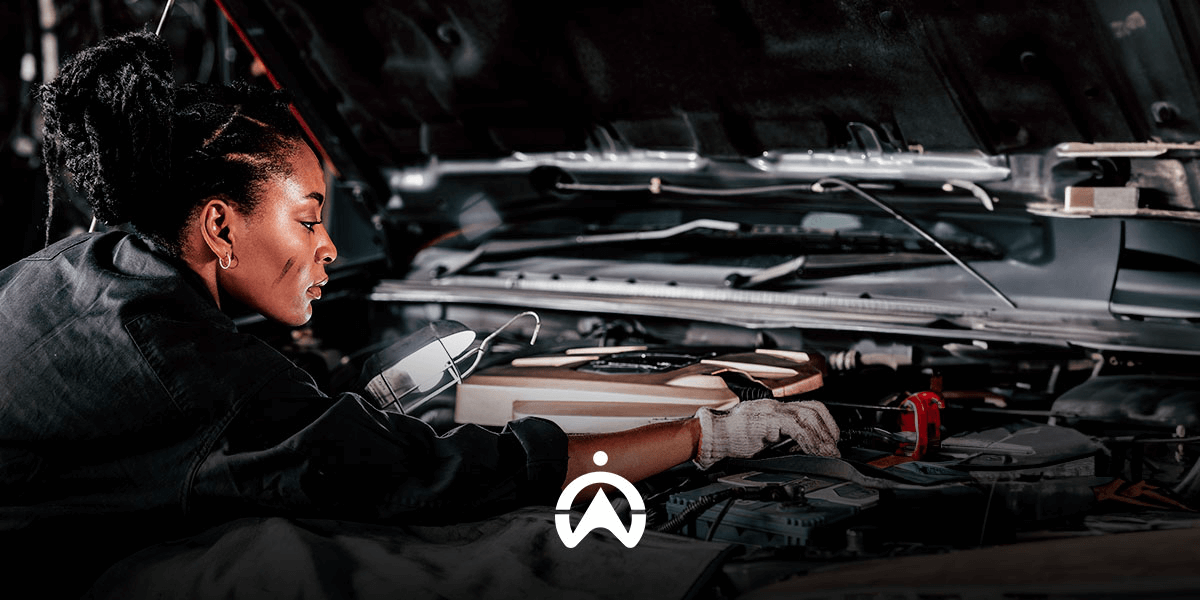
One part of the vehicle that is often disregarded when talking about vehicle health and maintenance is the battery. The battery and the engine are two parts that make the vehicle able to function and move, but often enough, the focus is only on the engine.

Let’s change that, shall we?

Your battery is responsible for providing power to your engine and lights, allowing you to change gears and be on your way. When the engine is turned off, it also powers all the other electrical components of your vehicle, like your radio or air conditioner.

A well-maintained battery can have a long service life, provide reliable performance and also prevent unexpected and costly breakdowns from happening. To achieve this, it needs top-notch servicing.

Different stages of vehicle servicing

Before we start focusing solely on our vehicle batteries, let’s first see the bigger picture of your whole vehicle. What use is a healthy and thriving battery if it works with parts that aren’t running efficiently?

To keep your vehicle as healthy as can be, servicing is recommended every few months to ensure small issues are checked and fixed and don’t grow to be costly if ignored. Vehicle inspections are determined by their make, model and mileage. Depending on these 3 factors, different types of vehicle maintenance plans can be recommended to ensure that every part, from tyres and oil to battery and engine, is running at tip-top shape:

  1. Interim car serviceThese are small but important basic vehicle checkups that are encouraged every 15 000 km—22 000 km. They include your vehicle’s oil changes, fitting in new oil filters, light vehicle inspection, and checking for any leaks. This type of servicing is recommended at least once a year, even if your vehicle hasn’t reached the specific mileage target.
  2. Full car serviceThis service is encouraged around 20 000 km and includes all basic checkups of minor servicing. It also includes inspections of some critical parts, including your brakes, lights, steering, tyres, windscreen, vehicle fluids like hydraulic fluids and testing components like starter, alternator, and battery.
  3. Major car serviceThis service is recommended every 30 000 km—45 000 km and includes maintenance of all the vehicle parts mentioned in the minor and full servicing, as well as other parts that might cause the car to fail, such as replacing the air filter, spark plug, and brake fluid, if left unattended.

    For major servicing, you can also include the following to ensure your vehicle stays in tip-top shape:

    – Wheel alignment
    – Suspension checks
    – Tyre tread tests
    – Checking brake pads and brake discs

    If your car is still under warranty, you would have to service your vehicle following preset intervals. If it’s out of warranty, then there’s more flexibility in the timing and services performed but to ensure your vehicle’s health and a decent resale value, it’s better to keep as close to the schedule as you can.

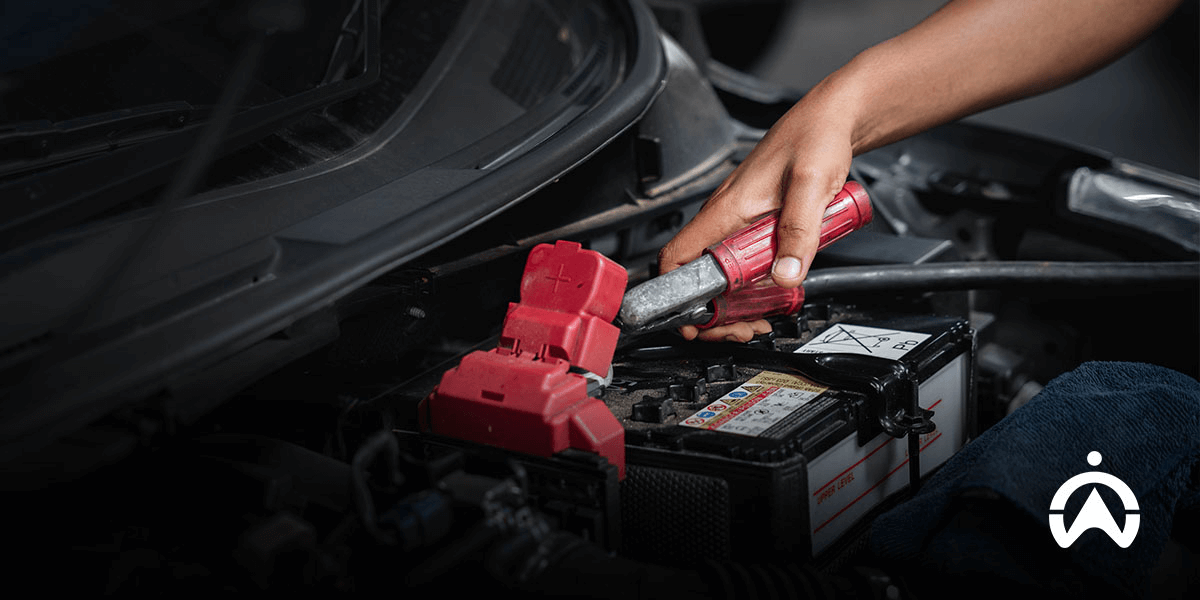
What’s under my hood? Discover popular types of batteries

To make sure all the effort you’re putting into having a lasting vehicle battery pays out, you have to know what kind of battery your vehicle has and use the correct maintenance techniques. Batteries can be like that, you know; what works for one type might not have the same effect on another.

  • Lead acid batteriesThis is the popular, more traditional, and most cost-effective battery that most cars you see on the road have. It works with lead and a mixture of sulfuric acid and water. Because of this battery’s materials, it’s prone to evaporating over time, leading to a decrease in its power over time. The necessary maintenance this battery needs is topping up with distilled water every few weeks.
  • Lithium-ion batteriesThis battery is most popular with electric vehicles and plug-in hybrid electric vehicles. They have a high-power to low-weight ratio, low energy consumption, and are recyclable—perfect for an eco-friendly electric fleet. Its drawbacks are that they are expensive, prone to overheating, and hard to find on the market if you ever need to replace them.
  • Sodium-ion batteriesThese batteries were created as the solution to the problems presented by lithium-ion batteries. Sodium is abundant, easier to extract, sustainable to use, and more affordable than lithium-ion. Since they are a new solution, more research is needed before it’ll be widely available and become the industry standard.
Discover popular types of batteries

Battery issues: Factors that affect battery longevity

Vehicle batteries don’t cause many issues for their drivers, and it’s for this reason that most drivers don’t take a second look at their batteries when performing regular inspections. Often enough they don’t see issues with the batteries until it’s too late and they find themselves stuck on the side of the road calling for help.

To prevent calling a tow truck to move your vehicle or flanking down other drivers for a jumpstart, here are a few battery maintenance tips to keep your battery working for longer.

  1. Avoid short tripsRather than making short trips throughout the day, rather round it up into 1 trip to release strain on your battery. Your battery uses power to start your vehicle for every trip, with multiple short trips, your battery uses more and more power without it being replenished from your alternator. A longer drive allows the alternator to charge your battery as you go.
  2. Keep your vehicle movingThe longer you leave your vehicle in your garage without driving it, the faster your vehicle’s battery will slowly die out because it’s not getting its regular dose of charge from the alternator. With working-from-home opportunities increasing, it’s understandable that some motorists can go days without touching the road. While this is great for your wallet, it’s not so great for your vehicle. A quick fix for this can be to take your car out for a spin every few days to make sure your battery gets its charge.
  3. Avoid extreme temperaturesWhen it comes to temperature, your battery prefers neutral temperatures. This one might be hard for South African drivers who live in warmer climates, but your battery works better when it’s neutral or cool. Try parking your vehicle in shaded areas or a garage to limit exposure to extreme temperatures.
  4. Clean your batteryDon’t be afraid to pop the hood and get to cleaning. Corrosion (a white or bluish-green powder) and dirt often build up around screws or bolts resulting in poor connectivity, just brush away the dust, sweep off the gathered dirt and wipe any grime accumulated on your battery. If there is too much corrosion, call your vehicle mechanic to help get rid of it safely.
  5. Service your vehicleServicing your car does a lot of good in maintaining its health. Leave it up to the professionals to ensure your battery is running as it’s supposed to and that it stays secure in your vehicle and doesn’t rattle around.

    Even while giving your battery all the TLC it needs to continue working, there comes a time when you have to replace the unit and unit and start afresh.

Do I maintain or replace my vehicle battery?

Unfortunately for many motorists, batteries are not a once-off purchase type of item. A vehicle battery’s estimated life expectancy is around three to five years. Over time, they get worn out and eventually need to be replaced.

Here are signs you should look out for of a failing battery:

  1. Slow cranking: If your battery takes a minute or two to power your car, it could be a sign that your battery is starting to fail and is due for a replacement.
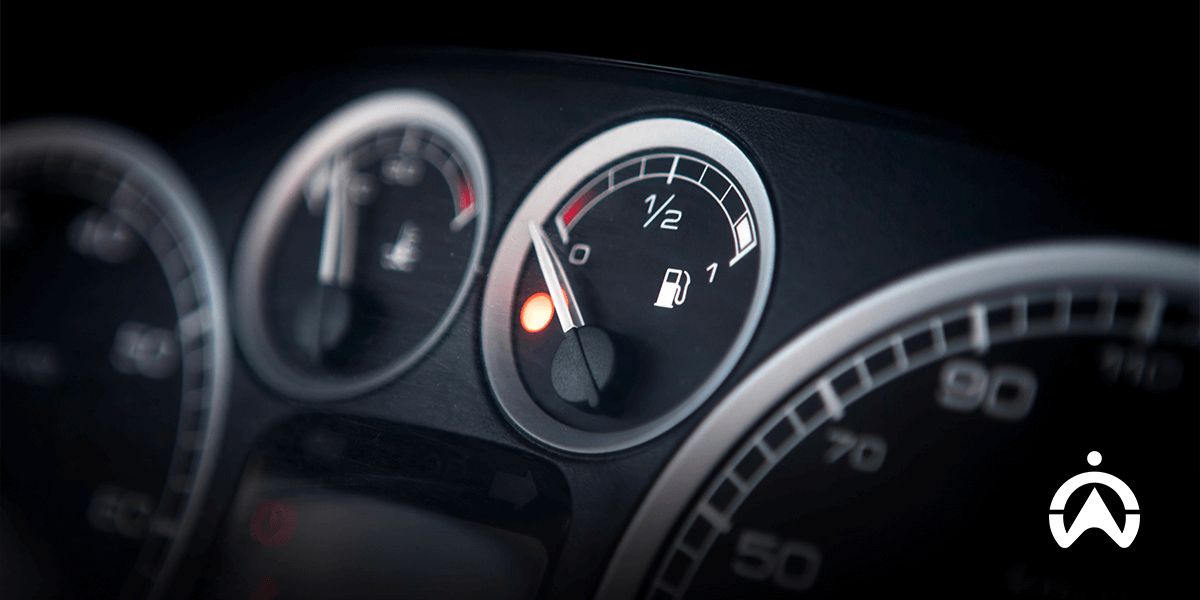
  2. Battery warning light: If the battery warning light on your dashboard is lit up, it means your vehicle has detected an issue with your battery or the charging system and needs you to take a look.
  3. Battery corrosion: Excessive corrosion or damage can be a big sign of an unhealthy battery. Most of the time, you can just wipe away the corrosion, but if it’s extensive, then it might be too late for your battery.

If you see these signs along with a cracked battery case, a fluid leak, or a bulged battery case, it’s unfortunately too late to save the battery and it should be replaced.

Even though the invisible clock is ticking away to when you will eventually replace your battery, there are still some helpful methods you can use to extend your battery’s life for a few more rides.

Vehicle battery maintenance checklist

Often, the battery health gets swept aside as many drivers assume all the battery needs is a jump start if it ever has issues, but that’s far from the truth. Fortunately for many drivers, maintaining your battery is relatively easy.

☑ Inspect your battery: Before getting your hands dirty, take the time to look around your battery and check for any signs of damage like cracks, bulges in the case, or any leaking fluids. These are sure signs of battery failure and suggest your car needs a new battery.

☑ Test your battery’s voltage: To confirm if your vehicle battery is indeed losing power, you can use a battery tester to measure the battery’s voltage. A fully charged battery should have a voltage of around 12 V. If the voltage is too low, then it might need to be recharged or replaced.

☑ Keep your battery terminals squeaky clean: Corroded terminals slow down the electricity flow from the battery to the car’s electrical system. To correct this, simply use a wire brush or a material to wipe to remove any gathered corrosion around your battery. If the corrosion is tough to clean, disconnect the battery cables and use a mixture of baking soda and water to lightly remove it around the terminals.

☑ Regularly charge your battery: Have you recently noticed that your battery isn’t holding much charge after leaving your vehicle parked for days at a time? Vehicles that aren’t often used don’t have enough time to recharge, which results in low power output and shorter battery life. Use abattery charger or maintaineras a solution to keep your battery charged even when it’s not in use.

☑ Check the age: Car batteries usually last between three to five years, if you’re experiencing frequent issues with your battery, check if the age of the battery is the cause. Even if your battery still works the same but is approaching five years, consider replacing it before issues start to occur.

☑Ensure your battery isn’t stored loosely: Your battery should not move around or vibrate while you’re driving. This can loosen the battery and cause internal damage and short circuits.

This battery maintenance advice works for most battery types but what about batteries in electric vehicles?

Maintaining my electric vehicles’ battery

When it comes to electric vehicle (EV) batteries, regular charging is the way to go. Unlike regular vehicles that rely on petrol to drive from one location to the next, electric vehicles rely on their batteries and how much charge they have to make the trip.

To ensure your vehicle’s battery lasts, these techniques are used.

  • Regular state-of-charge checks
  • Temperature monitoring
  • Battery voltage and cell health monitoring

These ensure drivers get the most out of their battery by swiftly identifying any issues with the battery before they become costly.

Safeguard your vehicle battery and extend its lifespan with Cartrack solutions

Don’t get stranded in the wrong side of town because of your battery.

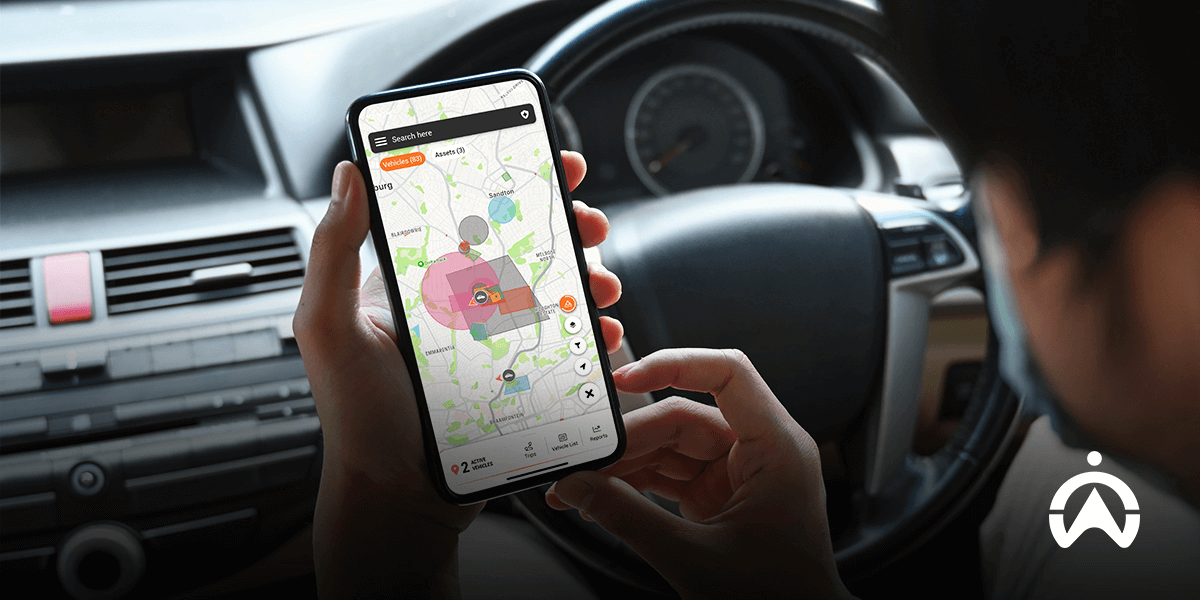
Cartrack Zimbabwe, the trusted industry leader in vehicle safety and fleet management does more than just track the location of your vehicle in real-time, it can also track your vehicle health, monitor your battery, provide features to empower you to get ahead of your vehicle maintenance and get you out of battery-related situations.

Key Cartrack Zimbabwe features that can lend a helping hand with your battery

  • Protector: Protector provides quick and easy access to medical and roadside assistance directly from the Cartrack mobile app. From locksmith assistance, re-filling the fuel tank, changing tyres and even jump-starting your battery, Protector will send assistance whenever needed.
  • Power Event Notification: Get ahead of battery tempering or attempted battery stripping with our real-time PEN feature. Receive alerts the moment your vehicle’s battery is disconnected, and act swiftly to reduce the chances of battery theft.

Cartrack Zimbabwe takes your vehicle battery health into consideration

In addition to our features, our tracking units shine for their reliability and integrity. Rest assured, knowing that as hard as our tracking unit works 24/7, gathering vehicle data and offering you valuable insights on your vehicle’s daily trips and usage, it won’t damage or negatively affect your vehicle’s battery in any way. This means that you can enjoy these tracking solutions:

  • GPS vehicle trackingWith installed tracking units, you can see your vehicle’s live location. Allowing you to efficiently track and monitor your vehicle’s every movement in real-time.
  • Stolen vehicle recovery services (SVR)The moment you report your vehicle is stolen, Cartrack’s on-the-ground and air recovery teams spring into action by tracking your vehicle and striving to recover it.
  • Limited recovery warrantyIf your vehicle has been stolen and Cartrack can’t recover it, you can claim a cash-back of up to R150 000 to replace your stolen vehicle. Ts&Cs apply.

Whether you’re using Cartrack Zimbabwe for security, efficiency, or to keep track of your vehicle, rest assured that your battery will still be able to give its best.

So, are you ready to say goodbye to your vehicle safety and battery woes? Contact Cartrack Zimbabwe today for trusted vehicle safety solutions.
Police Impersonation and Extortion: Why a Tracking Device Is Important

Scams have become one of the easiest ways criminals get money out of people, from fake shopping websites to fake police trying to make money out of a terrible situation.

Criminals are now using the trusting nature of everyday roadgoers like me and you to extort money by creating fake recovery stories. The upside, though, is that families and car owners can protect their vehicles withGPS tracking solutions.

This blog explains how police impersonation scams work and the steps you can take to avoid them and protect your ride.

In this article, you will:

  • Find out what police impersonation is and how to identify it
  • Unpack the psychological factors that contribute to police impersonation and crime
  • Learn tips to help you avoid extortion from fake police officers
  • See how a tracking device can help you recover your vehicle
  • Protect yourself with Cartrack GPS tracking units

Police impersonation and extortion 101

Remember when you used to play cops and robbers as children? Robbers are now pretending to be cops to extort money from vehicle owners in exchange for the release of their vehicles. Impersonating an officer of the law is one crime, and extortion is another that can be used to lure victims into providing information and giving away their hard-earned money.

Bogus officers with fake stories date back as far as the 18th Century, when criminals would pretend to be police officers so they could raid and extort innocent civilians. In our technologically advanced age, little has changed, unfortunately; criminals are still scamming people by disguising themselves as police officers and often using the anonymity of the internet and smartphones to their advantage. The hotspot for these crimes appears to be Johannesburg and surrounds, so if you reside in this area, be extra vigilant when receiving a call from a police officer.

Police impersonation: Wolves in sheep’s clothing?

Most people love a costume party where they can dress up as what they’ve always wanted to be but when that turns into criminal activity, it leads to chaos. The legal term for this is impersonation—the act of pretending to be another person for entertainment or fraud—which goes beyond a costume for a party.

Many people have fallen victim to this act mainly because they do not want to get into trouble by arguing or resisting cooperating with police officers. Historically, police officers have always been viewed as individuals the general public can trust because their job is to uphold the law, so stealing from an innocent victim by pretending to be law enforcement is one of the ultimate betrayals and may cause serious damage to the trust relationship between the victim and the police, as well as other law enforcement.

Police impersonation: Wolves in sheep’s clothing?

Extortion through police impersonation

Extortion is the practice of obtaining something, like money, using force or threat. In recent trends, criminals are impersonating police officers to hijack and force people to empty their bank accounts for their gain. This extortion can be done in two different ways,a hijacking happens, and a bogus officer pretends to have found your vehicle and calls to demand money for the vehicle’s release. Another way these fake coppers get away with scamming you is by implementing fake roadblocks. They pretend to be police officers, and they use this authority to try and take your vehicle.

Imagine leaving friends after a great braai and catch-up session, and you’re suddenly stopped by a vehicle with blue lights similar to a police van. If the person stepping out of that vehicle turns out to not be a real officer, your car and even your life may be in danger.

These criminals take you hostage and drive your vehicle to the nearest ATM. This is where the extortion comes in, they force you to enter your bank pin to access your account and withdraw all of your money. This is essentially what extortion is, a way for criminals to get a vehicle and money at the same time.

Impersonation here, impersonation everywhere

This phenomenon is not only popular in South Africa; police impersonation and extortion have gone global. India, for example, reports criminals impersonating police officers in an attempt to extort money by getting hold of a victim’s details and calling them to tell them that a package with illegal substances arrived at a police station and that a police case would be opened against the victim. Honduras also has a problem with criminals impersonating law enforcers and committing crimes. The security officials in Honduras have introduced uniforms with chips that contain the police officer’s information. These chips are hard to duplicate and make it easier to spot fake police officers.

Why are police impersonations a popular crime?

The motives behind different crimes can vary even if the main objective remains some kind of monetary or material gain. For example, some individuals are driven towards crime due to poverty, while others may just be looking for the thrill of the chase and the enrichment they get from it. Some of the main psychological reasons for extortion are:

  • Power and control: Criminals enjoy the power they have in these situations because they not only feel in control but they can get what they want by taking advantage of their victim’s fear.
  • Greed: Gluttony can somewhat drive criminals to want more out of a situation. They know that their victim might have a lot of money so they extort more amounts.
  • Intimidation: Some criminals like instilling fear in people by intimidating them. This is a personal psychological issue that can only be treated by professionals.

While these reasons may not apply to every perpetrator, they shed some much-needed light on why these criminals tend to act the way they do from a deeper level. No matter the reason behind these criminals’ actions, though, there is no doubt that they always cause pain and trauma to victims.

Conquering undercover deception: How Sam lost his SUV and got it back

If you’re wondering how the day of a police impersonation and extortion victim goes, it may not be that different from yours.

For example, a typical day for Sam starts with him stopping by the mall to do some errands and get his wife a cappuccino. However, on one fateful day, he noticed that he was being followed by a suspicious vehicle right after pulling out of the mall’s parking lot, and the assailants took his vehicle. Sam rushes to the nearest police station with the help of a Good Samaritan, who picks him up just outside the mall parking lot and gives him a lift.

After opening a case of vehicle theft at the police station, Sam receives a call from another fake police officer claiming to have found his vehicle, telling Sam he has to meet the officer to pay for the release of his car. Sam was starting to feel uneasy about the situation and, after smelling a rat, informed Cartrack of the incident. Cartrack used their GPS tracking to locate Sam’s vehicle, and he was able to recover his car safely and expose the police impersonators with the help of Cartrack’s recovery team and the police.

Cartrack’s advanced GPS tracking to the rescue

Sam’s situation is one of smart moves and quick responses from Cartrack. The GPS tracking device that Sam had installed was the main champion in locating his vehicle and avoiding extortion from fake police officers. The use of Global Positioning Systems (GPS) allows Cartrack to locate your vehicle through satellites that calculate where your vehicle has travelled and where it stops. This can save you from having to pay criminals pretending to be police officers to extort money from you. Contact Cartrack Zimbabwe to have a GPS tracking device installed in your vehicle and stop criminals from using you as their meal ticket.

Cartrack Zimbabawe: Safety for your vehicle and wallet

Our state-of-the-art vehicle tracking features are designed to help you combat theft in a country where it poses a very real threat. Whether your car is stolen, hijacked, or gone due to an attempted fraudulent police encounter, Cartrack has the tools to enhance your vehicle’s safety.

  • CarWatchCarWatch is essentially the vigilant eyes you need when you’re not near your vehicle. The CarWatch feature detects unauthorised movements, letting you know about any suspicious vehicle activity. You can easily access CarWatch on the Cartrack App, and the Cartrack 24-hour control room will contact you immediately upon receiving an unauthorised movement alert. For the general safety of your vehicle, CarWatch is a feature you can’t go without.
  • GeofenceThe geofence featureuses GPS to trigger alerts when your vehicle leaves the geographical boundary you createdto keep track of your vehicle’s movements. For example, if you want to take extra security steps to know your car’s movements, you can use geofencing to create specific zones and get an alert when your vehicle enters or exits these areas. Cartrack’s GPS tracking device works with geofencing to help you get alerts of your vehicle’s movements, increasing our control room’s proactive response to suspicious activity.
  • Vehicle recoveryLocating and recovering stolen vehicles is one of our areas of expertise. Our GPS tracking system allows our vehicle recovery team to locate your vehicle even when it has crossed the borders of South Africa. Our tracking device is also tamper-proof and discreetly installed to ensure thieves and hijackers don’t locate it while being chased by one of our dedicated recovery teams.

    Cartrack is your superhero when it comes to vehicle tracking and recovery. A GPS tracking device from Cartrack, along with CarWatch and Geofence, can help you recover your vehicle when you are in danger of being extorted by police impersonators.

Cartrack: Safety for your vehicle and wallet

Get the ultimate protection with Cartrack Zimababwe

Contact Cartrack for a free quote and to find the best package for your vehicle and needs.

Tips to avoiding being extorted by a criminal impersonating a police officer

Let’s face it, crime is an ever-existing phenomenon in South Africa, and it is nearly impossible to run away from. Knowing your rights as a driver when pulled over by the police—fake police in this case—can help you determine the danger of the situation. Here are some tips that can help you escape from fake police:

  1. Assess the situation: Check the police officer’s uniform to see if it looks professional. There may be telltale signs like not wearing a full uniform and the absence of identification. For your safety, you may ask for their identification to determine if they are indeed employed by the South African Police Services.
  2. Do not stop at deserted areas to make a phone call: This might not seem like an issue, but thieves can see a deserted area as an opportunity to take your vehicle and extort money from you because there wouldn’t be any witnesses.
  3. Drive to your nearest police station if you are stopped or followed by a suspicious vehicle. This will allow you to get to safety if criminals are pursuing you quickly. These guys are unlikely to follow you into a police station!
  4. Press that button: Cartrack’s Panic button enables the emergency control room to contact you when you are in danger and directly communicate with Cartrack response teams along with local police to ensure a quick response.

Save your vehicle and yourself from extortion with a GPS tracking device from Cartrack Zimbabwe. Contact Cartrack Zimbabwe to have this device installed in your car and know where your car is at all times.

Dirty Diesel: How to Prevent and Stop Contaminated Fuel in Your Fleet

Dirty diesel, contamination crises, and dodgy fuel—these headlines have made top stories in South Africa over the last few months. This brings us to ask: are the recent news reports sensationalising the fuel contamination problem, or do we have a crisis on our hands?

Fuel contamination can harm your fleet vehicle’s performance and engine operation, which explains the concern over reports about dirty diesel.

As fuel prices increase, it’s alarming to individuals and businesses that they could spend more on fuel, potentially damaging their vehicles and ultimately costing them millions in the long run.

With fuel monitoring solutions from Cartrack Zimbabwe, fleet managers can prevent and stop dirty diesel refuelling that is happening right under their fleet.

In this article, you will:

  • Understand what contaminated fuel is and how it affects your fleet
  • Get a breakdown of the signs of dirty diesel in your fleet to look out for
  • Uncover five ways to prevent fuel contamination
  • See how Cartrack’s solutions help with fuel contamination in your fleet
  • Discover the truth about fuel contamination

Why worry about dirty diesel?

Dirty diesel, more commonly called fuel or diesel contamination, refers to impurities in your fuel that reduce its quality and grade. These impurities can be caused by various contaminations, such as water and microbial (bacterial and fungi) degradation, which occurs in the storage and handling of the fuel.

Here’s a more detailed explanation of fuel contamination.

Types of fuel contamination

With more than one type of fuel contamination, it’s best to get clued up so you can keep contamination risks in your fleet at a minimum.

  1. Water contaminationDiesel fuel is easily contaminated by water when stored in tanks through condensation, leakages in the storage unit, or poor handling during the diesel transfer. This results in microbial growth, rust, and water and oil separation in the fuel. A little water in your fuel may not seem like a bad thing, especially when water accidentally enters your fuel system, but the saying “water and oil don’t mix” stands true when it comes to diesel.

    The water levels in your fuel should be below the saturation point, so any excess water entering your vehicle’s fuel system can result in bacterial growth, corrosion, and ultimately, engine damage.

  2. Fuel debrisThere are two types of fuel debris: organic degradation and inorganic degradation. Organic degradation happens when diesel fuel is stored in tanks for too long and essentially expires. Filling stations and fuel providers will often add stabilisers and other additives to prevent this type of degradation. It is recommended that vehicle owners or fleet owners have their fuel tanks assessed before using any additives.

    Inorganic contamination happens during the fuel handling process, meaning it may be handled improperly when transferred or moved from the diesel fuel tanks, trucks or drums and eventually to your fleet’s tank. During this process, the diesel fuel may come into contact with sand, dirt, rust, and other debris, ultimately causing dirty diesel.

  3. Intentional diesel mixingDodgy petrol stations may also reduce the purity of their diesel fuel intentionally by adding synthetic fuel such as illuminating paraffin. A recent news report revealed that the Department of Mineral Energy (DMRE) discovered over 70 petrol stations selling dirty diesel fuel in South Africa.

    These petrol stations have been ripping off customers by selling lower-grade and contaminated diesel fuel at premium prices. Beyond the financial impact for individual owners and businesses, dirty diesel can cause serious vehicle problems too, and that’s why vehicle owners and fleet businesses should be worried.

    The sad truth about dirty diesel is that you do not need to have excessive dirt in your fleet’s fuel system for it to affect your vehicles. The accumulation of debris and contaminated fuel builds up in your system and can have disastrous and costly effects on your cars and machinery in the long run, ultimately affecting their longevity.

    But how can you detect whether your fleet’s running on dirty diesel? Here are some telltale signs to look out for in your fleet:

    – Poor engine performance
    – Inefficient fuel consumption
    – Fuel tank corrosion
    – Difficulty accelerating a vehicle or driving up a slope
    – Blinking engine light
    – Clogged fuel filters
    – Engine stalling

    Alternatively, you may want to consider having your vehicle inspected for fuel contamination in its tank. You can no longer afford to ignore or overlook your fleet’s fuel quality because doing so could cost you more later.

Types of fuel contamination

The negative effects of dirty diesel in your fleet

Businesses transporting goods regularly or working with machinery that rely on diesel fuel will be disadvantaged by the devastating results on their vehicles and machinery.

Dirty diesel can cause:

  1. Aggressive engine damageDebris and other contaminants in your fuel can cause significant damage to your vehicle’s fuel injectors, pumps, and other engine components.
  2. Higher maintenance costsAssessing and addressing the damage caused by dirty diesel, or even pumping out the fuel from your vehicle, could result in higher maintenance or service costs.
  3. Increased fleet inefficiencyDirty diesel burns faster, leading to increased fuel consumption, forcing your engine to work harder and reducing your vehicle or machinery’s performance.

Prevent and stop fuel contamination in your fleet

Whether your fleet was accidentally refuelled with dirty diesel and you’ve fallen victim to dodgy petrol stations, or maybe you have simply overlooked fuel quality for your vehicle and equipment; there are only three tried and tested ways to prevent and stop fuel contamination in your fleet.

Here are the three best ways to prevent fleet fuel contamination:

1. Schedule regular maintenance and vehicle checks

Regular vehicle and equipment maintenance or servicing helps ensure your fleet is prepared for every trip, no matter the distance. Your vehicle is constantly working, so keeping up with the service is a smart way to make sure every component works optimally.

To prevent and stop fuel contamination, fleet managers who suspect dirty diesel in their fleet can request a checkup on their fuel filter and fuel pump at their next maintenance or service check.

To avoid manually tracking their fleet’s service appointments, fleet managers can set maintenance or service reminders on the Cartrack Fleet Web and automate the administrative process. For example, replacing your fuel filter every two years or every 50 000 km driven (depending on the vehicle type) is typically recommended. By setting customised reminders for a fuel filter replacement, you ensure your fleet’s fuel filter is checked and replaced on time. What’s more, having to replace your fuel filter earlier than when you captured it on Fleet Web would indicate that there may be fuel contamination problems affecting your fleet.

2. Train fleet staff on fuel contamination issues

As expected, your drivers probably know more about your vehicle and your vehicle’s performance than you do. They are behind the wheel every day, ensuring your deliveries and tasks are completed on time. This also means they can alert you to vehicle issues so you can address them faster.

By training your drivers and other fleet staff on fuel contamination and the signs they can look out for, you can help them prevent and stop fuel contamination in your fleet. Simply adding routine oil and filter vehicle checks can go a long way.

Cartrack’s GPS tracking and telematics solutions help when your drivers are not sure what is causing your vehicle’s performance difficulties. Our telematics give insights into your vehicle so you get notified of engine faults and battery health checks. With these insights, you can address vehicle issues even faster.

3. Monitor your fleet’s fuel pattern

Last but certainly not least, your fleet’s fuel consumption, expenditure, and patterns can all indicate whether your vehicles’ and machinery are running on dirty diesel. Fuel monitoring is all about analysing your fleet’s fuel consumption in real time, tracking fuel expenditure and transactions, monitoring fuel tank levels, and identifying the problems affecting your fleet’s fuel.

Using various fuel data can help fleet managers detect and address fuel issues such as contamination. Sometimes fuel contamination is caused by drivers or fleet staff trying to get cheaper fuel so they can inflate the fuel costs and pocket the change from refuelling. This kind of fuel theft can be addressed with fuel card integration that restricts refuelling to authorised stations. Fuel cards can also be used to track fuel purchases by location, cost, and volume to help managers identify suspicious activity.

Our fuel monitoring system is equipped with GPS tracking and fuel sensors and can be integrated with Cartrack’s MiFleet for cost administration. This system provides an all-in-one option to address dirty diesel issues and other fuel management challenges. Using our system, fleet managers can customise and automate their fuel consumption reports on the Cartrack FleetWeb to meet their needs and address fuel issues.

Alternatively, if you realise that one or more of your vehicles or machinery seem to run out of fuel faster or that the vehicle often breaks down, then you can investigate dirty diesel or fuel fraud in your fleet.

chedule regular maintenance and vehicle checks

Fuel contamination: Debunking common myths

The news reports on fuel contamination and dirty diesel are not lying, but some misconceptions we have about fuel quality could stall your fleet, resulting in vehicle and equipment downtime and costly maintenance.

Let’s quickly debunk some common myths about fuel contamination.

Myth #1: There is no way to test your fleet fuel

Fleet managers can arrange different fuel testing tools and sampling checks with their fuel providers or request for their vehicles. Fuel testing is the only accurate way to determine whether a vehicle has dirty diesel. Mechanical checks, fuel tank condition, and fuel appearance all suggest contaminated fuel.

Myth #2: All diesel is the same

Diesel products differ, and South African vehicle owners have the option of choosing among different grades of diesel. It’s more important for fleet owners and staff to understand what their vehicles are compatible with and ensure they do not undercut their vehicles or machinery.

Myth #3 – Engines are resilient, so misfuelling is not a problem

Your engine cannot run properly without the right fuel, and sometimes, it will not run at all if you’ve poured the wrong fuel. While engines are resilient, misfuelling can damage your vehicle and cost you money.

Myth #4 – Using dirty diesel helps with fuel-saving

The saying goes, “cheap is expensive”, which is true when it comes to dirty diesel. Fuel saving should never compromise your fleet vehicles; dirty diesel damages your vehicle and reduces lifespan. With Cartrack’s fuel monitoring solutions, you can reduce your fleet’s overall fuel costs and strategies to improve your fleet’s fuel efficiency.

Protect your fleet from contamination with Cartrack’s fuel monitoring solutions

Fuel contamination can wreck your fleet, leading to costly repairs and unnecessary downtime. Protect your money-making vehicles and machinery from dirty diesel and keep your fleet running smoothly.

Contact us today for a free demo of our fuel monitoring solutions!

GPS Tracking System for Cars: What are the Hidden Benefits

GPS Tracking System for Cars: What are the Hidden Benefits?

From mobile phones to smart watches, digital cameras, and real-time navigation, GPS technology has amazing new levels. Many of our everyday activities rely heavily on GPS technology. Think about it…when last did you call someone to ask for directions? I bet you only ask for a pinned location on WhatsApp.

The power of GPS isn’t only essential for finding ways to your destination, paired with a good fleet management system, it will also save your fleet a fortune. Let’s see how.

In this article, you will:

  • Understand how a GPS works
  • Learn about the benefits of GPS for your fleet
  • Discover the hidden benefits of GPS
  • See the importance of a GPS tracking device for your vehicle
  • Find out how Cartrack uses GPS technology to boost fleet productivity

What is GPS and how does it relate to GNSS?

The Global Navigation Satellite Systems (GNSS) are a global network of satellites that transmit radio signals. There are several known constellations providing these services, like GLONASS (operated by the Russian Federation), Galileo (operated by the European Union), and BeiDou (operated by China)

The GNSS satellite navigation system we’re most familiar with is called the Global Positioning System or GPS and is developed and operated by the United States.

GPS is a constellation of 31 satellites orbiting the Earth. Each satellite emits signals that enable receivers through a combination of signals from at least four satellites, to determine time and location.

The 3 major segments of satellites

Let’s break down the three main segments of satellites to better understand how this technology works and is able to help us achieve real-time location tracking.

  • The space segment: This segment includes all the satellites in the GPS constellation. They transmit signals to users based on geographical position and time of day and are spaced in such a way that four satellites are above the horizon from any point on Earth. Three satellites are needed by the receiver to determine the position, the fourth is to enhance the measurement and provide the ability to calculate the vertical height of a point above sea level.
  • A control segment: Also known as ground control, this segment is made up of monitoring stations that detect any errors that might occur due to disturbances from radiation, electrical issues, or wear and tear. From time to time, satellites need instructions to fix these errors.
  • A user segment: These are the GPS receivers and transmitters that we use in our daily lives, such as smartphones, cars, cameras, and planes.

This is how GPS tracking works on a car

Satellites, signals, and a GPS tracking device are the three components of the global tracking system commonly used today.

A GPS tracker uses a process called trilateration to determine latitude, longitude, elevation, and time. Trilateration is simply the measuring of distance. Three satellites are used to calculate your distance from each one. With these three distances, trilateration can pinpoint your exact location. The tracking device is usually powered by an onboard diagnostics (OB-II) port, such as an accessory socket or internal battery, which collects information and transmits it to the software, allowing you to analyse the data.

Another interesting tidbit about GPS trackers is that there are two types: active and passive. Active trackers give users a real-time view of global positioning. This kind of GPS tracking is the best option for individuals or businesses who wish to gain a real-time view of their vehicles.

On the other hand, a passive tracker simply stores the GPS data to be viewed at a later stage. This is ideal for business fleet managers who are mainly interested in monitoring past activities.

The top GPS tracker benefits you probably already know

The use of GPS technology has become a norm to many, you’ve probably the of the benefits, but just to jog your memory, here are a few:

  • Know where your vehicles are at all times: A GPS tracker makes it easy to monitor your vehicles’ whereabouts and see if drivers are following the planned routes. It is also your best bet for recovering your vehicle should it be stolen.
  • Spot risky driving behaviour: With event-based tracking, telemetry and input data are transmitted at regular intervals or when an event is detected. An event can be anything from opening your car door to harsh turning, harsh acceleration or speeding. Fleet managers can get alerts of any bad driving habits that can cause accidents, vehicle wear and tear, and heavy repair costs.
  • Reduce fuel expenses: By comparing multiple routes with GPS tracking and historical reports, fleet managers can optimise fuel usage and reduce cost wastage. Fleet managers can conveniently compare multiple routes with historical reports and choose the most fuel-efficient routes. GPS trackers can also help reduce idling and speeding, which has additional fuel-saving benefits.
  • Improved customer service: The GPS tracker improves dispatch and routing, reducing the time it takes for orders to be delivered. This will leave your business with good reviews, as customers are always assured that their orders will arrive on time.

The hidden benefits of GPS tracking systems

Take a look at some of the often overlooked, not-so-known benefits of a GPS tracking system:

  • Emergency assistance for drivers: Fleet telematics combined with GPS tracking An instant access to the location of your fleet vehicles can save lives. Should there be an accident, emergency services will be able to get to your drivers quicker than usual.
  • Accurate costing and billing: With a GPS tracking system, you can get a more detailed look into areas that drain your budget and cut costs, as well as a better estimate of how much will be needed to keep the business flowing daily. There is little or no room for human error, so you won’t end up having any surprise expenses.
  • Simplify tax compliance: Because of the accuracy in the movement of your vehicles, drivers no longer need to manually log their miles, helping you file your taxes without hassle.

What about everyday motorists?

  • Review your past trips and identify your best route: There are also many ways for you to get to work, your partner’s place, or your kid’s school. These everyday trips can be costly if you don’t know which route uses less fuel. A good GPS tracking system will save you from all the trouble.
  • Lower insurance premiums: Most insurance companies consider vehicle tracking and theft prevention when determining premiums as those without are considered high risk.
  • Easy monitoring of your teen’s safety: You will know your child’s whereabouts anytime they’re on the road, and you can monitor their good or bad driving habits. They might see this as you being nosey, but at least you’ll know they’re safe.

Discover the best GPS tracker for you, your family, and your business

Whether for personal use or for your fleet. Cartrack has GPS tracking units that cater to all vehicle needs. We specialise in telematics that makes life easier for you.

Cartrack has a stolen vehicle recovery rate of over 90%, over 2 million subscribers, and 20 years of experience. Here’s a bonus: In the unlikely event that your vehicle is not recovered, you can claim an up to R150 000 cash back warranty! Ts&Cs apply.

The features our GPS tracking unlocks for fleets and motorists

  1. Real-time vehicle tracking
    With Cartrack’s GPS live tracking system, you can always know the live location of your fleet, whether parked or on the move. You can also access the real-time location of your personal vehicle at all times by downloading our user-friendly mobile app.
  2. Stolen vehicle recovery
    In the unfortunate event that your vehicle or one of your fleet vehicles gets stolen, rest assured that our skilled air and ground teams are always on standby, ready to get it back to you.
  3. Delivery for fleets
    Whichever business you’re in, be it e-commerce or the pharmaceutical industry, our delivery fleet management software is here to give you the fastest and most orderly way to make deliveries with route and job optimisation. With this jam-packed feature:

    • The process is paperless and, therefore, less time-consuming.
    • You can easily manage jobs based on route or change job priority, drivers get access to the app.
    • Drivers stay connected by getting access to the easy-to-use app which helps them complete tasks quicker by lessening confusion.
    • Drivers get instant updates on any cancellations or priorities on the jobs they’ve been assigned.
    • Customers get upfront communication on any changes and accurate ETAs
  4. Route replay
    Get a full view of the trip history of your fleet vehicles, replay the journies, and know the distance and duration of every trip.
  5. Driver behaviour monitoring
    Gain access to our driver scorecards, which provide detailed reports on events triggered, such as speeding, idling, harsh cornering, and harsh braking. These reports will help you identify areas for improvement for your drivers and provide coaching.
  6. Geofencing
    Create virtual boundaries around no-go areas you would like your drivers to avoid or areas you would prefer your vehicles only to operate in, and receive alerts the minute your vehicles enter or exit those areas. This will further enhance the safety and security of your fleet. But wait…what about your personal car? We’ve got you!
    The geofencing feature applies to fleet management and private vehicles, too. You can set the same virtual boundaries around areas of your choice, such as your workplace, your home, or the places you wouldn’t want your teenager to drive to. That way, you can get alerts anytime your vehicle enters or leaves these areas.
  7. Fuel monitoring
    Our GPS tracking system, paired with our fleet management platform, will help you detect fuel card fraud by calculating the distance travelled vs the litres of petrol used. We have a Mifleet platform that can help you manage fleet costs based on the reports given.

Unlock safety and premium savings with Cartrack Zimbabwe solutions

When it comes to smart vehicle gadgets, a GPS tracking device is most certainly a game changer and a pocket saver. And it’s no secret that Cartrack Zimbabwe is an industry leader.

Contact us today, and let us simplify your life with our comprehensive tracking solutions.

Car Smugglers on the Rise: How to Best Protect Your Vehicle

Criminals are getting smarter by the day by joining forces with those across our borders to make even bigger sales. Some of the cars stolen or hijacked around Gauteng, Mpumalanga, Limpopo, and Kwa-Zulu-Natal are cleverly smuggled into our neighbouring countries.

Let’s see which of the 6 countries we border South African cars go to and how you can protect yours.

In this article, you will:

  • Learn about the different borders that South African cars are smuggled out of
  • Discover the different types of vehicle anti-theft devices
  • See how Cartrack Zimbabwe can maximise your vehicle’s security

Which countries are South African cars smuggled into?

KZN to Mozambique

The first five kilometers of a solid concrete fence along the borders of the Umkhayakude village in northern Kwa-Zulu-Natal and Mozambique is currently under way; however, despite that, criminals are now building makeshift steel bridges that they can use to drive the stolen vehicles over the fence.

Limpopo to Zimbabwe

The Limpopo River is 1.6 kilometers long and runs through three other countries. Zimbabwe, Botswana, and Mozambique. At low tide, high-powered stolen vehicles are driven across the river to be sold. It is also said that locals with donkeys are paid a small fee to drag the cars across the river.

Northern Cape to Namibia

Vehicles stolen in the northern cape are trafficked through the Vioolsdrift crossing into Namibia.Two months ago, a man driving a suspected stolen vehicle, headed towards the Namibia border was arrested, the vehicle was valued at R1.1 million, and found inside the vehicle was R9500 worth of unprocessed gold.

North West to Botswana

The Sikwane border located in the North West, is used to smuggle vehicles into Botswana. It is believed that Botswana is used as a transit to smuggle stolen vehicles into Zambia and the Democratic Republic of Congo. Once in Botswana, the vehicles are fitted with false Zambia registrations under the pretext that they are returning to Zambia.

Zambia to the rest of Africa

Zambia is the link to all other African countries as it shares its borders with eight different countries; Zimbabwe, Botswana, Malawi, Namibia, Tanzania, Angola, Mozambique, and the Democratic Republic of Congo.

This makes it the main attraction for syndicates to traffic stolen vehicles in large quantities to different parts of the continent. When vehicles are stolen from South Africa to neighboring countries, the vehicle registrations are changed so they can “quietly” cross over to Zambia.

Which countries are South African cars smuggled into

Cars that are most likely to be taken across the borders

Big cars such as 4x4s and SUVs can withstand the strain caused while crossing the border and are strong enough to be driven through sharp fences, bumpy roads, waters, and mountains. They are also in demand in war-ridden countries or countries without proper road infrastructure.

What can you do to protect yourself

There’s no guarantee that thieves won’t try with your car, no matter the make or model, so the only thing you can do is to put in some protective measures to make it harder for them and hopefully chase them away. Here are some of the best vehicle anti-theft devices:

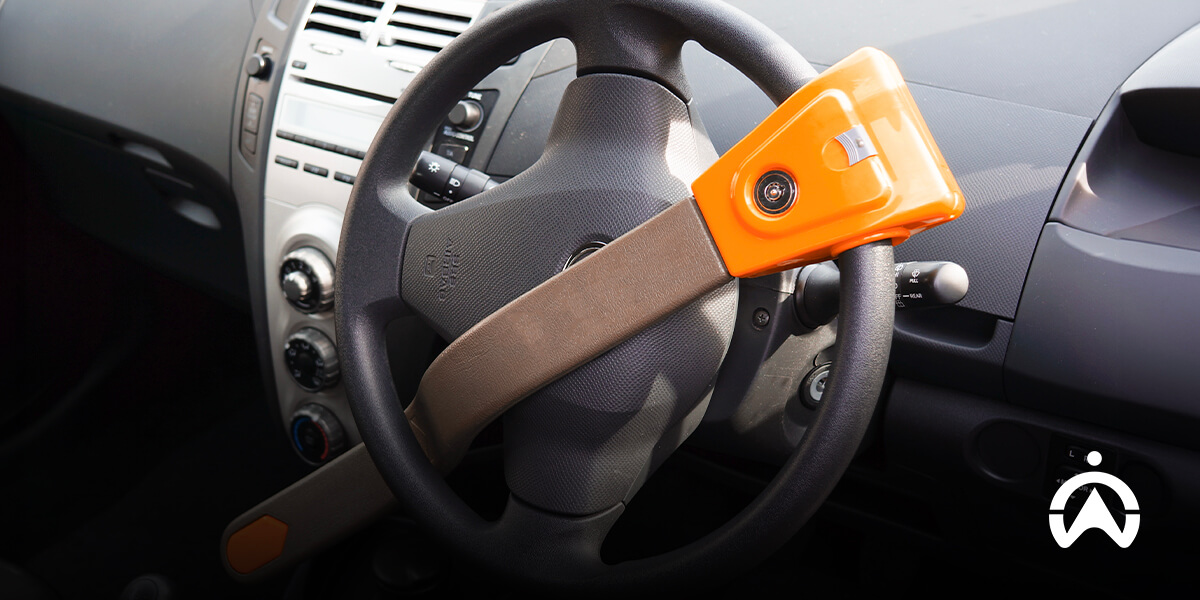
  1. Steering wheel lock: An oldie, but a goodie. These have been around for the longest time, and it seems modern-day society has forgotten about them. Steering wheel locks have been proven to be one of the best anti-theft devices as they prevent your steering wheel from turning. Thieves may be able to break into your car and start the car, but they won’t get far if the steering wheel isn’t working. They come in different designs and are very affordable.
  2. Immobiliser: Thieves often try to start cars with a different key. An immobiliser is an electrical device that helps prevent the engine from being started by disabling key components such as the ignition or start motor. Your car will only start when it receives the correct code from the key. Modern cars already have immobilisers built into their keys and require the keys to be nearby. Vehicles with keyless start functions use a different code each time they start.
  3. Gear lock system: Another old-school gadget that still works. Gear locks prevent your car from going into gear and moving. They are very much visible which discourages most car thieves because removing them will take time, and might get them caught before going anywhere. To suit the latest vehicle models, internal gear locks are concealed in the gear lever console to complement the vehicle’s interior.
  4. Kill Switch: Installing an automotive kill switch into your battery, ignition or fuel line can save four car from theft as it prevents it from starting. When the switch is “off,” it interrupts the electrical or fuel supply to the engine, preventing it from running.
  5. Faraday pouch: Keyless car keys continually emit a Radio Frequency Identification (RFID) signal, this means there is no on/off switch and thieves can pick up the signal at any given time. A faraday pouch is lined with specially made fabric that helps the signal from being emitted from your key fob; making it difficult,if not impossible for criminals to pick it up and clone it to get into your car.
  6. Gps tracking device: It is always better to try and prevent theft from happening, but what happens if criminals somehow manage to bypass all of the above-mentioned measures? A GPS tracking device is your best bet to getting your car back as it will give you real-time data detailing the exact location of your vehicle. A good GPS tracking device is one that can locat and recover your vehicle even when out of the country – Cartrack.

What can you do to protect yourself

Let Cartrack Zimbabwe be your choice of added security

Here’s how Cartrack Zimbabwe will ease your mind and give your vehicle an extra layer of protection:

  • Location tracking: Get 24-hour access to your vehicle’s location and get real-time updates.
  • Stolen Vehicle Recovery(SVR): In the unfortunate event that your vehicle get stolen, you will be more at ease knowing that our 24/7 control room and stolen vehicle recovery teams are always on standby and ready to locate and swiftly get it back to you. Cartrack has an over 90% recovery rate so rest assured that we will have you covered.
  • Cross-border SVR: Our advanced tracking unit supports international roaming. If your vehicle gets stolen and moved out of the country, we will still be able to track it down and recover it.
  • Carwatch: Receive instant alerts through our mobile app the moment your car moves without your knowledge by activating our virtual car guard, formally as Carwatch.
  • Geofence: Set up virtual boundaries around no-go areas or high risk zones so you can get alerts the moment your vehicle enters or exits the area.

Whether in your city or out of the country – Cartrack is always watching

Cartrack has an over 90% recovery rate and is trusted by over 2 million subscribers worldwide. We are the leading force in stolen vehicle recovery, so contact us today

The Latest Motor Vehicle Theft, News and Solutions

We live in times where leaving your vehicle to pick up an order at a takeaway might mean never seeing your precious again. Vehicle theft is one crime that leaves a dent in your pocket and a reminder that what we value can easily be lost.

Vehicle theft is an ever-changing crime that evolves in sync with technological development. Consider having a live GPS tracking unit that will provide real-time alerts and have your eyes on your vehicle.

Let’s talk about how you can prevent vehicle theft.

In this article, you will:

  • Identify the different methods of car theft
  • Learn about the safest provinces in South Africa for a driver
  • Discover the best ways to prevent vehicle theft
  • Touch up on your roadblock etiquette
  • Get answers to frequently asked questions about vehicle theft

Car theft in South Africa

While South Africa is proud of producing World Cup winners and Grammy award-winning artists, car theft is an ongoing and crippling issue that affects vehicle owners. In fact, it has been reported that 65 vehicles are stolen daily.

Vehicles are stolen from highways, parking lots, and every nook and cranny, making it hard for vehicle owners to drive in a country that they love.

We need to understand the dynamics around vehicle theft, what vehicles are at high risk, and how you can protect yourself and your vehicle from such a crime.

Understanding the dynamics of vehicle theft

Vehicle theft is the criminal act of taking someone’s vehicle without their permission. The reasons for stealing vehicles are different. A person may steal a car just to go on a joyride, steal your car to drive around, and then abandon it elsewhere when the thrill is over. Vehicles can be stolen for their parts to be used on other vehicles, and they can also be used to transport drugs and traffic people.

Once stolen, vehicles are most often resold. However, cars are sometimes used to commit crimes like robberies, so a stolen vehicle also makes for a good getaway that may throw the police off your trail while it’s still hot. We may not know what drives this illegal behaviour, but we do know it exists, and we need to know just how much we are at risk.

Which vehicles are at risk of theft in South Africa

Vehicle theft is a very concerning crime in South Africa, one that many have fallen victim to. It is important to be aware of which vehicles are prone to theft as this helps you take the necessary measures and even avoid purchasing those vehicles.

Here are the types of vehicles prone to theft and carjacking:

  • SUVs: SUVs are mostly stolen to use their parts on other vehicles, parts like engines and exhaust systems. They are also sometimes resold to make more money.
  • Sedans: These vehicles used in e-hailing services are often targeted as they are always on the road and can easily blend in after being stolen.
  • Bakkie/ Off-road vehicles: Bakkies are often stolen to be resold in other regions, they can be used to transport a lot of goods and therefore are in high demand.
  • High-speed hatchbacks: These vehicles are mainly stolen to be used to carry out other crimes, such as armed robberies, because of their ease in getaways. They can reach speeds of 120 km/h in a short period.

Vehicle theft trends in the last year in South Africa

About 5488 vehicles were stolen in South Africa between April and June. The rise in high-level vehicles being stolen is in line with the methods that thieves are using to steal vehicles. Some use the old-fashioned hijacking system and with expensive vehicles, new tricks have emerged.

  1. The most vehicles stolen in South Africa in 2023 were sedans and hatchbacks.
  2. A report by Arrive Alive revealed that although vehicles are stolen every day, the crimes are higher on Fridays around midday.
  3. The trend of business trucks and SUVs being stolen is increasing.

Top 4 methods used for vehicle theft in South Africa

Top 4 methods used for vehicle theft in South Africa

Carjacking has changed from the times when thieves would flat-out use a screwdriver to unlock your vehicle and hotwire it to start. There have been a few techniques that have seen vehicles driven off by thieves.We’re taking a look at four:

  • Signal jamming
  • Fake police method
  • Keyless entry system method
  • Deceptive damage method

Signal jamming method

Signal jamming is when thievesblock your vehicle remote’s signal so that they can break into your vehicle when you think you have locked it. Gate remotes and vehicle remotes operate on a similar frequency so it makes it easy to jam the car’s immobiliser for it not to lock.

For example, you park your car in a shopping centre and press the lock button on your car remote. A thief sees you pulling into the parking lot and waits for you to lock your vehicle. While you press the lock button on your vehicle remote, they press a button on their gate remote to disturb your remote’s frequency causing the vehicle to unlock while deceptively locking on your remote. This allows them access to your vehicle when you have left the area and they can drive off to wherever they are taking the vehicle.

Fake police method

When a police officer pulls you over, you may immediately think you are in trouble and want to do exactly what they tell you to. Now when that police officer starts telling you to exit your vehicle and proceeds to drive off, then you have just experienced a carjacking method called the “fake police”

Yes, you heard right—vehicle thieves are now operating under the guise of law enforcers. Thieves generally do this because they know that people will want to cooperate with the police when they are stopped to avoid tickets and even jail time. Many things can happen during this incident, though; one can be kidnapped and forced to empty their bank account, stripped of their belongings, and have their vehicle taken from them in the middle of nowhere.

Keyless entry system method

The keyless entry system allows thieves to hack the vehicle’s electronic control modules that remotely manage, track, and clone the vehicle’s key and gain access to the vehicle using the cloned key.

This technology relies on a key fob—a small remote control with an RFID chip that transmits information through frequencies to allow vehicles to be unlocked as you approach. Thieves have exploited this technology by having one thief standing next to your car with a device that tricks the car into sending a digital code to verify the owner’s fob then sends a signal to their accomplice to clone the car signal. The cloning process allows thieves to enter your car without alarms going off.

It is important to be aware of your surroundings when leaving your vehicle. Reporting suspicious behaviour may save your vehicle from being stolen.

Deceptive damage method

South Africa is a country known for its humility and kind people, so it wouldn’t be too strange when another driver hoots to get your attention and tells you that your number plates have fallen. Except, this is one trick that can have your vehicle taken from you before you can say “braai”.

Thieves wait at places where they know people are usually absent-minded like malls and shopping centres to remove their number plates, waiting for the car owner to drive off then pretending that the driver’s number plates fell off just so that they can pull over to steal their car is what we call deceptive damage car theft. Vehicle owners are targeted and fall victim to their trusting nature.

Cross-border vehicle theft

Cross-border vehicle theft refers to the illegal act of stealing a vehicle from one country and transporting it over the border to another country. In South Africa, almost 60 vehicles are stolen each day and some of them are taken across the neighbouring countries’ borders like Mozambique, Zimbabwe, and Botswana. Vehicles are now being recovered in countries outside of South Africa, either resold to new owners or even stripped down to the engine.

Crime syndicates have resorted to make-shift bridges that are used to drive vehicles into Mozambique from South Africa to avoid using borders and being caught by border patrolling soldiers. The bridges are in places like Umkhanyakude in KwaZulu Natal which neighbours Mozambique, making the stealing of cars easy and a quick transaction.

SAPS stolen vehicle recovery

The last twelve months have seen about 64 vehicles recovered on the South African-Mozambique border, and this is the work of the SAPS recovery task team. With over 140 arrests of cross-border vehicle theft syndicates, the task team is set on providing safety and enforcing the law on criminals.

Discussing the shocking 1800 stolen vehicles per month, Police Minister Bheki Cele visited Maputo recently for a two-day Ministerial visit. The visit aimed to announce the success of SAPS in recovering stolen vehicles and also set up command offices, detective teams, border policing forces, and crime intelligence departments that will continue to aid in the recovery of stolen vehicles. The successful recovery also seized R100 million worth of drugs and dozens of firearms and rifles while recovering stolen vehicles, making this a success that removed another big threat to society.

The arrest is proof that your vehicle can be recovered and that the SAPS is hard at work to decrease the amount of crime that affects South Africans daily.

SAPS stolen vehicle recovery

Vehicle recovery insights

The South African National Defence Force (SANDF) recovered multiple stolen vehicles transporting millions of rands worth of illicit cigarettes. Captain Moses Semono of Joint Operations Tactical Headquarters in Limpopo reported that the soldiers from Bambatha Rifles patrolling the Zimbabwe border, the soldiers confiscated a bakkie with illegal cigarettes valued at R1.1 million.

Another bakkie reported stolen by SAPS and valued at R674 800 illegally transporting cigarettes valued at R2 million was found while patrolling. At Madimbo, a bakkie was recovered transporting illicit cigarettes valued at R202 957. These recoveries are the result of hard work and can improve when vehicles are fitted with GPS tracking units that have a recovery rate of up to 90%.

Preventing car theft with Cartrack Zimbabwe

Let’s face it; crime is one thing that changes for the worse every year in all corners of the world. Preventing vehicle theft is possible with technology that is designed to help recover your vehicle should you fall victim to this crime. Cartrack Zimbabwe provides excellent service to ensure that your vehicle has the most protection and a high chance of recovery should the unfortunate happen.

Our vehicle tracking units that are GPS enabled are a forward step to finding your vehicle if you find yourself at the mercy of vehicle theft. Another feature that Cartrack Zimbabwe offers, provides an extra eye on your vehicle even when you are not near it.

Let us take a look at how you can protect your vehicle from being stolen.

Stepping out for a quick bite? Get Carwatch to keep an eye on your vehicle

CarWatch is essentially the eyes you need when you’re not near your vehicle. The CarWatch feature detects unauthorised car movements that can cause crashes even when a thief is taking your vehicle from where it is parked. The feature can be accessed on the Cartrack app and the Cartrack 24-hour control room will receive the alerts and reach you to confirm the loss of your vehicle and immediately dispatch to find your vehicle.

Geofence

The Geofence feature uses GPS to trigger alerts when your vehicle leaves the geographical boundary that you may have created for where you often drive your vehicle. In the case of fear of vehicle theft, you can create high-risk zones that can alert you when your vehicle enters these areas and prevent your vehicle from being stolen. The GPS tracking device that works with geofencing allows you to see which areas your vehicle has been in thus increasing the chances of the vehicle being recovered.

Stolen vehicle recovery with GPS tracking

Stolen vehicle recoveryis when vehicles are located after vehicles have been illegally taken from their owners without their permission. Tracking vehicles through Global Positioning Systems (GPS) is one of the most important pieces of stolen vehicle recovery.

Installing a GPS tracking device increases the chances of your vehicle being recovered should it be stolen. The chances of recovering a vehicle fitted with a Cartrack Zimbabwe tracking unit are high because Cartrack GPS tracking units have triggers that send alerts when tampered with.

Contact Cartrack Zimbabwe for a free quote and to find the best package for your vehicle and needs. Visit our websiteto see how you can gain control of your safety.

Roadblock etiquette: Know your rights as a driver

One of the main objectives of vehicle theft is to illegally resell vehicles for profit and it is essential to be aware of your rights when stopped at a roadblock. The Road Traffic Management Corporation is governed by the provisions of the National Land Transport Act 93 of 1996 (NRTA), the PFMA, the Companies Act 71 of 2008 (CA) and the Procedure Act 51 of 1997 (CPA) enforces mandates that are imperative to driving the safety of drivers in South Africa. Abiding by these mandates reduces the chances of finding yourself in the wrong lane of the law.

The RMTC and NRTA provide the national principles, requirements, guidelines, and standards that drivers should abide by. This means that procedures like roadblocks are protected by the NRTA and are required by the Constitution of the Republic of South Africa to be performed to ensure that drivers are indeed following all safety regulations on the road.

Knowing what to do when pulled over by the police, what type of roadblock you are stopped at as well as the laws that protect your rights when pulled over is vital to your safe arrival to your destination.

The difference between an informal roadblock and a K78 roadblock

Finding yourself at a roadblock can be challenging, especially when you have multiple places to be. There are two types of roadblocks in South Africa that help to keep the streets safe: informal roadblocks and K78 roadblocks.

Informal roadblocks are mainly carried out to prevent drunk driving, speeding, and vehicle roadworthiness. They are also done to check for outstanding traffic fines and a warrant is required for police to search your vehicle.

A K78 roadblock is one approved by the National Police Commissioner and carried out to find a specific person. This is when a warrant is out for a driver and their vehicle and may be believed to be a criminal on the police radar. These roadblocks are vital for situations like human trafficking and kidnapping and are needed to help those who may be in life-threatening danger.

What to do when stopped at a roadblock

Being stopped by the police may seem daunting, especially if you are a law-abiding driver, but in most cases, it is for safety purposes. Some roadblocks are meant to find drunk drivers, and others may be to catch crimes like human and drug trafficking syndicates. The safety of civilians is the priority for law enforcement. With fake police officers threatening the safety of drivers, knowing your rights on the road may protect you against vehicle theft.

Here is what you can do when you are pulled over at a roadblock:

  1. Pull over when stopped by the police: Avoid escalating the situation by staying calm. Driving off may result in arrest, should they be real police officers.
  2. Provide your license and also ask for the police officer’s identification: Providing your license allows officers to identify you. You may also consider asking the officers for their identification to verify their authenticity.
  3. Avoid driving vehicles deemed unroadworthy or with outstanding fines: If officers stop you and discover your vehicle is unroadworthy or has outstanding fines, they may refuse to let you drive it as it may pose a danger to other vehicles on the road.
  4. Do not refuse a breathalyser test: According to Section 65 (9) of the NRTA, refusing to take a breathalyser test can result in arrest.

It is important to abide by the law at all times to avoid fines and jail time. Police officers are there to protect you and maintaining a calm manner of speaking allows you to assess situations easily. Make sure that you drive within speed limits and avoid drinking and driving.

Answering your motor vehicle theft questions

  1. What can I do if I witness a vehicle being stolen?Do not approach the assailants, this will put you in danger. Call the police to report the crime with as much information as possible, from what the criminals look like to the vehicle plates.
  2. Can the colour of my car be the reason it was stolen?Some car colours are more high risk than others. White vehicles have the highest stolen vehicles with silver vehicles coming in a close second. This is mainly because there are a lot of people with white and silver vehicles on the road. This makes vehicles easy to blend in when stolen.
  3. What to submit to insurance should my vehicle be stolen?Should your vehicle be stolen, you will need to submit documentslike a certified copy of your ID, a copy of the vehicle registration, a picture of the police report, your case number from the police, and a form that grants the insurance provider access to the police records. You might need to provide more information that will help your claim like vehicle mileage, dents, or distinct markers on your vehicle.
  4. How many vehicles are stolen in a year in South Africa?A total of 104 vehicles were reported stolen in South Africaper day, and over 2754 vehicles were reported stolen between July and December in the year 2023.

Prevent vehicle theft with Cartrack GPS technology.Contact us to protect your car.

Electric Trucks: Running a Green Fleet Made Easy With The Help of Zero Carbon Charges

Imagine a world where your fleet is a simple plug-and-play, and you worry less about harming the environment with harsh emissions.

Electric trucks are making that a reality, so reducing your carbon footprint has never been simpler.

Learn how zero carbon charges can impact your fleet and operations.

In this article, you will:

  • Learn about electric trucks and what makes them different
  • Discover the benefits of decarbonising fleets
  • Learn how to be sustainable in fleet operations
  • Find out how you can save by going green

What are electric trucks and what makes them different

An electric truck is a rechargeable, battery-powered vehicle used to transport goods. Not to worry, it will not need a bunny to give it energy along the way, and it can save you money. They’re similar to diesel trucks but designed for heavier loads and longer distances. Here’s what sets them apart:

  • Electricity usage: Fully electrictrucks use lithium-ion batteries that provide the truck with electricity instead of using fossil fuels. By relying on electricity, these trucks help reduce air pollution and lower carbon emissions.
  • Torque: Being equipped with electric motors rather than combustion engines, these motors provide instant torque, making the truck accelerate quicker which allows it to reach full speed at a lower time frame.
  • Battery use: The lithium ion batteries have a high power-to-weight ratio, making them energy-efficient with good temperature performance. This makes them less heavy than diesel trucks and less dense on the roads than their diesel and petrol counterparts.
  • Technology: Electric trucks have a range that varies depending on factors such as battery capacity, vehicle weight, driving conditions, and load. Advances in battery technology are extending the range of electric trucks, making them viable for long-haul transportation.
  • Decreased Maintenance: Electric trucks have fewer moving parts like exhaust systems, fuel injectors and fuel tanks. This lowers the need for regular maintenance and the financial ramifications of constantly taking your fleet in for checkups
  • Environmental Impact: with zero fuel used, electric trucks are less likely to cause air pollution, thus saving the environment.

Electric trucks offer a cleaner, quieter, and more cost-effective alternative to traditional diesel and petrol trucks, especially as battery technology continues to improve and charging infrastructure expands.

Charging: A challenge for zero-carbon electric trucks

As with regular petrol or diesel trucks, electric trucks have their own challenges. The main challenge is cost, but charging points and charging locations are both issues that fleets face if they’re looking to implement EV trucks in the future.

You may find that a charging point is available but not compatible with your fleet. You need to find out if your truck uses Level 1, 2 or 3 fast charging points. Levels 1 and 2 are AC (alternating current) type chargers which is an alternating flow of charge that can be created from renewable sources that use rotating generators. Level 3 charging points are DC (direct current) that moves in a straight line and can be powered by solar panels, making them fast charging.

The most common charging point available for electric vehicles is the SAE J1772 electric vehicle plug, which is mainly for Level 2 charging points and is the most common electric vehicle charging point. However, most electric trucks require a ChadeMo DC charging point, as they are fast charging and can charge up to 80% in 30 minutes. This makes it best for fleet-based businesses, as the truck can quickly return to the road.

Charging_A_challenge_for_zero_carbon_electric_trucks

Will centralised zero-carbon charging points make it easier to go green?

In South Africa, charging availability is one of the main challenges fleet owners consider when purchasing electric trucks, and it’s probably one of the main reasons localised fleet companies still opt for diesel or petrol vehicles. Most petrol stations in South Africa do not cater to electric trucks’ charging needs, making them impractical for long-haul purposes. Companies like Zero Carbon Charge are rising to this challenge by launching their subsidiary, Zero Carbon Logistics, which will make 120 solar PV electric truck charging sites available on national highways nationwide.

This may be the game changer South African fleet companies have been waiting for. The first six charging stations are being built on the N3 major freight route between Johannesburg and Durban.

These charging stations are also expected to be up and running quite soon. Zero Carbon Charge’s co-founder, Andries Malherbe, says they aim for full functionality for all six stations by November 2027. Running an efficient green fleet right here in Mzansi might become a reality much sooner than we think.

The benefits of decarbonising fleets through electric trucks

Fleet decarbonising is an important part of running a sustainable business. It is the process of reducing greenhouse gas emissions. There are many benefits to decarbonising your fleet, so let’s take a look at some:

  1. Reducing fleet maintenance
  2. Lowering costs
  3. Managing and reaching fleet goals
  4. Humanised corporate image

Reduced fleet maintenance: Electric trucks are said to be resilient as the electric motor has less strain on engines due to minimal fuel usage. Electric trucks require less maintenance due to regenerative braking, which allows energy to be extracted from the parts used and reused. Brake wear and tear is significantly reduced due to the truck slowing down and reusing energy helping prolong brake longevity and reduce maintenance costs.

Lowering costs: With fuel costs rising 17% since the beginning of 2024, electric trucks are an attractive alternative. Fuel consumption is kept to a minimum—non-existent, which is great for saving on costs. On average, electric vehicles cost about R61 per 100km driven to charge whereas driving 100km in a fuel charged vehicle costs around R174. Saving R113 each time you charge your vehicle seems fair.

Managing fleet goals: If the entire fleet is up to date on maintenance, operations run smoothly. This results in having time to focus on other operational goals, such as prompt delivery and fleet efficiency, helping you channel all energies to other pressing issues that need to be addressed.

Humanised corporate image: Striving for sustainability helps improve the public’s perception of a brand. A humanised corporate image promotes word of mouth, which can help to generate more sales and engagement.

These benefits are only the tip of the iceberg if you’re looking into decarbonising your fleet.

Implementing green fleet management

Not to worry, a “green fleet” is not as different to a normal fleet as it sounds. The main thing to remember is how much it benefits your company compared to its petrol and diesel counterparts. Ensuring that your goals for your company are met–whether to save costs or be eco-savvy allows you to have more time to focus on boosting profits and improving productivity. For starters, consider adopting a reliable telematics system that can help track your vehicle maintenance and integrate a green culture to your fleet.

Keeping track of the financial advantages of going green

Going green is proving to be advantageous as we learn new ways of being sustainable. As mentioned before, a business that seems human is likely to have a higher consumer demand. What better advantage than getting more business? There are quite several financial advantages to electrifying your fleet, namely:

  • Less waste: This simply means recycling and reusing resulting in less money spent on raw materials to produce more products. Less money is spent on maintenance. For example, a company that produces plastic toys finds broken and old toys to recycle instead of making plastic from crude oil, natural gas and coal.
  • Government incentives: Some governments incentivise eco friendly companies in order to support the transition to low carbon emissions and foster an environmentally friendly country. For instance, the Department of Trade, Industry and Competition plans to introduce an electric vehicle production incentive in 2026, allowing manufacturers of electric and hydrogen vehicles to claim 150% of qualifying investment spending on production capacity for these vehicles in the first year of investment.
  • Innovative revenue streams: Going green can ultimately unlock a new business venture, this can happen through investigating how a business can be environmentally charged into exploring new materials and money-saving techniques.

Keeping_track_of_the_financial_advantages_of_going_green

The rapid growth in global zero-carbon electric trucks

The implementation of zero-carbon electric trucks into fleets is fast growing worldwide, and this is visible in the amount of awareness there is in being eco-friendly in business. The way governments view clean transportation and reward businesses with incentives is by stimulating growth in EV-powered fleets and using electric trucks for commercial transportation, followed by infrastructure changes designed to support EV-powered transportation.

With more vehicle manufacturers branching out into the electric truck space, growth and supply increases.

The rise of electric vehicle adoption in logistics

Many logistics companies worldwide are turning to electric truck adoption to contribute to saving the planet. Countries like China, Germany and the United States of America are proving to be leading the adoption of electric trucks. China dominated the sales and production of electric trucks, with nearly 66,000 trucks sold in 2022. Germany recorded an enormous 20,000 electric trucks in 2023.

The reduction of last-mile delivery costs in logistics can be attributed to the rise as electric trucks assist in reducing due to the amount of torque, fewer mechanical parts and overall zero fuel usage. The more last-mile deliveries, the more emissions vehicles have due to traffic congestion, idling, and overall driving around.

Reducing your fleet carbon emissions with Cartrack Zimbabwe

Implementing EV trucks into your fleet will help you reach and set higher financial and profit goals while being more environmentally friendly. However, this process can take time. Whether you’re 100% EV or not, Cartrack Zimbabwe has solutions to help you boost your profits while ensuring you keep your fleet clean and reduce emissions.

  • Proactive maintenance:Whether managing a fleet of diesel or EV trucks, routine maintenance increases your fleet’s longevity, which, in turn, helps keep the resale value as high as possible. With Cartrack Zimbabwe, you can get more value from your fleet vehicles by instantly receiving notifications with real-time vehicle diagnostics. Don’t be the last to find out about work brake pads, irregular water or oil fluctuations, engine faults, and other issues; make sure you know when your vehicles need servicing so you only experience vehicle downtime when you absolutely have to.
  • Ditch the paper:Going green and saving costs doesn’t need to end at your actual fleet vehicles; going paperless by automating your fleet admin helps you save time and money and harness cutting-edge technology for accurate record-keeping, reports, cost analysis, and reminders. It’s the ideal tool for cutting your admin in half while doubling your ROI.
  • Smart driver insights:Monitor your driversusing Cartrack’s AI-powered Live Vision cameras. With cloud connection and AI smart detection technology, drivers receive alerts in real time, giving fleet managers access to in-cabin visuals with audio. AI technology sends audible alerts to correct driver behaviour as soon as it’s detected, helping promote safe driving practices that help reduce fuel wastage and harmful emissions.

Contact Cartrack Zimbabwe and discover how to start transforming your fleet into a sustainable force to be reckoned with.

No electric truck yet? Here’s how you can make a difference with your existing fleet

While the world is moving towards increased sustainability, and with zero carbon charging stations in the pipeline for our local highways, not every company can afford to do a clean sweep and go 100% electric all at once. But you can start by “greening” the fleet you already have. Here are four ways you can make a difference in your existing fleet:

  • Regular maintenance: Monitoring fleet maintenance lets you track what might be damaging the environment, like oil filler caps that need replacing. This is a great way to start making a difference.
  • Plan your routes: To avoid driving too long and emitting more carbon toxins, route planning allows you to arrive at your destination quicker, driving less and emitting less.
  • Avoid revving your vehicle: Harsh driving releases more emissions. Opt for smooth driving and less revving, as this helps you have control on the road and a better chance at reducing the wear and tear of your fleet engines, which may lead to more costs.
  • Idle less: The cold winters may tempt you to warm up your car, but leaving your fleet running without moving causes further environmental damage. Reduce the time you spend running the vehicle.

If you are ready to start operating sustainably, these are great ways to reduce your fleet’s carbon emissions. You can start small and work your way to switching to electric trucks.

Let Cartrack Zimbabwe put you in control of your fleet’s journey towards a reduced carbon footprint.

Why Aggressive and Careless Driving Will Slowly Destroy Your Fuel Economy

The ultimate survival skill in the South African economy is being business savvy, especially in the fleet business with climbing fuel prices. One of the hidden culprits of fuel wastage is aggressive and careless driving, and if you leave it unchecked, it will slowly destroy your business’s fuel economy.

What if I told you that your driving “style” is crucial in how often you have to refill? Let’s look at what you can do to improve your fleet’s fuel economy.

In this article, you will:

  • Learn about fuel economy
  • Delve into which driving habits increase fuel consumption
  • Get tips on how to improve your driving habits
  • Find out how careless driving effects the environment
  • Discover how Cartrack’s solutions help combat a decrease in fuel economy

What is fuel economy?

Fuel Economy refers to the distance a vehicle can travel given the fuel volume, and is measured by the litres of fuel per 100km. The higher the litres per km you can travel, the better your vehicle’s fuel economy. Some of the most important components to consider in terms of fuel consumption and economy are driver behaviour and whether the vehicle is well-maintained. There’s nothing like sudden acceleration and faulty or worn parts to kickstart a fuel-guzzling bonanza that can cost you a fortune.

What can be classified as careless/aggressive driving?

Any driving behaviour will naturally affect your vehicle’s longevity and lead to expenses but what makes careless driving different is just how much more fuel it wastes and the increase in damage it can cause in a shorter space of time—not to mention safety concerns. To avoid careless or aggressive driving, you first need to know what these behaviours are, so let’s take a look:

  • Sudden or harsh braking: Harsh braking can lead to vehicles using up to 30% more fuel. How? The vehicle’s transmission shifts to a lower gear to regain the lost momentum, which then takes up more fuel.
  • Excessive idling: Letting the engine run while the vehicle is stationary for just a minute can consume up to 21.1g of fuel for a heavy goods vehicle; these are the results of a study done by the Transport Research Laboratory. Idling when you don’t have to can also cause greater wear and tear over time.
  • Rapid acceleration: Accelerating your vehicle from a lower speed to a higher speed in a short period requires more energy than steady acceleration, leading to rapid drops in fuel levels instead of your fuel being used economically.
  • Revving the engine: Drivers tend to warm up the car in colder weather by revving the engine. As the vehicle is not moving towards a destination, the fuel used to rev the engine is wasted and can build up to significant fuel expenses over time.
  • Driving while carrying a heavy load: Sometimes, we tend to squeeze more stuff into our vehicles to limit our trips, whether it’s cargo meant for dispatch or luggage when we’re en route to a well-deserved vacation. Overloaded vehicles not only become fuel-guzzlers of note, but they are also safety risks on the road, as the driver will find it more difficult to apply an emergency brake, and cargo is more prone to fall off in transit.Additionally, overloading a vehicle lowers tyre pressure, making the tyres run hotter. This leads to higher fuel costs, as under-inflated tyres can lower fuel mileage.
  • Ignoring maintenance warning signs: Ignoring vital signs on your dashboard, such as the oil signal, will cause the engine to work harder because it lacks lubrication. This will result in higher fuel consumption, which will require you to fork out more money for fuel costs.

Driver misbehavior is bad for your business. It revs up fuel costs, poses a danger to other drivers, and potentially increases fleet downtime with increased accidents, maintenance, and repairs.

How_does_careless_driving_damage_your_vehicle_and_shorten_lifespan

How does careless driving damage your vehicle and shorten lifespan?

As we all know, you get the most value from your fleet when vehicle longevity is soaring. Careless driving increases the wear of crucial vehicle components such as the engine, transmission, brakes, and suspension. Regular maintenance alone is not enough to keep a vehicle running smoothly. Vehicles will need more replacements as aggressive driving goes on.

Why do people drive aggressively?

We need to remember that fleet drivers are human. Every job comes with its pressure, and drivers face the pressure to make on-time deliveries while driving through traffic. This is why fleet managers must plan less time-consuming routes so delivery deadlines can be easily met.

The impact of aggressive driving on the environment

I’m sure you’ve found yourself saying “the weather” never used to be like this. According to the International Energy Agency (IEA), road transport accounts for 15% of global carbon emissions. Burning fossil fuels like petrol and diesel releases carbon dioxide into the atmosphere. Carbon dioxide (CO2) and other greenhouse gases, like methane, are causing the earth’s atmosphere to be warm, causing the climate change we are already starting to see.

Net Zero Emissions

Net zero means balancing the amount of greenhouse gases we emit with the amount we remove.According to the United Nations Climate Action, the Earth is currently 1.1 ° C warmer than it was in the 1800s, and we need to keep it no more than 1.5°C. To reach this goal, global net emissions of CO2 need to reach net zero by 2050, while emissions need to be reduced by 45% by 2030.

As we now know, aggressive driving burns fuels faster and is a major contributor to harmful emissions. Not only will bad driving habits drain your fuel, but they will also have a devastating effect on our climate.

Healthy driving for better fuel economy

As they say, “old habits die hard,” but it becomes easier once you understand these changes’ benefits for your fleet’s fuel economy. Here are the simple changes you can introduce to your daily trips:

  • Keep a safe distance in trafficA safe distance during traffic congestion helps you avoid sudden braking and acceleration. You will also get the hang of the traffic flow and improve your hazard anticipation.
  • Regular vehicle maintenanceWith a detailed vehicle maintenance plan, fleet managers can avoid possible breakdowns in the long run and save fuel. For example, using the manufacturer’s recommended grade of motor oil, yourmileage can be improved by 1% – 2%.
  • Choose the most efficient routeA well-planned trip means effortless travelling, possibly with less traffic, reduced idling and less time spent on the road. Many fleet managers use fleet software to avoid unnecessary miles, which also helps prevent road rage incidents that trigger aggressive driving.
  • Maintain a steady speedDriving above the legal speed limit can cause accidents, wear out tyres, and waste fuel. Drivers must accelerate slowly and keep a constant speed to help minimise fuel consumption.
  • Avoid excessive revvingOnce you start your vehicle, move immediately instead of revving to “warm up” the engine. Even when driving, unnecessary revving wastes a lot of fuel and increases wear and tear on the pads and engine, meaning there will be more expenses in the long run.
  • Check tyre pressureLow tyre pressure causes too much of the tyre to touch the ground, causing friction and increasing rolling resistance, making the engine work harder. Drivers must keep tyres properly inflated and maintain the correct tyre pressure. Remember that nothing lasts forever, so you must know when to replace the tyres.
  • Manual drivers – use gears wiselyDrivers should stay in the highest gear possible for most journeys. Moving up one gear at a time faster results in more fuel going to waste. Also, when going downhill, it is always advised to switch to the lowest gear.
  • Get a fleet management system to help you monitor driver behaviour and fuel consumption.Last but certainly not least, get a fleet management system that will help plan all the routes, see everything your drivers get up to, monitor transactions on your fuel card, and help you schedule your vehicles for maintenance. A sound fleet management system will give you insight into all things related to your fleet so you can make more informed decisions and train drivers if need be.

The_best_fleet_management_platform_for_your_fuel_economy

The best fleet management platform for your fuel economy – Cartrack Zimbabwe

Here’s how Cartrack can help you save fuel, costs, lives, and the planet. We have a fleet management system with features that allow you to keep track of fuel costs and driver behaviour.

  1. Advanced Driver Assistance Systems (ADAS)Using camera-based sensors, intelligent algorithms, and artificial intelligence(AI), ADAS helps drivers maintain a safe following distance by monitoring the distance between vehicles. This will high key come in handy when the goal is to avoid harsh braking and accidents.
  2. Fuel MonitoringUsing Cartrack’s fuel monitoring tool, you can monitor your fleet’s fuel levels and see when sudden changes in fuel usage occur. Combining fuel monitoring with MiFleet’s fuel validation, fuel fraud/theft detection system, and driver scorecards, you’ll be able to pinpoint whether the cause is harsh driving, fuel theft or fraud.
  3. AI LiveVisionWith Cartrack’s AI LiveVision cameras, you get 24-hour access to your fleet. Drivers will also receive real-time audible alerts whenever distracted driving, such as cell phone use and fatigue, is detected. The cameras also detect speeding, harsh cornering, and harsh braking.
  4. Driver ScorecardsGet an overview of each of your drivers’ behaviour with Cartrack’s driver reports and scorecards. This will help you pinpoint specific areas of improvement and offer coaching to enhance their skills and create safer and more fuel-efficient driving habits.

Introduce a culture of mindful driving with Cartrack Zimbabwe solutions

Cartrack’s innovative solutions help you put money back into your pocket to sustain your fleet and optimise your operations the way you need to.

Contact us today and make bad driving habits a thing of the past.

What You Need to Know About Insurance and Car Tracking

Ever wondered what your next moves would be if your vehicle got stolen or into an accident tomorrow?

These are not pleasant scenarios to think about, and having a plan could make all the difference between simply claiming from your vehicle insurance or paying for damages, replacement parts, or even a brand-new vehicle straight from your pocket. Driving around without the safety net of vehicle tracking or insurance could result in a huge financial blow one day, so why risk it?

Let’s dive into insurance and vehicle tracking and see how they can affect your vehicle’s safety and back pocket.

In this article, you will:

  • Learn about the factors that influence your vehicle insurance premiums
  • Explore the relationship between vehicle trackers and insurance rates
  • Understand how having a vehicle tracker can positively influence premiums
  • Discover the emerging trend of installing backup vehicle tracking units
  • Get to know Cartrack’s vehicle safety solutions and insurance services

Understanding the basics of vehicle insurance

As a South African driver, you never know when your vehicle might be stolen, in an accident, or damaged by changing weather. None of these events are in your control, but they can greatly affect your vehicle’s safety and your wallet.

Vehicle insurance all starts with your needs. What type of vehicle cover do you want, and which package can you afford?

There are two types of car insurance on the market: third-party fire and theft insurance and comprehensive coverage.

  • Third-party fire and theft: This is the more affordable option that ensures that whatever object you collide with during an accident will be fixed, but the downside is that your vehicle won’t be repaired or paid out for. You only get paid out if your vehicle gets stolen or catches fire.
  • Comprehensive cover: This is the cover most motorists opt for, as it covers third-party liabilities plus damages from accidents, vandalism, theft, natural disasters and more. Only a few things aren’t covered, like if the insured driver was intoxicated or under the influence of drugs during the accident, if the driver is unlicensed, or if the vehicle is not roadworthy.

To better understand your insurance premiums, let’s first look at the factors that affect them.

Vehicle insurance premiums and factors that influence your rates

Everything that happens in our country, from crime rates to potholes, seems to have an effect on your premiums. Let’s see what factors have a say in how much you pay for vehicle insurance.

  1. InflationA country’s inflation rate influences more than your monthly grocery budget. It also impacts how much you pay for your vehicle’s insurance. This is considered one of the biggest contributors to increased premium rates because inflation impacts vehicle repair amounts and the cost of replacement parts, resulting in increased claim payouts. To make up for this, insurance companies respond by increasing your monthly premiums.
  2. ReinsuranceReinsurance is supposed to reduce risks’ net liability and protect against catastrophes from large or multiple losses. However, frequent claims due to accidents, higher payouts because of inflation, and high-risk events like riots, power grid failures, and the recent damaging summer hail storms have all contributed to higher premiums.
  3. Repair and replacement costsThe lack of vehicle parts increases demand, which results in higher prices and insurance premiums. If the global supply chain gets disrupted, there might be a decrease in replacement parts and motor vehicle repair. As a result, parts, labour and equipment prices increased worldwide, resulting in higher insurance rates.
  4. State of roadsAs a motorist, I’m sure you’ve seen the many potholes scattered across multiple roads around South Africa. The lack of road maintenance affects the health of your vehicles, from damaging tyres to leaving scratches on the car or even cutting important wires. This causes drivers to get additional vehicle coverage for rims or tyres because poor road conditions cause increased insurance claims.
  5. Car theftThe more vehicles are stolen or damaged in hijacking attempts, the more motorists file claims for their lost or damaged vehicles, which results in higher insurance premiums. In 2023, there were 22,742 total carjackings reported. Just imagine how much insurance companies paid out that year!

    While this paints a grim picture of the ever-increasing premiums, insurance companies still try to see the silver lining and give their clients a chance to reduce their monthly vehicle insurance costs by installing a vehicle tracking device.

Car_theft

Relationship between vehicle trackers and insurance rates

While installing a tracking unit on your vehicle is not the answer to all your vehicle insurance problems, it definitely helps and might even significantly decrease your monthly premiums.

Installing a GPS vehicle tracking unit in your cars so you always know the location of your vehicles in real time encompasses vehicle tracking. With the help of telematics, you can also receive vehicle information such as your driving behaviour, your vehicle’s odometer rate, any maintenance issues, and how much fuel your vehicle consumes per trip.

This tool is essential for individuals who want to keep an eye on their vehicle and increase the chances of it being found if stolen, as well as for businesses that want to track their vehicle’s movements, monitor fuel consumption, keep up with fleet maintenance and improve driver behaviour habits such as speeding, abrupt braking and harsh turning.

How does having a vehicle tracker influence your insurance premium?

Having a vehicle tracking device is often advised, as it positively influences your insurance premiums. Insurance companies tend to offer drivers lower premiums if they own a tracking unit.

Why?

  • Tracking devices can reduce the chances of vehicle theft, or if theft occurs, they can increase the chances of your vehicle being found and retrieved, thus making these vehicles less risky to insure. Insurance companies will be less likely to pay out a full claim in case of theft.
  • Installing a tracking unit tells your insurance company that you’ve done your part in protecting your vehicle and that your vehicle’s safety is a priority.

While having a tracking unit won’t magically grant you free vehicle insurance or massive discounts, it could significantly decrease your premium and make it more affordable.

Back-up unit trend

A new trend in town has motorists going back to their vehicle tracking companies asking for seconds. That’s right, insurance brokers have started asking their customers to fit an additional vehicle tracking unit into their vehicles as an extra safety measure. Here’s why.

After a vehicle has been stolen, most criminals get to work by immediately searching for the installed vehicle tracking unit to remove it or block its signal with a jammer, so authorities or vehicle tracking companies have difficulty tracking down the vehicle. With two trackers installed, the vehicle is more likely to be found.

While criminals search for the first unit and try to remove it, the second one gives authorities a bit of time to lock down the vehicle’s location and hopefully recover it in one piece, increasing stolen vehicle recovery and positively impacting vehicle safety.

Cartrack Zimbabwe provides a two-in-one solution for motorists

Cartrack Zimbabwe is your trusted partner in fleet management, vehicle tracking and insurance. Our trusted vehicle safety solutions include all the essential features any driver needs to safeguard their vehicle:

  • Real-time vehicle tracking
  • CarWatch
  • Geofencing
  • Protector
  • 24/7 control room support
  • Skilled on-the-ground and air recovery agents
  • Limited recovery warranty (T&Cs apply)

On top of our list of premium safety features, our industry-leading solutions extend to providing drivers with premium, comprehensive coverage that can be tailored to their needs.

Cartrack Insurance Agency is our very own independent financial brokerage that does all the insurance scouting for you. From the many insurance companies we’ve partnered with, we can provide up to 15 insurance quotes ranging from comprehensive insurance for major incidents to third-party coverage.

Cartrack_provides_a_two_in_one_solution_for_motorists

Make vehicle peace of mind your new normal with Cartrack Zimbabwe

Let Cartrack Zimbabwe help you find the right insurance company for your vehicle and your budget. Contact Cartrcak now, and we’ll provide you with 15 free insurance quotes to choose from.

Invest in reliable vehicle tracking and partner with a trusted insurance company to enhance your vehicle’s safety.

Our quick FAQ on how premiums and vehicle tracking work hand-in-hand

Do you still need answers to more of your insurance and Cartrack questions? Don’t worry—here are a few popular questions about the relationship between car insurance and vehicle tracking units.

Q1. Why should I choose Cartrack Zimbabwe for vehicle tracking instead of going through my insurance company?

Well, there are three good answers to this question:

  1. What Cartrack Zimbabwe provides that many insurance companies don’t is the Cartrack Limited Recovery Warranty. If we can’t find your stolen vehicle, the warranty offers a cash-back amount of up to R150 000 (T&Cs apply).
  2. If you file a claim with your insurer, they will have full access to your private vehicle tracking trip data, which includes speeding, trip duration, etc., and might reject your claim based on what they discover.

Q2. I already have a tracking unit with another company, why should I switch to Cartrack Zimbabwe?

  1. Cartrack has a very high stolen vehicle recovery rate of over 90%. This, along with our skilled air and on-the-ground recovery team, gives you peace of mind that Cartrack Zimbabwe will strive to recover your vehicle if it’s ever stolen.
  2. Cartrack is voted the most trusted vehicle tracking company in South Africa with a 9.4 score and is highly rated in security according to HelloPeter users.
  3. We have many premium vehicle safety features such as CarWatch, Geofence and Protector that work 24/7 to keep your vehicle safe when parked or on the road.

If this is not enough, consider the low price of safety we offer from R99 per month, ensuring we are not only protecting your vehicle but your budget as well.

Q3. What benefits can I get from Cartrack Zimbabwe that I can not get from my insurer?

With Cartrack Zimbabwe, you not only get many features to protect your vehicle on a day-to-day basis, but you also retain control and privacy over your vehicle tracking data. Our advanced technology, 24-hour control room and dedicated recovery teams ensure a quick response whenever you report your vehicle stolen. With our audited stolen vehicle recovery rate of over 90%, you’ll rest assured knowing your vehicle’s safety.

Q4. How much are Cartrack’s insurance services?

Cartrack’s insurance services are free to customers. Even if you are not a subscriber to our vehicle tracking unit, you can still contact us for a free insurance quote that will fit your needs and lifestyle.

Cartrack Zimbabwe is dedicated to providing drivers with the services they need, from tracking to insurance solutions. Don’t leave your vehicle’s safety to chance, contact Cartrack Zimbabwe today.

5 Features Every Company Needs in Their Fleet Management Software

Running a fleet sometimes means using technological assistance to respond quickly to issues that come your way, whether from customers waiting or from deadlines looming.

With an advanced fleet management system, you can prevent breakdowns, optimise routes, and stay on top of your fleets’ every move in real time!

But wait, does your old system offer these features?

Dive in to discover how upgrading to a modern FMS with smart features can do for your fleet operations.

In this article, you will:

  • Understand why fleet management software is essential for businesses
  • Learn about legacy fleet systems and their limitations
  • Explore how each feature can benefit your fleet operations
  • Discover how Cartrack’s can positively affect your business operations

Why is fleet management software so popular?

Fleet management software (FMS) is seen as the right-hand man beside many businesses that run fleets. It provides managers with increased visibility to all their fleet activities, allows managers to easily manage their vehicles and drivers, and gathers all vehicle data for you to use however you see fit to improve your fleet.

The gathered data is served to you on a silver platter through a fleet management platform— the ultimate fleet management tool that gives you instant access to all the vital information of your fleet. With a click of a button, you’ll feast your eyes on your fleet costs, how much fuel it uses, a full list of your vehicle inventory, vehicle usage ratings, the driving behaviour of your drivers, and more.

  • Documentation on bought or leased vehicles
  • Vehicle specs and their current conditions
  • Maintenance schedules
  • History of parts and services
  • Insurance, licences, and tax documents
  • Fuel transactions
  • Vehicle and operation expenses

As amazing as this is, some fleet management systems can’t keep up with your business. Some Legacy fleet systems may not be able to collect such a large amount of data from your fleet or not be updated to run as fast or offer as many solutions as the modern FMS would.

Legacy fleet systems basics

Legacy fleet systems are usually the classic or original fleet management systems that have been around since the early days of fleet management. These systems don’t have the latest features or technologies like artificial intelligence (AI) or telematics, but they still assist in managing fleets to some extent.

While these systems have served their purpose, they come with limitations and challenges that can interfere with how the modern manager efficiently oversees their fleet.

  • Limited scalability:Legacy fleet systems often struggle to keep up with growing businesses. They lack the flexibility to handle things that come with an upgraded larger fleet size like the amount of data and new features or applications you might want to integrate.
  • Lack of real-time data:Legacy fleet systems often can’t analyse your data as fast as modern FMS, this means they may not be able to provide real-time data back to managers, making it a bit challenging to monitor and manage your fleet as you would have to wait to get updated on fleet operations or make decisions based on outdated information.
  • Security vulnerabilities:Most businesses want to keep their sensitive information as secure as possible. Legacy fleet systems are likely to pose security vulnerabilities. They don’t protect against cyberattacks, hacks, or data breaches.
  • High maintenance costs:Because the hardware and systems are older than modern technologies, you might need to invest extra time into maintaining your legacy fleet system. Over time, it often needs hardware upgrades and software patches, leading to high costs.

Why_is_fleet_management_software_so_popular

The five FMS features every business needs

If your goal is to run an effective, productive fleet that you can monitor and track easily, then using an FMS and its amazing features is exactly what your business needs.

Fleet management software provides features that can provide valuable insights into a fleet. Five of them can change the way you manage your fleet.

1. Vehicle tracking

With the help of GPS technology, cellular networks and tracking units, fleet management software can gather real-time vehicle location information along with the vehicle’s odometer reading and speeding, allowing managers to have increased visibility on the whereabouts and activity of their fleet and equipment.How does knowing the location of your vehicles help your business?

  1. With advanced vehicle tracking, managers can plan their delivery routes more efficiently and use route optimisation practices to shorten travel time and save on fuel, resulting in cut costs for both fleet and fuel.
  2. Alerts and geofences can be created to further monitor your vehicle’s routes. Geofences can be created around any area to either ensure your vehicles only operate around certain areas or to alert you whenever your vehicles enter danger zones. Whenever your vehicles enter a geofence area, you will be alerted of their location.
  3. Real-time vehicle tracking is a benefit on its own. With this, managers can see not only where their vehicles are but also how they are being driven. This is crucial for making informed decisions regarding driver behaviour, responding swiftly to situations like breakdowns and ensuring our vehicles are always on schedule.
  4. If you’re in the delivery industry, always transporting goods, produce or gadgets, then you might know the power of an accurate ETA. Providing an ETA to your clients of where their shipped or ordered goods are is a surefire way to keep your customers satisfied. With vehicle tracking, you can provide this information and manage your client’s expectations.
  5. Looking forward to growing your business? Cartrack vehicle tracking technology ensures smooth scaling by helping you keep up with the location of each new vehicle you add to your fleet. Our tracking unit also provides information to facilitate vehicle allocation and resource distribution.

2. Maintenance

Every smart fleet management software should be able to read your entire fleet, track usage and mileage, and inform you when your vehicles need a touch-up, either through regular maintenance checks or full vehicle servicing.

Fleet management software tracks maintenance schedules and notifies businesses when it’s time for essential tasks like oil changes or inspections. This proactive approach prevents breakdowns and expensive repairs, ensuring reliable fleet operations.

Cartrack’s proactive maintenance feature can schedule fleet maintenance by generating reminders for essential services based on mileage or manufacturer recommendations. This ensures your vehicles stay in tip-top condition, reduces downtime and extends the vehicle’s lifespan, all these support growth in a company.

3. Driver management

This FMS feature focuses on your drivers and ensures their safety, whether driving within a site or on the open road. It does this by observing driver behaviour and monitoring factors such as speeding, abrupt braking or turning, idle time, fuel usage, and wear and tear.

Managers can then use this information to identify areas for improvement in driver training, encourage them to drive safer and implement driver safety protocols.

Cartrack Zimbabwe can lend a helping hand here through its reports, alerts and driver scorecards. These risk reports and driver scorecards monitor driver behaviour and detect risky actions like speeding or harsh braking. These valuable insights into fleet performance and driver behaviour can enable informed decisions towards optimised operations as the company expands plus help you effectively train your drivers to promote safer driving habits and mitigate the chances of accidents, saving your business thousands in costs.

4. Fuel management

Fuel management is one of the biggest responsibilities for fleet managers (and one of the costliest). FMS provides fuel tracking and analysis tools to help businesses monitor fuel consumption, identify inefficiencies, and implement strategies to reduce fuel costs.

No matter the size of your fleet, Cartrack Zimbabwe assists in tracking its fuel consumption through fuel level monitoring. This can detect fuel theft and also allow you to track fuel costs through MiFleet, our cost management system that provides a full list of all fleet transactions, including fuel.

This doesn’t just show you how much you spend on fuel but also helps validate transactions by showing where transactions occurred, the location of your vehicle when transactions occurred to correspond, the litres poured and the vehicle’s tank capacity. For growing companies with ever-increasing fuel transaction receipts, a tool like this is extremely valuable.

5. Reporting and data analysis

Take ‘gut feelings’ out of the equation and trust in accurate fleet data and reports that show real-time information about your fleet. Through FMS’s telematics, data is automatically taken from your vehicles, encompassing fuel consumption, engine performance, and driver behaviour.

For further comprehension, this data can be split into customisable reports for you to easily analyse and identify areas for enhancement and make smart informed decisions regarding your fleet operations. As your business grows it sometimes gets harder to follow and understand incoming data, Cartrack’s fleet platform has more than 40 reports that can compile all your information into easy-to-understand reports for your convenience.

After seeing what more smart FMS systems like Cartrack Zimbabwe can do and how you can use these five amazing features to improve fleet operations, the question remains, ‘Do you want to stick beside your legacy fleet system or upgrade to a system with more muscle on its bones?

Fleet Management Software features every business needs

Why businesses use fleet management software

Fleet management software is one of the most popular software in the fleet industry.

Many businesses gravitate towards modern fleet technology because of the efficiency it offers, the scale it can operate in (taking in information of whatever the size of the business), the ability to adapt and grow with your business and the ability to assist businesses in transitioning from manual fleet management to automated fleet management.

From the small bakery down the road with 2 vehicles that transport their confectionaries to local supermarkets to the global vehicle tracking company that is Cartrack Zimbabwe with its large fleet, fleet management systems are used across the board to track vehicles, monitor drivers, scale operations, improve safety measures and so on.

If all this doesn’t convince you of the global use of FMS, I’ll leave it up to the numbers.

The global fleet management market size has been reported to reach an estimated $34 billion by next year (2025) at a CAGR of about 11.3%.

The benefits fleet management software can provide your business

If the compelling words of ‘fleet efficiency’ or ‘streamlined operation’ aren’t enough to sway you to upgrade your system from a legacy fleet system to an advanced fleet management software to experience the five essential FMS features, then maybe these benefits will push you to take the first step in investing in a smart fleet management system that can propel your business towards the future.

  • Increased fleet visibilityNo more sitting and waiting for manual updates of where your vehicles are or how long deliveries will take. FMS provides an eagle-eye level of visibility over your fleet in real time. It doesn’t stop at the current location, you can see the vehicle’s engine status, duration of trips, and vehicle usage. With full visibility comes the ability to improve dispatching and faster response time if issues occur.
  • Mitigate risks and enhance safetySafety comes first, especially with your drivers. FMS promotes safer driving practices with features like driver behaviour monitoring, alerts for risky driving habits and reports you can use to coach and improve driving habits and reduce fleet accidents.
  • Easy fleet data accessibilitySay goodbye to mountains of paperwork or systems that delay updating your fleet information. With FMS, you use a centralised platform where you can access all your important information just like that. This level of ease simplifies data management and saves you a lot of time to focus on other aspects of your fleet.
  • Cut fuel and fleet costsSwiftly identify areas of financial improvement, monitor them, and find solutions to cut costs. If there’s excessive fuel consumption, for example, changing routes to shorter and more efficient ones, improving idle time, and stopping fuel leakage or theft can offer preferable results. These can contribute to the overall reduction of fleet management expenses.

How can Cartrack Zimbabwe future-proof your business?

Need a business that can help you track your fleet, manage your drivers and scale your operations with these five features and more? Look no further than Cartrack Zimbabwe.

When one thinks about the future of their business, they often think bigger, better, and more efficient. Planning to scale your business and reach new heights requires years of dedication, a strong commitment to boosting your business operations and smart tools that can handle your growing business.

Cartracks fleet solutions are all built to handle your growing business, and even encourage it.

Let me explain, Cartrack provides industry-leading products that offer proven fleet solutions with flexible packages that fit any business and industry. Even if you’re planning to grow your business over the years, Cartrack solutions can accommodate the positive change and grow with you.

To follow the changing times, Cartrack fleet software can be integrated with other systems, from dispatch management software to electric vehicle systems, if you run an EV fleet, opening a world of scalability.

As seen in the video, Cartrack provides businesses with all they need to lead a thriving business in the 21st century and beyond. With new cutting-edge softwares being invented year by year, FMS have to be able to keep up, adapt and further provide value for businesses.

Manage smarter with Cartrack’s fleet solutions

Ease your fleet management woes and lead your business forward with Cartrack Zimbabwe as your fleet management partner of choice.

Contact us today to get a free quote.