
This Is How Fleet Management Can Ensure a Successful Agro-Processing Business

Did you know that the agro-processing industry is more than just agriculture?

It’s the entire life cycle of a final product, from sourcing raw materials to manufacturing it and getting it onto shelves.

Sounds complicated, right? But with the right solution in place, it doesn’t have to be. That solution is a fleet management system, helping you streamline all operations and unlock ultimate efficiency.

In this article, you will:

  • Learn what agro-processing is
  • Uncover the link between agro-processing and supply chain management
  • Delve into the challenges faced in agro-processing
  • Explore how fleet management can help you solve these challenges
  • Discover how Cartrack’s solutions are the keys to ultimate efficiency in agro-processing

Let’s define agro-processing

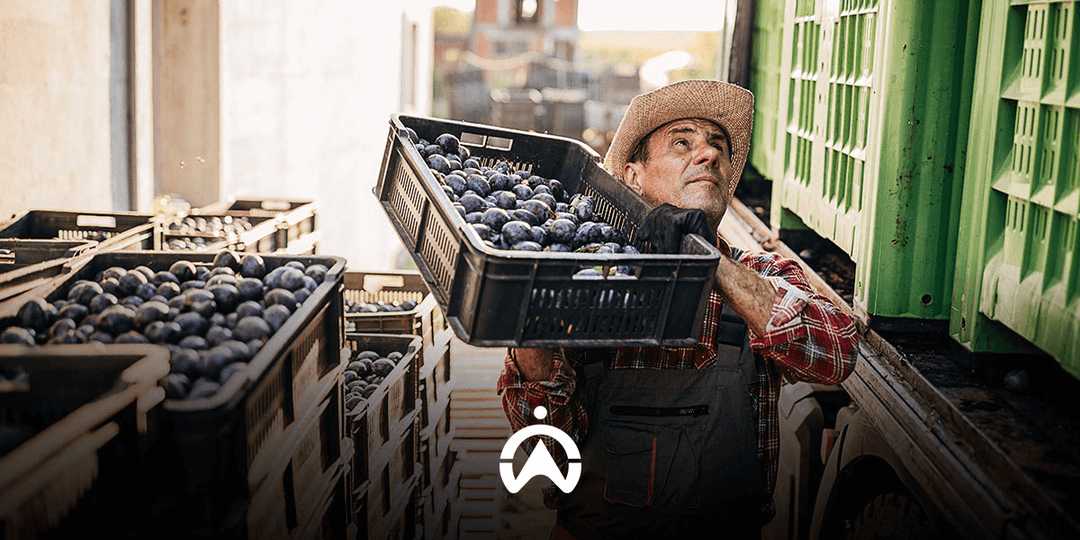
Agro-processing defines all the activities that are carried out to transform a product from raw goods that come from agriculture, forestry or marine life, into a final, usable product.

With an abundance of raw materials, South Africa is fertile ground for a successful and globally impactful agro-processing business. In 2020, agro-processing products made up about 11% of South Africa’s exports, making the global demand and competitiveness of the industry make the country a globally competitive exporter. With an estimated output of R240 billion per year,agro-processing is considered the country’s second most important manufacturing sector based on its gross value added.

As fantastic as this sounds, it doesn’t mean that agro-processing is without its challenges. Let’s find out what they are.

What are the challenges faced in agro-processing

South Africa’s agro-processing industry is designed to meet global needs, which means the challenges it faces are greater. Let’s take a look at them:

  1. The storage of raw materialsSince agro-processing is the entire production process, the storage of raw materials used to make final products is important for a successful operation. Unfortunately, it can be a big challenge that affects efficiency, productivity, and the quality of goods provided.
  2. Keeping temperature sensitive goods freshTo keep your goods fresh during the production process, cold storage facilities need to be used in every stage, including storage and transportation. With the smallest change in temperature, the quality and freshness of these goods can suffer. These goods include:

    – Medical products: From medicine components to insulin and medical devices, medical products need to be protected from heat or cold.

    – Meat: Meat is susceptible to bacterial growth, making keeping it chilled essential in every step of the production process, from the slaughterhouse to the processing and transportation.

    – Fruit: From the harvesting to the packaging process, fruits need to be kept cool as this prevents them from losing their nutritional value and spoiling.

    Not keeping the right temperature for these goods during each stage of production causes goods to spoil and increases the risk of cross-contamination.

  3. High production costs:Because agro-processing is complex, it has a lot of cost-draining stages. These include:

    – Storing raw materials: Keeping raw materials stored according to their individual needs ensures freshness and quality. However, catering to this need through every stage of agro-processing can be both challenging and costly.

    – Manufacturing final goods with raw materials:
    Manufacturing processes are very complex, which makes keeping processes efficient, safe, and cost-effective important.

    – Packaging goods:
    Packaging goods can be quite costly, as the process and materials need to be specific to the product. For example, the containers used for keeping ice cream frozen aren’t the same as the containers used for packaging cool drinks.

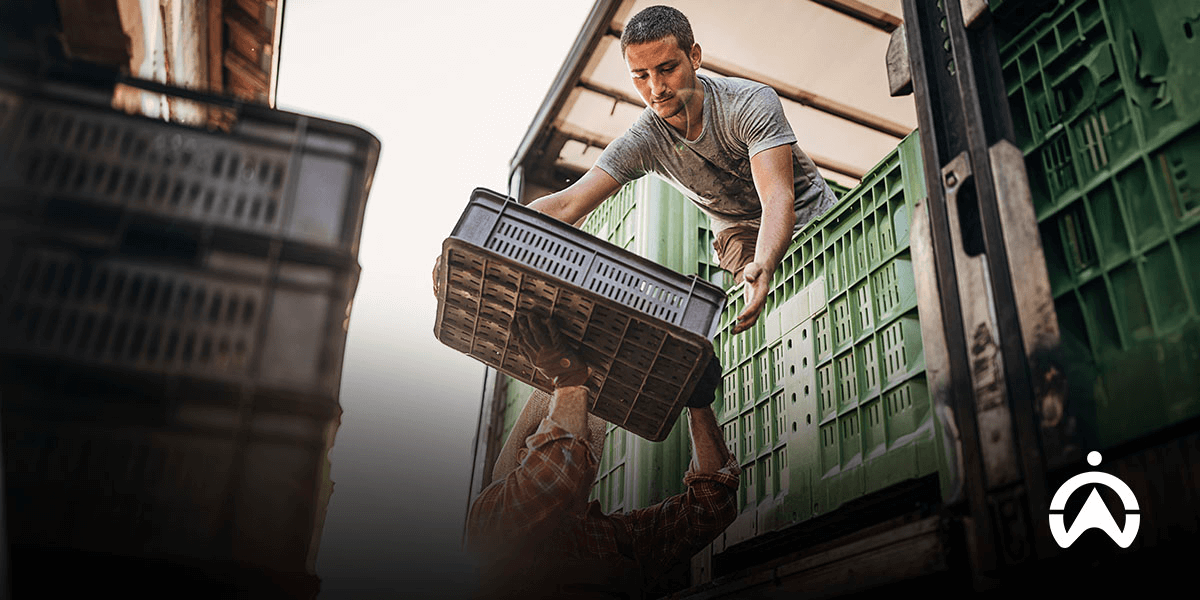
    – Delivering goods to wholesalers, retailers, and restaurants: The final stage of processing is getting the goods to the places where they will be sold. These deliveries can be complex, as routes need to be optimised, drivers need to be trained, and trailers need to be prepared for temperature-sensitive goods.

    All these challenges and the duties sound quite familiar, right? This would be correct because they are closely linked to supply chain management.
What_are_the_challenges_faced_in_agro_processing

Unpacking the link between agro-processing and supply chain management

The supply chain management process is the handling of the entire process of the flow of goods and services. This process starts with the raw components needed to manufacture a good, all the way to delivering the final product to sellers. Let’s explore these steps in a bit more detail:

  • Planning:Knowledge is power, and when you’re in supply chain management, this is important to ensuring product availability. In this step, supply chains need to establish the customer demand for the products they will be supplying because this helps them know exactly how much of a certain product they need to order.

    Let’s take John, for example, who runs a frozen fruit business. Before he begins planning how he will package his products or where he will sell them, he needs to establish the demand for his product. With this information, he can effectively budget, keep his inventory balanced, and ensure customer needs are always met.

  • Sourcing:Also known as procurement, this stage involves finding and purchasing the materials or ingredients you will need to meet customer demand. In this stage, businesses must find suppliers, ensure that the products being purchased meet the company standards, negotiate the price (who doesn’t love some cost savings, right?), and get the right amount of the product or material needed for production.

    Let’s go back to John. In this stage of the supply chain, John needs to place orders for fresh fruits based on the customer demand he identified during the planning stage. With this information, he can make sure he orders the right amount of fruit, to ensure he doesn’t lose money due to overstocked goods spoiling.

  • Production:In this stage, your raw materials are turned into finished goods by using specialised equipment. This stage involves using information on the total number of products that need to be produced to create finished products that will meet customer needs.

    Let’s look at John’s business of frozen produce. In this stage of the supply chain, John takes the fruit that he purchased, and puts it through a quick-freezing process done by using specialised machinery. His decision on how many packages he needs to produce is based on the numbers he recorded during the “planning” stage.

  • Distribution:Now that the goods have been manufactured, it’s time for them to move to where they will be sold. This can include supermarkets, garages, convenience stores, and even customers who wish to buy directly from the business.

    For John, this step involves using cold chain logistic solutions to transport his frozen fruits from the factory or warehouse to the various places where they will be sold.

Making agro-processing a breeze with a fleet management system

Whether it be two or two hundred vehicles, fleet management helps businesses stay safe, profitable, and efficient, making it important to the overall success of a fleet. A fleet management system simplifies the entire process, making it possible to keep your fleet running at its optimum level from the comfort of your laptop, computer, tablet, or cell phone.

The top three benefits of a fleet management system for your agro-processing business

The beauty of a fleet management system is that it can be tailored to any industry’s individual needs. Let’s look at the big three benefits a fleet management system can bring to your agro-processing business:

1. Improved vehicle and cargo visibility

Whether you’re in the business of providing raw materials to different businesses or you’re delivering your final products to stores, tracking your vehicles is crucial to the efficiency and safety of your agro-processing operation. With access to real-time location updates, you can quickly locate goods, determine their ETAs, instantly spot delays, and improve your vehicle and cargo safety.

2. Your goods stay fresher for longer

Whether it be fresh fruits or cold meats, your temperature-sensitive goods need to be kept fresh during delivery. A fleet management system gives you access to real-time temperature monitoring that helps you spot sudden temperature spikes or dips. This ensures that you can quickly handle these fluctuations before they damage your stock.

3. Improve driver behaviour and cargo safety

Everyone who sits behind the wheel of a fleet vehicle needs to drive responsibly. A fleet management system simplifies monitoring your driver’s behaviour, helping you quickly spot areas for improvement that could potentially damage the business’s functionality and keeping your drivers safe at all times. Regarding agro-processing, improving driver behaviour helps you ensure safe cargo transportation so your goods reach their destination intact.

Do these benefits sound like something you’d like to unlock for your business? Then we have the key to that: It’s Cartrack’s fleet management solutions.

top three benefits_of_a_fleet_management_system_for_your_agro_processing_business

Trust Cartrack’s fleet management solutions to boost your agro-processing operations

Cartrack Zimbabwe is an industry leader when it comes to fleet management, so who better to trust with optimising your agro-processing operations. Let’s go through a few of our next-level solutions:

  1. GPS tracking:Receive real-time updates on the location of your vehicles and equipment with Cartrack’s GPS tracking. Powered by GPS technology, this solution helps you pinpoint exactly where a specific vehicle or heavy machinery is with a simple tap of a button or screen. In the event that your vehicle is hijacked or stolen, our highly-skilled recovery team uses this device to pinpoint your vehicle’s location for quick recovery. With an above 90% stolen vehicle recovery rate, your vehicles are in the safest hands.
  2. Geofencing:Gain detailed insight into your vehicles and equipment usage and location with Cartrack’s geofencing feature.Create virtual boundaries for your vehicles and equipment, and receive instant SMS or email notifications upon entering or exiting them. This helps you create no-go areas for certain vehicles or equipment, preventing them from being used in dangerous areas that could lead to costly, life-threatening accidents.
  3. Driver ID tags:Ensure only skilled workers are operating vehicles or equipment with Driver ID tags. Each of your drivers receives a tag that is linked to their personal information. To start a vehicle or piece of equipment, the tag needs to be tapped on a sensor inside. If a driver isn’t authorised to operate a vehicle, you’ll receive an instant alert, and the vehicle won’t start, lowering the risk of accidents caused by unskilled workers operating equipment.
  4. Delivery:Streamline your delivery operations with Cartrack’s Delivery feature that gives you full insight into delivery operations. Simplify your driver’s tasks by leaving notes on each job assigned with special instructions. This feature also helps you keep your customers in the loop; from notifying them once their driver has started the delivery to sending them a link that allows them to track their delivery in real time, these steps boost customer satisfaction and your brand’s image. Add the app’s offline functionality, and your operations run smoothly no matter where you are.
  5. Reefer temperature monitoring software:Keep your temperature-sensitive goods fresh and long-lasting with Cartrack’s reefer temperature monitoring software. Receive real-time alerts the minute temperature conditions change in your reefer trailers. These alerts can inform you to quickly check in with your drivers, helping you know whether you should send a replacement trailer to complete the delivery and limit profit losses. Spot and analyse trends in temperature fluctuations with our automatically generated reports, helping you pinpoint potential bigger issues within your cold-chain fleet.
  6. Fuel monitoring:Closely monitor how much fuel your vehicles are consuming with Cartrack’s fuel monitoring system. Agro-processing requires high fuel usage, and Cartrack understands this, which is why we bring you real-time fuel monitoring. With detailed insights like these, you can pinpoint the reason behind any sudden fuel spikes, spot fuel drainages, and prevent fuel theft.
  7. Preventative maintenance:In agro-processing, even a few minutes off schedule can be costly. So hit the brakes on unplanned downtime with Cartrack’s preventative maintenance solution. Our technology, which uses advanced analytics, proactively monitors the health of various vehicle components like brake pads. It also creates maintenance plans suited to your fleet’s needs, which prevents scheduling maintenance that interferes with your normal day-to-day operations. This increases your fleet’s longevity, reduces the risk of road accidents and keeps your vehicles in the best condition.
  8. Driver behaviour monitoring:Make sure your staff is operating equipment or driving as safely as possible with Cartrack’s Live Vision AI Cameras. With audible, real-time alerts the moment dangerous and distracted driving is detected, this cloud-connected video management software gives your drivers the opportunity to correct their behaviour in real time, helping you ensure safe and efficient goods transportation.

Keep goods fresh, drivers safe, and processes efficient with Cartrack Zimbabwe

Agro-processing comes with a wide range of responsibilities, but fulfilling these shouldn’t come at the expense of your productivity and efficiency.

Contact us today, and make your agro-processing business the cream of the crop.
How to Master Vendor Relationship Management & Secure Fleet Procurement Success

There comes a time in a business owner’s journey when they need a little help from other suppliers.

Whether it’s a third-party business that manages your fleet’s maintenance or your business needs to partner with a trucking company to transport your homegrown produce, dealing with vendors, suppliers, or service providers is a relationship that can either improve your business operations or hinder them if not managed correctly.

Let’s dive into the delicate balance of managing relationships in business.

In this article, you will:

  • Learn vendor relationship management and its impact on fleet procurement success
  • Gain insights into the basics of fleet procurement for businesses
  • Understand how vendor relationship management affects your fleet
  • Receive tips and tricks for building strong relationships with your suppliers
  • Learn how Cartrack’s fleet management solutions can improve vendor management

Defining vendor relationship management and how it is used

Vendor relationship management (VRM) is the practice of managing the partnership between your business and those that offer their goods or services, also known as vendors or suppliers.

Communication is the best weapon in your arsenal for vendor relationship management to work in your favour, especially when dealing with fleet procurement.

To foster strong and lasting connections, nothing works without communication and a clear understanding between you and your vendors. This builds and strengthens your relationship, resulting in a more successful and trusted partnership.

Fleet procurement basics for businesses

Fleet procurement refers to buying vehicles and related items that your fleet needs like tyres or replacement parts. The vehicles have to meet business standards while ensuring cost-effectiveness and compliance with regulations. To get to this, managers have to follow the fleet procurement process.

Fleet procurement is like shopping for your business on a larger scale. First, you scope out what vehicles you need and compare options like pricing, specs, and maintenance with other dealerships. After you’ve decided what type of vehicles you would like to purchase and how many, it’s negotiation time—you haggle with suppliers to get the best deal possible.

Once you’ve hammered out the details, it’s time to seal the deal by signing those contracts and transporting the newly-acquired wheels to your depot. But the communication doesn’t end there; you have to keep an eye on things to make sure everything runs smoothly, from delivery to ongoing maintenance.

And that’s the process: Find what you need, strike a deal, and uphold the relationship through catchups.

Guide to procuring vehicles for your fleet

To successfully follow the fleet procurement process, you have to involve stakeholders in sales, services, risk management, legal, and the business owner to ensure everyone is accounted for and is in agreement with the deal. This collaboration helps identify the fleet’s needs, assesses the condition of the existing fleet, and makes effective divisions in procurement to better their fleet.

When it comes to introducing new vehicles to your fleet, it’s important to remember the numbers. Consider all the financing options, like leasing, purchasing, and hiring needed vehicles. The total sum of the vehicle’s lifespan should also be taken into consideration (the maintenance, tyres, insurance, etc.), calculating the total amount of how much the procurement will cost the business.

How does vendor relationship management affect my fleet?

When it comes to fleet management, vendor management can positively impact fleet procurement in the following ways:

  1. Improved discussions:This ensures a clear understanding of expectations and requirements from the company and the vendor. This can lead to better collaboration, fewer issues, and decreased misunderstandings.
  2. Risk management:VRM involves assessing and mitigating risks associated with vendors, such as cybersecurity and vehicle safety, while transporting materials. By addressing these risks, your business will be better prepared for anything that occurs, including delays and disruptions.
  3. Cost savings:With VRM, you can actively negotiate better contracts with vendors and suggest a price range that can work for your business, leading to a cost reduction. The longer you use these vendors and cultivate these relationships, your business can benefit from receiving discounts, loyalty points/programs, and other incentives that can reduce costs.
  4. Performance monitoring:This is simply following up on the terms you’ve set on the contract. Are they following your delivery schedule? Are they offering high-quality materials? Have their prices fluctuated? This performance monitoring ensures the terms of your contract remain standing and that you’re getting what you paid for and agreed to.
  5. Regulatory compliance:Inform your vendors of the regulations they have to follow when transporting materials. This can help both your business and the vendors/ suppliers to stay compliant and reduces the risk of legal or financial penalties.

    After successfully managing your vendor relationships for your fleet’s procurement, the pot of gold at the end of the rainbow is the extra benefits your business can enjoy on top of access to the services provided by the vendors.

    – Reduce costs
    – Builds resilience
    – Achieve revenue
    – Reach organisational goals

How_does_vendor_relationship_management_affect_my_fleet

Fleet management, procurement, and vendor management—It’s all connected

  • Fleet management: Taking care of a company’s vehicles, making sure they’re in good shape and used efficiently.
  • Procurement: Buying goods and services for the business, including vehicles, parts, and maintenance services.
  • Vendor management: Managing the relationships with the companies that supply goods and services to your business, including those related to your fleet.

Do you see the link?

You can use vendor relationship management tactics in your fleet between your drivers and employees and also in the procurement process by ensuring your business communicates the type of vehicle they need and understands the terms and conditions set by the dealership, their prices, payment plans, servicing packages etc.

The same practices of preserving relationships, like open communication, and ensuring you are on the same page with the vendors, are used in executing successful procurement.

How does vendor relationship management lead to fleet procurement success?

VRM is a key aspect of vendor management, it includes all the strategies and processes used to forge and sustain a mutually beneficial relationship, including onboarding, relationship management, and, of course, fleet procurement.

This delicate balance between business and vendor/supplier begins with these key aspects:

  • Supplier selection:Depending on your business and the industry you work in, you have to choose the right partners that will supply you with goods, materials, resources, etc. that are of high quality, fair priced and will benefit your business.
  • Contracts:After choosing the businesses you will partner with, create a contract that details all the details in clear wording. Make sure to mention all necessary information, including contract duration, material pricing, delivery schedules, what is expected from both sides, and what they need from you.
  • Communication within collaborations:Just like in any other relationship, transparency, frequent communication and honesty are all needed to cultivate the relationship. Rather than relationships between people, those between businesses have higher stakes since one delivery delay or misunderstanding can affect your business, your profits and your business reputation.

    Regular meetings and feedback catch-up sessions, although sometimes tedious, can work in your favour.

Remember, you’re not just managing vendors, you’re building partnerships that can benefit your business for years to come. This can be especially important for fleet management companies that rely on consistent deliveries of parts, maintenance servicing, or fuel.

Successfully acquire vendors for your business

If this all seems appealing to you and your business could do with some suppliers here and there, then ready your pen and start taking some notes.

Finding reliable and high-quality vendors is crucial for any business, but it holds particular importance in fleet management. To find the perfect vendor for your business, you first have to do some research and take it from there.

  1. Do your researchLook up and source vendors or suppliers. Check online review platforms to get impressions from other businesses about potential vendors’ performance.
  2. Define your needsFigure out exactly what your business needs in terms of quality goods, reasonable pricing and services that match your business’s standards. Your clearly defined needs set the tone for pricing.
  3. Initiate communication and start negotiatingAfter finding the business that stands out to you, reach out, informing them of your business needs and interest in their services and start talking about prices. With your needs already explained, choose the services and pricing that won’t hurt your budget.

    Inform them of any updates or changes whenever they occur in your arrangements. All that’s left is to uphold the newfound relationship, moving it from passive to collaborative.

  4. Build a trusting partnership through vendor relationship managementThis is where all the golden nuggets you’ve collected come in handy. Flex your vendor management knowledge by fostering a strong relationship that revolves around trust, collaboration and mutual goals, don’t just focus on the price.

The importance of having a good relationship with suppliers and vendors

Now that you have seen the value of nurturing vendor relationships and how vendor management can highly impact and affect your business relations and fleet operations, the only right decision for a business is to try and further cultivate this partnership.

The_importance_of_having_a_good_relationship_with_suppliers_and_vendors

Tips and tricks to build strong relationships with your suppliers

Maintaining strong connections with suppliers requires more than just creating a win-win scenario or leaving it up to transactions to do all the heavy lifting and keep the relationship going.

Here are a few tips that can be used to break the ice and enhance your relationship skills.

  • Prioritising communicationTalk to your vendors regularly, not just when you need something. Update them on your business needs and ask for their input.
  • Set and live up to expectationsSet clear expectations for delivery times, product quality and communication.
  • Always pay on timeBuilding trust between businesses has a lot to do with being reliable when it comes to payments. Make sure your payments are always on time.
  • Be respectful of servicesTreat your vendors as valued partners, not just suppliers. Show appreciation for their services and be open to feedback.
  • Get Cartrack for improved vendor management
    By partnering with vendors or suppliers who utilise Cartrack’s fleet management software, your business can benefit from streamlined communication, optimised delivery routes, and accurate fuel tracking, amongst other amazing features.With access to real-time data and insights provided by Cartrack, vendors can make informed decisions that lead to cost savings and improved efficiency. By ensuring that your vendors or suppliers use Cartrack’s solutions, you can minimise delays, enhance the visibility of their fleet, and ultimately strengthen your partnership relationships, resulting in greater satisfaction for your business and their other customers.

Improve vendor communication and relationship with Cartrack Zimbabwe

Cartrack Zimbabwe has more than all the bells and whistles you need to ensure your customers and partners stay happy and satisfied with your services.

But don’t take our word for it—here’s what Supermarket Farms had to say about how they use our services.

Contact Cartrack Zimbabwe today.

How to Start a Fleet Management Company and Make Money

Do you want to start a fleet management company but don’t quite know where to start? Or do you already have the basics down—building and operating a small fleet—and you just need to know the next step?

Dive into this in-depth explanation of all the I’s you need to dot and the T’s you need to cross to get your fleet management company off the ground.

In this article, you will:

  • Learn the essentials of fleet management companies
  • Explore step-by-step guidance on starting your own fleet management company
  • Understand the different types of fleet businesses and choose the right one for you
  • Discover fleet management company solutions to optimise fleet performance
  • Find out how Cartrack’s fleet management technology can transform your business

Beginners guide to understanding fleet management companies

Whether it’s a fleet of trucks for deliveries or tractors for farm use, managing a fleet is a skill every manager exercises. Fleet management involves managing and tracking vehicles from their safety to their maintenance needs, overlooking cars, vans, trucks, or whatever type of wheels you’ve got.

This is used in various industries, including logistics, transportation and delivery services. Basically, if there’s more than one vehicle in a business, managers can use fleet management practices and software like Cartrack Zimbabwe to optimise their fleet, improve fleet health, increase fleet productivity—you name it—and fleet management can strive to assist you.

Now, instead of relying on external management methods and techniques, how about using the services of a fleet management company? Better yet, imagine you own that fleet management company.

How are you going to steer your fleet in the right direction?

How can my fleet management company make money?

Before you even start your business planning, many owners have the burning question, ‘Will my business even make money?’. To save time and manage your expectations, calculating how profitable your company will become is a smart step to take.

Often enough, with a well-thought-out plan for your business and a trusty fleet management system to boot, there’s a high chance your business will be successful and, yes, profitable.

The fleet management market is a pretty lucrative industry worth around $28.6 billion in 2023. The market is estimated to reach an astounding $55.6 billion by 2028. This huge number has brought many entrepreneurs to look towards fleet management and be part of its success, and honestly, who can blame them? It’s becoming such a popular venture.

Step-by-step guide to a successful fleet management company

So, first things first: How do you start your fleet management company?

Depending on who you ask, you might get different answers to how you can get your business off the ground. What the many pieces of advice will all have in common are these essential steps that every business owner takes to build their company.

Here’s a roadmap to get your business started.

Step 1. Identify your target market and do market research

Before diving in, do some research to understand the needs, preferences, and pain points of different fleet sectors. This will help you find the gap in the market for your business; or, when offering your services, it will help you tailor your business to meet their demands.

You need to know who you’ll be serving; small businesses, large corporations, or maybe specialised industries like logistics or transportation. The better you understand your market, the quicker you’ll thrive in the industry.

Step 2. Create a business plan

Think of your business plan as a roadmap for success. Outline your business goals, strategies for achieving them, and how you’ll differentiate yourself from the competition. Include details about your services, target market, marketing plan, and financial projections.

A solid business plan will guide you through the startup phase and attract investors or lenders, if needed.

Step 3. Get to know the finance

Being financially smart goes a long way when owning a business. Figure out how much capital you’ll need to get your business going.

Consider expenses like:

Explore funding options such as personal savings, loans, or investors. Keeping a close eye on your finances from the get-go will set you up for financial success down the road.

Step 4. Sort business legalities

Don’t forget the legal stuff. Register your business and obtain any necessary licences or permits. Decide on your business structure (e.g., sole proprietorship, partnership, etc.) and consult with a legal professional to ensure compliance with local regulations.

Taking care of legal matters early on will prevent headaches later and ensure your business operates smoothly and legally.

Step 5. Build your team: Suppliers & service providers, employees, drivers and vehicles

Your team is the backbone of your business. Start by establishing relationships with reliable suppliers and service providers for vehicle maintenance, fuel, and other essential services.

Hire skilled employees to handle administrative tasks, customer service, and sales. Recruit experienced drivers who prioritise safety and professionalism. And, of course, acquire the vehicles you need to kickstart your fleet. Keep in mind the type of business you have, as this might influence the type of vehicles you need.

Step 6. Market your services

Time to spread the word!

Develop a marketing strategy to showcase your services to potential clients. This could include creating a professional website, leveraging social media platforms, attending industry events, and networking with local businesses. Highlight your unique selling points and the benefits of partnering with your fleet management company.

The goal is to attract and retain clients who see the value in what you offer.

Step 7. Choose a trusted fleet management software like Cartrack Zimbabwe

Invest in the right tools for the job. Choose a reliable fleet management software, like Cartrack Zimbabwe, that suits your specific business needs.

Our software works as your trusty sidekick, helping you track vehicles, monitor driver behaviour, optimise routes, and manage maintenance schedules. With Cartrack Zimbabwe by your side, you can do this and more by taking advantage of its many smart features, including:

  • Delivery, for efficient task management
  • Mifleet, for staying on top of fleet costs
  • Predictive maintenance for a healthy fleet

With the right software, you’ll have the insights and control you need to run your fleet management company efficiently and effectively.

Step_by_step_guide_to_a_successful_fleet_management_company

What do fleet management companies do?

Fleet management companies take the concept of using fleet management software and run with it as their business model. They are experts in everything fleet management, offering a range of services one would usually do alone with the help of a fleet management system.

The difference between using the services and using fleet management software lies in the simplicity, reliability, ease and these valuable benefits:

  • Minimise labour and fuel expenditures
  • Ensure compliance with set regulations
  • Track and locate fleet vehicles
  • Manage vehicle maintenance
  • Enhance fleet and driver safety
  • Optimise cost-saving

When it comes to their own fleet, fleet management companies essentially become both the service provider and the client. They handle everything, including vehicle acquisitions, driver training, behaviour monitoring and fleet operations.

Fleet management companies that offer their services to other companies are seen as the jacks of all trades and masters of all. When you team up with a fleet management company, you get access to the fleet experience that can be used to help your business tackle any issues, fleet technology and software platforms that deliver vehicle data, fleet reporting, cost management, etc., all on a silver platter, right to your inbox.

These companies take the headache out of doing it all yourself, leaving managers time to focus on their business and efficiently operate it.

Types of fleet businesses: Find the right one for you

There are various industries a fleet management company can fit into, and many don’t require much to get started.

Here is a list of a few fleet businesses that you can mould your own company to take after. In the world of fleet management, there is no shortage of niches to operate in, you just have to find one that fits your company.

  1. Logistics and distributionThese are trucking companies, courier services, or delivery fleets that deliver goods and all types of cargo, from food, pharmaceuticals, clothes, gadgets, or natural materials (coal, sand, cement, etc.), from one location to another.

    For this type of industry, you would focus on route optimisation, fuel management, driver safety and complying with the rules set for transporting certain materials. As a plus, add extra industry-specific products such as temperature control or cement rotation sensors to stand out.

  2. Construction fleet managementConstruction companies use heavy machinery and vehicles like bulldozers, excavators, cranes and dump trucks in construction projects. These vehicles are often expensive to acquire and need drivers who are certified to operate them, you would need to include this in your budget).

    Vehicle maintenance and tracking equipment are high priorities in this industry, as breakdowns and equipment downtime can be very costly.

  3. Passenger transportationThis is similar to logistics, but instead, you transport passengers. These are taxis, buses, and ride-hailing services. For this business, a sizable fleet is usually needed to maximise use and profits.

    Since you’ll be working closely with people, safety comes first. Drivers will be closely monitored to ensure they follow the rules of the road and real-time vehicle tracking can be used for efficient tracking and ensuring drivers are on schedule.

  4. Rentals and leasing fleetsIn this industry, you rent or lease out your vehicles to other businesses or individuals for long or short-term use. For your business to be successful, you need to have a wide variety of vehicles in your inventory, including cars, trucks, vans and perhaps even luxury vehicles for special event leasing.

    With many clients using your vehicles, you must keep track of contracts and usage rates, so every hour is accounted for in invoices, and consider performing timely maintenance to preserve the health of your vehicles.

    Every fleet comes with its own challenges and opportunities. By carefully considering these factors, you can make an informed decision. Just remember, there’s no one-size-fits-all answer. The best niche for your company depends on your strengths, resources, and your goals.

Types_of_fleet_businesses_Find_the_right_one_for_you

What solutions do fleet management companies offer?

With many fleet management companies to choose from, your company has to stand out in the crowd and offer more than just knowing the locations of your vehicles.

The range of services can be tailored to the specific needs of businesses.

Their services include:

  1. Telematics and vehicle trackingFleet management companies use tech like GPS trackers to keep an eye on where your vehicles are, and how your drivers are driving, and gather other important information like fuel usage and mileage in real-time. It’s super handy if your company doesn’t just want to keep tabs on their vehicles but also on how they are being driven, and driver behaviour during deliveries.
  2. Fleet maintenanceFind it tricky remembering which vehicles in your fleet need a checkup or some repairs? Fleet maintenance services will do all the remembering for you, and ensure your vehicles get their scheduled maintenance TLC, so you don’t end up missing appointments or your drivers facing unexpected breakdowns.
  3. Route optimisationRoute optimisation software takes into account traffic, road conditions, and delivery schedules to map out the most efficient routes for your vehicles. Without this, businesses might struggle to keep to their delivery schedules or service calls, resulting in wasted time, fuel, and resources on inefficient roads or unnecessary detours.
  4. Driver safetySafety first, right? Fleet management companies offer all sorts of solutions, like driver training, dash cams, and safety alerts, to help your drivers stay on the safe side of the road. These are available to help businesses improve driver behaviour, reduce accidents, lower insurance premiums, and decrease the downtime of damaged vehicles.

    This service is needed for businesses that wish to reduce accidents, speeding concerns, driver injuries, or simply want to improve company reputation if their drivers are known for risky driving.

  5. Fuel managementOne of the biggest headaches for fleet businesses is managing fuel consumption and fuel costs in their fleet. As a solution, fleet management companies provide tools and systems to lessen this stress. From monitoring fuel consumption to suggesting fuel-saving strategies, they’ve got your back when it comes to cutting down on fuel expenses and being kinder to the environment.
  6. Compliance and regulationsNobody wants to get in trouble with the law, so fleet management companies make sure your vehicles and drivers are always compliant, so you can avoid costly fines and legal headaches.
  7. Fleet analytics and reportingFleet management companies offer smart tools and dashboards to help business owners or managers stay knowledgeable about their fleet. These tools help you spot trends, make informed decisions about your operations, and better understand your fleet. It’s like having your own fleet guru who gives you all the juicy insights you need to keep things running smoothly.

Improve your fleet business with Cartrack Zimbabwe

Cartrack is a trusted vehicle tracking fleet management company for over 115 businesses worldwide. Their smart features and services are there to help you master managing your fleet, whether you want to grow your fleet visibility or improve driver safety.

Cartrack Zimbabwe has all the tools a fleet management company needs to thrive.

This video shows how a fleet business can use Cartrack to tackle task management, safety, vehicle maintenance, admin and fuel monitoring. No matter the challenges your fleet faces, Cartrack can be tailored to your business model and offer solutions that will work for you.

Contact Cartrack Zimbabwe today.

Car Tyres for Sale: Think Before You Buy— Here Is Everything You Need to Know to Be Safe

Have you invested in your vehicle’s tyres?

You can’t get away with quick fixes when it comes to purchasing tyres, as these can tire out both your wallet and your safety.

Read on to find out how you can quickly give your fleet the tyre upgrade it deserves with our tyre quote solution.

In this article, you will:

  • Learn some quick tyre facts
  • Find out what makes a good tyre
  • Delve into the different tyre price ranges and what they have to offer
  • Explore what factors damage your vehicle’s tyres
  • Discover how Cartrack Zimbabwe can help you find and maintain the perfect tyres for your needs

Tyre Facts 101

Tyres are the wind between your vehicle’s wings, keeping it moving from point A to B. Let’s have a quick crash course and clear the air on all things tyres:

Fact 1: Tyres have an expiration date

As much as we wish they did, your tyres don’t last forever. Tyres are manufactured by using different materials, and the more the tyres are used, the more these materials weaken. So how long should you be keeping your tyres for?

The AA says that tyres that have been used for six or more years begin to deteriorate from the inside. This is very dangerous as it can cause tyre blowout, the sudden loss of inflation pressure. However, there is a more general rule that tyres need to be replaced 10 years after their manufacturing date. This is because the closer your tyres get to the 10-year mark, the more their rubber compounds begin to deteriorate. This deterioration can be worsened by different environmental factors, including extreme heat or cold, moisture, and UV light exposure.

Fact 2: Tyre pressure affects fuel expenditure

Did you know that the amount of air you’re putting into your tyres affects how much fuel your vehicle consumes? When your tyres are filled with enough air, there is less pressure being placed on your engine, which translates to less fuel being burned. Studies have shown that this can improve your mileage by 0.6%, and even up to 3%.

So if having your wheels properly inflated lowers fuel consumption, what impact do under inflated tyres have on it? Underinflated tyres experience more rolling resistance. This means that your vehicle needs more effort to move, which manifests as your engine working overtime. This can cause your average fuel consumption to increase by up to 0.5 litres per 100kms.

Fact 3: Not all tyre types are the same

They may all look the same and serve the same key purpose, but car tyres aren’t all made the same way. There are different types of tyres which all serve different purposes for different vehicles.

From all-season tyres which are the most common tyre in South Africa, to performance tyres which work to enhance acceleration and improve fuel efficiency. If you don’t know which tyre is the most appropriate choice for your needs, this can make shopping for tyres as difficult as picking a shade of dark blue for your dress or tie, affecting your safety.

Fact 4: The amount of air your tyres need is an open door away

Do you know exactly how much air your tyres need when you’re pumping them? Playing the guessing game when it comes to this can lead to you over- or under-pumping your tyres, as this can decrease braking performance and strain your vehicle suspension.

So where can you find this information? Simply open your driver door, and look at the pillar. You must have this information accurately, because under- or overinflated tyres can lead to premature tyre wear, which reduces their overall longevity.

Fact 5: Your tyre information is on your tyre

Finding the specifics in regards to your tyre is nearly impossible, right? It shouldn’t be, because all the information you need when shopping for new tyres (such as measurements and ratings) is on the actual tyre. So all those numbers aren’t random, they tell you the following information:

  • Tyre width
  • Tyre profile
  • Radial
  • Load index
  • Wheel diameter
  • Speed rating

Tyre_Facts_101

What makes a good tyre?

A good tyre is more than just a shoe polish shine, it is determined by its actual build-up, and its ability to stay functional. Let’s explore the aspects of a good tyre below:

  1. Good tyres have good traction and grip:The first thing you need to look for is a tyre with good traction, which is how well the tyre can grip onto the road. You can determine how good a tyre’s traction is by taking a look at its tread pattern and depth, all visible on the tyre’s exterior. When shopping for a good tyre, make sure that it has a thread pattern that pushes water and debris away, as this is important for maintaining a good grip when driving on wet roads.
  2. Good tyres are durable:Good quality tyres may be costly upfront, but they’re really an investment. So don’t let the steep price scare you away, because you’ll be getting durability and longevity out of them.
  3. Good tyres are suitable for all weather conditions:You need tyres that will keep you going, come rain or sunshine. South Africa is home to a sub-tropical climate, which means we experience a wide range of weather conditions. Remember, not all tyres serve the same purpose or are ideal for every weather condition. An example is winter tyres, which offer incredible grip when faced with rainy roads, but wear out much faster in hot summer conditions.

Comparing the different quality tyres

There are three main tyre categories, namely:

  • Cheap tyres
  • Mid-range tyres
  • Premium tyres

What makes these different from each other, and which one should you go for? Let’s find out with a quick comparison:

Cheap tyres Mid-range tyres Premium tyres
Price Most affordable option with lowest upfront cost Moderately priced The highest cost
Material Low-quality rubber with a simple tread design A balance of quality rubber and tread design High-quality rubber with advanced tread design
Fuel efficiency Lower fuel efficiency due to increased rolling resistance Moderate fuel efficiency Highest fuel efficiency due to lower rolling resistance
Durability More prone to wear and tear and punctures More durable than cheap tyres The most durable tyre with high resistance to wear and tear and punctures
Ideal for Budget-conscious drivers with low mileage and cool weather driving Average drivers with moderate mileage and varied weather conditions Ideal for high mileage drivers who drive in all weather conditions

While it may be tempting to go for cheaper tyres because of their affordability, it’s a choice that will backfire on you in the long-run. Cheap tyres are not durable, which means you’ll have to replace them almost just as quickly as you bought them. Due to the low-quality rubber used to manufacture them, cheap tyres typically last between 32, 186 km – 64, 373.76km, and this number can significantly decrease when coupled with some harmful driver behaviours. Let’s explore these.

What factors damage your vehicle’s tyre quality?

Your vehicles’ tyres are already sensitive enough as is, so there are certain behaviours that you need to stay away from, as these can damage your tyre. These behaviours include:

  • Harsh driving:When you drive harshly, your tyres are the ones that pay the price. Harsh driving behaviour lowers the quality and lifespan of your tyres, which means you’re going to need to replace them sooner than expected. Two examples of this are sudden acceleration, which increases heat generation and friction in your tyres, and harsh braking, which causes uneven wear and tear on your tyre surfaces.
  • Inadequate maintenance:Reports show that poorly maintained tyres are a leading cause of car accidents. Have you realised that your tyres are the only part of your vehicle that touches the road? This makes maintaining your tyres just as important as maintaining your whole vehicle. Some simple checks such as inflation, suspension, and balance can help you get the most out of your tyres, putting your safety in the driver’s seat.
  • Under-inflation:When your tyres don’t have the right amount of air pressure, they aren’t able to maintain their shape. This causes them to wear down and experience tears quickly. This also means tyres will bend more when they roll, which increases tyre temperature and rolling resistance. These two lead to your car consuming more fuel than it should.

Need we say more about the importance of taking care of your tyres? But before we get into taking care of them, we need to look into buying them first. The process is quite simple, and the secret is: Cartrack Zimbabwe.

Cartrack Zimbabwe: Your secret to purchasing high-quality tyres at a cheap price

Do you want to upgrade your vehicle’s tyres, but don’t have time to run around looking for the best deal? Worry not, because Cartrack Zimbabwe is here to help. Our team of experts takes the struggle out of getting the best tyre for your vehicles at the best price. Talk about the ultimate convenience, right? But that’s not all, because once you have your tyres, you need to maintain them. This is something that Cartrack Zimbabwe can help you with. Let’s find out how.

Your_secret_to_purchasing_high_quality_tyres_at_a_cheap_price

Keep your tyres durable and highly effective with Cartrack’s solutions.

Give your tyres the TLC they deserve with Cartrack’s vehicle solutions. Let’s explore these below:

  1. GPS tracking:Say goodbye to tyre-damaging driver behaviour with Cartrack’s live GPS tracking. This software does more than just tell you where your vehicle is. It also helps you gain full access to your trip history and trip replay. This is important for helping you spot harsh driving behaviour that can decrease your tyre’s longevity, such as:- Corner braking
    – Reckless acceleration
    – Corner acceleration
    – Sharp turning
    – Excessive idling

    Knowledge is power, and by knowing what driver behaviours affect your tyres’ longevity, you can keep them running effectively for longer.

  2. Preventative maintenance:Spot issues in your tyre’s health before problems boil over with Cartrack’s preventative maintenance. Stay on top of your tyre health with regular tyre monitoring, helping you know exactly when your tyres need to be replaced, and when they’re under-inflated. This is important to save costs, stay safe and make your travelling as safe and efficient as possible.
  3. Fuel monitoring:Monitor how much fuel your vehicle is consuming in real-time with Cartrack’s fuel monitoring system. A sudden increase in fuel consumption can be an indicator that your tyres are being overworked, letting you know that you either need to ease the load your vehicle is carrying, or replace your tyres entirely.

Drive into ultimate efficiency and safety with Cartrack’s solutions

Your tyres are an often neglected yet crucial part of your vehicles.

Click here to keep the wheels rolling and the memories flowing with Cartrack Zimbabwe.

What Is Fleet Management in Logistics? How to Master Your Operations

Fleet management and logistics have so many similarities that they may seem like siblings, but once you learn more about them, they’re more like cousins.

Whether your fleet is en route to long-distance destinations or precious cold chain cargo is destined for fresh delivery, it probably needs a pair of extra eyes on the road to safely reach its destination.

Fleet managers should ensure their fleets deliver goods efficiently, but how do they tackle challenges in the logistics industry?

Let’s find out how to master fleet management in logistics to get that optimum efficiency.

In this article, you will:

  • Discover the role of fleet management in logistics
  • Explore the differences between fleet management and logistics
  • Learn about fleet management systems
  • Learn how to improve your logistics through fleet management systems
  • Master your logistical operations with fleet management with Cartrack Zimbabwe

What is fleet management in logistics?

Effective fleet management is the equivalent of smooth sailing for a fleet. A fleet manager’s role is to track and monitor their fleet while managing its efficiency and effective task completion. In logistics, this level of smooth sailing plays a vital role in maintaining a service that competitors have no choice but to envy.

The role of fleet managers in logistics

The differences between a fleet manager and a logistics manager are not too far apart.

A logistics manager oversees the inventory and negotiates rates for the fleet, whereas a fleet manager’s job is to have that inventory delivered on time, on budget, and without hassle. This is done by tracking vehicle routes, checking driver behaviour during the transportation process, and analysing data that helps ensure goods are in the right place at the right time while still safeguarding the fleet.

Having a fleet manager in logistics is crucial to advance businesses to greater heights. The marriage between fleet management and logistics is one to be celebrated as it forms the basis of goods production from beginning to end and how consumers receive their products. Route planning and fleet tracking require precision, which should be one of the main characteristics of a successful fleet manager.

There are different ways to merge logistics and fleet management.

For example, a logistics manager may calculate the amount of goods packaged into fleets, but the fleet manager must also keep track of the fuel and time required to deliver those goods. If a company that supplies uniforms to various schools suddenly struggles to meet these delivery requirements, the fleet management process can provide valuable insight to help pinpoint the issue. Let’s dive into this by looking at fleet management versus logistics to better understand how both can encourage better business operations.

The_role_of_fleet_managers_in_logistics

What is fleet management vs. logistics?

I’m sure we all have a pretty good idea of what fleet management is at this point. However, fleet management in logistics is more specific and probably less familiar. Never fear, though; to put your mind at ease, we’ll discuss each separately with clear definitions.

  1. What is fleet management?Most of us have heard the basic definition of fleet management quite a few times before. So, without sounding like a broken record, it’s how businesses track their fleets and ensure that goods arrive securely and on time. A fleet manager’s job is to essentially gain insight and use data to improve driver behaviour, routes, vehicle maintenance, and compliance.
  2. What is logistics?Transporting your goods from Johannesburg to Cape Town is perhaps the simplest way to explain logistics, but what is it really? Logistics is finding the best way to ensure that your goods are delivered to their required destination. It is essentially the movement of goods with a rhythm and flow that allows companies to provide excellent customer service.

    Logistics is almost like completing a puzzle: from loading goods onto trailers and trucks to managing the flow and route control, every piece fits perfectly to complete the picture.

Now that both concepts have been explained separately, let’s take a look at how they work together and affect the way you run a successful business.

How does logistics influence business operations?

Business operations rely mainly on product and service delivery, so you’re bound to already have logistics in place to run a successful operation. To make sure you do, though, it’s important to understand the types of logistics and how they influence the overall operations of your business, so let’s look at an example.

In the clothing industry, the main point is to have a full item of clothing ready to be worn. But that has to start somewhere:

  1. The process starts with inbound logistics, transporting raw materials like fabrics and textiles. Keeping the next step in mind, these fabrics have already been chosen to bring the design to life and are therefore being transported to their next home, which is manufacturing/sewing. We need fabric to make clothes and that fabric has to find its way to where it can be manufactured into the desired product, and this is where inbound logistics plays a fundamental role.
  2. Once the clothes have been sewn and ready to be sold, the outbound logistics process begins. This is when the finished product is transported to where it will be sold. This may be online or in physical stores where consumers can feel and try the clothes on before purchasing.
  3. If a piece of purchased clothing cannot magically resize to fit the buyer and needs to be returned, we then turn to reverse logistics. Returning products to their manufacturer is a necessary part of logistics that any business dreads. This can happen due to a lack of sales or product malfunctions, and the logistics department would then have to transport all goods back to where they were made. What then happens to the products lies solely on the company, whether to be recycled or destroyed.

To effectively attain and maintain success, businesses need to understand the flow set off by logistics-based processes. From the time the raw materials are transported to the actual production phase, a sequence is formed. Additionally, the overall operation is reliant on how well each department plays its role and how efficient they are in carrying out duties.

How to optimise your operations—solutions for efficient logistics management.

Now that we know the different logistics types, we can conjure up ways to enhance our business operations and optimise our logistics management. All businesses aspire to be the best in their respective industries and the quickest way to do that is excellent service delivery.

  • It all starts with a concise packaging routine. Having all goods packaged, stored securely, and ready for transportation requires a set routine. A solid packaging routine also helps take the edge off the offloading and stock-taking process after delivery.
  • Effective communication serves as a foundation for all solutions, and communicating while applying your logistics strategies can increase their efficiency.
  • Fleet route planning and regular fuel monitoring help you map out how much time your fleet spends on the road. You can measure how much fuel is needed for your fleet vehicles, so they successfully but also economically reach their destinations.

In a logistics company, the main priority is delivery, and once you have a flow that works for your business, efficiency comes naturally. You can promote customer satisfaction by implementing a system in line with your company values and securing a sustainable workflow with your stakeholders.

Here’s how to improve logistics using a smart fleet management system

Turning your business into a well-oiled machine takes time, and during this time, a rhythm is developed. Introducing a compatible system that covers all bases and improves your operational rhythm is a winning recipe for seamless performance.

Here’s_how_to_improve_logistics_using_a_smart_fleet_management_system

How fleet management systems work

Having covered enough tar on fleet management and logistics, we can look into how logistics can be improved through fleet management systems. A telematics system like Cartrack’s fleet pages allows you to monitor your company’s fleet while recording all events that occur throughout the procurement journey.

Logistics is improved tremendously when fleet managers can establish the following:

  • Fleet location: Locating your fleet increases the need for speedy deliveries.
  • Fuel consumption: Managing fuel consumption decreases the number of times drivers need to stop and refuel and lowers the risk of fuel theft.
  • Fleet speed and driver behaviour: The main goal of logistics is delivery, but safety comes first. Fleet telematics improves fleet speed and driver behaviour through live tracking.
  • Fleet maintenance: A good fleet management system with real-time alerts and timely reminders allows fleet managers to monitor vehicle health and longevity.

How Cartrack Zimbabwe can help you master your logistics operations with superior fleet management

Cartrack Zimbabwe offers various packages customisable to suit your business. Improving your operations has never been easier, whether you prefer tracking your motorcade to spot where your fleet is or limiting the number of stops by creating your own routes through geofencing; Cartrack Zimbabwe is here to help. Our features are the key to mastering your operations and can lead to service that is incomparable to competitors.

  • Cartrack deliveryCartrack’s Delivery tool simplifies task assignment and real-time tracking from dispatch to delivery. Digitised processes offer full visibility into task progress and allow easy job allocation to drivers. Through route optimisation, Delivery allows efficient task prioritisation, reducing travel time, fuel consumption, and turnaround times.
  • Live location trackingOur live location tracking technology allows you to track your fleet in real time via GPS for full visibility. The benefit of having a constant and real-time eye on your fleet is that you can check vehicle locations for productivity’s sake or if there is an emergency and you need to send help or track down a stolen vehicle.
  • Geofencing
    Cartrack’s geofencing feature lets you set virtual boundaries around specific locations. This allows logistics and fleet managers to detect vehicles entering or exiting zones with warehouses or delivery drop-off locations. This feature broadens your view of vehicle activity and helps you ensure your drivers stay on schedule with their tasks.
  • Camera solutions
    Cartrack’s Smart Cabin camera solution
    comes with AI-based driver behaviour detection to help you get real-time visual and audio contact with drivers and have them receive audible alerts when the camera’s AI technology picks up distracted or unwanted driver behaviour like cell phone use, smoking, or yawning.Recording starts once the vehicle’s ignition is fired up. Drivers who are aware of their surroundings tend to practice responsible driving, which minimises operational costs such as fuel and vehicle maintenance, improving productivity.

Diraro Group and Cartrack

Instead of telling you how Cartrack changes lives and transforms operations, let’s show you. Meet Diraro Group, a logistics company with a whopping 120 high-capacity fleet vehicles that specialises in transporting bulk supplies. Here’s how Cartrack helped them supercharge their operations.

Contact Cartrack Zimbabwe to discover how you can master your logistics through fleet management with trailblazing fleet management technology.

Abnormal Load Trucks: How to Eliminate Your Truck Operation Challenges With a Fleet System

Handling a fleet of trucks can be a hassle, and handling an abnormal load fleet can be more difficult. But does it have to be?

Let’s find out how Cartrack Zimbabwe can simplify managing an abnormal load fleet, turning it into a breeze.

In this article, you will:

  • Understand what abnormal load fleet trucks are
  • Unpack the state of abnormal load trucking in South Africa
  • Delve into the challenges faced in abnormal load fleets
  • Uncover what makes fleet management the ideal solution for these challenges
  • Discover how Cartrack’s fleet management solutions are your secret weapon to fleet success

Unpacking what abnormal load fleet trucks are

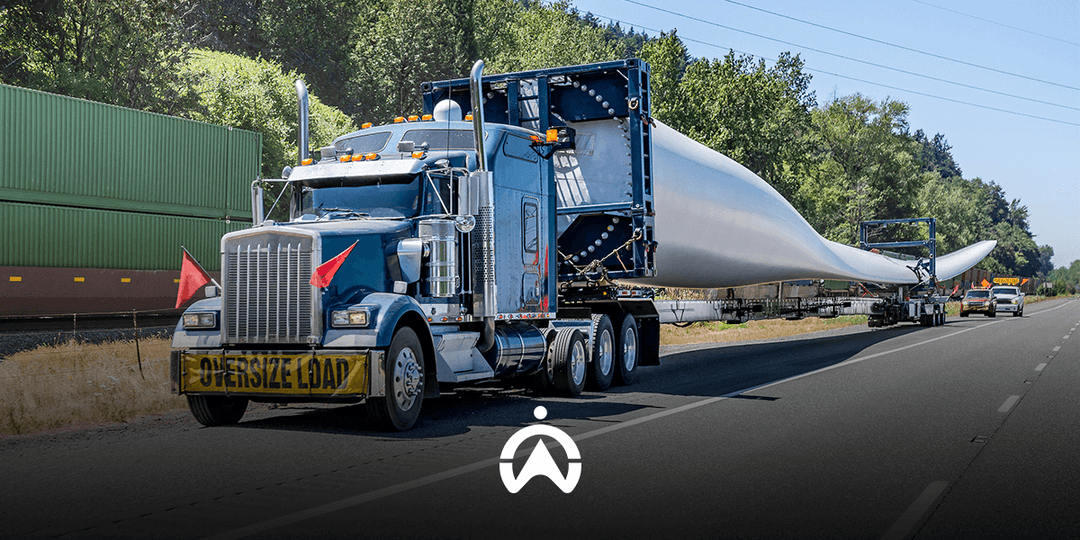
Abnormal load fleet trucks are specialised vehicles designed to transport machinery, industrial equipment, and oversized or overweight loads that exceed the standard legal limit, whether width, length, height, or weight. These trucks are important in the transportation industry, as they ensure the safe delivery of heavy cargo—think massive transformers, wind turbine blades, and even oil rig platform sections.

See, these aren’t your typical eighteen-wheelers; they are specifically designed to handle heavy, specialised cargo usually used for major construction and infrastructure projects and use various trailers, depending on the cargo they carry. These include low-bed trailers that sit low to the ground to carry extra-tall machinery, extendable trailers that are ideal for very long objects, step-deck trailers that simplify forklift loading, and flatbed trailers that are ideal for quick and easy equipment loading and unloading.

Spot the difference: Abnormal load trucks vs. normal trucks

Let’s do a quick comparison of the difference between abnormal load trucks and normal trucks:

Abnormal load trucks Normal trucks
Load size and weight Transport oversized and heavy loads that are above the standard legal size and weight limits Transport large and standard-size loads that are within the usual legal size and weight limits
Cargo type Usually transports specialised cargo such as mining, construction, and industrial equipment Usually transports general goods and materials, such as packaged goods and building materials
License requirements Drivers require special licenses to drive these trucks, as they come with more safety challenges and concerns Drivers require a standard truck driver’s license
Legal requirements These trucks must be permitted to operate legally because they exceed standard legal limits. These don’t require special permits, as they operate within the standard legal limits.

Abnormal load trucks sound like a mouthful, right? Well, that’s what makes these trucks so important—their ability to get the job done, no matter the size. But how important are they in South Africa’s unique economy? Let’s find out.

Decoding abnormal load transportation in South Africa

The South African economy is shaped by the construction and development industry. In fact, in the fourth quarter of 2023,the construction industry contributed about R106 million to the country’s gross domestic product (GDP). The industry is also expected to grow steadily over the next four quarters, recording a compound annual growth rate of 5.8% between 2023-2027. This means that the construction output is set to reach over R276 million by 2027.

The transportation of heavy, large machinery is a crucial part of a successful construction industry. In South Africa, abnormal load transportation is important for moving components such as mobile cranes, earth-moving equipment, and heavy machinery from one destination to another.

However, abnormal load transportation isn’t just limited to the construction industry; it also plays a role in the following industries:

  • Mining industry:

    Simplifying the delivery of equipment such as drill rigs, underground loaders, and belt systems.
  • Power plants:

    Aiding the delivery of turbines, generators, and transformers.
  • Manufacturing industry:

    Streamlining the delivery of storage racks and industrial boilers.

With the growth of these industries, abnormal load transportation has also grown, bringing a new set of challenges for them.

Exploring the hidden hurdles of abnormal load transportation in South Africa

South Africa has a unique climate for running any business, and this applies to the abnormal load fleet industry. South Africa’s economic and geographical climate creates a unique set of challenges for fleet managers. These challenges include:

  • Rising operational costs:

    South Africa is the home of fuel cost fluctuations, with the most recent fuel price increase of R1,21 for a litre of petrol and R1,19 for a litre of 50 ppm diesel. With the amount of fuel abnormal load trucks burn due to their size and weight, even the smallest increase can significantly increase operational costs. Abnormal load trucks need powerful engines to maintain momentum, and the specialised trailers create significant wind resistance. These two factors result in higher fuel consumption compared to regular trucks. So, if fuel consumption isn’t closely monitored, increased consumption will leave you with the nasty surprise of possibly being unable to pay for your fuel.
  • Fleet compliance:

    Compliance is a big challenge faced by abnormal load fleet managers. Abnormal load trucks carry loads that are so large and heavy that they can exceed legal weight limits. For this reason, transporting abnormal loads requires special permits that specify approved routes and safety conditions, depending on the size and nature of the load. This permit isn’t just extra admin; it’s also an extra expense, which can add to the already expensive nature of abnormal load fleet vehicles.
  • Driver management:

    Handling a vehicle with a heavy load can be very challenging, so drivers need the appropriate training to ensure they drive safely and efficiently. Whether you have one, five, or twenty abnormal load trucks, this can be quite challenging, as you need to keep an eye on your drivers at all times to determine how they are behaving behind the wheel.
  • Route planning:

    Abnormal load truck routes need to be pre-planned, as they cannot take the same routes as normal vehicles or trucks. Many South African roads are not designed to handle large, heavy loads, especially in urban areas where streets are too narrow and roads have sharp corners or low bridges. Route planning ensures that large loads are delivered on time with little to no delays while avoiding high-risk theft or hijacking areas.
  • Vehicle maintenance:

    Vehicle maintenance is a major challenge for abnormal load fleet managers in South Africa. The increased weight and size of the cargo abnormal load trucks carry puts additional strain on many vehicle components, such as engines, brakes, suspension, and tyres, accelerating vehicle wear and tear. With South Africa’s poor road conditions, vehicle parts can face premature damage, meaning more frequent maintenance.

Abnormal load trucks face a wide range of challenges; if these aren’t handled, your fleet can become a heavy burden. If you’re looking for a solution that streamlines and solves these challenges, you need a fleet management system.

Exploring_the_hidden_hurdles_of_abnormal_load_transportation_in_South_Africa

Go from headache to efficiency with a fleet management system

Imagine having eyes and ears on every abnormal load truck in your fleet at all times. This is the beauty of fleet management systems, it’s a combination of tools and technologies that make fleet management tasks easy. These systems increase fleet productivity, improve efficiency and safety, and simplify real-time monitoring of various fleet aspects. It’s your all-in-one tool to know what’s happening in every aspect of your fleet, whether it be fuel consumption, driver behaviour, or maintenance issues.

A fleet management system isn’t a luxury; it is essential to the efficient running of your fleet, and without it, the repercussions are detrimental. Let’s take a look at the consequences of not prioritising fleet management in the context of abnormal load fleet vehicles.

How does poor fleet management impact abnormal load fleets?

Effective fleet management is crucial whether you’re transporting normal or abnormal loads. Let’s take a look at the risks of not prioritising it on your fleet:

  • Financial losses:

    Fleet management is rooted in the constant monitoring of various fleet aspects, and without it, a fleet can experience significant financial loss. Fuel wastage due to inefficient routing, poor vehicle maintenance, and dangerous driving behaviour can lead to an increase in operational costs, reducing fleet profitability.
  • Reputation damage:

    Fleet management is essential to streamlining fleet processes, and with it, fleets can avoid delays that can damage their reputation and customer service. One of the most incredible things about fleet management is the in-depth insight it gives you into your entire fleet operation, whether it be driver behaviour, real-time vehicle location, or routing.
    Let’s look at John again. He doesn’t employ fleet management strategies, which means he can’t spot potential delays in delivery routes due to traffic conditions. He also needs to call each of his drivers to find out exactly where they are and how long it should take them to complete their delivery. These factors lead to late deliveries, damaging the fleet’s reputation.
  • Unplanned downtime and unforeseen damage:

    Fleet management gives you in-depth insight into factors that can lead to unplanned downtime and unforeseen damage. It’s all about real-time monitoring, taking the guessing out of running your fleet.John can’t help his drivers stay safe and drive responsibly because he doesn’t know how they’re driving. It is important to remember that, according to the Department of Transport, abnormal load truck drivers require an appropriate license and training to drive these vehicles safely. John cannot provide specific training because he doesn’t know what areas his drivers need training in, increasing the risk of car accidents.

These consequences sound hefty, right? This is why you need a fleet management system. Now that we’ve covered the impact of poor fleet management, let’s explore how a fleet management system can help you take your abnormal load fleet to the next level.

How can a fleet management system help streamline abnormal load fleets?

A fleet management system is the secret weapon you need in your fleet’s arsenal for various reasons. Let’s explore these below:

  1. Streamlined route planning:

    As we established above, abnormal load trucks cannot use all roads due to their size. Using real-time GPS tracking and AI software, a fleet management system can spot congested roads, low-clearance obstacles, bridge weight capacity, and other critical factors that help you identify the safest, most convenient route. Fleet managers can ensure their deliveries are made on time by following routes that won’t require deviations due to congestion or rules and regulations.
  2. Enhanced driver safety:

    Driver safety is essential, especially when handling a vehicle as large as an abnormal load truck. A fleet management system lets fleet managers view their drivers in real time, helping them know exactly what goes on behind the wheel. By doing so, they can spot behaviour that puts their drivers and cargo at risk. This allows them to implement driver-specific training to ensure the fleet remains as safe, effective, and as productive as possible.
  3. Optimise vehicle safety:

    We live in a country where your car is always at risk of being stolen, which is a costly risk for abnormal load trucks and the cargo they carry. A fleet management system helps fleet managers unlock a new level of vehicle safety, thanks to real-time GPS tracking. This helps them to always know where their vehicles are. So, if a driver notifies the manager that the vehicle has been stolen, they can quickly pinpoint its location at the tap of a button.
  4. Preventative maintenance:

    Preventative vehicle maintenance is more than just fixing a faulty part; it’s about spotting the issue before it snowballs into a more serious, costly matter. A fleet management system can monitor the health of various vehicle components, ranging from engines to brake pads. By helping fleet managers quickly spot faulty parts that can affect the truck’s roadworthiness, they can swiftly schedule a repair to avoid unplanned downtime.
  5. Effective fleet cost management:

    Running a fleet comes with a ton of costs, which increases with an abnormal load fleet. These expenses can be a lot to manage and keep an eye on, but with a fleet management system, you can know exactly how much money it costs to effectively run your fleet. Knowledge is power, which also applies to your fleet’s running costs. This knowledge can help you spot cost drainages in your fleet, implement cost-saving strategies, and ensure you never miss a payment deadline.

Intrigued? Well, you can unlock these benefits for your abnormal load fleet today. How? The answer is Cartrack’s fleet management solutions.

How_can_a_fleet_management_system_help_streamline_abnormal_load_fleets

Tame these fleet giants with Cartrack’s fleet management solutions

Cartrack Zimbabwe offers a wide range of fleet management solutions that can simplify the running of your abnormal load fleet. Let’s go over a few of these solutions:

  1. Driver behaviour monitoring:

    Keep track of your abnormal load driver’s behaviour with Cartrack’s AI Live Vision cameras. This AI-powered live streaming technology helps you unlock 24-hour visual access to your fleet, making monitoring each of your drivers a breeze. By making use of AI analysis, our cameras can detect different forms of dangerous or distracted driving, including:- Fatigue
    – Speeding
    – Smoking
    – Cell phone use

    Audible in-cabin alerts are triggered the moment these behaviours are detected, allowing your drivers to correct their behaviour in real time. This proactive approach to safe driving works to help your drivers avoid costly and potentially fatal accidents. And, as a fleet manager, you can also receive these real-time alerts on top of keeping an eye on your drivers via a live stream feed to make sure you stay updated even if looking away for a moment.

  2. Driver scorecards:

    Know exactly which areas your drivers need to improve on with Cartrack’s driver scorecards. It’s one thing to know that some of your drivers are driving harshly, but it’s another to be able to pinpoint exactly which driver is behaving this way. Our scorecards keep track of high-risk behaviours, including:- Harsh braking
    – Excessive speeding
    – Sudden acceleration
    – Harsh cornering

    These detailed reports help you pinpoint the exact time, location, and driver linked to these harsh driving events, helping you know which drivers require targeted training to improve your abnormal load fleet’s overall safety.

  3. ADAS:

    Ensure your drivers are completely aware of their surroundings with Cartrack’s Advanced Driver Assistance System (ADAS). This proactive technology uses features such as front collision warnings to alert drivers of a potential threat in real time, helping promote vehicle safety and prevent potentially disastrous road accidents.
  4. Driver ID tags:

    Make sure that only authorised drivers can use your abnormal load trucks with Cartrack’s Driver ID tags. As established, abnormal load truck drivers need special licenses to operate these large vehicles, so you don’t want to give unqualified or inexperienced drivers access behind the wheel. By giving your drivers a unique tag that needs to be tapped on a sensor inside a vehicle to start, you achieve controlled driver-vehicle assignment and usage, unlocking another level of safety.
  5. MiFleet:

    Account for every cent your abnormal load fleet consumes with Cartrack’s MiFleet software. Our cost management system gives you full insight into every fleet expense, ranging from vehicle permits for your abnormal load trucks to their fuel costs. By being hands-on with your fleet expenses, you can say goodbye to human error caused by manual calculations. This reduces your admin time and helps your fleet remain cost-effective, compliant, and profitable.
  6. Cartrack Delivery:

    Level up your abnormal load fleet’s delivery game with Cartrack Delivery. Making deliveries is already taxing and can be a hassle for abnormal load fleets. However, thanks to our Delivery solution, it doesn’t have to be. This solution aims to streamline and optimise all your delivery options by giving you full insight into your driver’s location and trips. This helps simplify job assigning, as it is based on job completion times and driver availability. But that’s not all, as this solution also helps you find the best delivery routes for your drivers. By using real-time traffic conditions, our route optimisation tool ensures that your drivers take the most effective, deviation-free routes, which reduces delays and improves overall efficiency and customer service.
  7. Fuel monitoring:

    Make every litre of petrol count with Cartrack’s fuel monitoring system. At Cartrack Zimbabwe, we understand that fuel is a major expense for fleets, especially those transporting abnormal loads. This is why we’re bringing you a solution that helps you be in complete control of your fleet’s fuel consumption. By helping you monitor fuel consumption in real time, you can quickly spot the source of fuel drainages and even prevent fuel theft.Thanks to our software’s ability to match your fuel receipts with your vehicle’s location and fuel status, you can spot fuel fraud, helping you reduce cost draining and boost your fleet’s overall efficiency.
  8. Preventative maintenance:

    Ditch unplanned downtime and costly breakdowns with Cartrack’s preventative maintenance solution, equipped to help you spot potential maintenance issues before they become costly and affect fleet longevity. Equipped with advanced analytics, this solution monitors the health of various vehicle components like brake pads, taking the guessing game out of knowing which part of your truck needs maintenance. But that’s not all because this system also creates maintenance plans tailored to your fleet, helping you avoid scheduling maintenance at compromising times, preventing road accidents, and increasing your fleet’s longevity.
  9. Real-time GPS tracking:

    Know where all your abnormal load trucks are at all times, thanks to our real-time GPS tracking technology. Our next-level IoT devices are equipped with GPS and GSM, which gives you full insight into where your vehicle is, the direction it is travelling in, and the speed it is being driven. All you have to do to gain access to this information is open our fleet management platform or our mobile app. Talk about safety at the tap of a button, right? But that’s not all because, with our GPS tracking, you get access to our stolen vehicle recovery service, with an above 90% success rate.So, in the unfortunate event that your truck is stolen, Cartrack’s highly trained recovery team works hard to recover it based on its live location updates.

Power your fleet with smart fleet management

Your success as an abnormal load fleet depends on your ability to be forward-thinking in your fleet management approach. Cartrack Zimbabwe is an industry leader that thrives on innovation, making us the perfect choice to take the abnormal weight off of your shoulders.

Watch the video below to find out exactly how:

Master abnormal load fleet management and unlock efficiency, safety, and profitability with Cartrack Zimbabwe

Size plays a big role in fleet management, and to take your big fleet to the next level, you need a big-thinker as your partner. That partner is Cartrack Zimbabwe.

We’re trusted by over 1.9 million subscribers. Trust us in solving your abnormal load fleet challenges.

Contact us today and give your abnormal load fleet the ultimate success.

Don’t let your abnormal load trucks get you down—get your answers from these FAQs

You probably have a few unanswered questions about fleet management. Well, there’s no need to leave this page because we’re here to answer those questions for you!

How can I improve my fleet management?

  • Implementing a fleet management system is the first step to improving your fleet management. This is because a fleet management system helps you manage fuel costs, optimise routes, track your vehicles in real time, and monitor driver behaviour, which is all crucial for improving fleet management.

How do you maintain a fleet of trucks?

  • There are various ways to maintain a fleet of trucks, but the most important include keeping vehicle parts in good working condition through regular maintenance and preventing dangerous driving behaviour that can lead to premature wear and tear.

How do you introduce safe fleet management?

  • Safe fleet management is centered around real-time insight. Focus on driver-specific training, which begins by monitoring your drivers’ behaviour while they’re behind the wheel. Also, prioritise real-time vehicle location monitoring, as this helps you unlock heightened visibility and safety.

How do you deal with fleet management?

  • Take on a preventative approach as opposed to a reactive one.
  • Keep a close eye on driver behaviour.
  • Know where every cent is going in your fleet operation.
  • Measure each litre of petrol consumed.
  • Ensure you know where each fleet vehicle is at all times.

Click here to enter a world of unparalleled safety, efficiency, and productivity for your abnormal load fleet with Cartrack Zimbabwe.

Road Rage: How to Instantly Protect Yourself, Your Fleet, and Your Drivers

Everyone gets annoyed on the road.

It’s one thing to get annoyed by someone overtaking you, but it’s another to rudely or even violently retaliate.

This is road rage, labelled “one of South Africa’s biggest killers.”

As common as it is, it shouldn’t be your reality. The solution to protecting your fleet and drivers is a fleet management system.

In this article, you will:

  • Learn what road rage is
  • Delve into the road rage figures in South Africa
  • Find out what causes road rage and how you can handle it
  • Explore how a fleet management system can help you manage road rage
  • Discover how Cartrack’s solutions are the secret weapon for combating fleet road rage

Let’s define road rage

Road rage is a term used to describe aggressive and sometimes violent road behaviourcaused by irresponsible driving. Triggers include:

  • Speeding
  • Tailgating
  • Running a red light
  • Changing lanes without indicating
  • Harsh weather conditions
  • Traffic congestion

This less-than-friendly behaviour is more than just a feeling of frustration or a mean look, as it is displayed in different forms, including:

  • Yelling at other drivers
  • Making vulgar gestures
  • Physical violence

These behaviours endanger the lives of those involved and other road users. But just how common is it on South African roads? Let’s see what the stats say.

Road rage: The numbers that are still on the rise

While road rage includes yelling and vulgar gestures, it can escalate into more violent behaviour that turns into potentially dangerous, life-threatening events. Let’s take a look at just how severe it can get and look at the numbers:

SAPS’ 2nd Quarter crime report (July 2023 – September 2023) indicates that road rage was responsible for about 1,272 attempted murders, 1,053 murders, and 20,686 assaults with grievous bodily harm.

Unfortunately, these numbers are still on the rise. According to the 3rd Quarter Crime Report (October 2023 – December 2023), road rage was responsible for about 1,702 attempted murders, 1,116 murders, and 27,918 assaults with grievous bodily harm.

These numbers tell us just how serious this issue is for South Africa. But what causes road rage? Let’s take a look.

What are some common causes of road rage?

While there are countless causes of road rage, let’s explore the three most common ones; traffic, weather, and aggressive driving:

  1. Traffic congestion:Bumper-to-bumper traffic can cause people to drive recklessly to get to their destination on time. This leads to affected motorists being frustrated and annoyed, triggering road rage.

    Look at John, for instance, who is about to miss his 12 o’clock flight because of traffic. Noticing that he might not make it to O.R. Tambo on time, he becomes impatient, leading to him constantly honking his horn, and yelling at motorists to hurry up.

  2. Weather conditions:Driving in harsh weather conditions can start feeling like an extreme sport, causing drivers to experience high stress levels. This stress can increase irritability, especially towards other motorists who are driving recklessly.

    Look at John again, who is now caught in a rainstorm. While he is making sure to obey all the rules of the road, someone is driving recklessly and attempts to overtake him. This leaves John feeling angry and can easily boil over into road rage.

  3. Aggressive driving:Aggressive driving is one of the most common causes of road rage. Being on the receiving end can leave drivers feeling angry and frustrated, causing them to retaliate.

    John is at it again. Instead of driving within the speed limit, he is speeding excessively, and changing lanes without indicating. This can lead to drivers becoming angry and potentially reacting.

This shows us that road rage is usually triggered by feeling unsafe and being inconvenienced while driving. Here’s what you can do to ensure that these actions don’t lead to road rage.

What_are_some_common_causes_of_road_rage

Let’s explore 7 pro tools for avoiding road rage

Feeling frustrated on the road is normal, especially when you have somewhere to be. So what steps can you take to help you avoid road rage? Let’s find out.

  1. Drive safely:Cutting off drivers, driving in and out of lanes, and forcing yourself in front of another vehicle with the nose of your vehicle are irresponsible driving behaviours that trigger road rage.
  2. Don’t tailgate:Tailgating leads to a 13%-14% increase in the risk of being in a car crash compared to safe driving, and it makes drivers appear impatient, a common trigger for road rage.
  3. Avoid speeding:Exceeding road speed limits, especially during harsh weather conditions, can provoke feelings of anger and frustration in other drivers, leading to road rage.
  4. Plan your trips:Planning trips can reduce stress, giving you extra time for potential delays and helping you stay calm while driving.
  5. Don’t engage with angry drivers:Don’t pull that finger out to respond to angry drivers. Instead, get away from the situation as quickly and safely as possible.
  6. Don’t drink and drive:Alcohol makes you irritable and short-tempered, making you more likely to behave aggressively behind the wheel and increasing the risk of road rage.
  7. Watch out for the “L”:Be patient with learner drivers not wanting to drive fast, as they are already anxious on the road, and your impatience can cause road rage.

While these may not completely protect you from road rage, they can significantly lower the chances of it affecting you. But, what if you’re the one expressing road rage?

What if you are the one exhibiting road rage?

While being on the receiving end of road rage requires you to simply disengage, what happens if you’re the one exhibiting road rage? Let’s go through a few tips that can help you:

  • Breathe deeply:Road rage causes heightened tension, which breathing exercises can help relieve. The more oxygen your blood has, the easier it is to calm down and feel more relaxed after experiencing road rage.
  • Stay in your lane:Focus on your journey instead of responding to other drivers, as this can escalate the situation and make it take a potentially dangerous turn.
  • Get a fleet management system:Preparation is better than reaction, and a fleet management system can help you and your drivers stay proactive. By helping you spot dangerous and distracted driver behaviour, this system is the perfect tool for keeping you and your drivers safe from road rage.

But what exactly is a fleet management system? How does it work, and can it help you prevent road rage? Let’s find out

What is a fleet management system?

A fleet management system is your one-stop tool for managing multiple vehicles. It helps you keep track of all driver activities, ranging from where they are in real-time to whether they’re practicing safe driving. Think of it as your eyes and ears, from anywhere, anytime, at the tap of a screen. But what role does it play in preventing road rage?

Fleet management can be the miracle pill for your fleet’s road rage

The power of a fleet management system lies in its ability to promote safer driving practices. Let’s see exactly how this next-level technology does this:

  1. Driver behaviour monitoring:The root of road rage is dangerous driver behaviour. If you’re managing or are responsible for multiple vehicles, you can’t be in the passenger seat of each of them at all times to monitor driver behaviour. This is where a fleet management system comes in, equipping you with solutions that help you detect and prevent harsh driver behaviour.
  2. Recorded video footage:Road rage can lead to costly accidents, and in the unfortunate event that this does happen, and your drivers aren’t at fault, you can use recorded footage to help prove their innocence. Having access to the exact footage you need helps you defend your drivers from any false claims to support exoneration.
  3. Real-time analytics:Road rage can quickly spiral into a potentially dangerous accident. Should this happen, and your drivers were not responsible for it, a fleet management system can help you see exactly where your drivers were and how they drove. This protects your drivers from false claims and legal costs that you may incur due to road accidents.
  4. Route optimisation:As we looked at earlier, traffic congestion is one of the major causes of road rage. When your drivers are short on time and delivery is about to be late, tension begins to rise, which can lead to them driving dangerously to not miss their delivery deadlines. Our route optimisation feature looks at all the tasks your drivers need to complete, and finds the best order to complete them in the most efficient, time-saving way. With a tool like this, your drivers are less likely to end up in situations that may lead to road rage and dangerous driving.
  5. Advanced Driver Assistance Systems:We’ve established that tailgating is another major cause of road rage, and a fleet management tools can help eliminate this too. This system makes use of smart technology to inform drivers of any obstacles or vehicles that they are tailgating.

Sounds incredible, right? We have the key to activating these benefits for your fleet; it’s Cartrack’s world-class fleet management system.

What_if_you_are_the_one_exhibiting_road_rage

Avoid distressing and profit-draining accidents by keeping your fleet road rage-free with Cartrack Zimbabwe

If you’re tired of road rage running rampant in your fleet, then you need a fleet management system, and who better to give this to you than Cartrack? Let’s see what features make us the ideal choice for your fleet:

  • AI Live Vision cameras:Bid distracted and dangerous driving farewell with Cartrack’s AI Live Vision cameras. Powered by artificial intelligence (AI), this cloud-connected management solution uses in-cabin cameras to continuously monitor driver behaviour. This enables it to detect different forms of distracted driving, including:

    – Cellphone use
    – Smoking
    – Yawning and other telltale signs of fatigue

    But this solution does more than just monitor the behaviour, it also triggers in-cabin audible alerts, immediately notifying your drivers and allowing them to correct their behaviour in real-time. Distracted driving plays a massive role in road rage, and our high-tech solution helps eliminate it.

  • ADAS:Keep your drivers completely aware of their surroundings with our Advanced Driver Assistance System. Powered by camera-based sensors, intelligent algorithms, and AI, ADAS takes on a preventative approach to driver safety. One way it does this is by monitoring the distance between vehicles to help your drivers maintain a safe following distance. By providing your drivers with real-time alerts when they drive dangerously close to another vehicle, this system can help prevent tailgating, a major contributing factor to road rage.
  • Driver scorecards:Monitor individual driver behaviour with our driver scorecards. These offer comprehensive ways to evaluate driver performance in great detail and rate each driver on how safely they drive. By monitoring high-risk behaviours that can lead to road rage in your drivers, you can provide specific training to improve driver behaviour behind the wheel, subsequently decreasing the risk of road rage. These behaviours include:

    – Excessive speeding
    – Harsh braking and cornering
    – Reckless acceleration

  • Route optimisation through Delivery:Streamline your delivery options with the most efficient routes brought to you by our Delivery solution. If you’re in the business of delivering goods, then you understand the impact late deliveries can have on your fleet’s reputation and productivity.

    Running late can cause drivers to behave irresponsibly in trying to meet their delivery deadline, like speeding, turning harshly, and running red lights. These behaviours can trigger road rage in other motorists. With our Delivery app, you can help put a stop to this, helping you identify the most efficient order to complete all your delivery tasks. This helps you keep your delivery operations running on time with little to no delays.

  • Real-time GPS tracking:If you’re not running a business, you can still rely on our technology to help you avoid road rage by gaining full visibility of your vehicle with Cartrack’s live GPS tracking.

    The beauty of our GPS tracking software is that it does more than track your vehicle; it gives you full access to your trip history with a route replay function, helping you spot instances of risky driving. With this information, you can pinpoint behaviours that trigger road rage, helping you stay safe and responsible on the road.

These solutions can help you give your drivers ultimate road rage protection by helping foster a culture of safety and responsible driving. Let’s see what the experts have to say about this, and what other tips can they give you for your operation?

Let’s hear some tips from the fleet experts themselves

Although you have a fleet management system, it doesn’t take away from your general responsibilities as a motorist to be as safe as possible on the road. We’ve got your back, though, because we’re bringing you some road rage tips from one of our experienced Cartrack branch managers:

  • Always leave for your destination early. By allowing for enough travel time that takes traffic and other delays into account, you can keep calm knowing that there is no need to rush.
  • Plan your routes. By knowing exactly which route you will be taking, you can avoid any delays that can trigger road rage.
  • Play your favourite music, as this can help you remain calm.
  • Always remain calm and courteous, and don’t get provoked when you encounter drivers with road rage. Allow them to pass and avoid eye contact.
  • When you encounter a road rage incident, do not sound your horn, flash your lights, or start gesturing.
  • If you are a victim of road rage and want to report the matter to the SAPS, record the aggressor registration and the location of the incident.

Safeguard your fleet and its drivers from road rage with Cartrack’s solutions

With a wide range of solutions to tackle nearly every cause of road rage, Cartrack Zimbabawe is just what the road rage doctor ordered for your fleet safety needs.

Contact us today and make road rage a thing of the past.

Are You on Top of Your Fleet Management Standard Operating Procedures? – What You Need to Know

Fleet Standard Operating Procedures (SOPs) are your secret recipe for running a safe, compliant and efficient fleet.

Fleet SOPs usually include guidelines for vehicle maintenance, driver safety, fuel management and more. Although these guidelines are essential for all stakeholders, unfortunately, many businesses keep this powerful tool locked away in a cupboard, rendering it almost useless.

SOPs are only effective if your stakeholders engage with them daily, so join us and discover how to get on top of your fleet SOPs using fleet management software.

In this article, you will:

  • Learn about fleet management standard operating procedures (SOPs).
  • Discover the top benefits of fleet SOPs.
  • Assess whether your fleet is reaping the benefits of your SOPs.
  • Learn how to create and implement standard operating procedures for your fleet.
  • Uncover 7 Cartrack Zimbabwe software features that help businesses develop effective fleet SOPs.

What are fleet management standard operating procedures (SOPs)

The topmost challenging aspects for fleet managers include driver engagement and safety, leadership support, and regulatory compliance. Fleet management standard operating procedures (SOPs) are the perfect guide to help fleet managers handle challenges like this and more.

Fleet SOPs are important for risk management and ensuring everyone in your fleet remains responsible and accountable. They help ensure that anyone who uses your fleet knows the correct way to request and operate your vehicles/equipment.

Most SOPs for fleet management will include the following guidelines:

  • Vehicle asset verification
  • Acquiring, replacing and disposing of vehicles
  • Applications for vehicle use
  • Vehicle and equipment safety
  • Vehicle repairs and maintenance
  • Driver safety and regulatory compliance
  • Fuel management
  • Cost management
  • Accident/incident reporting

Fleet management procedures are not only necessary for driver and fleet safety; they are a strategic way of safeguarding your business. Effective SOPs show your commitment to fleet safety and compliance, which is assuring for all stakeholders.

The 5 top benefits of Fleet Management SOPs

Fleet management SOPs cover managing your fleet well and getting the best Return on Investment. Do you currently achieve the following benefits from your fleet SOPs?

#1 Improved fleet safety

SOPs help businesses, fleet managers, and drivers prioritise safety in their fleet. With measures that encourage driver safety training, vehicle maintenance, and pre-trip inspection, fleet managers can effectively improve their overall fleet safety using SOPs.

#2 Increasing fleet efficiency

By setting SOPs for vehicle usage, fuel management, and cost monitoring, fleet managers contribute to increased fleet efficiency. These measures help extend your vehicle’s lifespan, reduce costs and improve fuel efficiency. Your SOPs should contribute to you reaping the return on your investment and assets.

#3 Enhancing fleet compliance

Outdated SOPs can lead to compliance issues and unexpected fines. SOPs ensure a compliant fleet by outlining the processes for maintaining records, updating information, and paying regulatory fines. Fleet SOPs should be current and up to date to help you maintain a compliant fleet—are yours?

#4 Improved communication between managers, drivers, and stakeholders

SOPs provide clear guidelines for all stakeholders, enabling managers and drivers to understand their roles and responsibilities. With fleet SOPs, setting measures to increase communication and remote management helps businesses improve their overall operations.

#5 Reduced fleet costs

Having SOPs for your fleet ultimately helps reduce costs and increase profitability. With measures on how to claim back for fuel, timesheets, and how to calculate vehicle operating hours, businesses avoid financial losses and identify costly profit drainages.

If your fleet’s SOPs don’t help you attain one or more of these benefits, then it’s time to upgrade them.

Here’s a quick guide to get started on upgrading your SOPs.

The_5_top_benefits_of_Fleet_Management_SOPs

How to create and implement fleet management SOPs

This step-by-step guide describes three important parts in the process of building SOPs and finally putting them into practice for your fleet. If you already have SOPs for your fleet, these steps will help you improve them and ensure they are still relevant for your fleet and business.

First things first: Identify fleet challenges

Begin by identifying key fleet management challenges where Standard Operating Procedures (SOPs) can be beneficial. For example, is your fleet experiencing a profitability downturn? Perhaps your drivers are frequently missing deliveries or your fleet vehicles keep ending up in the repair shop. Identifying these challenges can help you move on to a viable solution.

Incorporating standard operating procedures into your workforce and task management would lead to better asset utilisation and increased profitability.

Here are 15 fleet-related challenges that SOPs could help with:

  • High fleet downtime
  • Poor communication between managers and drivers
  • Redundant vehicles
  • Driver identification for vehicles
  • Operator identification for equipment
  • Violations and fines against your fleet
  • Overbilling for repairs, maintenance, or service
  • Penalties for non-compliance
  • Poor driver behaviour and performance
  • Lack of vehicle/equipment maintenance
  • Increased vehicle wear and tear
  • Poor administration
  • Out-of-hand fuel costs
  • Suspected fuel theft
  • Safety issues

Unfortunately, a one-size-fits-all approach to SOPs is not ideal. The list of fleet management challenges is endless, so identifying your fleet-specific challenges is the only way to develop effective SOPs. Don’t worry, though, once you start implementing these, you’ll start reaping the rewards.

Next: Involve relevant stakeholders

When developing your fleet SOPs, include fleet managers, drivers, mechanics, field service workers and even someone from your legal department (if applicable) in the process.

By making this process a group effort, you can ensure that everyone is aware of the SOPs and understands:

  • What the SOPs aim to achieve
  • Who the SOPs apply to and under which circumstances they must be used
  • Who is responsible for specific tasks
  • Who is accountable for whether the SOPs are implemented correctly
  • The specific procedures to be followed

Take fleet safety for instance; here’s how involving stakeholders in developing SOPs can help.

In a recent survey abouttoday’s fleet managers’ priorities, only 50% of fleet managers surveyed said they believe their company continuously strives to improve their employee safety. In the same survey, however, 22% said their company mainly focuses on solutions that improve the bottom line/profitability.

This survey shows the importance of prioritising leadership, businesses, and stakeholders. Businesses need to show that they are focused on solutions to improve profitability, without compromising driver safety.

Involving all relevant stakeholders also shows that your business equally values both profitability and safety.

In the process of developing SOPs, aim to at least involve:

  • Fleet managers
  • Drivers
  • Health and safety experts
  • Trainers

These stakeholders are priceless to your business and process because of their industry expertise and understanding of your unique fleet challenges.

Time to develop and share: Share SOPs with all stakeholders

While this part of SOPs development may require a bit of effort, there are plenty of experts who advise on how to write procedures for your fleet, helping you simplify the process.

Our advice is simple when it comes to your fleet: You should at least have or regularly update SOPs for these six fleet management areas:

  • Fuel management
  • Vehicle maintenance and repairs
  • Fleet cost management
  • Fleet compliance
  • Vehicle usage and management
  • Driver training and safety
  • Reporting accidents and liability
  • Health and safety
  • Driver management

Ensure your procedures are easy to understand and explained to all stakeholders. You may want to consider offering training on your SOPs to all the relevant people. According to the J.J. Keller Center for Market Insights, over 52% of fleet managers surveyed believe it’s important that their drivers apply what they learn in training and that the training is specific to their unique needs. By training drivers on your fleet SOPs, you can be assured that your drivers engage your SOPs.

After developing your fleet SOPs, remember to make them easily and readily accessible to everyone. You should also update them frequently, so consider getting a user-friendly platform to access your SOPs and update them from anywhere.

Now that we’ve given you a guide to building SOPs, you’ll need to know how fleet management software like Cartrack’s can help you develop your fleet’s standard operating procedures.

How_to_create_and_implement_fleet_management_SOPs

7 Cartrack Zimbabwe fleet software features to develop your fleet (SOPs)

Cartrack’s fleet management software helps businesses develop and establish fleet manager and driver engagement with fleet SOPs.

These seven features assist with complete fleet management:

Feature 1: GPS for fleet tracking

Our GPS tracking system lets fleet managers track and pin their fleet’s live location anytime and anywhere, unlocking the ultimate fleet visibility and management. This information helps fleet managers know exactly where their drivers and fleet are located to monitor driver performance and productivity, communicate instructions with drivers, or immediately respond in an emergency.

Feature 2: Digital fleet reports and records

Using our GPS tracking and other smart tools, fleet managers can create customised automated reports to get data on vehicle performance, fuel consumption, and fleet-related costs. MiFleet is our advanced cost management software that simplifies fleet cost administration, helping you get an overview of your fleet, identify financial leakages, and perform a bulletproof cost analysis.

Our web-based software allows approved stakeholders to easily access vehicle, driver, and cost-related reports from anywhere. The fleet reports are designed to assist fleet managers in making data-driven decisions about their fleet.

Feature 3: Preventative maintenance

Cartrack’s telematics-based solution also gives valuable insights into vehicle conditions. Fleet managers receive notifications on vehicle problems such as engine faults and battery failures as proactive reminders to service their vehicles or schedule maintenance.With the added benefit of uploading invoices for accurate record-keeping, fleet managers have everything they need in one place to ensure optimal fleet performance and reduced downtime.

Feature 4: Driver monitoring

Our fleet and worker management solutions include GPS tracking, driver identification tools, driver behaviour reports, and AI camera systems to monitor driver productivity and performance. Fleet managers can monitor and track different driver behaviours in real time, staying on top of irresponsible driving behaviourlike speeding, idling, and harsh braking. If you’re struggling with fleet safety issues, Cartrack’s driver monitoring solutions help you identify and address unproductive driving habits.

By integrating Cartrack’s SmartCabin camera solutions, fleet managers can also get live audio and visual recordings to help train drivers on dangerous driving. Cameras are also useful for liability problems in the event of an accident. Our driver monitoring solutions help fleet businesses improve fleet productivity and safety.

Feature 5: Fuel management system

Our comprehensive fuel management system is equipped with fuel monitoring sensors, vehicle tracking, and fuel cost management, helping businesses to accurately track and cut fuel inefficiencies. Managers receive notifications for suspected fuel theft and can customise fuel reports to understand not only risks like theft or fraud but also their fleet’s overall consumption. SOPs ultimately help fleet managers establish solid fuel claim validation procedures to help clamp down on fraudulent activities and increase their fuel budget flexibility.

Features 6: Fleet compliance (insurance, taxes, fines, and toll payments)

Cartrack’s MiFleet also helps fleet managers ensure their fleet complies with industry-specific and standard regulations. Fleet managers can upload information and set expiration dates and reminders for vehicle insurance, road tax certificates, and toll card payments, helping avoid late payment penalties and fines.

Feature 7: Cartrack website and app for instant communication

With online access and a user-friendly app, our fleet management system supports uninterrupted, clear communication between fleet managers and drivers. Fleet managers can use both the app and website to assign tasks, check task progress, and communicate with their drivers for optimised productivity in industries like delivery, logistics, supply chain, and mining.

Perfect your SOPs and supercharge your fleet profits with Cartrack Zimbabwe

Your fleet’s standard operating procedures are important and invaluable to your business. They safeguard your fleet managers, drivers, fleet, and overall business.

Our fleet management software helps you ensure everyone involved engages with the SOPs to improve productivity, safety, and compliance.

Contact us today.