 South Africa
 Botswana
 Kenya
 Malawi
 Mozambique
 Namibia
 Nigeria
 Swaziland
 Tanzania
 Hong Kong
 Indonesia
 Singapore
 Malaysia
 Philippines
 Thailand
 New Zealand
 Vietnam
 Poland
 Portugal
 Spain
 United Arab Emirates

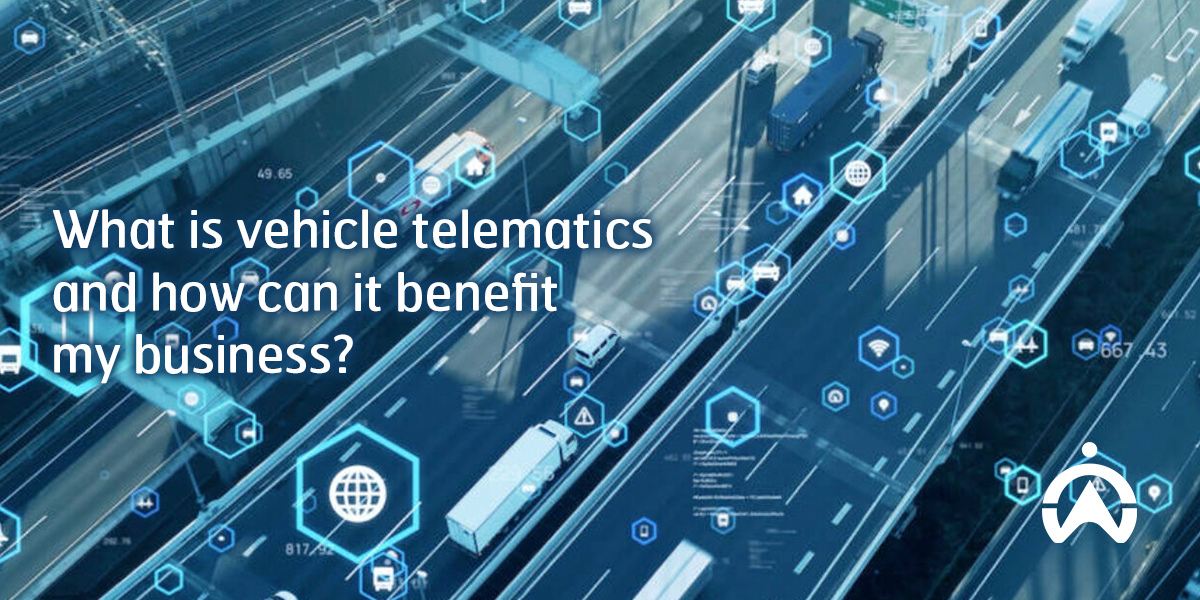
Step into the world of modern fleet management and get unique insights into your fleet vehicles and drivers through telematics solutions. This article will help you get the most out of your fleet and fully understand what telematics systems can do for you.
The telematics industry strives to benefit and make changes to every business it touches, and its efforts are evident. Telematics has grown immensely in recent years, encouraging businesses to implement telematics solutions to improve safety, increase efficiency, and most importantly, reduce costs.
This has seen the demand for innovative technology, prompting more businesses to grow curious about what telematics can be used for and how it can benefit them.
This blog will answer all your questions and give you the information you need to make an informed decision about telematics.
What is telematics?
What is telematics?
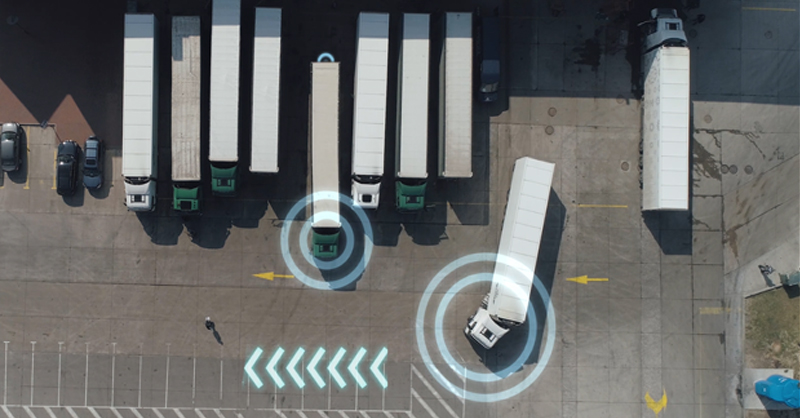
Telematics (also known as fleet telematics) is a system used to collect GPS fleet tracking data along with a range of vehicle-specific information and store it in a database. It integrates both wireless telecommunications and information technology (informatics) to process, deliver actionable data and efficiently convey information over vast networks.
Telematics is often associated with fleet management and vehicle GPS tracking devices. With these fleet systems in mind, telematics can be defined as an onboard communication system where all fleet software can interact with one another and share vital information.
Telematics can also be seen as a new method of integrating all types of data, from vehicle equipment to driver behaviour.
How do telematics systems work?
For a telematics system to work, it needs a few items:
- A communication device (mobile phone, computer, laptop and/or tablet)
- Fleet communication software
- GPS tracking device
- Engine interface
- Input/output interface
- SIM card
- Accelerometer
- Alert/notification
Telematics systems function by connecting a GPS fleet tracking device, or other data logging tool, to an asset. The tool collects critical performance data about the asset, like real-time engine diagnostics, vehicle location, and vehicle activity.
After being collected, the device transmits the data to a data centre where it can be analysed, interpreted, and compiled.
Fleet managers can access the uploaded data via the software of the telematics system once it has been uploaded. However, the method of doing so may vary depending on the particular telematics solution.
How are telematics devices installed?
Telematics is implanted via the vehicle’s on-board diagnostic (OBD) II port, or CAN-BUS port, typically located under the steering wheel.
GPS tracking devices and fleet management telematics are installed in discrete places so they are hard to locate and tamper with. Here are three types of units available and their hiding spots:
Plug in: These are devices that can be easily plugged into any fleet vehicle’s cigarette lighter, like Cartrack’s compact mobile unit. Since these devices have to be plugged-in to function, they could be very easy to spot.
Hardwired: These devices are installed directly into the vehicle and connected to the vehicle’s power supply (battery). Because they are not attached to the OBD port, they can be easily hidden in the vehicle.
Battery operated: Thesehave a battery or solar charger of their own and can operate independently from the vehicle, so they can be easily placed anywhere in the vehicle. These types of devices often have powerful batteries that could last for months at a time.
After installing telematics units, the device collects GPS fleet tracking data and a range of vehicle-specific information where fleet managers can implement smart solutions to achieve, automate and improve the following:
- Manage route optimisation
- Ensure the safety and compliance of the drivers
- Help identify and improve bad driving habits
- Receive notifications for preventative maintenance
- Reduce idling, fuel and maintenance costs
- Manage assets’ utilisation
- Help drivers comply with policies and regulations
- Reduces carbon footprint
A centralised server receives the information from the units via General Packet Radio Service (GPRS), 4G or 5G mobile data and cellular networks or satellite communication, and displays it through a secure website (usually the telematics system’s platform) accessed through tablets or smartphones.
Telematics and vehicle tracking systems
Vehicle tracking is the most common use of telematics in most industries, especially in trucking and transportation.
This technology is preferred in vehicles because of the notable benefits it offers. The ability to map the exact location of the vehicle, its speed, and its maintenance status, all through the use of GPS systems, combined with onboard diagnostics.
Here’s a list of additional information gained through telematics.
- Location
- Fuel Usage
- Maintenance issues
- Fuel consumption
- Idle time
- Instances of harsh driving (e.g., hard braking or cornering)
- Speed and rapid acceleration
To make good use of this information, the telematics system analyses the data for certain events and patterns and creates reports on specific drivers and fleet vehicles, specifically for the convenience of fleet managers.
Telematics integration with vehicles
from fleet manager to fleet driver
Telematics integration with vehicles
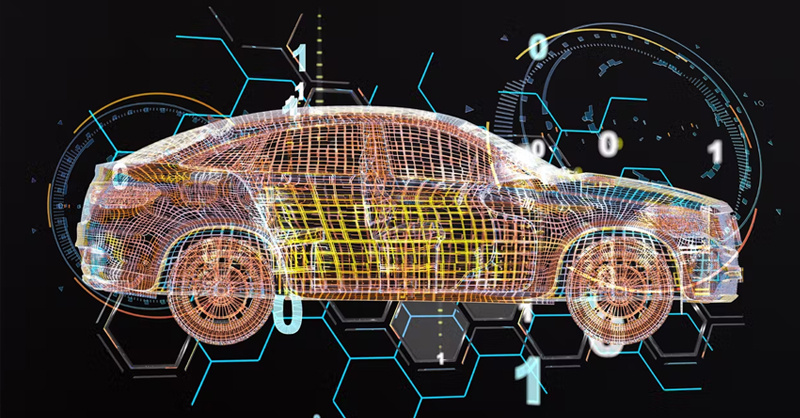
Typically, trucks, trailers and other fleet vehicles are sold without tracking systems installed and are fitted with GPS tracking devices soon after they have been sold. If the vehicles don’t come pre-equipped with this technology, many aftermarkets offer GPS and telematics unit installation.
Some car dealerships also partner with telematics providers or vehicle tracking companies, such as Cartrack, to provide a seamless end-user experience and sell vehicles already fitted with Cartrack’s tracking units.
How to positively use telematics technology in your fleet
You have now gathered a basic understanding of telematics software and decided to implement it into your business, great! To properly use this technological game-changer, here are a few key areas where telematics can boost your business.
1. Safety tracking
Fleet telematics allows you to track vehicle location, speed, seatbelt use, as well as driving behaviour. You receive a digital record of every aspect of your fleet vehicles’ operations, which can provide insight into where and what improvements can be made to prevent accidents and improve driver safety.
2. Better payroll management
A telematics solution can help you reduce instances of overtime and timesheet fraud by monitoring your fleet’s electronic time logs and allocating resources based on real-time information. You can optimise your drivers’ routes so that no driving time is wasted. You’ll also know exactly how long and how far a vehicle has driven, making payroll calculations easier.
3. Trailer and asset tracking
Telematics can be used for more than just monitoring vehicles. You can attach a GPS tracking unit to trailers, expensive equipment, and non-motorized assets to prevent them from becoming lost and help find them faster if they are stolen.
You can also create alerts to be sent to you if a trailer or other non-motorized asset is moved without your permission.
4. Insurance risk assessment
With the permission of the owners, telematics can be used by insurance companies to monitor driver behaviour, allowing them to better determine risk factors and adjust insurance premiums accordingly. If additional help is needed in sorting out insurance, Cartrack helps motorists find affordable insurance by viewing the current insurance package used and providing you with 14 quotes with better rates.
How is it used in everyday life?
The telematics solutions market is projected to reach $62.6 billion by 2025, up from an estimated $29.9 billion in 2020. With this amount of money on the table, it’s safe to assume not just the transportation and freight industries reap the benefits of this system. Almost every industry has space in their regime to integrate telematics into their business and some of them use this technology a little bit differently than the rest.
Here’s a look at the industries making the most of telematics today.
- Heavy machinery: Maintains heavy equipment and prevents theft with the use of telematics and asset tracking safety features.
- Public Security: Monitors the location and driving speed of emergency vehicles to improve officer safety and increase response times.
- Fleets: Trucks and various fleet vehicles are monitored to ensure shipments arrive at their destination safely and on schedule.
- Construction: Performance diagnostics, fuel usage, and maintenance schedules are all reported on through the use of telematics.
- Oil & Gas: Oil, gas extraction and transportation activities are monitored to improve efficiency and worker safety.
- Refrigeration: The temperature of cold or heat-sensitive products is monitored to reduce spoilage and ensure safe consumption.
- Executive fleets: Improve luxury vehicles’ maintenance to reduce breakdowns, unscheduled repairs, and part replacements.
- Landscaping and lawn care: Monitors the performance of employees and equipment to improve productivity and customer service rates.
Generators: Generator conditions such as fuel level, battery voltage, and coolant temperature are monitored to ensure it is in healthy conditions and can run for longer.
How does telematics benefit the fleet business?
Telematics works to help fleet managers conduct their vehicles, drivers and other fleet employees. With telematics, GPS devices work to track your vehicle, trailers and assets successfully while also gathering vehicle data such as a full trip history of your vehicle and other actionable insights fleet managers can use to improve vehicle and driving conditions.
Other noticeable improvements telematics can make in fleet management are as follows:
- Boost fleet efficiency
With actionable insights from our telematics and fleet data, you can track your drivers’ progress, improve communications and streamline your workflow.
- Eliminate toll and fuel-card fraud
Telematics will automatically verify fuel-card payments whenever they are made by matching fuel sensor data, vehicle location history and fuel-card recipes. Making sure each driver is using their authorised cards at all times.
- Always know exactly where your assets are
With our GPS units, you don’t only know the exact location of your assets but also ensure the cargo is accounted for from dispatch to delivery. For extra safety measures, you’ll receive alerts and footage whenever the cargo door is opened and the cargo itself.
- Actionable insights on the conditions of your fleet
From the petrol intake to driving behaviour, telematics gives fleet managers all the information they need regarding their fleet. They also receive real-time alerts used to address maintenance issues immediately before they escalate. This allows you to keep your vehicles operational for longer, saving money on large repair bills, avoiding critical safety violations, and protecting your Compliance, Safety, and Accountability (CSA) scores.
- Real-time tracking
Easily track the progress of your deliveries with automatic job status updates via SMS or email with electronic signature and photo sent, for that little layer of assurance and safe delivery.
- Accurate dispatching schedules to ensure on-time deliveries
Use the Cartrack communication app for easy information transfer from fleet manager to fleet driver. Say goodbye to incorrect customer information, ensuring faster deliveries and happy customers.
- Have Streamlined communication
Fleet telematics can drastically improve communication between drivers and fleet managers or administrators in a business. Improved communications, combined with accurate vehicle location, can help you accurately estimate arrival times and improve customer satisfaction.
- Decreased fuel costs and operational expenses
Telematics can assist in uncovering waste areas, such as vehicle idling or fuel leakage, and allow fleet managers to rectify them quickly, improving fuel efficiency in the business and the bottom line. It can also assist management in planning the most efficient route for each driver to save wasted miles.
- It increases driver safety
Accidents are always harmful to businesses and could be worse for drivers’ health and safety. Telematics can be used to improve driver behaviour and promote overall road safety. Fleet management software collects telematics data on your team’s driving habits and ranks your drivers according to their safety scores. You may then teach your drivers safer driving habits and improve the overall safety of your fleet.
- It automates IFTA reports
Telematics and fleet management software can calculate distance driven and fuel expenses for different drivers in different jurisdictions automatically. They can also automate calculations for International Fuel Tax Association reports, increasing administrative efficiency, lowering calculation errors, and decreasing your company’s chance of being audited.
How does telematics work with other fleet software
How does telematics work with other fleet software?
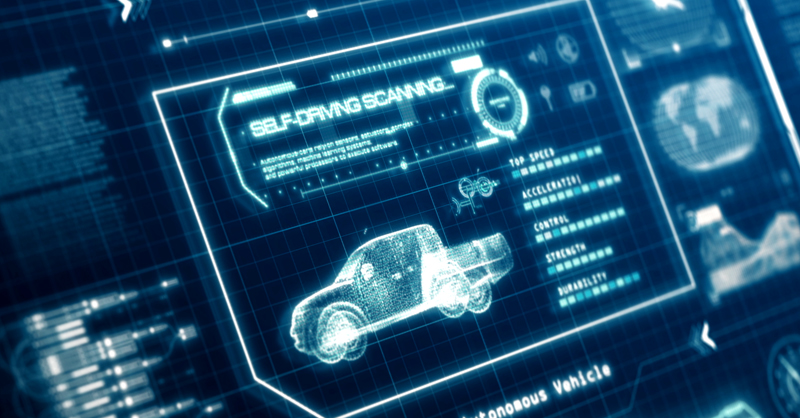
Businesses are increasingly relying on telematics and fleet management software to assist them in managing their fleets.
Fleet management software, a branch of telematics, is popular among modern companies as a way to manage the vehicles in their possession. Fleet management systems allow them to gain a comprehensive view of the health, profitability, and productivity of their entire fleet.
Many fleet managers use both fleet management systems and telematics to simplify and efficiently compile gathered information.
What is fleet management software?
Fleet management software is a large information database where you can keep track of everything and anything linked to your fleet. These records may include:
- Purchased or leased vehicles
- Vehicle information
- Maintenance plans
- History of parts and service
- Compliance documentation (insurance, licences, tax)
- Fuel transaction logs
- Operating costs
- Financial data
The purpose of using both telematics and fleet management technologies is to reduce the administrative processes associated with managing all fleet lifecycle information. This helps make sense of a fleet in terms of operating costs and total cost of ownership, as well as ensure that you are operating legally, complying with regulations, and effectively maintaining assets.
As such, these fleet systems usually have quite comprehensive reporting tools that can set alerts and send emails while perfectly integrating with third-party systems that offer financial solutions like Cartrack’s SARS-compliant logbook feature.
Are both systems needed?
If you’re asking yourself if the use of both telematics and fleet management software is truly needed to optimise your business, the answer is yes. These systems work together to improve fleet efficiency and productivity and provide several benefits that can easily be observed as soon as the technology is integrated into a business.
The benefits include:
- Creating risk analysis by combining driver behaviour information with data on accident rates, medical history and fines
- Safety monitoring
- Elimination of costly idling
- improved routes for travel
- Streamlined processes by eliminating administrative time
- Improved accuracy by eliminating redundant data entry
By incorporating telematics and fleet management software into business practices, you can reduce investment and operating costs in a variety of areas, including fuel purchasing, leasing, maintenance, accident management, and accounting.
Gain fleet insight with Cartrack
Use Cartrack’s fleet management solutions as well as the telematics technology to have your whole fleet under your control and watchful eye. Be informed about all the comings and goings of your fleet at any time and location.
Contact us on our website and take the first step in achieving fleet efficiency.