 South Africa
 Botswana
 Kenya
 Malawi
 Mozambique
 Namibia
 Nigeria
 Swaziland
 Tanzania
 Hong Kong
 Indonesia
 Singapore
 Malaysia
 Philippines
 Thailand
 New Zealand
 Vietnam
 Poland
 Portugal
 Spain
 United Arab Emirates

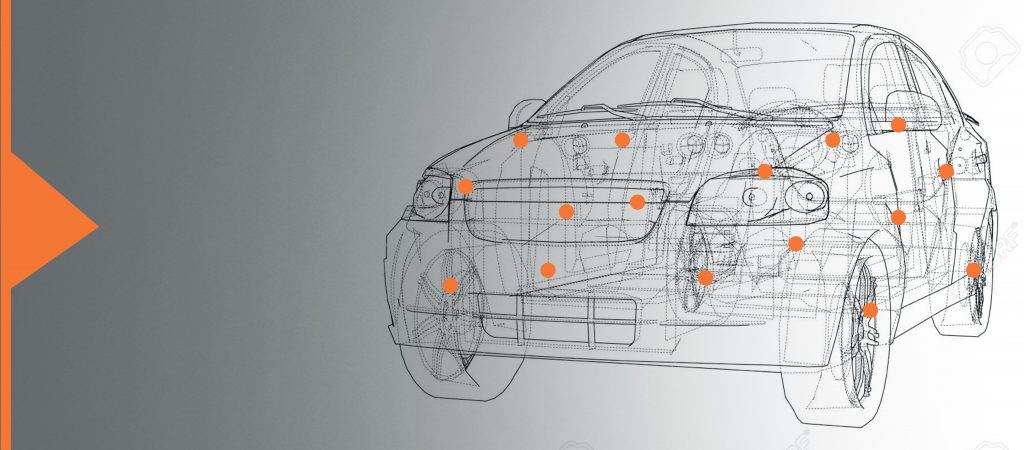
With vehicle fleets encountering more challenges and variables than ever before, it is critical to have the technology in place that can deal with these challenges appropriately and help your enterprise maximise its value and success. This is where the Controller Area Network (CAN bus) comes into play, allowing you to collect crucial information for vehicle monitoring, which means you can enjoy seamless integration in your vehicles and improved business performance overall.
Here’s a summarised indication of how CAN bus technology works and how it can help your vehicles:
What is a CAN bus?
The CAN bus is your car’s “nervous system”, and is used as a means of delivering, receiving and facilitating messages from all the Electric Control Units (ECUs), sensors and actuators in and around your car. It has become essential to many applications, including cars, trucks, tractors and industrial robots. Ultimately, the CAN bus protocol allows ECUs to communicate with each other without complex dedicated wiring in between.
The History of CAN bus
Before the advent of CAN bus, messages were conveyed using complex and copious amounts of point-to-point wiring. The CAN bus was first developed in 1983 by German multinational engineering and technology company, Robert Bosh GmbH, with the first protocol officially released in 1986, at the Society of Automotive Engineers (SAE) conference in Detroit, Michigan, USA.
In 1993, the CAN bus was adopted as an international standard in automotive electronics, and in 2012, Bosch released the CAN FD protocol, which was standardised in 2015. In 2016, the physical CAN layer for data-rates up to 5 Mbit/s was standardised. Today, CAN protocol is standard in almost all vehicles such as trucks, cars, buses and tractors, as well as planes, ships and industrial machinery.
What are the benefits of the CAN bus?
Generally, the management of vehicles is eased thanks to the collection of event and control data. Specifically, there are several advantages to using CAN bus, including:
- Lower costs – ECUs can communicate via a single platform, thereby reducing costs and errors
- More centralised – the system allows for central error diagnosis and configuration across all ECUs
- More robust – the system is designed to be robust for electric disturbances and electromagnetic interference, which makes it ideal for vehicles
- More efficient – CAN frames are prioritised by ID, meaning that your top priority will get bus access, while frames will not be interrupted
- More flexible – all transmitted messages can be easily modified while additional information can be easily added
How Cartrack’s CAN bus solution can help your business
Cartrack Zimbabwe offers you CAN bus integration, a powerful feature that helps ensure you’re always in control of your vehicles. Get connected and allow a variety of vehicle performance data to be downloaded in real-time for monitoring and analytics that will help improve your business’s efficiency and profitability.