
Cartrack Lifetime Maintenance Warranty: Hassle-Free Tracking Device Repairs With No Call-Out Fees

Have you ever bought a beautiful dress or pair of jeans only to find that after one wash, the colour fades completely? While it may have seemed like a great deal to start with, in reality, it wasn’t made to last. True value lies not just in appearance but in durability and lasting quality.

At Cartrack, you never have to worry about these kinds of incidents because we only produce premium products. We strive to always provide you with the best solutions and high-value services, including our Cartrack Lifetime Maintenance Warranty.

As a result, all our telematics and tracking devices are designed, developed, and manufactured in-house, so we can offer you unlimited maintenance coverage. This warranty offers excellent coverage and affordable pricing.

Get the full story below, and learn more about Cartrack’s lifetime maintenance warranty.

In this article, you will:

  • Find out all you need to know about Cartrack’s lifetime maintenance warranty
  • Explore Cartrack’s lifetime maintenance warranty’s additional benefits
  • Discover the exception to the lifetime guarantee rules
  • Learn about Cartrack’s tracking device and add-on features
  • Receive the answers to your most frequently asked questions

What exactly is Cartrack’s lifetime maintenance?

Whether you use it for your private vehicle or your fleet, Cartrack’s units have a one-year warranty. Once the warranty has lapsed, a call-out fee will be charged if any servicing or unit replacement is required. That said, this is not your only option.

Cartrack’s lifetime maintenance warranty is a valuable service that can be cancelled at any time. After your initial one-year warranty expires, you can choose from several options: either pay for a new installation when the need arises, cancel the warranty entirely, or choose to continue with our unlimited maintenance coverage.

Cover your vehicle’s tracker with our warranty for an affordable monthly payment.

We will add this to your monthly, budget-friendly, one-year warranty price.

As a result, there is no call-out fee, and the entire fitment is completely free. This is how we provide true value to our clients. Scroll down to learn more about our phenomenal warranty.

Additional benefits of Cartrack’s lifetime maintenance warranty

In addition to zero call-out fees, Cartrack’s lifetime maintenance warranty offers even more noteworthy benefits. Learn more below about saving money and time, saying goodbye to Ts and Cs, and embracing peace of mind.

  • Savings: These free-of-charge services save individuals and businesses money in the short and long term by not charging extra for the many services themselves. However, there are more savings, such as saving time and unnecessary expenses by either performing the services in-house or ordering someone.
  • Peace of mind: We provide our lifetime maintenance warranty to private and business clients. The process, from call-out fees to maintenance and repairs, is uncomplicated and efficient.

The exception to the lifetime care guarantee rules

While these services are provided compensation-free, there are some exceptions. Cartrack will impose charges for these services if there is interference from third parties. This includes instances where individuals not affiliated with the company tamper with or remove the device.
Two mechanics in overalls standing in a workshop with tools and tires in the background.

Service excellence with Cartrack Zimbabwe

Among our many services and solutions, this warranty is only one example of our care for our clients. ‘’The lifetime maintenance warranty compliments our service excellence objective and ensures no unpleasant surprises for our clients.”

Look after your car and fleet with our top-tier device

At Cartrack, our GPS tracker, installed discreetly by our advanced team, will allow you and our team to monitor your vehicle or fleet via the Cartrack application. The following are the general features of units attached to private individual cars. However, there are customisable packages for fleets that you can enquire about.

Let’s learn more about all these features.

  • User-friendly mobile app: With our user-friendly mobile app, you can monitor the location of your vehicle or fleet and easily access all the features below. The application will also provide notifications linked to necessary information from these features.
  • Trip history: The platform’s vehicle trip history provides a lot of useful information, such as the ability to know where your vehicle or vehicles have travelled and the distance and period of these trips.
  • Stolen Vehicle Recovery (SVR) services: Our stolen vehicle recovery team uses tracking devices, GPS and GSM, and other advanced technologies to ensure that we keep an eye on your vehicle or fleet at all times. Our emergency room is always available and ready to connect with local law enforcement and our recovery response team so that your car or group of vehicles is returned to you in a heartbeat.
  • Vehicle location via Call centre: If you can’t access your location via the Cartrack application, you can contact our call centre.
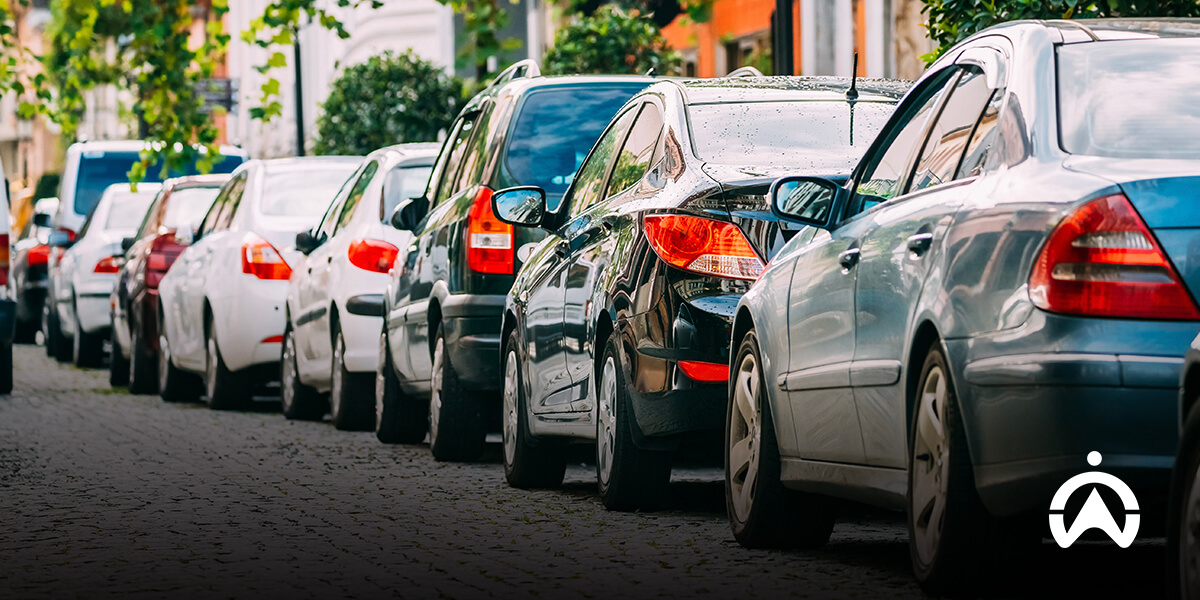
Row of parked cars on a city street, cobblestone pavement, wet vehicles indicating recent rain.

Explore our first-rate add-on features from our tracking unit packages

Some of our more comprehensive packages include additional features, depending on your choice. Compare these add-ons below to determine what would work best for your vehicle or fleet.

  • Logbook: This feature streamlines the log booking process by removing the need for pesky paper. Effortlessly manage your trips for your business travel claim—all in detail and without error using our SARs-compliant logbook—simplifying trip logging, ensuring compliance, and much more.
    .
  • CarWatch: CarWatch is a virtual car guardthat, when activated, can alert you via the application if there is any unauthorised or unknown movement.
  • Crash Detections: If there are any impact-based emergency incidents outside of the location, Cartrack will be notified and will contact the relevant individuals and emergency services to assist.
  • Protector: Whether you need legal counsel, are stuck in a medical emergency, or have had a breakdown, you can access this service, available day and night via our application.

To find out more about these value-added features, feel free to contact us.

At Cartrack, we believe that true value lies in longevity. While others may offer products that fade like a cheap-quality shirt, we deliver telematics and tracking devices designed for the long haul. OurLifetime Maintenance Warranty underscores our dedication to excellence and ensures you’ll never be left in the lurch.

Ready to make a choice you won’t regret? Explore our warranty details and join the Cartrack family today.

FAQ (Frequently Asked Questions) about lifetime maintenance warranties

Q: What is a lifetime maintenance warranty?

A: A lifetime maintenance warranty is a commitment from a company to provide replacements or repairs for a particular product without additional charges to the consumer, client, or customer. This warranty remains valid for the lifetime of the product or until the consumer relinquishes ownership. Such warranties also serve as a testament to a company’s confidence in the quality of its products, indicating that they do not anticipate frequent repairs or replacement.

Q: What happens if you can’t pay Cartrack?

A: If you are unable to make your payment to Cartrack by the due date, a monthly charge of 1.5% will be applied to the outstanding balance.

Q: How much is it to cancel Cartrack?

A: To cancel a Cartrack account, customers are required to pay a once-off cancellation fee of R2650.00 or settle the outstanding balance of the contract.

Fuel consumption tracking and harsh driving behaviour reports are only two of Cartrack’s fleet management platform’s numerous solutions. Our fully integrated system provides multiple GPS-tracking features for business fleets. If you’d like to learn more about this all-in-one solution, contact us today!
How to Prevent Fuel Theft in Your Truck Fleet

Fuel theft and fraud rates in the road freight industry continue to be a concern. As a fleet manager, you will never know what drivers get up to while making deliveries. The only way to be sure is by bringing in technology that will give you more insight into what’s happening in and outside your vehicle, specifically, your fuel tank.

Today we look at anti-fuel theft tactics that you can apply to your fleet.

In this article, you will:

  • See how fuel theft impacts the trucking industry
  • Learn the signs of fuel theft
  • Find out how you can prevent fuel theft
  • Know the different forms of fuel theft and fraud
  • Discover Cartrack’s fuel monitoring solutions

The impact of fuel theft on road freight transport

Earlier this year, an article by BusinessTech revealed that the price of unleaded 93 petrol increased by an astounding 119% over the last four years, similarly the same for unleaded 95 petrol and diesel. This interesting revelation might seem shocking in numbers but if we put more thought into it, we’ve all felt the impact of fuel price hikes. So where does that leave the average truck fleet manager? Under immense pressure to save as much as they can on fuel so they can make a profit while gaining a competitive advantage, that’s where. The increase in the value of fuel is what feeds into the rise in fuel theft and fraud.

Fuel is one of the biggest and most important fleet operational costs, without fuel there’s no business, and the more you pay for it, the less profit you make. With that said, fuel theft is a growing concern for many South African fleet businesses. It is a criminal offence that many don’t realise. Fleet managers need to look into why the fuel goes missing in the first place, how it gets emptied, and how to prevent it.

Fuel theft warning signs

  • Frequent refuelling
  • Sudden drops in fuel levels
  • Discrepancies on receipts
  • Fuel charge at an odd location

How to put an end to and prevent trucking fuel theft

Now let’s look at how you can prevent fuel theft in your trucking fleet:

  • Invest in a smart fuel monitoring system
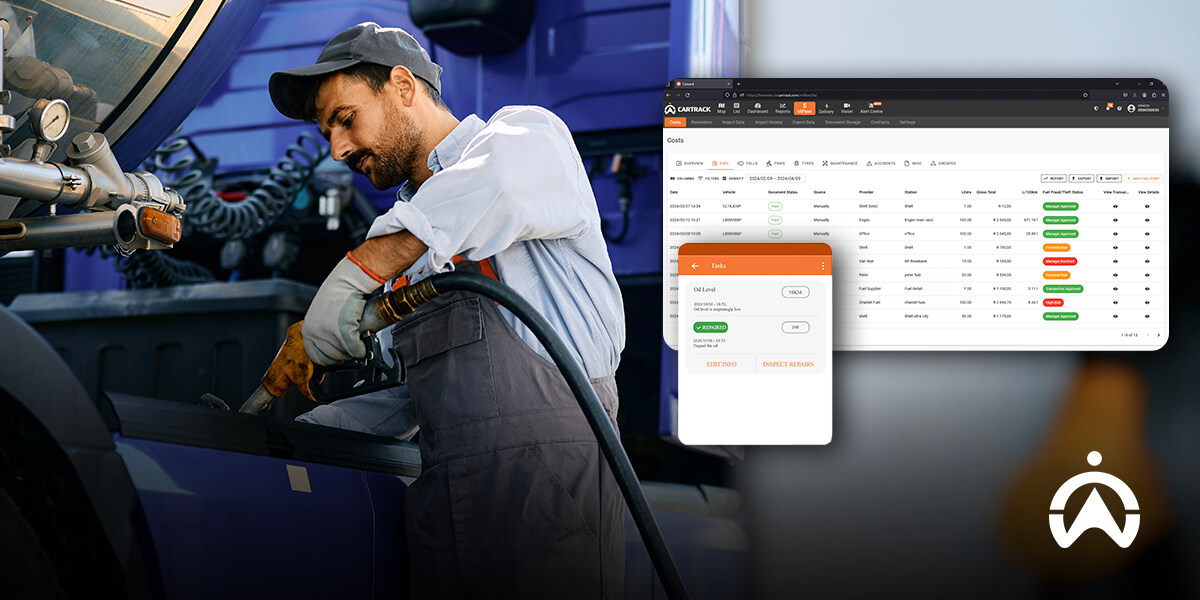
    The first step to combating any fuel theft is a fuel monitoring system. A fuel monitoring system helps you manage fuel cards, keep track of consumption, use GPS technology for time and location accuracy, and generate detailed reports. If there’s a sudden drop, transactions don’t make sense or drivers are not refuelling at a set location, you will be the first to know.
  • Get the best fuel card
    A smart fuel card is a must-have as it’s the quickest way to trace transactions but make sure you pick a provider with enhanced security features. Do your research and compare the benefits of each provider. Look for cards with PIN protections, transaction limits and real-time monitoring. A good fuel card also offers discounts and has a variety of participating fuel stations nationwide.
  • Set daily spending limits and require pins
    In addition to the above mentioned,know how many refills a driver will need per trip and how much each refill should cost, then set daily spending limits and make sure each driver has their own pin.
  • Have regular audits
    Conduct periodic checks of fuel recipes, mileage logs, and maintenance records so you can identify any discrepancies, patterns or trends. This can be done by comparing transactions with fuel consumption data. The fuel transactions should be checked by two people so that one person can pick up an error that the other might have missed. Get external auditors where possible.
  • Anti-fuel theft device
    Invest in fuel anti-theft devices such as fuel cap locks, fuel tank alarms and anti-siphon devices. These will prevent thieves from physically accessing the fuel in the tank.
  • Secure your parking
    Install CCTV and security lighting in your parking area. The area where the trucks park after a shift should have good lighting and surveillance, preferably motion-detecting lights. The gates should always be locked as well.
  • Defensive Parking
    All trucks must be strategically parked in a way that blocks access to fuel tanks. Use other vehicles or solid structures like a wall, to block access to fuel tanks.
  • Train your drivers
    Drivers should know how to handle fuel cards and be aware of the scams going around so they can always be on the lookout for suspicious people. Training drivers also enforces accountability.

Know the different kinds of fuel theft and fraud

Here are a few examples of how thieves trick their way into getting your fuel:

  • Skimming and cloning: A card skimmer is a device that is placed on top of a card reader to get data on a fuel card. The card details are then used to duplicate the card, and fill up other vehicles or make purchases at the fuel station. All the charges will go to the driver.
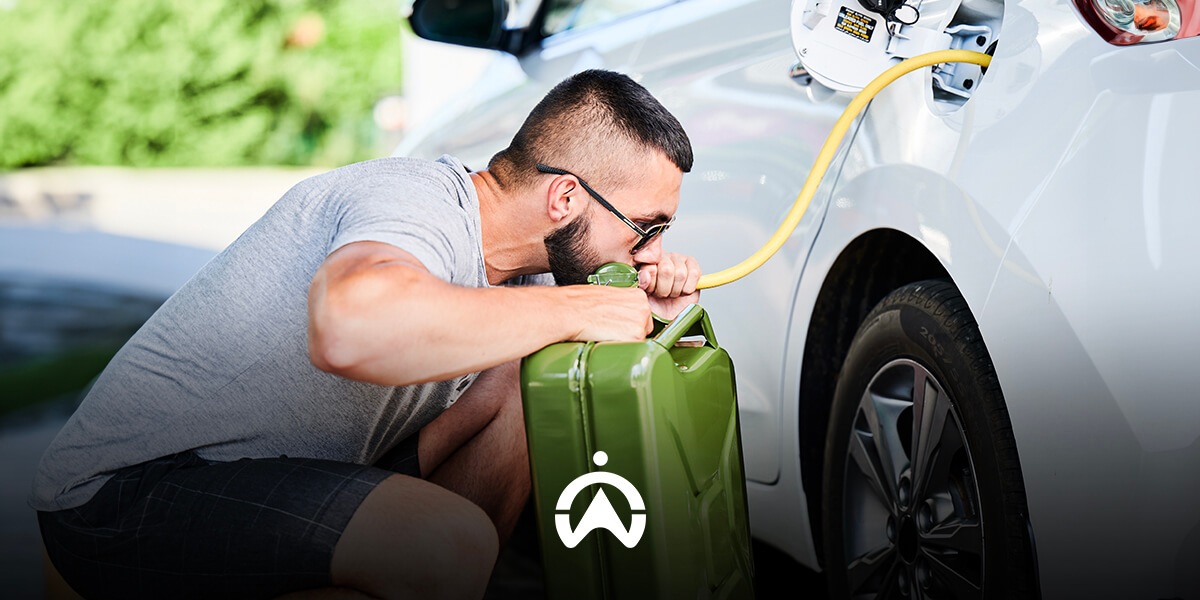
  • Siphoning: Some thieves use their mouth and a hose or an automatic pump to drain fuel out of the tank and place it into a container. The fuel is then transferred from the container to another vehicle or it is sold.
  • Multiple pump transactions: Some drivers collaborate with fuel station employees to merge numerous pump charges into one transaction on the fuel card. The additional pumps’ payments are then shared among them in cash.
  • Neutral driving: This might be a shocker, but many truck drivers drive with the transmission on neutral to manipulate fuel usage by showing lower consumption through mileage. This form of fuel theft also increases vehicle wear and tear and can cause accidents.
  • Unrecorded personal trips: In some instances, drivers manipulate fuel logs or use company fuel cards for personal vehicles.
  • Odometer tampering: This is when drivers reduce, increase, or pause the mileage reading on the vehicle. Some old trucks have a simple system that can be easily manipulated, the modern-day trucks also have some exceptions in their onboard system that allow odometer tampering.

Digitise fuel validations with Cartrack’s fuel management system

Here are some of the features of our all-in-one fuel management system:

  • GPS tracking
    The first step to combating theft for your truck fleet is knowing where your trucks are at all times. Cartrack’s GPS tracking technology gives you full visibility of your fleet so you can notice any deviations that might be taking more of your fuel.
  • MiFleet
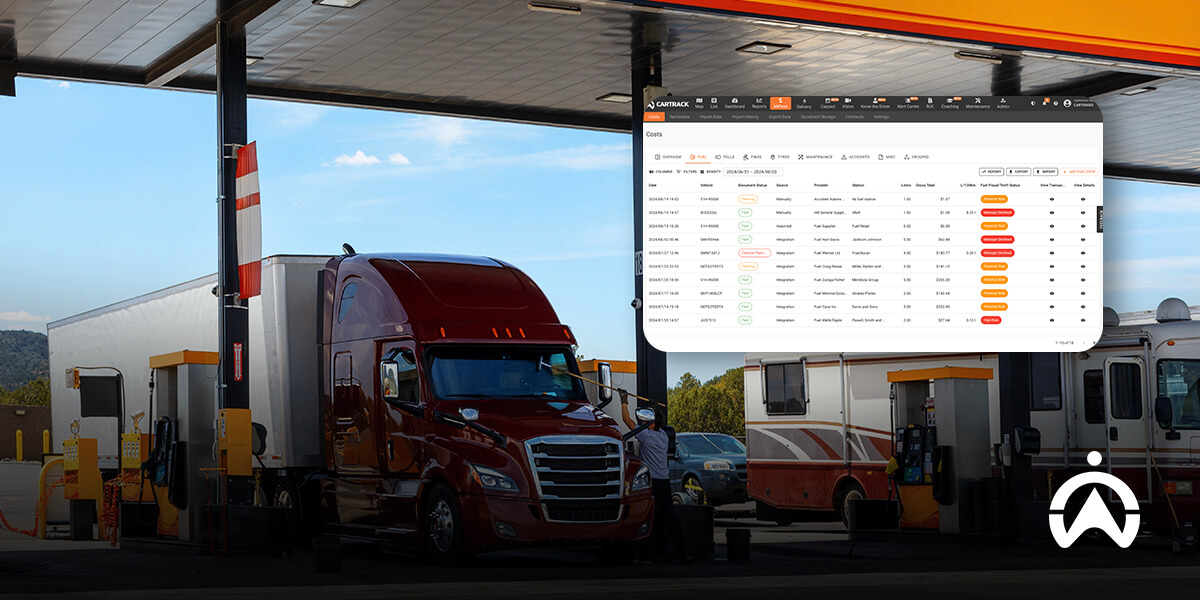
    Let our cost management platform automatically review all your fuel transactions. Mifleet eliminates the manual admin that could take weeks to process. It matches fuel receipts with vehicle telemetry data such as location, litres and tank capacity. You’ll get alerts of any suspicious activity, so you can further investigate and take action.
  • Geofence
    Create a virtual fence around your preferred fuelling stations so you can get alerts when your trucks enter or leave the stations. This ensures that your drivers only refuel at credible and cost-effective stations, that align with the set routes.
  • Fuel probes
    Install a fuel probe, this is an electronic piece of hardware that is placed into your trucks’ fuel tanks and allows the monitoring of fuel levels in real time. It ensures high accuracy in readings and if there are any sudden drops, which could indicate theft, you’ll get an alert and be the first to know.
  • Driver ID tags
    Instantly know which driver was using which truck through our advanced driver identification tags. This enforces driver accountability, meaning should there be any suspensions of fuel theft, drivers will know that they will be held responsible.
  • Fuel reports
    Access detailed reports of refuelling events such as date, time, location and amount. Get fuel report graphs and fuel effect data which compares target ratings against vehicle category.

Choose the best fuel management software — Cartrack Zimbabwe

Our fuel management solution helps you easily detect fuel theft and maintain good fuel consumption levels by giving you accurate information about where the leaks come from. Contact us today to stop the theft, and put money back into your pockets.

Have a look at our frequently asked questions for more fuel-related tips

How to stop fuel theft from trucks?

Invest in fuel monitoring software and install fuel anti-theft devices such as tank alarms, fuel caps and an anti-siphoning device.


How do you manage fuel for the fleet?

Implement a fuel management system and incorporate telematics, prioritise vehicle maintenance, use fuel cards and keep an eye on transactions, monitor driver behaviour, and lastly train your drivers on fuel-efficient driving habits.


How to prevent gas stealing?

Ensure your vehicle is parked in a secure place and that the fuel cap is locked at all times.

How do I monitor fleet fuel consumption?

Invest in GPS telematics as fuel level sensors such as fuel probes. These will give you accurate readings and well as detailed insight. Additionally, telematics also monitors overall vehicle health and driver behaviour which are also important when looking to minimise fuel expenses.

For more details, contact us today.

Changing Business Vehicles? Transfer Tracking Devices to Keep Your Contract

Are you thinking about transferring your tracking device from one vehicle to another?

Cartrack offers a “De-installation and Re-installation”, or “De– and Re–” for short”.

This process allows you to keep your reliable contract and retain your device instead of purchasing a new one.

In this article, you will:

  • Understand why businesses opt for Catrack’s tracking device
  • Find out how you transfer tracking devices and keep your current contract
  • Think about what essential factors to note when considering De-installation and Re-installation
  • Answer the question, “Why should you transfer your Cartrack tracking devices?”
  • Learn why our tracking device and fleet management platform features are the best choice for your business

Why businesses are investing in Cartrack’s tracking device

Whether transporting goods or passengers or managing a fleet of vans, trucks, or semi-trucks, business owners and fleet managers must invest in the right resources to improve company performance, output and profit gains.

A Cartrack GPS tracking device is an investment with a competitive edge and has many vital benefits listed below:

Improved safety and protection of assets

With a tracking device, you improve the safety of your drivers, fleet, passengers, or goods. Running off real-time location data, these tracking devices strengthen security against cargo theft and hijackingby increasing the chances of recovery.

In best-case scenarios, business vehicles will be returned, avoiding the cost of investing in new ones.

Make “Best-case-scenarios” the norm with Cartrack’s Stolen Vehicle Recovery (SVR)

Cartrack’s tracking device packages, including the Stolen Vehicle Recovery (SVR) feature, make “best-case scenarios” more possible.

This feature includes a ground and air stolen vehicle recovery team. We boast South Africa’s highest-audited stolen vehicle recovery rate.

Lower insurance premiums

In a country where hijacking and cargo theft are rampant, it is wise to invest in a device that will protect you should an incident occur and defend against high insurance costs.

The ability to track and monitor fleets

Companies may want to track and monitor their fleets for many reasons, especially when they combine or integrate these devices with advanced fleet management tracking solutions that can monitor essential information, such as fuel monitoring, driver management and real-time tracking.

They can also improve communication between managers and their fleets.

Cartrack’s 36-month minimum term option contract can grant you these safety features, protection, and benefits from our tracking devices.

Why businesses opt for De-installation and Re-installation

You may need or want to transfer your tracking device to new vehicles for numerous reasons, including accidents, growth and costs, or contract continuity, which we elaborate on here.

  • Accidents: Preserving historical data when purchasing a new fleet: You may want to get a new fleet with the same tracking devices to preserve their historical data—data that can help you optimise fleet operations going forward. Accidents and wear and tear are two of the many reasons why business owners or fleet managers may opt for this purchase.
  • Growth and costs: You may want to expand your fleet size to push for growth or keep up with growing demand. Alternatively, some businesses may want to downsize to reduce costs.
    In “Reducing Labour Costs in Fleet Management,” we suggest that companies “drop unnecessary vehicles” andthat “Cutting your fleet size can save thousands over the life of the vehicles. If you have- underutilised trucks, consider removing them from your fleet to decrease fleet spending. If you can’t eliminate any fleet vehicles, see if some routes could double up, where drivers could share a vehicle. You can expect to lower total ownership costs by at least five percent.”
  • Contract continuity: With Cartrack, this transferring process means you can keep your contract instead of cancelling it. As with any agreement with any company, contract continuity has the potential for lower insurance premiumsand potential discounts, fostering a long-term and reliable professional relationship and reduced disruption in service in between the noise of renewals and cancellations.
    It is important to note that if you intend to opt for this process, your contract must be for a minimum of 36 months. After 36 months, it becomes a monthly contract.

How do you transfer tracking devices to keep your contract through Deinstallation / Reinstallation?

The De-installation and Re-installation standard fee

You can transfer the tracking device to a new car by replacing the business vehicle and keeping the contract. We need to retrieve the old device for a standard and affordable fee.

When you may provide extra payment for a De- and Re-

If Cartrack cannot retrieve the tracking device, you must pay a reasonable replacement fee. We will provide you with a new unit and hard-lock the old one.

Zero cost De-installation and Re-installation

If your contract is 30 months and older, Cartrack will do it for you at no cost. However, your account must be in a good state.

Important factors to note when considering a De- and Re-

  • Contract reset: The De-installation and Re-installation allows you to continue your 36-month contract but does not act as a contract reset.
  • Proof of purchase: Your booking will only become official once Cartrack has the payment receipt.
  • Five working days’ notice for scheduling: You must give Cartrack five working days’ notice for scheduling. If not, you will be accountable for a reasonably priced hard lock fee. This notice period should be extended if multiple tracking devices must be transferred for fleets or businesses with several vehicles. This is essential as the process will take extra time to implement, and it will be easier to schedule the installation/reinstallation process during low-demand periods to suit your business needs and lessen downtime.
  • Vehicle availability: If you do not present the vehicle within the stipulated time, you will also be liable for a hard lock fee.
  • De- and Re- process overview: Access our De-installation and Re-installation form. Once you fill this out, Cartrack will arrange for a technician to perform the De- and Re- at a convenient time for your business, after which they will test it to ensure it is fully functional.

The tracking device in action

For businesses, tracking devices serve the core function of protecting their drivers, vehicles, goods, or passengers. Expanding your knowledge below is essential to learning more about a device that plays a massive role in your business.

How do you know when your devices are working?

You can check on the Cartrack application and pinpoint whether the car’s position is accurate. Otherwise, if you have invested in our fleet management platform, which keeps track of multiple vehicles simultaneously, you can do the same with your fleet or business vehicles.

However, contacting Cartracks’ Control Room is the best option for a professional and comprehensive check of your tracking device or devices.

Does your tracking device have a warranty?

Every Cartrack device guarantees cost-free repairs with a 12-month warranty. You can also enquire about a lifetime warranty via our Client Services Department: 08677 000 401.

What happens if someone attempts to tamper with your device?

Following an alert, our Control Room will immediately contact you so that you can take the necessary steps.

What happens if a private or business-owned vehicle is stolen or hijacked?

The SVR feature, which comes with all tracking device packages, will come into play after a client realises their vehicle has been taken and ideally contacts Cartrack immediately. From there, Cartrack tracks down the culprits through the tracking device’s GPS using our already-mentioned recovery teams.

Why should you transfer your Cartrack tracking device?

Overall, Cartrack’s Re-installation process is the more financially viable option, and it does not involve losing critical information or features.

Let’s learn about this in more detail below.

  1. Service continuity: Especially if you or your business have integrated it with fleet management solutions, opting out of the transfer process means you cannot access historical data that can inform efficient fleet management operations and provide a better understanding of aspects such as driver behaviour and vehicle performance.
  2. Take advantage of our advanced solutions: Cartrack’s advanced tracking solutions, such as real-time alerts or fuel monitoring, can work on any vehicle. This means that any advanced tracking features will remain functional wherever the device is installed now and in the future.
  3. Cartrack’s tracking devices are unique. Out of its many offerings, our tracking devices stand out for their user-friendliness. They can collect comprehensive data through telemetry technology, improve safety through real-time alerts, and have over 90% recovery success rate for stolen vehicles.

Seize our tracking devices to protect your business’s fleet

We offer tailored fleet-tracking solutions to businesses, providing tracking devices for everyday vehicles. The following features are included in our three standard packages, giving you a glimpse into the advanced and integrated technology you could work with.

The first three features in the list below, SVR, Vehicle Location via Call Centre, and the Mobile App, are all part of every Cartrack package. Meanwhile, the rest are features that are only included in some of the other packages.

  • SVR: As mentioned before, SVR is an instant recovery service where Cartrack deploys a recovery team to track and retrieve your stolen vehicle or vehicles using the device’s GPS signal. If Cartrack cannot recover your car, we offer a warranty of up to R150,000. [Terms and conditions apply]
  • Vehicle Location via Call Centre: Cartrack customers can find out where their vehicle is by contacting our call centre. This is especially useful if you cannot access the application or the device itself.
  • Mobile App: Beyond real-time vehicle tracking, Cartrack’s mobile application includes the features below. It can also be widely used for fleet management solutions with trip history reports and driver behaviour monitoring features.

Other additional features:

  • Logbook: The logbook, which can also be used via the application, automatically tracks important information for private or business individuals. This information can include expenses, trips, mileage, and fuel consumption. It can help you comply with regulations and easily create and send South African Revenue (SARS) compliant reports.
  • CarWatch: CarWatch is a virtual car guard that sends push notifications via the Cartrack application if it recognises unauthorised movement.
  • Crash Detection: Utilising telematics, Crash Detection detects collisions, notifying the vehicle owner via the application and Cartrack’s 24-hour control room, who then alert the pre-appointed individuals.
  • Protector: Available 24/7, this emergency service offers assistance with medical support, breakdowns and legal help.

Take hold of our fleet management solution platform and take it a step further

Protection to prosperity; you should consider investing in our tracking devices and fleet management platform — an integrative online software platform that provides you with tools to keep track to manage and optimise your business.

Cartrack’s scalable solution grows and expands along with your business. It can integrate with other business systems or software, such as CRM and other APIs, for operational efficiency.

Contact us today to learn more about our efficient fleet management solutions.

Frequently Asked Questions (FAQ’s)

Q: What factors influence the duration of the de-installation and reinstallation process?

A: While the transferring of any tracking device usually only takes a few hours, many factors influence how long the De- and Re- process takes, such as:

  • Vehicle location: The closer the vehicle or vehicles are to the technician or professional performing the process, the faster it will be completed.
  • Scheduling: You should schedule the De- and Re- process as early as possible, as outside circumstances can always bring the unexpected.
  • As stated, you must provide Cartrack with five working days’ notice for scheduling, and if it is numerous vehicles or a fleet, you should opt to give even more notice.

In addition, documentation, any extra services, traffic conditions, and the length of the testing phase can all significantly affect the period of the transferring process.

Q: How long do vehicle trackers last?

A: On average, tracking devices can last around two to ten years, depending on various factors, such as usage frequency, battery life, environment, warranties and maintenance levels.

To extend the lifespan of your tracking device or devices, you can perform regular maintenance or inspection and protect them from harsh environments.

Keep your device, contract, and historical data safe with Cartrack Zimbabwe

Here at Cartrack Zimbabwe, we give our all to our clients. We ensure that we provide the highest-quality tracking devices with affordable contracts and that your historical data is kept alive and protected for your operational needs.

Contact us now to learn more about our trackers.

Tracking Unit Transfers: What to Do When Your Vehicle is Sold or Involved in an Accident

Being a vehicle owner comes with a lot of work. From making sure it stays in good condition, to dealing with accidents and insurance claims, then finally coming to terms to let it go. Once everything is sorted out you might realise that there’s something you forgot about —your tracking unit.

Life happens and we understand, so today we look at what options Cartrack gives you when selling your car or if you are involved in an accident.

In this article, you will:

  • Learn the options you have when selling your vehicle
  • Find out what happens to your tracking device if your car is in an accident
  • See what the process is for commercial vehicles
  • Get more information on how we protect your privacy
  • Discover the benefits of being with Cartrack

What happens to your tracking unit when you sell your vehicle?

Firstly, you need to inform your tracking unit service provider that you plan on selling your vehicle and ask what options you have. At Cartrackyou have the option of doing a change of ownership, or de-installation and reinstallation (De-Re) of your unit.

Let’s have a closer look at the difference between the two, but to make this easier, we’ll break it down into three possible scenarios:

  • Scenario 1: You’re getting a new car after selling your current one
    You can transfer the device to your new one, all you need to do is notify us at least five days before the vehicle is sold. We’ll send you an email with the form you need to fill in, and then a technician will be sent to remove the device from the old car and transfer it to the new one — this is what we call a De-Re. Alternatively, the person buying your vehicle can keep your device and all we’ll do is update the details (change of ownership) and the new owner will continue with your contract from where you left off.
  • Scenario 2: You inform us after you’ve sold the car
    If you have already sold your car to someone you can easily get hold of, and he/she agrees to the device being removed from that car to your new one, then the process is the same as in the above scenario. Should the person not agree then we will hard lock the device, then give you a new one for your next car. This option comes at an additional once-off charge, then you can continue with your normal subscription fee.
  • Scenario 3: You’re not getting a new car anytime soon after this
    If you sell your car, you are not getting a new one, and the buyer is not interested in keeping your tracking unit, you can cancel your contract. Just let us know within 20 working days, and the device will be deactivated. However, if you’re on a rental contract you’ll have to pay the remaining balance or a cancellation fee depending on which is cheaper. The vehicle tracking device does not have to be removed but if that’s what you prefer then we will remove it free of charge at one of our service centres. Alternatively, we can send a technician to remove it for you in the comfort of your home, at an additional cost.

What to do with your tracking device if your vehicle is involved in an accident

In the unfortunate event that your vehicle is involved in an accident, the unit transfer process still applies. You need to notify us so we can send a technician to assess how severe the damage is. Some units come out unharmed, and others need to be repaired, but in some cases, the damage to the vehicle is so bad that the tracking unit is unretrievable. By sending a technician, we will know if we should give you a new device or repair the old one and place it in your new vehicle. If you are involved in a minor accident and are unsure if your device has been affected, just call us so we can test it. Warranty Ts&Cs apply.

  • If your vehicle is under extensive repairs
    Your Cartrack device is built to last, its battery life can carry you for many years provided the vehicle is in motion. If your vehicle was involved in an accident and has been at the repair store for months, your battery will lose power. Normally when this happens we get a signal of the battery going low and call to ask what’s happening. Once you inform us of the situation, we will then put the device on “maintenance mode”. After the repairs, you’ll need to call us so we can deactivate the maintenance mode. The person deactivating it will reboot the device and check for faults.
  • If your vehicle is written off
    In most cases, the tracking device of a vehicle that is declared a write-off is unretrievable. If there is a replacement vehicle, we will give you a new device at an additional cost. If the device is retrievable, we will conduct the De-Re process. Once again, all you need to do is let us know. Alternatively, if your vehicle is declared a write-off and there is no replacement vehicle, it will be treated as a cancellation.

How the De-installation and Re-installation or change of ownership works for commercial vehicles

We usually assign an Account Manager (AM) to each of our fleet clients. If one or more of the vehicles need to be sold or get involved in an accident, then the fleet manager needs to inform his/her account manager. The account manager will then sort out the de-re or change of ownership process for each vehicle.

Some companies buy their vehicles through hire purchases, while others take on a lease agreement. If you are leasing out your vehicles to a fleet business, they would need to have access to the fleet management system that you signed up for. At Cartrack, there is no need to do a change of ownership for that instance; you can go to our Fleetweb platform and create a sub-user account for the business to which you are leasing your vehicles. That way they will have access to the vehicle tracking services they need to manage their fleet.

Vehicle tracking transfer costs and fees

For every de-installation and re-installation, there is a once-off charge, but if we are unable to retrieve the device from the old vehicle then there is an additional replacement fee. If your contract is 30 months or older, the labour is free and you’ll only pay for is the once-off replacement fee. Once that is out of the way, you can continue with your contract as per the normal agreement.

A change of ownership comes with an admin fee that can be paid by you or the buyer, depending on your agreement. Both parties need to fill in the form, once signed, the person taking over will continue from where you left off.

Protecting your privacy after selling a car with a tracking device

The information of all parties involved in the device change of ownership process needs to be in safe hands and handled with caution. At Cartrack, we are obliged to follow the rules of the Protection of Personal Information Act (POPIA). Once all data is loaded onto the system, your details will automatically be greyed out and only the new owner’s information will appear. The new owner will not be able to access any of your old information even on the mobile app. The same goes for you, if you ever want to access the mobile app or get certain details about the device after handing over your contract, it will not be possible. For those with more than one vehicle, you will only have access to information about those with tracking devices that are still under your name.

Secure your vehicle with Cartrack and we’ll be with you every step of the way

Here are more Cartrack smart features that will make your life easier:

  • Crash detection
    Get an immediate response to an emergency with Cartrack’s Crash detection feature that automatically sends a signal to our control room whenever your car is involved in an accident. Our agents will call you or one of your registered close contacts to notify them and send the help you need.
  • Protector
    Cartracks Protector is a 24-hour service that gives you medical or roadside assistance at the flick of a button. Say for example you are stuck in the middle of nowhere, you can simply access your protector feature on the Cartrack mobile app and since we will know your exact location, help will get to you quicker.
  • CarWatch
    Get extra parking security with our virtual car guard, Carwatch. Available on your mobile app, this feature gives you an alert the moment your parked car moves without your knowledge so our skilled air and ground team can act swiftly.
  • Limited Recovery Warranty
    In the unlikely event that your vehicle is stolen and not found, you can claim up to R150 000 cashback payment, to replace your vehicle. (Ts &Cs) apply.
  • Geofence
    Create virtual boundaries around areas of your choice so you can get alerts whenever your vehicle enters or leaves the area. The geofence feature is there for you to know when your car is in an area that is high risk but can also be used by businesses to check when vehicles enter and leave job sites.

Let us give you vehicle-tracking solutions that you can rely on

Cartrack Zimbabwe gives you vehicle solutions for any situation. With a recovery rate of over 90% and over 2 million subscribers, who else can you trust? Contact us for a free quote and see what drivers love us.

Car Dashcam: Why You Need One

There are more than 800,000 road accidents in South Africa every year. With congested traffic, potholes, reckless drivers, and unpredictable conditions, having an extra set of eyes on the road is more important than ever.

Here’s where a dashcam can help. Whether you’re commuting to work, running errands, or hitting the open road for a weekend adventure, having a dashcam can give you peace of mind. Think of it as having a trusty co-pilot always ready to capture those unexpected moments—be it a fender bender or a breathtaking view.

Acting as a silent witness, a dashcam captures every moment on the road. It creates a detailed record that can be vital in the event of an accident or dispute. While practising defensive driving is essential, the presence of a dashcam ensures that should anything go wrong, there is clear evidence to explain exactly what happened.

Let’s find out more about dashcams and the key benefits they offer.

What is a Dashcam?

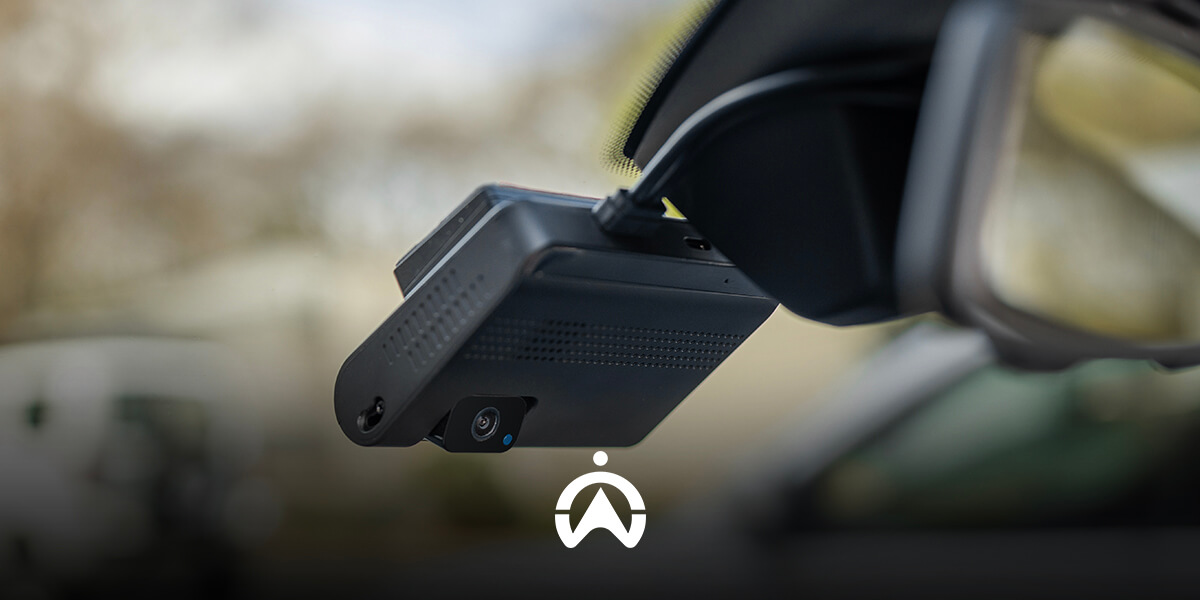
A dashcam, short for ‘dashboard camera,’ is a small camera mounted in your car that records everything that happens on the road as you drive.

These devices come equipped with a variety of useful features. For instance, many modern dashcams have high-definition recording, GPS capabilities, and night vision.

Some models even have advanced features like parking mode, motion detection, and dual-camera systems that can record both the front and rear views of the vehicle simultaneously.

Dashcams are more than just a tool for recording accidents. They serve as deterrents to reckless driving, fraud, and vandalism. Whether you’re driving through busy city streets or isolated country roads, your dashcam acts as an impartial observer, documenting everything that happens.

Investing in a dashcam can offer more security and confidence while driving if you’re a daily commuter or a long-distance traveller.

The Benefits of Having A Dashcam

Maybe you’ve heard about dashcams, and it’s left you wondering whether they’re a worthwhile investment. Let’s look at the top reasons why an increasing number of drivers are choosing to invest in these valuable devices.

Your Guardian Angel in Accidents

Imagine driving along when suddenly—BAM! You’re in a collision. In this unlucky but all too familiar scenario, having a dash cam can be invaluable.

It provides indisputable video evidence of the incident, eliminating the ambiguity often associated with accident claims.

This footage can clearly show who was at fault, protecting you from the stress of “he-said-she-said” scenarios and potentially safeguarding you from increases in your insurance premiums due to false claims.

Installing a dashcam in your car brings a sense of security. Knowing that there is a reliable witness recording everything that happens while you drive allows you to focus on the road ahead without unnecessary worry.

Keeping Your Family Safe

One of the best things about having a dashcam is how it helps keep your family safe while they’re driving your car. As a parent, it’s such a relief to know that you can keep an eye on your kids when they’re behind the wheel.

This kind of monitoring not only holds them accountable but also encourages them to be more responsible on the road since they know their actions are being recorded. Plus, if the unfortunate happens and there’s an accident, having that footage means you’ll have solid evidence to help clarify what happened. It’s a great way to protect your loved ones from any potential liability issues!

Deterring Car Break-ins and Vandalism

A dashcam can serve as a powerful deterrent against car break-ins and vandalism. Criminals don’t like an audience. Just the presence of a visible dash camera is often enough to make wrongdoers think twice before targeting your vehicle.

Learn from Your Driving (No Judgment!)

The truth is, we could all use a little coaching when it comes to our driving habits. Your dash cam footage can be a great teaching tool. Review your drives to spot areas where you could use some fine-tuning.

For example, you might notice that you’re not constantly checking your blind spots or that you’re following too closely to the car in front of you.

Once you’ve identified these areas for improvement, you can start making changes to your driving habits. This could involve taking a defensive driving course or simply practising safer driving techniques.

Fraud Buster: Your Dashcam Defense

Insurance fraud is a growing concern, with some individuals staging accidents to exploit unsuspecting drivers. A dashcam acts as a deterrent against scammers and their fraudulent activities.

Should a staged accident occur, the recorded footage can expose a fraudster’s deceitful tactics, protecting you and your insurance provider from unwarranted claims.

Insurance Incentives On The Rise

Did you know that having a dashcam may positively impact your auto insurance premiums? Insurance companies in South Africa are becoming more open to offering favourable premiums to drivers who use dashcams, as they provide concrete evidence that can expedite insurance claims. By presenting clear footage of an incident, you can support your case and avoid lengthy disputes.

Peace of Mind on the Road

Let’s face it: driving can be stressful. Between rush hour traffic, unpredictable weather, and that one driver who apparently thinks turn signals are optional, hitting the road can sometimes feel like entering a war zone.

Ultimately, having a dash cam installed in your vehicle offers reassurance. Knowing that there is a reliable witness recording everything that happens while you drive allows you to focus on the road ahead without unnecessary worry.

Capturing Memorable Moments

Not all road trips are high stress of course. Sometimes, you might come across breathtaking scenery or hilarious highway antics. Your dash cam helps to capture the road ahead and these moments, too, preserving memories you might have otherwise forgotten. In this way, your dashcam acts as a personal videographer for your road trip adventures.

How To Choose The Right Dashcam For You

With a variety of models available, each equipped with unique features, selecting the right option might seem a little overwhelming.

Here are a few of the key factors to keep in mind when choosing a dash camera that best fits your needs.

Video Quality

One of the most important aspects of a dashcam is video quality. High-resolution cameras produce clear, sharp footage that captures essential details, such as license plates, road signs, and faces.

Low-quality footage may not provide enough clarity, especially in fast-moving or low-light conditions, which may be a problem if you need the footage for insurance claims or legal disputes.

Lowlight Conditions

Cartrack dashcams are designed to perform effectively in low-light conditions. This capability allows them to capture clear and reliable footage even in darker environments.

Easy Installation

Installing a dashcam in your vehicle should be a simple, hassle-free process. With this in mind, Cartrack has developed an innovative dash camera solution.

Our dashcam product offers a plug-and-play functionality. This user-friendly design ensures that you can seamlessly integrate a video recording system into your vehicle without any confusing procedures or specialised knowledge.

GPS Capabilities

Dashcams with built-in GPS can track your location and speed, adding valuable context to the footage. This feature can be handy when disputing speeding tickets or providing evidence in case of an accident.

Cost Considerations

When deciding to purchase a dashcam, cost is a crucial factor to evaluate. Prices can vary widely based on the camera’s features and brand. It’s essential to strike a balance between the features you require and your budget.

However, keep in mind that investing in a quality aftermarket dashcam is often worthwhile. It not only provides an added sense of protection while driving but can also save you money in the long run if you need to file an insurance claim or face a legal dispute.

Improve On-Road Protection with Cartrack’s Vision Cameras

Dashcams have become an essential tool for drivers in South Africa, offering an extra layer of protection against accidents, fraudulent insurance claims, and theft. With advanced features like night vision, GPS tracking, and parking mode, modern dashcams provide a comprehensive safety solution for today’s drivers.

With Cartrack’s Road Vision Camera, we offer a high-quality dashcam solution that will cater to all your needs. Whether you’re looking to protect your car, reduce your insurance premiums, or simply capture memorable road moments, our innovative AI-powered dashcams have you covered.

Invest in the peace of mind that comes with having a reliable witness in your car. Contact us today to learn more.

FAQs

What are important safety considerations when using a dashcam?

While dashcams can be invaluable for recording events on the road, there are several safety considerations to keep in mind. Firstly, ensure that the dashcam does not obstruct your view of the road, as this can be hazardous and may also violate local regulations.

Always set up the dashcam to automatically start recording when the vehicle is turned on to minimise distractions. Avoid adjusting or interacting with the dashcam while driving; if adjustments are necessary, do so when the car is safely parked.

Regularly review recordings, especially if your dashcam has features like parking mode or motion detection, to ensure it is functioning properly.

Can I use dashcams for my business vehicles?

Yes, dashcams for business vehicles and fleet management are a vital way to monitor your assets and save money.

Cartrack offers an AI-powered solution with its innovative Cartrack Visions Camera and app.

This provides valuable first-hand footage and data for accidents, improved driver safety, and reduced insurance costs.

How do I know if a dashcam is compatible with my vehicle?

Most dashcams are designed to be universally compatible with any vehicle. However, feel free to contact Cartrack Zimbabwe for more information and advice about dashcam installation.

Will using a dashcam affect my vehicle’s battery life?

Our dashcams are designed to have minimal impact on a vehicle’s battery. They usually operate efficiently and shut down automatically to prevent unnecessary drain.

Do dashcams require regular maintenance?

Though dashcams are generally low-maintenance, periodically checking their functionality is always a good idea. Ensure the lens is clean for clear recordings, and check the memory card has sufficient storage space.

Replace the memory card if it shows signs of wear, and periodically update the dashcam’s firmware to make sure it continues to operate at optimal levels.

New Hijacking Trends in South Africa

Hijacking is listed among the most threatening crimes in South Africa with a 2,5% increase from the previous year. This shows that criminals still seek innovative ways to steal and hijack vehicles.

Fortunately, Cartrack is always a step ahead: with our fast and efficient recovery teams and impressive GPS tracking systems, we are committed to helping you recover your vehicle quickly and effectively.

In this article, you will:

  • Learn the latest trends that hijackers use
  • Discover how Cartrack can help you, in a hijacking situation
  • Find out how CarWatch can benefit you
  • Know the current hijacking stats in South Africa

Top New Hijacking Trends to Watch Out For

Criminals have devised new ways of hijacking. They won’t stop at nothing to get your vehicle, even if it means luring you through social media or pretending to be people they are not. Get to know these trends so you don’t fall victim.

Here are the hijacking trends:

  • Facebook Marketplace Scam:
    The South African Police Services(SAPS) has issued a warning over criminals who are exploiting Facebook Marketplace to rob their victims in South Africa. There are many ways that criminals prey on victims, be it through fake listings or simply pretending to buy from you and then rob you of your belongings instead, and in some cases, take your vehicle.
    Earlier this year, police arrested a suspect who used Facebook Marketplace to defraud sellers of their vehicles. The suspect posed as a legitimate buyer interested in purchasing a listed vehicle, and after buying it, he reversed the money.
    Criminals may also insist on test-driving the vehicle only to run off with it. By pretending to be legitimate buyers, they trick you into agreeing to drive the vehicle before they finalise payments and then run off with it.
  • Online Dealership Scams:
    Car dealerships play an important role in the car buying or selling journey, so you must choose a trusted dealership to avoid scams that could lead you to lose money, your vehicle or both.An unethical car dealership can scam you in the following ways:

    • Vehicle matching scams are used when scammers approach owners selling their cars and falsely promise to match them with ‘definite buyers’.
    • Trade-in scams: The dealership may undervalue your trade-in and then resell it at a higher price, leaving you with less equity than expected.
    • If the dealership doesn’t handle title transfers correctly, you might find yourself still legally responsible for the vehicle after trading it in.
    • The ‘virtual vehicle’ scam involves fake shipping websites that promise to handle and look after your money. The fraudulent dealer may send you a cheque with an additional amount to ship the car. You pay for the shipping and send the car but the cheque will bounce.
    • Often, scammers hide behind bogus email accounts that provide no information about their whereabouts.
    • The phone number provided is either faulty, remains unanswered or goes directly to voicemail.
  • Ride-Hailing Trap:
    Criminals are now targeting e-hailing drivers. They do this by requesting a ride like a normal person would, when the driver arrives, they attack and hijack the driver.
  • Fake Roadblocks:
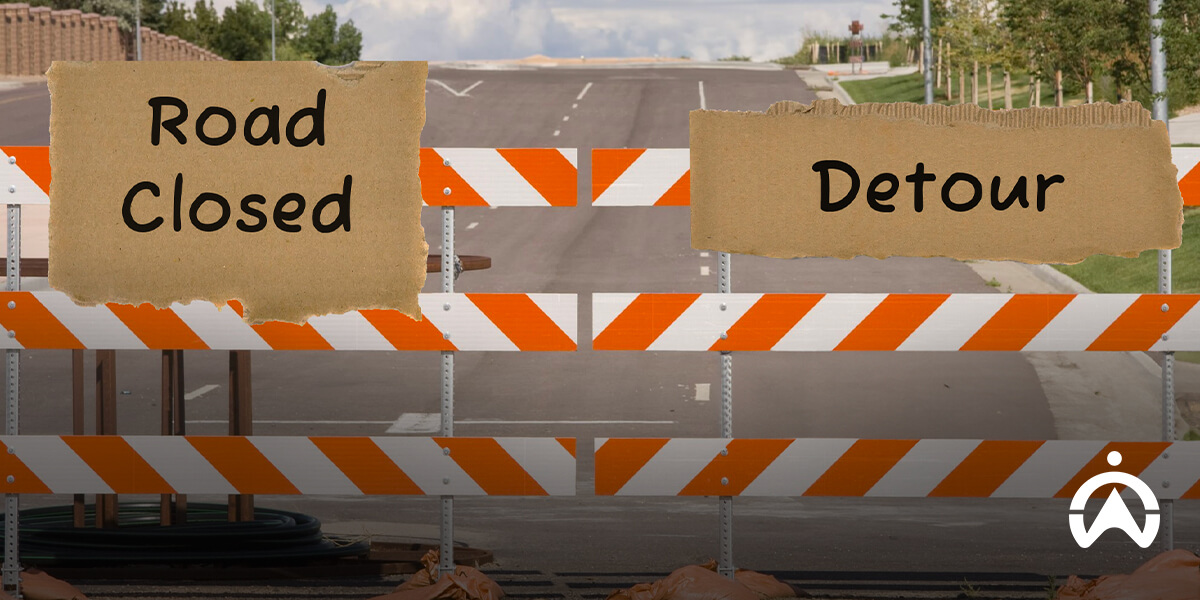
    Thieves impersonate police officers –They dress up in police uniforms and sometimes put car decals on them with SAPS or Metropolitan Police Department stickers to make you believe they are indeed the real deal.
    Imagine driving back home on Friday night after a good time with your friends when suddenly, you are stopped by what you believe are officers of the law: you will obviously cooperate and this will result in not only your vehicle being stolen, but they might also take you with them to clean your bank account.

Road closure barriers with "Road Closed" and "Detour" signs on an empty street.

How Cartrack’s Solutions Stay Ahead of Hijackers

If you do get hijacked, Cartrack has your back. Our customers like our services so much that they voted us the Best Vehicle Tracking System in The Star Readers’Choice Awards.

Our Mobile App has features that can assist you in a hijacking situation.

You can share your location with your loved ones so they can easily know your whereabouts and assist you. Press the panic button so our Control Room can call you and immediately alert and dispatch our highly skilled recovery teams to recover your car.

Find out how you can protect yourself during a hijacking.

What if my vehicle gets taken in my absence?

Our App has a feature called CarWatch: It does exactly what the name suggests, It watches your car!

Don’t leave your car’s safety to chance while running errands at the mall. With CarWatch, you’ll receive instant alerts if your vehicle is moved unexpectedly. Shop with peace of mind knowing your car is protected

Get peace of mind with Cartrack. In the unfortunate event of a hijacking, a tracking device can greatly improve your chances of a swift recovery. We encourage you to contact Cartrack today on +263 772 278 870 for a quote and peace of mind.

If you want to cover your business vehicles, email sales.hre@cartrack.co.zw or call 08677 000 401.

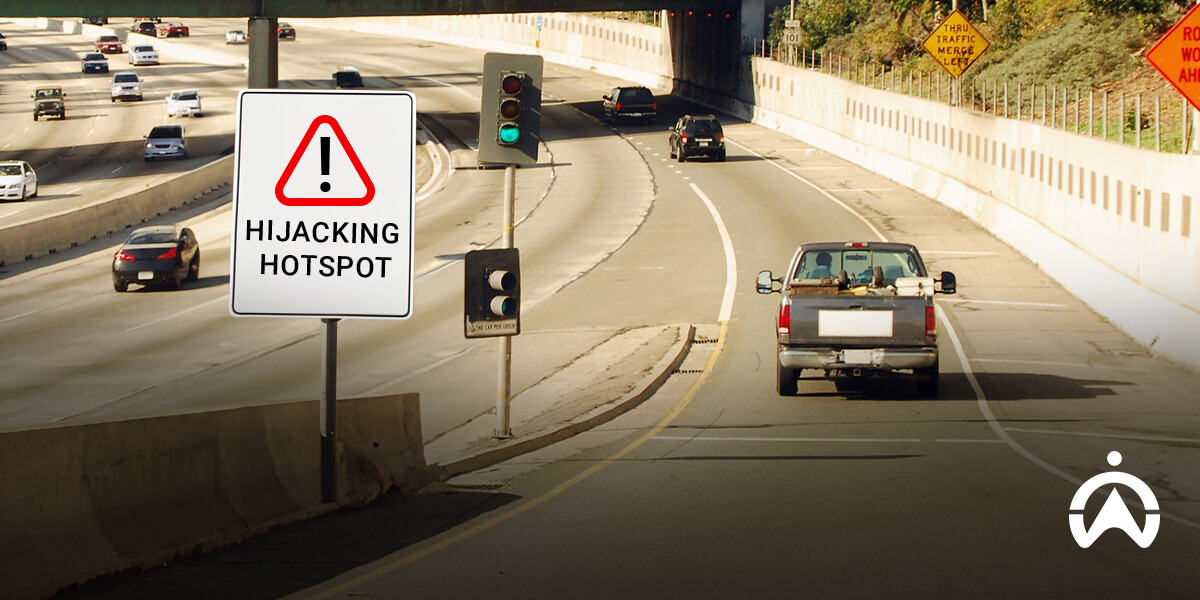
Sign warning of "HIJACKING HOTSPOT" next to a highway with cars.

FAQ’s about hijacking

Q: What are the statistics of hijacking in South Africa?

A: Stats SA has found that 287,000 individuals experienced hijacking in the past five years. Hijacking has increased by 2.5% from the previous year.

According to the South African Police Services (SAPS), for the recent quarter (Q1 2024/25), two provinces experienced a notable year-on-year increase in hijackings. Eastern Cape (30%) and the Western Cape (17%).

Q: Which day am I most likely to get hijacked?

A: According to Arrive Alive, motorists are most likely to get hijacked on Fridays. This is because they are usually more relaxed with a higher volume of vehicles on the road and traffic increasing earlier than any other day.

Q: How many cars get stolen per day in South Africa?

A: SAPS found that approximately 65 vehicles are hijacked daily.

How to Switch From One Car Tracking Company to Another

Let’s talk about something that’s become increasingly important for all of us—keeping our cars safe with GPS tracking. It’s a must-have in South Africa, where the struggle with crime is our daily reality.

But maybe you’ve been with the same tracking company for ages and are starting to wonder if the grass is greener on the other side.

You know how it is—maybe you’ve heard about another company offering better prices (who doesn’t love saving money?), or perhaps your friend can’t stop raving about the fantastic customer service they’re getting from their new provider.

Or it could be you’re just curious to try out some of those cool new tracking features everyone’s been talking about.

Whatever your reason, if you’re thinking about switching to a new car tracking company, you’re in the right place! Keep reading, and we will guide you through making that switch without any issues—and, most importantly, without leaving your precious car unprotected for even a second.

Ready to dive in? Let’s go!

Assessing Your Current Tracking Service

Before making the leap to a new car tracking service, it’s essential to take a moment to assess your current provider. Start by evaluating your overall satisfaction— think about what’s been bugging you.

Are they a bit slow to respond? Do you feel like you’re paying too much for what you’re getting? Jot down these thoughts so you have a clear picture of where you stand.

Evaluating Your Needs

Think about your specific needs moving forward. Are there features that are crucial for you, such as real-time tracking, advanced theft recovery options, or smartphone integration?

By taking the time to reflect on these factors, you’ll be fully ready to choose a new tracking service that meets your expectations and brings you peace of mind on the road.

Plan Your Transition

Okay, so you’ve made the decision to switch to a better provider (Cartrack, of course!), that’s fantastic! Now what?

Switching car tracking companies might sound like a headache waiting to happen, but with a bit of pre-planning, it can be a relatively painless move.

Reviewing Contract Terms

Next up, it’s time to dig into your contract. I know it’s not the most exciting task, but it’s crucial!

You don’t want any surprises when it comes time to switch. Knowing these details will help you plan your next steps without any last-minute hiccups.

Check for any cancellation fees and how much notice you need to give your current provider before saying goodbye. Most contracts have a minimum term (often 36 months) and specify conditions for cancellation or transfer. Be aware of any penalties for early termination, which can vary depending on the tracking company.

Contact Your Current Provider

Once you’ve made the decision to switch tracking services, the next step is to reach out to your current provider.

It’s important to notify them of your intention to cancel your contract. A quick phone call or email will do the trick, but be sure to express your intention to end the service clearly.

When you cancel your contract, you will typically need to provide a notice period (often one month). Depending on your contract terms, there may also be fees associated with the de-installation of you old tracking device.

It’s advisable to check your specific contract for any applicable charges with your old provider before going ahead. During this conversation, don’t hesitate to ask about the de-installation process for your tracking device.

De-installation Requirements

After cancellation, you may be required to schedule a de-installation appointment with your service provider.

Most tracking companies, require that the de-installation of their devices be conducted by their own technicians.

If you sell your vehicle or transfer ownership, the new owner can often initiate a new contract using the existing tracking unit. In such cases, you may not need to remove the device.

Schedule De-installation

After you’ve contacted your current provider and notified them of your decision to cancel, the next step is to schedule the de-installation of your tracking device. This is an important part of the process, as you want to ensure that your car is left secure and that the removal is handled professionally.

Reach out to your provider to set up a convenient time for a technician to come out and safely remove the device. Make sure to ask about any fees associated with this service, as some companies may charge for the de-installation.

It’s also a good idea to confirm what information or documentation you might need to provide, such as your vehicle details or proof of payment for the service. By scheduling this appointment promptly, you can ensure a smooth transition to your new tracking provider without leaving any gaps in your car’s security.

If your contract has lapsed or it’s a pre-owned vehicle and you’re not sure who the provider was, Cartrack can easily and safely remove your old tracking device for you.

Person in a suit holding two "Vehicle Tracking Contract" papers.

Talk To Your New Provider

Now that you’ve organised the de-installation of your old tracking device, it’s time to reach out to your new tracking company.

This step is an important part of ensuring your car is protected as quickly as possible. Start by discussing your specific needs and preferences with the new provider; this will help them recommend the best tracking package for you.

Additionally, ask about any promotions or discounts they may be offering, especially if you’re switching from another provider.

This is also a great opportunity to ask questions about their customer service, features, and any support they offer after installation.

By establishing clear communication with your new provider, you’ll set the stage for a positive experience and ensure that your car is back on the road with top-notch tracking protection in no time!

Installation of a New Tracking Device

Once you’ve chosen your new tracking provider and scheduled the installation, it’s time to get that device fitted in your vehicle. This process is usually straightforward, but there are a few things to keep in mind to ensure everything goes smoothly.

Ask about their installation process—will it be done at your home, or do you need to visit a fitment center? For instance, Cartrack provides professional installation services which you can schedule at any time or any place that best works for you.

This convenience means you can carry on with your day while we handle the technical details. Make sure to confirm the timeline for installation, as well as any necessary preparations you might need to make beforehand.

A trained technician will handle the installation, ensuring that the tracking device is securely placed and properly connected to your car’s systems. This is vital to ensure proper performance and reliability, so you can have peace of mind knowing that your car is well-protected.

Lastly, don’t hesitate to ask the technician any questions during the installation process. Understanding how the device works and what features are available will help you make the most of your new tracking service.

Downloading Your New Tracking App

After the installation is complete you’ll want to download the relevant app, like our Cartrack app, provided by your new tracking company. This app is a powerful tool that allows you to monitor your car in real time, giving you instant access to its location and status right from your smartphone.

With our Cartrack app, you can enjoy a range of features designed to enhance your car’s security and your overall driving experience. One of the standout features is CarWatch, which acts as a virtual car guard.

When activated, it alerts you and our 24/7 control room if your vehicle is moved or its ignition is started without your permission. This added layer of security gives you a sense of reassurance, especially when parking in unfamiliar locations.

The app also provides comprehensive car tracking and monitoring capabilities. With GPS tracking, you can view your car’s exact location at any time, replay journeys, and even receive notifications if your car enters or exits designated geofenced areas.

With everything set up, you’ll be ready to drive with confidence, knowing that your car is equipped with top-notch security!

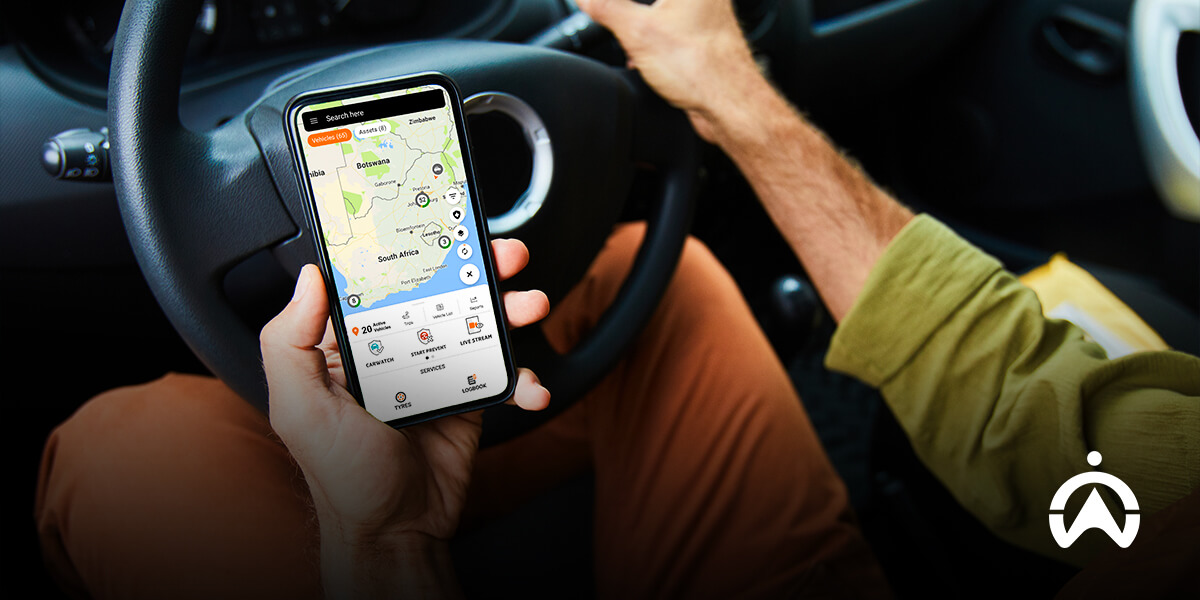
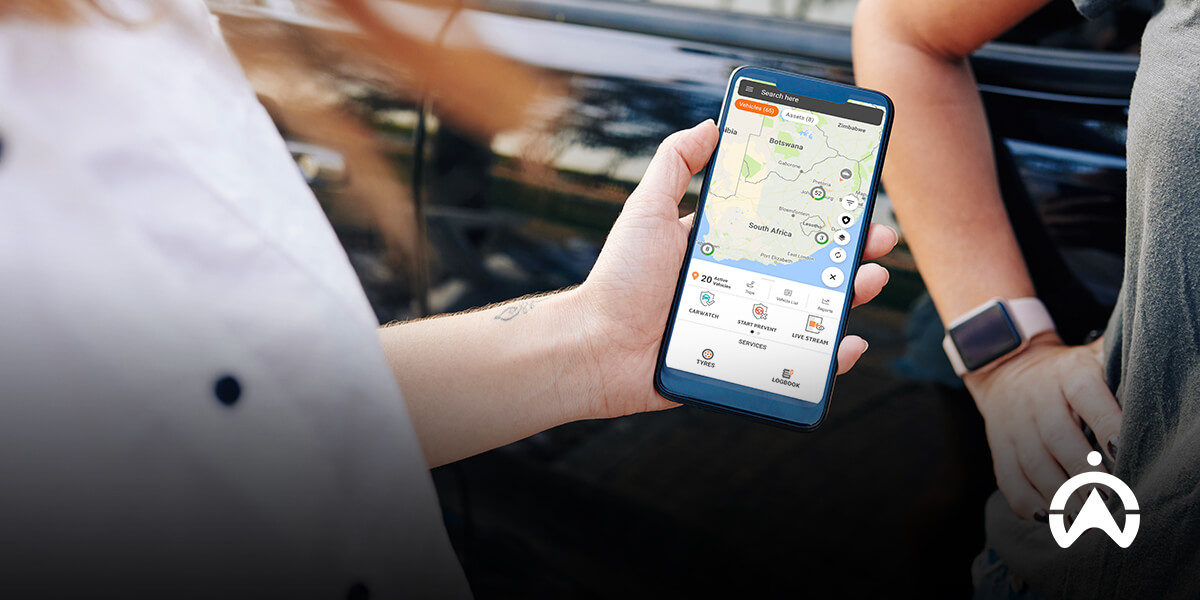
Person holding a smartphone with Cartrack app open while steering a car.

Update Insurance and Registration Details

After successfully installing your new tracking device, it’s important to update your insurance details.

Start by notifying your insurance company about the change in your tracking provider. Many insurers offer rebates or discounts for vehicles equipped with tracking devices, and they need to have the correct information on file to keep your coverage valid.

If applicable, make sure that you also provide a Notification of Change of Ownership (NCO) form if you are transferring ownership of the car to someone else.

Updating these details ensures compliance with South African vehicle regulations, helping you avoid any additional stress or hassle in the future.

Making the Switch: Stress-Free Tracker Transition

Switching your car tracking service in South Africa can be a straightforward process if you approach it prepared with the right information.

From assessing your current provider and understanding your needs, to effectively communicating with both your old and new companies, each step plays a crucial role in ensuring a smooth transition.

Remember, keeping your car secure is paramount, especially in a country where crime and vehicle theft remain a real concern.

By updating your insurance and registration details and ensuring that your new tracking device is installed correctly, you can drive with confidence, knowing that your car is well-protected.

Whether you’re looking for better features, improved customer service, or just a more competitive price, taking the time to make an informed switch can lead to seamless security for your car.

Embrace the change, and enjoy the benefits of a tracking service that truly meets your needs.

How Cartrack Can Help

Ready to take your car security to the next level? Cartrack understands the unique challenges South African drivers face when it comes to keeping their cars safe.

One of the key advantages of choosing Cartrack is our hassle-free installation process. We offer professional installation services that can be scheduled at a time and place that suits you.

Our trained technicians come directly to your location, whether it’s your home or workplace, eliminating the need for you to travel to a fitment center.

With our cutting-edge tracking technology, you can enjoy peace of mind knowing that your car is protected 24/7.

Our services include real-time tracking, theft recovery with a 90% success rate, and an easy-to-use mobile app that puts control right at your fingertips. Call us today – 08677 000 401

FAQ

I’ve already got a tracker from another company. What makes Cartrack worth the switch?

If you’re currently using a tracking unit from another provider, you might be wondering what benefits Cartrack can offer that would make switching worthwhile. Cartrack boasts an impressive stolen vehicle recovery rate exceeding 90%, supported by our expert air and ground recovery teams. This means you can rest easy knowing that if your vehicle is ever stolen, we’ll do everything possible to recover it.

Cartrack is also recognised as the most trusted vehicle tracking company in South Africa, with an outstanding score of 9.4 based on user ratings on HelloPeter. This reputation reflects our commitment to providing top-notch service and security.

In addition to our recovery capabilities, we offer a range of premium safety features designed to protect your vehicle around the clock. Features like CarWatch, Geofence, and Protector work tirelessly to keep your car safe, whether it’s parked or on the move.

Lastly, we provide these exceptional services at a competitive price starting from just R99 per month. This means you can safeguard your vehicle without straining your budget.

Choosing Cartrack is not just about switching tracking providers; it’s about investing in superior protection for your vehicle and ensuring your peace of mind on the road.

How can I guarantee a smooth switch from one tracking provider to another?

Be sure to plan ahead by scheduling de-installation and installation appointments closely together and ensuring all paperwork is in order.

What features are included in the Cartrack Protector service?

The Protector service available through the Cartrack app offers a comprehensive suite of emergency assistance features.

These include access to 24-hour roadside and medical emergency services. With just a tap on your phone, you can summon help for flat tires, fuel shortages, or medical emergencies.

Car Theft Syndicate: How Organised Crime is Targeting Vehicles in South Africa

Organised crime poses a serious threat to South Africa, impacting the lives of millions. This blog explores car theft syndicates—a sophisticated network of car thieves operating with a singular focus: stealing vehicles. These are not mere petty criminals. Their groups function like well-oiled machines, using advanced techniques and insider knowledge. No car is safe from their reach, from high-end SUVs to budget sedans.

Car theft syndicates have graduated from being a mere nuisance. Stolen vehicles are often exported, resold, or used in criminal activities. These organised rings know exactly what they’re after and how to get it.

Cartrack’s vehicle tracking solutions provide a way to outsmart them. We offer the latest tracking solutions to prevent your car from becoming another statistic.

In this article, you will:

  • Learn about Car theft Syndicates
  • Explore methods used by car theft syndicates
  • Discover 10 techniques used by car theft syndicates
  • Know high-risk areas where you’re likely to get your vehicle stolen
  • Explore ways that Cartrack can protect you and your vehicle

What Is a Car Theft Syndicate?

A car theft syndicate is an organised group of criminals that specialise in stealing vehicles. These thieves use organised methods to target specific vehicles. Their skills often make them bypass security systems and evade law enforcement. Car theft syndicates steal vehicles for several reasons like reselling them in local or international markets or selling their parts.

Syndicates often have a clear hierarchy. Leaders coordinate the illegal activities while other members are assigned specific roles. Each group follows particular methods to ensure operations run smoothly. Let’s look at some of the methods used by car theft syndicates.

Methods Used by Car Theft Syndicates

Target Selection and Surveillance:

Vehicle theft syndicates often start by researching their targets, types of cars owned, and locations. This can include following people to learn their routines.

Criminals can collaborate with insiders, like your complex’s security, car guards, car dealerships and repair shop employees to get to you. You might wonder how insiders agree to cooperate; some are bribed, while others are coerced. Insiders can be persuaded in the following ways:

  1. Financial Incentives: Money is a powerful motivator for insiders. Criminals use this method knowing people rarely refuse cash.
  2. Coercion or threats: Insiders may not want to steal vehicles. However, threats or coercion may arise, leading to fears of repercussions for refusing to participate.
  3. Manipulation: Thieves might exploit personal issues, like money troubles, to convince insiders to gain insider cooperation.
  4. Grooming: Over time, syndicates gain insiders’ trust, convincing them that the thefts are low risk.
  5. Lack of Awareness: Insiders may not fully understand the implications of their actions. They may be blindsided and made to believe that the transactions are legitimate.

Planning and Coordination:

A typical syndicate can include a driver, the actual thief, a lookout, and a tech-savvy individual.

Syndicates are usually very particular with their timing, targeting big events or general areas where security isn’t tight.

Car theft syndicates are increasingly operating online as well. Criminals use the internet to coordinate their activities, share information, and sell stolen vehicles or parts. This shift to online operations lets them reach a wider audience. It also allows for more discreet transactions. This makes it harder for law enforcement to track their activities. Here are some ways these thieves can use the Internet to facilitate their activities:

  1. Online Marketplaces: Stolen vehicles or parts can be sold on social media, classified ads or specialised websites.
  2. Information Gathering: Syndicates can gather intelligence on vehicle models and locations online. Victims can also be stalked via social media.
  3. Communication: Criminals may use encrypted messaging apps to communicate and coordinate activities discreetly.
  4. Remote Key Programming: Syndicate members can use advanced online tools to program keys or unlock vehicles from a distance.
  5. Hacking and Scams: Some may use hacking to steal customer data or create fake ads to lure victims.
  6. Virtual Auctions: Stolen vehicles can be auctioned off online, making it easier to reach a wider audience.

Execution of theft:

Thieves now use advanced gadgets to clone key fobs. Keyless entry systems can be broken into to steal cars without alarms and break into keyless entry systems, making it easy to steal cars without setting off alarms. Thieves also use fake license plates and signal jammers to hide their actions and avoid detection.

This is how car theft syndicates use advanced equipment:

  • Keyless Entry Systems: Thieves use devices to intercept and boost the signal from key fobs, allowing them to unlock and start vehicles without needing the physical key. This technique enables them to steal cars with minimal effort.
  • Signal Jamming: Syndicates use advanced jammers to disable key fob locks, leaving victims unaware that their vehicles remain unlocked. This allows thieves to steal cars effortlessly and without drawing attention.
  • Lock Picking: Experienced criminals use special tools to pick locks, typically targeting older vehicles that lack advanced features. This makes these cars more vulnerable to theft.
  • Stealing Keys: Criminals often steal physical car keys from owners. Using methods like burglary or scouting homes where keys are in plain sight, like in a bowl by the front door.
  • Using Key Fobs with Technology: Criminals use advanced tech to clone key fobs. This allows them to make duplicates that can unlock and start vehicles. This method shows their skill in exploiting modern security systems for theft.

Escape:

Organised car theft syndicates have a well-planned escape strategy and know the best routes to avoid the police. Other stolen vehicles are sometimes used as getaway vehicles.

Using stolen cars to escape adds another layer of deception. By driving vehicles that may have been reported missing, confusion is created for investigators. This makes it tough for the police to track them down and stop future thefts.

Distribution of Stolen Vehicles:

Thieves can resell the stolen vehicles to local markets and can sometimes alter the VINs to hide the vehicles’ true identities.

A Mail & Guardian report notes an increase in vehicle smuggling along the South Africa-Mozambique border. In response, a solid concrete fence replaced the old, weak cattle wire fence, which was easy to bend or remove. However, members of car theft gangs are now building makeshift steel bridges to get stolen vehicles over the new fence. This shows how criminals are finding ways to adapt to stronger protections.

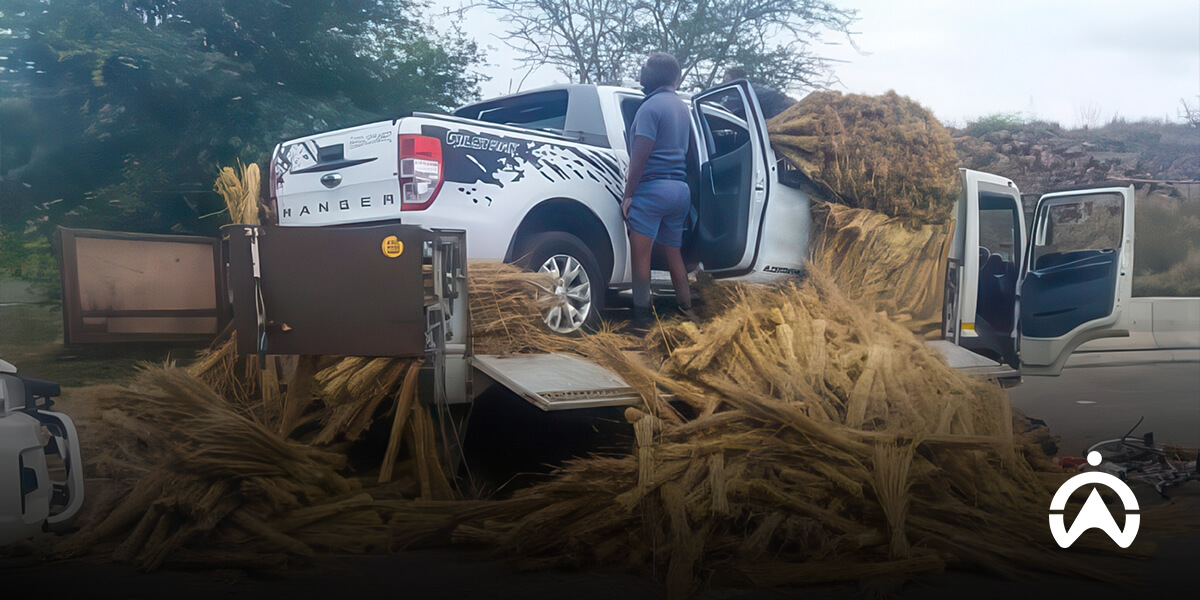
A person stands by a white pickup truck surrounded by strewn debris and hay.

What Other Uses Do Syndicates Have for Stolen Vehicles?

Besides being resold, the stolen vehicles are often stripped for parts. This lets criminals dismantle cars and sell the parts on the black market, maximising their profit. Popular parts, like engines, wheels, and electronics, are valuable. This makes auto theft a lucrative operation.

Superintendent Xolani Fihla of the Johannesburg Metro Police said these skilled criminals can dismantle a vehicle in about 30 minutes. Car parts are quickly removed to maximise profits and minimise detection risk.

The most common stolen car parts are:

  • Wheels and tyres
    High-quality wheels and tyres are now prime targets for a skilled criminal syndicate and have a high market value. The high demand in the black market fuels a calculated approach to theft. Thieves use expert techniques to remove these valuable parts from vehicles in minutes. The ease of detachment and high resale value help these criminals, to execute their operations with ease.
  • Car batteries
    Organised car theft syndicates use their insider knowledge of vehicle security to disable alarms, access the engine compartments and sever the battery cables. Car batteries are straightforward to remove and untraceable once sold. Thieves can quickly open the hood and cut the battery cable. This disables alarms and keeps car owners unaware of the theft. This operation can be executed in just over a minute.
  • Airbags
    Airbags have a resale value. Replacing them often requires replacing sensors in the steering wheel. Their ease of removal and reinstallation makes them a lucrative target for organised criminals.
  • Tailgates
    Many tailgates lack identification numbers, making them difficult to trace. Their simple removal process lets criminals exploit this flaw. It enables the sale of stolen parts with minimal risk.

Find out more about car theft parts and how you can protect your vehicle from it.

How to Protect Your Vehicle from Organised Crime Syndicates

Protecting your car is essential for preventing theft and ensuring your peace of mind. Let’s explore how you can safeguard your vehicle against these threats.

Effective Ways to Minimise the Risk of Car Theft

  • Install a GPS tracking device and have your vehicle insured.
  • Lock your car whenever it is left unattended, and keep it in a garage when parked at night if possible.
  • When at home keep your keyless car fob away from your car.
  • Put the keys in a screened or signal-blocking pouch, such as a Faraday Bag.
  • Use a strong full-cover steering wheel lock even if the vehicle security system is bypassed.
  • Reprogramme your key fobs if you buy a second-hand car.
  • Turn off wireless key fobs when not in use.
  • Never leave your vehicle unattended with the engine running, even if you are only absent for a moment.
  • Consider fitting CCTV covering your home and driveway.
  • Use LED security lighting to make your vehicle more visible. This can also help deter criminals.
  • Avoid parking in unsecured parking lots.
  • Avoid high-risk areas.

By implementing these preventative measures, you can achieve a substantial reduction in the risk of your vehicle being targeted by organised crime syndicates. Find out more ways to prevent your car from being stolen.

How can Cartrack assist me if car theft syndicates target my vehicle?

Cartrack is dedicated to providing world-class security to our clients.

We offer a range of products and services to help protect your vehicle from theft and assist you if you are targeted by car theft syndicates.

  1. Real-time GPS tracking
    Always keep tabs on your vehicle’s location with Cartrack’s vehicle tracking. You will have access to real-time location updates. It helps us pinpoint your car if it is stolen so that we can recover it.
  1. Stolen Recovery Rate (SVR)
    You’ll have peace of mind that your car is always protected against theft. Our world-class recovery team and 24/7 control room ensure that your vehicle is always in good hands. We have an approximately 92% audited recovery rate, making us the number one car tracking company in the county.
  1. Cartrack Mobile App
    Our App has features that can assist you if someone steals your vehicle. You can share your live location with your loved ones to know where you are and help you. Press the panic button so our Control Room can call you and immediately alert and dispatch our highly skilled recovery teams to recover your car.

    Other benefits of the app are:

    • View your live vehicles’ location and past trips
    • Activate CarWatch, which alerts you if your vehicle moves once parked
    • Activate Protector, which provides Medical, Roadside, Legal, Accommodation and Car Hire services
    • Learn effective driving techniques to optimise fuel efficiency and reduce maintenance expenses.
    • Share your live vehicle location
    • View speeding reports to improve safe and courteous road user behaviour
    • Risk reports to prevent accidents and hazardous driving behaviour
    • Maps in three different views: Default, Satellite, and Google.
  1. Power Events Notification
    You will get an alert if your vehicle is disconnected. This could mean someone has tampered with it.
  1. CarWatch
    Give your vehicle its virtual car guard with CarWatch activated on the Cartrack app. CarWatch is a Value Added Service. It helps keep your vehicle safe. It will alert you to any unauthorised movements. The moment your ignition is on, or if there’s any suspicious movement without your authorisation, our 24-hour control room receives an alert. With this, the agent calls you to confirm if everything is in order and to figure out if your vehicle is in the process of being stolen.
  1. Protector
    Our protector service gives a quick response to emergency services such as medical and roadside assistance. Just flick the button on your Cartrack app. A service agent will call you or your loved ones to help.
  1. Jamming Detection
    For thieves who think it’s possible to outsmart our technology, Cartrack offers signal-jamming detection as a value-added product feature. Switching to RF frequency will let us communicate with the vehicle. This is if the thief is jamming the tracking system’s cellular connection.

    The main benefits are:

    • The GPS allows for accuracy down to 3 m
    • Jamming Detection backup battery unit can power the unit for up to 2 days; therefore, tracking your vehicle for maximum time
    • Up to 3 years of backup battery life expectancy
  1. Cartrack’s Road Vision camera solution
    Install a front-facing camera (Dashcam) that can act as a preventative measure. Even when your car is off, it can deter criminals from targeting your vehicle.
  1. Cross-border vehicle recovery
    If your vehicle gets stolen and taken out of the country, we will still have your back. Our GPS vehicle tech supports international roaming when you choose our cross-border tracking option.
  2. Geofencing
    Cartrack’s Geofence feature lets you set virtual boundaries around specific areas. You’ll get instant email or SMS alerts the moment your vehicle enters or exits them. For example, if you lend your vehicle to a loved one to go to the mall, you can create a geofence to the mall and back. This gives you a new level of instant visibility and safety.

Person holding a smartphone with a Cartrack app open

Protect your car from highly skilled thieves

You don’t have to worry about outsmarting thieves; let us do that for you. Contact us today and give your vehicle all the protection it needs.

Frequently Asked Questions (FAQs) about Car Theft Syndicates in South Africa

Q: What type of vehicles are most likely to be stolen in South Africa?

A: The South African Police Service (SAPS), says the most stolen vehicles are sedans, hatchbacks, and coupes.

Q: What is the common motive for motor vehicle theft?

A: Economic downturns can drive some people to crime, like car theft, for quick money. Stolen vehicles are often exported, resold, or used in criminal activities.

Q: How do I report a stolen car as a Cartrack customer?

A: Call our Control Room at +263 772 278 870 and press option 1 to alert our agents. Remember, the sooner you report the theft, the sooner we can recover your car.

How To Reduce Fuel Consumption

Fuel usually accounts for the majority of any fleet’s budget, and if it’s not properly managed, the costs can balloon, potentially ruining your budgeting abilities or even, in a worst-case scenario, running your business down. The question is, how do you keep it on track in a way that doesn’t take too much of your time so you don’t exceed the budget?

Let’s look at what affects fuel consumption, what changes you can implement, and how Cartrack Zimbabwe can help you.

In this article, you will:

  • Learn what fuel consumption is
  • Understand what affects fuel consumption
  • See which driving habits decrease fuel efficiency
  • Find out how Cartrack Zimbabwe simplifies fuel monitoring
  • Get more answers from our FAQ section

A quick background on fuel consumption

Fuel consumption refers to a measurement of how much fuel a vehicle uses over time. It calculates how many kilometres the car can travel for every litre of fuel used. A study done by Energy Education revealed that not all the fuel consumed is being used to power the vehicle directly; about 3-11% of the fuel being consumed is used to overcome rolling resistance. This is why it is important to implement driving techniques to reduce fuel consumption.

What affects fuel consumption?

Looking at vehicle parts first, here are some of the things that will cause more money to be spent on fuel:

  • Engine size
    We all know that the larger the engine, the more fuel it requires; why so? Well, that’s because larger engines burn more fuel and air than smaller ones under the same driving conditions, and for an engine to run smoothly, there needs to be a balance of fuel and air mixing. Carburettors were traditionally responsible for mixing and sending it to the engine cylinders for ignition and powering the vehicle, but nowadays, vehicles have fuel injectors, which serve the same purpose but are more precise and have fewer emissions.
  • Tyre pressure and wheel alignment
    There is always friction between the tyres and the road surface. The bumpier the road, the more friction, and this is called rolling resistance. An underinflated tyre creates more resistance and therefore requires more energy, and means what? More fuel! The National Highway Traffic Safety Administration (NHTSA) in the USA revealed that a 1 per cent decrease in tyre pressure equates to a 0.3 per cent reduction in fuel economy. A tyre that is underinflated by 10 per cent increases fuel consumption by 2 per cent. So make sure you know the rolling resistance grade for your tyres when making a purchase, it’s usually on the label. Additionally, wheel alignment is also important, as the correct alignment reduces tyre drag and rolling resistance, further enhancing fuel efficiency.
  • Vehicle maintenance
    Are you skipping your service dates? Well, you should know that a vehicle that is serviced regularly helps maintain the engine’s fuel efficiency. When a vehicle gets serviced, the technician checks vital components such as air filters, fuel injectors and spark plugs. Here’s how they work:- Air filters: Air filters prevent small particles like dust or dirt from entering and damaging the engine. If an air filter is clogged, it restricts airflow, which causes the engine to work harder and consume more fuel. During service, the air filter can be checked and replaced if necessary.

    – Faulty spark plugs: Spark plugs provide the spark that ignites the air and fuel mixture, which powers the engine. So when they aren’t “sparking” correctly due to wear and tear, they affect the combustion, which results in increased fuel consumption.

    – Fuel injectors: The fuel system also needs to be regularly maintained so it can efficiently deliver fuel to the engine as fuel injectors often get clogged. Through regular inspection, this can be detected, and the injectors will be cleaned or replaced.

    When properly maintained, these components ensure combustion and smooth engine performance, which in turn results in less fuel consumption.

  • Vehicle body weight
    A light vehicle requires less energy from the engine, and a heavier one requires more. So if the vehicle is heavy, it will need to overcome more resistance which means it must burn more fuel to match the resistance.
  • Engine oil quality
    The engine oil helps minimise friction, remove contaminants, protect engine components, and regulate the temperature. There are different types of engine oils, such as:-Conventional oil: This one works with most vehicles and is less expensive than the other oil options. You can find it in most grocery stores or other convenient shops, such as ones at the filling station. It works best with vehicles that don’t have high mileage, but it has to be changed more frequently. In addition, the oil is very thick, which means it moves slower in colder conditions.

    -Synthetic oil: These oils are man-made from chemically modified components, such as petroleum, but the base is always distilled crude oil. They are designed to flow quickly in both warm and cold temperatures, and they provide higher levels of protection and engine performance than conventional oils. However, they are also more expensive.

    –Semi-synthetic oil: Sometimes called synthetic blend motor oil, this is a mixture of fully synthetic oil and conventional oil. It is a pocket-friendly option that still offers some of the benefits of fully synthetic oil.

    –High-mileage oil: Vehicles with a high mileage or older engine have specific requirements due to the potential for failing seals or oil leaks. A high-mileage oil helps look after the seals and reduce the leaks.

    Choosing the wrong oil for your vehicle can result in the engine consuming more fuel than necessary.

Is your driving behaviour increasing your fuel consumption? Your go-to checklist

Let’s look at a few driving habits that you should be keeping your eye on:

  • Speeding: The faster you go the more fuel is used per kilometre. Speeding increases the aerodynamic drag which causes the engine to burn fuel quicker than it should leading to more fuel being used.
  • Idling: Keeping the engine running while the vehicle is in motion is certainly a waste of fuel. This mostly happens in traffic or when picking up or dropping off deliveries. If most vehicles in your fleet are doing this, then it means there will be a lot of frequent tank refills. Idling also causes vehicle wear and tear and shortens lifespan.
  • Revving: The higher the revolutions per minute (RPM), the faster the fuel injectors have to work to inject fuel into the engine, meaning more fuel will be needed. Revving the engine also increases the number of times the gears have to be changed, meaning the engine has to adjust, increasing the amount of fuel needed.
  • Rapid Acceleration: The harder you accelerate, the more fuel you will use compared to gradually accelerating to the desired speed. Harsh acceleration burns more fuel because it tells the engine that more speed is required. Remember that more speed means more power and more power means more fuel.
  • Driving in the wrong gear: Every gear has a speed limit, and driving at a higher speed in lower gears will increase the RMPs, meaning the engine will consume more fuel. Using high gears while driving uphill or when cornering also wastes fuel. Drivers need to know not to drive at higher gears at low speeds and lower gears at high speeds.
  • Deviations and poor route planning: Drivers often take their own routes to get to destinations instead of the one that was set out initially; some even make stops along the way for personal reasons and that just adds on to the pile of things that waste fuel. Additionally, poor route planning such as having a lot of short trips scheduled instead of one big trip can have a major impact on fuel consumption.

How to reduce fuel consumption using Cartrack’s advanced telematics

Telematics provide fleet managers with data that will give them insight into every aspect of the fleet. The technology provides you with real-time data on driver behaviour, vehicle performance, and vehicle location; through this, you can pick up fuel consumption patterns or all things that might empty your pockets by decreasing your fleet’s fuel efficiency.

Cartrack provides fuel monitoring tools to elevate your fleet business and save costs. Depending on what you need, here are a few:

  • MiFleet
    Get a cost management platform that automatically reviews all your fuel transactions. Mifleet matches fuel receipts with telemetry data and alerts you about potential fuel theft. It also saves you time by eliminating manual admin and reducing human error.
  • Fuel sensors
    This is a technology that monitors the real-time level of fuel inside the tank. A good example of a fuel sensor would be Cartrack’s fuel probe. A fuel probe is an electronic device that can be placed inside the fuel tank to detect changes in fuel levels and give accurate real-time readings. They are not only used in vehicle fuel tanks but can also be used for measuring in-house fuel tanks found in mines.
  • Advanced Driver Assistance Systems (ADAS)
    ADAS is a powerful tool that uses camera-based sensors, intelligent algorithms, artificial intelligence (AI), and machine learning technology to enhance driver awareness by warning them of potential blind spots or forward collisions.
  • AI-powered Multi Vision Cameras
    With our smart camera features, your drivers will receive real-time audible alerts whenever distracted driving is detected, such as cell phone use, yawning, or smoking. This will allow them to quickly correct their behaviour and avoid having to brake harshly or idle for too long in traffic because of distractions. It also helps prevent possible accidents.
  • Preventative Maintenance
    As mentioned before, the engine plays a vital role in fuel consumption, and a well-maintained vehicle will save you a fortune. Cartrack’s Preventative Maintenance feature gives you real-time alerts of any engine faults and automated maintenance schedules for each vehicle. You know each car is due for servicing, so avoid unexpected breakdowns.

Reduce your fuel consumption and unlock fuel savings with Cartrack Zimbabwe

Cartrack Zimbabwe is an industry leader in fuel management. Our features are easily accessible and all on one platform. With us, you’ll save on fuel and every other aspect of your fleet. Join us today.

Got questions? We’ve got you! Discover the answers to some of the frequently asked questions about fuel consumption.

  • How can I reduce my car’s fuel consumption?
    Follow your car’s servicing recommendations and avoid driving habits such as speeding or harsh acceleration.
  • How do I fix high fuel consumption?
    Check your tyre pressure, don’t speed, avoid idling, watch your RMPs and make sure your engine is in good condition.
  • What can we do to reduce the use of fuel?
    Avoid careless driving habits such as revving your engine to warm it up every morning or idling for too long, and make sure you do not skip vehicle service dates so they can pick up issues on time.
  • Why is my car consuming so much fuel?
    There’s no straight answer to that, as there can be any reason why. In most cases, it’s because of driving habits such as speeding and idling, but it could also be related to vehicle maintenance or the size of your engine.

Let us take care of your fuel concerns. Contact us today.

Tyre Pressure and Tread: The Big Impact It Has On Your Fuel Economy

Whether it’s your fleet or personal vehicle, tyre pressure and tread play a silent but massive role in fuel economy, which is directly linked to fuel consumption and, as a result, fuel costs.

Tyre pressure is often overlooked—that is, until you are lost and stuck in the middle of nowhere, wondering why your fleet or car used a ridiculous amount of fuel over a relatively short distance, not realising that it may have something to do with your tyre pressure, your tread, or both.

In this article, you will:

  • Explore the definitions of fuel economy, tyre pressure and tread
  • Discover why Zimbabwe citizens should be concerned about fuel economy
  • Understand the effects of overinflated and underinflated tyres on fuel economy
  • Find out the impact of tyre tread and pressure on fuel economy
  • Learn how to skyrocket your fuel economy with Cartrack’s innovative solutions

Navigating fuel economy, tyre pressure and tread

According to Forbes, tyre tread contributes to almost a third of a vehicle’s fuel economy.

Learn to save on fuel costs by educating yourself on fuel economy, tyre pressure, and tread below:

Navigating fuel economy

  • Defining fuel economy: Fuel economy is the distance a vehicle can reach while running on a fixed amount of fuel. You calculate it by dividing the distance you travelled in kilometres by the number of litres in the vehicle. In other words, kilometres per litre (km/l).Many descriptions of this concept rely on the USA’s metric, which translates to mpg or miles per gallon.
  • Exploring the calculation: The calculation can become more complex. The distance your vehicle or fleet may be able to travel can be influenced by a lot of factors, including:
    • Car size
    • Style of driving
    • Cruise control usage
    • Cargo weight
    • Terrain

The difference between fuel economy and fuel efficiency

It is essential to define fuel efficiency, as many assume fuel efficiency and fuel economy are the same thing.

Fuel economy is specific to distance, and while fuel efficiency is calculated the same way, this concept is simply used to describe how to use fuel, in general, to ensure that as little as possible is used.

Lori Baker’s article for MIT School Of Engineering, “What’s the difference between fuel efficiency and fuel economy” clarifies this difference by explaining that fuel economy means miles per gallon. On the other hand, fuel efficiency is instead used to describe how efficiently fuel is used.

Navigating tyre pressure and tread

  • Defining tyre pressure: Tyre pressure is the volume of air pumped into a tyre. It helps stabilise vehicles by ensuring that each tyre has the correct pressure.
  • Defining tyre tread: Tyre treads are the grooves or patterns on tyre exteriors. These treads are designed to ensure vehicles have a solid grip on the road’s surface.

Why everyday Zimbabwe citizens and businesses should pay attention to fuel economy

Petrol prices have caused everyday Zimbabwe citizens and businesses’ fleet management departments to reach much too deep into their pockets, calling for innovative ways to handle fuel consumption. Riding off the Volvo numbers above, it is clear that improving fuel economy is an effective way to reduce fuel costs, whether you are a fleet manager or an everyday car owner.

Find out more about the cost benefits and other advantages of improving your fuel economy below:

Cost benefits expanded

  • Fuel costs: As mentioned, improving your fuel economy will reduce fuel costs, as less fuel will be used over certain distances. This also means you can budget to drive longer distances with the same amount of fuel you were using before you improved your fuel economy.
  • Maintenance costs: If you travel the same distance with less fuel, there will likely be less wear and tear. This wearing away prevents engine maintenance and the associated costs, as well as unnecessary downtime.
  • Geographical expansion: Regarding business, if fleet managers choose to use the extra fuel that would have been used at a previously outlined distance, fleet delivery could be geographically expanded to reach a broader customer base. This expansion means fleet managers can obtain more clients and sell more products, improving business expansion overall.
  • Net profit and disposable income: Fleet controllers can also simply increase their net profit, and individuals could use the extra money to pay for basic resources or generate disposable income.

Making and saving money while saving the environment

Less fuel consumption means less smoke will be released from the exhaust—this smoke contains harmful gases that negatively impact the environment, such as carbon dioxide, nitrogen oxide and carbon monoxide.

Beyond the positive environmental impact, this can lead to good standing with current or new customers, partners, or other businesses.

Increasing fleet productivity

Using less fuel over a certain distance allows fleet drivers to stop less often to refuel. Fewer stops save time, make deliveries more efficient and improve fleet productivity.

Tyre pressure and tread and its impact on fuel economy

Tyre pressure impacts many parts of your driving experience, from smooth rides to flat tyres. It impacts the safety of the driver and all the passengers or goods in the vehicle. Overall, vehicle performance worsens if tyres are overinflated or underinflated, and high fuel economy is just one of the negative consequences.

Increased Fuel Use

Increased fuel consumption means that a vehicle will travel less distance than it could have if there had been less fuel consumption, directly influencing fuel economy. Both overinflated and underinflated tyres can lead to a climb in fuel consumption.

Underinflated tyres

  • Expanding the tyre’s contact with the road increases rolling resistance, boosting fuel consumption as the engine works harder. According to Forbes, “Rolling resistance accounts for around 9% of a truck’s fuel consumption.”
  • Impact on fleet management: Three researchers applied this fact to fleets in a 2019 journal article that investigated the influence of tyre pressure on fuel consumption in trucks. According to their research, tyre pressure is a core factor affecting vehicle efficiency, rolling resistance and fuel consumption.
  • Tyre bending: Lower tyre pressure will also increase rolling resistance, leading to tyre bending.

Overinflated tyres

There is a misconception that overinflated tyres can improve fuel economy.While this can be true to a slight extent, the more overinflated the tyre and the longer the overinflation continues, the more opposing results can occur. The relationship between overinflated tyres and fuel consumption is more complex.

The graph below shows the assumption that fuel consumption falls with more inflation. As the tyre inflates to 3.0 bars of tyre pressure (represented by the red line), fuel consumption decreases to 10.9 at 1/100 or 1 litre per kilometre (represented by the blue line). These numbers are all accurate, but there is more to it.

While tyre overinflation may not be directly related to elevated fuel consumption, it causes wear and tear over time, which increases rolling resistance. This results in a rise in fuel consumption, bringing about a swell in fuel economy.

Tyre tread and its impact on fuel economy

Tyre tread and patterns also affect fuel economy, sometimes overlapping with tyre pressure. For example, when overinflated tyres wear and tear, the tyre tread wears out, especially in the centre, and so, once again, rolling resistance climbs.

Discover more about tyre tread, patterns and their relation to fuel economy:

  • Increased tyre grip: The greater the tread depth, the more grip the vehicle has, leading to better fuel economy and vice versa. This fuel economy boost is because the car won’t need as much fuel for movement.
  • Deforming tyres: Tread patterns, which help vehicle traction, significantly influence fuel consumption, either negatively or positively, based on the vehicle type and context of where and what condition the vehicle or fleet is driving in. Some of these examples include:
    • Rib patterns: Rib patterns are overwhelmingly recommended because they have lower resistance and are parallel to the tyres on the road.
    • Standard energy tyres: Standard energy tyres are not recommended for low fuel economy in private vehicles, as their patterns are not designed to improve fuel efficiency but create more rolling resistance. However, these tyres are still used in most vehicles. According to a Tyre World Medium article, they are manufactured for the general population to provide durability and comfort.
    • Aggressive tread patterns: It is not recommended to employ aggressive tread patterns on highways, as they can heighten rolling resistance. These tread patterns are constructed for off-road use.

Skyrocket your fuel economy with Cartrack’s innovative solutions

Cartrack’s innovative solutions will help you prevent and detect a possible increase in fuel economy. Explore more below:

  • Automated Preventative Maintenance: With our automated preventative maintenance solution, fleet managers can easily track any maintenance needs and tend to them before they become a more significant, more expensive, and time-consuming issue, with more in-depth fixes and longer downtime. These solutions include real-time alerts so you can know precisely when it’s time to put more air in or replace tyres, making sure that there is no delay in ensuring that your fuel economy is at a healthy level.
  • Fuel Monitoring: Cartrack’s fuel consumption monitoring can help you track your fleet’s fuel usage and note any spikes in usage. While this does not necessarily mean that the tyres are the issue, it can point to other problems affecting your fuel economy, including your tyres, and so can help you address them ahead of time.
  • Driver behaviour: Using our driver behaviour solutions, such as driver scorecards and driver behaviour reports, fleet managers can monitor whether drivers engage in behaviours that potentially damage their tyres.
  • Driver scorecards: Driver scorecards allow you to observe your drivers for harsh behaviours and reward them with high ratings if they behave well. Some of these harsh behaviours, such as speeding or harsh acceleration, can damage tyres. In other words, incentivising drivers to drive safely, whether through high ratings or motivating them through other means, such as bonuses or raises, can help you avoid damaging your fleet’s tyres and negatively impacting your fuel economy.
  • Driver behaviour reports: Driver behaviour reports provide in-depth insight into your driver’s habits, such as keeping track of all harsh behaviours for every driver over time. Once again, this can help you spot behaviours damaging your fleets’ tyres. You can also request instant trip reports to help combat harsh behaviours in real time.
  • Car tyre deals: If you are not running a fleet and are looking to improve your fuel economy as a personal-use driver, Cartrack experts can negotiate car tyre deals for you, ensuring you get prime tyres for fuel economy.

Answering your all-consuming fuel economy questions (FAQs)

Q: How do tyres reduce fuel consumption?

A: As mentioned, tread patterns can reduce fuel consumption depending on various factors, such as tyre pressure, whether the pressure is set correctly, and whether it is over- or underinflated.

In addition, wheel alignment, size, and weight can reduce fuel consumption, among many other factors.

Wheel alignment can reduce or increase fuel consumption depending on whether they’re misaligned. Misaligned wheels drag, so they use more fuel, requiring the engine to work harder.

Adequately aligned wheels, however, have the opposite effect. There won’t be as much drag, the engine will be less stressed, and fuel consumption will be lower.

Tyre weight affects rolling resistance in that the lighter the tyre, the less rolling resistance there is, and vice versa, decreasing and increasing fuel consumption subsequently.

Q: What is the best tyre pressure?

A: Tyre pressure is measured in bars or PSI (pounds per square inch). While every vehicle has required tyre pressure, the generally recommended and accepted pressure measurement is between 28 and 36 PSI, which converts to approximately 1.9 to 2.5 bars.

Q: How can I choose the right tyres for better fuel economy?

A: Investing in energy-efficient tyres, also known as “eco-tyres” or “green tyres,” is one great way to choose the right tyres for better fuel economy. These tyres are low-resistant. While they may be high-priced, the costs you will save in the long run will outweigh the initial expenses.

Q: How can I improve my fuel economy?

A: There are many ways you can improve fuel economy, including ensuring that your tyre pressure is at the correct PSI or bar and getting them pumped when necessary is one way to do so. Another is looking after and choosing the right tyres andensuring your wheel alignment is in order.

Regular maintenance and no speeding, rapid acceleration, or coasting are also recommended. Try to maintain a consistent speed or move into cruise control when suitable. Remove any extra weight or unnecessary cargo from your vehicle or fleet.

Get a grip on your fleet by investing in Cartrack’s fleet management solutions

At Cartrack Zimbabwe, we aim to simplify and automate your fleet management experience with various solutions such as real-time tracking, increasing delivery efficiency and route optimisation.

Contact us today to increase your fleet’s grip on the road and your profits.