
How To Reduce Fleet Vehicle Downtime And Keep Your Business Running

The d-word – downtime, every fleet manager’s nightmare. It affects about 82% of businesses and is a constant concern in the world of fleet management. What are you doing to keep your fleet up and running?

While some vehicle downtime can’t always be controlled, fleet managers need to have solutions in place to ensure unnecessary downtime doesn’t occur so productivity and profits are not impacted.

Here’s how you can keep your fleet downtime-free.

In this article, you will:

  • Learn what vehicle downtime is
  • Discover the factors that cause vehicle downtime
  • Find out how vehicle downtime impacts fleet efficiency
  • Uncover the secret to preventing unplanned vehicle downtime

What is vehicle downtime?

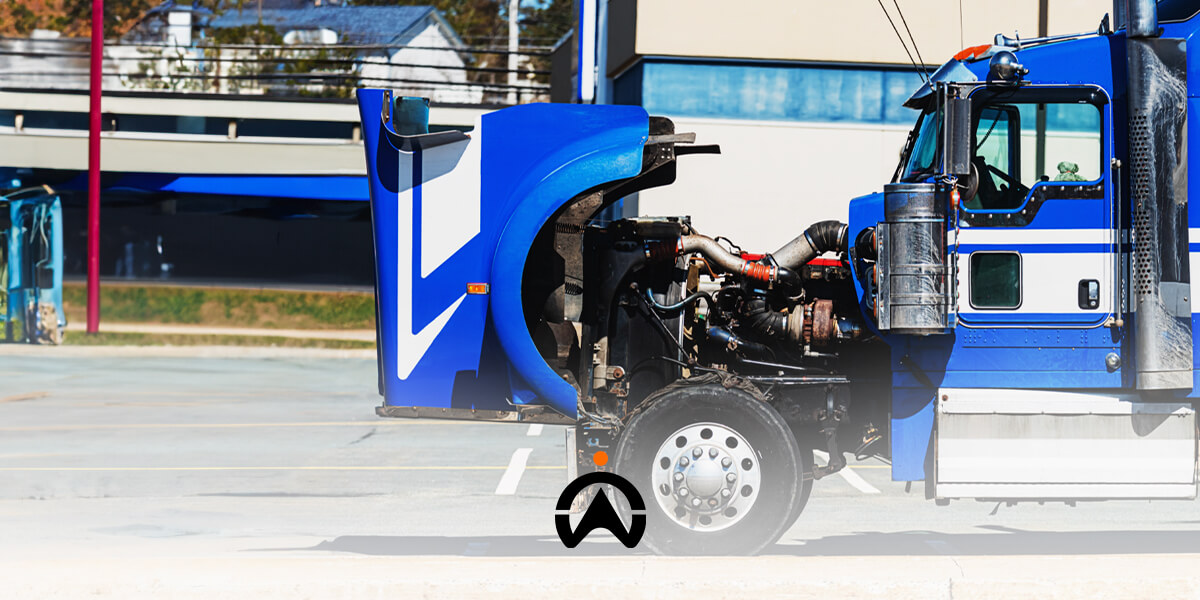
Vehicle downtime is one of the most costly and disruptive issues for fleet managers. It refers to the period when a business vehicle is not available for use for various reasons. While planned downtime is when a vehicle’s unavailability is scheduled at a company’s convenience, unplanned downtime is a lapse in operations that happens outside of a fleet manager’s control. During this period of inactivity, fleet vehicles are unable to fulfil their duties.

What causes vehicle downtime?

Vehicle downtime can be triggered for several reasons, here are a few:

Accidents or collisions: Vehicles involved in accidents may require significant repairs, which ultimately leads to unplanned downtime.

Fuel-related problems: Unexpectedly running out of fuel or encountering issues with a vehicle’s fuel system can cause delays, which can be costly, especially in the delivery service industry.

Lack of maintenance: Vehicle parts wear out and get damaged, causing vehicles to break down. Not adhering to regular maintenance schedules can lead to unexpected breakdowns or failures that could have been prevented with proper upkeep.

Driver-related incidents: Issues caused by driver errors, such as distracted driving, incorrect operation of equipment, negligence, and incorrect handling, can lead to unforeseen vehicle problems and subsequent downtime.

Road conditions: Potholes, rough roads, and debris can cause damage to the vehicle’s undercarriage, suspension, and tyres, leading to unplanned vehicle downtime.

Impact of downtime in fleet management

Downtime affects a fleet in numerous ways, including:

  1. Decreased productivity: Since vehicles are not operational, downtime leads to reduced fleet productivity. This means you are missing deliveries or service appointments, making your entire business fall behind schedule. This delay in operations leaks into customer satisfaction, negatively impacting it and your business’ reputation. While it may seem like rushing to make up for lost time and productivity is the solution, this can lead to compromised safety protocols, increasing the risk of accidents or equipment failure.
  2. Overutilisation of other vehicles: When a vehicle is not operational, fleets may opt to use their other vehicles more to make up for time lost. While this may seem like the ideal quick fix, it can end up causing more damage, as using assets beyond the scheduled times can put a strain on their health and longevity.
  3. Loss of revenue: Vehicle downtime significantly affects a business’s bottom line. The failure to deliver goods or services on time can lead to a loss of revenue and missed opportunities. This doesn’t just lead to missed deadlines; it also leads to dissatisfied customers who end up taking their business elsewhere. Losing revenue also means you aren’t able to pay your drivers well, which negatively impacts driver morale and retention.
  4. Increased costs: Repairing vehicles and managing unexpected downtime can significantly increase a fleet’s operational costs. Unexpected breakdowns aren’t usually budgeted for, so fleet managers may have to dip into other parts of business finances to ensure that the repairs are swiftly attended to.

What are the benefits of reducing vehicle downtime?

Reducing vehicle downtime is beneficial for a range of reasons, including:

  1. Increasing productivity: Reduced vehicle downtime allows for more efficient use of time, enabling vehicles to remain operational and contributing to higher productivity levels.
  2. Improving customer satisfaction: Reduced vehicle downtime leads to more reliable service and timely deliveries, which enhance customer satisfaction and loyalty.
  3. Promoting cost savings: Reduced vehicle downtime means fewer maintenance-related expenses, lower repair costs, and decreased spending on emergency repairs. This ultimately saves your fleet money.
  4. Enhancing safety: Reduced vehicle downtime contributes to safer vehicles, decreasing the likelihood of accidents due to faulty equipment and mechanical issues.
  5. Aiding better planning and scheduling: Reduced vehicle downtime allows for more accurate scheduling and planning of routes and services since there are no unforeseen delays. This leads to smoother operations and improved efficiency.
  6. Optimising asset utilisation: Vehicles that spend less time out of commission are utilised more effectively, increasing the overall efficiency and profitability of the fleet.
  7. Boost driver satisfaction: Vehicles that constantly break down and cause delays negatively impact your driver’s performance and general morale. Reduced vehicle downtime improves their morale and performance since they can complete their tasks with minimal delay.

How can you reduce vehicle downtime in your fleet?

There are a range of solutions that fleet managers can implement to ensure that unplanned vehicle downtime is significantly reduced. These include:

  1. Monitoring driver behaviour: Vehicle downtime can occur due to distracted or dangerous driver behaviour. Safe driver practices, such as gentle acceleration and braking and avoiding harsh turns, reduce wear and tear on vehicle performance. When drivers adhere to these practices, it can lead to decreased stress on critical parts such as brakes, tyres, and the engine. Driver behaviour monitoring ensures that you are aware of all these behaviours, and can implement training to ensure drivers adhere to best driver practices at all times. The result is an extended vehicle lifespan due to optimised vehicle utilisation, improved fuel efficiency, and decreased accident rates.
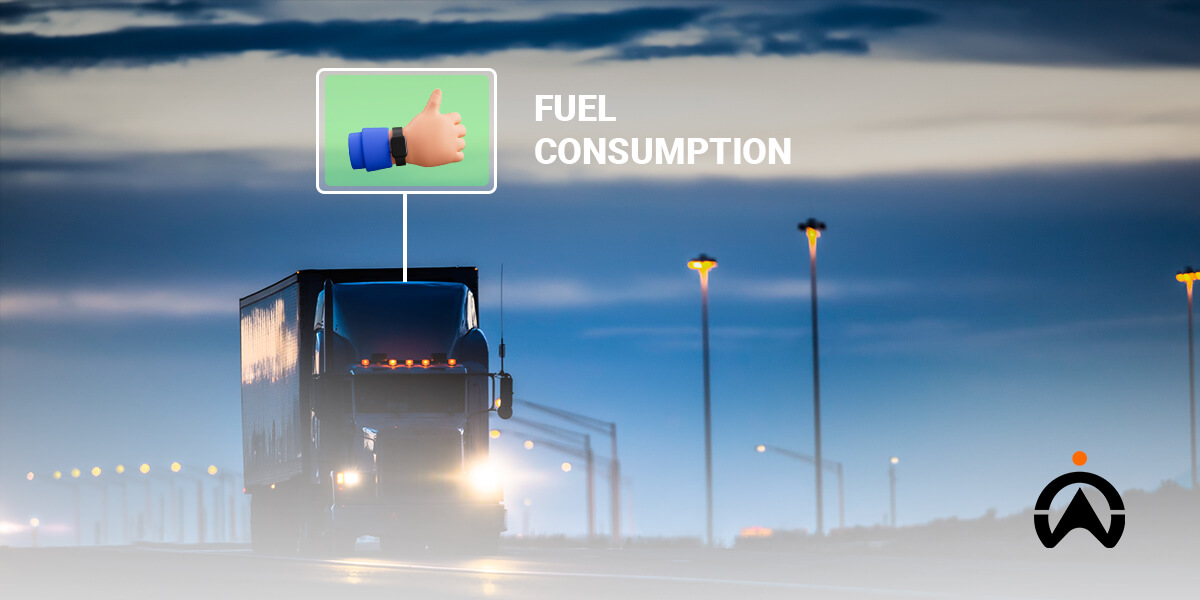
  2. Monitoring fuel consumption: Keeping an eye on your fleet’s fuel consumption helps you identify irregularities or sudden increases in fuel usage. An unexpected spike in fuel consumption could indicate an underlying issue with the vehicle, such as a malfunctioning engine, an issue with tyre pressure, a problem with the fuel system, or fuel theft. Addressing these issues promptly is paramount, as it helps prevent potential breakdowns and vehicle failures that could result in vehicle downtime. Proactive fuel consumption monitoring not only mitigates the risk of serious mechanical issues but also contributes significantly to keeping the fleet operational and minimising service disruptions.
  3. Prioritising fleet maintenance scheduling: Being one of the main causes of vehicle downtime, vehicle maintenance is crucial. Preventative fleet management refers to a proactive approach adopted by fleets to maintain and optimise the safety and longevity of their vehicles. Regular and proactive maintenance is key to preventing unexpected breakdowns and reducing downtime. An example of this is oil changes, a seemingly routine procedure that is important for engine health and functionality. Regularly scheduled oil changes prevent engine wear and potential breakdowns, ensuring smooth operations. By making use of a series of planned actions, inspections, and maintenance procedures, regular fleet maintenance significantly lowers the chances of vehicle downtime.

Of all these factors, maintenance is probably the most paramount, as it is one of the leading causes of vehicle downtime. With this knowledge, many fleets choose to incorporate a fleet maintenance plan into their operations to help mitigate the risks that come with vehicles not being maintained.

What is a fleet maintenance plan?

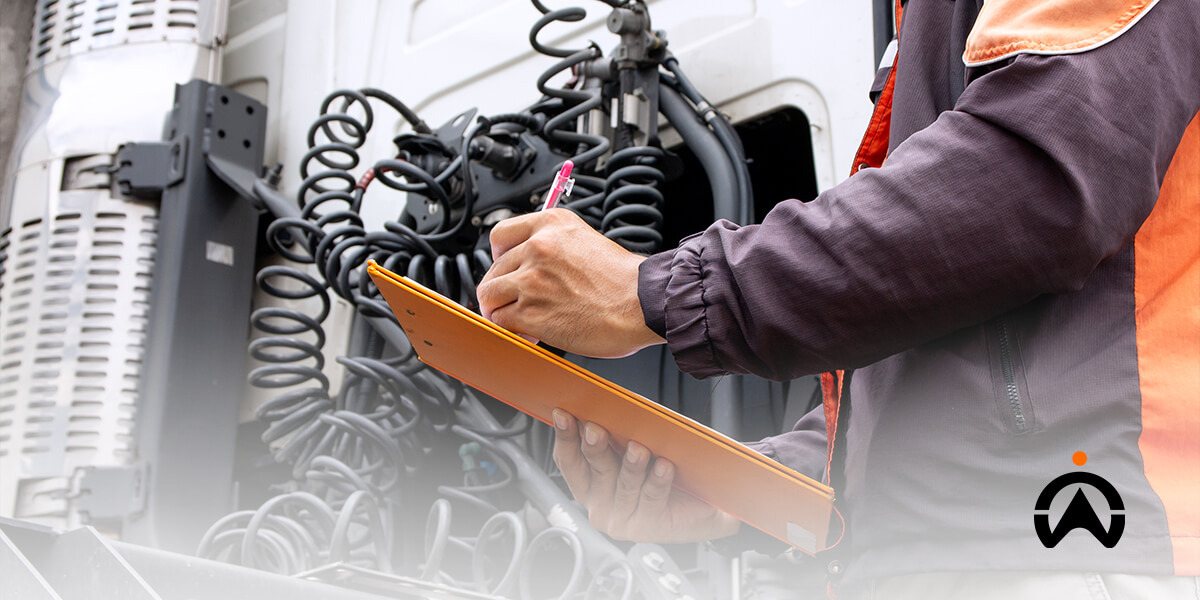
A fleet maintenance plan is a comprehensive, structured strategy for managing the maintenance and repair of a fleet of vehicles, designed to keep all vehicles and related equipment in safe, reliable, and operational condition. This plan encompasses a range of scheduled tasks that are designed to ensure the optimal operational condition, safety, and longevity of the entire fleet. The plan typically involves the use of fleet management software to help manage vehicle service reminders, create custom schedules (based on the individual fleet), and track vehicle performance.
What_is_a_fleet_maintenance_plan

What is the risk of not having a fleet maintenance plan?

Not having a fleet maintenance plan can result in several risks and implications for businesses that rely on vehicles. These include:

  1. High repair costs: Neglecting regular vehicle maintenance often leads to neglecting smaller issues that can escalate into more significant and costly problems over time. An example of this is a fleet conducting routine checks on its vehicle’s cooling systems. Initially, this oversight might seem inconsequential, but over time, it could lead to overheating, causing damage to the engine components. This leads to higher repair expenses due to neglected maintenance, as minor issues left unaddressed tend to compound and become more severe, requiring extensive repairs. What’s worse, if these issues aren’t quickly repaired, prolonged vehicle downtime becomes a reality.
  2. Reduced vehicle lifespan: The consequence of not scheduling regular vehicle maintenance is accelerated wear and tear on critical components. The neglect of routine inspections and timely replacement of worn-out parts such as belts and hoses may lead to premature failure, putting additional strain on the vehicle’s engine and transmission. This strain reduces the overall longevity of the vehicles, leading to premature replacements being required, an unnecessary expense that could have been avoided if a fleet maintenance plan had been implemented in time.
  3. Safety risks: Insufficient maintenance can compromise vehicle and driver safety. Neglected issues such as brake problems (which affect stopping power during critical moments), tyre wear (which increases the risk of punctures and tyre blowouts), or engine malfunctions (which compromise vehicle control) can pose significant safety hazards for drivers. This can potentially lead to costly and potentially deadly accidents that could have been prevented with proper maintenance. A proactive approach not only safeguards the well-being of your drivers but also the safety of all road users.
  4. Decreased operational efficiency: Unplanned breakdowns disrupt workflow and decrease operational efficiency. It leads to inefficient resource allocation, as fleets need to take time and resources from regular operations to address unexpected maintenance issues, impacting overall productivity and profitability. An example of this is a delivery fleet facing sudden engine failures due to irregular maintenance checks. The subsequent need for immediate repairs halts the regular delivery schedule, which causes delays in customer service and potentially impacts contractual obligations. This interruption in operations demands the reallocation of resources, diverting both time and manpower from routine tasks to address these unexpected maintenance issues. These diversions disrupt the optimal allocation of resources, leading to inefficiencies in the overall workflow.
  5. Lack of data-driven insights: Without a maintenance plan, fleets miss out on valuable data and insights regarding their vehicles’ performance metrics, usage patterns, and potential issues. This data provides a comprehensive view of the fleet’s health, helping fleet managers make informed decisions on predictive maintenance, cost analysis, and strategic decision-making to optimise fleet operations. Detailed records of maintenance costs per vehicle can also help fleet managers assess the financial implications of different maintenance strategies, aiding in the development of cost-effective plans.

Make unplanned vehicle downtime a thing of the past with Cartrack Zimbabwe

Telematics can help you reduce vehicle downtime by providing real-time data on the location, speed, mileage, fuel level, engine performance, and driver behaviour of the vehicle. Cartrack Zimbabwe brings telematics technology to you through a wide range of solutions. These include:

Cartrack’s fleet maintenance software:

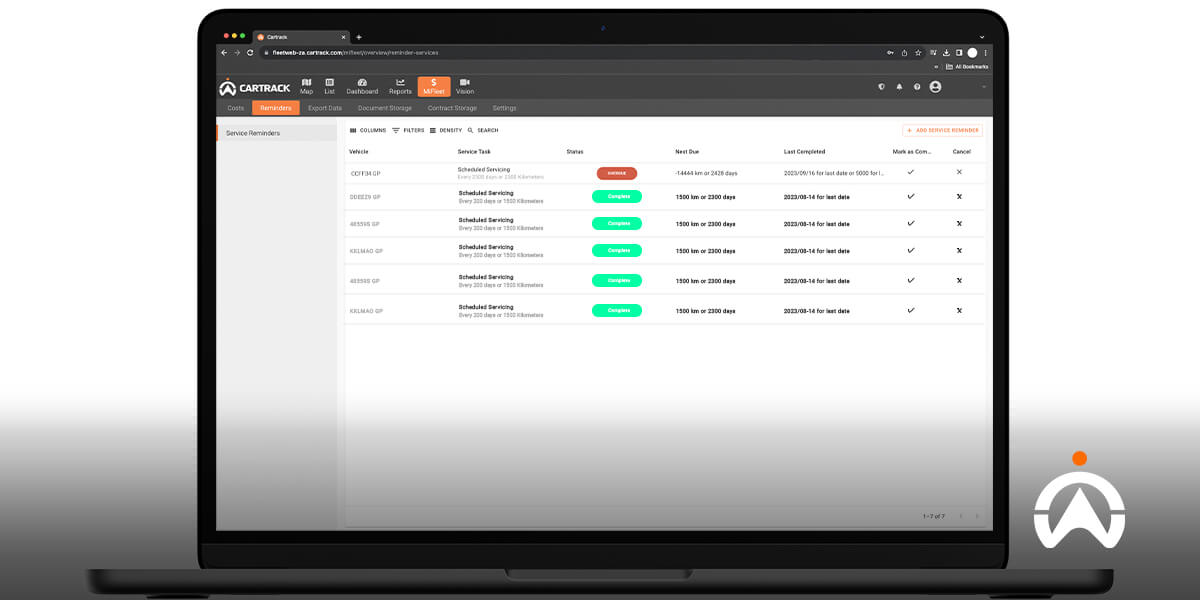
Keep your vehicles healthy and well-maintained with our fleet maintenance software. By sending real-time alerts to fleet managers whenever vehicle mechanical issues occur, our software quickly informs them about the specific vehicle part that requires immediate repair or replacement. Enable maintenance scheduling that is tailored to your fleet’s schedule with our preventative maintenance software, and ensure uninterrupted workflow. If an unforeseen fault is detected, you can immediately notify your drivers and inform them where to take the vehicle in real-time, minimising downtime.

Driver behaviour monitoring:

Manage and improve driver behaviour with Cartrack’s driver behaviour monitoring system. Use our driver scorecards to gain detailed insights into which areas individual driver’s behaviour requires improvement and put an end to vehicle-damaging driving habits (including excessive speeding, harsh acceleration, and idling). Use our Advanced Driver Assistance System to heighten your drivers’ awareness of their surroundings. With real-time audible alerts for potential road hazards and dangerous following distances, drivers can quickly correct their behaviour and prevent collisions. Lastly, gain 24-hour visual access to your vehicles with our Live Vision AI cameras. When in-cabin cameras detect forms of distracted driving (e.g., yawning, smoking, and cell phone use), drivers are alerted in real-time through in-cabin audible alerts, helping them correct their actions in real-time and prevent accidents that could cause vehicle downtime.

Route planning and optimisation

Available on our Delivery app, route optimisation helps you easily determine the safest and fastest routes for your drivers. By making use of GPS tracking and real-time position, the app alerts you of delays and route deviations in real-time, helping you quickly make informed rerouting decisions. By doing so, your drivers can avoid the idling that occurs when they are stuck in traffic. Idling is known to decrease fuel economy and overwork the engine components, leading to premature wear and tear. By making use of route optimisation, you can avoid these effects, further lowering the chances of vehicle downtime occurring.

Fuel monitoring

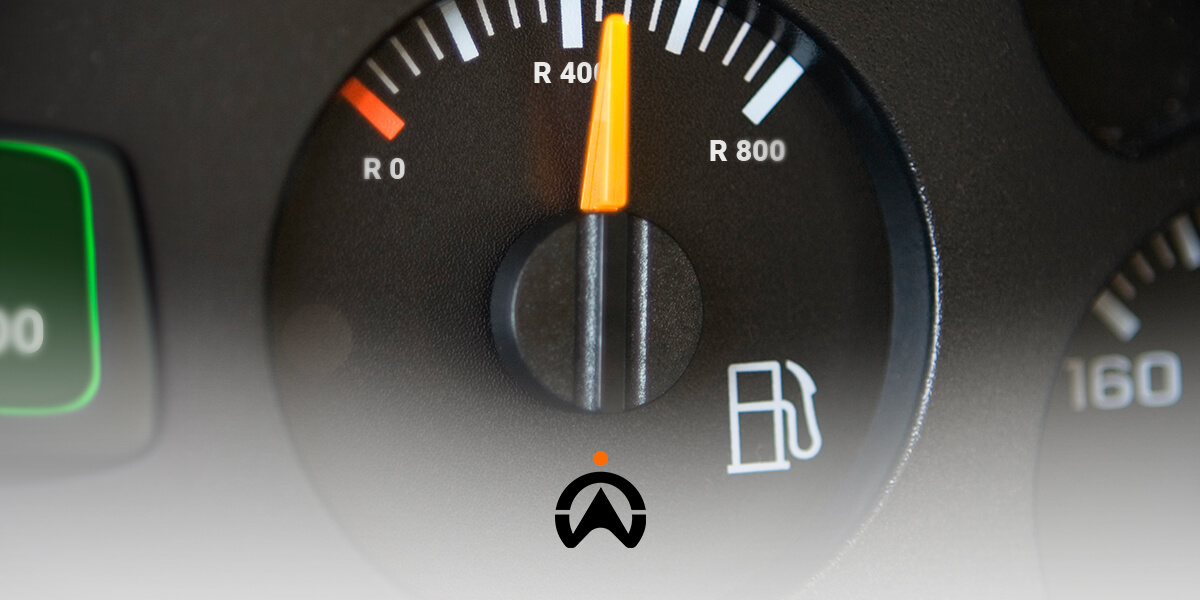
By making use of Cartrack’s fleet cost management system, you gain access to our fuel monitoring system. This system provides you with automated, real-time tracking and collection of data on fuel consumption, mileage, and engine operating hours. A sudden surge in your fleet’s fuel consumption could be indicative of a mechanical issue with your vehicles, such as malfunctioning fuel injectors, engine misfires, and clogged air filters. This helps you know if your vehicle needs to go in for a maintenance check, taking early preventative measures helps lower the chances of vehicle downtime occurring.
Make_unplanned_vehicle_downtime_a_thing_of_the_past_with_Cartrack

Leave unplanned vehicle downtime in your rear view with Cartrack Zimbabwe

If you’re looking to improve your fleet maintenance and significantly lower your risk of unplanned vehicle downtime, Cartrack Zimbabwe has all the solutions you need, available at the tap of a button.

Contact Cartrack Zimbabwe today and overcome unplanned vehicle downtime.
Get The Best Fleet Maintenance Software For Modern Fleet Management

Brushing off that occasional noise coming out of your vehicle’s engine might be doing more damage than you realise. When it comes to your fleet, ignorance isn’t bliss, it means increased operational costs on your fleet.

Keeping one vehicle in tip-top shape isn’t easy, now imagine an entire fleet.

Effective fleet maintenance is the only key you need to long-lasting vehicles, slashed fleet costs and decreased fleet stress. Time to turn to modern fleet management and maintenance tools that actually work.

In this article, you will:

  • Understand modern fleet management
  • Grasp fleet management responsibilities
  • Learn why fleet maintenance is crucial for improving your fleet
  • Equip yourself with a guide to the best fleet maintenance software for your business
  • Understand how Cartrack Zimbabwe provides a one-stop solution for fleet maintenance

What is modern fleet management?

Before the use of technology, fleet management typically involved manual, paper-based processes that fleet managers themselves had to conduct tasks such as vehicle maintenance scheduling, route planning, and monitoring fuel consumption. So all fleet decisions were made based on experience and periodic reports.

While this method is still effective in many businesses, it may be more time-consuming and less adaptive to some organisations with larger fleets. With more information to process and real-time changes constantly occurring that managers need to stay aware of, this is when most businesses switch to modern fleet management to lighten their load of responsibilities.

Modern fleet management is characterised by the integration of advanced technologies to streamline and enhance the efficiency of fleet operations. It leverages telematics, GPS, and real-time data analytics to provide accurate and up-to-the-minute insights into various aspects of fleet performance. Fleet managers can monitor vehicle locations, fuel consumption, driver behaviour, and maintenance needs in real-time.

The use of technology-driven solutions enhances decision-making processes, increases data accuracy, and contributes to overall cost savings for fleet operations.

Fleet management responsibilities

Your business relies on its vehicles as a fundamental component, making their reliability very important. To improve, manage and bring your fleet to operate at the best of their ability, managers need to go beyond mere supervision; they have to practise the art of coordinating and overseeing all their fleet responsibilities with precision.

Let’s explore some key responsibilities and aspects of fleet management:

  1. Regular maintenanceManagers implement regular maintenance as it helps to prevent breakdowns and extends the lifespan of your vehicles. Schedule regular inspections, repairs, and servicing to keep your fleet running smoothly and minimise downtime.
  2. Route optimisationOptimise your routes to reduce travel time, fuel consumption, and overall fleet operating costs. Leverage advanced technologies like GPS and traffic data to plan efficient routes that minimise travel time and fuel consumption.
  3. Fuel managementPromote fuel-efficient driving practices among your drivers, including eco-driving incentives and real-time fuel consumption data. Optimise routes and address fuel-wasting habits to significantly reduce fuel expenditures and enhance your bottom line.
  4. Safety measuresImplement comprehensive safety measures to protect drivers, passengers, and third parties. This includes driver training programs that emphasise safe driving practices, continuous monitoring of driver behaviour, and strict adherence to safety regulations.
  5. Technology integrationIf you need extra help, harness advanced technologies like GPS, telematics, and real-time data analysis to gain valuable insights into vehicle usage, performance, diagnostics, and driver behaviour. These insights empower fleet managers to make informed and better decisions to optimise and identify areas of improvement for their fleet.
  6. Cost controlCarefully monitor expenditures, negotiate favourable rates with vendors, and implement cost-saving measures to ensure that your fleet operates within budgetary constraints. This proactive approach safeguards the company’s financial health and ensures sustainable fleet operations over the long term.
  7. Compliance and regulationsStay informed about applicable laws and regulations related to vehicle operation to ensure compliance and avoid potential penalties. This includes adhering to fuel efficiency standards, maintaining vehicle logs, and following traffic regulations.
  8. Environmental considerationsEncourage eco-friendly driving practices, introduce fuel-efficient or alternative fuel vehicles, and, If possible, explore sustainable initiatives to reduce your environmental impact. These efforts contribute to a greener environment, reduce your company’s carbon footprint, and demonstrate a commitment to responsible business practices.
  9. Data analysis and reportingAnalyse data trends to proactively address emerging issues, implement cost-saving measures, and continuously improve fleet performance. By analysing data insights, businesses can make informed decisions that drive business growth.
  10. Insurance managementConduct regular risk assessments, implement driver safety programs, and work closely with insurance providers to secure the most favourable terms and coverage. This ensures that your fleet is adequately protected against potential risks and liabilities.

To stay on top of all these responsibilities, most fleet managers seek the helpful hand of modern fleet management.

Fleet_management_responsibilities

What modern components are in a good fleet system?

To make the switch from traditional to modern fleet management, a fleet manager needs to equip their arsenal with a comprehensive set of smart tools.

An effective fleet management system integrates multiple functionalities, each playing an important role in ensuring that the fleet operates effectively.

Let’s explore the top ten essential components that will facilitate a smooth transition to the modern way of fleet management.

  1. Telematics advancement:Integrate a robust telematics system into your fleet, and be able to actively observe your fleet with GPS tracking, vehicle diagnostics, and insights into driver behaviour.

    Telematics systems track vehicle locations and provide data on engine health and more, allowing fleet managers to make data-driven decisions to optimise routes and maintenance schedules.

  2. Fleet management software:Invest in an advanced fleet management software suite that goes beyond basic fleet management. These platforms offer centralised dashboards, analytics, and reporting tools, empowering fleet managers with data-driven decision-making capabilities.
  3. State-of-the-art vehicle tracking devices:Upgrade your fleet by installing vehicle tracking devices that not only inform you of your fleet’s whereabouts at all times but also provide detailed data on fuel consumption, engine health, and other critical parameters, ensuring 24/7 fleet visibility.
  4. Fuel management system excellence:Implement an advanced fuel management system that monitors consumption patterns, optimises routes, and deploys strategies to reduce fuel costs in real-time.
  5. Predictive maintenance solutions:Embrace predictive maintenance tools to proactively manage vehicle health, using real-time data and analytics to predict potential issues and minimise unexpected downtime.
  6. Driver behaviour monitoring instruments:Improve safety and efficiency with tools that monitor driver behaviour, offering insights to enhance fuel-efficiency, mitigate risks, and foster a culture of safe driving.
  7. Efficient route optimisation software:Integrate route optimisation software that considers dynamic factors like high-traffic areas, and road and weather conditions, to suggest the most efficient routes, minimising travel time and fuel consumption.
  8. Use the Internet of Things (IoT)Use IoT sensors for diverse industry needs. For transporting perishables like meat, employ temperature sensors to maintain optimal storage conditions. Monitor cargo status for valuable goods, ensuring real-time insights into their safety. Tailoring IoT sensors to specific industries enhances monitoring capabilities, allowing proactive maintenance strategies.
  9. Mobile apps for streamlined communication:Provide drivers with mobile applications that streamline communication and task management, facilitating electronic logging and offering a direct channel for reporting issues or emergencies.
  10. Data security measures:Prioritise data security by implementing robust cybersecurity measures to protect sensitive information, ensuring secure data transmission, access controls, and regular security audits.
  11. Training and change management approaches:Recognise the significance of training your team to effectively use these new tools and implement change management strategies to ensure a smooth transition.
  12. Integration with business systems:Foster integration with other business systems, such as supply chain management or customer relationship management, ensuring seamless operations and efficient data flow.

At the core of successful fleet management lies the essential component of fleet maintenance. Seamlessly navigating the landscape of modern fleet management naturally extends into the realm of maintenance, creating a holistic approach dedicated to optimising operational efficiency.

What is fleet maintenance?

Fleet maintenance refers to the systematic approach of ensuring company vehicles are kept in good working condition for ultimate safety, reliability, and longevity. This process involves the inspecting, servicing, and repairing of vehicles within a fleet and so much more that fleet managers have to oversee.

The fundamental goal of fleet maintenance is to address existing issues and prevent potential ones from showing up like breakdowns and operational risks.

Why is fleet maintenance important for fleet success?

To keep operations running, you have to keep your fleet running, simple right?

Everything needs to be in healthy condition to ensure your fleet never encounters hiccups on the road. Fleet maintenance is the key to smoother operations, saving money and decreasing stress for managers.

Here’s a list of the tech solutions and benefits fleet managers can gain with a maintained fleet.

  1. Get instant updates on your vehicle’s healthFleet management software today offers real-time insights into your vehicle’s well-being, allowing for proactive maintenance. This data-driven approach helps identify and solve potential issues promptly, ensuring your vehicles perform at their best to maximise fleet efficiency.
  2. Enjoy worry-free fleets with predictive maintenanceBid farewell to unexpected breakdowns and expensive repairs. Modern software utilises predictive maintenance tools to catch potential problems early. This means you can address minor issues before they become major headaches, saving you time, money, and the stress of unforeseen issues.
  3. Optimise resource allocation smartlyModern software gives precise data on maintenance needs, helping you prioritise tasks based on urgency. This ensures that your maintenance efforts are focused where they’re needed most, maximising operational efficiency.
  4. Extend your fleet’s life with regular maintenanceMaintenance isn’t just about preventing breakdowns; it’s about preserving your fleet’s lifespan. Modern fleet management software helps schedule routine check-ups, inspections, and servicing, extending your vehicle’s useful life and reducing the need for expensive replacements. This proactive approach ensures long-term value and minimises depreciation costs.
  5. Drive more fuel-efficientlyFleet management provides insights into fuel consumption patterns and offers strategies for efficient driving. By keeping vehicles in optimal condition, fleet managers can enhance fuel efficiency, leading to significant cost savings over time.
  6. Stay compliant and avoid penaltiesForget about navigating complex regulations. Fleet management software ensures your vehicles meet legal and regulatory standards. By keeping track of maintenance records and promptly addressing issues, businesses can operate within compliance parameters, sidestepping potential penalties and disruptions.

What_is_fleet_maintenance

How often should your fleet be serviced?

Generally, it’s a good idea to schedule basic maintenance or minor servicing every 10,000 km to 15,000 thousand km. Outside this general rule, a lot of aspects contribute to how frequently your vehicles need to be serviced.

The type of vehicle is a big consideration, is it a small delivery truck or long haul freight truck? The vehicle’s age, daily vehicle usage, and the surface of the roads they drive on also play a big part. From this point on fleet managers have to decide whether the vehicle requires more than just the routine maintenance fixes that focus on oil changes, tyre rotations, and basic inspections or major servicing.

For more in-depth major servicing, such as comprehensive inspections, spark plugs and filter checks, brake system evaluations, etc., businesses should service every 30,000 km to 45,000 km.

Every seasoned fleet manager knows that it’s better to practise a preventative approach to any maintenance mishaps than only fixing vehicles after maintenance issues occur to save on fleet costs, reduce downtime, enhance safety and extend vehicle lifespan. Closely monitoring each vehicle’s performance and addressing any issues promptly can contribute greatly to extending the lifespan of your fleet and minimising unexpected breakdowns.

How to get the best fleet maintenance software for your business?

Now that you’ve delved into the essentials of running a modern fleet and mastered the art of keeping it in top-notch condition with effective maintenance, the next crucial step is selecting the best fleet maintenance software for your business.

This software isn’t just a tool. It’s your strategic partner in ensuring seamless operations, reducing downtime, and maximising the longevity of your valuable fleet assets.

Here’s a step-by-step guide to making a well-informed decision for the optimal fleet maintenance software tailored to your business needs.

Step 1 – Understand your business’s needs

Start by getting a solid grasp of your business’s unique requirements and challenges. Dive into factors like fleet size, the variety of vehicles you operate, and the daily intricacies of your operations. This initial assessment lays the foundation for finding software that aligns seamlessly with your business objectives.

Step 2 – Create an outline of key features your business needs

Once you’ve nailed down your needs, it’s time to create a wishlist of must-have features for your fleet maintenance software. Consider elements such as preventive maintenance scheduling, efficient work order management, accurate fuel tracking, and a robust reporting system. Prioritise these features based on their significance to your business, ensuring the chosen software meets your primary operational requirements.

Step 3 – Does your business require mobile accessibility?

In today’s fast-paced business environment, being able to manage tasks on the go is a game-changer. Check if the fleet maintenance system you’re searching for offers mobile accessibility, allowing your team to stay on top of responsibilities while in the field. This feature improves real-time tracking and communication and adds a layer of agility to your fleet management.

Step 4: Assess the level of security measures

The safety of your fleet data is non-negotiable. When exploring software options, pay close attention to the security measures in place. Look for features that ensure the protection of sensitive information, meeting the standards of data protection regulations. A secure system not only shields your data but also builds trust in the reliability of the chosen fleet maintenance software.

With this, you can set the stage for selecting a fleet maintenance software that seamlessly integrates into your business processes and contributes to improving operational efficiency.

How can you prepare your fleet for the future of fleet management?

Now that you’ve upgraded your fleet management to modern practices, are you ready to prepare your fleet for the future?

Modern fleet management opens doors to endless possibilities. With continuous innovations, your fleet can seize new opportunities every day that can potentially propel it to the next level.

Interested? Here is a list of fleet management trends taking the industry by storm.

Predictive analytics: Anticipating and addressing challenges

Predictive analytics, powered by artificial intelligence (AI), plays a key role in transforming fleet management. This technology allows managers to predict and address potential issues before they escalate. By analysing vast amounts of data, including vehicle performance, driver behaviour, and traffic patterns, AI algorithms can forecast challenges like breakdowns, fuel inefficiencies, or unexpected delays. This proactive approach empowers fleet managers to take timely action, such as scheduling maintenance, optimising fuel usage, and preventing disruptions that could impact business operations.

Autonomous vehicles: Enhancing operational efficiency and safety

The emergence of autonomous vehicles and Advanced Driver Assistance Systems (ADAS) is reshaping how fleets operate. These vehicles can handle routine tasks, freeing up drivers to focus on more complex aspects of their roles, such as customer interactions or route optimisation. ADAS features, including lane departure warnings and automatic emergency braking, contribute to enhanced safety and a reduction in the risk of human error. Integrating autonomous vehicles and ADAS into fleets allows businesses to improve operational efficiency, reduce accidents, and elevate driver productivity.

Electric vehicle integration: Embracing sustainability in mobility

As electric vehicles (EVs) gain popularity, fleet management is adapting to meet their unique needs. Customised solutions optimise battery use, identify optimal charging stations, and seamlessly integrate EVs into existing fleet operations. Utilising fleet software to locate the nearest charging stations ensures that EVs remain charged and ready for operation, contributing to a smoother transition to electric mobility and minimising the environmental impact of a fleet.

Mobility-as-a-Service: Flexible and cost-effective transportation

Mobility-as-a-Service (MaaS) provides businesses with the flexibility to plan, book, and pay for a fleet they do not own. This innovative model eliminates the need for individual ownership and maintenance of a fleet, offering a cost-effective and adaptable transportation solution. Through partnerships with MaaS providers, businesses can share fleets for occasional deliveries or other transportation needs instead of being responsible for a full-time fleet, resulting in cost savings and efficient resource utilisation.

In a nutshell, these advancements in fleet management technology offer various benefits:

  • Predictive analytics enables fleet managers to anticipate potential issues and take proactive measures to avoid them, reducing downtime, minimising costs, and improving overall fleet efficiency.
  • Autonomous vehicles increase operational efficiency by handling routine tasks and freeing up drivers to focus on more complex aspects of their roles, while ADAS features promote safety by reducing the risk of human error.
  • Electric vehicle integration contributes to environmental sustainability by optimising battery use and minimising emissions, aligning with the growing demand for eco-friendly transportation solutions.
  • Mobility-as-a-Service provides businesses with a flexible and cost-effective transportation solution, eliminating the need for individual fleet ownership and maintenance, leading to cost savings and efficient resource utilisation.

Now, imagine a fleet management system that effortlessly integrates these innovations, irrespective of industry and provides smart fleet maintenance solutions to improve your fleet. A system that not only embraces the latest trends but anticipates them, providing a harmonious blend of innovation and intelligent solutions for your fleet maintenance needs.

A fleet management system that doesn’t provide a one-size-fits-all approach; but rather a tailored solution designed to elevate your fleet maintenance strategy.

No need to imagine, just choose Cartrack Zimbabwe.

Easily improve fleet maintenance with Cartrack Zimbabwe

Cartrack Zimbabwe is not just a fleet management system, it’s your ultimate solution for modernising and elevating your fleet maintenance. With a multifaceted approach, Cartrack Zimbabwe is designed to empower businesses to not only manage their fleets efficiently but also to elevate the overall performance, longevity, and cost-effectiveness of their valuable assets.

We do this through our smart features created to elevate your fleet maintenance and beyond:

Predictive maintenance with AI-driven insights:

Cartrack’s predictive maintenance goes beyond traditional approaches. Powered by artificial intelligence, it analyses vast datasets, including vehicle performance and driver behaviour and sends you maintenance alerts. This advanced analytics helps identify potential maintenance issues before they escalate, enabling proactive measures. With Cartrack Zimbabwe, you can schedule maintenance strategically, optimise fuel efficiency, and prevent disruptions that could impact your business.

Real-time fleet monitoring and tracking:

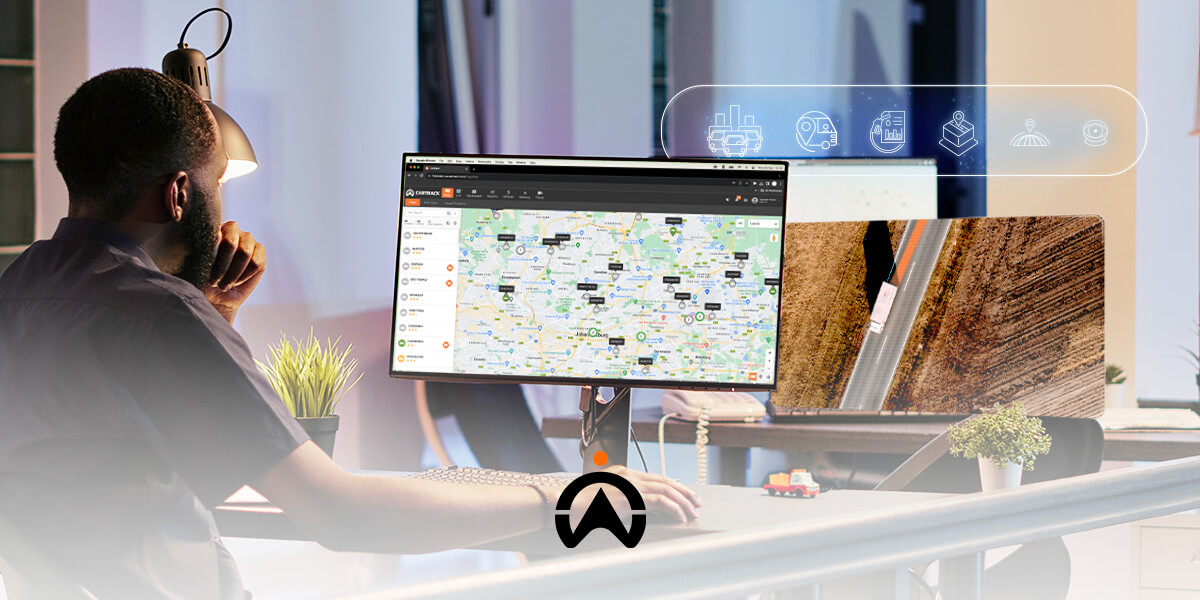
With our installed GPS units, Cartrack provides a comprehensive real-time view of your entire fleet through our fleet management platform accessed through our web or mobile app. Monitor individual vehicle performance, track routes, and receive instant updates. This level of visibility allows you to stay informed about the condition of each vehicle, enabling timely maintenance interventions and ensuring optimal performance across your fleet.

Driver behaviour monitoring:

Cartrack Zimbabwe goes the extra mile by monitoring driver behaviour. Receive insights into driving patterns, identify areas for improvement, and implement strategies to enhance safety and reduce wear and tear on vehicles through our Driver Scorecards and reports provided like risk reports, vehicle usage reports and speeding reports. This proactive approach contributes to long-term fleet health.

Case study: The benefit of Cartrack’s fleet management solutions for Concord Crane

Concord Cranes specialises in crane rental solutions with a fleet of 180+ cranes. They offer mobile crane rentals, expert rigging, transportation, and specialised lifting services through their network of 15 branches.

When it came to maintaining their many cranes, Concord Cranes use Cartrack’s IoT devices and specialised power take-off sensors for precise monitoring of their numerous cranes. This technology tracks on-site working hours, mileage, and equipment usage, providing valuable data to assess crane condition. Using this information, they can implement preventative maintenance strategies to enhance the longevity of their fleet.

Cartrack’s insights on preventative maintenance allow Concord Cranes to optimise their maintenance costs by minimising avoidable, costly repairs due to faults. Cartrack Zimbabwe assists in adequately hiring out their equipment and making sure their equipment is readily available and in good working condition for clients. This also helps in mitigating premature downtime for services and ensuring a more efficient operation of their crane fleet.

“Using Cartrack’s advanced fleet management, we have been able to increase our operational efficiency to deliver a better service to our customers, as well as effortlessly establish a maintenance cycle that reduces our costs and increases our fleet longevity”Gareth Langley, Concord Cranes – Operations Manager.

The_benefit_of_Cartrack’s_fleet_management_solutions

Choose our modern fleet management for your fleet maintenance needs

Get your one-stop solution to modernising and improving your fleet maintenance with Cartrack Zimbabwe. No matter the size of your fleet or the industry in which it operates, Cartrack Zimbabwe provides all the features you need to stay on top of your fleet’s maintenance and improve your fleet for the better.

Contact Cartrack Zimbabwe and start today.

The Best Way To Immediately Prevent Fuel Card Fraud in Your Fleet

Fuel card fraud is a big headache for fleet managers. It leads to massive financial losses and costly operational disruptions.

If you’re starting to notice fuel transactions that don’t align with your employees’ fuel card usage, now might be a good time to look into it before things get out of control.

Ready to tackle fuel card fraud and discover your ultimate fuel card management solution?

In this article, you will:

  • Understand the impact of automated fuel monitoring security
  • Explore the risks associated with fuel theft
  • Identify common types of fuel theft methods
  • Discover how a fleet management system like Cartrack can enhance security

Keeping tabs on your fleet’s fuel

Many businesses either don’t know that they are experiencing fuel theft or aren’t using fuel monitoring software to properly track and identify instances of fuel card theft in their fleet. If fuel theft is not stopped in time, businesses are at risk of losing thousands in fuel costs monthly. Fuel monitoring and fleet management software are the answers to fuel theft and fuel card theft.

But before we discuss the solutions, let’s explore the basics of fuel theft.

What is fuel theft?

Fuel theft is when someone takes fuel from vehicles without permission. In businesses, this can happen in different ways like syphoning or using unauthorised fuel cards. Businesses with a large fleet of vehicles can experience bigger more frequent fuel theft issues, causing them to lose a lot of money.

Common types of fuel theft

Fuel theft poses a challenge for businesses, and understanding common methods used is crucial for fuel theft prevention. There are several ways criminals steal fuel, here are a few popular trends:

  1. SyphoningThis method is one of the most traditional. Thieves use a hose, syphon pump or in some cases, even their mouth to suck fuel directly from the vehicle’s tank into a container. This type of fuel theft is more likely to occur at night or in secluded areas to avoid being noticed.
  2. False transactionsThis type of fuel theft occurs when gas station employees collude with thieves. The employee swipes the fuel card multiple times for a single transaction, resulting in multiple charges on the cardholder’s account. This method is difficult to detect as transactions are coming from a valid fuel card and fuel sensors won’t detect any unusual activity because the tank was empty and needed a refill, justifying the purchase.
  3. Fuel card fraudFuel card fraud occurs when unauthorised individuals obtain and use a company’s fuel card to purchase fuel for their vehicles. This can be done by stealing a physical card, skimming card data at fuel stations, or using stolen card information to create fraudulent transactions online. These cloned cards can then be used to purchase fuel at any filling station.

Common_types_of_fuel_theft

Risks of fuel theft for businesses

Fuel theft can have a significant impact on businesses, affecting various aspects of operations. To put it more into perspective, here are 3 ways fuel theft can hurt a business:

  • Financial losses: Fuel theft can result in significant financial losses for businesses and organisations. The cost of replacing stolen fuel can be substantial, and the administrative time spent investigating and processing fraudulent transactions can be massively time-consuming and costly.
  • Damage to vehicles: Syphoning fuel can damage vehicle fuel tanks and lines, leading to costly repairs and downtime. Improper handling of fuel can also contaminate fuel systems, resulting in engine malfunctions and performance issues.
  • Safety concerns: Fuel theft often involves tampering with vehicle fuel systems, which can pose significant safety hazards. Leaks or spills can occur, and in extreme cases, the tampering can compromise the integrity of the fuel system, increasing the risk of fire or explosion.

How to prevent fuel card fraud with a fleet management system

Every fleet manager’s priority is to enhance the efficiency of their fleet and keep it running smoothly, but one of their greatest concerns is keeping fuel theft at bay. Every unauthorised swipe of a fuel card can significantly impact your business’s bottom line, making fuel card fraud prevention an essential aspect of fleet management.

A fleet management system can help fight against fuel card theft by implementing various security features and monitoring mechanisms, here’s how:

  1. Real-time alerts and monitoring: Fleet management systems can provide real-time alerts and monitoring of fuel transactions, allowing fleet managers to detect suspicious activities early on and respond quickly.
  2. Transaction limits and controls: These systems enable fleet managers to set spending limits, swipe limits, and regional restrictions for fuel cards at affiliated filling stations, preventing unauthorised transactions and limiting fraud exposure.
  3. GPS technology and proximity validation: Fleet management systems may use GPS technology and proximity validation to ensure that the location of the fuel purchase matches the location of the vehicle, helping to prevent unauthorised fuel transactions.
  4. Tank capacity alignment: This involves synchronising the approved fuel purchase limit with the actual tank capacity of each fleet vehicle. Fleet managers set predefined limits based on the vehicle’s tank capacity. If a transaction exceeds the limit or the tank capacity, it’s flagged for investigation.

As drivers attempt to refuel, the system instantly checks the transaction against these safety features and flags the transaction if it goes against set limits. Implementing these security measures enables fleet management systems to significantly reduce the risk of fuel card fraud and help protect your business from financial losses.

prevent_fuel_card_fraud_with_a_fleet_management_system

Trust in Cartrack Zimbabwe for all your business’s fuel theft challenges

Here are a few ways Cartrack’s fleet management software can help you in your challenge against fuel theft:

Use LiveVision cameras to investigate fuel card theft events

Our smart cameras can be a valuable tool for fleet managers in investigating fuel card theft events. By providing real-time video footage and advanced analytics, these cameras can help identify potential suspects in fuel card theft or fuel syphoning events, gather evidence, and deter future thefts if criminals see visible cameras on fleet vehicles.

Automatically detect fuel theft with MiFleet

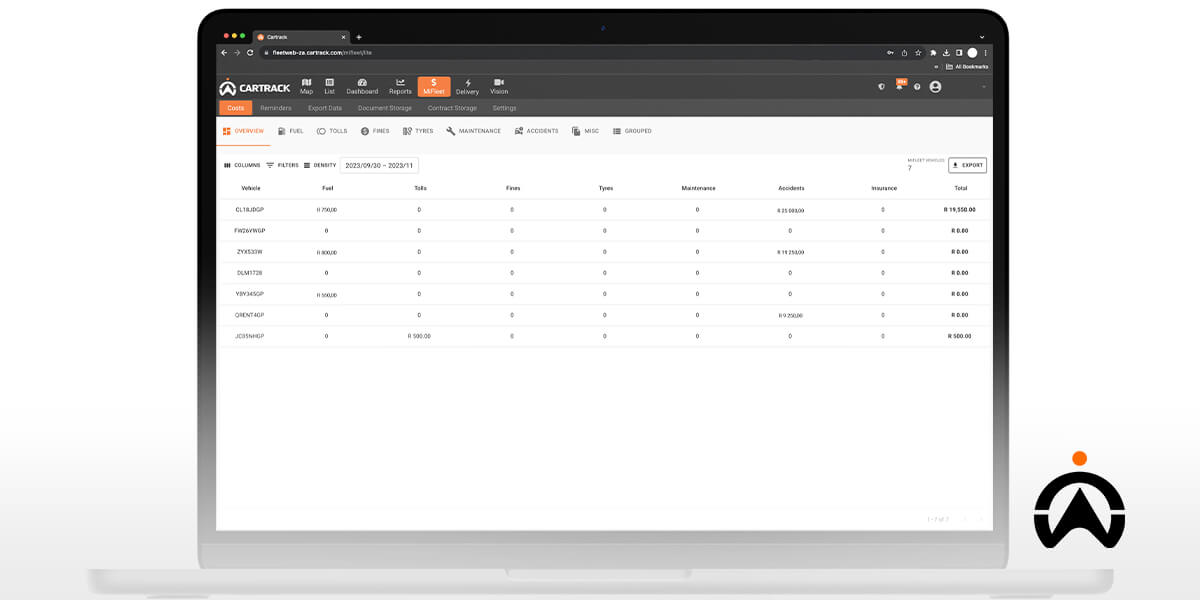
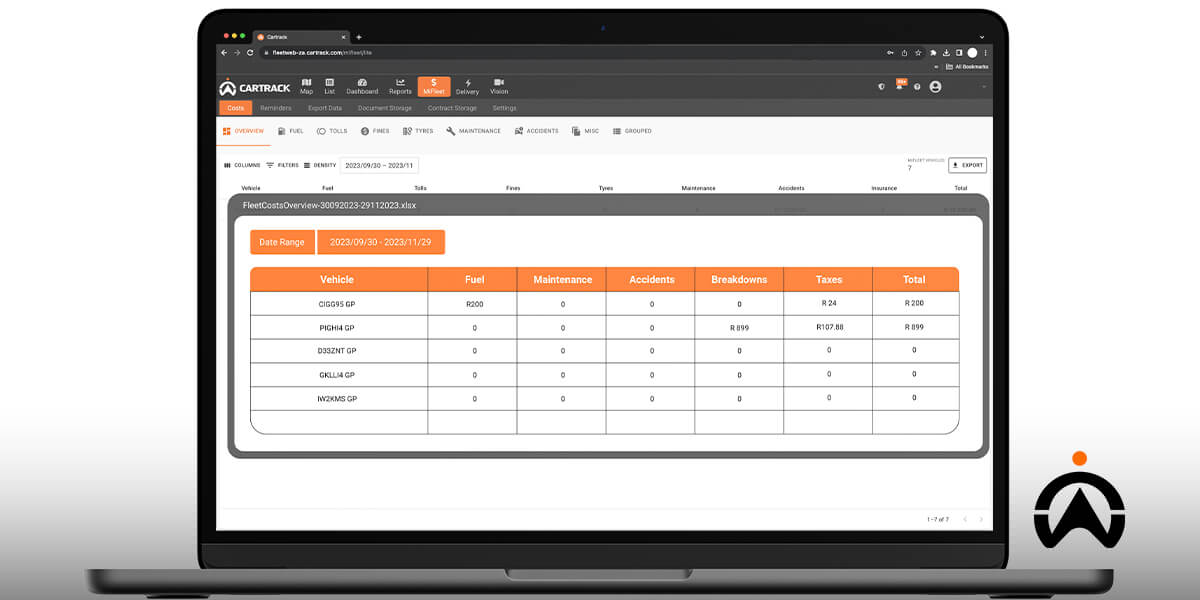
MiFleet is a cost management system that monitors all your fleet’s administration and running costs, including speeding tickets, toll fees, licence renewal dates, maintenance, and of course fuel expenditure. In terms of fuel card theft, MiFleet analyses fuel card transactions and automatically cross-references them with your vehicle’s telemetry data to quickly identify possible fuel theft risks.

What makes businesses love Cartrack’s fuel monitoring system:

  • Its straightforward setup and swift transaction importation eradicate the need for manual administrative tasks. What used to take weeks to process can now be accomplished in approximately five minutes.
  • Its automated approach to risk reviews for fuel transactions helps swiftly detect potential cost leakages, effectively eliminating the possibility of human error.
  • Its actionable insights directly contribute to reducing the risks associated with fuel theft, resulting in significant operational cost savings.
  • Its ability to pinpoint fuel theft, creates awareness among drivers about being monitored, leading to a decrease in future fraudulent behaviour and its associated consequences.

Case study: How Cartrack assisted RichLand Logistics

RichLand Logistics delivers technology, petrochemical, consumer goods, manufacturing, oil and gas, and freight-forwarding services to South East Asia, with over 40,000 monthly deliveries.

Facing the challenge of efficiently tracking their fleet’s fuel usage to reduce operational costs and improve productivity, they turned to Cartrack .

Our fuel sensors provided valuable insights, allowing managers to identify efficient drivers and vehicles during deliveries. By evaluating l/km per vehicle and addressing unproductive idling and speeding, RichLand Logistics made strategic decisions to significantly cut down operational travel and overall fuel costs.

RichLand Logistics benefited from Cartrack’s expertise and industry-leading solutions, let us do the same for your business. Choose Cartrack for unparalleled fleet management that ensures success.

Solve your business’s fuel card theft problem with Cartrack Zimbabwe

Increase visibility on your fuel transaction and fuel consumption all with one comprehensive fleet management solution — Cartrack Zimbabwe.

Implementing our security measures will not only significantly reduce fuel fleet costs but will also reduce the risk of fuel card theft.

Take the first step in saving your fuel, contact Cartrack Zimbabwe today.

Fuel Saver Device Myths Busted – Why They Don’t Really Work

When it comes to saving fuel, there are various tips, tricks and gadgets claiming to make your fuel last longer. Among the many myths, there’s one that seems to be grabbing fleet managers’ attention — fuel-saving devices.

But, do they really live up to their promise or are they just a myth and waste of your money?

We unpack all the truths right here and reveal an actual solution you can trust.

In this article, you will:

  • Gain insight into fuel-saving devices
  • Debunk common myths associated with fuel-saving devices
  • Discover proven methods to saving fuel for your fleet
  • Understand the importance of effective fuel and fleet management
  • Learn how Cartrack Zimbabwe provides a reliable fuel-saving solution

The obsession over fuel-saver devices

The attraction of fuel-saving devices lies in their promise of effortless fuel savings, and their quick-fix approach to all your fuel challenges. Many consumers who are either sceptical or don’t have the time for traditional fuel efficiency tips, find these ‘miracle’ fuel devices extremely appealing. However, some things aren’t always what they seem.

Most of these devices are based on unfounded scientific claims or use ineffective methods to supposedly improve fuel efficiency. Many are ineffective or even harmful to vehicles. Before purchasing a fuel-saver device, it is important to conduct thorough research and consult with experts to verify its safety and efficacy.

Truth is, there’s no magic pill for improving fuel economy, just hard work partnered with effective fuel and fleet management solutions, so be wary of claims that sound too good to be true.

The_obsession_over_fuel_saver_devices

Do fuel-saving devices actually work?

The simple answer to this is no. Fuel-saver devices generally do not work as advertised and do not provide any significant or measurable improvement in fuel economy. Here are some common myths about fuel-saving devices that have been ineffective:

Myth 1 – Magnetic fuel savers

Starting with the most popular myth, these devices claim to improve fuel economy by aligning fuel molecules using powerful magnets. This claim is based on the idea that aligning the molecules will make them burn more efficiently. However, there is no scientific evidence to support this claim. Studies have shown that magnetic fuel savers have no impact on fuel economy.

Myth 2 – Fuel injector cleaners

This claims to remove deposits, prevent new deposits from forming, and enhance vehicle performance from fuel injectors, which they say will improve fuel atomisation and combustion efficiency. However, modern fuel injector systems are designed to keep themselves clean, and fuel injector cleaners only make a difference if used regularly and it all depends on the quality of the cleaner.

Myth 3 – Air intake vortex generators

These devices are designed to create a swirling vortex of air in the engine intake, which they claim will improve combustion efficiency. However, studies have shown that these devices have no measurable impact on fuel economy.

Myth 4 – Engine performance chips

Also known as performance tuners, they are electronic devices that are installed in vehicles onboarding computer systems to alter the engine’s computer programming and improve fuel economy and power. However, the effectiveness of these chips has been debated as there is no evidence that these chips work.

Myth 5 – Hydrogen fuel additives

These additives claim to improve fuel efficiency by increasing the amount of hydrogen in the fuel. However, there is no evidence that these additives are effective, and they can even be dangerous if not handled properly.

So, what’s the takeaway? While the idea of fast-acting fuel-saving gadgets is tempting, it’s often best to stick to the basics — regular maintenance, good driving habits, occasional vehicle servicing and the use of a proven fuel and fleet management system.

What is a fuel-saving device?

Let’s first understand exactly what these devices even are. It is said to help improve fuel efficiency, reduce emissions, and optimise engine performance in vehicles. They are often marketed as a way to save money on fuel costs without requiring any additional maintenance or modifications to a vehicle.

The effectiveness of these devices is often debated and despite no proof, some devices may still claim to provide minor improvements in fuel efficiency. It is essential to approach the use of fuel-saver devices with caution and always consider the potential risks and limitations before investing in one for your vehicle.

Fuel-saving solutions that genuinely work

Now that we know what doesn’t work, let’s talk about what does. There are several proven methods that you can use that will make a difference in your tank and your fuel costs, such as:

  1. Encourage a fuel-conscious driving styleAdopting smooth and consistent driving practices is key to fuel efficiency. Discourage habits like rapid acceleration and abrupt braking. Instead, promote gradual acceleration, maintaining a steady speed, and minimising unnecessary idling. This not only conserves fuel but also creates a more relaxed driving experience, fostering a safety-conscious culture among your drivers.
  2. Implement proper vehicle maintenanceMake sure you maintain your vehicle by keeping your engine properly tuned, ensuring your tyres are inflated to the recommended tyre pressure, and changing air filters whenever needed. For your cars, depending on the level of care they need, they can undergo interim servicing, full servicing or major servicing. Keeping them in tip-top shape will help you drastically save on fuel consumption.
  3. Route planningEfficient route planning is another effective strategy. Plan routes in advance to avoid congested areas and heavy traffic, saving both time and fuel. Leverage navigation apps or devices offering real-time traffic updates for optimal route suggestions. Grouping errands logically minimises travel distance, optimising fuel usage.
  4. Embrace fuel-saving technologiesAdvanced fleet management software that uses GPS and telematics systems can automatically capture real-time data on vehicle usage, refuelling patterns, and overall diagnostics, providing insights into water, oil, and engine health. Investing in such technologies is a forward-looking strategy to enhance fuel efficiency. For instance, telematics can reveal patterns in driver behaviour, aiding in targeted training programs to further boost fuel savings.

Benefits of saving every litre of petrol and diesel in your fleet

Every drop of wasted fuel is a loss for your business that adds up over time. Fuel saving is crucial as it offers a range of benefits that can directly impact the bottom line, environmental impact, and overall sustainability of your fleet.

By recognising the various benefits of preventing fuel wastage, fleet managers can optimise fuel consumption, lessen fuel costs, and elevate fleet performance.

Here’s the full list of what your business can gain from saving its fuel resources:

  • Cost savings: Businesses, particularly those with extensive vehicle fleets, can make substantial savings by adopting fuel-efficient strategies. This directly impacts operational costs, freeing up resources that can be redirected to enhance overall profitability.
  • Improved fleet productivity: Fuel-saving practices not only cut costs but also enhance overall fleet efficiency. Optimising fuel usage extends vehicle range, reduces downtime, and facilitates better route planning. This results in increased productivity, lower maintenance expenses, and more efficient usage of fleet resources.
  • Employee safety: Embracing fuel-efficient driving practices promotes safer habits, lowering the risk of accidents and associated costs like insurance premiums and vehicle repairs. This not only ensures a safer work environment but also contributes to a healthier and more productive workforce.
  • Environmental impact: Fuel-efficient practices directly reduce greenhouse gas emissions, aligning with the growing demand for eco-friendly initiatives from consumers and investors. The impact of fuel efficiency extends beyond a company’s operations to influence the entire supply chain. Collaborating with suppliers and prioritising fuel efficiency further reduces environmental impact.
  • Fleet maintenance: Regular vehicle maintenance is crucial to optimal performance and prevents unexpected breakdowns. By prioritising efficient fuel use, businesses can contribute to extended vehicle life and reduced maintenance costs.

To improve your business’s relationship with fuel and gain the benefits listed above, there is only one fuel-saving solution that is proven and trusted — Cartrack’s. Its fleet management solutions can improve your fuel management and save you fuel wastage costs.

Benefits_of_saving_every_litre_of_petrol

Proven fuel-saving habits that Cartrack Zimbabwe can provide

Ever thought about getting a fleet management system that actually saves you money?

With Cartrack Zimbabwe, you get more than just vehicle tracking – it’s like having a personal fuel efficiency coach for your fleet. Cartrack’s fleet management solutions play a crucial role in monitoring and enhancing fuel efficiency through several key features:

Route optimisation

Cartrack’s Delivery tool has a route optimisation feature that incorporates factors such as traffic conditions, route history, road conditions, and fuel consumption data to provide drivers with the most optimal routes. This helps reduce fuel consumption per trip and contributes to a decrease in harmful emissions, resulting in significant fuel cost savings.

Real-time fuel consumption monitoring

Cartrack’s fleet management system offers real-time monitoring of fuel consumption through data analytics. Fleet managers gain insights into individual vehicle performance, driver behaviour, and fuel efficiency trends. The MiFleet fuel validation feature further assists in monitoring and analysing fuel consumption data, enabling precise tracking and identification of inefficiencies.

MiFleet for efficient fuel cost savings

MiFleet is a fleet cost management system that assists in monitoring all fleet costs. It analyses fuel consumption data and overall fuel costs. With access to fuel card transactions, Mifleet can automatically cross-reference your fuel transactions with your vehicle’s telemetry data, and flag possible fuel theft risks.

Vehicle maintenance alerts

Cartrack Zimbabwe provides preventative maintenance alerts, notifying fleet managers of scheduled maintenance and inspections. Timely addressing of these issues helps prevent fuel-consuming problems, such as engine misfires, ensuring vehicles maintain peak efficiency and avoid unnecessary downtime.

Driver training and fleet incentive program

Recognising the pivotal role of drivers in fuel efficiency, fleet managers can implement comprehensive training programs. These programs cover driving techniques contributing to fuel savings, such as smooth acceleration and reduced idle time. Cartrack’s performance monitoring, including driver scorecards, aids in assessing each driver’s performance, enabling targeted training and incentive programs to promote fuel-conscious driving habits.

Case study: How Cartrack helped Calgan Recliners save fuel and money

Calgan Recliners is a South African furniture company that specialises in the manufacturing of recliner chairs and lounge suites. They deliver their products to their customers through their factory or various retailers around South Africa.

They were facing a challenge many companies face — high fuel consumption rates. For a company that depends on their deliveries, this is a big issue, so they searched for a solution. Cartrack not only offered smart solutions to solve their problem but also experimented to prove fuel savings were possible with their Delivery tool.

Wayne Sholtz, a Cartrack delivery solutions specialist, tackled one of Calgan’s delivery driver’s routes for a day. Shotlz drove from the factory to 15 drop-off points using Cartrack Delivery and its powerful route optimisation tool.

With this, Sholtz completed 167 km, whereas the driver who wasn’t using Delivery and route optimisation drove 195 km, showing a massive 28 km difference, which equated to 7 litres of diesel saved in just one day. If used for the whole month, this could save Calgan Recliners a total of around R3000 in diesel costs per vehicle, monthly.

If that’s what we can do for Calgan Recliners in just one day, imagine what we can do for your business’s fuel cost challenges.

Get a fuel-saving system that definitely works

There’s no need to use unproven fuel-saving tips with Cartrack Zimbabwe by your side. Our smart tools and proven features will help your business successfully optimise its fuel usage habits and save money.

Contact Cartrack Zimbabwe today.

9 Ways To Elevate Your Fleet Management Workflow Without Compromise

Fleet management is crucial to your fleet’s overall success. Is your fleet equipped with a fleet management system to help it succeed?

From increasing fleet efficiency and lifespan to reducing fleet costs — fleet management is what you need to seamlessly and effectively manage your fleet’s workflow.

Read on to find out how you can tap into this complex software with one simple solution.

In this article, you will:

  • Learn what fleet management workflow is
  • Explore the benefits of fleet management for your fleet’s workflow
  • Find out what the elements of an effective fleet management system are
  • Discover nine ways you can tackle fleet management challenges
  • Understand how to conveniently unlock elevated fleet management workflow

Before we get into the nitty gritty of fleet management workflow, let’s quickly unpack the basics of fleet management.

What is fleet management?

In essence, fleet management is the comprehensive oversight and administration of fleet vehicles to improve efficiency and reduce costs. This encompasses all the actions needed to not only run a fleet operation but to run it efficiently at the lowest costs and highest profits possible. Whether you’re operating a large or small fleet, you must keep track of all their moving parts. Fleet management makes this possible with a wide range of solutions.

What is a fleet management workflow?

A fleet management workflow is a repeatable and measurable series of steps or tasks organised in the proper sequence to accomplish set goals. This intricate workflow involves several interconnected stages involving technology, strategic planning, and operation execution to build a seamless and effective fleet management system.

Why is fleet management so important for fleet success?

Fleet management is a crucial part of fleet success due to its multifaceted impact on operational, financial, and safety aspects. Its importance lies in optimising resources and reducing operational costs through meticulous control over vehicle usage, maintenance, and fuel consumption.

What_is_fleet_management

What are the benefits of fleet management?

Fleet management is beneficial for various aspects of your fleet operations, playing a role in:

  • Increasing fleet efficiency: Fleet management improves fuel efficiency and reduces operational costs, leading to increased overall efficiency.
  • Extending vehicle lifespan: Fleet management contributes to extending the lifespan of vehicles by identifying and addressing potential problems early on.
  • Improving service delivery: Fleet management contributes to customer satisfaction through on-time deliveries, enhancing service delivery and customer loyalty.
  • Improving safety and maintenance: Fleet management contributes to improved safety, proactive maintenance, and reduced downtime, leading to cost savings and enhanced operational safety.
  • Enabling remote management: Fleet management systems provide a comprehensive view of operations, enabling remote, real-time management.
  • Enhancing data-driven decision-making: Fleet management provides fleets with valuable data and insights on various aspects of their fleet, enabling data-driven decision-making.
  • Reducing costs: Fleet management software can help fleets save money on fuel and maintenance, significantly reducing overall fleet expenses. by tracking fuel usage, identifying fuel-wasting behaviours, and scheduling maintenance.

What are the key elements of an effective fleet management system that contribute to fleet success?

The success of a fleet management system hinges on several key elements that are meticulously designed to streamline operations, enhance efficiency, and ensure optimal performance of a company’s vehicle fleet. These elements are:

  1. Vehicle tracking and monitoring: Vehicle tracking and monitoring in fleet management involves the use of advanced technology, such as GPS (Global Positioning Systems) and telematics. This makes it possible for fleet managers to monitor, track, and gather critical data about their vehicle’s whereabouts, performance, and operational metrics.
  2. Maintenance and repairs: Maintenance and repairs in fleet management are the systemic approach of managing the upkeep, servicing, and necessary repairs to a group of fleet vehicles. This is a critical aspect of fleet management aimed at ensuring that vehicles remain in optimal operating condition. This helps maximise fleet reliability, safety, and longevity while minimising unexpected breakdowns and the associated costs.
  3. Fuel management: Fuel management in fleet management involves the monitoring and control of fuel-related activities, working to optimise fuel usage, reduce costs, and improve efficiency across a fleet. It encompasses various processes and practices that are aimed at effectively managing fuel consumption, monitoring fuel expenses, and ensuring that vehicles operate at maximum efficiency.
  4. Driver behaviour monitoring: Driver behaviour monitoring involves the systematic observation, analysis, and management of how drivers operate vehicles while performing their duties. It utilises groundbreaking technology such as telematics and onboard sensors, which work to collect and assess various aspects of driver behaviour and performance.
  5. Data analytics: Data analytics measuring involves the systematic collection, analysis, and interpretation of data generated by various telematics and tracking systems installed in vehicles. It aims to extract meaningful insights to optimise fleet operations, enhance efficiency, improve safety, and reduce costs.
  6. Safety and security measures: These measures are important to ensuring the well-being of drivers, protecting assets, minimising risks, and safeguarding against potential threats.

What are the key challenges faced in fleet management that fleet management can solve?

Navigating the landscape of fleet management involves addressing numerous challenges that can significantly impact operational efficiency if left unmanaged. These challenges can include:

  • Rising operational costs: This defines the increase in overall expenses associated with maintaining, operating, and managing a fleet of vehicles. These costs encompass various elements such as fuel prices, vehicle maintenance and repairs, and technological upgrades.
  • Rising maintenance costs: Refers to the increase in expenses incurred in the upkeep, repairing, and ensuring the proper functioning of vehicles within a fleet.
  • Fuel theft: Fuel drainage represents a significant challenge within fleet management. It involves the unauthorised extraction of fuel from fleet vehicles (e.g., by syphoning), or fuel-wasting driver behaviours.
  • Vehicle downtime: Downtime in fleet management refers to the period when fleet vehicles or assets within a fleet aren’t able to be utilised for various reasons such as maintenance, repairs, accidents, breakdowns, or any unexpected issues that render the vehicles inoperable.
  • Data overload: Data overload refers to the excessive volume or complexity of fleet information generated by various monitoring systems, sensors, telematics devices, and software used to collect data. It occurs when fleet managers are inundated with a vast amount of data that exceeds their capacity to effectively process, analyse, and derive actionable insights from their fleet, vehicles, and drivers.
  • Spoiled or damaged goods: Most goods that are delivered are temperature sensitive, such as foods and medication. This makes on-time deliveries very important to ensure they maintain their freshness and quality.

9 solutions for elevating your fleet management workflow

The issues listed above can be a major source of stress for fleet managers and affect the entire fleet’s efficiency. Here are 9 fleet management workflow solutions that can help you tackle them:

  1. Make use of fleet management software: Fleet management software is a computer program that helps businesses and organisations manage their fleet of vehicles. It can be used to conduct a wide range of fleet-related activities, helping businesses save money, improve efficiency, and reduce their environmental impact.
  2. Implement real-time vehicle and asset tracking: This technology makes use of GPS and other sensors that work to track the location and status of vehicles and fleet assets in real-time. This is crucial for numerous reasons, including:

    – Enhanced visibility: Real-time location updates enable fleet managers to have a comprehensive view of vehicle and asset movements, which reduces uncertainty about their whereabouts.

    – More effective route planning: Real-time vehicle visibility helps you spot road conditions that could cause costly delays, such as traffic. This helps you plan and improve routes in real time.

  3. Adopt a fuel management system: Fuel management is an integral part of fleet management, playing an important role in addressing various fleet challenges by optimising fuel usage, reducing costs, and improving operational efficiency. Involving the monitoring, analysing and controlling of fuel consumption, this is important for:

    – Cost reduction: Effective fuel management strategies help monitor fuel consumption patterns, identify inefficiencies, and reduce overall fuel costs through better utilisation.

    – Fuel theft prevention: Monitoring fuel levels and usage can help you detect and prevent fuel theft within the fleet.

  4. Preventative maintenance: Preventative maintenance is a proactive approach to fleet maintenance that involves scheduling regular inspections, servicing, and repairs to prevent potential problems and maximise vehicle functionality and availability. Due to playing a crucial role in mitigating various fleet challenges, preventative maintenance is important for:

    – Reducing fleet vehicle downtime: Ensuring your vehicles are maintained helps minimise the occurrence of unexpected breakdowns and costly repairs.

    – Extending vehicle lifespan: Timely maintenance, such as oil changes and filter replacements, can prolong the life of your vehicles, reducing the frequency of replacements and associated costs.

  5. Route optimisation: Route optimisation is a crucial aspect of fleet management that involves planning and selecting the most efficient routes for vehicles to travel. It is instrumental in addressing various fleet challenges by improving efficiency, reducing costs, and improving overall performance. This makes it important for:

    – Enhancing customer service: Optimised routes aid timely deliveries and service delivery, which leads to improved customer satisfaction.

    – Real-time adaptability: Route optimisation software offers real-time updates, allowing for dynamic adjustments in response to traffic congestion, accidents, or unexpected delays

  6. Driver behaviour monitoring: Driver behaviour monitoring solutions can identify and address risky driving behaviours that can be costly. They can also provide drivers with feedback to help them improve their driving habits

    – Reduce accidents: By addressing unsafe driving behaviours, fleets can significantly reduce the frequency of accidents and associated costs, including vehicle repairs, medical expenses, and downtime

    – Enhanced safety: Monitoring driver behaviour helps identify dangerous and distracted driving habits such as speeding, harsh breaking, etc, allowing for corrective action and reducing the risk of accidents

  7. Enhance cargo security: Cargo security in fleet management involves the strategies, practices, and technologies that fleets make use of to protect goods and merchandise during transportation and storage. It is a critical aspect of fleet management because it plays a role in:

    – Protection of valuable goods: Safeguard your cargo by keeping an eye on it at all times. Cargo loss, whether due to theft, loss or damage, leads to financial loss, and negatively affects the business’s reputation.

    – Risk mitigation: Cargo security reduces the risk of cargo damage, theft, or loss during transportation, which minimises potential financial losses for the fleet.

  8. Automated data entry: Automated data entry refers to the use of technology that works to automatically collect, process, and enter data into fleet management systems. This can help streamline operations, reduce manual data entry errors, and improve overall efficiency.

    – Improved accuracy: Automated data entry minimises human errors that are associated with manual input. This not only ensures accuracy in data collection and entry, it also means reduced time spent on manual tasks, allowing fleet managers to focus on more strategic and value-added activities.

    – Streamlined operations: Automatic data entry helps fleet managers accurately know exactly what is going on with their fleet at all times.

    – Encourage data-driven decision-making: By digitising and automating data entry, fleet managers can make accurate data-driven decisions related to routes, fuel efficiency, and the condition of their vehicles.

  9. Data-driven decision-making: Data-driven decision-making involves collecting fleet data from various sources, including telematics, GPS, maintenance records, and vehicle diagnostics, to make informed and strategic decisions. This makes it important for:

    – Accurate resource allocation: Analysing utilisation data assists in optimising the allocation of vehicles and drivers, ensuring optimal use of available resources, and reducing idle time.

    – Improving fleet efficiency: By analysing historical and real-time data, fleet managers can identify inefficiencies in routes, operations, and vehicle utilisation, helping them optimise fleet processes and improve fleet efficiency.

Improve fleet workflow today, with Cartrack Zimbabwe

We’ve mentioned the ways you can elevate your fleet management workflow. Now, let’s find out how Cartrack Zimbabwe can make managing your fleet workflow a walk in the park with one industry-leading fleet management solution that does it all.

  1. Fuel management system:

    Cartrack’s fuel management system is a comprehensive solution that revolutionises how businesses handle fuel consumption, a key player in fleet workflow. It integrates cutting-edge technology and sensors to provide real-time monitoring, analysis, and control over fuel usage within fleets. This software boosts fleet management workflow through:

    – Real-time fuel consumption data: Cartrack’s fuel management system provides real-time consumption data alerts, allowing fleet managers to monitor fuel usage and identify areas for improvement.

    – Preventing fuel theft and card fraud: Cartrack’s AI algorithm automatically cross-references your fuel receipts with your vehicle’s location and fuel status. By automatically flagging suspicious fuel cost activity that could be caused by fuel theft (e.g., syphoning), you can identify fuel cost drainages early on, helping you resolve, and reduce fuel cost wastages.

    – Reducing fuel wastage: Monitor your vehicle tank’s daily fuel level, and know how much fuel your vehicles are consuming and the mileage driven (litres used per kilometre). By making use of a fuel sensor (fuel filter) that is installed in a vehicle’s tank you can closely monitor fuel levels, helping you reduce fuel wastage, and pinpoint the reasons your vehicles are seeing a sudden spike in fuel consumption. (It could be poor driver behaviour, fuel theft, or vehicles needing maintenance.)

  2. Preventative maintenance

    Automate your fleet vehicle’s maintenance plans based on vehicle usage and diagnostics. This software helps you avoid unnecessary breakdowns or unplanned downtime, boosting fleet workflow through:

    – Vehicle health monitoring: Continuously monitor your vehicle’s health and performance by using telematics data, including engine diagnostics, fuel consumption, and sensor readings. This helps you spot any issues the moment they arise, ensuring that you can attend to them before they become serious and lead to downtime or accidents.

    – Maintenance scheduling: Automate the maintenance schedules for each vehicle based on its utilisation. This helps ensure that preventative maintenance tasks such as repairs, part replacements, and lubrication are performed at the right time.

  3. Driver monitoring software

    Driver monitoring systems work to continuously assess and analyse driver behaviour while behind the wheel. Equipped with cameras, sensors, and sophisticated algorithms, these systems play a crucial role in preventing driver distractions and potential road accidents, also improving fleet workflow through:

    – Live Vision AI Cameras: Detect various forms of distracted or dangerous driving, including speeding, smoking, cell phone use, and fatigue, with AI-powered, live-streaming technology. Equipped with in-cabin real-time audible alerts, this technology immediately alerts your drivers of these detected behaviours, enabling them to correct their actions.

    – Advanced Driver Assistance Systems (ADAS): ADAS aims to enhance driver safety by heightening your drivers’ awareness of their surroundings, alerting them of potential road hazards, detecting and responding to obstacles, and helping your drivers maintain a safe distance from other vehicles. It is equipped with driver assistance features, including forward collision warning, blind-spot detection, and automatic emergency braking.

    – Driver ID tags: Ensure that only authorised drivers can drive specific vehicles or operate specific equipment with these tags. Assign your drivers specific tags that only work for certain vehicles and equipment, helping you prevent unauthorised usage, and know exactly who is behind the wheel at any given moment.

  4. Specialised sensors

    – Cargo door sensors: In the delivery business, products are your valuable assets and with Cartrack’s cargo door sensors, you can receive real-time alerts every time your cargo door is opened or closed, helping ensure your cargo is carefully monitored and secure.

    – Temperature sensors: Ensure your refrigerated cargo always remains fresh with real-time reefer temperature monitoring. Keep your perishable goods as fresh as they were when you packaged them by closely monitoring your refrigerated trucks or trailers’ temperature conditions. This software sends you live alerts the moment any fluctuations are detected, making it easier for you to send a replacement truck to ensure the freshness of your goods.

    – Tailgate sensors: While these sensors work similarly to cargo door sensors, they are more specific to tailgates. Receive a notification the moment the tailgate of your trailer is activated. This helps you monitor the activity of your heavier cargo and ensure it’s delivered to the correct zones.

  5. Real-time vehicle tracking

    Boost your fleet workflow by gaining full visibility of your entire fleet with our live-tracking GPS technology, helping you:

    – Optimise routes in real-time: Real-time vehicle tracking helps you optimise routes and jobs to ensure timely deliveries. This also means you can keep customers updated throughout the delivery process.

    – Geofencing:
    Cartrack’s geofencing feature helps you create virtual boundaries around specific areas. This allows fleet managers to monitor their vehicle activity, helping ensure their drivers only operate within approved areas, minimising unnecessary stops that could lead to delays.

    – Streamlining dispatching:
    With access to all your driver’s locations in real-time, you can strategically dispatch your closest driver for jobs based on distance.

Improve_fleet_workflow_today_with_Cartrack

Heighten your fleet management workflow with Cartrack’s solutions

The world of fleet management is a dynamic landscape where having the right tools can truly set you apart. Fleet management is the key you need to conveniently revolutionise your fleet management workflow.

Contact Cartrack Zimbabwe today and let’s solve your business challenges with fleet innovation and efficiency together.

How To Easily Calculate Fuel Consumption In Your Fleet

When it comes to fuel, every cent counts. With so many factors that guzzle your vehicle’s fuel, are you able to accurately keep track of your fleet’s fuel consumption?

Calculating fuel and successfully managing fuel consumption is vital for any business that relies on their vehicles to perform tasks, and when done correctly, results in massive cost savings.

So, how do you do it – let’s find out.

In this article, you will:

  • Learn what fleet fuel consumption is
  • Find out what factors influence fuel consumption
  • Understand how to conveniently calculate your fleet’s fuel consumption
  • Discover the perfect solution to improve your fleet’s fuel consumption

What is fleet fuel consumption?

Fleet fuel consumption refers to the total amount of fuel used by a vehicle over a specific period. It is a measurement of a fleet’s fuel efficiency, which is typically expressed as the amount of fuel used per distance travelled. This is an important fleet metric for fleet managers because it directly impacts operating costs and fuel efficiency.

What factors influence fleet fuel consumption?

Fuel consumption isn’t just influenced by the distance you drive. There is a list of contributing factors that we fall victim to daily without even realising. Some of these factors include:

Vehicle Condition:

A well-maintained vehicle not only functions at its peak but also consumes less fuel. Vehicle condition factors that impact fuel consumption include:

  • Underinflated tyres: This causes an increase in rolling resistance, which means more fuel is required to maintain speed increasing consumption.
  • Inadequate fluid levels: Inadequate engine oil, transmission fluid, and coolant fluids place a strain on the engine and reduce fuel efficiency.
  • Faulty fuel system: Issues with fuel injectors, filters, or pumps lead to inefficient combustion, which also increases fuel usage.

Driver Behaviour:

Driver behaviour doesn’t just impact driver safety, it can also increase the amount of fuel your vehicle is consuming. Some driver behaviour factors that impact fuel consumption include:

  • Aggressive driving: Behaviours such as rapid acceleration or harsh breaking lead to an increase in fuel economy.
  • Excessive idling: When a vehicle remains stationary with the engine running, fuel continues to be consumed. This means more fuel is consumed, even when tasks aren’t being completed.
  • Incorrect gear changing: Constantly shifting between gears and selecting the incorrect ones puts a strain on the vehicle’s engine. This strain demands more power, which consequently leads to an increase in fuel consumption.

Road Conditions:

The condition of roads affects the energy that is required to move a vehicle, playing an important role in fuel efficiency. Road conditions that impact fuel consumption include:

  • Road surface conditions: While smoother road surfaces lead to a decrease in rolling resistance, rough and uneven roads increase rolling resistance. This means more fuel is required to keep the vehicle moving, which increases fuel consumption.
  • Elevation changes: Ascending inclines require more power which means more fuel will be used.
  • Poorly maintained roads: Unsurfaced roads and roads with potholes can decrease fuel efficiency due to increased vehicle vibrations and the energy needed to travel these roads.

Weather:

Adverse weather conditions such as rain, snow, or strong winds lead to increased resistance. More fuel is required to maintain speed and control, leading to an increase in your fleet’s fuel economy.

How to accurately calculate your fuel consumption?

This formula is widely recognised as the standard formula to calculate fuel consumption. It enables you to assess how efficiently your vehicle uses fuel.

Fuel Consumption (Litres/100 km) = (Litres Used X 100) ÷ Kilometers Traveled

Example:
A vehicle consumes 32 litres of fuel to travel a distance of 250 kilometres. To calculate its fuel consumption in L/100 km:

(32 X 100) ÷ 250 = 12.8 Litres/100 km

This means that the vehicle’s fuel consumption rate is 12.8 Litres/100 km, indicating that it consumes 12.8 litres of fuel to cover a distance of 100km.

While you can manually calculate your fuel consumption costs with the above formula, Cartrack Zimbabwe makes this process even simpler for you with an easy-to-use calculator that helps you estimate the amount of fuel a vehicle consumes at specified distances.

Try it out below and see just how simple it is:

Fuel Consumption Calculator

This calculator helps you do estimated calculations with ease, but to accurately monitor your fleet fuel consumption down to the cent, you need to make use of a fuel management system. A fuel management system measures the fuel usage of a vehicle. In the context of a fleet, it helps you obtain detailed insights into your entire fleet’s fuel consumption and automates the entire process through real-time tracking.

calculate_your_fuel_consumption

The importance of a fuel management system

The data obtained from a fuel management system plays an important role in your fleet’s operation, helping you:

  • Prevent fuel theft: By helping you identify possible fuel theft (from syphoning and fuel card theft to false transactions and fuel card cloning), a fuel management system can immediately and automatically detect unauthorised fuel consumption within your fleet.
  • Put a stop to cost-draining driver behaviour: A fuel management system can quickly detect fuel-wasting driver behaviour, such as speeding and harsh braking.
  • Optimise your fleet efficiency: By helping you identify fuel-wasting behaviours and improve planning and optimisation, a fuel management system helps you implement strategies that enhance overall fleet efficiency.
  • Gain maintenance insights: A fuel monitoring system provides insight into the health of your vehicles. Increased fuel consumption levels can indicate potential maintenance issues, and identifying these issues early helps prevent costly breakdowns and reduce unnecessary downtime.
  • Calculate fuel consumption: A fuel monitoring system can measure your fuel usage by making use of GPS technology and telematics systems.
  • Track your fleet’s carbon emission: By accurately measuring the amount of fuel your vehicles burn, a fuel management system simplifies calculating your fleet’s CO2 emissions. This is important knowledge, especially in an industry that accounts for 37% of all CO2 emissions globally.

Why it’s important to calculate fuel consumption

  • Control costs and efficiency: Calculating fuel usage helps you accurately estimate fuel costs. By understanding exactly how much fuel your vehicle consumes, you can budget effectively and identify cost-saving opportunities. Also, the improvement in fuel efficiency translates to lower operational expenses, which contributes to overall fleet success.
  • Performance and driver monitoring: By consistently tracking fuel consumption, you can immediately spot sudden changes. Sudden fluctuations in fuel consumption rates can indicate potential issues, whether it be poor driver behaviour, declining engine health, or tyre pressure issues.
  • Data-driven decision-making: Knowing exactly how much fuel your fleet vehicles are consuming is a valuable insight for informed decision-making. This information can help identify the most fuel-efficient vehicles, routes, and driver practices.

Monitor and Improve Your Fleet’s Fuel Consumption With Cartrack Zimbabwe

Harness the power of our industry-leading solutions to simplify monitoring your fleet’s fuel consumption and keep fuel consumption at a minimum. Cartrack’s world-class solutions help you:

  • Improve driver behaviour: Make use of our driver scorecards to monitor high-risk, fuel-wasting behaviour, such as harsh acceleration, braking, and speeding. By pinpointing these behaviours, you gain insights into exactly what areas require improvement to significantly lower your fleet’s fuel consumption.
  • Improve fuel efficiency with preventative maintenance: Cartrack Zimbabwe proactively monitors vehicle health, helping you schedule maintenance tailored to your fleet’s schedule. This strategy minimises downtime and maximises vehicle performance. With this proactive approach, you can avoid unnecessary fuel consumption surges due to neglected maintenance issues.
  • Prevent fuel card fraud and theft: Cartrack’s AI algorithm automatically cross-references your fuel receipts with your vehicle’s location and fuel status. The system automatically flags suspicious fuel cost activity which could be caused by factors like fuel theft, helping you identify any possible fuel cost drainages. By being equipped to spot these drainages early on, you can investigate, resolve and reduce fuel cost wastage.
  • Automate carbon emission tracking: Cartrack’s detailed reports give you insights on how much fuel was used during a trip, along with the estimated CO2 emissions, all easily accessible via our fleet platform. This information helps fleet managers pinpoint vehicles with the highest CO2 emissions, facilitate decisions on eco-friendly replacements, and determine appropriate vehicle usage, especially for longer journeys. Tracking carbon emissions over time, understanding how to improve them and understanding the number of trees required to offset emissions are all critical to ensuring a company can make real changes towards net zero.

Monitor_and_Improve_Your_Fleet’s_Fuel_Consumption_With_Cartrack

Fuel Your Fleet’s Efficiency with Cartrack Zimbabwe World-class Software

Accurately calculating fuel consumption isn’t just about cost control; it’s a strategic move towards informed decision-making, improved performance monitoring, and data-driven improvements.

Contact Cartrack Zimbabwe today and gain access to unparalleled fuel monitoring and fuel cost savings.

What is a GPS Tracker? Here’s What You Need To Know

How close of an eye are you keeping on your fleet?

GPS tracking is your key to gaining complete visibility of your fleet. This means knowing exactly where your drivers and vehicles are at all times, in real time. With Cartrack Zimbabwe, this process is seamless and hassle-free.

In this article, you will:

  • Learn what GPS is
  • Find out exactly how GPS trackers work
  • Understand the importance of GPS trackers for your fleet
  • Unlock ultimate fleet safety and efficiency with GPS technology

What is GPS?

Before we explore what a GPS tracker is, let’s understand everything about GPS.

GPS, which stands for Global Positioning System, is a satellite-based navigation system that can provide users with precise location, navigation, and timing information. As one of the most innovative inventions of our time, GPS is everywhere, from your car to your smartphone, and even your watch. GPS receivers, which are present in devices such as smartphones, navigation systems, and smartwatches, all make use of trilateration, which measures the time it takes for the signals to travel from satellites to the receiver.

The global positioning system is made up of three segments, namely:

  1. Space segment: This segment is made up of satellites that orbit the earth and work to transmit signals to users based on their geographical position and time of day. The main functions of the space segment are to transmit, store, and retransmit radio-navigation signal messages that are sent by the control segment to GPS receivers on the ground. This enables GPS receivers to calculate their precise location, navigation, and time.
  2. Control segment: Also known as the Operational Control System, this segment is essential for the proper operation and management of GPS. Made up of earth-based monitor stations, master control stations, and ground antennas, this segment is responsible for tracking and operating the satellites in space, monitoring signal transmissions, and maintaining the health and accuracy of the GPS constellation. This segment is important in ensuring that satellites are in their correct orbits, that their clocks are accurate, and that the navigation messages are correct.
  3. User segment: This segment refers to the equipment used to receive GPS signals from the satellites, including items such as smartphones and telematics devices.

These three sectors work together to empower GPS to decipher distances from various satellites and give users precise, real-time location information, helping them pinpoint the exact location.

What does GPS need to work?

For GPS to effectively function, several key elements are necessary:

  • A satellite network: The satellite network typically comprises of 24 satellites that orbit the earth, acting as the backbone of the GPS.
  • A signal transmission: Each of the satellites in the network transmits its orbital position and the exact time of that position on radio frequencies.
  • A GPS device or receiver: These are commonly embedded in smartphones, wearable technology (such as smartwatches), vehicle tracking units, and specialised navigation systems.

What_does_GPS_need_to_work

What is a GPS Tracker?

A GPS tracker is a device that makes use of the Global Positioning System to determine and track the location of a specific object remotely. It consists of a GPS receiver that connects to a series of satellites to determine the device’s location. They are portable devices that allow people to track their vehicles.

Passive Versus Active GPS Tracking

GPS tracking can be split into two main categories: active tracking and passive tracking.

  • Active GPS TrackingAn active GPS tracking system is a real-time system that automatically sends the information on the GPS to a central tracking portal or system in real-time as it happens. Think of it as your co-pilot, helping you keep a constant eye on your vehicles.
  • Passive GPS TrackingA passive GPS tracking system focuses more on recording and storing tracking information, which can be downloaded and utilised at a later stage. This makes it a suitable solution for instances where real-time tracking isn’t essential.

The difference between active and passive GPSs

Here is a detailed table distinguishing the differences between active and passive GPS tracking:

Aspect Active GPS tracking Passive GPS tracking
Data Accessibility Provides immediate access to real-time location data transmission It only records and stores tracking data that must be downloaded periodically
Frequency at which data is stored Sends location updates at frequent intervals Records location data at predetermined intervals
Monitoring capability Live monitoring Retrospective analysis based on stored data
Alerts Real-time alerts No real-time updates or alerts

Why should you use GPS tracking for your fleet?

There are several reasons why your fleet should use GPS tracking, here are five:

  1. It gives you real-time visibility of your vehicles: This advanced tracking system allows fleet managers to pinpoint the exact location of each of their fleet vehicles at any given moment. The continuous, live updates provided empower decision-making, allowing for proactive measures to mitigate risks, and enhance overall fleet performance.
  2. It enables smarter route planning: GPS tracking gives you access to past trip reports by making use of location history. This helps fleet managers identify congested routes and find the best roads to take, which helps optimise routes for improved efficiency.
  3. It helps prevent unauthorised vehicle use: Real-time GPS tracking helps fleet managers quickly identify if a vehicle is being misused (e.g., for personal use or side jobs).
  4. It improves customer service: GPS tracking helps you know exactly how far your vehicles are from their destination. This information helps you deliver accurate estimated times of arrival to your customers so you keep them updated throughout the delivery process. Real-time vehicle tracking helps optimise delivery routes and avoid traffic congestion, ensuring timely deliveries and significant fuel cost savings.
  5. It reduces fuel usage: Fuel can be one of the biggest operational expenditures for most fleets. Companies that implement a GPS tracking system have seen their fleet fuel costs reduced by up to 30%. By comparing multiple routes with GPS tracking and historical reports, fleet managers can optimise fuel usage and reduce cost wastage. A GPS tracking system also plays a role in reducing vehicle speed and excessive idling, which both have detrimental effects on fuel consumption.

How accurate is GPS tracking?

The accuracy of GPS depends on various factors, including satellite geometry, signal blockage, and receiver design features.

  • Satellite position and visibility: GPS receivers need an unobstructed line of sight to at least four satellites to determine their position
  • Signal quality: The quality of the signals sent by satellites can be affected by various factors, such as atmospheric conditions and human-made interference. This can lead to errors in finding the accurate location.
  • Radio interference or jamming: External sources of radio interference, such as cell phone towers or other electronic devices, can cause signal delays.

How_accurate_is_GPS_tracking

Empower your fleet’s efficiency with Cartrack’s game-changing technology

Gain full visibility of your fleet with Cartrack’s live GPS tracking. Our GPS tracking works by integrating the use of tracking units, satellites, and signals to determine a vehicle’s exact geographical location and trip history.

  • Optimise route efficiency: Cartrack’s GPS tracking technology enables the precise tracking of vehicles, which allows fleet managers to optimise routes for optimal efficiency. This not only boosts productivity but also saves fuel by reducing idle times and operational costs. This gives you the ability to monitor and adjust routes in real-time, acting as a proactive response to traffic congestion or accidents, helping drivers keep to delivery schedules and improving customer satisfaction.
  • Access your vehicle’s full trip history: Gain access to detailed reports from our easy-to-use fleet platform, so you can see what your drivers have been up to, giving you insights into idle times, fuel levels, engine diagnostics and more. By analysing this data, fleet managers can work to reduce idle times, optimise travel routes, and improve driver behaviour, leading to overall increased fleet efficiency.
  • Achieve unparalleled safety: Cartrack’s GPS tracking software offers advanced security and safety for your vehicles. Our cutting-edge tracking devices provide real-time location updates, which play a crucial role in rapid response to vehicle theft or hijacking scenarios. Cartrack’s specialised stolen vehicle recovery service makes use of GPS tracking to locate and recover the vehicle, it’s above 90% stolen vehicle recovery rate increases your chances of vehicle protection.
  • Monitor vehicle usage with geofencing: Unlock precise location control with Cartrack’s geofencing feature. Create virtual boundaries around specific areas your vehicles operate in or no-go zones you want drivers to avoid and receive alerts via SMS or email when they enter or exit these set boundaries. This gives you increased visibility of your vehicle’s activity, further enhancing your fleet’s safety and security.

Cartrack’s GPS Tracking Technology In Action

Cartrack Zimbabwe is devoted to providing you with world-class vehicle security, and this is reliant on GPS systems. With an above 90% audited recovery rate, our numerous success stories speak to the efficiency of GPS tracking for fleet visibility and safety.

On August 2nd, 2020, Cartrack’s recovery team was dispatched for the retrieval of a stolen 1975 Toyota Corona, a rare and irreplaceable classic. By making use of GPS tracking technology, Cartrack Zimbabwe was able to pinpoint this vintage vehicle’s location, making it possible for them to recover it within an hour of it being stolen.

Hear more about this success story right from the Cartrack Zimbabwe clients, by watching the video below:

At the heart of our advanced telematics technology lies the innovative power of GPS tracking. This unparalleled precision empowers our 24/7 emergency control room and highly trained stolen vehicle recovery team with real-time visibility, which ensures that we are ready to respond and recover at all times. Our unwavering commitment to innovation and technological advancements places Cartrack Zimbabwe at the forefront of the vehicle tracking industry.

Gain full fleet visibility with Cartrack’s Solutions

Whether you run a small delivery service or work in a high-demand sector like oil, gas, and mining, our solutions are the answer to keeping an eye on your fleet at all times.

Contact Cartrack Zimbabwe today, and enhance fleet safety, improve operational efficiency, and enable faster decision-making.

A Powerful Fleet Management Strategy Guide for 2024 and Beyond

As we fast approach the new year, seize the opportunity to elevate your fleet’s performance.

Optimise operations, reduce running costs and pave the way to a more prosperous year ahead with effective fleet management and groundbreaking fleet innovations.

Let’s dive into some ground-breaking trends that are set to change the way you manage your fleet of tomorrow.

In this article, you will:

  • Discover the essential steps to kickstart a strong fleet strategy for the new year
  • Explore the fleet trends reshaping the fleet management landscape for 2024
  • Uncover the fundamental basics of fleet management
  • Get a clear step-by-step guide to crafting an effective fleet strategy
  • Discover Cartrack’s key software features that’ll elevate your business

Start the new year with a fleet strategy that works

As we near the end of the year, let’s reflect and prepare for what lies ahead for your business. For fleet managers and business owners, it’s the perfect time to outline a clear fleet strategy to achieve future goals.

A fleet strategy is a plan that outlines how you will manage your fleet of vehicles. This includes everything from choosing the right vehicles to maintaining them and tracking their performance.

All you need is a well-defined fleet strategy that aligns with your business objectives and will ultimately contribute to a safer and more productive work environment.

Let’s kick start with the basics.

Fleet management basics for businesses

As your business grows and expands, so does your need for a reliable and efficient fleet of vehicles. Before implementing high-tech fleet management solutions, you need to find a fleet management system that suits your business practices and industry.

Start with the basics; fleet management involves overseeing, maintaining, and optimising your company’s fleet of vehicles and other assets through a wide range of tasks, from tracking vehicle location and fuel consumption to scheduling maintenance and monitoring driver behaviour.

To efficiently oversee your fleet, a range of tools and technologies can be employed. Here are some commonly used ones:

  • GPS tracking systems: This offers real-time visibility into your vehicles’ locations, facilitating enhanced route planning, minimised downtime, and prevention of vehicle theft.
  • Telematics systems: These systems automatically gather crucial data from vehicles, encompassing fuel consumption, engine performance, and driver behaviour. Analysing this data helps identify areas for enhancement and supports informed decision-making regarding your fleet operations.
  • Cloud-based software solutions: This can be used as a centralised platform for fleet managers, granting convenient access to crucial information such as vehicle location, fuel consumption, and maintenance schedules. This centralised approach streamlines fleet management processes.

Depending on what you want to focus on when it comes to fleet management, whether it’s keeping track of all your vehicles or easily accessing your fleet’s information, any one of these technologies can get the ball rolling towards effective fleet management before the year comes to an end.

Fleet_management_basics_for_businesses

Guide to crafting an effective fleet strategy

With a handy fleet management strategy in mind, it’s crucial to establish a solid foundation upon which these innovations can thrive. A well-defined fleet strategy serves as a roadmap, guiding your organisation towards achieving its fleet management objectives.

Here are 5 clear steps you can follow:

Step 1. Set clear fleet management goals:

Every fleet management strategy starts by clearly defining the goals you aim to achieve. Define your targets with the fleet management plan, whether it’s reducing fuel costs by 10% or enhancing driver safety through focused training programs. These objectives may include trimming fuel expenses, refining driver behaviour, optimising asset utilisation, or minimising downtime.

Established goals guide decision-making and offer a benchmark for evaluating the success of your strategy. If the goals from the current year were not achieved, you have the flexibility to either continue them or set new ones for the next year.

Step 2. Evaluate your current fleet status:

Examine your fleet, considering mileage, maintenance records, and overall performance, to determine if assets are still suitable for the upcoming year or if replacements are needed. This assessment builds a foundational understanding of your fleet’s strengths and weaknesses, helping you uncover areas for improvement.

Step 3. Assess your fleet requirements:

Align your fleet with new business objectives by identifying specific needs for upcoming projects. For instance, if your business is expanding into more urban projects, evaluate if your current fleet meets the demands of city environments or if adjustments are needed. Consider vehicle types, capacities, capabilities, frequency of use, and fuel consumption rates to guide your decisions on fleet expansion, replacement, or downsizing.

Step 4. Identify fleet management technologies:

Explore available fleet management technologies like GPS tracking, telematics systems, geofencing, and dashcams. Assess the suitability of these technologies based on your industry, specific business needs, and budget constraints. With new fleet innovations emerging annually, contemplate integrating the right ones into your fleet.

Step 5. Execute and monitor your fleet strategy:

Translate your fleet strategy into action by incorporating selected technologies and policies. Continuously monitor fleet performance, tracking metrics such as fuel consumption, vehicle uptime, and driver behaviour. Use this data to refine your strategy, making necessary adjustments along the way. Regularly review this information to make informed decisions and improve your strategy.

By following these steps, you can develop a robust fleet strategy that aligns with your business’s objectives.

Fleet management industry trends to watch out for in 2024

As the transportation industry continues to evolve, fleet management is at the forefront of innovation. By embracing technologies and adopting new strategies, fleet managers can rapidly improve fleet efficiency and fast-track their business plans to achieve their set goals.

Let’s explore four exciting fleet innovations that are shaping the future of transportation:

  1. Predictive analyticsPredictive analytics, driven by artificial intelligence (AI), is transforming fleet management by empowering managers to anticipate and prevent potential issues. AI algorithms analyse extensive data, encompassing vehicle performance, driver behaviour, and traffic patterns, to identify and predict possible challenges like vehicle breakdowns, fuel inefficiencies, or unexpected delays. This proactive approach enables fleet managers to take timely action, proactively scheduling maintenance, optimising fuel usage, and preventing disruptions that could impact business operations.
  2. Autonomous vehiclesThe emergence of autonomous vehicles and Advanced Driver Assistance Systems (ADAS) is reshaping how fleets operate. These vehicles can handle routine tasks, liberating drivers to focus on more intricate aspects of their roles, such as customer interactions or route optimisation. ADAS features, including lane departure warnings and automatic emergency braking, enhance safety and diminish the risk of human error. Integrating autonomous vehicles and ADAS into fleets allows businesses to enhance operational efficiency, reduce accidents, and elevate driver productivity.
  3. Electric vehicle integrationAs electric vehicles (EVs) gain popularity, fleet management is adapting to meet their distinctive needs. Tailored solutions optimise battery use, identify optimal charging stations, and seamlessly integrate EVs into existing fleet operations. Utilising software to locate the nearest charging stations ensures that EVs remain charged and ready for operation, contributing to a smoother transition to electric mobility and minimising the environmental impact of a fleet.
  4. Mobility-as-a-ServiceAlso known as MaaS, this provides businesses with the flexibility to plan, book, and pay for a fleet they do not own. This innovative model eliminates the need for individual ownership and maintenance of a fleet, offering a cost-effective and adaptable transportation solution. Through partnerships with MaaS providers, businesses can share fleets for occasional deliveries or other transportation needs instead of being responsible for a full-time fleet, resulting in cost savings and efficient resource utilisation.

Master your strategy for 2024 with Cartrack Zimbabwe

Did you know that many trends shaping the transportation and logistics industry work seamlessly with robust fleet management software like Cartrack’s?

Cartrack Zimbabwe, the industry leader in telematics and vehicle tracking, offers a range of fleet management solutions that can help businesses of all shapes and sizes strengthen their fleet strategy for 2024 and beyond.

Here are some of the key services and features that can be particularly beneficial:

Practise informed decision-making with Cartrack reports

Tailored to your fleet operations, our reports cover fuel consumption, driver behaviour, maintenance schedules, and more such as; trip reports, driver scorecards and speeding reports. Now you can make confident decisions backed by accurate data that will ensure your fleet operates at its best. The data provided through our reports assist in identifying trends within your fleet, empowering fleet managers to use it to improve their fleet’s performance.

Monitor vehicle whereabouts and receive notifications with geofence alerts

Picture having digital boundaries set around your work sites, restricted areas, or delivery zones, Cartrack’s geofence feature does just that. This feature ensures you stay informed in real-time when vehicles enter or exit the zones you have geofenced. This not only informs you of your vehicle’s activity and whereabouts but also encourages more driver accountability.

Efficient fuel usage management with fuel consumption monitoring

Cartrack’s telematics system goes beyond vehicle tracking — it can track your vehicle’s fuel consumption, giving you the insights needed to optimise fuel efficiency. Identify areas for improvement, such as excessive idling and risky driver behaviour that burns more fuel than necessary and implement targeted strategies to reduce fuel costs. Whether excessive fuel consumption is caused by a leaking tank, driving behaviour, fuel theft or unoptimised routes that have longer travel times, Cartrack helps you pinpoint fuel-efficient practices that turn every drop into a saving on your bottom line.

MiFleet for comprehensive fleet cost management

Cartrack’s MiFleet provides fleet managers with detailed information about their fleet’s administration and running costs, including speeding tickets, toll fees, licence renewal dates, maintenance, and fuel costs. The system allows easy import of transactions without having to manually add information. MiFleet can also be a huge benefit as it automatically reviews all fuel transactions and matches it with your vehicle’s telemetry data. This makes it easier for fleet managers to identify areas of possible fuel theft and take the necessary steps to prevent it, saving the company thousands in fuel.

Delivery tool for streamlined task management and enhanced communication

Cartrack’s Delivery tool enhances communication between fleet managers and drivers, enabling effortless task assignment and real-time tracking from dispatch to delivery. You can easily assign tasks for deliveries or infield services to specific sites. This tool keeps fleet managers informed with live tracking, showing driver routes taken and when drivers will arrive. Your drivers also stay informed with instant job updates, ensuring that schedules are met with precision and more timely deliveries are made, boosting customer satisfaction.

fleet_management_software

Let Cartrack Zimbabwe assist in strengthening your business strategy for 2024

As you shape your business’s fleet strategy for the upcoming year, Cartrack Zimbabwe emerges as the powerful ally you need for unparalleled fleet management.

Contact Cartrack Zimbabwe today to start optimising for 2024.