
How Much Does a Car Tracking Device Cost Now?

If you’ve ever searched online for a car tracker, you probably know that there are many options at different prices. But how much does a tracking device cost now, and how much is a good price for what you’re getting?

Join us as we explore this topic and provide the latest details about the top car trackers and prices.

In this article, you will:

  • Learn how much car trackers currently cost
  • Find out why investing in a car tracker right away is worth it
  • Understand which car tracker is your best choice
  • Discover Cartrack’s affordable tracker solutions
  • Learn how investing in Cartrack now will give you peace of mind

So, How much does a car tracking device cost now?

It is always wise to make an educated decision on whatever you buy. One way to inform yourself is to find out if different car trackers come at different prices. Learning if there are various packages and a “cost” range for car trackers in South Africa will also help you make the right choice.

Do some vehicle trackers cost more than others?

Vehicle tracking costs vary, and there are several reasons why. So, before establishing how much a vehicle tracker costs now, let’s look at which components play a role in determining how much they may end up costing and why some are more expensive than others.

  • Hardware quality:
    A device installed in a vehicle must be durable externally and internally to withstand everyday wear and tear caused by extreme temperatures and other environmental factors. Using quality materials can affect the tracker’s price, but it also ensures that you don’t end up having constant issues that need repairs.
  • Compatibility:
    The more advanced and compatible the device, the more likely it will reflect in its price. This will not necessarily make a huge difference, but tracking companies can put a premium on their device because it is suitable for most makes and models.
  • Connectivity:
    The better the connectivity, the higher the price is likely to be, as the tracker can provide more accurate data. And what’s the point of a tracker if the data you’re getting is not up to date?
  • Features:
    Does the tracker you’re eyeing provide added features, or is it just vehicle tracking? Additional perks can increase a product’s value, making some products cost more.

Of course, a car tracking provider doesn’t need to make their product unaffordable because it’s a quality product, so looking at the prices of different trackers is a great way to figure out which are affordable and offer value for money.
Why investing in a car tracker is more than worth the money

Car trackers benefit anyone, especially South Africans—they are worth the investment!Read the following to understand why:

Investing in a car tracker is better than buying a new car, right?

If you don’t have a car tracker, your car is less likely to be recovered if stolen. Also, it isn’t news that the odds of your vehicle being nipped in South Africa multiply tenfold.

  • Carjacking statistics in South Africa: Statista numbers show that 9417 carjackings occurred in 2012 and 22742 in 2023!
  • Cartrack’s stolen vehicle recovery rate is over 90%, according to our externally audited recovery rate.

Your car getting stolen in a carjacking will be miles more expensive than buying a car tracker.

Lower insurance costs

Insurance companies tend to provide lower premiums for people who install car trackers. Reasons for this include:

  • Concerning hijacking rates, South Africa’s high hijacking ratesare likely causing many stolen vehicle insurance claims, which means that insurance companies will have to pay out more. These companies will likely add more restrictions to claims to lower costs or premiums on stolen cars. This way, they can reduce payouts. One of these strategies is risk profiling of car security.
    Risk profiling analyses how likely you are to pay insurance claims based on many factors. For car insurance, this can include driving experience, age, marital status, and the likelihood of your car being stolen.
  • Car security: An approved tracking device is one of the many parts of car security. Others include a car alarm or wheel locks. Car security means that your vehicle is more likely to be recovered in the event that it is stolen or hijacked. This means that even if, in the unlikely event, your car is not recovered, insurance companies are more likely to pay out due to your investment in car security.

Go that extra mile and invest in your loved ones

Your loved ones are priceless, so it’s wise to invest in a car tracker. After all, some hijackings can escalate…

  • An increase in extreme hijackings: Hijacking statistics in February 2024 by the National Anti-Hijacking Police stated, “Hijackings arebecoming more violent…”

How to know which car tracker is worth your time and money

  • Quality: Quality is essential because a quality car tracker will last longer, work better, and save you money in the long term. Quality car trackers are well-hidden and include a long battery life and real-time tracking. At Cartrack, not only is our battery reliable, but we also provide a backup battery that turns on when your battery dies or disconnects. With GPS tracking, we can track your car in real time. On top of all this, we have advanced fitment techniques, making trackers borderline undetectable.
  • Company reputation: Reputation is essential to your choice of car tracker. It is gained from positive and negative experiences with the company and indicates the company’s general quality of service.
  • Refund and return policies: Refund and return policies mean the company is so confident in its service that it’s willing to risk giving back the money it earned. Cartrack’s devices come with a 12-month warranty, during which we will repair them at zero cost.
  • Easy to use: A user-friendly device creates less stress and takes less time to implement its intended function.
Discover Cartrack’s affordable car tracker solutions

From R99.00 per month, Cartack’s vehicle trackingsolutions provide safety for you and your loved ones, real-time visibility of your car, trip histories, and replays and risk reports you can use to improve your driving. We have a dedicated Stolen Vehicle Recovery team ready to spring into action the moment you report, or we detect that your car is stolen.

GPS vehicle tracking solutions

Cartrack offers superior tracking solutions for only R99.00! Let’s explore the unique features we offer to give you peace of mind.

  • GPS Tracking: Locate and track your vehicle in real time with the power of GPS tracking.
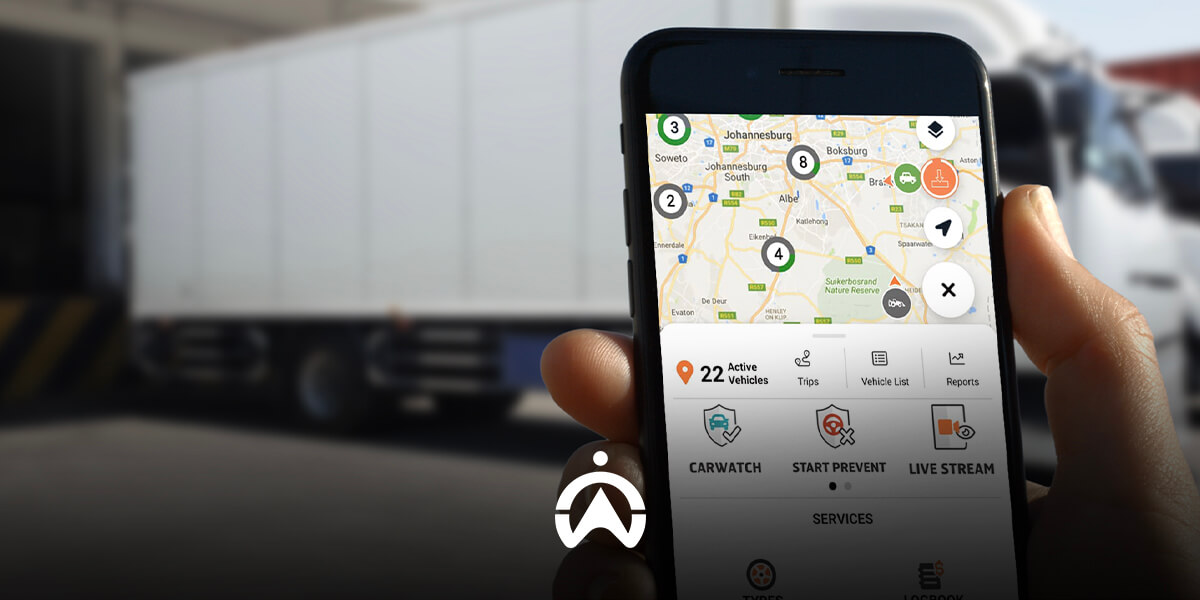
  • CarWatch: To use CarWatch, you can use the Cartrack App to connect to the device we install in your car. Activating CarWatch on the app can detect any movement and send you a push message notification.
  • Cartrack Limited Recovery Warranty*: If, in the rare event your stolen car is not recovered, you can claim up to R150,000. *Terms and Conditions apply.
  • Protector: Protector is also available on our application. We offer 24/7 legal assistance, emergency services, or roadside assistance.
  • Logbook: This solution is excellent for business people. You categorise each trip as business or personal. The logbook then records and logs your trips, automatically putting together a SARS-ready report. You can then download this report.
  • Crash Detector: If you have an accident, our control room will notify you and send you the needed help.

All our services and solutions are designed to keep you and your vehicle safe and sound.

Invest in a Cartrack tracking device to avoid the consequences of “Now-Now’’

At Cartrack Zimbabwe, we realise that time is money, so our Stolen Vehicle Recovery and 24/7 Control Room are included in all our solutions. Your peace of mind and time are precious to us.

Give up your pizza for just one night. This will give you long-term and cost-effective security. Choose wisely and contact Cartrack Zimbabwe today.

Frequently Asked Questions (FAQs) about car trackers and costs

Q: Which car tracker company is the best in South Africa?

A: You should consider Cartrack the best car tracker company in South Africa for various reasons. One reason is that we hold the highest SVR rating in the country due to our high vehicle recovery rate of over 90%. More than that, our Hello Peter trust rating is higher than all other tracking companies in the country.

Q: How much does it cost to install a car tracker?

A: Every company differs in installation prices, but the amount can be pretty pricey. Some packages include monthly instalments separate from the monthly payments.

As mentioned, our affordable fittings are advanced and provide as much certainty as possible that thieves won’t be able to find or turn off the device.

Q: Can you track your car with your phone?

A: Most car tracking companies provide a phone application with many features, such as the ability to follow the tracking device.

Our accessible mobile application shows you exactly where your vehicle is, has GPS tracking, and keeps a recorded history of its whereabouts – these are only some of its features and benefits.

Q: Can a car with a tracker be stolen?

A: Understandably, you want to spend money on a car tracker that makes you feel safe. However, car trackers do not provide one hundred per cent protection.

That said, they certainly significantly increase the protection of your car.

At Cartrack Zimbabwe, our advanced car trackers, devices, features, and teams enhance your protection tenfold.

Contact us to find out more about our affordable tracking solutions.
What Causes High Fuel Consumption in Petrol Engines

Vehicles with petrol engines are well known for their performance and fuel-hungry tendencies if they’re not managed properly. Understanding what causes high fuel consumption is the first step in better fuel management.

In this blog, we will cover everything from what causes high fuel consumption in your fleet to how telematics can assist you in reaching your fuel-saving goals. So, let’s dive right in.

In this article, you will:

  • Get an understanding of what causes high fuel consumption
  • See the difference between petrol and diesel engines and how it impacts your fuel usage
  • See how fuel consumption influences your business operations
  • Get tips on how to reduce your fleet’s fuel consumption
  • Get an understanding of how telematics might influence your fuel consumption

The causes of high fuel consumption in petrol engines

Whether we’re fleet managers or private vehicle owners, we’ve all dreaded driving into the petrol station at some point. Or even on multiple occasions because we know that a cent will leave our pockets for every drop filling our tanks. High fuel consumption in petrol engines is caused by many factors, such as:

  • Driver behaviour:
    Have you ever thought, “I am an excellent driver”, as you skidded and almost bumped the sidewalk while going around a sharp corner? Or, have you ever thought that this must be going through one of your drivers’ minds when you see them coming around that corner? We hope not!
    Managing your drivers’ bad driving habits can be challenging, especially if you don’t know their bad habits, so being able to monitor their driving can help you increase workplace safety and compliance.
  • Vehicle maintenance:
    Imagine driving with your windows down, music blasting, and the wind blowing through your hair, and suddenly, all your warning lights go on, and your car sputters to a pathetic halt. Did you forget to service your vehicle? Staying on top of your vehicle maintenance and regular servicing can feel like admin, but it is crucial for avoiding downtime, optimising your vehicle’s fuel efficiency, and ensuring uninterrupted off-key singing as you face the daily traffic.
  • Vehicle load management:
    Most of us have seen a truck on the highway that’s so overloaded that it looks like it will topple over as soon as it hits the next pothole. Whether you’re a fleet driver or manager or you’re helping your cousin move to a new town, it’s crucial to understand the risks of overloading and how this can affect your fleet or vehicle’s fuel efficiency. Stick to the vehicle’s limits to allow your engine and fuel budget to thrive.
  • Traffic conditions:
    Sitting in traffic sometimes looks like this: Singing a song (off-key again), wondering whether the traffic would have been better if you left just ten minutes earlier. Staring into space—or at fellow motorists—and wishing you could just switch to the lane you’re supposed to be in but are unable to do so because traffic is packed like a buffet lunch plate on a Sunday afternoon. Worst of all, your petrol engine is idling, wasting precious fuel.Did you know that idling a 3-litre vehicle for 10 minutes can waste approximately 300ml of fuel? That is more than a cup of fuel wasted every 10 minutes.

Whether you’re driving your private vehicle or managing a fleet, the factors contributing to fuel efficiency remain relatively the same. So, would it make a difference if these vehicles ran on diesel? Let’s compare the two.

The engine showdown: petrol vs diesel

First-time vehicle buyers often don’t think about whether they want a petrol engine or a diesel engine vehicle. Let’s be honest: our first five questions are something along the lines of: what does it look like, what brand is it, what colour is it, what’s the mileage, where is it, and does it have Bluetooth capabilities so that I can play music? Let’s look at some of the major differences between petrol and diesel engines:

Category Petrol engine Diesel engine
Fuel efficiency Less fuel efficient, however, they are generally more responsive and better suited for smaller vehicles. More fuel efficient because of their higher compression ratio which results in better mileage.
Power and Torque Has higher horsepower, making them better suited for speeding. Produces higher torque, which is great for towing.
Maintenance costs Usually cheaper. Generally more expensive because of complex components.
Emissions It produces fewer nitrogen oxides but more carbon dioxide, negatively affecting greenhouse gas emissions. Emits more nitrogen oxides, resulting in higher air pollution. However, DPFs have improved this.
Engine longevity Tend to have shorter lifespans, but the evolution of technology is slowly closing the gap between petrol and diesel engines in this category. Have longer lifespans, and that’s why they are more often used in commercial vehicles.
Noise and vibration They are quieter and offer a better driving experience because of their smoothness. Tend to have noisier engines with more vibrations; however more modern diesel engines have reduced these effects a lot.
Fuel costs Tend to be less expensive however the price between diesel and petrol doesn’t generally differ significantly. More expensive in general; however, the price can fluctuate.

Commercial and personal vehicles have different purposes; even industry-specific commercial vehicles’ purposes can differ vastly. There are benefits to both petrol and diesel engines that make them suitable for specific purposes, making both of them relevant and valid options.

Petrol engines: the fuel-mongers

There are various reasons why petrol engines use a lot of fuel. Let’s look at some of them:

  1. Lower thermal efficiency:
    In general, petrol engines have lower thermal efficiency than diesel engines. What does this mean? Engine thermal efficiency is the percentage of the fuel’s energy used to power the engine rather than using it for other components such as the exhaust or coolant. A higher thermal efficiency means that the engine uses fuel more effectively.
  1. Stoichiometric ratio:
    A stoichiometric ratio refers to the ideal balance of air and fuel in an engine, which allows an engine to use fuel efficiently without leaving any unburned fuel or extra air behind. Petrol engines can be pretty finicky, and because of their finicky nature, they require precise air-fuel ratios (approximately 14.7:1) for the most desirable combustion conditions. To ensure that combustion is complete, petrol engines tend to use more fuel, specifically when the vehicle is overloaded or accelerates regularly.
  1. Three-for-one: Driving conditions, driver behaviour and petrol engines:
    Driving conditions, bad driving habits, and a petrol engine equals high fuel consumption every time. Poor driving conditions include stop-and-go traffic, which consumes more petrol because of frequent idling and acceleration. Bad driving behaviour includes aggressive acceleration and braking, resulting in higher fuel usage.
  1. Energy density of fuel:
    Petrol engines tend to have a lower compression ratio than diesel engines, which makes them less fuel efficient and use more fuel.
  1. Higher RPM operation:
    Petrol engines operate at higher revolutions per minute (RPM) than diesel engines do. Higher RPMs lead to higher fuel consumption because more fuel is injected into the vehicle’s engine to maintain the speed and power at which the vehicle is operating.

How does high fuel consumption affect the value of your vehicle?

The higher your vehicle’s fuel consumption is, the more it will affect the value of your vehicle. Especially when you want to resell it, here’s how:

  • Lowered resale value: Potential buyers might think twice before buying a petrol-engine vehicle because it is less fuel-efficient. This decrease in demand can negatively affect your resale value. Another contributor to your vehicle’s lowered resale value is the fact that the vehicle will be more expensive to operate.
  • Speedy depreciation: Your vehicle’s value can decline faster because of its poor fuel efficiency.
  • Environmental impact: With the rise of ecological consciousness, many buyers might consider buying a more fuel-efficient option because vehicles with higher fuel consumption are less environmentally friendly.

How do fuel costs influence your operational dynamics?

Fuel consumption is one of the biggest expenses of any fleet business. Here are four ways that it can impact different parts of your business:

  1. Rising operational costs
    1. Increased fuel prices: Fuel prices regularly yo-yo in South Africa because of factors such as global oil prices and fluctuating currency exchange rates. A rise in fuel prices directly impacts businesses’ operational costs, especially if they rely on vehicles for services such as making deliveries.
    2. Managing your budget: Operational budgets must constantly be adjusted because of fuel expenses, which impacts the availability of funds for other operational needs such as maintenance and staffing.
  2. Profit margin implications
    1. Profit decline: Organisations with slim margins can have a smaller profit margin caused by their fleet’s high fuel consumption. The more fuel the fleet needs, the bigger the impact on the business’s profits, especially for businesses that operate in transportation or delivery services.
    2. Adjusting prices of services and products: To maintain profitability, businesses might have to change the prices of their products and services, which might negatively affect their standing as competitors and their customers’ satisfaction.
  3. Supply chain efficiency
    1. A rise in logistics costs: Your supply chain efficiency might be influenced by higher product costs caused by high fuel consumption, primarily if your fleet operates in the manufacturing, retail or distribution industries.
    2. A need for route optimisation: Organisations might consider investing in route optimisation tools. Although it might be an additional expense every month, it will reduce fuel costs wasted on unoptimised travelling routes.
  4. Fleet management challenges
    1. Maintaining your fleet vehicles: Wear and tear on your vehicle is often a result of higher fuel consumption because it increases the strain on your engine. When a vehicle uses more fuel, it works harder due to aggressive driving, cargo overload, or inefficient operations.
    2. A lack of fuel-efficient vehicles: Organisations might have to consider investing in more fuel-efficient cars to combat high fuel consumption and costs.

How Cartrack can help you skyrocket your petrol engine’s fuel efficiency

Managing your fleet while trying to lower your fleet’s fuel consumption, or even just managing it better, can be pretty tricky. At Cartrack, we offer multiple solutions to every fleet management problem you might have, some of which include:

  • At Cartrack, we can help you optimise fleet drivers’ routes.
  • We can help you track your drivers’ behaviour and identify any harsh driving habits they might have, all while giving you coaching tools to improve those behaviours.
  • You can get a range of different reports to monitor your fleet’s fuel consumption, driver behaviour, and CO2 emissions, among other things.
  • Create maintenance reminders and get notified in advance when your vehicles are due for a service.

Fuel-saving hacks to reduce your fleet’s fuel consumption

We all love a good money-saving hack, am I right? Let’s take a look at some tips to reduce your fleet’s fuel consumption costs:

  1. Avoid aggressive driving, such as harsh acceleration and harsh braking. You should instead maintain a steady speed.
  2. Don’t idle your vehicle for long periods. Instead, turn your vehicle off, and in the colder weather conditions, don’t idle your vehicle for more than 30 seconds to 1 minute.
  3. Plan your and your fleet drivers’ routes to avoid traffic and other congestion issues, such as accidents.
  4. Don’t miss a vehicle service. You might want to skip this one, but you shouldn’t. The more you extend your fleet maintenance, the more problems your fleet might experience later.
  5. Be mindful of how much cargo you load on your fleet vehicles, and make sure that your load is evenly distributed to prevent unnecessary strain on just one side of your vehicle.
  6. Don’t overuse your air conditioning. In the hotter months, when temperatures reach the dreaded 30°Cs, the first thing we want to do when we get in our vehicles is turn on the air conditioning on full blast but we should try to refrain from doing that. You should park your car under the shade or leave your window open just a bit to get ventilation.
  7. Use high-quality fuel only. Support your mainstream fueling stations where you know the fuel quality is up to standard. Dirty fuel can cause different problems in your vehicles, such as engine breakdowns.
  8. Make the most of the telematics technology that’s available to you. Improve your fleet’s fuel consumption by leveraging the telematics technology that’s available to you. In this next section, we will look a bit more into this.

How telematics can help you manage fuel consumption

Telematics can help manage and improve your fuel consumption; here’s how:

  • Monitoring live driver behaviour: You can keep track of your entire fleet and drivers’ behaviour, such as harsh acceleration and speeding. With the accurate data the telematics device receives, you can improve driver behaviour through coaching.
  • Optimising routes: You can optimise the routes that your drivers take in real time, which allows you to save on fuel costs.
  • Vehicle maintenance alerts: Regular maintenance can save you money on vehicle breakdowns. You can set up maintenance alerts for each vehicle or your entire fleet.
  • Tracking your fleet’s fuel usage: Telematics can give you a detailed overview of your fleet’s fuel usage patterns. By analysing these patterns, you can identify where your fleet tends to waste fuel or use excessive fuel the most, you can then address these areas.
  • Reducing vehicle idle duration: When your drivers idle for long periods, they are wasting fuel without being productive. Telematics systems can monitor the duration and how often your fleet drivers idle your vehicles.
  • Integrating systems with your current fleet management systems: Combining telematics systems with your current fleet management systems allows you to operate more cohesively. By combining data from different sources, you can make better-informed decisions about how to reduce fuel consumption.

Don’t let fuel costs rule you: rule it with Cartrack Zimbabwe

Contact Cartrack Zimbabwe today and discover a new way to lower fuel consumption in your petrol engine.

Frequently Asked Questions about High Fuel Consumption

  • How do you fix high fuel consumption?
    There are several ways that you can “fix” your fleet’s high fuel consumption, here are a few:

    1. Don’t speed
    2. Take your vehicle for regular maintenance checks
    3. Make use of fuel additives
    4. Keep an eye on your RPMs
    5. If you’re driving a modern vehicle – utilise the cruise control function
  • Why is my petrol car using so much fuel?
    There isn’t just one answer to this question, as there are several factors that might cause your vehicle to use a lot of fuel; some of these factors are:

    1. Aggressive driving behaviour – harsh acceleration and braking
    2. Excessive idling
    3. Regularly being stuck in traffic or stop-and-go
    4. Not having the correct oil and filters
    5. Your clutch might be worn
  • What are the possible causes of high fuel consumption?
    High fuel consumption can have different origins, such as:

    1. Aggressive driving
    2. Driving in the wrong gear
    3. Idling too often and for too long
    4. Not changing your oil regularly
    5. Using your air conditioning too often
  • Can injectors cause high fuel consumption?
    Yes, injectors can cause high fuel consumption. If your injectors are dirty or worn out, they can burn fuel at a faster pace, which increases fuel consumption.

GPS Tracking Device: The Best Solution for Vehicle and Fleet

Just like we can’t go anywhere these days without our smartphones, it’s almost impossible for a fleet manager to imagine doing their job without the help of a GPS tracking device. And, exactly how GPSvehicle tracking can transform fleet management doesn’t end at the tracking device; the best solutions offer a range of features designed to take this visibility even further, enhance all aspects of fleet operations and vehicle safety, and put you in control of your personal vehicle or fleet.

Curious to know how? Let’s find out more.

In this article, you will:

  • Find out when a GPS tracking device is the best solution for your vehicle and fleet
  • Consider the top contributing factors to finding the best GPS tracking device brand
  • Discover the importance of GPS tracking devices in different industries
  • Look at these industries in more detail
  • See how Cartrack’s range of tracking and telematics features can transform industries

When is a GPS tracking device the best solution for your vehicle and fleet?

Are you asking yourself what the advantages of a GPS tracker are in fleet management? To understand just how valuable the right tracking solution can be for your business and personal use, consider some of the following important factors.

Consider these important key factors

  1. Reducing operating costs
    The more you can reduce this compulsory cost in your business, the more financial and budgetary freedom you have to spend your money where you need it most. A tracking system can help you reduce costs by optimising and preplanning the most efficient routes and ensuring your drivers stay on them to reduce vehicle wear and tear and fuel usage.
  1. Prioritising safety
    Driver and cargo safety is foundational to running a successful fleet business. For personal use, you want to know that the tracking device increases your safety and your car’s security. Your drivers must be safe to securely deliver your cargo to its intended destination. Some GPS tracking devices provide features like stolen vehicle recovery and panic buttons, which can help get your drivers the help they need in case of theft or hijacking.
  1. Upping productivity
    Every business’s goal is to boost productivity because it directly affects a boost in profits. With the visibility GPS tracking devices offer, it’s easy to keep tabs on driver locations and movements and ensure that your fleet completes their tasks most efficiently and productively.
  1. Lowering fuel costs
    The more fuel you save, the more wiggle room you have budget-wise and the more environmentally sustainable you’re making your fleet. There’s just no upside to lowering your fleet’s fuel usage.

If you’ve had several “aha” moments while reading these points, continue reading to learn about the benefits a GPS tracking device can offer your fleet or vehicle and how to choose a brand that will work for you.

Consider these points to choose the best solution for your vehicle and fleet

When you have the opportunity to review several options and make an informed decision that will really benefit your fleet and business, take it! The secret to choosing the best GPS tracking device for your operations is knowing what to look for, and with our seven-point plan, you can’t go wrong.

1. Brand reputation

Choosing a company with a strong reputation sounds like a no-brainer, but how do you really know if a brand is as reputable as it appears? When making an important decision like purchasing a core product for your fleet operations, some snooping is definitely in order to make sure you’re choosing a brand that delivers on its promises. Our top tips can help you take a deeper look at prominent (or promising) brands and make an intelligent move.

  • Reputational consistency: Do the brands you’re looking at show ups and downs in their reputations, or do they offer a solid timeline of quality and public trust? Nobody wants to invest in a brand with a wobbly brand reputation, so take a closer look.
  • Customer reviews: Platforms like Hello Peter are more likely to contain negative reviews because unsatisfied customers are more likely to leave reviews than happy ones. That said, positive and negative customer reviews can provide valuable insights into where companies need to improve and whether you consider these to be major or minor issues. After all, no company is perfect.
  • On-the-ground opinion: Even with all the digital tools available today, many are still convinced that word-of-mouth or WOM is still a powerful way of getting your brand’s name out there. It’s also another great way to gauge the public’s opinion about GPS tracking brands.

2. Available features of a GPS Tracking Device

The more features a tracker offers, the better, but it’s also important that these features are all fully functional and serve an important purpose in your everyday fleet management tasks. Purchasing a highly complex GPS tracking device with features you’ll never use is no use. Here are some of the most important features to look out for:

  • Real-Time Tracking: This is a basic requirement all GPS tracking devices should offer; however, some may be more efficient than others. For example, how a tracker receives the location data can affect its speed and accuracy, so if the location is only sent at set intervals, the data you receive may not be as “real-time” as expected.
  • Durability: Devices designed for vehicle fitment must be water-resistant and rugged to ensure they’re not affected by exposure to extreme temperatures. Vehicles are often left outside overnight or parked in the blazing hot sun. If it’s built to last, you can tick this box with a smile and move on to the next.
  • Notifications and alerts: It’s unrealistic to expect you to check your vehicles’ movements 24/7, so the basic features every GPS tracking device should offer are notifications and alerts for important location changes or emergencies. Customisable options are an even bigger plus, as you can create alerts and notifications specific to your fleet’s needs.
  • A user-friendly monitoring platform: If monitoring vehicle locations is difficult, then why would you want to purchase the product? Convenience is the keyword here, so look for an easy-to-use online platform and app that allows you to check at any time, wherever you are.

3. Your fleet’s unique needs

You know your fleet best, which is advantageous when looking for a GPS device that suits your business’s unique needs. Here are three points to think about and use to identify a tracking device that meets these requirements.

  • Areas that need improvement:
    You’re sure to know which areas of your fleet need work or improvement, but which can be improved using a GPS tracking device or a fleet management system? For example, if you need more visibility on when your drivers are entering or exiting specific zones due to productivity issues, looking for a product that offers geofencing can help you manage this issue.
  • Areas that need automation:
    One area of fleet management that every manager wants to automate is fleet and cost-related admin and reporting. If this sounds like a dream come true to you, keeping an eye out for a solution that offers cost tracking, reporting, and admin automation can help you save time and money.
  • Areas that need streamlining:
    Though automation and streamlining may sound similar, there’s a big difference when applying them to fleet management practices. For example, it would be ideal to automate admin processes, but it would be ideal to streamline your fleet’s workflow to optimise the number of tasks they get done per shift and improve overall productivity. If your current operations need workflow optimisation, you need to look for this when weighing your GPS tracking device options and the features they offer.

4. Customer support

Choosing the right GPS device provider means that you’re expecting minimal issues, but it’s still important to be prepared for potential issues. That’s why looking at the quality of customer support is a crucial point of consideration before you choose your GPS and fleet management provider. Customer support needs to be prompt, friendly, helpful, and able, and the best way to get a feeling for a company’s customer support is by looking at customer reviews. Consider the type of issues experienced, the promptness of the help provided, and whether the outcomes satisfied customers.

5. Reliability

If you’re investing in a new GPS tracking device for your business or personal vehicle, it needs to deliver and offer consistent reliability so you know you can count on its technology when the unexpected happens. Tracking devices are not only there to provide everyday visibility but also to help you assist your fleet drivers in case of emergencies by getting help to their exact location as soon as possible.

Therefore, reliability is directly linked to the device’s accuracy and consistency in providing you with location data and the reliability of any other features it offers.

If the GPS product you’re eyeing comes with telematics features like vehicle diagnostics and related data, you need to know that you can count on these figures to be accurate for smart decision-making that will actually boost your business and improve your operations and bring peace of mind about your safety if you’re getting a tracker for personal use.

6. Affordability

One way or another, no matter how impressive the product, you’ll end up asking, “how much?” A GPS can offer a seemingly endless range of features designed to help you cut costs and increase your ROI, but if it’s too pricey, is there really going to be a notable profit increase? To approach affordability the smart way, break up the concept into different components and review each one separately:

  • The initial cost refers to any upfront cost or purchase price you need to pay for the device.
  • Ongoing costs can be subscription fees, monthly data plans, or any other recurring costs.
  • If your package doesn’t include a device warranty, you may need to consider replacement and maintenance costs as part of your overall expenses.

Add all of these together to determine your total cost of ownership, the most accurate number you can use to determine whether a GPS tracking device is an affordable option for you, whether for business or personal use.

7. Product range

Apart from looking at your fleet’s unique needs, you’ll want to look at the entire range as you’re more than likely planning to use this solution in the long run and may not need every feature today, but maybe tomorrow or even next year. Here’s what you need to look for:

The range of different features offered by a GPS tracking product

  • Different brands offer different levels of technology, and it’s important to make sure you choose a brand withtechnology that is advanced enough for what you want to achieve. This includes thinking about the future, so consider a brand that allows you to future-proof your fleet operations without having to incur extra costs, need drastic changes, or expensive add-ons.

The importance of GPS tracking technology in different fleet-based industries and personal use

Apart from using GPS trackers in personal vehicles, technology and related features like fleet management tools are valuable attributes for running a successful fleet business in various industries. Let’s take a look at different industries and how GPS trackers help optimise operations within each one.

Logistics and transportation

Logistics and transportation are the overarching industries for most fleet-based businesses, and have specific needs that include tracking and telematics-based fleet management.

In the logistics and transportation industries, visibility and optimised workflows are crucial to successfully managing the way resources are collected, stored, and moved to their set locations. Other more common fleet-related issues, such as resource management and fuel efficiency, are closely related to driver behaviour management and preventing profit drainage.

A GPS tracking device solution offering telematics features and a comprehensive fleet management platform is ideal for simplifying the demanding and complex task of managing large fleets in these industries. But what about sectors like security, cold chain, and mining? Let’s explore the fleet-based sectors that make a solid contribution to South Africa’s economy and how they benefit from GPS tracking technology.

Security

Fleet managers in the security industry face two main issues: low visibility and the need for live tracking so they can stay on top of their patrollers’ locations to ensure they are where they’re supposed to be and have visual access to what they’re doing to ensure they are alert and ready to act if needed.

The best solution GPS tracking device technology can offer for the security industry is accurate location tracking, which provides real-time visibility with little to no lag. In-vehicle camera technology can also help managers monitor their patrollers’ behaviour and ensure that those on the night shift are alert by performing spot checks.

Courier services

Keeping demanding customers happy can keep fleet managers in the courier industry awake at night, and timely delivery involves smart route planning, clear communication, and an optimised workflow for on-time deliveries.

GPS tracking and telematics help courier business fleet managers plan and optimise routes to complete deliveries in the quickest, most efficient order. Digitised proof of delivery helps keep both customers happy and managers on top of their drivers’ task progress during every shift.

Mining

The mining industry in the South African landscape is tough, with many safety and security challenges, both on-site and when cargo is being transported. Proactive security and measures to increase both in-cabin and external vehicle visibility are crucial to ensure the safe transportation and handling of mining cargo and driver safety.

Fleet management in mining needs robust solutions that combine GPS tracking with advanced technology to monitor driver location and cargo safety, proactively alert drivers of potential accidents or dangers, and link with vehicle recovery or emergency assistance services in case of an accident.

Personal use

If you’re getting a GPS tracking device for your car, you’re making a wise choice, especially considering South Africa’s sky-high vehicle theft and hijacking rates. A reliable GPS tracker helps increase your vehicle’s visibility so you can track its movements, whether you or a loved one are driving it. In case of theft or hijacking, vehicle recovery services are an added bonus offered by top GPS tracking brands, assuring you that you’ve got expert backup to help you get it back in such an unfortunate event.

Discover Cartrack’s all-in-one GPS tracking device and features for your vehicle and fleet

What is the best software for fleet tracking?

Real-time GPS tracking and risk management

  • No matter your industry,live GPS trackingon our Fleetweb platform and the dedicated Cartrack App allows you to always know where your vehicles, equipment, and other movable assets are.
  • Cartrack’s advanced GPS tracking and telematics technology allow you to manage your risk proactively in multiple ways, covering your bases and staying prepared for unexpected events.
  • Geofencingallows you to create digital parameters that automatically send alerts when your drivers enter or exit these zones. This helps you monitor your drivers’ whereabouts and determine whether they are in the areas assigned to them or using company vehicles outside of authorised locations.
  • In the event of theft or hijacking, our 24/7 Control Room dispatches a trained, experienced recovery team to search for your vehicle. Armed with our Anti-Jamming technology, our team can potentially track down your vehicle even when criminals try to use signal-jamming devices. Boasting an above 90% recovery rate, Cartrack offers superior risk management features and services in South Africa and even cross-border recovery if stolen vehicles are taken to neighbouring countries.

Real-time diagnostics & preventative maintenance

  • You need advanced vehicle diagnostics, proactive maintenance alerts, and streamlined, digitalised service and maintenance records for your vehicles to stay moving and on the road where they should be.
  • Cartrack helps you avoid vehicle downtime and optimise maintenance scheduling and vehicle availability by providing CANBus-powered vehicle diagnostics that send you real-time alerts for issues like engine faults, so you can make smart decisions before vehicle problems start escalating.
  • Our preventative maintenance alerts and scheduling feature lets you know exactly when vehicles need brake pad replacement or new tyres to ensure they don’t start affecting your fleet’s budget.
  • While making sure your vehicles are always in top shape, streamline and digitise your service and maintenance records so you always have them available for reporting and referencing purposes.

Smart camera solutions

  • In the fleet business, your drivers are not always visible to you even though their vehicle movements are. So, you need an extra pair of eyes and ears to make sure they stay compliant, drive responsibly, and follow your rules.
  • Cartrack Vision offers a range of solutions designed to broaden your in-cabin, road, and cargo-facing views to limit accidents, improve compliance and productivity, and have footage for incident reconstruction and insurance claims.
  • Our Vision solutions are powered with smart, AI-powered technology, offering HD live streaming capabilities with audio, giving you real-time visibility of your drivers during their shifts.
  • AI-powered behavioural detection alerts drivers of any risky behaviours like yawning, smoking, fatigue, speeding, or distraction, audibly notifying them of their behaviour to proactively help improve behaviour, prevent accidents, and protect cargo.
  • External, weatherproof cameras and in-cabin monitors allow drivers to eliminate blind spots by increasing the visibility of their surroundings.

Cartrack Delivery

If you often feel alone and somewhat helpless in your delivery operations, Cartrack Delivery is the partner you’ve been looking for. Here are some of the smart features that help you optimise the process by improving communication, increasing productivity, and keeping customers happy:

No matter how unpredictable your day ends up being, our Delivery App helps you manage the unexpected while efficiently planning at the same time in the quickest, most convenient way possible.

Specialised sensors

Different industries have different needs and risks. Our specialised sensors are created as smart solutions that help expertly manage these risks, help you achieve your goal, and push for success every day.

  • Temperature sensors
    Detect temperature fluctuations in real time with alerts sent straight to you, making sure you can act to ensure temperatures stay within the compliant range. Download detailed reports for compliance support and to help prove that your equipment or machinery was not the cause in case of cargo spoilage. “
  • PTO sensors
    Some industries, like construction, require the use of cranes and similar machinery, so productivity cannot be measured by checking if the machine’s ignition is switched on and the engine is running. Cartrack’s PTO sensor technology measures the movement of working parts, helping you ensure equipment is being used the way it’s supposed to, boosting workplace productivity.
  • Cargo door sensors
    Should your cargo doors open and close if your maps show the vehicle is in transit? Instantly detect suspicious activity with real-time alerts every time cargo doors open and close and reports showing the exact time and location of these events. Monitoring how long your drivers keep cargo doors open when loading or unloading can help you keep your cargo safe and cold-chain goods fresh.
  • Driver ID tags
    This smart sensor is an invaluable tool in multiple industries. It uses advanced ID sensor technology to ensure only authorised drifters operate assigned vehicles or machinery. Drivers need to tap a sensor in their assigned vehicle to start and operate it. They cannot use that vehicle if they are not assigned, enhancing workplace safety while reducing potential accidents.

Choose the best GPS tracking device. Choose Cartrack Zimbabwe.

With a solid, feature-rich GPS tracking solution, you can take control of your fleet and vehicle safety and boost your business. Contact Cartrack Zimbabwe today and start doing just that.

Roadside Assistance: Choose The Best

Roadside assistance is meant to help you when you need to tow your vehicle, change your dead battery, refuel, or if you’re locked out of your car. However, an online search or recommendation from a friend can overwhelm you with hundreds of companies offering roadside assistance.

Discover what makes Cartrack Protector one of your best roadside assistance options and choose the provider that is best for you, your vehicle, and your pocket.

In this article, you will:

  • Find out the what, how, and why of roadside assistance
  • Get a breakdown of the different types of roadside assistance
  • Understand the pros and cons of roadside assistance
  • See why it’s important to choose an affordable roadside assistance option
  • Uncover the benefits of Cartrack Protector

Roadside assistance: The what, how, and why

Roadside assistance is a service provided by a company, association, insurer, tracking company, or other private businesses to assist drivers with emergency and safety solutions when they experience a vehicle breakdown or other emergency while on the road. In such unexpected situations, drivers can ensure they get the help they need, wherever they are, by getting roadside assistance.

But did you know that roadside assistance providers are all around us whenever we are on the road? Here are the different types of providers available:

  • Car insurance companies: Many insurance companies offer their clients roadside assistance as a benefit of their premiums.
  • Vehicle tracking companies: Some tracking companies offer roadside assistance to ensure your and your vehicle’s safety, no matter where you are.
  • Membership clubs: Some associations and benefit clubs provide roadside assistance to members.
  • Toll route operators: For the safety and convenience of all toll-road users, some operators, like SANRAL, offer roadside assistance services to quickly respond to breakdowns or collisions, prevent further accidents and clear traffic.
  • Private businesses: Some private companies specialise in roadside assistance, offering towing, battery changes, and other mechanical assistance.
  • Vehicle manufacturers: For most newer models, your manufacturer may offer roadside assistance and towing service to their approved repair facility.
  • Banks and retailers: A few banks offer car financing and insurance services, and some retailers provide roadside assistance.

How roadside assistance works

Most roadside assistance services offer a membership where you can join a plan and pay monthly to get assistance by calling or texting your roadside service emergency line, which is typically available 24/7.

Here’s what you can expect from roadside assistance in an emergency:

  • A mechanic: Some providers offer a helper to investigate and repair the problem causing your vehicle to break down.
  • Battery: Get assistance with a battery jump-start.
  • Tyres: If you hit a pothole or get a puncture, you get assistance with a tyre replacement or vehicle towing.
  • Towing assistance: In the event of a vehicle breakdown or crash, you can get your vehicle towed to your home, repair shop, or any other location.
  • Fuel tank refuelling: If you run out of fuel, your roadside assistance company can bring fuel to you so you are not stranded on the side of the road.
  • Organising a locksmith: Have you locked your keys in your car or lost them? Your roadside assistance can arrange for a locksmith to help you.
  • Safe vehicle storage: Some providers offer overnight storage for your vehicle in case of an accident, breakdown, etc.
  • Vehicle repatriation or guarding: Some providers bring your broken-down vehicle back to you even if it is located across the border or guard it for you wherever it is.

Why get roadside assistance?

Roadside assistance is incredibly beneficial and ensures that you are not left stranded on the side of the road, especially if your family or loved ones cannot reach you or come to your support.

Imagine you are lost and driving in an unfamiliar area at night when you realise you do not have fuel in your car or your vehicle suddenly has a mechanical problem. Your safety is more important than anything else, and roadside assistance can protect you when life happens.

The main benefits of roadside assistance are:

  • Safety: Having an emergency service team at your fingertips helps avoid dangerous situations.
  • Cost Savings: The monthly subscription can help you save money on unexpected towing or emergency repair costs, which would be much higher if you suddenly had to pay it out of pocket.
  • Peace of mind: Roadside assistance protects you and your family and other loved ones.

There are even more reasons why roadside assistance is an advantage to you:

  • Fast response time: When you can’t reach your family or a friend for help, or if you need emergency assistance, then roadside assistance will come through for you.
  • Most roadside assistance plans are pretty comprehensive and cover various services, some of which you may have never thought you would ever need, like legal assistance.

What to look out for when it comes to roadside assistance

Based on our market research of the biggest roadside assistance companies in South Africa, here are a few things you should look out for when choosing a service provider.

  1. The T&Cs of your coverage
    All subscriptions come with T&Cs so make sure you completely understand what your roadside assistance provider covers, the limits of your coverage, and what you may have to do if you need a particular service.

    Here are a few catches you may overlook:

    • Does your provider send a tradesman or repairer?
    • Are the costs for materials, parts, and additional labour included?
    • Is the towing cost covered in whole?
    • How many days do they store your vehicle for you? And what are some additional costs to this?
    • Is the cost of fuel covered if you need refuelling?
    • Do they cover flat tyres, batteries, or keys locked in the vehicle or lost?
    • If you are stranded somewhere far away, do they provide alternative transportation?
    • Do you get medical emergency assistance?

It’s important to know your provider has you covered, whether the issue is medical or mechanical. It’s better to be safe than sorry, so make sure you know exactly what you can get from your provider.

  1. Response time and other services
    The truth is that when it comes to roadside assistance, you need a service provider that shows up for you whenever and wherever you are. Your provider should be available 24/7/365 for your safety and assistance, so a quick response is crucial.
    Many providers also limit the number of callouts you can make for certain services. When choosing a provider, clarify whether their coverage has a limited callout or whether they only cover a specific geographic area.

    Here are a few things to clarify when choosing a roadside assistance provider:

    • How should you contact them or request a service?
    • What is their typical response time?
    • Do they only cover specific geographic areas, and do they cover all roads?

Some roadside assistance providers offer additional services for clients, and some of these will help you out when you need them. Here are some non-standard services you could query about:

  • Do they make trustworthy referrals for repairs to mechanical failures?
  • Do they offer accommodation, taxi service, or vehicle rental if your vehicle is broken down more than 100 km from your home?
  • Do they ensure your additional passengers are assisted?
  1. Affordability and costs
    The most important decision you can make regarding your service provider is whether the service is affordable, especially when you consider the total cost of ownership for your vehicle. If your car is covered by an insurance company, secured with a car tracking company like Cartrack Zimbabwe, and under a maintenance or service plan, then expensive roadside assistance would only hurt your pocket.
    One of the smartest decisions you can make is to choose the best yet most affordable provider. One way to do this is to opt for roadside assistance as an add-on service with a tracking company like Cartrack Zimbabwe.

If you are ready to choose the best, have a look at Cartrack Protector.

Are you looking for the best roadside assistance? Introducing Cartrack Protector

Cartrack Protector is the best roadside assistance add-on feature you could opt for.

This roadside assistance feature is the best travel buddy and is available right at your fingertips. The Cartrack App allows you to access a range of Cartrack services that make your travel experience as comfortable as possible.

Here’s a quick step-by-step of how it works:

  1. Contact us to get a Cartrack Protector.
  2. Once your subscription is activated, download the Cartrack App.
  3. In an emergency, open the app, select Protector, and choose the service you need.
  4. Get contacted immediately by our agent to assist with arranging the service you need.

Simply pressing the button on the app will give you your crisis manager 24/7/365.

Have a look at the range of services Cartrack Protector offers you (T&Cs apply):

  • Roadside Assistance: This includes jump start, tyre change, locksmith, refuelling, and minor roadside repairs.
  • Family or friend contact: Cartrack will immediately message any family, friends, or workplace to communicate your urgent message free of charge.
  • Tow service: Get four trade tow services, including two call-out tow services and two accident tow services.
  • Additional services: Get courtesy transport and accommodation services for when you are stranded somewhere far from your home.
  • Legal services: Access 24-hour telephonic legal advice, bail assistance, assistance drafting a letter of demand, and direct legal consultation.
  • Emergency medical service: We help secure fast medical assistance for you and transport, and in addition to this, we can get you medical advice or referrals to crisis lines or medical practitioners as required.

Get Cartrack Protector: Reliable roadside assistance whenever you need it

Cartrack Protector offers security and safety like nothing else when you need it most. Whether it’s a mechanical issue or an accident, we will be right there with you!

Contact us for more information.

6 frequently asked questions about roadside assistance

  1. Is roadside assistance worth it?
    This service is 100% worth it, but only when you choose the right provider! Having roadside assistance reassures your safety and security, but go for an affordable option that gives you peace of mind, cost savings, and convenience.
  1. What is the average cost of roadside assistance in South Africa?
    You can get roadside assistance for as little as R39 per month, while some cost over R1000 per month, depending on which company you choose. But you know what they say: cheap can turn out expensive because it costs you later. So don’t go for the cheapest option you find online; choose the best and most affordable one, like Cartrack Protector.
  1. What are the top 5 roadside assistance features?
    #1 Towing services
    #2 Battery jump-start
    #3 Flat tyre assistance
    #4 Vehicle lockout
    #5 Fuel delivery
  1. What should I consider when choosing the right roadside assistance service?
    There are several factors you will want to consider before choosing a service:

    • The type of services offered: The provider should completely cover at least towing, flat tyre, and jump-start.
    • The roadside assistance coverage area: At least 40 km from your work, home, school, etc. should be covered by your provider.
    • The response time: Clarify your provider’s average response time.
    • Cost and more costs: Weigh the benefits and costs, and make sure you know the limits of your coverage.
    • Reputation and reviews: Read the online reviews and ask for recommendations from others.
    • Technology features: With some providers like Cartrack, you get the mobile app with GPS tracking and other automated dispatch assistance.
  1. What is a premium roadside assistance service?
    Premium roadside assistance services typically have comprehensive coverage, including various assistance options and other benefits.
  1. Can I add roadside assistance to any insurance policy or car tracker provider?
    Absolutely! Cartrack is one of the best options for your roadside assistance service because Cartrack Protector is an affordable add-on service made available to all clients.

Contact us today and unlock a new level of safety.

Commercial Vehicle Recovery Device – Powerful Anti-Theft Solution

Commercial vehicles can quickly help you expand your business operations effectively, but unfortunately, your fleet is still vulnerable to misuse, vandalism, and theft. Figuring out how to protect your assets is now more important than ever.

Discover how Cartrack’s powerful anti-theft solutions help you protect your business and profits from risks to your fleet security.

In this article, you will:

  • Understand the risks to your fleet security
  • See the top 5 reasons to choose anti-theft solutions for your business
  • Discover Cartrack’s advanced anti-theft solutions
  • Get insights on using anti-theft solutions in different industries
  • Get answers to the FAQs for commercial vehicle anti-theft solutions

Understand the risks of having no commercial vehicle recovery device

Running commercial fleet vehicles these days means your business not only faces challenges such as increasing costs, driver safety and productivity issues, or a lack of fleet visibility. Your business also faces risks from vehicle theft damage, vandalism, and misuse, which you must mitigate.

Commercial vehicle theft

Trucks and other commercial vehicles are targeted mainly for two reasons: thieves want the cargo transported or the fuel from the truck tank. According to Worldmetrics.org, approximately 1,100 truck hijackings occur each year in South Africa, with the highest number of hijackings occurring in Gauteng and Kwa-Zulu Natal.

The average loss from commercial vehicle theft can be quite significant for businesses and our economy. Truck hijackings cost the South African economy roughly R3 billion every year, mostly due to cargo loss.

Vehicle damage and misuse

In addition to external theft risks, your fleet business is vulnerable to internal fleet theft risks, damage, and misuse by your drivers and other staff.

Here are some common risks:

  • Employee theft: Employees with access to your fleet vehicles and other equipment pose a significant risk of theft, as they may steal vehicles, tools, or cargo for personal gain or to sell. Although your team should do a thorough background check and monitor employees, you can introduce some anti-theft solutions to mitigate this risk further.
  • Negligence: Fleet staff carelessness with your vehicles and equipment, such as leaving keys in the ignition, not securing your cargo properly, and parking or driving in unsafe and unauthorised areas, can cost your company hundreds of thousands and more.
  • Collusion with others: Employees may compromise your fleet by sharing security information, disabling your security systems, or giving unauthorised access to others.
  • Failure to report incidents: If your employees do not report vehicle break-ins, thefts, and any other suspicious activity, it may be harder for you to recover your vehicle.

To curb the impact of these kinds of problems on your fleet, commercial vehicle recovery devices such as a GPS tracking system, a fleet management platform with equipped features, and other monitoring tools such as sensors and cameras can all work together to protect your fleet.

Why choose a powerful anti-theft solution for your business?

Fleet managers and other supply chain stakeholders can prevent the risk of commercial vehicle theft and damage to their fleets by investing in commercial tracking devices.

These devices are the best anti-theft solution to help ensure that not only are your vehicles recovered if stolen, but they also help with:

  • Increased cost savings: These devices help reduce the likelihood of theft and enable quick vehicle recovery, which can help your business save significantly.
  • Improved vehicle and asset security: These devices ensure complete visibility of your fleet 24/7/365 and can constantly monitor its location and activity.
  • Improve fleet efficiency: Use your device’s data-driven insights and reports to improve overall operational efficiency.

Commercial vehicle recovery devices are essential for protecting your fleet, so if you are interested in one for your vehicles, look no further. We’ve designed the perfect security solutions.

How to combat commercial vehicle theft with Cartrack Zimbabwe

We’re the leading stolen vehicle recovery solutions provider for individual vehicle owners and businesses. Our advanced tracking and fleet management software is a complete solution for vehicle security.

So here’s how you can build your fleet’s security with Cartrack Zimbabwe:

Vehicle tracking (and anti-jamming)

GPS tracking is the most important puzzle piece in your fleet’s security and helps with anti-theft measures with:

  • Fleet visibility: Get real-time location monitoring, which helps your fleet managers see and understand your vehicle activity at any time. This also ensures a higher recovery chance if one of your vehicles is stolen.
  • Geofencing: Set virtual boundaries around specific areas for your fleet and be alerted when your vehicles enter or exit these areas.
  • Tamper alerts: Cartrack’s CarWatch can alert you if your vehicle is moved without your permission.

Driver ID Tags and Start Prevent

This key-ring-sized tag prevents unauthorised access to your vehicle, making it easier for you to know which driver is using your vehicle and for how many hours. This anti-theft solution adds an extra layer of security to your fleet by:

  • Driver accountability: See exactly which driver is using your vehicle. If something goes wrong, this tag will be helpful and improve accountability.
  • Unauthorised vehicle use: Cartrack’s DID Start Prevent links the tag to the vehicle’s ignition. If anyone attempts to drive your car without authorisation or presenting a tag, the vehicle’s ignition will not switch on. This helps you prevent misuse of your vehicles.
  • Driver configuration: This DID tag is linked to a specific vehicle to prevent others from using it.Protect your specialised vehicles and equipment and ensure that drivers without the right license or permission do not use your vehicle.

Anti-theft camera solutions

Fleet cameras are one of the best ways to protect your fleet from theft and other damage. We’ve designed a range of Vision Solutions to further increase your fleet visibility and overall security:

  • Live-stream monitoring: You can install up to 8 cameras in your vehicle and live-stream in-cabin and external activity in real time to proactively respond to a vehicle security threat or problem.
  • After-event recorded footage: You can remotely request video footage if your vehicle is stolen or damaged or if there is suspicious activity.
  • Anti-tamper cameras: Get alerted if your drivers or fleet staff attempt to tamper or cover your cameras so you can proactively respond.

Fuel Monitoring solutions

Some criminal syndicates target commercial vehicles to steal fuel loads or syphon fuel from the vehicle. Fuel management software is one of the best ways to mitigate this risk and enhance your anti-theft solutions, especially if you’re in the transportation industry.

  • Real-time fuel monitoring: Fuel sensor hardware allows you to see the real-time fuel level in your vehicles and proactively respond when there is a sudden drop in the fuel level. This could be a sign of siphoning or unauthorised vehicle usage.
  • Improve accountability: When your employees know that their fuel usage is being tracked, they become more responsible, which can deter potential theft.
  • Fuel management reports: See exactly how long your vehicles and machinery are used over a specific period and match this with your fleet’s fuel usage over time to understand your fleet’s fuel consumption and make data-driven decisions to improve efficiency.

Specialised Sensors

Equip your fleet with our range of sensors designed to suit your unique fleet and industry security needs. With specialised sensors, you get early-detection alerts of suspected theft and can proactively respond or arrange a recovery team from Cartrack.

Ensure your commercial vehicle’s security and cargo safety against hijackings, swapouts, and theft with early detection and proactive risk-mitigating solutions.
Cartrack’s anti-theft in different industry

Now that you know all about our anti-theft solutions for your fleet, consider these industry insights to see how each could benefit you.

Anti-theft in construction

Commercial vehicle theft is a significant risk for your business if you are in the construction industry. These vehicles are often left unattended at your job sites, especially overnight, making them an easy target for thieves. Our anti-theft solutions are perfect for guarding your whole worksite.

Have a look at how Concord Cranes used our anti-theft devices in their fleet management strategy. Concord Cranes specialises in crane hire solutions for projects all over South Africa. They have over 180 cranes and provide mobile cranes for hire, professional riggers, transporting, and other specialised lifting projects across their branches.

They used to find it challenging to monitor the hours each of their cranes was used accurately, which caused other maintenance issues and significantly impacted their delivery times and client relationships. With Cartrack’s fleet solutions, specifically the PTO sensors and GPS tracking, Concord Cranes could improve the security of their cranes by seeing exactly where their equipment is used, monitoring the on-site working hours, and the mileage travelled for each vehicle.

On top of that, they gained actionable maintenance insights and increased their cost savings by reducing the number of crane breakdowns and ensuring their machines were serviced regularly.

Concord cranes could also use Driver ID Tags with configuration to ensure that only licensed and authorised drivers can start their cranes. This is important for preventing misuse and ensuring safety and compliance on different worksites.

Anti-theft in mining industry

Mining logistics operations are also often the target of commercial vehicle and cargo theft. Here’s how you can use our anti-theft solutions to boost the security of your in-field mining operations.

  • Convoy Mode: When your vehicles are in convoy mode transporting goods or rubble, you get early alerts on suspicious activity when the threshold distance between the IoT devices connected to the trailer, horse, and cabin, as well as the driver’s app-based location is excessive.
  • PTO inhibit: Ensure that your tipper trucks only dump cargo in pre-approved locations, with automatic PTO disabling if suspicious activity occurs.
  • Cartrack Vision solutions: Install up to 8 different cameras in your vehicles to monitor your fleet and ensure their security.
  • Command Centre service: Get a dedicated outsourced fleet management service specially designed for the mining sector with our 24/7 Command Centre that instantly alerts authorised personnel of suspicious activity and takes action immediately if necessary.

Cartrack’s anti-theft solutions and commercial vehicle recovery devices make your in-field mining operations easier.

Prioritise vehicle security with Cartrack Zimbabwe

Our vehicle recovery rates exceed 90%! If you’re concerned about vehicle theft risks, then it’s time to take proactive action regarding your security.

Combat hijackings and other fleet-related security threats with Cartrack’s anti-theft solutions.

Contact us today for a demo of our commercial vehicle recovery solutions.

Car Tracking Companies Near Me

Car tracking companies in South Africa not only have main branches but also smaller ones that help with device fitments for customers who may live in other parts of the country. The question is, who and where are the best car tracking companies near me and you?

We’ve got all the details you’re looking for, so join us and find out below.

In this article, you will:

  • Find out how to find the best car tracking company near you
  • Discover three reasons why you need the best tracking company
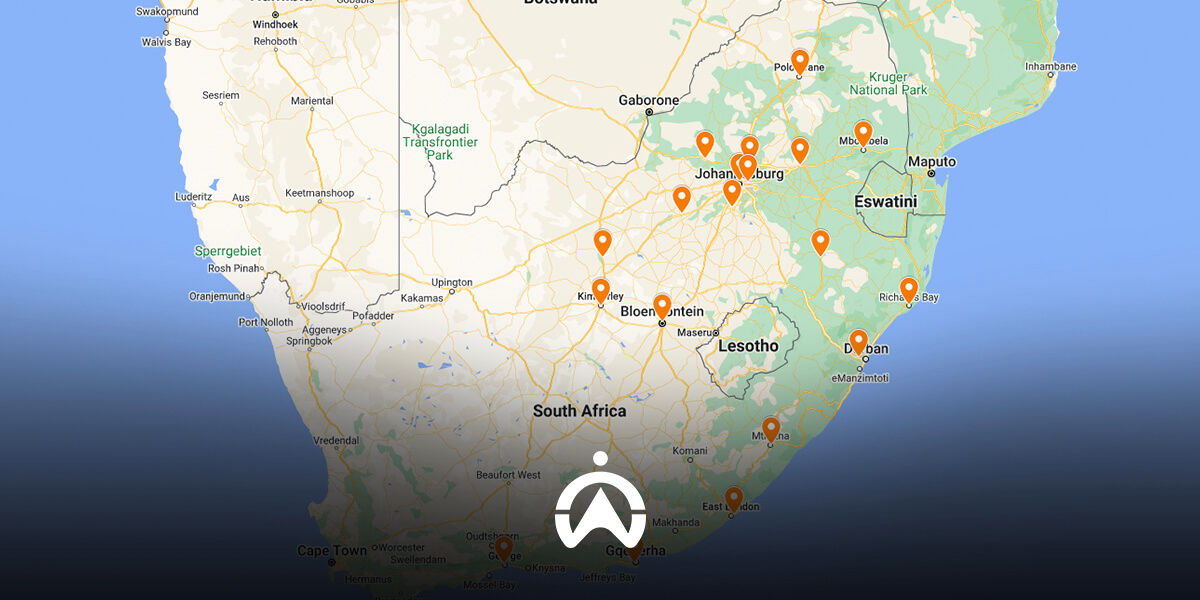
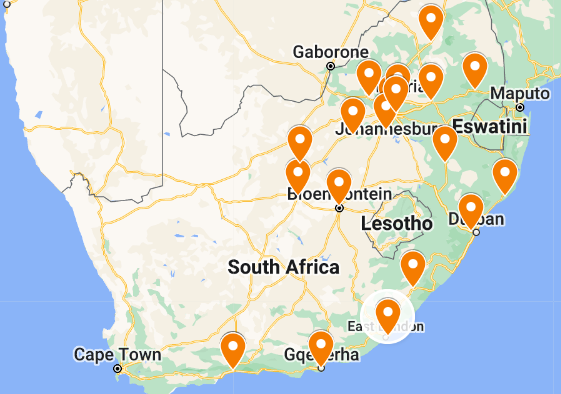
  • View a map of Cartrack branch locations in South Africa
  • See seven reasons why Cartrack is the ultimate vehicle tracking partner
  • Get the answers you need about car tracking companies near me

How do I find the best car tracking companies near me? Let’s find out

Comprehensive vehicle theft protection in South Africa is a vital gap vehicle tracking companies aim to fill, which is why there is a wide range of tracking companies to choose from—all offering different prices, features, and services. The question is, which option is best for you based on your specific needs? Every individual living in South Africa has the exact basic needs that stem from local vehicle theft and hijacking, so vehicle recovery services are a must-have if you’re looking for the best car tracking company near you.

What else, though? The best tracking companies tend to do their homework and offer features specifically designed to meet car owners’ needs, whether they’re on their daily commute or on their way to their favourite holiday destination.

Before we look at these extras and which car tracking companies near you offer the best features, here’s a deep dive into the three most important reasons you need to find the best tracking company.

3 reasons you need to find the best tracking company

Even when it comes to basic services, most car tracking companies in South Africa offer more than just knowing more or less where your vehicle is. Take a look at these top three reasons why you need to invest in the best car tracking company near you.

  1. Accurate location monitoring
    When you find yourself asking, “where can I find great car tracking companies near me?”, first take a look at the main telltale differentiator between good and great tracking companies. While both may allow you to personally track your vehicle using GPS and GSM technology, great car tracking companies are more likely to give you accurate, real-time visibility without lag, which can be the determining factor between success or failure in the event your car ends up stolen and a recovery team is searching for it based on this location.
  1. Stolen vehicle recovery services
    So, let’s say you choose a car tracking company near you. Your car is stolen in the local strip mall while you’re grocery shopping, but the tracking company doesn’t offer stolen vehicle recovery services. You can notify the police and use the location data to help them locate your vehicle, but while the police are expertly trained and ready to pursue criminals as soon as they get a call, you may need to open a case first at the police station, which may give criminals time to cross a nearby border or strip your vehicle.
    Great vehicle recovery services like Cartrack not only offer advanced Stolen Vehicle Recovery Services but also join forces with the police, ensuring law enforcement is immediately aware of and on the case while offering quick response and pursuit based on your vehicle’s real-time location. This teamwork helps increase the chances of safe recovery and successfully arresting criminals, even if they try to cross the border with your car.
  1. Improved safety
    If car tracking companies offer state-of-the-art tracking and visibility along with quick-response vehicle recovery services, these features automatically increase your safety and the safety of your loved ones who may also drive your car. When your partner, parent, or child is using your vehicle to travel, you can check up on their location to make sure they are on track, so you can call and check up or even notify the authorities if you see your car entering a suspicious area. Car tracking companies like Cartrack offer features like Geofence that allow you to set virtual boundaries around risky areas, get real-time notifications when your car enters these areas, and take the necessary steps to help your loved ones get back to safety.

Apart from offering superior essential services, Cartrack has branches all over South Africa, making fitments easy and convenient.

Why everyone loves Cartrack—the car tracking company near you

With Cartrack, there is more than one definition for the term “car tracking company near me.” Here’s how Cartrack ensures they’re the best car tracking company near you:

  1. With branches nationwide, it’s easy to visit your local Cartrack branch for expert advice and assistance.
  2. The Cartrack Control Room agents are on duty 24/7 to assist you with any vehicle emergency, no matter where you are in South Africa.
  3. Cartrack’s friendly Customer Service team is ready to assist you with any queries you may have about your subscription, changing details, or any other questions.

Cartrack branch locations in South Africa

Branch location has a lot of benefits, and for many living in rural areas and small towns, it’s not as easy to find one close by, meaning longer waiting times for fitments, potential repairs, and other branch-based services.

With branches across the country, including Cape Town, Middelburg MP, Gqerberha, Polokwane, Kimberley, Richards Bay, and more, you can rest assured that there’s a Cartrack branch near you.

Source: Google MyMaps

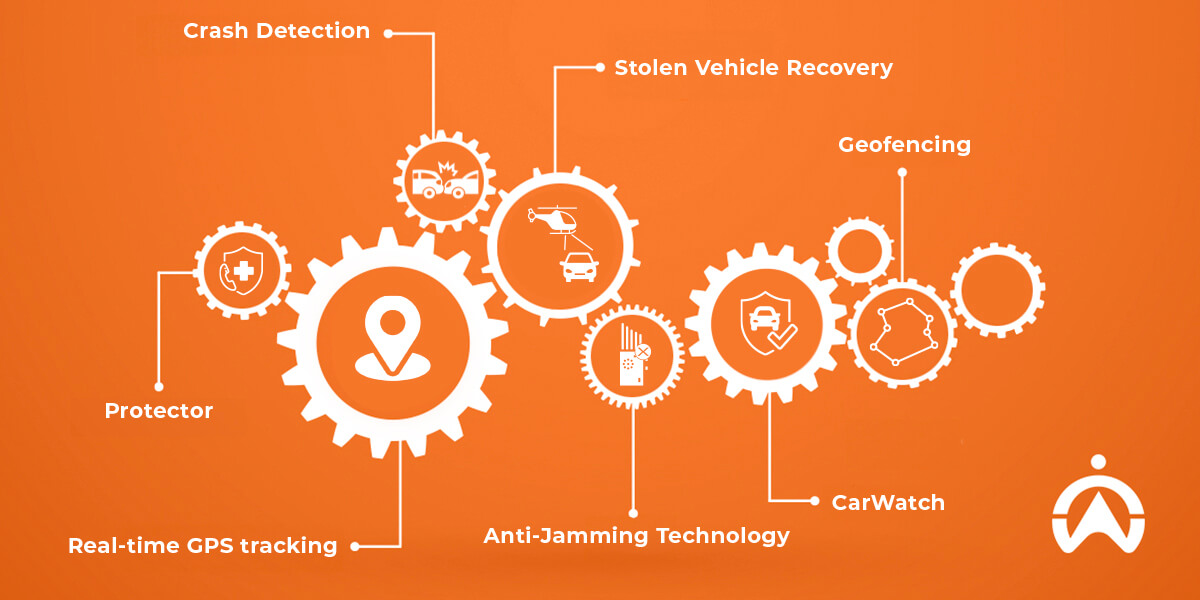
7 reasons why Cartrack is the ultimate vehicle tracking partner

There are not one, two, or three, but seven reasons you should choose Cartrack as the trusted car tracking company near you and your partner in fighting vehicle theft. Take a look at these top features:

  1. Real-time GPS tracking
    Cartrack offers 24/7, effective, and real-time visibility of your vehicles from the convenience of a mobile app.
  1. CarWatch
    Carry a virtual car guard in your pocket that, once activated, alerts you and our Control Room the moment your car moves without your permission.
  1. Protector
    Get emergency assistance when you need it with the simple touch of a button with Cartrack’s Protector feature. Whether you need emergency medical, legal, or roadside assistance, our Control Room is ready to help you 24/7/365.
  1. Stolen Vehicle Recovery
    Working together, our expert Recovery Team and experienced Control Room agents ensure that action is taken the moment you realise your vehicle is stolen.
  1. Geofencing
    Increase your safety and awareness by creating virtual boundaries around high-risk areas to receive real-time alerts when your car enters or exits these areas.
  1. Anti-Jamming Technology
    We help keep your vehicle visible and trackable if thieves attempt to conceal its location with signal-jamming tools.
  1. Crash Detection
    Our devices’ sophisticated software can detect collisions, sending an alert to our Control Room on impact, where we’ll notify your emergency contacts and dispatch emergency services if necessary.

Get the best car tracking company near you. Get Cartrack.

There may be more than one car tracking company near you, but don’t hesitate to choose the best. Contact Cartrack Zimbabwe today.

FAQs: Cartrack

  1. How much does it cost to put a tracker in your car?
    With different brands and different packages available, there are many options to choose from. However, looking for a product that fits your pocket and offers quality tracking is best. Cartrack offers superior vehicle tracking from R99 a month—an affordable option with tried and trusted results. Contact us today!
  1. Which car tracking company is better?
    The best car tracking company near you is the one that offers quality services, prioritises your safety, and comes at an affordable price.
  1. What are the benefits of having a car tracking company nearby?
    Benefits include quick installation, reliable service if you need repairs, and the convenience of speaking to an expert in person if you have an issue.

Get the Latest Tips on How to Save on Car Insurance

Buying a car is already a heavy financial commitment for most people, and ensuring your ride is properly covered does not always come cheap. Finding an insurance policy that aligns with your budget yet still takes care of all your vehicle needs can be confusing, as you may choose the lowest premiums without always knowing what this entails.

We’re here to help you navigate the maze of vehicle insurance options and provide you with everything you need to get affordable car insurance premiums that offer the value you expect.

In this article, you will:

  • Learn the importance of car insurance
  • Find out what risk factors are used to determine your premium
  • Get tips on how to lower your insurance premiums
  • Discover a modern-day insurance policy for those who work from home
  • Unpack Cartrack solutions that will work in your favour to give you car insurance savings

The foundations of how to save on car insurance

Let’s start by answering a few Insurance 101 questions so you know how it works and don’t get confused along the way:

Is insurance mandatory?

Car insurance is not a legal requirement in South Africa, but when a vehicle is purchased through a loan from a financial institution such as a bank, then they will require you to have one because they will use the vehicle as collateral if the loan is not paid.

The importance of car insurance

The Automobile Association (AA) revealed that less than 35% of vehicles in the country are insured, meaning roughly 65% of South African motorists are not registered for vehicle insurance. The fact that most people do not have car insurance means if someone bumps into their car, they probably won’t be able to pay for the damage, meaning you’ll have to cough up money for something that was not your fault.

Car insurance can help give you financial protection in the event of an accident, a fire, if your car gets stolen, or when you need roadside assistance. For example, if you are responsible for the accident, you will be liable for the costs of repairing your vehicle and the other person’s vehicle. The list of possible expenses does not just end at repairs. It can include medical bills, legal fees, and property damage. If you own a vehicle that is not insured, you will have to pay a lump sum for things you didn’t plan. This is why it is important to have car insurance.

Latest Tips on lowering your car insurance premiums

Now let’s get into how you can get them to cut you some slack:

  1. Improve your driving skills
    Inexperienced drivers are more of a risk. Take an accredited defensive driving course if you can. Although these courses are a bit on the pricier side, you’ll probably be paying car insurance your whole life for every car you’ll ever own, so improving your driving skills will reduce the risks of accidents, meaning you’ll have a clear record, helping you lower your premiums.
  2. Compare quotes
    First, do your research and determine the type of insurance that best suits you and your budget, then shop around. Prices differ, and sometimes, you may even come across limited-time deals. Get at least three different quotes from different insurance companies, and ask some friends and relatives for recommendations based on their experience. Do everything you can to make sure you know exactly what you’re getting yourself into.
  3. Buy a car with lower insurance premiums
    If possible, compare the insurance premiums before you buy the car. Vehicles that are cheaper to repair tend to have lower insurance premiums, so consider the cost of repairs and replacements when choosing which car to buy. Insurers are also more likely to offer lower premiums if the vehicle make and model you’re looking to purchase is known to be safer or less of a risk. Top tip: Once you already have the vehicle, compare prices again every year or two, just in case there’s a lower rate available for you plus, you’ll keep the insurance companies on their toes.
  4. Choose a higher voluntary excess
    Go.Compare revealed in an article that less than half (47%) of people fully understand what excess is and didn’t realise they have to pay it as part of the claim. Excess is the amount of money you agree to pay out of your own pocket when you make a claim—the more excess, the smaller your premium. Once you increase the excess, you take more risk away from the insurance provider. This is an excellent option for experienced drivers with a clean driving history. However, you need to have funds readily available as there will be a higher once-off expense that you will pay out of your own pocket if you need to claim.
  5. Maintaining an uninterrupted insurance history
    Cancelling your insurance will cause gaps in your coverage history. This is also likely to raise your premiums because insurers will lose trust in you as a customer.
  6. Bundle your policies
    Putting your home, car and all other policies under one cover might give you multiple-policy discounts that could save you up to 5% a year. If you have more than one vehicle, say a car and a motorbike or a boat, depending on your insurance provider, you could save up to 10% or more on your premium by bundling them up.
  7. Maintain a good credit record
    A good credit record shows that you are financially responsible and can, therefore, be trusted by insurers, which can lead to lower premiums.
  8. Keep your mileage low
    We’re not saying don’t go anywhere because the whole purpose of having a car is to move around with it, but just know that the more you are on the road, the higher the chances of you being involved in an accident, and the more your insurer will charge. So, by reducing your road travel time, you can get lower premiums. A higher mileage also indicates more vehicle wear and tear, decreasing the resale value.
  9. Choose a secure parking
    Where you park your car during the day and at night is also essential. You will pay more if it is not in a safe area or inside a locked garage. So when looking for a place to stay, consider the parking and how it will save you from paying more.
  10. Avoid claims due to negligence
    According to Prime South Africa, some of the most common insurance claims are for crashes at an intersection, rear-end accidents, unroadworthy vehicles, pothole damage, vehicle theft, and accidents due to bad weather. These can happen to anyone, but there are ways to avoid them. Always double-check for cars entering the intersection even if you have the right of way, and keep a safe following distance of at least three seconds from the vehicle in front of you, stay on the lookout for potholes and poorly maintained roads, check weather conditions ahead of time so you can avoid flooded or other dangerous areas, and lastly, install additional security features that will help prevent your car from being stolen or make it easier to recover. Check out our next section on the importance of vehicle security.
  11. Prioritise vehicle security
    If not pre-installed, consider getting anti-car theft devices such as an alarm and, most importantly, get a GPS tracking unit. It’s no secret that vehicle theft numbers in South Africa are high, so if you want to be less of a risk to the insurer, then a vehicle tracking device such as Cartrack’s is your best bet. It increases the chances of your car being found if stolen and reduces the chances of theft. Some insurance companies will not cover you for theft if you don’t have a vehicle tracking unit.

A deeper understanding of how insurance works

There are still some details about car insurance that can help you make an informed choice, so let’s take another deep dive into the inner workings of car insurance, how it is calculated, and the types of insurance available:

How car insurance is calculated

Insurance is based on your risk profile, which assesses how likely you are to experience a loss. It includes things like your age. The higher the risk, the higher the premium. It is done through a process called underwriting, where your risk profile is used to determine how much you’ll pay each month.

What is a risk profile?

Many things can be included in your risk profile; here are a few common ones:

  • Type of vehicle: The make, model and year of the car you drive also help determine how much you should pay. High-risk cars, such as high-performance sports cars, popular brands for car thieves, and high-end luxury vehicles, will cost more to cover.
  • Where you live: Someone in a rural area is less likely to be involved in an accident compared to a busy urban area with more cars on the road. Urban areas also have higher crime rates and this is why people living in the city get higher insurance premiums.
  • Driving history: Insurers check the number of claims you’ve filed before and whether or not you’re a new driver who’s never had insurance. Multiple claims or no record at all will equate to a high premium.
  • Credit history: A poor credit score means you might have problems making payments, so the insurer might charge you more for being a high-risk borrower.
  • Driver’s licence: Much like your age and driving history, how long you’ve had your driver’s license and the license code you did also count. New drivers are more likely to make mistakes along the way and claim, making them a high risk. If your license is new, you are probably an inexperienced driver who has perhaps never had car insurance before and, therefore, has no record of your driving history, making you a high-risk driver. Additionally, drivers with a Code 10 license are more likely to be charged higher premiums than Code 8 drivers because a Code 8-yard test is more thorough.

The three main insurance types

  • Third-Party Only
    Third-party insurance is the most basic and tends to be the least expensive insurance option. It covers accident damage caused by you, as the driver, to another person’s property. It includes the costs of injury or death to the third-party passengers or individuals involved in the accident you caused.
    For example, if you bumped someone’s car and the person in the car ended up in the hospital, the insurance will pay for the damage to the car, the hospital bills and anything else of theirs that was damaged in the accident, such as a cellphone or laptop. Or, let’s say you drive into someone’s wall; insurance will take care of that, too. This kind of insurance works best if you have an older car that has been paid off and is affordable to repair, and you don’t want to take out loans to cover the cost of accidents.
  • Third-Party Fire and Theft
    This option offers the same type of coverage you’ll get from a standard third-party insurance policy but with added protection against fire and theft. It will cover the costs of damaging someone else’s property and the costs of replacing your vehicle if it ever gets stolen or caught in a fire.
  • Comprehensive cover
    As the name suggests, this type of car insurance covers your car against accidents, fires, theft, claims from a third party, and nearly all other incidents that could occur, such as natural disasters, a break-in, vandalism, certain parts of the car being stolen, broken windshields, objects falling on to your car—the list goes on.

Additional car insurance information that you might not know about

There are other car insurance options or services you can add to your cover. Here are a few that might not be so obvious to many:

Gap cover

As we all know, cars depreciate the moment they leave the dealership. Insurance policies cover the car’s depreciated value, meaning the car’s current market value at the time of the claim. However, if you buy a vehicle on finance and only put down a small deposit, the loan amount might exceed the vehicle’s market value in the early years of purchase. So, in the event of a bad accident where your car gets written off, gap insurance can help cover the difference between the market value your insurance will pay off and the amount you owe to your financial provider.

Have you heard of usage-based insurance?

This is still a relatively new concept, and vehicle owners now have a choice of being charged based on accurate daily mileage readings. For this to happen, vehicle owners need to already have a telematics device installed in their cars so the data collected can be used to calculate their premiums. The data collected also includes a report of your driving habits, such as speeding and braking patterns, sharp turns, and harsh acceleration. This type of car insurance can benefit the modern-day work-from-home crew as they don’t frequently use their vehicles and will get more accurate pricing or safe drivers who believe they should be discounted for their good driving habits. For now, only a few companies offer this type of insurance.

What about electronic vehicle insurance?

Insurance for electric vehicles or EVs is not so different from traditional car insurance. The only thing is that comprehensive coverage tends to cost more. This is because:

  • Electronic vehicles depreciate at a faster pace compared to petrol and diesel-powered vehicles.
  • The concept and prevalence of electric vehicles are still new in South Africa, but once insurers get more exposure to their technology and repair costs, they’ll be able to better assess the risk and set fair premiums.
  • These vehicles can only be fixed by specially trained mechanics with the right tools, so insurance companies will most likely charge higher prices because of this.
  • The roadside assistance required for an EV is very specific. For example, if your car runs out of battery, the insurance will need to tow it to the nearest charging station, unlike a petrol car, which would need to be taken to any fuel station for a quick refill. This then makes the cost of covering an EV slightly higher than a “normal” vehicle.

Let Cartrack’s solutions help you lower your car insurance premiums

This is how we help you make premium savings:

  • Cartrack Insurance Agency
    Let our insurance team shop for you so you won’t have to go through the hassle. The Cartrack Insurance Agency quickly narrows down the search to get your vehicle covered with a reputable insurance company that will work best for you.
  • Stolen Vehicle Recovery
    Our GPS tracking unit gives you the exact location of your vehicle at all times, which will help you keep your eye on it, and it will help reduce your insurance premiums because our skilled air and ground teams are always on standby waiting for your call in the case of the unfortunate happening. This device also provides you with reports on driving behaviour, which you can check out to see what driving habits you need to improve and show the insurer that you’re a good driver who deserves to pay less premiums.
  • Cross-border SVR
    Our advanced tracking unit supports international roaming, so if your car gets stolen and somehow goes over one of our bordering countries, do not worry; Cartrack will still be able to locate your vehicle. You can rest assured knowing that we’ve got eyes and ears everywhere.
  • Protector
    We offer this value-added service to ensure the safety of you, your family and your car. You’ll have access to 24-hour roadside assistance, emergency medical assistance, and legal advice at the touch of a button.
  • CarWatch
    Get a virtual card guard to alert you whenever your parked car moves without your permission. All you have to do is switch on the Carwatch feature, which can be accessed on our mobile phone app, and we’ll notify you of any suspicious movements while you’re busy running your errands.
  • Road Vision
    This is a road-facing dashcam equipped with GPS tracking technology. It can enhance your safety, document accidents, prevent theft, and give you footage with live location as well as risk reports of your driving habits. You can also use this camera solution to prove your innocence in an accident so you don’t end up being the one paying.
  • Limited Recovery Warranty*
    In the unlikely event that your vehicle is not found, Cartrack has a limited recovery warranty, which allows you to claim up to R150 000 cash-back. Ts&Cs apply*

GPS tracking — the one thing that will greatly impact your insurance premium

Cartrack is a reputable vehicle tracking company with a recovery rate of over 90% and advanced vehicle tracking solutions like no other. Your insurer will be delighted to know that you’re with us, and your pocket will be saved. Join Cartrack Zimbabwe today!

Can Car Thieves Detect a Car Tracker? What You Need to Know

When it comes to stealing cars, thieves try to think of every way they can to swerve past vehicle security measures. After all, we try and use every way possible to secure our vehicles and make them theft-proof, and one of these measures is installing a car tracker.

But, how foolproof is a car tracker, and is it detectable to car thieves? Let’s find out.

In this article, you will:

  • Explore the importance of car trackers to South Africans
  • Discover the answer to the question: “Can car thieves detect a car tracker?”
  • Take heed of how thieves can tamper with GPS tracking devices
  • Explore the many Cartrack services that can combat detecting and jamming car trackers
  • Look forward to peace of mind with Cartrack’s cash-back recovery warranty

Can car thieves detect car trackers? Here are the facts

Have you ever thought about car thieves’ ability to track and potentially remove a tracker from your car? Car trackers are essential to ensure you can track your vehicle’s location, and being informed about whether they can be removed and the importance of a smart and discreet installation process can help you understand how to choose a vehicle tracking company that can help prevent this from happening.

First, though, let’s look at why car trackers are so important to South Africansto understand why we need trackers in the first place.

The deep-seated importance of car trackers for South Africans

From sky-high fences, community policing, and intricate alarm systems, if you are a South African, you know that we go out of our way to protect ourselves from this country’s rampant crime.

With vehicles being stolen at a shocking rate, car trackers are a go-to for protecting one of your most important assets. In fact, the South African Police (SAPS)reported the hijacking of 5,488 cars from April 2023 to June 2023! Meanwhile, according to a Statista study about carjackings in South Africa from 2009 to 2023, carjackings went from 9417 in 2012, growing consistently throughout the years and more than doubling that number to 22742 in 2023.

Tracking devices are a popular and widely-known way to help mitigate your safety and vehicle recovery in these kinds of hijacking situations. Therefore, the possibility that these trackers can be detected should be high on tracking companies’ prevention priority list.

Car thieves’ most devilish detection tactics

While detecting a car tracker is possible for car thieves, it can be challenging and most likely unachievable. Nevertheless, it’s helpful to know which tactics they use to try and find your vehicle’s secret safety weapon, so let’s look at some of these:

Out of all these criminal methods, tampering is the oldest one in the book.

Tampering:

Thieves can try to detect your device by physically looking for it. Tampering includes removing the tracker or wire-cutting with the intention of making your vehicle impossible to locate.

Luckily, our skilled technicians are one step ahead and expertly trained in discreet installation, ensuring that the information about your car’s unit location will never be revealed.

Signal scanning:

As the twenty-first century continues, car thieves have become much more technologically savvy. Signal scanning is one of the many ways they try to detect whether a tracker is installed in a vehicle. These scanners detect GPS signals that could indicate car trackers, allowing them to make an informed decision about whether they want to risk attempting to steal a vehicle armed with extra protection. However, if they decide to nab a car with a tracker installed, they’ll have an incredibly hard time finding a Cartrack device with our super-discreet installation process, ensuring your car stays trackable and retrievable.

GPS detector applications:

Criminals can now use their phones to steal cars, and there are even apps available to assist them in doing so. These apps detect GPS signals indicating a tracker might be in a vehicle, providing the same information they would get from a signal scammer. They wouldn’t get far with Cartrack on their heels, though.

Other methods car thieves use to mess with GPS tracking devices

Not only do thieves use tools to detect car trackers, but they also have ways to try and interfere with their signals.Here are some of the most common methods they like to use:

Thieves have moved into an innovative era of stealing cars

Aluminium wrapping and removing batteries can be effective, but lawbreakers have also started to focus on interfering with remote car keys to gain easy access and prevent you from locking them, as well as attempting to jam car trackers’ signals to hide their location.

Blocking remote key

Also known as keyless car theft, this method is not necessarily linked to tracking devices per se but is helpful to know about when it comes to theft risks. Usually, when you walk away from your car and click the button on your remote key fob, you assume your car is safely locked.

However, when you try to lock the car, car thieves can also use signal interference to shut down your digital key’s signal, leaving your car open and vulnerable to theft. Luckily, there’s a simple solution: always double-check that your car is locked before you walk away.

How does signal jamming work?

Signal jamming is a technique used by criminals to steal and even use a vehicle for illegal purposes. It interferes with the signals of your vehicle tracking system device, making it difficult for any tracker to connect with the device and ultimately find your car.

Two types of signal jamming approaches are GPS signal jamming and GSM signal jamming. Let’s delve deeper into the criminal mind and examine the details of the techniques they love to use.

  • GPS (Global Positioning System): GPS jammers are illegal, but, of course, that doesn’t and would never stop hijackers. These signal jamming devices emit frequencies designed to interfere with the vehicle tracking devices’ GPS, messing with their ability to connect to a receiver.
  • GSM (Global System for Mobile Communications): These devices block GSM signals, or more specifically, cellphone tower connectivity, which also messes with the device’s receiver connection ability.

However, no matter which option thieves end up using to try and block your tracker’s signal, don’t stress. Cartrack’s Anti-Jamming technology will give them a hard time hiding their (and your vehicle’s) location.

The top 5 risks of not having a car tracker

Considering all the threats we face on the road today, do you really want to be caught without a tracker in your car? Here are some of the top reasons why you should install one today. After looking at these, we’ll dive into why choosing Cartrack’s discreetly installed tracking device is your best bet at staying visible, trackable, and recoverable.

  1. Without a tracking device installed in your car, you may be left in the dark in case of theft or a hijacking. With an estimated 50,000 vehicles stolen annually across South Africa, you’ll want to know your car’s location 24/7.
  1. Not having a tracker can potentially cost you comprehensive car insurance if you decide to purchase a high-risk car. Also, not having a tracking device installed in some of these popular makes and models can invalidate your coverage. Now, that’s solid proof of a tracker’s value!
  1. Without a quality vehicle tracker, you won’t have your car’s location in real time, which is crucial information for stolen vehicle recovery teams in the event that they need to chase after your stolen ride. Accurate and ongoing location updates are the backbone of successful stolen vehicle recovery efforts.
  1. Did you know that some insurance companies like car trackers so much that they’re willing toconsider giving you a discount on your car insurance premium? This is because many insurance companies consider cars fitted with trackers to have lower theft risks.
  1. Car trackers can offer a range of other valuable features to help you navigate everyday life. Geofencing, for example, allows you to receive alerts when your car crosses predefined borders, helping you stay on top of your car’s location and security.

While we know that car thieves can detect car trackers when they’re not discreetly installed and mess with tracker signals to stop the unit from working, Cartrack’s range of Stolen Vehicle Recovery solutions ensures that you don’t only have a quality tracking device installed in your car, but our comprehensive measures taken against device detection and Anti-Jamming technology offers peace of mind in case car thieves decide to add your vehicle to their shopping list.

Our all-in-one solution is designed to cover all your bases, giving you complete peace of mind about your vehicle’s security.

Cartrack gives thieves no time to play hide and seek

Cartrack doesn’t play games with your vehicle or your safety. It’s time to end these car thieves’ hide-and-seek antics with our advanced solutions.

  • Panic button: Installed in your vehicle, the panic button allows you to notify Cartrack’s Control Room the moment you experience an emergency, allowing them to contact your emergency contacts and dispatch help if needed based on your real-time location.
    The panic button is also silent, so it does not alert hijackers. It is a great function as loud alarms can trigger hijackers, making them more aggressive or quick to act.
  • CarWatch: When you leave your car in a parking lot, part of you is probably always worried that you will return and not find it.
    Luckily, our virtual CarWatch feature is always on guard. This beneficial option is available on the Cartrack App. If your vehicle moves, CarWatch will detect it, and our Control Room will notify you.
  • Anti-Jamming technology: Even during a signal jamming event, we will still be able to track your location, so if hijackers or car thieves attempt to infiltrate your tracker, you won’t be left in the dark. Our fitment team will also discreetly install your device, making it virtually impossible for car thieves to find.
  • Number Plate Recognition: NPR (Number Plate Recognition), sometimes known as ANPR (Automatic Number Plate Recognition), is an advanced tool that helps boost vehicle security.
    NPR works through specialised cameras in public areas like stop streets or parking lots. These cameras capture vehicle number plates from there, improve readability, enhance image quality, and eventually complete recognition of the total number plate—a process carried out with the help of OCR (Optical Character Recognition)technology, and can play a crucial role in successful stolen vehicle recovery.

Stay trackable with Cartrack’s advanced security measures

Cartrack’s solution keeps your vehicle visible and your device undetectable—all with the ultimate peace of mind.

Contact us today to elevate your vehicle’s safety and visibility.

FAQs about car trackers

Q: Can you check if your car has a tracker?

A: Checking whether your vehicle has been fitted with a tracker is as easy as contacting Cartrack Zimbabwe and asking a technician to come to your location, inspect the vehicle, and confirm.

Q: How effective are car trackers?

A: Car trackers are incredibly effective overall. They can also help lower insurance premiums, which is a nice perk, to say the least.

Q: What makes a car more likely to be stolen?

A: Many factors can make your vehicle more attractive to thieves. One of the most evident ones is how easy it is to steal. Poorly lit surroundings, open car doors and windows, and zero security measures draw thieves in like moths to a flame.

Fleet Controller Duties: What Are the Top 7 Responsibilities You Need to Know

Fleet controllers are responsible for many parts of a complex and coordinated fleet system, including the products, suppliers, delivery drivers, customers, and more. If one piece of the puzzle goes missing, the system may struggle. Managing a fleet is challenging as you must take care of these multiple moving parts– all requiring the same concerted effort.

Join us and learn how to meet these expectations by exploring these top seven fleet controller responsibilities.

In this article, you will:

  • Learn about the importance of the fleet controller’s role
  • Explore fleet controllers’ top seven responsibilities
  • Learn what skills and qualities fleet managers need to execute these responsibilities
  • Discover each responsibility’s complementary Cartrack solutions
  • See how you can get the most out of our FleetWeb platform

Why are fleet controllers’ duties essential?

If fleet managers do not successfully implement their duties in one area, this will likely have a knock-on effect, negatively influencing more than one feature of their fleet management strategy.

This rapidly expanding field also pressures fleet managers to keep up with the constant evolution in the fleet management industry and technology while also working within their company’s interests.

A rapidly expanding and multidisciplinary role

Explore the versatile and rapidly expanding world of fleet managers here:

  • Versatile duties: Many fleet controller responsibilities are interconnected, such as scheduling maintenance and driver safety. While separate responsibilities, they interlink in that scheduling maintenance influences driver safety.
  • A rapidly expanding industry and field: The fleet management industry constantly expands, with new responsibilities, industry trends, skills, and software to keep up with.
  • Business/company interests: Fleet managers work for companies whose profits and reputation can be affected by the fleet controller’s job performance.

The top 7 fleet controller responsibilities

With so much to juggle comes a lot of responsibility—witness the mountain of fleet controller tasks become easier to tackle under the sheer effectiveness of these seven fleet manager responsibilities.

1. Recording and analysing the data that provide essential vehicle health insights

For the purpose of data collection, fleet owners- and controllers need to keep track of essential information that affects everyday operations. This is because data collection and analysis helps them make various informed decisions. For example, if data from oil changes and vehicle performance is not collected, they may not realise they need to implement preventative maintenance. This could lead to the vehicle needing corrective maintenance, services, and fixes, as well as suffering unnecessary costs, not to mention downtime.

Find out more about their data duties below:

  • Record and preserve data: A comprehensive record of every vehicle, including oil changes, performance, and expenses such as driver expenditure and fuel costs.
  • Analyse data: This involves spotting potential and current issues and looking for ways to cut costs and handle finances well. For example, fleet managers can use data to inform route optimisation, which can help reduce costs as vehicles will likely drive shorter distances and use less fuel.

Ideal skills or qualities for this responsibility include an in-depth understanding of data, such as interpreting, analysing, and applying data, working with databases, and understanding statistics.

Employ our data-defined CANBus-enabled vehicle diagnostics

CANBus provides fleet managers with real-time diagnostic data on their vehicles, such as odometer readings, EV charging insights, engine diagnostics, driver behaviour, fuel insights, and odometer readings.

2. Maintenance schedules for work readiness

Putting together and implementing maintenance schedulesis essential because focusing on vehicle health ensures its maximum function. Neglecting this responsibility can lead to too much downtime and avoidable maintenance costs. All these issues could have been avoided if fleet controllers had implemented preventative maintenance.

Lastly, poor maintenance can jeopardise drivers’ safety.The vehicle could break down on the road, leaving the driver stranded. Wear and tear can also affect their vehicles’ response time, making it more challenging to brake or manoeuvre the car safely.

Let’s see how you can avoid these negative consequences by taking on the following responsibilities:

Schedule, record, and implement maintenance

  • Work readiness: This responsibility ensures work readiness, extends vehicle life expectancy, and meets industry standards.
  • Scheduling flexibility: Fleet managers must be prepared to adjust schedules based on unexpected events.
  • Implementation: You can implement this internally or work with a third party, such as a repair shop.

Ideal skills or qualities for this responsibility include excellent time management, flexibility, and an understanding of servicing and all kinds of maintenance, including preventative, proactive, predictive, and corrective maintenance.

Cartrack’s automated preventative maintenance solutions simplify fleet management

We offer many solutions to automate preventative maintenance, such as real time alerts or vehicle diagnostics. These solutions use telematics software to anticipate possible vehicle issues. These alerts include worn brake pads, engine problems, and more.

3. Tracking the fleet in real time with the use of software

It has become common practice for fleet controllers to use software, usually GPS systems, to prevent theft or hijacking and fuel overconsumption. Without tracking software, these issues could lead to unnecessary expenses and delays.

Tracking vehicles

Optimal skills or qualities for this responsibility include a good understanding of logistics and the ability to work with fleet tracking software.

Use Our Live GPS Solution to help you track your fleet in real time

Our Live GPS solution provides real time visibility of your fleet from their position, speed and direction. It also includes geofencing, the ability to detect driving behaviours, fuel monitoring, trip reports and trip history.

4.Safety and compliance management

Fleet controllers should take safety and compliance management seriously. Negligence will endanger drivers, and the managers, fleet department, and perhaps even the business or company could face fees at best and severe legal issues at worst.

The dangers of negligence include accidents, which could lead to vehicle or truck damage, resulting in avoidable repairs, services, and maintenance costs. Accidents also lead to hefty insurance fees. Other forms of negligence include breaking the rules of the road, audits, and licensing issues.

Here’s a look into the fleet manager’s responsibilities related to safety and compliance management:

Ensuring safety

Ensuring compliance

  • Rules of the road: Ensure that drivers understand and follow all the rules of the road.
  • Internal audits: Ensure that all internal audits are correct and ethically sound.
  • Licenses and tabs: Regularly ensure that licenses and tabs are valid.

The top skills or qualities for this responsibility include understanding the relevant safety provisions and laws, such as rules of the road, auditing, tax compliance, and licensing. Fleet controllers should also have a good grasp of vehicle maintenance and implementing safety policies and regulations.

Explore Cartrack LiveVision AI camera technology to detect non-compliance and secure safety

Cartrack’s LiveVision warns of forward collisions. It detects cell phone usage, yawning, smoking, and tired or distracted drivers, making it the perfect tool to detect driver behaviour from all angles.LiveVision is powered by artificial intelligence and has eight cameras that live stream and record video.

5. Driver management to improve performance for high retention and safety issues

Bad performance, such as arriving late, lousy communication, or unfriendliness, can lead to unsatisfied customers and suppliers. If managers can’t help drivers grow, they may feel unsatisfied, which could eventually result in a high turnover rate.

This possible neglect of management duties can also result in more severe outcomes, putting the drivers in harm’s way, as they have yet to be trained to fully understand all safety protocols.

Let’s find out about fleet controllers’ duty toward their drivers:

Monitoring drivers

  • Fleet controllers should put together and manage safety policies for the drivers, reducing the chance of accidents and the possibility of legal issues.
  • They should use software that tracks driver habits, such as speeding, harsh braking, cornering, idling, and harsh acceleration.
  • Fleet managers should provide clear instructions, consistent communication and constructive feedback.
  • Keeping attendance tabs is a vital management duty.

Coaching and increasing productivity

  • Education and training: Educating increases productivity as drivers can implement their tasks with better quality. Each driver needs to customise this guidance depending on skill and experience.
  • Regular upskilling: Fleet controllers should train them not only when they begin working but also make it a regular occurrence.
  • Incentives: Fleet managers should praise and reward their drivers for producing high-quality work.
  • Safety compliance training: Beyond the employees’ work duties and responsibilities, these managers should train drivers on safety compliance

Ideal skills or qualities for this responsibility include training and communicating, holding drivers accountable, and providing consistent feedback.

Employ Cartrack’s all-in-one fleet management solution, FleetWeb, for driver excellence

FleetWeb is a multilayered solution that perfectly matches the interconnected world of fleet management– it keeps all the puzzle pieces intact. With the Fleet option, you can track and manage your drivers’ activity and behaviour.

Beyond tracking each driver’s location and speed in real time, the platform will also allow you to rewind your trip to see when your driver was idling, speeding, or using fuel. The platform provides information on all the drivers’ behaviours, including speeding, road speed infractions, harsh acceleration, harsh braking, and harsh turning.

Fleet managers can use these recorded behaviours to discover what the drivers need to be coached on. Each vehicle has a driving behaviour score, meaning fleet managers can track whether the driver or drivers are implementing the coaching lessons.

This is only a peek into how fleet management can empower you and your drivers.

6. Effective admin and cost management

Disorganisation can lead to goals not being met, organisation not being streamlined, loss or mismanagement of money, and the lack of records of important information that is legally required, such as taxes and licenses.

Responsibilities under the umbrella of effective admin and cost management include:

Effective administration

Keep your finger on the pulse of all the moving parts to ensure the operations run smoothly and everything is in order. These moving parts include:

  • Fuel
  • Driver behaviour
  • Suppliers
  • Contracts
  • Data
  • Reports

Cost management

Track costs to ensure that money is spent wisely and ethically and that a profit is made. These costs include:

  • Invoices
  • Orders
  • Receipts
  • Budgeting
  • Strategies to increase profits, i.e., fewer fuel costs, better routes, and eliminating unnecessary expenses.
  • Insurance
  • Warranties
  • Tolls
  • Taxes
  • Fuel
  • Contracts

Ideal skills or qualities for this responsibility includebeingfinancially literate, business savvy, detail-orientated, strategically-minded, and mathematically literate.

Discover MiFleet for a comprehensive solution to all your admin and cost management needs

MiFleet is a comprehensive fleet management software which forms part of FleetWeb. It helps you manage fleet admin and costs.

  • Effective administration includes fuel-related costs, driver behaviour tracking, recording supplier information, and driver license expiration.
  • Cost managementincludes cost summary reports, monthly costs and contract storage.

7. Effective communication

Bad communication makes executing work much more challenging. When delegating tasks, if the drivers don’t understand instructions, they will be unable to follow them correctly or up to standard.

If the fleet control manager is not clear on which routes to take, for example, the drivers will likely take longer to reach their destination, or even worse, not reach it at all, leaving customers unhappy with the service.

Some of these responsibilities that lead to productive communication include:

The ability to effectively supervise as well as communicate directions and instructions

  • The ability to communicate clearly so that all those under them understand their tasks and duties and implement them correctly
  • The ability to provide feedback and mentor drivers so they improve at their job
  • A communication style that builds respect and leads employees to listen to them naturally
  • The ability to engage in dialogue and listen to truck drivers
  • The ability to report to those above them in higher managerial positions with clarity

Ideal skills or qualities for this responsibility include the ability to be well-spoken and articulate, emotionally intelligent, andconcise, as well as the ability to adapt communication styles depending on who you’re talking to at an individual level and whether you’re talking to your employees or those in higher managerial positions.

Put your trust in Cartrack’s Delivery to optimise and simplify communication

The Delivery Application optimises and simplifies communication for everyone, from the fleet controller to the drivers and customers. The solution does this through:

  • Updates for customers and fleet managers on drivers accepting, starting and finishing their jobs.
  • E-signs for job completion proof
  • Route optimisation
  • All job instructions can be given to the driver through the Delivery App.

Get the most out of our feature-rich platform with Cartrack Fleet Management training

If there’s one major fleet controller responsibility, it’s that fleet controllers should always be willing to learn.

Our fleet management sessions help you improve at your vocation via our solutions.

More specifically, we teach you how to use our fleet management solutions in the best way possible so that they can provide you and your fleet with all their benefits.

Make juggling fleet controller duties easy. Contact us today.

FAQs about fleet controllers and the wider industry

Q: What makes a good fleet controller?

A: Fleet management is multi-varied, with all responsibilities crossing over one another. This is why a good fleet controller is someone capable of multitasking. They need to do so effectively and with ease.

Multitasking is only possible with excellent time management skills, flexibility, remaining calm under pressure, and innovation and decisiveness.

Q: What is a fleet job description?

A: A fleet manager is responsible for the vehicles and drivers within a fleet. They are expected to encourage productivity in the vehicles and fleet and keep them in good health and condition. Overall, fleet controllers focus on the fleet’s performance.

They are also responsible for the drivers and fleet and other influential aspects of the overall fleet process. This includes policies, compliance, and any related holdings.

Q: What are the functions of a fleet?

A: Fleets have many functions, including fleet management, vehicle telematics, vehicle maintenance, compliance with regulations, tracking, driver management, licensing, and vehicle maintenance.

Q: What should you look for in a fleet management company?

A: You should ask yourself numerous questions, and a lot of research should go into finding a fleet management company. However, some important aspects to take into account include their customer service, whether they at least provide tracking and route planning, and whether they are compliant with all necessary protocols and safety regulations.

Cartrack’s solutions are so vast and varied that no fleet management task or issue goes untouched. Contact us to discover more of our endless features.

Why Fleet Management Solutions is The Lifeline for Emergency Services

In an emergency, every second counts. Whether it’s the police, paramedics or private security, first responders work under the immense pressure of getting to the scene just in time to save lives. They encounter many obstacles along the way, and their day-to-day can be very unpredictable.

Let’s look at these challenges and how fleet management software can help emergency service providers navigate their daily predicaments.

In this article, you will:

  • Get an overview of the emergency services industry
  • See a GPS tracking unit can simplify the life of a first responder
  • Understand the daily challenges of emergency service vehicles
  • Learn how Cartrack assisted BCI Security
  • Discover Cartrack’s best solutions for emergency service fleets
  • Tap into our FAQ section for more answers

An overview of the emergency services industry

Emergency service providers are something we can’t live without, and it is crucial that they give us the quickest response possible. Whether there’s a fire, a house break-in or an injury during an accident, someone always needs some sort of aid. Emergency service vehicles are always on the road and can get costly, especially when fleet managers can’t see what their drivers are getting up to.

Which services are considered emergency services in South Africa?

Emergency services are, at first sight, identified by vehicles with emergency lights, staff in uniform, and a general understanding by the public that these individuals have a sense of authority in emergency situations. Some of the top qualifiers include:

  • Emergency medical services
  • Emergency security services (The police)
  • Fire and Rescue services
  • The South African National Defense Force (SANDF)

These are primarily public services, so are private services like private security considered emergency services? Some South Africans may argue that while private security services don’t have the same authority as the SAPS, they also respond to emergency situations. However, while acknowledging their contributions to general safety, so this may be more a matter of personal opinion.

Daily challenges that show why fleet management solutions is the lifeline for emergency services

A lot can go wrong when running such a business. Here are some of the obstacles that come with running a fleet of emergency service vehicles:

  • Poor connectivity: Some areas, especially rural, lack connectivity and have lousy infrastructure, making it difficult for responders to navigate and, therefore, leading to a slower response time.
  • Limited funding: Any service provider needs to stick to the budget. Fuel cannot be accurately monitored or accounted for without a fleet management system, as it is hard to differentiate between business and private trips, plus the cost of maintaining the vehicles.
  • Traffic congestion: In urban areas, emergency services often struggle with substantial delays due to heavy traffic, impacting the response times and outcomes.
  • Compliance and regulation: Fleet managers must ensure all vehicles are licenced and in good condition. All drivers must have a valid driver’s licence, and all vehicles must comply with the National Road Traffic Act,1996 or the relevant vehicle registration and safety legislation, as applicable.
  • Unexpected downtime: Imagine calling an ambulance because someone just fainted. You’re unsure if that person is alive and don’t even know the cause, only for them to arrive two hours later when you’ve managed to wake the person up. You complained, and after an investigation, you found out that they took too long because the vehicle broke down while on the way. That’s what some people have had to face, and unfortunately, they could do nothing at the time.
  • Safety risks: Emergency service workers risk their lives almost daily. They go to high-risk areas. encounter violent people and face hostile situations.
  • Driver behaviour: Some drivers take advantage of their job title by switching on the siren and speeding when there is no emergency they have been called for. This leads to possible accidents that could have been avoided, increases vehicle wear and tear, plus is an abuse of resources.
  • Deviations: While waiting for the call, some first responders end up stepping out of their assigned zones to run personal errands. When a call comes in, they end up being even further from the scene than they should be, another reason they take time to get there. It is also another source of fuel wastage.
  • Fatigue: Humans have limits to their abilities and need adequate sleep daily to perform at their best. The stakes are always high for first responders; they are exposed to a lot of traumatic experiences, and their roles are physically demanding. In most cases, they work 12-hour shifts for four consecutive days a week, and the thought of it sounds exhausting. This results in them driving around while stressed and tired, leaving room for mistakes to happen while on the job.

The benefits of Cartrack’s fleet management system for emergency services

Here are Cartrack solutions that are specially tailored to boost your fleet’s efficiency:

  • Driver ID Tags
    Track your response drivers’ patrol hours with our driver identification tags. This makes it easier to see who was driving and validate the start and end of every shift. It also increases driver accountability and boosts shift productivity.
  • Driver Risk Reports
    Use our driver reports to see when drivers are over the speed limit, cornering or braking harshly at times when there is no emergency so you can coach them accordingly and improve your fleet’s responses with more responsible behaviour.

Cartrack Zimbabwe — Saving lives one fleet at a time

We are industry leaders in all things fleet management. By choosing Cartrack Zimbabwe for your emergency services business, you ensure accuracy, faster responses, maximum savings, and an improved brand image. Contact us today.

Let’s answer more of your emergency service fleet management questions

  • Why is fleet management system important?
    Fleet management makes your business more efficient and safe and boosts productivity.
  • What are the purposes of fleet management?
    The purpose of fleet management is to supervise and oversee all fleet operations so you can save costs, enhance productivity, boost profit, and meet client expectations.
  • What is fleet security management?
    It ensures the safety and security of vehicles and drivers, the cargo and all other data that must be protected.
  • What is the purpose of emergency services?
    To ensure public safety, security and health by immediately aiding those needing help.

Digitalise your emergency service business operations with Cartrack’s fleet management solutions. Contact us for a free quote!