
Most Reliable Car Brands: What About Security?

There’s a time and place for you to think about whether your car is reliable, safe, and secure. But when you or your driver are stranded on the side of the road because of a vehicle breakdown, that is definitely not the right time.

So, let’s do this. What makes a car reliable? Our answer is simple: safety and security.

Get insights on the most reliable car brands here, but more than that – get the information you need on how to improve your vehicle’s safety and security with the best Cartrack features.

In this article, you will:

  • Find out what the most reliable car brand is
  • Learn more about what makes a car reliable
  • Understand why vehicle security is important
  • Learn how vehicle maintenance helps you improve the reliability of your car
  • Discover Cartrack’s vehicle safety and security products

What is the most reliable car brand

According to a recent article in Business Tech, Asian car brands are regarded as the most reliable car brands. This list of the most reliable car brands is based on a Consumer Report (CR) based on the experience of over 330,000 vehicle owners with vehicles as old as 23 years. Asian car brands are followed by vehicles from European automakers, and American vehicle brands are on the list of most reliable brands.

It’s not surprising that car brands like Toyota, Honda, Mazda, BMW, Kia, Hyundai, Nissan, Audi and more would pop up on the Business Tech list of most reliable car brands in South Africa. These are also some of the most popular car brands around the country, but with new car ranges available, the demand for entry-level and budget-friendly cars, and innovations regarding built-in security features for vehicle and driver safety, reliability is about more than popularity.

So, what made these cars score high in the car reliability index? Here are a few contributing factors:

  1. Frequency of major and minor engine issues
    Engine durability is critical for vehicle owners, and more customers are concerned about the engine’s lifetime. The engine is one of the most expensive car parts to replace and repair, especially when there is significant engine damage. A car is more reliable if there aren’t any frequent engine problems. Vehicle owners who participated in the CR survey have reported that they experienced fewer to no engine problems with these top car brands.
  1. Vehicle fuel system and overall emissions
    The engine system also affects efficiency, so producing a fuel-efficient engine that reduces overall emissions has been a top priority for many car manufacturers over the years. These cars were considered to be more fuel-efficient on the list of most reliable car brands. Of course, the type of vehicle also determined where these car brands landed on the list. Sedans, hatchbacks, and wagons were determined to be the most reliable vehicle types.
  1. Ease or difficulty of car body damage in an accident
    A scratch here and chipped and scuffed paint there may not be major indicators for car reliability, but how the vehicle fares in a crash is a major concern for vehicle owners. The IIHS vehicle testing evaluates cars based on crashworthiness and the in-built crash avoidance and mitigation technology. The 2024 car brands that faired quite well include the Hyundai, Mazda, Toyota, and Subaru for small and mid-sized vehicles. In addition to these, car brands such as Kia, Lexus, Ford, Jeep and VW have made the list for small SUVs, Midsize Luxury SUVs and Large SUVs. etc.
  1. Frequency of vehicle brakes, suspension, and steering problems
    Bad brakes, damaged suspension, or shaky steering can be catastrophic or cause a serious accident. This is why the frequency of these problems is a major concern for vehicle owners. Even though repairing and replacing brakes, shocks, and struts is relatively easy and less costly compared to an engine, frequently having these problems can be alarming.
  1. Ease or difficulty of fixing car parts and other maintenance issues.
    It can be inconvenient to have a vehicle part repaired or replaced after an accident or when a problem is identified while servicing your vehicle. These car brands scored high for how much easier it is to fix/replace a damaged car part or attend to the vehicle’s maintenance issues.

Whether a car is reliable depends on how it fits the vehicle owner’s needs for personal or business use. Plenty of car reliability surveys are available online. If you are looking for a new car or adding vehicles to your fleet for business purposes, then ease of maintenance, fuel consumption and efficiency, and vehicle security are important aspects of car reliability for you.

Benefits of choosing reliable car brands for business and personal use

In our view, car reliability really comes down to vehicle maintenance and fuel consumption. These two things can determine how long you enjoy your car or how much return there is on your investment.

Reliability and maintenance

Regular servicing and maintenance make a car more reliable. Your vehicle (s) should easily be maintained and serviced without breaking the bank or experiencing vehicle downtime. This helps you reduce the likelihood of your loved ones or drivers being stranded on the side of the road or unnecessary vehicle downtime due to a breakdown.

Through regular maintenance, businesses and individuals can:

Avoid major vehicle repairs: Routine maintenance helps you quickly identify and address minor issues, such as worn brake pads, before they quickly turn into major issues, like complete brake failure, which puts your drivers and other people on the road at risk. Brake failure is also a more expensive problem than simply replacing your brake pads.

Extend your vehicle lifespan: Well-maintained vehicles simply last long and often perform at their optimal performance, as if they were purchased just yesterday. By sticking to your vehicle’s service plan, you can help your fleet vehicle’s engine, transmission, and other systems wear out much more slowly and prolong your vehicle’s lifespan so your drivers enjoy a smooth driving experience.

Improve your vehicle safety: keeping up with your maintenance ensures critical safety systems in your fleet vehicles, like brakes, tyres, and lights, are all in working order for your drivers. This helps reduce the risk of breakdowns and accidents.

Reliability and Fuel Economy

The words reliable vehicle and fuel-efficient go hand-in-hand. Although fuel consumption doesn’t directly impact your vehicle’s reliability, if your vehicle guzzles petrol, it increases the likelihood of you or your drivers being stranded because of fuel issues or having to refuel frequently.

Whether you are planning to buy a new car or add vehicles to your fleet, focusing on fuel efficiency can also mean better vehicle reliability.

Lowering fuel costs: Choose more fuel-efficient vehicles to improve your fleet’s fuel economy. This will increase your vehicle’s reliability because you can go further with less petrol. You can also reduce your business’s fuel expenditures.

Enhancing productivity: Fuel-efficient vehicles can travel further on a single tank, but you can also improve your fleet’s fuel efficiency through route optimisation. Route optimisation helps you ensure your drivers carry out deliveries or tasks in the most efficient way possible.

Fuel directly impacts your company’s expenses and can also significantly affect the reliability of your vehicle.

Vehicle reliability also involves security. For example, some car brands have made the list of the most reliable car brands and the list of the most stolen vehicles in South Africa. So, how reliable is your car if it is also targeted by car thieves?
What about security?

Knowing your vehicle is reliable is one thing, but knowing your vehicle is secure is another.

With the rise in vehicle thefts in South Africa and the significant increase in vehicle costs, it’s become very important for everyone to protect their vehicles.

We’ve designed hundreds of products and features over the years to help you and your loved ones and your business protect your vehicles.

Cartrack’s vehicle security products

Different car brands have attractive and reliable in-built security and safety features, such as car alarm systems, safety hazard lights, seatbelts, and open-door warnings. Reliability goes hand in hand with security, but sometimes, you need to add additional vehicle security products to ensure your car is returned to you if it is stolen or your family or drivers are safe and assisted in an emergency.

Here are a few of our products for your safety and security:

  1. GPS live vehicle tracking
    Don’t underestimate the power of a simple GPS car tracker. Our tracking system not only helps you see the live location of your vehicle but also enables us to rapidly recover your vehicle in the event it is stolen. What’s more, this system also provides you with vehicle diagnostics that help you know how your car is being driven, the vehicle’s condition, and previous activity.
  1. CarWatch
    This anti-theft feature is activated with one touch from the Cartrack app. It is an early warning system that alerts Cartrack if your parked vehicle moves without your knowledge. Cartrack notifies you and sends its recovery team if necessary.
  1. Crash detection
    Our smart device can detect a crash or accident using AI and G-force technology. Cartrack is alerted in the event of a car accident, allowing them to send emergency help to your exact location.
  1. Protector
    This feature is also available through the app and provides you with access to emergency ambulance, medical, roadside, and legal assistance at the touch of a button. In an emergency, Cartrack can send help directly to you, no matter where you are, ensuring you are always safe when it matters most.
  1. Geofencing
    Protect your vehicles and assets by marking virtual boundaries around no-go zones or high-risk areas and receiving real-time alerts when your vehicles enter and exit these zones. This helps you prevent hijacking and vehicle and cargo theft.

Are you more interested in the Cartrack security features that are available to businesses? Have a look at this case study from one of our satisfied customers.

Case Study for Businesses: Diraro Group

Leading logistics companies like Diraro Group must pay attention to their fleet’s vehicle reliability to better deliver the quality and service they promise businesses and other customers. Diraro Group transports bulk supplies and commodities across South Africa and beyond its borders with a fleet of over 120 high-load capacity vehicles.

Their biggest challenge when approaching Cartrack was the lack of visibility over all their fleet vehicles. They needed a telematics system that would help them monitor, manage, and control their fleet more accurately. Their fleet transports valuable commodities, so they also wanted to see exactly how drivers used their vehicles and get live footage to help reduce incident rates and give their drivers more security.

Cartrack assisted Diraro Group with driver monitoring solutions that provide them with insights on the frequency of driver speeding, harsh braking, abnormal periods of idling, fuel consumption, kilometres travelled, and details on their fleet vehicle’s exact location.

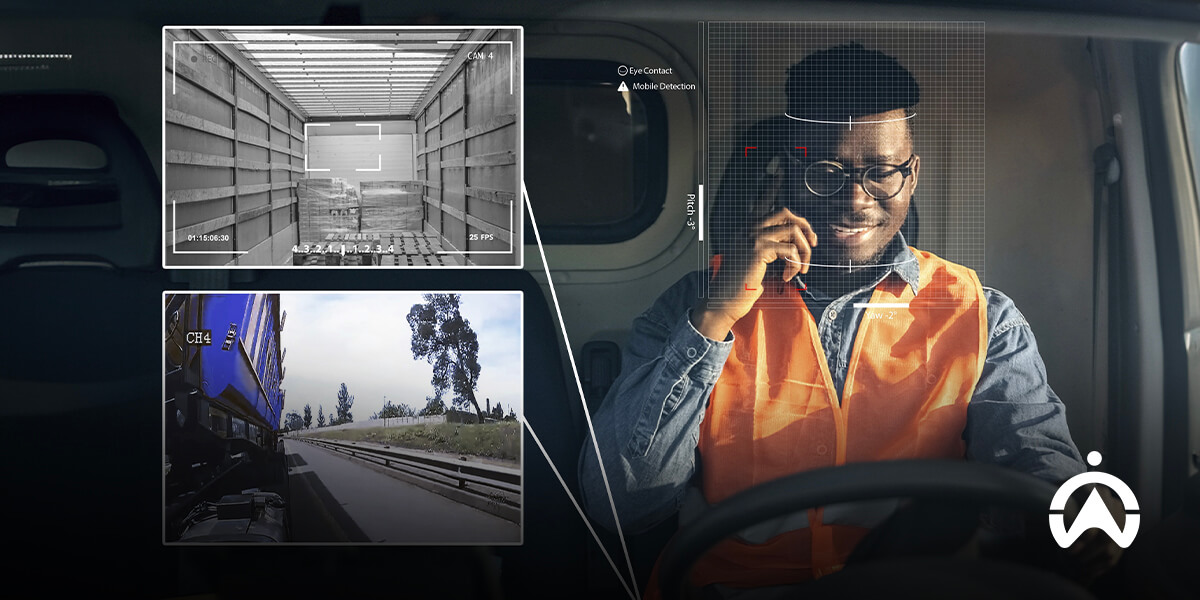
Diraro Group also used our advanced AI-powered and live-streaming camera solutions to boost their fleet’s security. This camera provides live streaming so fleet managers can monitor their drivers’ trips live with visuals, audio, and access to remote footage retrieval for fleet managers after events. The AI cameras use facial recognition to monitor drivers in-cabin and give an audible alert to drivers when they detect dangerous driving, such as fatigue, distraction, or drowsy driving.

The camera system makes it possible for Diraro to take the guesswork out of their fleet management and any driver incidents. They can take every trip with their drivers and use driver footage for driver training and coaching or in the event of an accident liability dispute.

The Group HSE Manager, Loue Reikert, said this about Cartrack:

“ When you have actual live footage, it takes the guesswork out of an incident. Our incident rate has decreased with the awareness that we have access to footage”.

Security is crucial for fleet-based companies, and there are plenty of ways for businesses to improve not only their fleet vehicles’ security but also their reliability. Here are a few helpful examples:

  • Invest in your fleet’s fuel economy by acquiring economic vehicles, including more fuel-efficient heavy-duty trucks.
  • Prioritise fleet maintenance, which can save you a fortune in the long run.
  • Integrate Cartrack’s fleet management software to manage and maximise your vehicle utilisation.
  • Improve your driver’s performance with training to stop harsh driving that wears out your vehicles and increase the vehicle lifetime of your fleet.

By implementing some of these strategies, logistics companies can enhance their fleet vehicle reliability by reducing the number of vehicle breakdowns and improving their overall fleet operations and performance.

Get the best protection for the most reliable brands with Cartrack Zimbabwe

Cars can be geared up with even more security features that help you ensure your family or business vehicles are protected.

For more information on the Cartrack products and features, contact us here.

Quick answers to top FAQs about car reliability

Which car has the highest security?

It comes as no surprise that larger bakkies and off-road vehicles are regarded as the most secure vehicles in South Africa.

Which car brand is best for safety?

Some car brands just step safety and security up a notch by offering more than the standard security features like alarms and central locking systems.

What vehicle brand has the highest safety rating?

The #SaferCarsforAfrica crash test results for 2024 revealed that this car is the safest. Although we wish we could name-drop here, here is a hint instead: it rhymes with “zahindra XUV300”.

What is the safest and most reliable car brand?

Here’s a clue: it’s the car brand your grandfather and father would recommend; in fact, every generation of men would recommend this brand. If that’s not a good clue, it starts with a T and ends with an A.
Truck Hijacking: See the Latest Stats and Prevention Tactics

Imagine suddenly receiving an alarming call. One of your fleet vehicles has been hijacked! Your heart immediately sinks as you realise you may have lost clients and revenue, all while putting your drivers in harm’s way.

It’s time to empower yourself and prevent these horror stories from coming to life. We can learn the numbers, prevention tactics and then fuse Cartrack’s advanced and stolen vehicle recovery into the blend.

This is a powerful mix, so let’s get stirring!

In this article, you will:

  • Come to terms with the reality of hijacking
  • Learn about the effects of truck hijacking on businesses
  • Gain knowledge of recent truck hijacking statistics in South Africa
  • Find out how to protect your drivers and trucks with hijacking prevention methods
  • Learn more about Cartrack’s safety-driven solutions

But it could never happen to me…

We all have this strange idea that we are unique and free from all the worst experiences. Of course, this is far from the truth. Many people in industries that rely on fleets are painfully aware of the hijacking crisis in South Africa. For this reason, always being emergency-ready is part of every fleet manager’s job.

Statista Research Department confirmed this collective fear in its “Number of truck hijackings in South Africa FY 2009-2023” report. It stated that in South Africa’s 2023 fiscal year, there were just under 2000 truck hijackings–a jump from the previous year. In fact, since 2012’s fiscal year, these hijackings have increased more than twofold, with that year recording 821 events.

The effects of hijacking on businesses

Some issues in life have a domino effect, and hijacking has a “not-so-great” chain reaction that negatively affects business owners, drivers, profits, and customers.

One perfect way to fight against these possible future disasters is by educating yourself! Let’s find out more about what companies may experience from this crime.

Profit Loss

Freight hijackings have a devastating habit of turning supply chains all the way upside down. In January 2023, the Transported Asset Protection Association shared that, within 546 days, R577 million in goods were stolen from supply chains due to hijackings. These hijackings cause companies to lose their goods and services, which they now can’t sell to buyers. Given the soaring number of hijackings in this country, this loss in sales would put a solid dent in returns. The seller likely has to raise their delivery costs because there is more risk. More risk means using more money for these dangerous journeys.

If the business’s fleet experiences ongoing hijackings, it may lose frustrated customers forever!

In a 2020 TimesLive Article by Mpumzi Zuzile titled “‘These people are killing our business’: hijackers target trucking industry,” the writer discussed this challenge. He stated that 1000 fleet vehicles were singled out throughout South Africa in the previous financial year.

Gavin Kelly, the Chief Executive of the Road Freight Association, expressed: “Our members lose goods. They have vehicles damaged. They have drivers threatened. They incur financial losses on top of COVID-19 losses. Their premiums increase, and their drivers become reluctant to drive unsafe routes or times.”

He stated, “There is a continual drain on their ability to earn revenue, and they continue to operate in a continual state of fear and uncertainty.”

With Cartrack’s advanced telematics-based fleet management system along with state-of-the-art technology, you can mitigate these risks and optimise proactive safety.

Driver safety

Truck accidents are a massive issue on South African roads. A 2023 article in Creamer Media’s Engineering News stated that in 2022, trucks were linked to a mind-blowing 60% of accidents on the N3 toll route. Being constantly alert of possible hijackings can contribute to heavy driver fatigue.

Companies can install our panic button and tracking device to provide drivers with some peace of mind. The panic button can be a comforting friend, always there if the driver is ever in need. It is also a way for businesses to help save their drivers and goods!

South Africa’s recent hijacking statistics

Compared to the rest of the globe, South Africa is known for many things–our diverse culture, our passion for rugby, and the beauty of our many landscapes and provinces. Tragically, crime forms part of that list — hijackings included.

In fact, according to the 2024 World Metrics report, the Rainbow Nation’s truck hijackingsare among the highest in the world. Roughly 30 to 35 occur weekly. Other statistics they shared showed that most of these truck hijackings occur in the Gauteng province—70% of them, to be exact. The report shared that, according to the National Council for Road Safety, black trucks are at a 70% higher risk of being hijacked compared to white trucks, while the reason for this is unknown.

These scary figures point to a broader nationwide crisis. That said, in February 2024, the National Anti-Hijacking Police actually shared some positive numbers. They stated that the year-on-year hijacking digits had grown smaller. Sadly, they claim 66 vehicles are still stolen every single day throughout South Africa.

Hijacking prevention tactics for your company’s truck drivers

While these statistics spark fear, there are always ways to prevent or fight against these terrifying experiences. Great minds have come up with strategies for hijackings. Meanwhile, Cartrack has developed technologically-driven solutions crafted for driver safety. Using Cartrack’s solutions and anti-hijacking tactics together, you have an effective shield to protect you, your driversand your business.

Expand your knowledge

Learning about the different types of hijackings can help you prepare yourself or your fleet for the absolute worst. Educate yourself by reading a list from Arrive Alive of the many kinds of hijackings:

  • Freight hijackings: These hijackings focus on the goods in the vehicle or truck. The culprits want to steal whatever the vehicle is carrying.
  • Showmanship hijacking: This hijacking, usually violent or threatening, stems from gang members attempting to show off.
  • Transport hijacking: This is when the cars hijacked are reused for illegal purposes such as dealing drugs and robberies.
  • Syndicate hijacking: These are highly organised hijackings connected to syndicates.
  • Operational hijacking: These hijackings are performed byan organised group that steals and sells vehicle parts.

How to prevent hijacking?

When tackling a problem, we must confront it from where it is standing. It could be a possibility in the future, a present situation, or we could be dealing with the future. Here are some tactics from Arrive Alive that tackle hijacking from all angles — with some of our efficient services and solutions sprinkled throughout.

What preventative measures can we take in case of hijacking?

This is your best bet: avoid it as much as you can. Caution and awareness are your new best friends.

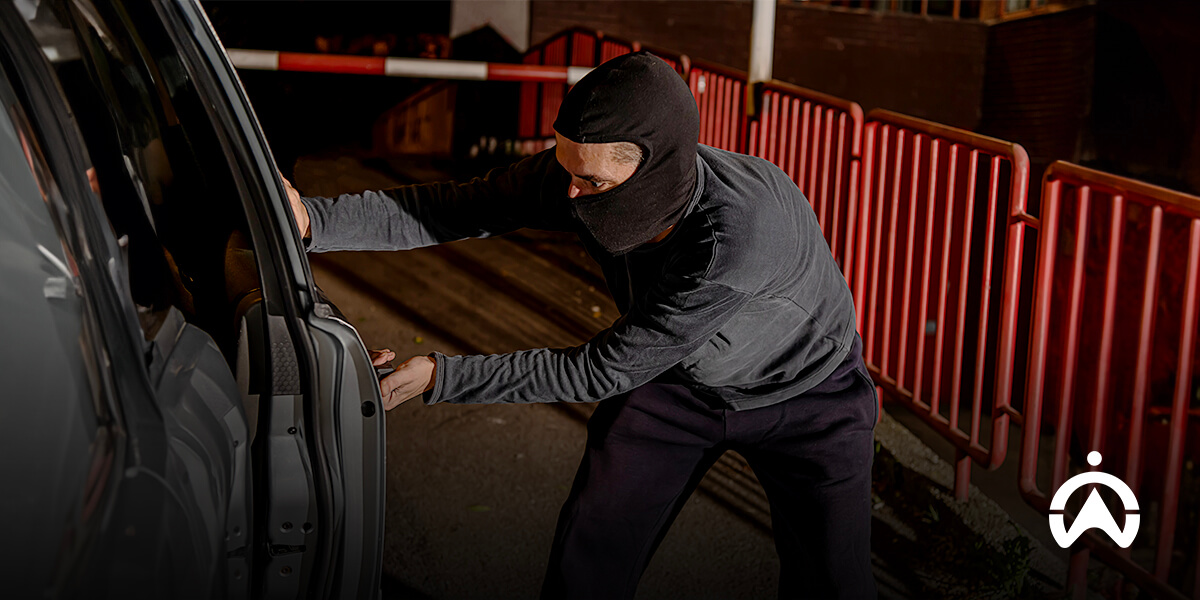
You can develop this friendship by practicing caution around every turn: parking anywhere or entering a driveway is the best time to remain aware, as this is when your vehicle or truck is slowly approaching a standstill. You are also about to open your door–a simply perfect opportunity!

That said, you should always ensure that your doors are closed and locked and your windows are rolled down. Hijackers tend to pounce around traffic lights and intersections. Stay aware.

Cartrack’s Vision solutions and GPS Tracking are perfect for this early-on type of prevention.

What procedure should be followed in a hijacking situation?

If the worst has happened, you or your truck drivers don’t have to feel hopeless. There are tactics you can employ. Firstly, always remain calm. If you are still only suspicious that someone is following you, you can always drive into a busy area.

If, however, the worst occurs, it is sometimes possible to simply drive away quickly to get as far as possible in the shortest period from the hijackers. While doing this, you should also hoot loudly.

Cartrack’s panic button can be a lifeline for your truck drivers if they encounter this terrifying situation.

What actions should be taken after a hijacking?

The driver must receive medical attention immediately and go to the police station. The company should also report the incident and handle the insurance.

If you have experienced this kind of traumatic event, you should consider going to a mental health professional to help you process and deal with any distress it may have caused you.

Cartrack Zimbabwe is dedicated to your safety and security

Cartrack Zimbabwe is a safety-driven company. We provide many services and products geared toward keeping you and your vehicle out of harm’s way. Let’s explore the specifics of some of the products mentioned and how they can ensure truck and driver safety:

  • Multi-approach tracking solution: Our tracking software includes GPS tracking, real-time vehicle tracking, and recovery. Control room support is also available throughout the day and night.
  • Panic button: The panic button is perfect for a trucker in the midst of a hijacking. It has four options: medical emergency, accident, breakdown, and security alert. This button instantly lets our 24/7 control room know something is wrong, and they are always ready to take immediate action.
  • Cartrack Vision: Our vision solution includes AI-powered live-streaming cameras installed in different areas of your truck, including a driver-facing, in-cabin camera, for increased visibility. Apart from allowing fleet managers to witness the event in real time, the technology also allows you to request footage covering a specific date and time for evidence and insurance claims.
    Different problems require different Vision solutions, and multiple fall under this umbrella. A great approach to hijacking is Cartrack’s Multi Vision solution. AI cameras are installed to view the road, cabin, a chosen internal part of the truck like the cargo, and an external place to destroy blindspots. It’s the closest you’ll ever come to a magic pill for hijacking.
  • MiFleet: This solution, found on the Cartrack App, can be used to track various costs, such as fuel, tolls, accidents, and insurance. You can also export this information via PDF or Excel. This means you can understand where you’ve lost revenue from a hijack or general operations.

Cartrack Zimbabwe keeps your business out of hijackers’ way and on the road to growth

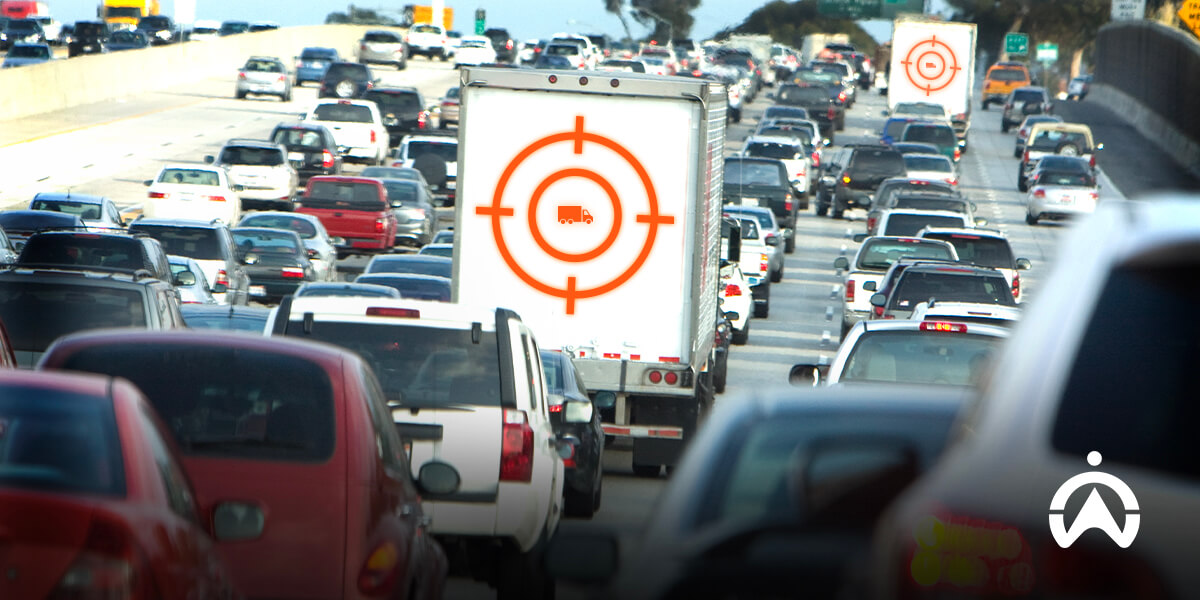
Our services and products will leave hijackers wondering why they even thought about targeting your company. Contact us today to rip that bull’s eye off your back.

FAQs to help you fight crime

  • Where do most hijackings take place in South Africa?
    According to the previously mentioned National Anti-Hijacking Police statistics, the Eastern Cape, Western Cape, Kwazulu Natal, and Limpopo’s hijacking digits reduced year over year.
    At the same time, the Northwest’s hijacking statistics increased significantly, with a 14.1% increase and a 13.5% spike.
  • Do hijackers have a new target in South Africa?
    In May 2024, Business Tech claimed that delivery vehicles are considered the ‘new target’ in South Africa. A significant number of hijackers began moving on from what was the go-to hijacking scheme — when these criminals targeted everyday vehicles, usually spotting those considered high-end or popular and stealing and selling the parts.
  • What are the trucking problems in South Africa?
    Beyond hijacking, truckers encounter many problems every day. These include poor road conditions, a lack of skills, corruption, and fatigue from being on the road too long.
    The trucking industry faces many challenges as an overall business. These include the high and constantly rising fuel prices in South Africa, a lack of skilled workers, road safety, and environmental concerns.
  • Is trucking a good business in South Africa?
    The trucking business faces a mountain of obstacles. However, it can still be an incredibly well-paid investment. This is if you can navigate a highly competitive and challenging industry and secure the needed funding.

Cartrack Zimbabwe is wholeheartedly committed to the safety of your fleet, goods, and drivers. Return this commitment and secure your business — contact us today.

Car Insurance Fraud: How A Dashcam Will Protect You and More

Vehicle owners in South Africa are always at risk of theft, hijackings, accidents, vehicle damage from bad weather such as flooding or hailing, or even their car being intentionally vandalised by someone else, and that’s why many people opt to get car insurance and tracking devices to protect and secure them when unexpected things happen.

Sometimes drivers can also become victims of fraud and scams that put not only their lives at risk but also their pockets and car insurance.

Car insurance fraud is on the rise in South Africa, and Cartrack vision cameras are the one onboard tool you need to protect yourself and your business from such scams.

In this article, you will:

  • Find out more about dashcams and what they do
  • Discover how dashcams protect you and your loved ones from car insurance fraud
  • Delve into how dashcams protect fleets
  • Unpack the Cartrack Vision Camera solutions and the benefits of these dashcams
  • Finally have the best answers to frequently asked questions about dashcams

How dashcams protect you from car insurance fraud

Car insurance fraud is not a new type of scheme, as vehicle owners and sometimes pedestrians have been known to cook up scams to either reduce their insurance premiums or receive a larger claim payout from the insurer. In South Africa, some pedestrians also cook up scams to claim from the Road Accident Fund (RAF) for personal injury.

According to a BusinessTech news article on car insurance fraud, it is estimated that approximately 32% of insurance claims are false. RAF has also reported that they prevented fraudulent claims to the value of almost R2.7bn over the past three financial years. This also points to the problem of car insurance fraud.

There are different types of car insurance fraud that motorists and other pedestrians may attempt, including

  • False claims
  • Faking car theft
  • Staged vehicle or personal accidents
  • Faking injuries from an accident

But how would a dashcam protect you from such car insurance fraud? Let’s find out.

How a dashcam can save you from false claims

Imagine you are driving back home after a long day of work and are stuck in bumper-to-bumper traffic due to the robots not working because of load shedding. You’ve noticed this one menacing driver recklessly switching and shifting between lanes when they suddenly jump ahead of you and abruptly stop, causing a rear-end collision. Still, thankfully, the damage isn’t too bad, as both cars just have a slight dent. You and the other driver stop to assess the damage and decide to exchange insurance information and resolve the matter later.

After the legitimate accident, the other driver’s insurance claim now includes more serious damages to the body of the car, the windows, and the side mirror. The other driver swears you were at fault in the accident and caused the vehicle damage, but you are not even certain about this, because you don’t remember the driver’s rear-end lights braking before. This is one of the most common insurance fraud scams: a staged car accident.

In such an incident, an onboard camera like Cartrack’s vision camera for individual vehicle owners would help you and protect you from car insurance fraud through video evidence of the events of that day of the accident. With access to this footage, you could still prove your innocence, assess the extent of the damage, and see whether you are the victim of a staged vehicle accident or car insurance fraud.

Cartrack’s Vision Camera: Capture everything

Cartrack’s vision camera is a user-friendly road-facing recording camera. Users can request footage based on date and time, and download the footage on the Cartrack app. Parents of young teen drivers can watch over their teens by live-streaming from the Cartrack app to ensure they arrive safely every time. Remote retrieval with these cameras is a powerful way for drivers to protect themselves from all sorts of car insurance scams and even reject car insurance claims.

This feature-rich and easy-to-install camera provides users with

  • Live-stream video with audio
  • Remote footage retrieval after events via the Cartrack App
  • Live GPS tracking for information on vehicle location

Dashcams can help you not only protect against fraudulent insurance claims, but also:

  • Provides valuable evidence in the event of an accident in your vehicle.
  • Capture pedestrian scams, like trying to jump in front of your vehicle.
  • Continuously record activity around your vehicle including attempts to vandalise your car and other damage to your vehicle.
  • Provide evidence for other drivers and activities you witness.

For businesses, the more advanced AI detection technology which comes with our SmartCabin cameras doubles the protection from car insurance fraud and other problems.

Let’s unpack this dashcam technology better suited for business vehicles below:

How dashcams protect your fleet from car insurance fraud

With live GPS fleet tracking, you gain increased fleet visibility to see your driver’s location, performance, and activity, but when your fleet is out on the road, there is no way of telling what happens between your driver, other motorists, and pedestrians.

For example, was your driver distracted by their cell phone while driving and so failed to see the vehicle switching into their lane, or did the other motorist cut too close to your truck driver while changing lanes, causing the accident?

Without any evidence, your driver-truck accidents become he says versus she says, which is difficult to prove to insurers or investigative officers and increases costs for you. This is only one example of an event where a fleet manager will never know if their drivers are being honest about events when something bad happens, like an accident, or whether someone is attempting to scam your driver.

Yes, it is true. Your drivers are also vulnerable to scams and car insurance fraud risks while out on the road, which is why Cartrack offers solutions designed to help you navigate these tricky situations with ease.

Cartrack’s Vision SmartCabin Camera: See everything to protect your fleet

A fleet dashcam is a perfect solution to protect your drivers and business fleet, but it’s not just your vehicle’s front view that is important; with an in-cabin camera, you can also get a cabin-facing view to ensure your driver’s safety.

The Cartrack SmartCabin is a dual road-facing and in-cabin-facing camera equipped with the following features:

  • Forward collision warning sensors: Help prevent possible collisions by audibly notifying the driver of an obstacle ahead of them.
  • AI-detected events (in-cabin camera): This smart camera detects dangerous driver behaviours such as distracted and fatigued driving, mobile phone, and smoking detection to warn the driver to quit dangerous actions.
  • Livestream video with audio: Fleet managers can livestream drives to carry out spot checks and check their activity to enforce responsible and compliant behaviour.
  • Auto-answer in cabin mic and speaker: Facilitate two-way communication between manager and driver, or the Cartrack command centre to address any issues.
  • Remote footage retrieval: Fleet managers can request footage or download footage after events based on date and time.

A dashcam can protect your business from car insurance fraud on your fleet.

Protect drivers

In the case of a legitimate accident, that was not the driver’s fault. You can safeguard your driver by using event-based footage and other driver telematics information to help prove your driver’s no-fault and help them avoid unfair claims against them.

Improve driver performance and accountability

Camera footage can be used to train drivers, help them improve their performance, and increase accountability. Alternatively, by spot-checking drivers and live streaming their activity, fleet managers can ensure productive and responsible working hours.

Expedite Insurance Claims

Video recording and footage give an account of the events before and after an accident, and this helps speed up your insurance claims process and ensure your vehicle is repaired faster so you can avoid vehicle downtime.

Choosing the best dashcam: The top five features to look for

Dashcams can protect you and more, but it’s important to choose the right dashcam with these 5 top features to look for when you decide to add this extra layer of security and protection.

#1 Good battery life and reliable storage

Car insurance fraud scams don’t happen every day, but your dashcam records every journey you take. Imagine if your camera storage was full on the fateful day you or your fleet driver were involved in an accident. A good battery life and enough storage space are the top features to look out for with a dashcam.

#2 Video image quality and night vision

Not all dashcams are made equal; some have poor video quality; you cannot see the number plate of the vehicle or other details. Buying a dashcam with good video quality is important, especially for live streaming.

#3 Camera affordability

Car cameras are a security investment worth making, but that does not mean your business should go bankrupt by purchasing a camera. The affordability of the camera is something you must consider for yourself and your businesses too.

#4 Easy set-up and sleek design

Setting up a dashcam should be easy. For example, Cartrack has a plug-and-play option for rental cars, so there is no vehicle damage caused by camera mounting and hardware installation in the vehicle.

#5 GPS connectivity

An in-built GPS tracker adds some extra functionality to your dashcam and improves its reliability, especially when it comes to car insurance fraud.

Enhance on the road safety with Cartrack’s Vision Cameras

Vehicle dashcams are the protective tool you, your loved ones, and your fleet need to prove your innocence and avoid car insurance fraud and other scams.

Cartrack’s vision camera solutions are designed to enhance everyday road safety and protect you.

Contact us for a demo here.

Tracking Devices: The One for All

There are many different kinds of tracking devices, each serving a significant function. These smart technologies are everywhere, and a common factor is how they make our lives easier.

Cartrack offers vehicle and asset tracking for various industries such as transportation, construction and agriculture. Let’s look at how this interesting technology works.

In this article, you will:

  • Understand what a tracking device is
  • See the different kinds of tracking devices and their functions
  • Learn how an IoT device connects with other devices
  • Find out how Cartrack solutions cater to your tracking needs

What is a tracking device, and what does it do?

A tracking device is exactly what the name says: an electronic device that helps you monitor the location of an object or person. There are many different types of tracking technology, all depending on what you need them for.

Knowledge is power: understand the different types of tracking technology

To help you understand the different types of tracking technology and how each one works, here are some examples of the most commonly used tracking systems:

  • Radio Frequency Identification: Also known as RFID, this is an asset-tracking technology that uses radio waves to track assets equipped with tags. It requires three main components to work: a reader, an antenna and a tag. The tag is connected to the antenna, which sends and receives radio signals from the reader.
    This sort of device is used in various industries such as retail, manufacturing, and healthcare for inventory management or access control. In the fleet management industry, RFID technology is used for driver identification.
  • Near-field communication: This one has turned many shopaholics because you don’t have to think twice. All you need to do is tap your phone or credit card, and voila, payment is done! NRC technology is another form of RFID and is found on most smartphones. Over the years, this has become very popular due to the modern-day demand for contactless payment systems. This sort of technology only works when devices are in very close proximity to each other.
  • Barcode: This is an easy and effective way for businesses to track data related to inventory or physical assets. All that’s needed is a barcode label and a reader. It enhances the accuracy of the inventory management process and is a must-have for last-mile deliveries or tracking shipments.
  • WiFi: Wi-Fi-based asset tracking uses an existing Wi-Fi network to track the location of vehicles or equipment that are indoors or frequently travel in and outdoors, where signals may have trouble passing through. Examples are refrigerated trucks and warehouse inventory.
  • GPS tracking: Short for Global Positioning System, GPS is one of the most well-known and widely-used forms of tracking technology. It is a constellation of 31 satellites orbiting the Earth, with each satellite emitting signals that enable receivers, through a combination of signals from at least four satellites, to determine time and location. GPS technology is used on cell phones and other devices for navigation but has many other benefits such as the real-time location of vehicles and other assets such as a generator.
  • Geofence: Geofencing is based on either GPS or RFID systems. The only difference is that it does not consistently report location data but rather uses location data to set up invisible boundaries in an actual geographical area. When an object moves into or out of the virtual fence, a violation is reported through a transmitter.
    This kind of technology can be used to mark no-go areas, or you can put it around the workplace to let people know when vehicles enter or leave the building.
  • Cellular: This particular system can work with GPS but mostly relies on the presence of cellular towers to transmit location and asset information. Although not as effective as GPS, the system takes advantage of existing cell towers, which can be helpful for fleet management and equipment monitoring in remote areas.
  • Bluetooth Low Energy (BLE): A Bluetooth low asset tracker is a wireless solution that combines location accuracy and effective battery usage. BLE tags or beacons are attached to assets and Bluetooth-enabled devices like smartphones or getaways to give real-time updates on the location of equipment that is used. It helps track equipment within a restricted distance, typically reaching a maximum of 100 meters, which can be found in the construction and agricultural industries.

The IoT device, or should we call it the One-For-All?

Imagine some of the powerful tracking systems mentioned above working with one unit to give you the best accuracy on the location of your vehicles and equipment, as well as data that will help you make better decisions. You don’t have to imagine, actually, because that’s basically what an IoT device does.

Formally known as the Internet of Things, IoT devices are specialised hardware such as sensors, actuators, and appliances that connect to wireless networks to collect and exchange data. They access the Internet via a physical area network such as Wi-Fi, Bluetooth, GPS or cellular connectivity and can be installed in vehicles or assets for every major industry.

Tracking device solutions and equipment for individuals and fleets—the Cartrack way

Now that you know how all these devices work, here’s how Cartrack uses them to simplify your daily work and home routines:

  • Stolen Vehicle Recovery:
    Cartrack has a recovery rate of more than 90% and over 2 million subscribers, so you can rest assured that our tracking unit will give your vehicle the security it needs. Our highly-trained air and ground recovery team is always on standby, ready to return what’s rightfully yours.
  • CarWatch:
    As an extra layer of security, you can switch on CarWatch on your mobile app right after you’ve parked your car. You’ll be alerted if it moves. Think of it as your virtual car guard.
  • Protector:
    Vehicle tracking technology does not just end up finding your car when it has been stolen. Sometimes, you just need other services like roadside or medical assistance. At the push of a button on your Cartrack mobile app or website, a call centre agent will contact you immediately and get you the assistance you need.
  • Geofence:
    Using Cartrack’s geofencing feature, you can set virtual fences around areas of your choice. This feature alerts you whenever your vehicle enters or exits the area and works not only for vehicles but also for other equipment fitted with tracking devices. If your machinery suddenly grows feet and “walks out” of the geofenced premises, you’ll get an alert, too.
  • Asset tracking:
    Know where exactly your equipment is at all times using Cartrack’s asset track feature. With this feature, you will receive real-time alerts whenever a fault code is set off or when your machinery needs servicing.
  • Temperature monitoring:
    Keep your refrigerated cargo fresh with our temperature monitoring solutions. These sensors give you immediate alerts when temperature changes in refrigerated trucks or trailers so that cargo such as food and pharmaceuticals can reach its destination in perfect condition.
  • Driver ID tags:
    Cartrack’s DID tags use RFID technology to help you immediately identify who drove which vehicle. You can ensure only authorised operators use your machinery, or only authorised drivers use those particular vehicles. This feature also allows you to monitor driving habits so you can see who needs more coaching.
  • Delivery:
    Our delivery software helps streamline operations for you and your drivers. It allows you to find the best order to complete tasks to reduce fuel expenses and track delivery progress in real time. Customers are also notified of any changes that might occur.

Trust the industry leaders of tracking technology—trust Cartrack Zimbabwe

We could go on and on about the many benefits of tracking technology because, with Cartrack Zimbabwe, the list is endless. Just contact us to find out more.

Let’s answer some FAQs

  • Which one is the best tracker in South Africa?
    Cartrack holds the highest trust rating on Hello Peter among all tracking companies in South Africa. With an outstanding stolen vehicle recovery rate of over 90%, Cartrack proudly holds the highest SVR rating in South Africa.
  • Where can I find tracking devices on cars?
    For safety reasons, the location of a tracking device is never disclosed, not even to the person driving.
  • How much does it cost to have a tracker fitted to your car?
    A Cartrack device costs as little as R99 per month and comes with free installation.

Stay on track with Cartrack Zimbabwe. Contact us today.

What is Driver Coaching? Get All the Insights on How To Boost Your Drivers

Fleet managers put their trust in their drivers but still need to keep an eye on driving habits in order to avoid fuel drainage, high repair costs or even fatalities. With the right coaching, better driving habits can be achieved, but the question is: What’s the best way to train drivers to improve your quality of service?

Let’s have a look at driver coaching.

In this article, you will:

  • Understand the importance of driver coaching
  • Discover the four main reasons why you need a driver coaching system
  • Learn about the consequences of bad driving habits
  • Get tips for effective driver coaching
  • Find out how Cartrack Zimbabwe makes driver coaching easier for you

Driver coaching explained: What is it?

Driver coaching is the process of teaching and engaging with fleet drivers to improve their behaviour over time and enhance safety on the road. It is aimed at saving costs and increasing productivity.

Why driver coaching can be challenging

Drivers come with diverse skills; some are experienced, and others are at a beginner level. For example, a new driver might require an in-depth explanation of compliance and regulations, while an experienced driver will probably just need refresher training on advanced defensive driving. This means that the feedback needs to be tailored to each driver’s unique needs, but unfortunately, fleet managers and safety managers do not have time to engage with every single driver due to their ever-so-busy schedules, especially when running a large fleet.

Fleet managers can’t correct what they can’t see. They don’t exactly know what activities drivers get up to on the road, and that makes it difficult to notice patterns or pinpoint the real reason why fuel doesn’t last, why the driver ended up in an accident, or why vehicle parts always need repairing or replacement. Without data analytics from a fleet management system, coaching doesn’t work.

4 consequences of bad driver behaviour on fleet businesses you need to know about

Here’s how problematic driving can cause serious profit drainage:

1. Fuel wastage

Fuel amounts to most of the budget for running a fleet and gets worse when not monitored. These are some of the driving habits that can dramatically increase fuel consumption:

  • Sudden braking: This usually happens when the driver does not keep a safe distance during traffic or is distracted. It uses more fuel because the vehicle’s transmission shifts to a lower gear to regain momentum.
  • Long periods of idling: According to North Carolina Environmental Quality, idling for 10 seconds uses more fuel than turning the engine off and restarting it. Idling also damages vehicle parts and causes pollution.
  • Speeding: A higher speed requires more power from the engine to overcome the drag from wind resistance, tyres, and transmission, which, therefore, burns more fuel.

2. Maintenance

Careless driving habits put a strain on the vehicle and shorten its lifespan due to the constant wear and tear. Here are some examples of careless driving habits that can cause maintenance issues:

  • Revving a cold engine: Usually done on cold winter mornings when you’re running late and need to get going, excessive revving puts strain on the engine before the oil has had a chance to circulate properly, increasing wear and tear.
  • Coasting: Keeping your foot on the clutch is called coasting and wears down the pressure plate and bearing before the expected time.
  • Ignoring warning signs: Drivers need to familiarise themselves with symbols on the dashboard so they know when to stop and take action to prevent further damage or a breakdown. If you see any warning lights relating to the engine, braking, airbag, oil pressure or tyre pressure, then you should pull over and request help immediately.

3. Safety concerns

This is important and more obvious. Reckless driving is one of the leading causes of road accidents. Drivers are responsible not only for their own safety but also for the safety of others. One small distraction or higher speed may cause a huge collision, end lives, and result in major lawsuits or jail time for the driver. This can also cause revenue loss due to unexpected downtime, repairs, and replacements.

4. A bad company rep

The purpose of the “How’s My Driving” sticker at the back of a truck or car belonging to a fleet business is to promote safe driving, which is another good way to monitor driver behaviour. If your drivers are not coached, they stand a chance of always being reported, damaging the company brand as it will be known for bad driving. This becomes more of an issue once more people notice, the word spreads, and clients start to avoid associating themselves with your fleet business. It gets even worse once drivers are caught in accidents, and it’s the same company that comes up.

Tips for effective driver coaching

Driver coaching plays a huge role in the overall business’s revenue, empowers the drivers, and helps them grow their skills. Your approach to doing so is very important; here are a few tips for successful coaching:

  1. Get a driver monitoring system: Telematics eliminates the gap by providing you with real-time data regarding your fleet. This allows you to track driver routes and monitor problematic driver behaviour.
  2. Build rapport with your drivers: Have a positive approach to each session, greet each driver, treat them with respect, ask how the day is going and how the family is doing and let them know how much you appreciate them.
  3. Make time for your drivers: The most serious incidents should be addressed within a day or two, but it is advised that you at least give weekly feedback so it becomes a part of the company culture.
  4. Make communication a two-way street: Coaching should be carried out as a conversation instead of just instructions. Ask the driver his/her side of the story, hear them out, then give directions and ensure they understand the risk of continuing the behaviour.
  5. Give recognition to top drivers: Those doing well should be rewarded, and those showing improvement should be recognised. This encourages the driver and boosts morale.
  6. Be positive when addressing drivers: All feedback should be seen as a way to improve instead of a scare tactic.
  7. Gain driver commitment: Drivers should be encouraged to take accountability for their actions and complete the agreed-upon follow-up actions.

Simplify driver monitoring and coaching with an all-in-one solution

It is evident that driver coaching is essential for every fleet business, and Cartrack, without a doubt, has the best solutions for you and your drivers:

The Cartrack driver coaching tools

  1. Advanced Driver Assistance Systems (ADAS)
    Enhance driver awareness with Cartrack’s ADAS. This powerful tool uses camera-based sensors, intelligent algorithms, artificial intelligence and machine learning to warn drivers of blind spots and forward collisions.
  1. ADAS coaching tool
    Cartrack’s on-platform driver coaching feature allows you to see risk reports and videos of daily or monthly driving violations, such as seatbelts not being used, fatigue, or cellphone use. This valuable tool also shows you the number of times a driver repeated an incident as well as how many times they have been coached on that specific violation. You can leave notes for each event, allowing you to keep track of what was discussed in the last coaching session.
  2. Driver scorecards
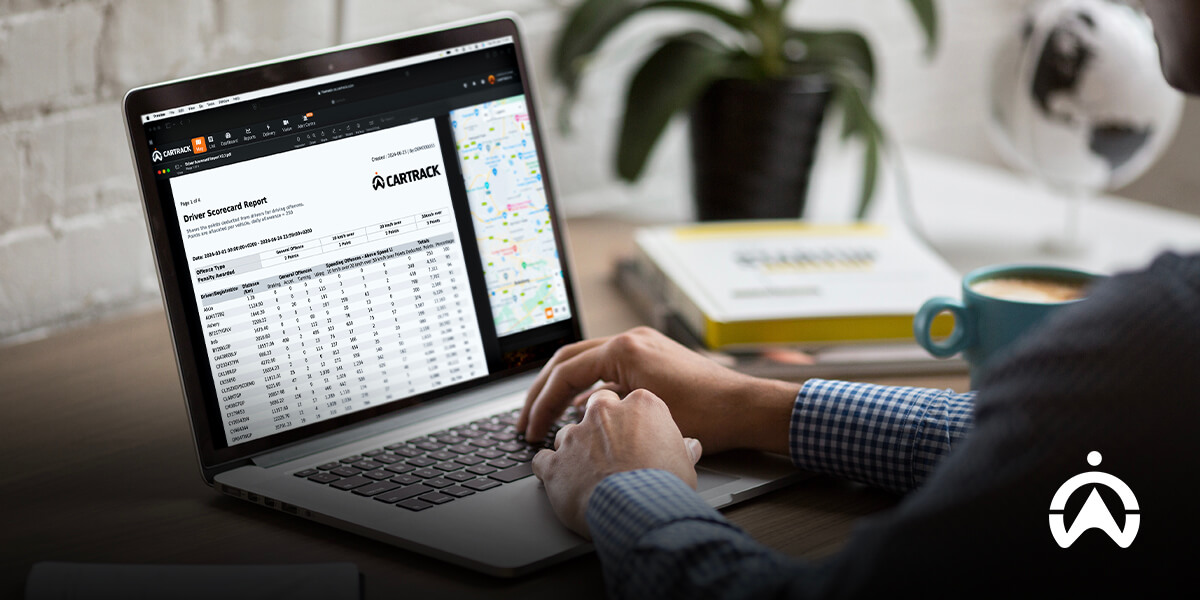
    Our driver scorecards give each of your driver’s ratings based on events such as harsh acceleration or braking. This helps you pinpoint areas for improvement so you know what kind of training they need, and it will also help you reward drivers with the highest ratings.
  1. Driver risk reports
    Easily monitor each driver’s progress and identify trends through the insight given by detailed driver reports so you can make informed decisions based on real-time data.

Unlock your drivers’ full potential with the right coaching: Choose Cartrack Zimbabwe

Trust Cartrack Zimbabwe to make you the best coach. Contact us today!

Here are a few driver coaching-related answers to questions you might still have on your mind

What is driver coaching?

The process of educating fleet drivers to improve driver behaviour so you can save on fleet running costs and enhance driver safety.

What is a coach driver?

An employee who drives a bus along a set route to pick up and drop off passengers. Usually for long-distance travelling.

How to improve the behaviour of the bus and taxi drivers?

You can boost the behaviour of bus and taxi drivers by providing training and education on road safety, customer service, and driving techniques that can improve their behaviour on the road.

How important is a good driver?

A good driver lowers the risks of accidents and promotes safety on the road.

Get The Best Car Panic Button When You Need It

Whether we’re on our way to work or making a delivery, roads are a dangerous place. So, can we dispute the necessity of an in-vehicle panic button in such an environment?

Our major highways and quieter roads are both tainted with the risk of hijackings and a sky-high accident rate, so having help at the touch of a button can be that extra lifeline you never knew you needed.

Find out how you can protect yourself and your fleet with this smart technology.

In this article, you will:

  • Distinguish between a panic button and alarm system
  • Find out about different car panic buttons
  • Discover the benefits and downsides of car panic buttons
  • Learn about safety tips to use with car panic buttons
  • Get the best car panic button solutions with Cartrack Zimbabwe

The difference between a panic button and an alarm system

Panic buttons sound pretty straightforward, right? With so many types, though, it’s worthwhile familiarising yourself with this lifesaver of a tool. An easy way to understand how a panic button works is to compare it to an alarm system. Nearly all makes and models now come equipped with alarm systems, and aftermarket options are also available for those who don’t have this as a standard feature.

Some alarm systems can be activated by pushing a button—similar to a panic button. However, the key difference between an alarm system and a panic button is that, upon activating an alarm, it makes a loud sound with the aim of deterring criminals and alerting passers-by of suspicious activity. When pushing a panic button, you activate a silent alert to authorities, a security control room, or other authorised personnel who can assist with dispatching the appropriate emergency services when you need them most.

Panic buttons can alert management or security personnel using Bluetooth, WiFi, or cell phone networks, making them conveniently mobile and user-friendly.

Are all panic buttons the same? Discover the best car panic buttons

While all panic buttons are designed to alert someone when you urgently need help, there are several types you can choose from, depending on how accessible you want them to be, where you want to place them, and when you’re most likely to use them. Here are some examples of panic button types, where you’d find them, and the type of scenarios they’re most often used in.

The mobile panic button

With a mobile panic button, it’s all in the name, and this handy personal security alert system goes everywhere you do beyond your vehicle. These panic buttons are usually found on security apps, so you’d need to have your phone with you if you want to use them. Once pressed, the alert will go to the specific security company or control room to which the panic button is connected, so you’re unlikely to find a panic button pre-installed or as part of the factory settings on your mobile phone.

Here are the main details you need to know about how a panic button works:

  • It’s usually a small button or icon on your mobile phone’s screen.
  • When pressed, it will alert a preselected emergency contact or designated control room.
  • The panic button alert can include your mobile phone’s GPS location to help you be found in an emergency.
  • Some panic buttons also sound an audible alarm as an initial deterrence tactic, in addition to contacting a control room or emergency contact.

In Mzansi, the private security industry is thriving, and most companies that provide personal patrolling home security services in conjunction with an alarm device will also have an app with a mobile panic button.

Designed to be quick and easy, specifically for high-stress situations, the mobile panic button has many perks. However, one of its downfalls is that it can still be a hassle to activate. Most people’s phones now have passcodes or require a fingerprint or face scan to unlock. Then, you’ll need to navigate to the relevant app, and only then can you push the panic button.

These few seconds can change your life, so finding smart ways to navigate this potential hassle, like making sure the app is on your home screen, etc., helps make the mobile panic button a good option for the everyday citizen on the go.

Built-in panic button

For those of us who travel extensively, especially as part of our jobs, having a built-in, hidden panic button in our personal or company vehicle just makes a lot of sense. This safety feature is designed to help alert authorities and loved ones in the event of an emergency and is usually connected to a dedicated control room or monitoring centre. If you or your drivers often travel at night or in notoriously dangerous areas, the built-in version is a great way to offer peace of mind and an extra layer of security. Here’s a quick look at how in-vehicle panic buttons work:

  1. Signalling the alarm: First and foremost, someone needs to know that you’re in trouble, so sounding that alarm is the crucial next step.
  2. Alert transmission: Along with sounding the alarm, the technology that comes with the panic button sends important information like your exact location, and it can send further helpful data like the identity of the individual who triggered the alarm and the time of the incident.
  3. Response: The point of the exercise is to get a response as soon as possible, which is up to the control room. The control room will contact the individual in distress and dispatch help to the received location.

Installable panic button

If your car doesn’t come out of the factory with a panic button, don’t worry! After-market options are available to help you get peace of mind. Installables are also popular among fleets, with staff constantly on the road, as nobody will argue that South African roads are dangerous workplaces. These function a lot like a built-in panic button, as, after they’re installed, the user won’t be able to move them around or simply take them out of the vehicle.

These panic buttons work exactly the same as a mobile panic button in the sense that, once pushed, a control room or emergency agent will be contacted. However, the installable panic button is not mobile, so it stays in one place, usually a discreet one, and only the driver should know its location, so you have that extra backup if you happen to be in danger.

The importance of smart panic button placement

When placing an after-market panic button in your vehicle, smart placement is key. Think not only hidden but accessible in an unobtrusive location, where the driver can reach out and press the button without taking their eyes off the road.

It’s also important to ensure the driver is aware of the panic button’s presence, especially if it’s hidden from plain sight.

Benefits and downsides of panic buttons

Can there be downsides to having a panic button in your vehicle? Like many other pros and cons, it depends on the situation. Don’t worry, though; being aware of the benefits and downsides can help you navigate these situations to make sure you get the most out of your panic button.

The most obvious benefit of an in-vehicle panic button is its convenience and direct access to help and safety. It can be placed on the dashboard, the steering wheel, or even on the driver’s car door for easy access that could potentially save lives.

The main downside, however, is closely linked to the main benefit, as having the panic button readily available for the driver might not be the best scenario for other passengers who may need to use it. Imagine children or elderly travellers who, without the driver’s knowledge, are experiencing an emergency but may not be able to reach the panic button or communicate their need for help. While this scenario is unlikely from a fleet perspective, it can be considered a drawback.

Apart from that, panic buttons don’t have many drawbacks for fleet or commercial drivers and can be a most valuable layer of security when a driver cannot reach any other means of communication in an emergency situation.

Safety tips to help you avoid panic button situations

Whether you’re on a private trip or doing a delivery, safety is key. If you can take measures to avoid getting yourself into a situation where you need a panic button, it’s even better. Stay safe by taking a look at some of the top vehicle safety tips:

1. Keep those doors locked and windows up

It’s easy to forget about and leave a window open after parking and getting out of your car. Modern models auto-lock after parking, but doing it yourself immediately after you exit your car is a great way to keep yourself accountable for your vehicle’s safety as well as your own by practicing vigilance.

2. Don’t trust unknown people who want to “help you”

Good Samaritans are rare, so when someone tries to indicate that you have a flat tyre and you can’t actually feel the wobbly sensation while driving, don’t stop. Even if something feels off with your vehicle due to possible road spiking, drive on as far as you can to a petrol station or away from the individuals before you inspect your vehicle to avoid being robbed or hijacked.

3. Keep your stuff in the boot

Don’t leave eye candy like laptops, shopping, and other valuables on your car seat. Stow them away safely in your boot so you don’t attract the attention of unwanted eyes, long fingers, and possible situations where you might need to use your panic button.

4. Don’t pick up strangers

Picking up strangers on the side of the road is a common habit of trucks and other long-distance drivers. However, it can pose many dangers and end in tragedy. So, whether you’re en route to your favourite vacation spot or transporting precious cold-chain goods, staying on your route and making sure there are no unwanted passengers in the car can save you from having to push that panic button.

Get the best car panic button and additional smart features from Cartrack Zimbabwe

With safety and your peace of mind as our main concern, we’ve developed state-of-the-art panic button technology and support smart technology to help you avoid these types of high-risk situations, theft, and loss. Let go of your stress, knowing that we have several lifelines to keep you safe on the road.

On-camera panic button

Cartrack’s Smart Vision camera solution offers state-of-the-art AI-powered safety alerts to ensure your drivers are notified of risky behaviour that can lead to accidents. It also comes with a convenient on-camera panic button, which is easily reachable during emergencies and allows immediate assistance alongside the visibility offered by this advanced solution.

In-vehicle panic button

Have a discreetly placed lifeline when you need it most with Cartrack’s in-vehicle panic button. Providing instant assistance from our dedicated Control Room, our agents are able to contact you and your emergency contacts and send help to your exact location.

Crash Detect

Cartrack’s sophisticated telematics devices can detect sudden changes in gravity, including collisions with other objects. On impact, the smart device alerts our control room of the incident, enabling us to dispatch emergency medical response to your exact geographical position.

Cartrack Protector

Have emergency roadside, medical, legal assistance, and more at your fingertips with Protector, conveniently located on the Cartrack App. Our staff are standing by to provide you with the help you need when you’re stranded or need emergency assistance—all at the push of a button.

Let Cartrack Zimbabwe take the panic out of daily travels

Are you ready to remove the word “panic” from your fleet’s vocabulary? Contact Cartrack Zimbabwe today for superior panic button technology and other features that help you proactively up your fleet’s safety game.

Don’t panic! We answer all your panic button FAQs:

Are panic buttons worth it?

Your working environment can be considered high risk if you’re in a vehicle and on the road every day, and even if you’re just using your car to go and buy milk at the corner shop! With hijackings and other road-related crimes prevalent on South African roads, having an in-vehicle panic button is like having emergency services on speed dial. It helps you do your daily job with ease and without fear, knowing that you have the support you need when you’re experiencing an emergency situation.

What’s the point of a panic button on car keys?

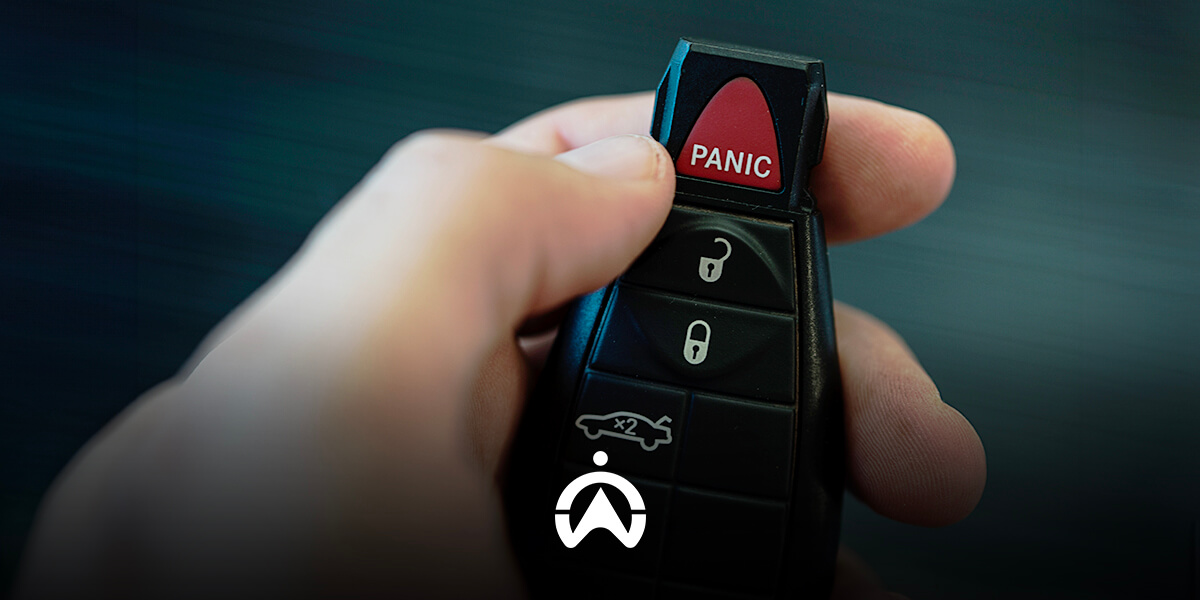
Panic buttons on car keys can have different functions. They can easily be confused with a vehicle alarm system, which is usually found on car keys; however, it is possible for car keys to have a panic button, and this can come in very handy, regardless of whether it is an older version of a car key or a more modern key fob. Consider the following scenario:

  • You’ve just parked your car, placed your mobile phone in your pocket or bag, and got out when you’re being confronted by a group of threatening individuals. Your mobile phone is too far to reach, but as the key fob is in your hand, you can easily push the panic button that will either make a very loud noise or send a message that you need help. This, in turn, will deter the suspects, giving you time to get back into your car, lock the doors, and drive away or get help.

When should a panic button be used?

If you don’t want to end up like the boy who cried “wolf,” you need to make sure that you use your panic button only in emergency situations where you have no other way of calling for help, and your life may possibly be in immediate danger.

Where is the best place to put a panic button?

With thieves constantly looking for the latest spots where we tend to hide in-vehicle panic buttons, there’s no set place. The best advice will always be to make sure it’s both completely hidden and as accessible as possible, which can be a challenge but one well worth it.

Don’t panic about in-vehicle emergency situations. Contact Cartrack Zimbabwe today to get the protection, peace of mind, and support you need.

Driver ID Tags: Be in Complete Control of Your Drivers and Your Fleet

Keeping up with who’s driving which vehicle can be quite the challenge, especially for a large fleet. Drivers sometimes forget to manually sign in for the vehicle they’ve used on that day, and if anything happens, you might not know who did it, which is why driver identification plays a crucial role in fleet management.

A driver ID tag simplifies the process and puts you in control of every vehicle. Cartrack specialises in automatic vehicle and driver identification, so let’s get into the nitty-gritty of driver ID tags.

In this article, you will:

  • Find out how DID tags work
  • Learn about three different types of Cartrack DID tags
  • Discover the 7 benefits of driver identification
  • See how DID tags form part of a driver monitoring system

Get to know driver identification tags – the what, why, and how

A driver identification (DID) tag is a key-ring-sized tag that is used in conjunction with the ignition key. It serves as an extra layer of protection and makes it easier for you to know who is on duty, who is driving which car and for how long. Look at it as an access card for drivers. If the vehicle is used without a tag, it can be flagged as potential theft. DID tags are essential for fleet management businesses in cold chain and logistics, the construction industry, and the transportation industry.

How do the tags work?

Driver ID tags use Radio-frequency identification (RFID) technology. This is a wireless communication that comprises three components: a reader, an antenna and a tag. The reader is connected to the antenna and transmits radio signals to the tag with added information. The tag also works in conjunction with GPS tracking technology to help monitor your drivers while on the road.

Cartrack’s advanced DID tag solutions

Introducing the three Cartrack driver identification features, specially tailored for your needs:

1. Driver ID
This helps you automatically identify drivers and vehicles using the driver’s identification number. If something ever goes wrong, this tag will be very useful. Drivers can also be assigned two tags, one for work and another for personal use. You can pull out a tag report to keep track of who was driving which car and when.

2. Driver ID start prevent

Eliminate unauthorised vehicle usage with Cartrack’s DID Start Prevent. With this, the tag assigned to the driver will be linked to the start inhibit, meaning the ignition will not go on unless there is a tag. This is ideal in industries such as mining and construction because there is equipment that needs to be protected and accounted for.

3. DID with configuration

This DID tag is configured for a specific vehicle to prevent others from using it. How is this any different from the rest? Well, let’s say you have some abnormal load trucks in your fleet. Not all drivers are qualified to drive trucks of that nature, so you need to control who gets access to them. It’s not easy to remember which driver has the correct license, but with a configured DID tag, you can ensure the tags only work on specific vehicle models. They are assigned to the drivers with licenses that qualify.

7 awesome benefits of a DID tag

These tags are made for your convenience and come with many benefits, such as:

  • Driver assignment control: Only authorised drivers will be allowed to use the vehicle. If the driver is not recognised, you will receive an alert.
  • Reduced admin and fraud: No time will be wasted manually recording who came to work and who didn’t, and handwritten timesheets become a thing of the past, eliminating fraudulent entries.
  • Driver accountability: Any careless driving will be quickly identifiable and tied to the correct driver; this will make it easier to conduct an investigation or correct the behaviour.
  • Route planning: This helps you ensure that drivers are using the most fuel-efficient routes through the information given in the reports.
  • Compliance: Driver ID tags help you monitor working hours through automated log reports so you can ensure drivers comply with working time limitations and get enough rest.
  • Less vehicle misuse: The driver can log the trip as business or private use, and because it works hand in hand with GPS technology, you will be able to see if that indeed was a scheduled trip. Furthermore, if drivers know they are being watched it limits the careless driving that leads to fuel wastage and road accidents.
  • Improves driver behaviour: Through driver reports, you will see where drivers need to improve, and that will gradually bring about a change in driving habits.

Enhance your driver identification game with Cartrack Zimbabwe

Cartrack provides driver monitoring solutions that all work together for the safety of your fleet. Here are two other features that work hand-in-hand with our driver ID tags:

  • Driver Scorecards
    Telematics makes everything possible. Our driver scorecards monitor any high-risk behaviour, such as speeding or harsh cornering. Each driver will get a rating, which will help you identify areas for improvement and provide the opportunity to coach the drivers to improve their driving habits.
  • Driver Reports
    Get driver ID tag assignment reports that show drivers and the tags assigned to them. You can also access business, private or weekend trip reports which show you the start and end details of each trip, helping you keep track of driver working hours as well.
  • Driver Coaching
    Enhance safety and reduce risks by training drivers based on reports. This also increases productivity and boosts savings due to fewer accidents, fuel-efficient driving techniques and reduced maintenance costs.
  • Advanced Driver Assistance System (ADAS)
    ADAS uses camera-based sensors, intelligent algorithms, and AI technology to enhance driver awareness and, therefore, increase driver and vehicle safety. This system alerts drivers of blindspots and gives forward collision warnings.

Get to know your drivers better through Cartrack’s fleet management solutions

We make running a fleet less strenuous and help you build a reputable business while saving costs using innovative driver monitoring solutions such as the driver ID tag. Contact us today.

Any other questions? Well, let’s get you sorted.

Take a look at these frequently asked questions about DID tags.

  • Do driver ID tags monitor driver behaviour like speeding or harsh braking?
    Yes, driver ID tags assist managers in monitoring events such as harsh braking and speeding, making it easier for them to identify who was driving and allowing drivers to take accountability.
  • How can driver ID tags be used to incentivise safe driving habits?
    Drivers can get ratings based on the frequency of harsh events, and those showing improvement by getting high ratings can get rewarded. This also helps increase driver buy-in.
  • How easy are driver ID tags to install and use?
    The driver RFID reader is installed in the dashboard and connects to the GPS unit. When the driver enters the vehicle, he/she will touch their ID tag to the face of the reader. The installation process is simple, and drivers are quick to understand how to use it as it is straightforward.
  • Can driver ID tags help improve fuel efficiency?
    Yes. Fleet managers will get reports on route deviations and fuel-draining habits such as harsh braking and cornering, allowing them to coach each individual on how to improve and, therefore, save fuel.

Get the visibility your business deserves with Cartrack’s DID tags

Don’t miss out on smart driver monitoring solutions. Contact Cartrack Zimbabwe today!

Advanced Driving Lessons: Why Your Fleet Drivers Need More Than Just Lessons

Fleet management is all about maintaining safety. Without rules put in place, it could affect everything from the safe delivery of goods to the health of your vehicles and the well-being of your drivers.

To combat the rising risks associated with risky driving behaviour, fleet managers are looking towards advanced driving lessons for their fleet.

Let’s unpack how these lessons can impact driver safety.

In this article, you will:

  • See the importance of advanced driving lessons for fleet drivers
  • Understand the risks associated with risky driving behaviours
  • Learn about the benefits of advanced driving training
  • Discover how Cartrack solutions enhance driver safety
  • Get insights into frequently asked questions about advanced driving

Introduction to driver safety and risky driving behaviour

Sometimes, the pressure to meet deadlines and manage workloads can lead to a focus on efficiency over safety. This mindset might compel drivers to take risks and compromise their safety on the road, resulting in incidents.

It’s well known that unsafe driving habits cause most road accidents or incidents that might lead to fatalities or injuries to drivers and bystanders. According to The South African Road Traffic Management Corporation (RTMC), the country has more than 4,600 fatal crashes involving freight vehicles.

The risk of accidents is greater when the vehicles are big trucks that can do twice the damage as smaller commercial ones, and many businesses can’t bear the outcome of accidents or incidents caused by risky driving behaviour such as:

  • Increased operational costs due to accidents and vehicle downtime
  • Additional expenses for renting vehicles to maintain operations
  • Costs associated with vehicle maintenance, repairs, or vehicle replacements
  • Medical expenses for injured drivers
  • Higher insurance rates due to increased risk
  • Potential property damage costs

Drivers’ behaviour on the road greatly impacts a business’s finances, reputation, and customer relationships. So, when signs of risky driving behaviour, such as speeding past road limits or vehicle set limits, harsh cornering, abrupt braking, frequent idling, or generally not using turn signals when changing lanes, start to show, fleet managers have to give their drivers the proper tools to ensure they stay safe on the road, complete trips without issues or incidents, deliver packages without damage, and ensure the vehicle they operate is treated with care.

Advanced driving lessons explained

Now that we’ve discussed why driver safety is needed, let’s get into the solution: driver training lessons that go beyond regular driver training.

These do a good job of reteaching drivers to not only drive from one place to another but to do it safely, following the rules of the road, driving within the set road and vehicle speed limit, using turn signals to switch lanes, not getting distracted and more.

Advanced driving lessons can take licensed drivers’ skills to the next level, teaching them safe, fuel-efficient practices such as:

1. Vehicle control:

This means properly handling a vehicle while driving it. This skill is important when operating heavy goods vehicles that must be safely driven to ensure that other vehicles are not affected. This includes smooth acceleration, braking, and controlled steering.

2. Observation:

Avoid distractions and be aware of your surroundings while driving. This includes anticipating risks, being aware of other vehicles on the road, monitoring traffic conditions, and identifying escape routes in case of emergencies like attempted hijackings.

3. Managing speeding:

Drivers learn to adjust speed accordingly based on the vehicle type. road conditions and traffic, so there’s no strain on the vehicle or sudden speeding. Most fleet trucks or vans come with a set vehicle speeding limit that drivers have to obey. Advanced driving lessons assist in getting used to constantly driving at 60 km/h or 80 km/h.

4. Space awareness:

Do you know your vehicle size and how much space it takes on the road? Drivers need to leave enough distance between their vehicles and those around them so they have enough reaction time to slow down or hit the brakes if an incident occurs.This helps with changing lanes, overtaking, turning at traffic stops and parking the vehicle.

5. Fuel-efficient driving:
Practising safe driving habits like smooth acceleration, coasting, and minimal idling to reduce fuel consumption. This not only assists in making fuel last and improving fuel consumption rates, but it also keeps the vehicle healthy and less prone to vehicle breakdowns.

After these skills have been practised and theoretically tested, successful drivers receive a badge of honour in the form of a certificate as proof of their advanced driving knowledge and commitment to safety. Drivers can present their certificate to their insurance company and potentially reduce their premiums.

What makes advanced driving courses different?

The difference is in the details. Advanced driving courses provide a better understanding of your vehicle, how to handle it in various situations, and how to prioritise safety on the road.

It teaches drivers skills that aren’t normally taught. Besides considering efficient driving and safety, there’s also information on how to properly operate vehicles in different weather conditions, like driving in heavy rain with slippery roads or on foggy mornings with less visibility, and in emergency situations like reacting to the vehicle ahead suddenly braking at a high speed.

It’s a more practical approach to driver safety than one based on encouragement and incentives.

Going beyond your advanced driving lessons to promote safety and save lives with Cartrack Zimbabwe

After your drivers have taken advanced driver lessons, you need a fleet management platform to ensure driver safety and further manage their progress. Look no further than Cartrack, an industry-leading fleet management and vehicle safety company that thrives on improving driver safety and optimising operations.

Here’s how our features can help you:

1. Advanced driver assistance systems (ADAS) + Smart Cameras with In-Cabin Audio
Our advanced cameras show a clear view of the driver’s behaviour, recording events such as distracted driving, yawning, driving while using a mobile device, and more, while offering two-way communication directly to the cabin to advise on correcting driving behaviour for real-time management to improve driver safety.

2. Driver Scorecards + Risk Report
Our scorecards provide a clear and concise overview of each driver’s driving performance. This, coupled with our risk reports that indicate risky driving behaviour such as harsh speeding, cornering and braking, shows areas of improvement that managers can improve in advanced driver training.

Cartrack is there when the unexpected happens

Cartrack Solutions doesn’t only manage vehicles and safeguard them against threats; we protect them as well as the drivers inside.

Take a moment and watch Zothile Ngcobo’s heartfelt story about how Cartrack saved her life after her vehicle was involved in a terrible accident due to a collision with a truck.

Take your fleet’s driving skills to the next level

Cartrack technology can enhance and simplify driver safety and the learning experience by providing real-time feedback to both managers and drivers. Our solutions help managers efficiently monitor and analyse driving behaviour, providing real-time insights to improve performance and save lives.

For safer, more confident driving on any road, contact Cartrack and receive a free quote from our team.

Advanced driving lessons FAQs

We’ve provided a lot of information for managers and fleet owners, but what about the drivers? As a driver, you may have some questions about advanced driving lessons and how they can affect you. Read on for answers to your burning questions.

Q1. What is the difference between advanced driving and defensive driving?

Advanced driving refers to driving focused on safety and proficiency. It emphasises proactive techniques to anticipate and properly respond to potential road incidents.

Defensive driving focuses more on driving, particularly on minimising the risk of accidents. Drivers anticipate the movements of the vehicles around them. They practise maintaining safe distances and being prepared to react to any potential hazards that might occur.

So what’s the difference?

Q2. What are the benefits of advanced driving?

Driving with safety in mind improves overall driving skills, enhances vehicle control, reduces risks, saves costs and increases road condition awareness.

Advanced driving also emphasises eco-friendly driving practices that save on fuel, reduce wear and tear, decrease vehicle maintenance needs and costs and might potentially lower insurance premiums as well.

Q3. Do you get a certificate for advanced driving?

This depends on where your drivers received the advanced driving lessons, but reputable groups, such as BMW Driving Experience and Toyota Advanced Driving Academy, do provide a certificate upon completion of the program

Q4. How many lessons does the average driver need?

This depends on the driver’s skill level and experience, but around 5-10 lessons might get the job done. However, bear in mind that you need to complete the whole course to be eligible for the advanced driving certificate they award upon completion.

Reach peak safety with the help of Cartrack fleet management solutions. Use our safety features as your tools to elevate your driver’s skills, sharpen their reflexes, and master advanced driving in training.

Visit www.cartrack.co.zw today.

City Driving vs Highway: How Can You Really Save on Petrol Either Way

Whether your daily trips involve driving through busy streets or scenic highways, both present unique challenges and affect your vehicle’s fuel consumption.

With a basic understanding of fuel consumption in both city and highway driving, useful tips for maximising your fuel efficiency and the help of Cartrack, you can significantly reduce your fleet’s fuel and maintenance costs.

Let’s start saving.

In this article, you will:

  • Learn about the factors affecting fuel consumption in city and highway driving
  • Discover the differences in fuel efficiency between urban streets and open highways
  • Get practical tips to achieve fuel efficiency for both city and highway driving
  • Understand how Cartrack solutions can improve fuel management and reduce costs
  • Read a case study on how Cartrack helped Calgan Recliners save fuel

Saving fuel in South Africa

Fuel is a highly demanded, natural material that sometimes feels like it costs an arm and a leg. Depending on the vehicle type and the fuel used (petrol or diesel), the average South African motorist can expect to spend anywhere between R800 and R1200 for one full tank.

Of course, the price of fuel fluctuates, sometimes costing more than expected when it rises and sometimes giving vehicle owners a break when it dips. This is currently the state of fuel updates in South Africa.

According to recent reports, petrol prices have dipped by R1.25, while diesel follows behind with a cut of around R1.19 per litre.

With this in mind, many drivers and fleet owners alike have put their efforts into managing their fuel consumption rate and allocating suitable vehicles based on delivery locations, all in an attempt to take advantage of the decreased fuel prices and save every drop.

City driving vs highway: Which is more fuel efficient?

Not all roads treat your fuel tank the same.

After dispatching your fleet to deliver materials and packages via different roads, have you ever compared the fuel consumption of vehicles that drive through the city to deliver in suburban areas to those that use highways to deliver to factories and warehouses?

If you have, you’ll find that driving through urban streets causes your vehicle more strain, not just with fuel usage but wear and tear as well. Your engine works harder when navigating the streets, changing driving speeds, halting or coming to a complete stop at intersections, and so much more.

Let’s see what makes these two have such an effect on your fuel efficiency:

Driving on urban streets

City driving is full of short streets split by intersections, zebra crossings, traffic lights, and more. Here are the factors that influence your fuel consumption rate.

  • Stop-and-go driving: Every time you yield at a zebra crossing or slow down to drive over a speed bump, your engine exerts effort to decrease or accelerate speed, putting strain on your engine. Issues like load shedding that cause traffic lights not to work can increase the number of times you need to slow down or stop due to the traffic that can form, leading to higher fuel usage.
  • Traffic lights and stop signs: When coming to a complete stop, abrupt acceleration can greatly affect your fuel consumption, as can frequently stopping at traffic lights, which causes unnecessary idling. Idling for 2 minutes can burn the same amount of fuel as driving for 1 km.

Driving on open highways

Open highways are easier on your tank, but there are still some downsides that affect your fuel efficiency.

  • Consistent speeding over long distances: Driving at a steady pace at a moderate speed within a set highway speed limit is more fuel-efficient than constantly changing gears to speed up or slow down. Using cruise control is recommended when driving over long distances on highways to further improve fuel use.
  • Vehicle weight: The weight of your vehicle plus the weight of materials of cargo you load onto your vehicle plays a role in its fuel consumption. The heavier your vehicle, the more fuel it takes to maintain highway speed. Reducing weight or using more appropriate vehicles that can withstand the extra weight can improve fuel efficiency.
  • Traffic congestion during peak hours: Unfortunately, traffic congestion on highways, especially if you’re driving during peak hours, can result in spending a considerable amount of time on the highway, which leads to idling and stop-and-go driving.

The simple solution to this is to plan your trips around these busy hours:

Cape Town
Peak morning traffic: 05:30 to 10:00
Peak evening traffic: 15:00 to 18:30

Johannesburg
Peak morning traffic: 06:00 to 10:00
Peak evening traffic: 15:00 to 18:00

Impact on engine health: Which scenery is better for your engine?

Similar to how these two types of roads affect your fuel consumption, they also affect your car’s engine health. Every day, when you are faced with driving through the city or on open highways when planning a trip or route for your fleet, consider these insights for your engine.

Open roads: Driving through open roads with no traffic or heavy loads to weigh you down can positively influence your engine health. A steady speed with minimal gear adjustments or acceleration can reduce wear and tear of the engine and reduce strain on it to produce power over long highway distances.

City driving: This is where your engine works the most. City driving requires frequent acceleration and braking. This constant speeding up and slowing down can increase strain on the engine and cause significant wear and tear, especially around spark plugs and timing belts. If your vehicle frequently drives around the city, it might require a bit more TLC to continue running smoothly.

Mountain roads: These roads wind around mountains and can sometimes go off-road, which can greatly affect your engine. Climbing steep hills requires a lot of power from your engine. This terrain is usually reserved for bigger vehicles like trucks with more powerful engines, sturdy tyres, higher torque, and stronger brakes, but proper and consistent engine tuning and maintenance are still needed to help mitigate the effects of these roads.

Practicing preventative maintenance management might be your perfect solution to ensure your maintenance bills don’t stack up over time due to city or hilly terrain.
Focus especially on oil changes, filter replacements, and keeping your engine clean from grime or dirt that can accumulate there.

Types of cars suitable for city vs highway driving

How can you determine which driving environment works best for your fleet? Whether your fleet consists of motorcycles or trucks, dispatching the right vehicle to a certain environment doesn’t just impact fleet efficiency and operations but fuel as well.

  • City driving: Compact cars, hatchbacks, SUVs, vans, and delivery motorbikes are all suitable for manoeuvring the narrow streets, frequent stopping structures and sharp corners of city driving. These vehicles are smaller in size, agile, and have smaller engines.
  • Highway driving: Trucks, sedans, minivans, and bigger SUVs are vehicle types that are more suitable for highway speeds and can travel longer distances. These often have larger engines, aerodynamic designs, and comfortable cruising capabilities.
  • Electric vehicles: These vehicle types can thrive in both environments. They come in different vehicle body types, have lower operational costs and produce decreased emissions.
    Because of range anxiety, drivers are more comfortable using these vehicles for driving through the city as there are charging stations available or shorter highway trips due to limited charging infrastructure.

Did you know that you could save around R10,00 per year in fuel costs travelling 20,000 km by choosing a hybrid vehicle instead of driving a vehicle using 95 unleaded petrol?

Whether urban or highway, these tips will help take you further for less

Driving the ideal vehicle types through specific areas will only get you so far in saving fuel attempts. Although this will help slow down fuel consumption, there are still extra fuel-efficient tips and tricks to reach their goals.

1. Maintain steady speed when driving and gently accelerate when needed

It’s easy to maintain speed on the highway, but city streets may require you to speed up and slow down constantly. Remember, your vehicle burns more fuel when it slows down and bursts or accelerates when you hit the gas paddle from a stop.

Consider taking about 5 seconds to accelerate to 20 km per hour from a stop and then maintaining your speed from there.

2. The faster you go, the more fuel you burn

Use cruise control at a steady pace for longer on flat surface roads at the highest gear to decrease your vehicle’s fuel consumption rate.

The optimal speed for fuel efficiency in various vehicles (passenger cars, vans, pickup trucks and SUVs) is between 50 km/h and 80 km/h; any more, your vehicle’s fuel consumption rate increases.

3. Reduce idling

This is a tall order, especially when city streets and highways are jammed during peak hours. If your vehicle has not moved for more than 60 seconds while delivering packages or loading parcels onto it, it is better to switch the engine off than to stay idle.

In just 10 minutes, a 3-litre vehicle can waste up to 300 ml (more than 1 cup) of fuel while idling.

4. Use safe driving techniques when operating vehicles

How you drive a vehicle can influence how much fuel the vehicle uses. Unsafe driving habits such as speeding, harsh acceleration, and abrupt braking or cornering not only influence fuel economy but also contribute to wear and tear issues that might affect maintenance costs.

5. Don’t fall behind on your vehicle maintenance

The healthier the vehicle, the better its fuel efficiency. Following your vehicle’s maintenance schedule and regularly servicing, it ensures its performance as intended.

Believe it or not, tyre pressure also influences fuel usage. Make sure your tyres are inflated to the recommended amount by your vehicle’s manufacturer, which can be found on the edge of the driver’s seat’s doorpost.

Separate fuel-saving myths from truth, and click here for fuel-saving tips that actually work.

By practising these tips, you’ll not only achieve fuel efficiency for your vehicle(s) but enjoy these benefits as well:

  • Save on fuel costs
  • Prevent wear and tear
  • Lower carbon dioxide emissions
  • Improve road safety
  • Extend engine life
  • Enhance vehicle performance

How Cartrack solutions improve fuel management for both environments

Cartrack is acclaimed as the best vehicle tracking system by The Star readers and other South African motorists who trust its vehicle tracking and fleet management solutions.

They have an extensive line of features all ready to turn your vehicle(s) into well-oiled, optimised machines.

Here’s how Cartrack’s features can help you achieve your fuel efficiency goals no matter which roads you use.

  • Fuel monitoring
    With Cartrack’s CANBus and fuel sensors, managers can accurately track their fleet’s fuel consumption rate by using real-time fuel data and accurate fuel level information.
  • Route optimisation through city infrastructure
    Use Cartrack Delivery to navigate the city’s urban streets. Delivery can optimise your task management by providing routes that are shorter in duration, consume less fuel and avoid traffic or other obstructions to efficiently complete tasks.
  • Driver training with driver scorecards
    Encourage fuel-efficient driving by proactively monitoring driving behaviour through Driver Scorecards and Reports. With these, you can track risky driving behaviours such as speeding, abrupt braking, harsh cornering, and even idling and use the information for training purposes.

Do you know you can potentially save between 5-15% on fuel just by using a telematics system like Cartrack to help you in your fuel-saving journey?

To prove this, Cartrack tested its MiFleet cost management tool with its utility fleet of over 700 vehicles. With MiFleet, we reduced total km travelled by more than 5% and fuel consumption per job by over 22%!

Similar positive findings were the case for our client, Calgan Recliners.

Cartrack Delivery case use for fuel-efficiency

Calgan Recliners is a furniture company specialising in recliner chairs and lounge suites. They use their large fleet to deliver their furniture all over South Africa and like many fleets they started facing the challenge of high fuel consumption rates.

With Cartracks’ smart fuel management solutions, Calgan Recliners improved their fleet’s fuel consumption rate and made it more fuel efficient.

Following the results, Cartrack thought of testing their solutions and conducting a test to prove fuel savings using our Delivery tool.

A Cartrack delivery solutions specialist took one of Calgan Recline’s frequently taken routes and their 15 different drop-off points and used Cartrack delivery to provide a more efficient route to take to complete the 15 deliveries.

These were the results: We only drove 167 km, while the Calgan driver usually drove 195 km on the same route, showing a massive 28 km difference. This equated to 7 litres of diesel saved in a single day.

If used for a whole month, Cartrack Delivery could help Calgan Recliners save around R3000 in fuel costs per vehicle.

You can also achieve this level of fuel savings with Cartrack. There is no need to imagine what we can do for your fleet; see it. Partner with Cartrack Zimbabwe today and start seeing the difference in your fleet’s fuel consumption and overall fuel costs.

Contact Cartrack Zimbabwe today to get your free quote.

How Can I Improve Communication Between Drivers and Dispatchers With Fleet Technology?

A lack of communication in trucking can cause safety issues within fleets, decreased visibility in task management, and slower response or knowledge to accidents, breakdowns or incidents in the workplace.

Lucky for managers and dispatchers everywhere, the solution to a lack of communication is simply to start communicating, sounds simple, right? With an open line of communication, fleet technology, and Cartrack solutions, having these hard conversations will be a bit easier for everyone.

Let’s start talking about communication

In this article, you will:

  • Understand why communication in trucking is important
  • Explore the relationship between dispatchers and drivers
  • Get tips for improving communication in your fleet
  • Discover how Cartrack solutions can assist with communications
  • Learn about the 5 signs that indicate that your team is struggling with communication

Communication in trucking

Communication is one of the key methods to portray one’s needs, actions, and thoughts to the next and understand the same from someone else. When it comes to fleet management, communication is vital, it plays a vital role in ensuring everyone is on the same page and building trust the more it’s practiced.

In trucking communication is a two-way street, dispatchers communicate effectively with drivers to ensure they are working according to schedule and understand their challenges, and drivers communicate back with their task progression updates or setbacks, creating a better workflow for the team.

Everything depends on clear communication between the two as with communication, managers can react timely to any situation their fleet faces, and without it, communication channels can break within the business and deter managers from following through with their responsibilities.

What is the relationship between dispatchers and drivers?

One of the most important relationships in trucking is between dispatchers and drivers, but due to driver shortage, high driver turnover, and other issues, this relationship is often strained because of a lack of cultivation.

Dispatchers are no longer previous drivers that worked up the ranks, now most are fresh recruits to the company, without previous dispatching work history or knowledge of the challenges and hurdles faced by drivers.

Before, dispatchers would be in the field or out on the road with their drivers, nowadays, most dispatchers are in a cubicle overseeing their team only through calls or management tools.

This has fostered an even worse connection between the two groups, but fortunately, there’s a solution; for a fleet to overcome this challenge, they need to invest in a little communication and fleet management software.

The role and responsibilities of a dispatcher

Without a dispatcher, fleets often run wild without a plan or direction. A dispatcher brings organisation and direction to drivers and technicians in the field by overseeing deliveries, pickups, in-field services teams, managing asset usage and generally making sure everything is running smoothly and on time.

All their responsibilities can fall into two categories: logistics management and people management.

Let me explain.

Logistics management

This is where dispatchers manage the supply chain, workflow, and the progression of tasks. Coordinating people, vehicles and even equipment, dispatchers lead all these moving parts toward completing their goals, may that be completing tasks, deliveries, or service requests.

A dispatcher’s responsibilities in logistics management:

  • Schedulingdeliveries, pickups and other appointments such as scheduling vehicle tracking unit installations for technicians and clients.
  • Ensuring the fleet is being compliance and following regulations in terms of driving hours, driving behaviour, the number of breaks taken, etc
  • Incident management
  • Oversee work orders, fuel management and fleet maintenance needs
  • Route planning for workflow efficiency

People management

This is the side of their responsibilities where clear and concise communication is needed and their communication skills are mostly used. Dispatchers oversee and assist workers such as drivers and technicians to reach their goals.

A dispatcher’s responsibilities in people management:

  • Onboarding new drivers and technicians
  • Assist workers with challenges affecting their work
  • Communicate with managers when workers aren’t following guidelines, need additional training, or are facing struggles.
  • Offer customer support, including managing customer’s expectations when it comes to delivery

Depending on the business and the industry it operates in, these responsibilities may change. With all the people dispatchers have to guide within the business, can you see why communication is so critical to their role?

Tips for improving communication

To effectively communicate and collaborate, both parties will need to listen to one another as well as speak.

Actively listening is as important as speaking when it comes to communication because it allows the change in dialogue to be more than just providing answers but also understanding different points of view and perspectives.

Food for thought:

As a dispatcher, how can you assist your team if you don’t listen to their grievances?

Effective communication between dispatchers and drivers starts with these tips:

1. Clear and concise communication

Encourage drivers to communicate any issues they may face during their trips or tasks and dispatch should follow suit by also practising regular communication with the team regarding any updates to tasks that affect their work. This avoids misunderstanding, delays, or leaving one side in the dark weather which may be the drivers or the dispatchers.

2. Regular check-ins

Communicate feedback, new developments, strategies or challenges through face-to-face check-ins or regular meetings. Frequent catch-up sessions can foster trust, improve collaboration, and strengthen teamwork within the fleet.

3. Real-time updates

Communicate important information such as job assignments, route changes, route changes, and more as soon as they occur. This helps drivers make informed decisions and effectively plan their time accordingly.

4. Training and support

Offer training for both dispatchers and drivers to improve their communication skills and strengthen the relationship between the two.

5. Leverage technology

Trying to effectively communicate with every single driver in your fleet can be a hard task sometimes, especially if you have a large fleet. This is where fleet technology and Cartrack solutions can swiftly facilitate communication. Modern fleet management solutions encourage healthy and constant manager-driver relationships

How can fleet management software and Cartrack positively impact the role of dispatching?

Cartrack’s fleet management solutions are trusted methods used to improve fleet efficiency by tackling managing different fleet aspects like compliance, safety, fuel, fleet cost and of course, communication.

Here are a few ways Cartrack can reduce confusion between these two parties and strengthen communication with their features.

Receive live location updates with GPS vehicle tracking

A lack of communication can decrease fleet visibility and can cause delays, through real-time Vehicle Tracking, dispatchers get live location updates of where all their vehicles are, get vehicle diagnostics and immediately know if they are on schedule or assess risks and perform incident management if drivers need any assistance due to accident or breakdown.

Reduce confusion with route optimisation

Manual route planning can be very time-consuming and prone to human errors. Cartrack uses Route Planning to plan the most efficient routes to take that reduce fuel consumption and travel time. There are also off-route alerts sent to managers to be aware of drivers taking routes that are alternative to the predefined ones.

Improve driver safety with alerts, reports, and automated updates

Dispatchers and managers can prioritise their driver’s safety and ensure compliance through Driver Scorecards and risk reports. Receive instant alerts and automated updates for driver behaviour such as harsh braking, cornering or speeding and use Driver Scorecards to communicate the need for training or improving skills.

Enhance two-way communication

Most fleet management software offers real-time communication through instant messaging features. Cartrack offers a smart camera solution with in-cabin two-way audio communication and Delivery, our smart task management feature that allows dispatchers to update their drivers in real time and vice-versa.

With these two, dispatchers can use Delivery to update routes and deliver instructions, and use Smart Cameras to alert drivers of risky behaviour so they can swiftly correct them, while drivers can verbally communicate back through in-cabin Smart Cameras if asked about any driver behaviour events.

Here’s a case study of how Diag used Delivery to achieve efficient communication within their team.

Diag is a Vietnamese medical laboratory that needed assistance with tracking their vehicles and providing fast delivery of human blood testing packages, samples and health kits to customers.

Because of the time-sensitive materials being transported, Diag used Cartrack Delivery for smart dispatching and simplifying task allocation to ensure speedy delivery of materials while they were still in pristine condition.

“Delivery enabled Diag to scale their business by over 1,200%, whilst decreasing their logistics admin costs in half,” said Diag.

By using these best practices and Cartrack features, dispatchers can maintain effective and efficient communication with drivers, ensuring smooth and safe fleet operations.

Five signs that your business needs to improve communication with dispatch

When two parties fail to exchange information effectively when they need to, it often leads to decreased productivity, missed project deadlines, and unexecuted sales. It’s sometimes hard to pinpoint the source of rising challenges solely on poor communication as it affects different departments within the business.

Here’s a list of outcomes that can occur because of poor communication:

1. Frequent miscommunication

If you start seeing signs of communication holes between dispatchers and drivers such as delivery information not being specified or drivers failing to update their managers of changed plans or events that occurred that affect their ability to complete their tasks then you might have a communication problem on your hands. All vital information has to be communicated beforehand to ensure operations run smoothly without a hitch for both groups.

2. Lack of real-time updated

If dispatchers struggle to account for the tasks or activities of their drivers daily, then this can be a sure sign of a lack of communication. Real-time updates on assessments, delivery status or other information should be communicated to track performance, and vehicle usage or to manage customer expectations on delivery schedules.

Without the information, dispatchers might not be able to account for schedule delays or communicate to customers about the whereabouts of cargo which can impact customer satisfaction.

3. Declining driver safety

Preserving safety is a top priority that is enforced, monitored, and regularly reported with the help of incident management methods. Without communication, or following measures put in place for certain incidents in fleets, safety standards can decrease and safety measures can become less followed, putting drivers and other motorists at risk while on the road as well as workers in the workplace.

4. Decreased productivity

Lack of communication leads to inefficiencies in completing tasks. When activities during working hours aren’t noted and followed up on, it leaves room for waste of time, human error in paperwork, or reduced customer satisfaction.

5. Poor relationship between dispatcher and driver

Often enough, a lack of communication between dispatchers and drivers is due to a lack of trust or collaboration between the two. Drivers are less inclined to voice their challenges or struggles to managers they are not familiar with. This can lead to strained relationships and not following orders.

If your team struggles with the listed signs of lack of communication then it’s time to contact Cartrack. Cartrack has the solutions you need to improve and prioritise communication throughout your fleet and actively enhance fleet efficiency.

Visit our website www.cartrack.co.zw today.