Why can bus could be essential to your business’s health

With vehicle fleets encountering more challenges and variables than ever before, it is critical to have the technology in place that can deal with these challenges appropriately and help your enterprise maximise its value and success. This is where the Controller Area Network (CAN bus) comes into play, allowing you to collect crucial information for vehicle monitoring, which means you can enjoy seamless integration in your vehicles and improved business performance overall.

Here’s a summarised indication of how CAN bus technology works and how it can help your vehicles:

What is a CAN bus?

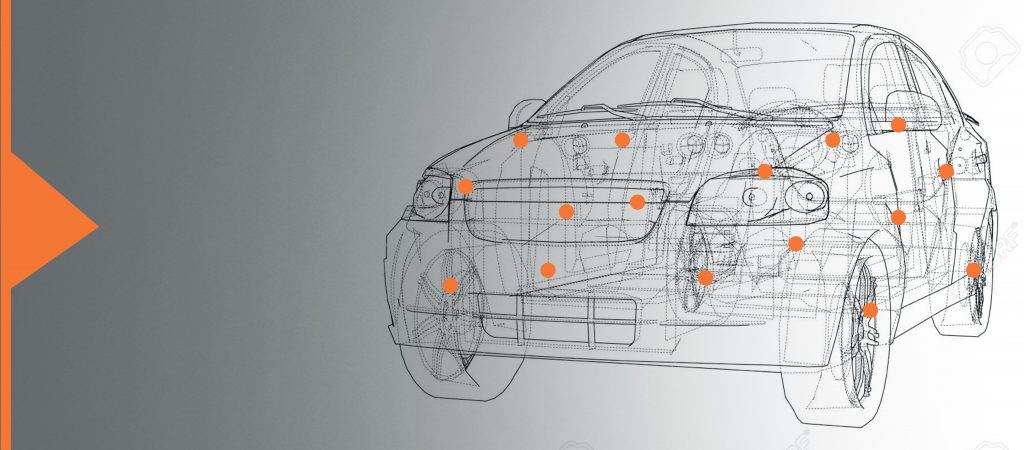
The CAN bus is your car’s “nervous system”, and is used as a means of delivering, receiving and facilitating messages from all the Electric Control Units (ECUs), sensors and actuators in and around your car. It has become essential to many applications, including cars, trucks, tractors and industrial robots. Ultimately, the CAN bus protocol allows ECUs to communicate with each other without complex dedicated wiring in between.

The History of CAN bus

Before the advent of CAN bus, messages were conveyed using complex and copious amounts of point-to-point wiring. The CAN bus was first developed in 1983 by German multinational engineering and technology company, Robert Bosh GmbH, with the first protocol officially released in 1986, at the Society of Automotive Engineers (SAE) conference in Detroit, Michigan, USA.

In 1993, the CAN bus was adopted as an international standard in automotive electronics, and in 2012, Bosch released the CAN FD protocol, which was standardised in 2015. In 2016, the physical CAN layer for data-rates up to 5 Mbit/s was standardised. Today, CAN protocol is standard in almost all vehicles such as trucks, cars, buses and tractors, as well as planes, ships and industrial machinery.

What are the benefits of the CAN bus?

Generally, the management of vehicles is eased thanks to the collection of event and control data. Specifically, there are several advantages to using CAN bus, including:

  • Lower costs – ECUs can communicate via a single platform, thereby reducing costs and errors
  • More centralised – the system allows for central error diagnosis and configuration across all ECUs
  • More robust – the system is designed to be robust for electric disturbances and electromagnetic interference, which makes it ideal for vehicles
  • More efficient – CAN frames are prioritised by ID, meaning that your top priority will get bus access, while frames will not be interrupted
  • More flexible – all transmitted messages can be easily modified while additional information can be easily added

How Cartrack’s CAN bus solution can help your business

Cartrack Zimbabwe offers you CAN bus integration, a powerful feature that helps ensure you’re always in control of your vehicles. Get connected and allow a variety of vehicle performance data to be downloaded in real-time for monitoring and analytics that will help improve your business’s efficiency and profitability.

Why geofencing is a crucial part of fleet management

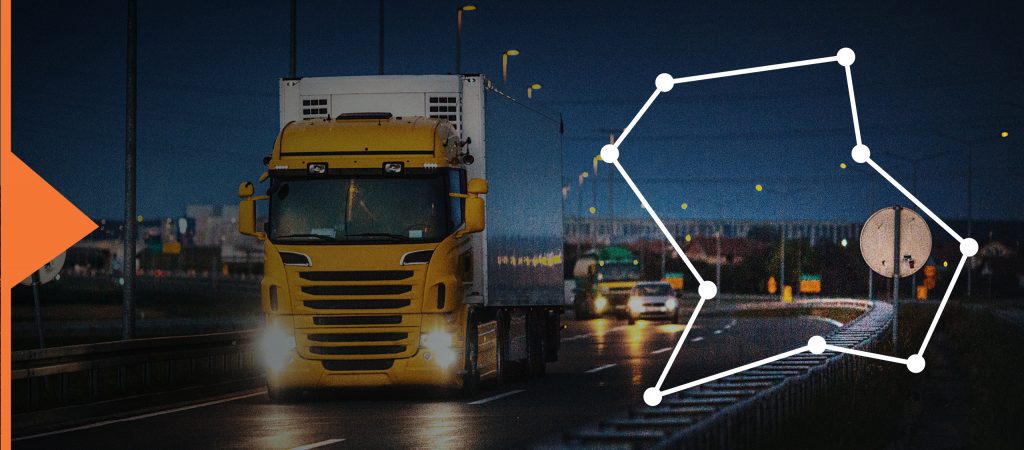
Modern fleet management offers many features that give you much better control of your fleet. One of these modern technological wonders is geofencing, which allows you to create a virtual perimeter for a real-world geographical area in which your vehicles are allowed to travel, ensuring that you always know exactly what is happening with your drivers.

Let’s unpack some of the key features of geofencing:

How does geofencing work?

A geofence can either be created as a pre-defined set of boundaries or dynamically generated as a radius around a point location. Geofencing works as a location-based service, with an app or other software using either GPS, wi-fi, Radio-Frequency Identification (RFID) or cellular data to trigger a pre-programmed action whenever a mobile device or RFID tag enters or exits the virtual boundary. A geofence can trigger text messages or prompt mobile push notifications to alert fleet owners and managers of any transgressions.

How do you use geofencing for fleet management?

To successfully use geofencing, a fleet administrator or developer must first establish a virtual boundary around a specified location in GPS or RFID-enabled software. This action can be as simple as drawing a circle 100 feet around a location on Google Maps. Once this has been done, the virtual geofence will trigger a response whenever an authorised device enters or exits that area, as specified by the developer or administrator. The fleet manager will then receive an automatic notification should their vehicles leave the geofenced area.

How geofencing can benefit you:

  • Prevent vehicle theft: should your vehicle be stolen and leave the geofence area that you created, you will be alerted and can take appropriate action to try to retrieve the stolen vehicle.
  • More intelligence for your business: by pairing up the data created by geofences with other information relating to driver performance, your fleet managers and drivers can ensure that they’re paying attention to the right key performance indicators, improving the way that you utilise resources in your business.
  • Keep your business on track: geofencing can inform you when someone arrives at a site and leaves. This ensures that there is driver accountability, and allows you to make sure your drivers are on schedule.

Using different formats, Cartrack enables you to implement world-class geofencing for your fleet. Contact us today to find out how our expert fleet management solutions can boost your business.

Tracking devices put you in control of your safety

Amongst the many advantages of vehicle tracking devices, the one that stands out most is that of peace of mind knowing that should something happen to your vehicle, it can be located and recovered.

Having been in the market for over 15 years, Cartrack has seen the rise of tracking devices as well as the advances made in the field, from pure tracking to the provision of sophisticated telematics and mobility solutions. The company has become a global leader in the industry offering the best, most technologically advanced tracking devices, designed for both individual and commercial clients.

For the private individual, vehicle tracking devices with live tracking functionality is a great way to keep an eye on loved ones and precious possessions. This functionality is often provided via an internet enabled app on a smartphone or computer.

Cartrack’s app now even features a trip share function so that people at your destination can follow your journey and know when to expect you. This is a great safety feature as it reduces time waiting in driveways, or at gates where a large majority of hold-ups and hijackings occur.

Another advantage to the tracking device is geofencing. This allows you to set up no-go-areas, specially for your older teenagers who are just finding their party feet, or au pairs who look after your children, or anyone who uses your vehicles. Once established, the device will alert you when the vehicle enters a no-go-area, and you can take the necessary action. So, you can let your teen have the car and still keep a watch on their every move.

Of course, stolen vehicle recovery remains at the heart of a vehicle tracking device and with a 92% recovery rate, Cartrack leads the world in ensuring that stolen vehicles, and even goods, are returned. And we’ve just added another layer of trust by raising our recovery warranty to R1 Million – the first tracking company ever to put this much skin in the game.

In addition to vehicle tracking and recovery, insurance providers also use the advanced telematics in the device to provide driving and vehicle stats. This helps them reduce premiums where possible, and provide a better risk assessment for their clients. Several insurance firms even use the stats to reward the good driving behaviour of their clients.

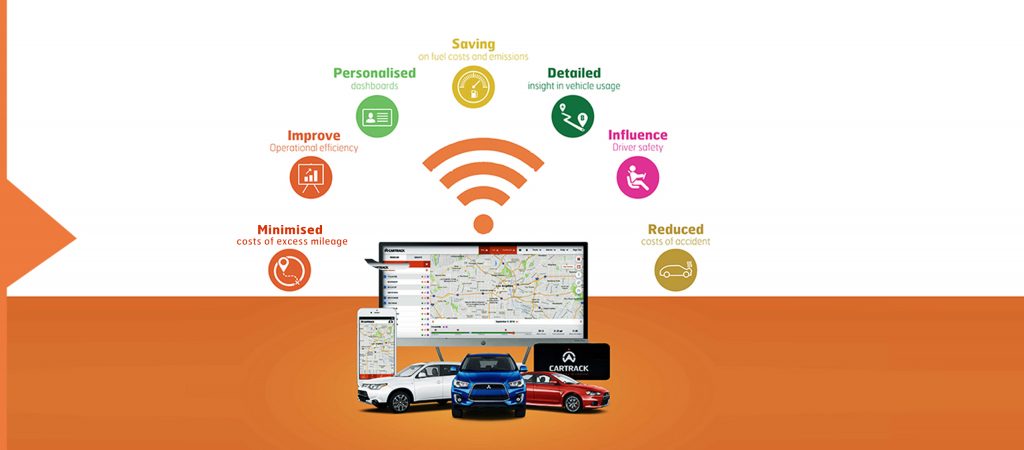
From a commercial perspective, vehicle tracking has proven hugely effective in improving workforce efficiency. Through Cartrack’s super-powerful, web-based software that includes an administration and accounting element, fleet owners and managers can, amongst other functions:

  • Pinpoint the exact location of their vehicles
  • Determine how long trips should take
  • Redefine routes for better delivery
  • Improve driver habits and behaviour
  • Keep an eye on the administrative aspect of running a fleet
  • Ensure proper fuel usage
  • Reduce misuse of the vehicles

Cartrack’s host of tracking and telematics features and services are designed to work as stand-alone options or as part of the vehicle eco-system, all based on the tracking device in the vehicle and the incredible software in our arsenal.

Contact Cartrack today to see how we can make tracking devices work for you.

How you can protect your vehicle from being a target

Want to make your vehicle less attractive to car thieves? The faster that a vehicle can be stolen, the more attractive it is to a car thief. Auto insurance experts at GEICO note that by implementing certain measures, you can slow down professional car thieves or joy-riders and make your vehicle a less appealing target for theft.

How you can protect your vehicle:

  1. Keep your vehicle locked at all times, even while driving.
  2. When parked, never leave your keys in the car. Make sure that you close all the windows and the sunroof.
  3. Never leave your car running and unattended.
  4. Avoid leaving valuables inside your vehicle and in a position where a passerby can see them.
  5. Do not leave your vehicle’s registration in the car. On many occasions, a car thief will not be apprehended by police after being pulled over as he or she can produce the vehicle’s auto registration. (If multiple drivers use the vehicle, the best suggestion is to hide the registration in a secret location in the car that only the owners know about.)
  6. Know where you’re going and avoid any areas that are known for high crime, even if the alternate route takes longer.
  7. Install an anti-theft system in your vehicle if it doesn’t have one. Thieves are reluctant to steal a vehicle if they know that the car can be recovered quickly. Many insurers offer discounts for the types of systems listed below.
  8. Thieves prefer to work in the dark, so be particularly cautious where you park your car at night. Its suggested that you park your vehicle in a well-lit area, if possible.
  9. Be aware of your surroundings, especially in garages, parking lots and petrol stations.
  10. Ensure that your car’s vehicle identification number (VIN) is etched on each of the windows. Car thieves won’t want to deal with the cost and hassle of replacing all the glass.
  11. On an incline, leave your car in park or in gear with the wheels turned toward the curb or some other obstruction. This will make it harder for thieves to tow your vehicle.
  12. If confronted by a carjacker, do not resist in any way; cars can be replaced, but lives can’t be replaced

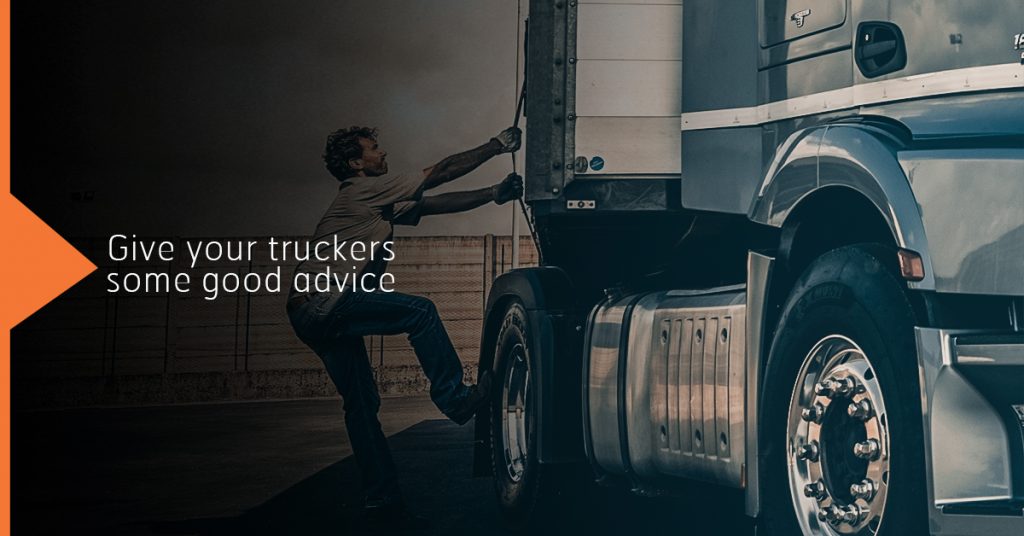
Give your truckers some good advice

One of the industries that keeps Zimbabwe on the road to economic growth is that of transport and logistics – getting our imports and exports from the places they are, to the places they need to be.

Our truck drivers spend millions of hours on the road, hauling everything from iron and steel to tea, fish, coffee, cement and so much more. With so much invested in them, it’s important that they take care of themselves while on the road.

Here’s some advice you can share with your drivers before they hit the road again.

Get enough rest

Time is money, and very often drivers are pressured to get from one place to another as quickly as possible in order to get back on the road and deliver another load. However, in the long run, this does more harm than good.

Rather let your drivers take the right amount of rest for the journey they are on. This will help them stay alert, and be able to deliver peak performance. It will ensure your trucks are kept in good condition and will only need to be serviced at the correct service intervals.

Drink water, eat properly

Being alert is a combination of many factors, including a healthy diet and getting enough fluids. Encourage your workforce to eat lots of fresh fruit and vegetables to ensure a healthy dose of vitamins and minerals, as well as the right amount of proteins and carbohydrates. It is also a good idea to do some exercise between driving hours, even if it is just a quick walk or jog around the rest area.

Share experiences

Allow your drivers to share their knowledge of routes, driving, climates and trucking in general and if they have a question, to not be afraid to ask it. It is impossible for everyone to know everything, but everyone can share what they know and grow a knowledge pool of expertise.

Slow down

A truck takes a lot longer to speed up, slow down and turn corners which is a fact that can often be overlooked in the hustle and bustle of getting the work done. Teach your drivers to take the right amount of time to do something and to drive the vehicle well within its tolerances, using the correct gearing ratios and braking distances.

Know where you’re going

There are many GPS assisted mapping services on the market. Ensure your drivers use these as well as a good tracking service so that they know exactly where they are and so do you. For the world leaders in vehicle tracking and fleet management, leave your details here and one of our sales agents will contact you.

Safety first

Before embarking on or continuing with their journey, your driver should inspect his or her vehicle, from couplings to tyre pressure, gauges, fuel etc. Draw up a check list for your drivers to work through for their type of vehicle. Remember though, the vehicle’s safety is not only the prerogative of the driver, you also need to ensure that it is serviced regularly, tyres are in good condition, brakes have been serviced etc.

Your client may be king, but you and your workforce is what keeps you on the road to success. If you take your drivers well-being to heart, they will take you and your business and good customer service to heart and together you can reap the rewards of success.

Explaining Vehicle Recovery vs Vehicle Tracking

As a motorist, you have undoubtedly heard about vehicle recovery as well as vehicle tracking. While many people tend to lump these two services into the same category, there are both similarities and notable differences between the two. Understanding what the differences are is important to ensure that you receive the solution that is best suited to your needs and your wallet.

What is Vehicle Recovery?

Vehicle recovery is solely concerned with the retrieval of stolen or hijacked vehicles, through the use of both sophisticated tracking technology and on-the-ground recovery teams. A vehicle tracking device fitted with the latest Global Positioning System (GPS) and Radio Frequency (RF) technology is placed in a secret location inside your vehicle.

This action subsequently enables the precise tracking of the location of your vehicle on a map at any point in time, thereby allowing a recovery team to accurately locate a stolen vehicle and recover it. Should your vehicle be stolen or hijacked, and you have a tracking device installed in your vehicle, you can report the incident by either phone, online or via a smartphone app, depending on your service provider.

Who Needs Vehicle Recovery?

A vehicle recovery service is a necessity for anyone who owns a vehicle and has any valid concerns about the possibility that their beloved car could be stolen. If you have a limited budget, there are more affordable options available that will give you peace of mind when it comes to the security of your vehicle. Cartrack offers low-cost options for those looking for a level-entry stolen vehicle recovery package.

What is Vehicle Tracking?

Vehicle tracking is primarily defined as a tracking system for your vehicle that monitors the location of a moving vehicle primarily through GPS technology. However, vehicle tracking can be utilised in numerous ways, including stolen vehicle recovery, driver behaviour analysis and fleet management. Sophisticated telematics technology is how fleet management and driver behaviour analysis is carried out; intelligent features provide fleet managers with the resources to monitor and manage their drivers, thereby helping to increase efficiencies and reduce unnecessary costs. Fleet managers can learn about adverse driving behaviours such as speeding, idling, and harsh braking and turning. They can also learn about other variables such as traffic information and a street view of your vehicle’s surroundings.

Who Needs Vehicle Tracking?

Companies that use a large fleet of vehicles, either as a means to transport their goods or as a courier service for customers, are in most need of vehicle tracking services. However, anyone who wants to keep track of the driving habits and location of someone using their car or cars could benefit from this service.

Enjoy vehicle recovery and vehicle tracking from the experts

With over 15 years’ experience, Cartrack can offer our customers world-class services when it comes to both vehicle recovery and vehicle tracking. Contact us today to find out more about our leading stolen vehicle recovery and fleet management services.

How to use the Cartrack app

So, you’ve signed up with your Cartrack, and now you’re eager to get going and enjoy the peace of mind that Cartrack is famous for providing to our clients. The best way to enjoy our world-class services and gain full value is to download our app. Once you’ve received an email from Cartrack confirming that you’ve joined the Cartrack family, you’ll be able to gain full value from the Cartrack app, as long as you have a smartphone. However, you might be unfamiliar how to do this, so let’s help you get more familiar with the features.

Here’s what you need to know about downloading and using the Cartrack app:

How to download the app

From your mobile device, go to either the Play Store or App Store and search for “Cartrack”. It will then appear as Cartrack or Cartrack Development team – click install. Once the app is downloaded, click on “log in” and enter your account details and password in the fields provided – you will be emailed these details upon signing up with Cartrack. You will then be given the option of staying permanently logged in by ticking the “stay logged in” box. However, we don’t recommend that you do this, as it compromises the security of your vehicle, with anyone able to view your car’s status should they get a hold of your mobile device.

View your vehicles

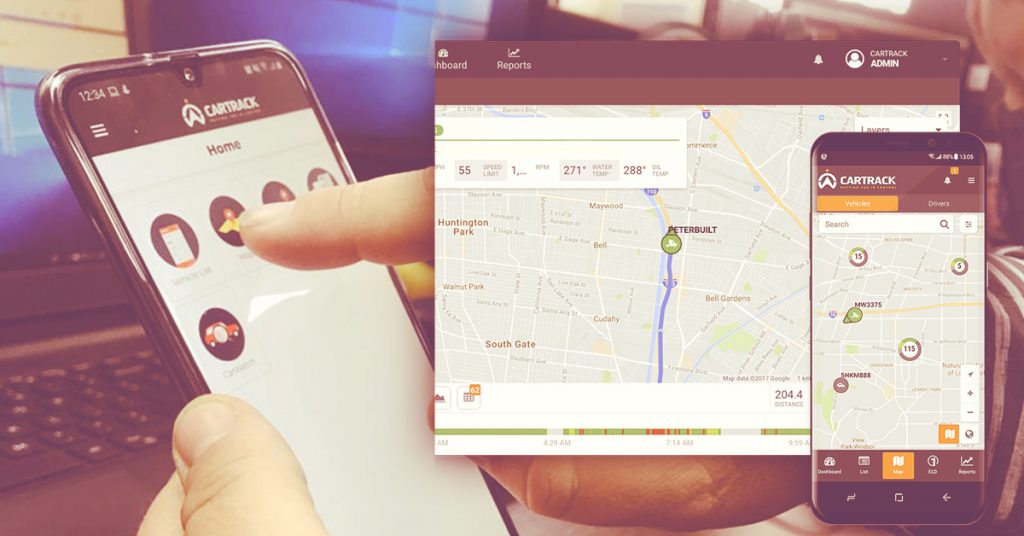
Once you are logged in, you can have a clear view of the exact location of your car or cars. By simply clicking on the Vehicle List icon, you can see where your car is located at that point in time, and therefore have peace of mind that it is safe. Alternatively, if your vehicle has been moved, you can act quickly and decisively and call our Control Room, who will immediately initiate a recovery procedure. You can also gain a general view of the area by clicking on the “Maps” icon.

Find out how you drove on your trips

The app also allows you to review your previous trips. Simply click on the “Trips” icon and it will reveal information relating to your previous trips, including kilometres travelled and duration. It will also contain information relating to driving performance, including harsh turning, braking, and acceleration. Should you want a more comprehensive overview of driver behaviour, you can click the “Reports” icon and receive reports on either a daily, weekly or monthly basis.

Get even more features

Should you want even more value out of your app, you can add features such as CarWatch and Mobile Happy Button. CarWatch will ensure that you’re instantly alerted to unauthorised movement of your vehicle,, while Mobile Happy Button will provide you with 24-hour access to emergency services.

If you haven’t done so already. make sure you sign up to a Cartrack package today, and benefit from our world-class recovery and fleet management services.

FacebookTwitterPinterestShare

Revamp your ride

Most of us grow tired of our cars long before they’re regarded to be “used” or second-hand cars. However, with volatile markets and consistent financial concerns, it might be less costly and more prudent to rather improve your current ride than to buy a new vehicle.

Here are a few steps to help you bring that old, beautiful machine back to life.

Clean Everything

When we talk about cleaning your vehicle, we’re not referring merely to the usual body scrub, but to an extensive, thorough cleaning. Shampoo the carpet and upholstery, dig up all the trash decomposing in the trunk (boot), remove the spare tyre and get into every space of the tyre well, and remove the seat cushions and pick out all the crumbs, nuts, crisps and all the litter you can find hidden therein. If you have the technical aptitude, you could also take out the front seats and vacuum under there. Clean all the muck from the engine and get under the car too.

While this may seem like a pretty obvious first step, cleaning your car will pay off in the long run as all that time spent tidying will translate into time spent inspecting, and will result in you uncovering hidden problems.

Fix the Cockpit

Focus on the area you’re going to touch while driving, namely, the steering wheel and the dashboard. If the wheel is pitted or deteriorated, purchasing an inexpensive cover can make a big difference as to the general feel of a car, while a dashboard cover may be a good investment as well.

It’s also a good idea to check the dashboard lighting, as there are drivers out there who can’t read their speedometers at night simply because the lighting knob has been dimmed for years through sheer inattention. If the knobs and switches are actually busted or worn-out, they can often be cheaply replaced with either new parts or recycled pieces found at a junkyard.

If the dashboard pad is faded, consider repainting or dyeing it, as you’re going to spend a lot of time staring at it.

Don’t forget to attend to the fabric – a quick trick is to go to a junk yard and swap out your worn-out seats with seats from a low mileage car whose seats are relatively new.

Electronics

Many vehicles have outdated sound systems, including cassette stereo systems. Spare a little investment for a swanky sound system that you can incorporate with your devices; cell phone, iPod, and a flash disk which also includes Bluetooth connection. These measures, combined with bass speakers and an amp, will jolt your car back to present. It may be a little costly, but it will be worth every cent in the end.

Clear the headlamps

Vehicles built during the last couple of decades usually have plastic composite headlamps that weather and dull over time. You can use easy home-made remedies such as toothpaste to help clear the smog off your headlamps, and your headlamps will be like they’re sparkling new!.

Revitalise the A/C

Your car’s air-conditioner can suffer build-ups of mould, mildew and bacteria. To clean out the system, first make sure the air coming into the system isn’t first passing through leaves, dust or other accumulated grime in the air passageways. Then, change or clean any filters in the system. Finally, use an air-conditioning deodoriser – if nothing else, your nose should be happier.

Rubber

Your car doors seal against rubber trim that is vulnerable to tears as it ages. These tears can lead to air gaps that howl in the wind while you drive, let heat escape when it’s cold outside, allow cold air to escape when it’s hot outside, and invite water in when it rains. While replacing these rubber strips takes patience, time and a talent for adhesives, the strips themselves are usually inexpensive, and installing fresh ones can make your car instantly quieter. Don’t replace the seals if they’re still in good shape, but don’t hesitate to replace if they’re brittle or ragged.

While you’re at it, don’t forget to replace your rubber windshield wiper blades –it’s an inexpensive way to survive the rainy season.

Paint

The use and abuse of touch-up paint is a subject that could fill volumes. Generally speaking, it’s best to use it sparingly and carefully.

However, you can easily remove plastic trim pieces on your car’s exterior and repaint them with a spray can. It particularly makes a big difference on black parts that have weathered to a dull grey.

Brakes and Suspensions

Shocks, springs, dampers, struts, brake rotors and pads may seem like normal service items, but replacing them can make a huge difference as to how a car drives. If you decide to go all the way, you can purchase stabiliser bars, urethane bushings, racing shocks and more, but you don’t have to go to extremes to make your vehicle handle more precisely.

New shock absorbers add substantial value, but before you install them, you might consider rebuilding the suspension and steering system with new ball joints and tie rod ends. If you’re an enthusiast, new springs can lower your car for better handling and offer a more aggressive look. Just remember to stay within your budget and to take your mechanical abilities into account. The same advice applies to brakes, while worn discs and pads seriously degrade performance, and need to be replaced.

Wheels and Tyres

Deriving a better performance from your tyres can be as simple as making sure they’re properly inflated. However, when tyres need to be replaced, this presents an opportunity to improve both the performance and appearance of your car.

Remember: everything related to the performance of your car is connected to the tyres. As such, good tyres enable your car to perform every function better. Moving up to wider tyres or larger diameter wheels used to be difficult, as it was tough to determine the correct wheel back spacing or how much rubber could fit under your car’s fenders. However, modern sites like The Tire Rack can provide dozens of wheel and tire combinations tailored to your vehicle.

New, larger tyres are the single most impressive way to change a car’s performance and appearance. Of course, a new set of wheels and tyres won’t be inexpensive –but it’s still cheaper than getting a new car.

Tracking Unit

After you have secured your swanky new car, that rides like a dream and is fully optimised to meet your needs, the next step is to secure your motor treasure.

By installing a vehicle tracking unit from Cartrack Zimbabwe, you will ensure that your car can always be retrieved from anywhere in the case of theft. This will give you peace of mind and protect your valuable investment.

Small and private vehicles

There is a significant risk that small and private vehicles could be stolen or damaged if security measures are not implemented timeously by owners.

Cartrack Zimbabwe intelligently monitors many private vehicles, which enables swift recovery in the event that these vehicles are stolen. Additionally, clients can be reminded when they are due for a service or notified to change their battery when it fails.

Contact us today to find out how our products and services can improve your vehicle’s quality and security!

Grow with Fleet Monitor

Operating a fleet of vehicles in Zimbabwe often brings with it transportation challenges, especially when you take into account the following questions:

  • How many trips have my trucks completed?
  • How much fuel has been filled in my trucks?
  • Where are my trucks located?
  • Are my drivers driving correctly?
  • When should I take my trucks for a service?

Since it began operations in Zimbabwe, Cartrack has helped numerous transportation companies significantly grow their business. We support your business and make sure that it always stays competitive.

Contact us today to find out how our products and services can help you achieve meaningful business growth.