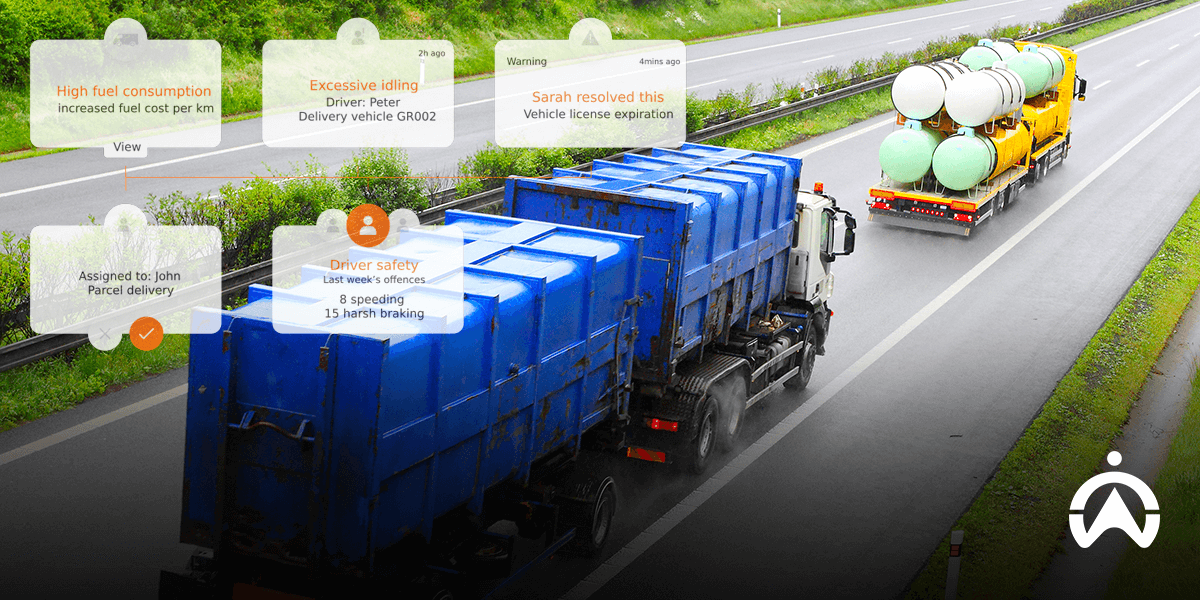

Abnormal Load Trucks: How to Eliminate Your Truck Operation Challenges With a Fleet System

Handling a fleet of trucks can be a hassle, and handling an abnormal load fleet can be more difficult. But does it have to be?

Let’s find out how Cartrack Zimbabwe can simplify managing an abnormal load fleet, turning it into a breeze.

In this article, you will:

  • Understand what abnormal load fleet trucks are
  • Unpack the state of abnormal load trucking in South Africa
  • Delve into the challenges faced in abnormal load fleets
  • Uncover what makes fleet management the ideal solution for these challenges
  • Discover how Cartrack’s fleet management solutions are your secret weapon to fleet success

Unpacking what abnormal load fleet trucks are

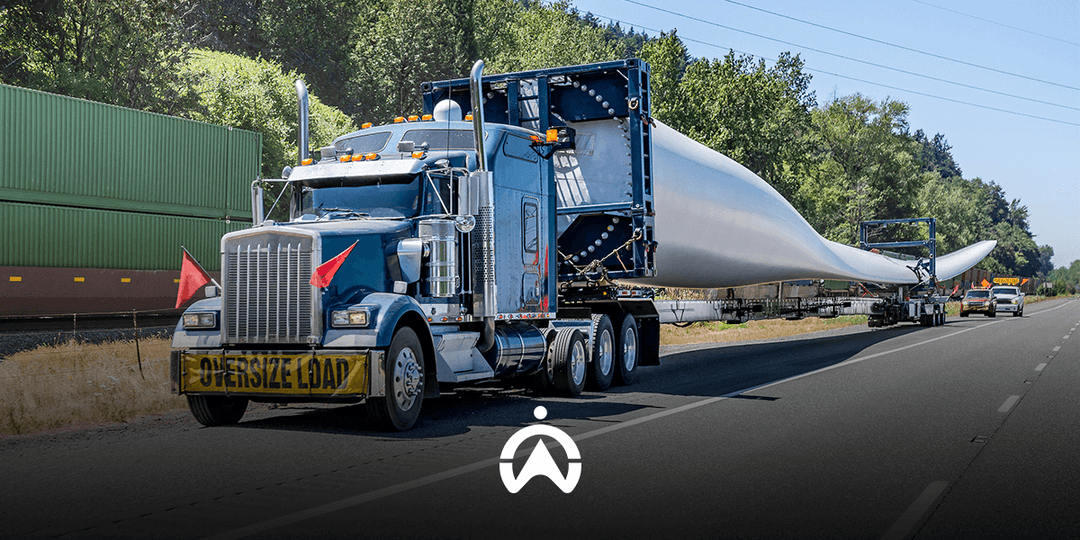
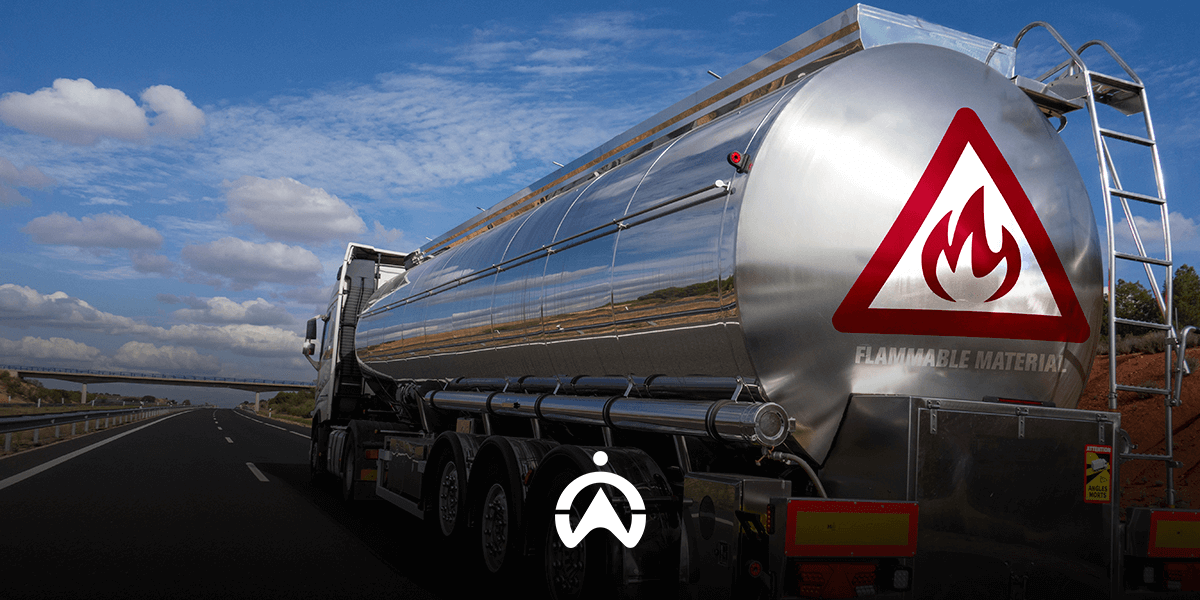
Abnormal load fleet trucks are specialised vehicles designed to transport machinery, industrial equipment, and oversized or overweight loads that exceed the standard legal limit, whether width, length, height, or weight. These trucks are important in the transportation industry, as they ensure the safe delivery of heavy cargo—think massive transformers, wind turbine blades, and even oil rig platform sections.

See, these aren’t your typical eighteen-wheelers; they are specifically designed to handle heavy, specialised cargo usually used for major construction and infrastructure projects and use various trailers, depending on the cargo they carry. These include low-bed trailers that sit low to the ground to carry extra-tall machinery, extendable trailers that are ideal for very long objects, step-deck trailers that simplify forklift loading, and flatbed trailers that are ideal for quick and easy equipment loading and unloading.

Spot the difference: Abnormal load trucks vs. normal trucks

Let’s do a quick comparison of the difference between abnormal load trucks and normal trucks:

Abnormal load trucks Normal trucks
Load size and weight Transport oversized and heavy loads that are above the standard legal size and weight limits Transport large and standard-size loads that are within the usual legal size and weight limits
Cargo type Usually transports specialised cargo such as mining, construction, and industrial equipment Usually transports general goods and materials, such as packaged goods and building materials
License requirements Drivers require special licenses to drive these trucks, as they come with more safety challenges and concerns Drivers require a standard truck driver’s license
Legal requirements These trucks must be permitted to operate legally because they exceed standard legal limits. These don’t require special permits, as they operate within the standard legal limits.

Abnormal load trucks sound like a mouthful, right? Well, that’s what makes these trucks so important—their ability to get the job done, no matter the size. But how important are they in South Africa’s unique economy? Let’s find out.

Decoding abnormal load transportation in South Africa

The South African economy is shaped by the construction and development industry. In fact, in the fourth quarter of 2023,the construction industry contributed about R106 million to the country’s gross domestic product (GDP). The industry is also expected to grow steadily over the next four quarters, recording a compound annual growth rate of 5.8% between 2023-2027. This means that the construction output is set to reach over R276 million by 2027.

The transportation of heavy, large machinery is a crucial part of a successful construction industry. In South Africa, abnormal load transportation is important for moving components such as mobile cranes, earth-moving equipment, and heavy machinery from one destination to another.

However, abnormal load transportation isn’t just limited to the construction industry; it also plays a role in the following industries:

  • Mining industry:

    Simplifying the delivery of equipment such as drill rigs, underground loaders, and belt systems.
  • Power plants:

    Aiding the delivery of turbines, generators, and transformers.
  • Manufacturing industry:

    Streamlining the delivery of storage racks and industrial boilers.

With the growth of these industries, abnormal load transportation has also grown, bringing a new set of challenges for them.

Exploring the hidden hurdles of abnormal load transportation in South Africa

South Africa has a unique climate for running any business, and this applies to the abnormal load fleet industry. South Africa’s economic and geographical climate creates a unique set of challenges for fleet managers. These challenges include:

  • Rising operational costs:

    South Africa is the home of fuel cost fluctuations, with the most recent fuel price increase of R1,21 for a litre of petrol and R1,19 for a litre of 50 ppm diesel. With the amount of fuel abnormal load trucks burn due to their size and weight, even the smallest increase can significantly increase operational costs. Abnormal load trucks need powerful engines to maintain momentum, and the specialised trailers create significant wind resistance. These two factors result in higher fuel consumption compared to regular trucks. So, if fuel consumption isn’t closely monitored, increased consumption will leave you with the nasty surprise of possibly being unable to pay for your fuel.
  • Fleet compliance:

    Compliance is a big challenge faced by abnormal load fleet managers. Abnormal load trucks carry loads that are so large and heavy that they can exceed legal weight limits. For this reason, transporting abnormal loads requires special permits that specify approved routes and safety conditions, depending on the size and nature of the load. This permit isn’t just extra admin; it’s also an extra expense, which can add to the already expensive nature of abnormal load fleet vehicles.
  • Driver management:

    Handling a vehicle with a heavy load can be very challenging, so drivers need the appropriate training to ensure they drive safely and efficiently. Whether you have one, five, or twenty abnormal load trucks, this can be quite challenging, as you need to keep an eye on your drivers at all times to determine how they are behaving behind the wheel.
  • Route planning:

    Abnormal load truck routes need to be pre-planned, as they cannot take the same routes as normal vehicles or trucks. Many South African roads are not designed to handle large, heavy loads, especially in urban areas where streets are too narrow and roads have sharp corners or low bridges. Route planning ensures that large loads are delivered on time with little to no delays while avoiding high-risk theft or hijacking areas.
  • Vehicle maintenance:

    Vehicle maintenance is a major challenge for abnormal load fleet managers in South Africa. The increased weight and size of the cargo abnormal load trucks carry puts additional strain on many vehicle components, such as engines, brakes, suspension, and tyres, accelerating vehicle wear and tear. With South Africa’s poor road conditions, vehicle parts can face premature damage, meaning more frequent maintenance.

Abnormal load trucks face a wide range of challenges; if these aren’t handled, your fleet can become a heavy burden. If you’re looking for a solution that streamlines and solves these challenges, you need a fleet management system.
Exploring_the_hidden_hurdles_of_abnormal_load_transportation_in_South_Africa

Go from headache to efficiency with a fleet management system

Imagine having eyes and ears on every abnormal load truck in your fleet at all times. This is the beauty of fleet management systems, it’s a combination of tools and technologies that make fleet management tasks easy. These systems increase fleet productivity, improve efficiency and safety, and simplify real-time monitoring of various fleet aspects. It’s your all-in-one tool to know what’s happening in every aspect of your fleet, whether it be fuel consumption, driver behaviour, or maintenance issues.

A fleet management system isn’t a luxury; it is essential to the efficient running of your fleet, and without it, the repercussions are detrimental. Let’s take a look at the consequences of not prioritising fleet management in the context of abnormal load fleet vehicles.

How does poor fleet management impact abnormal load fleets?

Effective fleet management is crucial whether you’re transporting normal or abnormal loads. Let’s take a look at the risks of not prioritising it on your fleet:

  • Financial losses:

    Fleet management is rooted in the constant monitoring of various fleet aspects, and without it, a fleet can experience significant financial loss. Fuel wastage due to inefficient routing, poor vehicle maintenance, and dangerous driving behaviour can lead to an increase in operational costs, reducing fleet profitability.
  • Reputation damage:

    Fleet management is essential to streamlining fleet processes, and with it, fleets can avoid delays that can damage their reputation and customer service. One of the most incredible things about fleet management is the in-depth insight it gives you into your entire fleet operation, whether it be driver behaviour, real-time vehicle location, or routing.
    Let’s look at John again. He doesn’t employ fleet management strategies, which means he can’t spot potential delays in delivery routes due to traffic conditions. He also needs to call each of his drivers to find out exactly where they are and how long it should take them to complete their delivery. These factors lead to late deliveries, damaging the fleet’s reputation.
  • Unplanned downtime and unforeseen damage:

    Fleet management gives you in-depth insight into factors that can lead to unplanned downtime and unforeseen damage. It’s all about real-time monitoring, taking the guessing out of running your fleet.John can’t help his drivers stay safe and drive responsibly because he doesn’t know how they’re driving. It is important to remember that, according to the Department of Transport, abnormal load truck drivers require an appropriate license and training to drive these vehicles safely. John cannot provide specific training because he doesn’t know what areas his drivers need training in, increasing the risk of car accidents.

These consequences sound hefty, right? This is why you need a fleet management system. Now that we’ve covered the impact of poor fleet management, let’s explore how a fleet management system can help you take your abnormal load fleet to the next level.

How can a fleet management system help streamline abnormal load fleets?

A fleet management system is the secret weapon you need in your fleet’s arsenal for various reasons. Let’s explore these below:

  1. Streamlined route planning:

    As we established above, abnormal load trucks cannot use all roads due to their size. Using real-time GPS tracking and AI software, a fleet management system can spot congested roads, low-clearance obstacles, bridge weight capacity, and other critical factors that help you identify the safest, most convenient route. Fleet managers can ensure their deliveries are made on time by following routes that won’t require deviations due to congestion or rules and regulations.
  2. Enhanced driver safety:

    Driver safety is essential, especially when handling a vehicle as large as an abnormal load truck. A fleet management system lets fleet managers view their drivers in real time, helping them know exactly what goes on behind the wheel. By doing so, they can spot behaviour that puts their drivers and cargo at risk. This allows them to implement driver-specific training to ensure the fleet remains as safe, effective, and as productive as possible.
  3. Optimise vehicle safety:

    We live in a country where your car is always at risk of being stolen, which is a costly risk for abnormal load trucks and the cargo they carry. A fleet management system helps fleet managers unlock a new level of vehicle safety, thanks to real-time GPS tracking. This helps them to always know where their vehicles are. So, if a driver notifies the manager that the vehicle has been stolen, they can quickly pinpoint its location at the tap of a button.
  4. Preventative maintenance:

    Preventative vehicle maintenance is more than just fixing a faulty part; it’s about spotting the issue before it snowballs into a more serious, costly matter. A fleet management system can monitor the health of various vehicle components, ranging from engines to brake pads. By helping fleet managers quickly spot faulty parts that can affect the truck’s roadworthiness, they can swiftly schedule a repair to avoid unplanned downtime.
  5. Effective fleet cost management:

    Running a fleet comes with a ton of costs, which increases with an abnormal load fleet. These expenses can be a lot to manage and keep an eye on, but with a fleet management system, you can know exactly how much money it costs to effectively run your fleet. Knowledge is power, which also applies to your fleet’s running costs. This knowledge can help you spot cost drainages in your fleet, implement cost-saving strategies, and ensure you never miss a payment deadline.

Intrigued? Well, you can unlock these benefits for your abnormal load fleet today. How? The answer is Cartrack’s fleet management solutions.
How_can_a_fleet_management_system_help_streamline_abnormal_load_fleets

Tame these fleet giants with Cartrack’s fleet management solutions

Cartrack Zimbabwe offers a wide range of fleet management solutions that can simplify the running of your abnormal load fleet. Let’s go over a few of these solutions:

  1. Driver behaviour monitoring:

    Keep track of your abnormal load driver’s behaviour with Cartrack’s AI Live Vision cameras. This AI-powered live streaming technology helps you unlock 24-hour visual access to your fleet, making monitoring each of your drivers a breeze. By making use of AI analysis, our cameras can detect different forms of dangerous or distracted driving, including:- Fatigue
    – Speeding
    – Smoking
    – Cell phone use

    Audible in-cabin alerts are triggered the moment these behaviours are detected, allowing your drivers to correct their behaviour in real time. This proactive approach to safe driving works to help your drivers avoid costly and potentially fatal accidents. And, as a fleet manager, you can also receive these real-time alerts on top of keeping an eye on your drivers via a live stream feed to make sure you stay updated even if looking away for a moment.

  2. Driver scorecards:

    Know exactly which areas your drivers need to improve on with Cartrack’s driver scorecards. It’s one thing to know that some of your drivers are driving harshly, but it’s another to be able to pinpoint exactly which driver is behaving this way. Our scorecards keep track of high-risk behaviours, including:- Harsh braking
    – Excessive speeding
    – Sudden acceleration
    – Harsh cornering

    These detailed reports help you pinpoint the exact time, location, and driver linked to these harsh driving events, helping you know which drivers require targeted training to improve your abnormal load fleet’s overall safety.

  3. ADAS:

    Ensure your drivers are completely aware of their surroundings with Cartrack’s Advanced Driver Assistance System (ADAS). This proactive technology uses features such as front collision warnings to alert drivers of a potential threat in real time, helping promote vehicle safety and prevent potentially disastrous road accidents.
  4. Driver ID tags:

    Make sure that only authorised drivers can use your abnormal load trucks with Cartrack’s Driver ID tags. As established, abnormal load truck drivers need special licenses to operate these large vehicles, so you don’t want to give unqualified or inexperienced drivers access behind the wheel. By giving your drivers a unique tag that needs to be tapped on a sensor inside a vehicle to start, you achieve controlled driver-vehicle assignment and usage, unlocking another level of safety.
  5. MiFleet:

    Account for every cent your abnormal load fleet consumes with Cartrack’s MiFleet software. Our cost management system gives you full insight into every fleet expense, ranging from vehicle permits for your abnormal load trucks to their fuel costs. By being hands-on with your fleet expenses, you can say goodbye to human error caused by manual calculations. This reduces your admin time and helps your fleet remain cost-effective, compliant, and profitable.
  6. Cartrack Delivery:

    Level up your abnormal load fleet’s delivery game with Cartrack Delivery. Making deliveries is already taxing and can be a hassle for abnormal load fleets. However, thanks to our Delivery solution, it doesn’t have to be. This solution aims to streamline and optimise all your delivery options by giving you full insight into your driver’s location and trips. This helps simplify job assigning, as it is based on job completion times and driver availability. But that’s not all, as this solution also helps you find the best delivery routes for your drivers. By using real-time traffic conditions, our route optimisation tool ensures that your drivers take the most effective, deviation-free routes, which reduces delays and improves overall efficiency and customer service.
  7. Fuel monitoring:

    Make every litre of petrol count with Cartrack’s fuel monitoring system. At Cartrack Zimbabwe, we understand that fuel is a major expense for fleets, especially those transporting abnormal loads. This is why we’re bringing you a solution that helps you be in complete control of your fleet’s fuel consumption. By helping you monitor fuel consumption in real time, you can quickly spot the source of fuel drainages and even prevent fuel theft.Thanks to our software’s ability to match your fuel receipts with your vehicle’s location and fuel status, you can spot fuel fraud, helping you reduce cost draining and boost your fleet’s overall efficiency.
  8. Preventative maintenance:

    Ditch unplanned downtime and costly breakdowns with Cartrack’s preventative maintenance solution, equipped to help you spot potential maintenance issues before they become costly and affect fleet longevity. Equipped with advanced analytics, this solution monitors the health of various vehicle components like brake pads, taking the guessing game out of knowing which part of your truck needs maintenance. But that’s not all because this system also creates maintenance plans tailored to your fleet, helping you avoid scheduling maintenance at compromising times, preventing road accidents, and increasing your fleet’s longevity.
  9. Real-time GPS tracking:

    Know where all your abnormal load trucks are at all times, thanks to our real-time GPS tracking technology. Our next-level IoT devices are equipped with GPS and GSM, which gives you full insight into where your vehicle is, the direction it is travelling in, and the speed it is being driven. All you have to do to gain access to this information is open our fleet management platform or our mobile app. Talk about safety at the tap of a button, right? But that’s not all because, with our GPS tracking, you get access to our stolen vehicle recovery service, with an above 90% success rate.So, in the unfortunate event that your truck is stolen, Cartrack’s highly trained recovery team works hard to recover it based on its live location updates.

Power your fleet with smart fleet management

Your success as an abnormal load fleet depends on your ability to be forward-thinking in your fleet management approach. Cartrack Zimbabwe is an industry leader that thrives on innovation, making us the perfect choice to take the abnormal weight off of your shoulders.

Watch the video below to find out exactly how:

Master abnormal load fleet management and unlock efficiency, safety, and profitability with Cartrack Zimbabwe

Size plays a big role in fleet management, and to take your big fleet to the next level, you need a big-thinker as your partner. That partner is Cartrack Zimbabwe.

We’re trusted by over 1.9 million subscribers. Trust us in solving your abnormal load fleet challenges.

Contact us today and give your abnormal load fleet the ultimate success.

Don’t let your abnormal load trucks get you down—get your answers from these FAQs

You probably have a few unanswered questions about fleet management. Well, there’s no need to leave this page because we’re here to answer those questions for you!

How can I improve my fleet management?

  • Implementing a fleet management system is the first step to improving your fleet management. This is because a fleet management system helps you manage fuel costs, optimise routes, track your vehicles in real time, and monitor driver behaviour, which is all crucial for improving fleet management.

How do you maintain a fleet of trucks?

  • There are various ways to maintain a fleet of trucks, but the most important include keeping vehicle parts in good working condition through regular maintenance and preventing dangerous driving behaviour that can lead to premature wear and tear.

How do you introduce safe fleet management?

  • Safe fleet management is centered around real-time insight. Focus on driver-specific training, which begins by monitoring your drivers’ behaviour while they’re behind the wheel. Also, prioritise real-time vehicle location monitoring, as this helps you unlock heightened visibility and safety.

How do you deal with fleet management?

  • Take on a preventative approach as opposed to a reactive one.
  • Keep a close eye on driver behaviour.
  • Know where every cent is going in your fleet operation.
  • Measure each litre of petrol consumed.
  • Ensure you know where each fleet vehicle is at all times.

Click here to enter a world of unparalleled safety, efficiency, and productivity for your abnormal load fleet with Cartrack Zimbabwe.

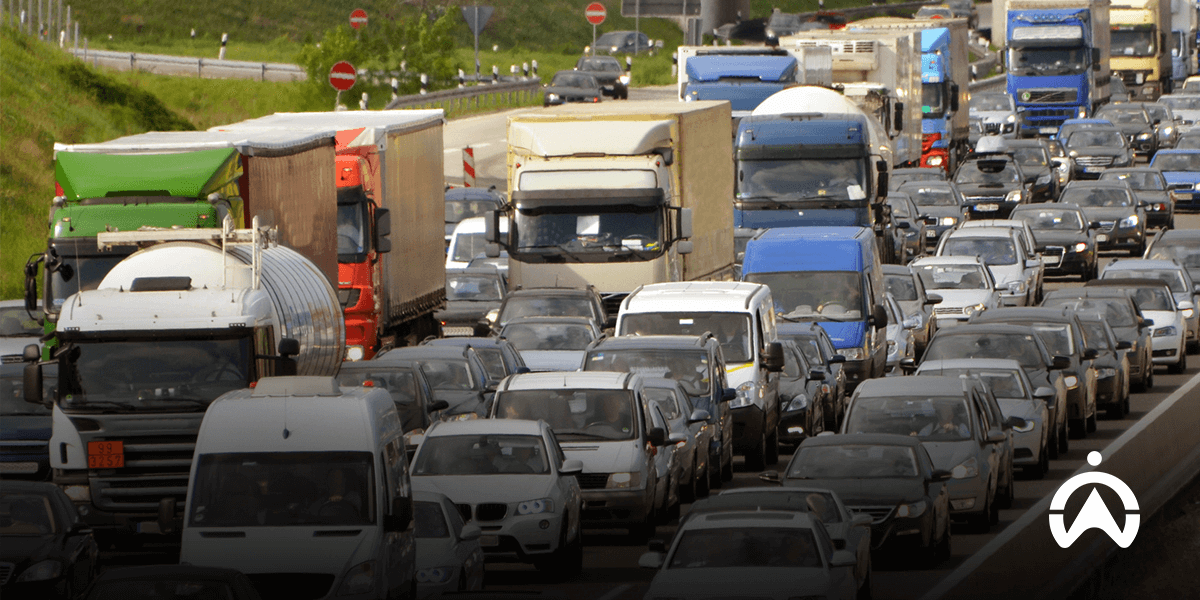
Road Rage: How to Instantly Protect Yourself, Your Fleet, and Your Drivers

Everyone gets annoyed on the road.

It’s one thing to get annoyed by someone overtaking you, but it’s another to rudely or even violently retaliate.

This is road rage, labelled “one of South Africa’s biggest killers.”

As common as it is, it shouldn’t be your reality. The solution to protecting your fleet and drivers is a fleet management system.

In this article, you will:

  • Learn what road rage is
  • Delve into the road rage figures in South Africa
  • Find out what causes road rage and how you can handle it
  • Explore how a fleet management system can help you manage road rage
  • Discover how Cartrack’s solutions are the secret weapon for combating fleet road rage

Let’s define road rage

Road rage is a term used to describe aggressive and sometimes violent road behaviourcaused by irresponsible driving. Triggers include:

  • Speeding
  • Tailgating
  • Running a red light
  • Changing lanes without indicating
  • Harsh weather conditions
  • Traffic congestion

This less-than-friendly behaviour is more than just a feeling of frustration or a mean look, as it is displayed in different forms, including:

  • Yelling at other drivers
  • Making vulgar gestures
  • Physical violence

These behaviours endanger the lives of those involved and other road users. But just how common is it on South African roads? Let’s see what the stats say.

Road rage: The numbers that are still on the rise

While road rage includes yelling and vulgar gestures, it can escalate into more violent behaviour that turns into potentially dangerous, life-threatening events. Let’s take a look at just how severe it can get and look at the numbers:

SAPS’ 2nd Quarter crime report (July 2023 – September 2023) indicates that road rage was responsible for about 1,272 attempted murders, 1,053 murders, and 20,686 assaults with grievous bodily harm.

Unfortunately, these numbers are still on the rise. According to the 3rd Quarter Crime Report (October 2023 – December 2023), road rage was responsible for about 1,702 attempted murders, 1,116 murders, and 27,918 assaults with grievous bodily harm.

These numbers tell us just how serious this issue is for South Africa. But what causes road rage? Let’s take a look.

What are some common causes of road rage?

While there are countless causes of road rage, let’s explore the three most common ones; traffic, weather, and aggressive driving:

  1. Traffic congestion:Bumper-to-bumper traffic can cause people to drive recklessly to get to their destination on time. This leads to affected motorists being frustrated and annoyed, triggering road rage.

    Look at John, for instance, who is about to miss his 12 o’clock flight because of traffic. Noticing that he might not make it to O.R. Tambo on time, he becomes impatient, leading to him constantly honking his horn, and yelling at motorists to hurry up.

  2. Weather conditions:Driving in harsh weather conditions can start feeling like an extreme sport, causing drivers to experience high stress levels. This stress can increase irritability, especially towards other motorists who are driving recklessly.

    Look at John again, who is now caught in a rainstorm. While he is making sure to obey all the rules of the road, someone is driving recklessly and attempts to overtake him. This leaves John feeling angry and can easily boil over into road rage.

  3. Aggressive driving:Aggressive driving is one of the most common causes of road rage. Being on the receiving end can leave drivers feeling angry and frustrated, causing them to retaliate.

    John is at it again. Instead of driving within the speed limit, he is speeding excessively, and changing lanes without indicating. This can lead to drivers becoming angry and potentially reacting.

This shows us that road rage is usually triggered by feeling unsafe and being inconvenienced while driving. Here’s what you can do to ensure that these actions don’t lead to road rage.

What_are_some_common_causes_of_road_rage

Let’s explore 7 pro tools for avoiding road rage

Feeling frustrated on the road is normal, especially when you have somewhere to be. So what steps can you take to help you avoid road rage? Let’s find out.

  1. Drive safely:Cutting off drivers, driving in and out of lanes, and forcing yourself in front of another vehicle with the nose of your vehicle are irresponsible driving behaviours that trigger road rage.
  2. Don’t tailgate:Tailgating leads to a 13%-14% increase in the risk of being in a car crash compared to safe driving, and it makes drivers appear impatient, a common trigger for road rage.
  3. Avoid speeding:Exceeding road speed limits, especially during harsh weather conditions, can provoke feelings of anger and frustration in other drivers, leading to road rage.
  4. Plan your trips:Planning trips can reduce stress, giving you extra time for potential delays and helping you stay calm while driving.
  5. Don’t engage with angry drivers:Don’t pull that finger out to respond to angry drivers. Instead, get away from the situation as quickly and safely as possible.
  6. Don’t drink and drive:Alcohol makes you irritable and short-tempered, making you more likely to behave aggressively behind the wheel and increasing the risk of road rage.
  7. Watch out for the “L”:Be patient with learner drivers not wanting to drive fast, as they are already anxious on the road, and your impatience can cause road rage.

While these may not completely protect you from road rage, they can significantly lower the chances of it affecting you. But, what if you’re the one expressing road rage?

What if you are the one exhibiting road rage?

While being on the receiving end of road rage requires you to simply disengage, what happens if you’re the one exhibiting road rage? Let’s go through a few tips that can help you:

  • Breathe deeply:Road rage causes heightened tension, which breathing exercises can help relieve. The more oxygen your blood has, the easier it is to calm down and feel more relaxed after experiencing road rage.
  • Stay in your lane:Focus on your journey instead of responding to other drivers, as this can escalate the situation and make it take a potentially dangerous turn.
  • Get a fleet management system:Preparation is better than reaction, and a fleet management system can help you and your drivers stay proactive. By helping you spot dangerous and distracted driver behaviour, this system is the perfect tool for keeping you and your drivers safe from road rage.

But what exactly is a fleet management system? How does it work, and can it help you prevent road rage? Let’s find out

What is a fleet management system?

A fleet management system is your one-stop tool for managing multiple vehicles. It helps you keep track of all driver activities, ranging from where they are in real-time to whether they’re practicing safe driving. Think of it as your eyes and ears, from anywhere, anytime, at the tap of a screen. But what role does it play in preventing road rage?

Fleet management can be the miracle pill for your fleet’s road rage

The power of a fleet management system lies in its ability to promote safer driving practices. Let’s see exactly how this next-level technology does this:

  1. Driver behaviour monitoring:The root of road rage is dangerous driver behaviour. If you’re managing or are responsible for multiple vehicles, you can’t be in the passenger seat of each of them at all times to monitor driver behaviour. This is where a fleet management system comes in, equipping you with solutions that help you detect and prevent harsh driver behaviour.
  2. Recorded video footage:Road rage can lead to costly accidents, and in the unfortunate event that this does happen, and your drivers aren’t at fault, you can use recorded footage to help prove their innocence. Having access to the exact footage you need helps you defend your drivers from any false claims to support exoneration.
  3. Real-time analytics:Road rage can quickly spiral into a potentially dangerous accident. Should this happen, and your drivers were not responsible for it, a fleet management system can help you see exactly where your drivers were and how they drove. This protects your drivers from false claims and legal costs that you may incur due to road accidents.
  4. Route optimisation:As we looked at earlier, traffic congestion is one of the major causes of road rage. When your drivers are short on time and delivery is about to be late, tension begins to rise, which can lead to them driving dangerously to not miss their delivery deadlines. Our route optimisation feature looks at all the tasks your drivers need to complete, and finds the best order to complete them in the most efficient, time-saving way. With a tool like this, your drivers are less likely to end up in situations that may lead to road rage and dangerous driving.
  5. Advanced Driver Assistance Systems:We’ve established that tailgating is another major cause of road rage, and a fleet management tools can help eliminate this too. This system makes use of smart technology to inform drivers of any obstacles or vehicles that they are tailgating.

Sounds incredible, right? We have the key to activating these benefits for your fleet; it’s Cartrack’s world-class fleet management system.

What_if_you_are_the_one_exhibiting_road_rage

Avoid distressing and profit-draining accidents by keeping your fleet road rage-free with Cartrack Zimbabwe

If you’re tired of road rage running rampant in your fleet, then you need a fleet management system, and who better to give this to you than Cartrack? Let’s see what features make us the ideal choice for your fleet:

  • AI Live Vision cameras:Bid distracted and dangerous driving farewell with Cartrack’s AI Live Vision cameras. Powered by artificial intelligence (AI), this cloud-connected management solution uses in-cabin cameras to continuously monitor driver behaviour. This enables it to detect different forms of distracted driving, including:

    – Cellphone use
    – Smoking
    – Yawning and other telltale signs of fatigue

    But this solution does more than just monitor the behaviour, it also triggers in-cabin audible alerts, immediately notifying your drivers and allowing them to correct their behaviour in real-time. Distracted driving plays a massive role in road rage, and our high-tech solution helps eliminate it.

  • ADAS:Keep your drivers completely aware of their surroundings with our Advanced Driver Assistance System. Powered by camera-based sensors, intelligent algorithms, and AI, ADAS takes on a preventative approach to driver safety. One way it does this is by monitoring the distance between vehicles to help your drivers maintain a safe following distance. By providing your drivers with real-time alerts when they drive dangerously close to another vehicle, this system can help prevent tailgating, a major contributing factor to road rage.
  • Driver scorecards:Monitor individual driver behaviour with our driver scorecards. These offer comprehensive ways to evaluate driver performance in great detail and rate each driver on how safely they drive. By monitoring high-risk behaviours that can lead to road rage in your drivers, you can provide specific training to improve driver behaviour behind the wheel, subsequently decreasing the risk of road rage. These behaviours include:

    – Excessive speeding
    – Harsh braking and cornering
    – Reckless acceleration

  • Route optimisation through Delivery:Streamline your delivery options with the most efficient routes brought to you by our Delivery solution. If you’re in the business of delivering goods, then you understand the impact late deliveries can have on your fleet’s reputation and productivity.

    Running late can cause drivers to behave irresponsibly in trying to meet their delivery deadline, like speeding, turning harshly, and running red lights. These behaviours can trigger road rage in other motorists. With our Delivery app, you can help put a stop to this, helping you identify the most efficient order to complete all your delivery tasks. This helps you keep your delivery operations running on time with little to no delays.

  • Real-time GPS tracking:If you’re not running a business, you can still rely on our technology to help you avoid road rage by gaining full visibility of your vehicle with Cartrack’s live GPS tracking.

    The beauty of our GPS tracking software is that it does more than track your vehicle; it gives you full access to your trip history with a route replay function, helping you spot instances of risky driving. With this information, you can pinpoint behaviours that trigger road rage, helping you stay safe and responsible on the road.

These solutions can help you give your drivers ultimate road rage protection by helping foster a culture of safety and responsible driving. Let’s see what the experts have to say about this, and what other tips can they give you for your operation?

Let’s hear some tips from the fleet experts themselves

Although you have a fleet management system, it doesn’t take away from your general responsibilities as a motorist to be as safe as possible on the road. We’ve got your back, though, because we’re bringing you some road rage tips from one of our experienced Cartrack branch managers:

  • Always leave for your destination early. By allowing for enough travel time that takes traffic and other delays into account, you can keep calm knowing that there is no need to rush.
  • Plan your routes. By knowing exactly which route you will be taking, you can avoid any delays that can trigger road rage.
  • Play your favourite music, as this can help you remain calm.
  • Always remain calm and courteous, and don’t get provoked when you encounter drivers with road rage. Allow them to pass and avoid eye contact.
  • When you encounter a road rage incident, do not sound your horn, flash your lights, or start gesturing.
  • If you are a victim of road rage and want to report the matter to the SAPS, record the aggressor registration and the location of the incident.

Safeguard your fleet and its drivers from road rage with Cartrack’s solutions

With a wide range of solutions to tackle nearly every cause of road rage, Cartrack Zimbabawe is just what the road rage doctor ordered for your fleet safety needs.

Contact us today and make road rage a thing of the past.

Are You on Top of Your Fleet Management Standard Operating Procedures? – What You Need to Know

Fleet Standard Operating Procedures (SOPs) are your secret recipe for running a safe, compliant and efficient fleet.

Fleet SOPs usually include guidelines for vehicle maintenance, driver safety, fuel management and more. Although these guidelines are essential for all stakeholders, unfortunately, many businesses keep this powerful tool locked away in a cupboard, rendering it almost useless.

SOPs are only effective if your stakeholders engage with them daily, so join us and discover how to get on top of your fleet SOPs using fleet management software.

In this article, you will:

  • Learn about fleet management standard operating procedures (SOPs).
  • Discover the top benefits of fleet SOPs.
  • Assess whether your fleet is reaping the benefits of your SOPs.
  • Learn how to create and implement standard operating procedures for your fleet.
  • Uncover 7 Cartrack Zimbabwe software features that help businesses develop effective fleet SOPs.

What are fleet management standard operating procedures (SOPs)

The topmost challenging aspects for fleet managers include driver engagement and safety, leadership support, and regulatory compliance. Fleet management standard operating procedures (SOPs) are the perfect guide to help fleet managers handle challenges like this and more.

Fleet SOPs are important for risk management and ensuring everyone in your fleet remains responsible and accountable. They help ensure that anyone who uses your fleet knows the correct way to request and operate your vehicles/equipment.

Most SOPs for fleet management will include the following guidelines:

  • Vehicle asset verification
  • Acquiring, replacing and disposing of vehicles
  • Applications for vehicle use
  • Vehicle and equipment safety
  • Vehicle repairs and maintenance
  • Driver safety and regulatory compliance
  • Fuel management
  • Cost management
  • Accident/incident reporting

Fleet management procedures are not only necessary for driver and fleet safety; they are a strategic way of safeguarding your business. Effective SOPs show your commitment to fleet safety and compliance, which is assuring for all stakeholders.

The 5 top benefits of Fleet Management SOPs

Fleet management SOPs cover managing your fleet well and getting the best Return on Investment. Do you currently achieve the following benefits from your fleet SOPs?

#1 Improved fleet safety

SOPs help businesses, fleet managers, and drivers prioritise safety in their fleet. With measures that encourage driver safety training, vehicle maintenance, and pre-trip inspection, fleet managers can effectively improve their overall fleet safety using SOPs.

#2 Increasing fleet efficiency

By setting SOPs for vehicle usage, fuel management, and cost monitoring, fleet managers contribute to increased fleet efficiency. These measures help extend your vehicle’s lifespan, reduce costs and improve fuel efficiency. Your SOPs should contribute to you reaping the return on your investment and assets.

#3 Enhancing fleet compliance

Outdated SOPs can lead to compliance issues and unexpected fines. SOPs ensure a compliant fleet by outlining the processes for maintaining records, updating information, and paying regulatory fines. Fleet SOPs should be current and up to date to help you maintain a compliant fleet—are yours?

#4 Improved communication between managers, drivers, and stakeholders

SOPs provide clear guidelines for all stakeholders, enabling managers and drivers to understand their roles and responsibilities. With fleet SOPs, setting measures to increase communication and remote management helps businesses improve their overall operations.

#5 Reduced fleet costs

Having SOPs for your fleet ultimately helps reduce costs and increase profitability. With measures on how to claim back for fuel, timesheets, and how to calculate vehicle operating hours, businesses avoid financial losses and identify costly profit drainages.

If your fleet’s SOPs don’t help you attain one or more of these benefits, then it’s time to upgrade them.

Here’s a quick guide to get started on upgrading your SOPs.

The_5_top_benefits_of_Fleet_Management_SOPs

How to create and implement fleet management SOPs

This step-by-step guide describes three important parts in the process of building SOPs and finally putting them into practice for your fleet. If you already have SOPs for your fleet, these steps will help you improve them and ensure they are still relevant for your fleet and business.

First things first: Identify fleet challenges

Begin by identifying key fleet management challenges where Standard Operating Procedures (SOPs) can be beneficial. For example, is your fleet experiencing a profitability downturn? Perhaps your drivers are frequently missing deliveries or your fleet vehicles keep ending up in the repair shop. Identifying these challenges can help you move on to a viable solution.

Incorporating standard operating procedures into your workforce and task management would lead to better asset utilisation and increased profitability.

Here are 15 fleet-related challenges that SOPs could help with:

  • High fleet downtime
  • Poor communication between managers and drivers
  • Redundant vehicles
  • Driver identification for vehicles
  • Operator identification for equipment
  • Violations and fines against your fleet
  • Overbilling for repairs, maintenance, or service
  • Penalties for non-compliance
  • Poor driver behaviour and performance
  • Lack of vehicle/equipment maintenance
  • Increased vehicle wear and tear
  • Poor administration
  • Out-of-hand fuel costs
  • Suspected fuel theft
  • Safety issues

Unfortunately, a one-size-fits-all approach to SOPs is not ideal. The list of fleet management challenges is endless, so identifying your fleet-specific challenges is the only way to develop effective SOPs. Don’t worry, though, once you start implementing these, you’ll start reaping the rewards.

Next: Involve relevant stakeholders

When developing your fleet SOPs, include fleet managers, drivers, mechanics, field service workers and even someone from your legal department (if applicable) in the process.

By making this process a group effort, you can ensure that everyone is aware of the SOPs and understands:

  • What the SOPs aim to achieve
  • Who the SOPs apply to and under which circumstances they must be used
  • Who is responsible for specific tasks
  • Who is accountable for whether the SOPs are implemented correctly
  • The specific procedures to be followed

Take fleet safety for instance; here’s how involving stakeholders in developing SOPs can help.

In a recent survey abouttoday’s fleet managers’ priorities, only 50% of fleet managers surveyed said they believe their company continuously strives to improve their employee safety. In the same survey, however, 22% said their company mainly focuses on solutions that improve the bottom line/profitability.

This survey shows the importance of prioritising leadership, businesses, and stakeholders. Businesses need to show that they are focused on solutions to improve profitability, without compromising driver safety.

Involving all relevant stakeholders also shows that your business equally values both profitability and safety.

In the process of developing SOPs, aim to at least involve:

  • Fleet managers
  • Drivers
  • Health and safety experts
  • Trainers

These stakeholders are priceless to your business and process because of their industry expertise and understanding of your unique fleet challenges.

Time to develop and share: Share SOPs with all stakeholders

While this part of SOPs development may require a bit of effort, there are plenty of experts who advise on how to write procedures for your fleet, helping you simplify the process.

Our advice is simple when it comes to your fleet: You should at least have or regularly update SOPs for these six fleet management areas:

  • Fuel management
  • Vehicle maintenance and repairs
  • Fleet cost management
  • Fleet compliance
  • Vehicle usage and management
  • Driver training and safety
  • Reporting accidents and liability
  • Health and safety
  • Driver management

Ensure your procedures are easy to understand and explained to all stakeholders. You may want to consider offering training on your SOPs to all the relevant people. According to the J.J. Keller Center for Market Insights, over 52% of fleet managers surveyed believe it’s important that their drivers apply what they learn in training and that the training is specific to their unique needs. By training drivers on your fleet SOPs, you can be assured that your drivers engage your SOPs.

After developing your fleet SOPs, remember to make them easily and readily accessible to everyone. You should also update them frequently, so consider getting a user-friendly platform to access your SOPs and update them from anywhere.

Now that we’ve given you a guide to building SOPs, you’ll need to know how fleet management software like Cartrack’s can help you develop your fleet’s standard operating procedures.

How_to_create_and_implement_fleet_management_SOPs

7 Cartrack Zimbabwe fleet software features to develop your fleet (SOPs)

Cartrack’s fleet management software helps businesses develop and establish fleet manager and driver engagement with fleet SOPs.

These seven features assist with complete fleet management:

Feature 1: GPS for fleet tracking

Our GPS tracking system lets fleet managers track and pin their fleet’s live location anytime and anywhere, unlocking the ultimate fleet visibility and management. This information helps fleet managers know exactly where their drivers and fleet are located to monitor driver performance and productivity, communicate instructions with drivers, or immediately respond in an emergency.

Feature 2: Digital fleet reports and records

Using our GPS tracking and other smart tools, fleet managers can create customised automated reports to get data on vehicle performance, fuel consumption, and fleet-related costs. MiFleet is our advanced cost management software that simplifies fleet cost administration, helping you get an overview of your fleet, identify financial leakages, and perform a bulletproof cost analysis.

Our web-based software allows approved stakeholders to easily access vehicle, driver, and cost-related reports from anywhere. The fleet reports are designed to assist fleet managers in making data-driven decisions about their fleet.

Feature 3: Preventative maintenance

Cartrack’s telematics-based solution also gives valuable insights into vehicle conditions. Fleet managers receive notifications on vehicle problems such as engine faults and battery failures as proactive reminders to service their vehicles or schedule maintenance.With the added benefit of uploading invoices for accurate record-keeping, fleet managers have everything they need in one place to ensure optimal fleet performance and reduced downtime.

Feature 4: Driver monitoring

Our fleet and worker management solutions include GPS tracking, driver identification tools, driver behaviour reports, and AI camera systems to monitor driver productivity and performance. Fleet managers can monitor and track different driver behaviours in real time, staying on top of irresponsible driving behaviourlike speeding, idling, and harsh braking. If you’re struggling with fleet safety issues, Cartrack’s driver monitoring solutions help you identify and address unproductive driving habits.

By integrating Cartrack’s SmartCabin camera solutions, fleet managers can also get live audio and visual recordings to help train drivers on dangerous driving. Cameras are also useful for liability problems in the event of an accident. Our driver monitoring solutions help fleet businesses improve fleet productivity and safety.

Feature 5: Fuel management system

Our comprehensive fuel management system is equipped with fuel monitoring sensors, vehicle tracking, and fuel cost management, helping businesses to accurately track and cut fuel inefficiencies. Managers receive notifications for suspected fuel theft and can customise fuel reports to understand not only risks like theft or fraud but also their fleet’s overall consumption. SOPs ultimately help fleet managers establish solid fuel claim validation procedures to help clamp down on fraudulent activities and increase their fuel budget flexibility.

Features 6: Fleet compliance (insurance, taxes, fines, and toll payments)

Cartrack’s MiFleet also helps fleet managers ensure their fleet complies with industry-specific and standard regulations. Fleet managers can upload information and set expiration dates and reminders for vehicle insurance, road tax certificates, and toll card payments, helping avoid late payment penalties and fines.

Feature 7: Cartrack website and app for instant communication

With online access and a user-friendly app, our fleet management system supports uninterrupted, clear communication between fleet managers and drivers. Fleet managers can use both the app and website to assign tasks, check task progress, and communicate with their drivers for optimised productivity in industries like delivery, logistics, supply chain, and mining.

Perfect your SOPs and supercharge your fleet profits with Cartrack Zimbabwe

Your fleet’s standard operating procedures are important and invaluable to your business. They safeguard your fleet managers, drivers, fleet, and overall business.

Our fleet management software helps you ensure everyone involved engages with the SOPs to improve productivity, safety, and compliance.

Contact us today.

Hotshot Trucking: How To Accelerate Your Entire Business With One Powerful Fleet System

Is your trucking business hotshot-ready?

No, it doesn’t have anything to do with being an actual hotshot; it’s all about the ability to deliver goods as quickly and efficiently as possible.

Ready to take your hotshot trucking game to the next level? Read on to discover how Cartrack’s fleet management system is the solution your business needs for effective hotshot trucking.

In this article, you will:

  • Learn what hotshot trucking is
  • Find out what the role of hotshot trucking is in South African industries
  • Delve into the benefits and challenges of hotshot trucking
  • Explore how a fleet management system is important for solving these challenges
  • Discover how Cartrack’s solutions can take your business to the next level

What is hotshot trucking?

South Africa is home to a big logistics industry, which has made hotshot trucking crucial to its success. But what exactly is this?

The term “hotshot” describes a delivery solution for businesses that need to deliver time-sensitive goods as quickly as possible. Businesses that use this solution use hotshot trucks instead of traditional trucks to facilitate quick deliveries.

What is the role of hotshot trucking in South African industries?

Hotshot trucking is so beneficial that it impacts countless South African industries. Let’s explore nine of these:

  1. Mining and Resources:

    Hotshot trucking promotes the quick transportation of equipment, spare parts, and supplies to remote mining sites, ensuring uninterrupted operations and timely maintenance. ⁤
  2. Agriculture:

    In the agricultural industry, hotshot trucking promotes the fast delivery of perishable goods such as fruits, vegetables, and flowers to local markets or export facilities. ⁤This helps farmers maintain product freshness.
  3. Construction:

    In the construction industry, hotshot trucking simplifies the delivery of construction materials, heavy machinery, and building components to construction sites, which in turn simplifies project management and construction timelines.
  4. Manufacturing:

    The manufacturing industry benefits from hotshot trucking thanks to the faster and simpler delivery of raw materials, components, and finished goods to and from factories.
  5. Oil and gas:

    The oil and gas industry uses hotshot trucking to speed up equipment, tools, and supply delivery to drilling sites and refineries, ensuring operational efficiency and timely project execution.
  6. Telecommunications:

    The telecommunications sector uses hotshot trucking to quickly transport critical infrastructure components such as cables, antennas, and networking equipment to installation sites.
  7. Retail and distribution:

    The retail and distribution space uses hotshot trucking to speed up the transporting of infrastructure components such as cables, antennas, and networking equipment to installation sites.
  8. Emergency services:

    Emergency services use hotshot trucking to ensure the quick delivery of essential supplies, medical equipment, and relief aid during emergencies such as natural disasters.
  9. Specialised industries:

    Thanks to hotshot trucking, specialised industries, such as pharmaceuticals, can deliver sensitive equipment and products. This ensures that quality standards and deadlines are met.

With the role of hotshot trucking in different industries, what truly makes it a standout hero are its benefits. Let’s explore these below.

What_is_the_role_of_hotshot_trucking_in_South_African_industries

What makes hotshot trucking a delivery superhero?

Hotshot trucking brings a wide range of benefits to a fleet, helping bring in a new level of efficiency and success. These include:

  • Improving efficiency:Hotshot trucks can easily navigate traffic, helping them reach their destinations faster than traditional trucks. This ensures smooth operations and that urgent delivery needs are met.
  • Boosting flexibility: Hotshot trucks can drive in congested areas and travel to rural areas, which makes them the ideal choice for multiple industries and different types of deliveries.⁤
  • Improving customer satisfaction:In our fast-paced and tech-driven world, timely deliveries are important for customer satisfaction. Hotshot trucking allows businesses to quickly complete orders and respond to urgent customer requests. This creates a positive customer experience, positively impacting the business’s reputation and success.
  • Reducing your fleet’s carbon footprint:Compared to large trucks, hotshot vehicles are smaller and consume less fuel, which helps them contribute to a lower carbon footprint.
  • Providing opportunities for specialised cargo:Hotshot trucking is the perfect choice for delivering specialised cargo that requires special handling, whether temperature-sensitive or delicate. This helps businesses offer solutions to various industries, including pharmaceuticals.

Do these benefits have you thinking about starting a hotshot trucking business? Starting a hotshot trucking business requires careful planning for success in the competitive industry. So before you strap in and hit the accelerator, there are some challenges you should be aware of, as this knowledge will help you successfully navigate a hotshot trucking business.

⁤

Exploring the possible roadblocks of hotshot trucking

As beneficial as hotshot trucking is, it has its share of challenges. These challenges include:

  • Fuel price fluctuations and consumption:

    Fuel is a major operating expense for hotshot truckers, especially with South Africa’s fluctuating fuel prices. While hotshot trucks are fuel-efficient, they require careful, constant monitoring and route planning to optimise fuel consumption, which can be time-consuming and riddled with human error if done manually.
  • Higher operating costs:

    Hotshot trucking fleets are prone to higher operating costs per kilometre due to fuel efficiency, maintenance, insurance, and road tolls. Effectively managing these expenses is key to maintaining profitability in this competitive industry.
  • Limited capacity:

    Hotshot trucks have a smaller load capacity compared to traditional trucks. This lowers the volume of goods that can be transported in a single trip, leading to higher transportation costs for larger deliveries.
  • Risk of overbooking:

    The fast-paced nature of hotshot trucking increases the risk of overbooking or scheduling conflicts, especially during peak periods. This can lead to difficulties in meeting delivery commitments and maintaining customer satisfaction.
  • A limited supply of hotshot drivers:

    The shortage of skilled hotshot truck drivers in South Africa is a challenge, as the industry requires experienced professionals who can safely complete time-sensitive deliveries. This shortage can lead to delays in delivery, impacting a business’s reliability.

If these challenges aren’t handled, they can snowball into a business crash. However, it is avoidable, and the solution is a fleet management system.

Goodbye headaches, hello efficiency: A fleet management plan for trucking woes

Imagine a virtual control centre for your fleet that is accessible from your smartphone or laptop.

You don’t need to imagine anymore because that’s what a fleet management system is; comprehensive software designed to streamline and optimise fleet operations.

⁤With technologies like telematics and GPS tracking, a fleet management system provides real-time insights into fleet operations. ⁤⁤In hotshot trucking, where every minute and litre of petrol counts, these insights can help optimise routes, improve driver safety, and identify potential problems before they become costly delays. ⁤

⁤Whether you own one or multiple trucks, this solution is the key to solving the challenges of hotshot trucking.

Unveiling the advantages of a fleet management system for hotshot trucking company

Hotshot trucking thrives on agility and efficiency, which a fleet management system can help with. Let’s take a look at how this system can elevate your hotshot trucking business:

  • Real-time tracking:

    Hotshot trucking is built on tight schedules, which makes monitoring vehicle locations in real time important for on-time deliveries. Manually monitoring many vehicles can be time-consuming and filled with human error, but with a fleet management system, it doesn’t have to be. This system provides real-time capabilities, which helps hotshot trucking businesses know exactly where all their vehicles are, reducing delay risks.

    Let’s take a look at John, who runs a hotshot trucking business. His drivers are constantly on the road, which makes it challenging to keep track of them at all times. Without a fleet management system, John would have to constantly call his drivers to find out where they are, but now, he sees all this information from the comfort of his phone.

  • Optimised routing:South Africa is home to unpredictable traffic conditions and occasional road closures, creating delays and increased travel times for hotshot trucking. This is where a fleet management system comes in, using GPS technology to provide route suggestions based on real-time traffic patterns.

    Let’s look at John again. His drivers would typically be left in the dark about traffic conditions and road closures. This used to be dangerous to his fleet’s functioning and success, but now, with a fleet management system, he can help drivers find alternative routes, helping prevent costly delays that will result in late deliveries.

  • Vehicle maintenance:With frequent short-distance trips, hotshot trucks are prone to accelerated wear and tear, which increases maintenance requirements. For example, short trips prevent an engine from reaching its ideal operating temperature. This causes incomplete combustion, oil debris build-up, and poor lubrication of engine components, causing engine damage. These damages can be difficult to detect without a fleet management system, which provides proactive maintenance scheduling according to vehicle mileage and diagnostics. This encourages preventative maintenance, which prevents unforeseen breakdowns and costly repairs.

    Let’s look at John again, who used to play the guessing game with the running condition of his trucks. This meant vehicle breakdowns that would lead to unplanned downtime, damaging the business’s efficiency and reputation. But now, equipped with a fleet management system, he can spot maintenance issues before they become bigger issues, keeping his vehicles running for longer.

  • Fuel management:Hotshot trucks are constantly on the road, making fuel a major expense that can be worsened by driver behaviour. Manually monitoring each of your vehicle’s fuel usage shouldn’t be a hassle, it can be automated with a fleet management system. By monitoring fuel usage and fuel-burning driver behaviours like idling, harsh acceleration, and speeding in real time, you can quickly identify inefficiencies and implement corrective measures to reduce fuel consumption.

    John used to have to check all his vehicles at the end of each day, which was time-consuming and led to inaccurate calculations due to human error. With a fleet management system, he can keep a close eye on how much fuel each vehicle consumes, saving him time and money.

  • Safety enhancement:Hotshot trucking is a fast-paced industry where drivers need to complete deliveries as quickly as possible, which can cause risky, unsafe driving. It can be difficult to know exactly how your drivers are operating behind the wheel, but with a fleet management system, you gain in-depth insight into their behaviour, which can enhance their overall safety.

    John didn’t know how his drivers behaved while behind the wheel. This meant there was no way of identifying which drivers needed training and in which specific areas. With a fleet management system, John can now observe his drivers’ behaviour in real time, unlocking a new level of visibility and safety.

    – Scalability: Scalability is a business’s ability to expand based on changing demands. By using smaller trucks to quickly respond to customer needs, hotshot trucking offers the flexibility to quickly adjust operations according to varying demands and real-time needs.

These benefits sound fantastic, right? Well, they’re not unattainable. You can give your hotshot trucking business this cost-effectiveness, safety, and productivity boost with Cartrack Zimbabwe.
Unveiling_the_advantages_of_a_fleet_management_system_for_hotshot_trucking

Turn the heat up on your hotshot operation with Cartrack’s solutions

Make your hotshot trucking business the talk of the town with Cartrack’s wide range of fleet management solutions, including:

  1. Cartrack Delivery:Unlock ultimate delivery operations for your hotshot trucking business with Cartrack’s Delivery platform. Our AI-powered route optimisation algorithm uses real-time traffic conditions to ensure you take the most fuel and time-efficient routes, helping you reduce overall costs and boost efficiency. Not only that, but this feature-rich solution helps you gain in-depth insights into all your drivers and their trips. This ensures that you accurately assign jobs based on driver availability and job completion times, which is important in this fast-paced industry where multiple deliveries need to be completed in short periods.
  2. Specialised sensors:Keep refrigerated cargo fresh with Cartrack’s real-time reefer temperature monitoring. Hotshot trucking is all about time-sensitive load delivery, and this can include temperature-sensitive goods. With our reefer temperature monitoring that helps you closely monitor refrigerated truck conditions, you can keep your perishable goods as fresh as the day they were prepared. Receive a live alert the moment any temperature fluctuations are detected, helping you send a replacement truck to ensure fresh deliveries.
  3. GPS tracking:Gain in-depth insight into where all your vehicles are at all times, thanks to our real-time GPS tracking technology. By using GPS and GSM technology, our IoT device helps you unlock unparalleled vehicle tracking and full insight into its location, the direction it travels, and its speed. This is all available through our easy-to-use, convenient fleet management platform or mobile app, unlocking complete visibility for your hotshot trucking business.
  4. Fuel monitoring:Know exactly how much fuel each of your vehicles is consuming in real-time with Cartrack’s fuel monitoring system. Constant short trips can increase fuel consumption due to incomplete engine warmup and increased idling. With this in-depth information, you can quickly spot fuel drainages, prevent fuel theft, and spot fuel fraud by matching fuel receipts with your vehicle’s fuel status and location. which can significantly improve your fleet’s operational efficiency.
  5. Driver behaviour monitoring:Ensure that your drivers are driving as safely as possible with Cartrack’s Live Vision AI cameras. This cloud-connected video management software gives your drivers real-time, audible alerts when distracted and dangerous driving like smoking, phone use, and yawning are detected. This allows them to correct their behaviour in real time and prevent accidents.Give your drivers another level of safety with Cartrack’s advanced driver assistance system (ADAS), which can give drivers real-time alerts if their vehicle approaches an obstacle or vehicle too quickly, helping them avoid obstacles and prevent accidents.
  6. Cost management:Keep track of every cent your fleet needs to run with Cartrack’s MiFleet software. Operating in a fast-paced industry like hotspot trucking requires you to always be hands-on with your expenses, and MiFleet is here to simplify that. This system helps you reduce admin time, eliminate human error caused by manual calculations, and accurately track all your fleet expenses, from fuel costs and taxes to maintenance and vehicle permits. You can make your fleet cost-effective and compliant by unlocking in-depth insight into all fleet expenses.
  7. Preventative maintenance:Make unforeseen breakdowns a thing of the past with Cartrack’s preventative maintenance solution. With easy access to advanced analytics, our software helps you spot potential maintenance issues like damaged brake pads and low oil levels before they affect fleet longevity and functionality. The system can also create a tailor-made maintenance plan based on smart analytics and historical data, helping you avoid unplanned downtime that can affect your fleet’s productivity. This is crucial in an industry where even a few minutes of downtime can lead to significant losses.

Double the efficiency and half the hassle with Cartrack’s solutions today

Hotshot trucking is all about speed and efficiency, and your fleet needs to embrace these to be successful in this industry.

Contact us today and make your hotshot trucking business the most streamlined, effective, and profitable with Cartrack’s fleet management.

Manual vs. Automatic: Which Is Better for Your Fleet?

Businesses have important criteria to ensure their vehicles are a perfect match for their specific requirements. It’s all about being the perfect couple, from zippy motorcycles delivering speedy treats to rugged trucks for furniture or construction crews. After all, birds of a feather fleet together.

But what about automatic vs manual vehicles? Which suits your business best?

Let’s dive in to get the answer and see which transmission type is favoured most by South African businesses.

In this article, you will:

  • Uncover the shifting trends in fleet vehicle preferences
  • Compare manual and automatic transmissions
  • Discover how automatic transmissions address fleet challenges
  • Get tips for choosing the right transmission type for you
  • Find out why Cartrack is the best fleet management solution for both manual and automatic fleets

Fleet landscape in 2024

If your business is in the automotive industry, I bet you’ve noticed some changing trends impacting your vehicle sales. Since the introduction of automatic and electric vehicles (EVs), more and more businesses from various industries are starting to buy and use them.

If consumer sales are anything to go by, South African motorists have tipped the scale in favour of automatic vehicles. For the first time in well… ever, automatic vehicles have outsold manual vehicles based on November 2023 vehicle sales, reported Cars.com with the help of Lightstone Auto. Even though this proves that more automatic vehicles have recently been sold in South Africa, the information used was only based on vehicles like passenger cars, including SUVs, and light commercial vehicles. So, it’s also interesting to note that a medium to extra-heavy commercial vehicle like a truck is not part of this new trend.

Manual_vs_automatic_transmission

Manual vs automatic transmission: What’s the difference?

When it comes to choosing between the two, most fleets don’t. They opt for having both types of vehicles in their fleet so they can reap the benefits of both transmission types.

Let’s break down the differences between the two.

Reliable manual vehicles:

These are the classic cars we all know and mostly love.

These vehicles have a stick shift and a clutch pedal for the driver to manually speed up, slow down, and control the vehicles they drive. This type of vehicle gives full control to the driver to operate as they please.

Here are the benefits of manual vehicles:

Improved vehicle control: With manual transmission, drivers have more control over gear shifts, allowing them to adjust to road conditions and terrain as they please.

Lower initial cost: Manual vehicles are typically cheaper for businesses to buy upfront compared to autos, making them a more cost-effective option for buyers with tight budgets or businesses with smaller fleets.

Better fuel consumption: Manual transmissions can potentially improve fuel economy as they allow drivers to shift gears while driving for maximum fuel efficiency, but this benefit solely depends on driving behaviour.

Affordable mechanism: Manual transmission gearboxes have fewer complex mechanical components than automatic ones, potentially lowering the chances of expensive repairs causing extended downtime.

Modern automatic vehicles:

Automatic vehicles have a transmission type that uses computers and sensors to identify the vehicle’s speed and change gears automatically, cutting out the need for manual gear shifting by the driver.

Despite the technological innovation of automated gear changes, this type of transmission isn’t necessarily the better option for every business, but it does have advantages that many organisations can’t ignore.

  1. User-friendly: Unlike manual transmissions, automatic vehicles don’t take you that long to get used to driving or operating, making them more user-friendly.
  2. Enhanced safety: With automatic transmissions, drivers can keep both hands on the wheel at all times, promoting safe driving and increased driver behaviour awareness on the road.
  3. Easier hill driving: Drivers never have to worry about their vehicle rolling backwards on a hill. An automatic transmission gearbox prevents vehicles from rolling back on steep inclines, providing a smooth driving experience without needing pedal balancing.
  4. Reliable performance: These vehicles rarely stall like their manual counterparts, ensuring a smooth driving experience without sudden engine shutdowns.
  5. Stress-free traffic driving: Automatic transmission types simplify driving in congested traffic conditions, requiring little pedal inputs for stop-and-go situations. Some automatic vehicles even turn off automatically if the vehicle stops for a long duration of time to avoid idling and save petrol.

The best of both options:

There’s a third player in this manual vs automatic comparison game: The automated manual transmission.

The automated manual transmission, or AMT, has the same mechanisms as a manual vehicle, just with sensors and actuators that process the automatic changing of gears. Then what’s the difference between this and the other popular transmissions?

Well, for one, a car with an AMT does not have a clutch pedal; there’s only the accelerator and brake pedal. This type of transmission allows for manual gear changing when needed by simply moving the gear lever up or down.

Will an automatic fleet improve my fleet for the better?

In short, yes, it can potentially improve your fleet operations.

Since the introduction of automatic vehicles, many everyday drivers and fleet owners have become increasingly interested in the easy-to-use, fuel-conscious vehicle type. Now in 2024, the interest is still going strong.

For fleet managers, the allure of automatic transmissions goes beyond smoother rides for drivers; it’s about how they tackle some of the biggest pain points that affect their bottom line:

Automatic transmissions, especially modern ones, can not only automatically select the optimal gear for driving conditions, leading to smoother acceleration, but can also provide less engine strain by doing so. This processing could mean fewer fuel stops and lower overall fuel costs for fleet vehicles.

As manual transmissions require more driver input, particularly during congested traffic or driving in hilly areas, this can lead to driver fatigue and stress. Automatic cars eliminate the need for this manual repetition, reducing driver fatigue and the potential for costly accidents.

That’s right, with fewer actions needed for driving, automatic cars allow drivers to focus more on the road and surrounding vehicles. This can positively result in a decrease in accidents, which not only protects your drivers but also saves businesses money on repairs, insurance claims, and even potential lawsuits. By strongly impacting maintenance, safety, and fuel, it’s easy to see how automatic motors are becoming the go-to choice for fleet owners. With the rising fuel and maintenance costs, opting for automatic transmission makes a lot of practical sense for fleet owners.

Will_an_automatic_fleet_improve_my_fleet_for_the_better

How do I choose the right transmission for my truck or car?

Like most major decisions that impact your fleet or business, like choosing the right fleet management software or implementing a fuel card system, you first have to look within and ask yourself what exactly your fleet needs for improved operations, what you can afford, the industry your business works in, and how big your fleet is.

Choosing between manual and automatic fleet vehicles involves a balancing act between these key factors:

  • Purchase price: Automatic vehicles typically have a higher upfront purchase price compared to manuals.
  • Fuel efficiency: Modern automatic transmissions can be more fuel-efficient, especially for city driving, with traffic lights prompting frequent stops and starts. This can lead to long-term fuel cost savings. However, the answer can change depending on whether your business does the majority of inner-city travel or long-distance travelling.
  • Maintenance: While automatics may require less frequent maintenance in some cases, their repairs can be more expensive when needed, so practising preventative maintenance here and there can be very beneficial.

What’s the first step to optimising my fleet? Cartrack fleet management solutions

If you’re looking for fleet management software to optimise your fleet of green automatic trucks that offer mobile pet grooming services or blue manual vehicles that deliver home gadgets, look no further than Cartrack Zimbabwe.
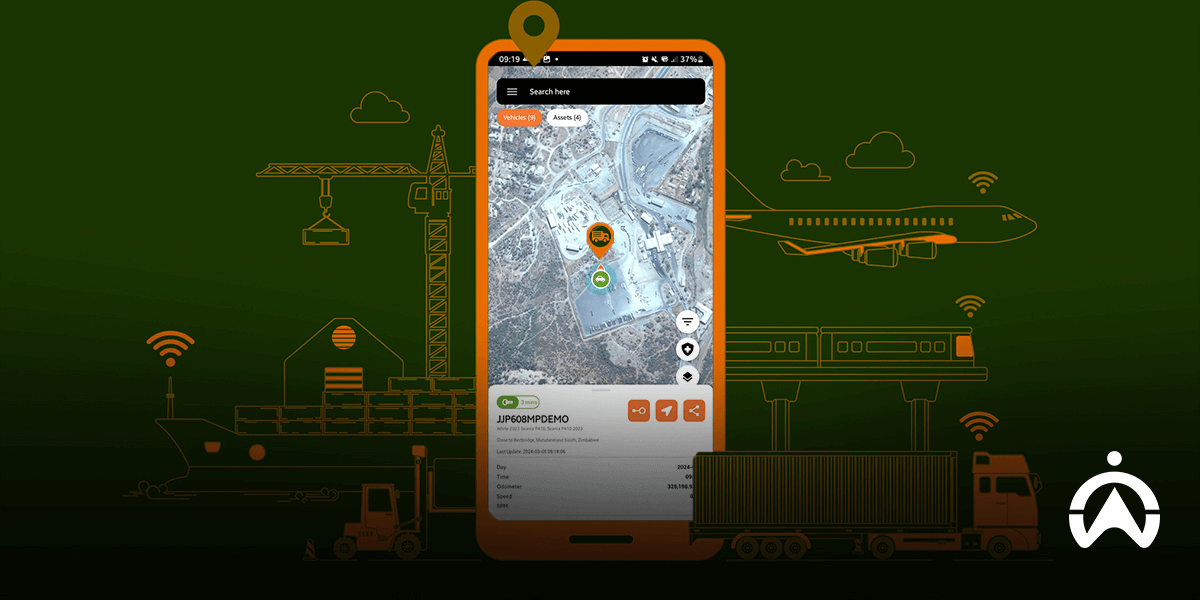
Cartrack’s versatility shines through its ability to seamlessly integrate with automatic and manual fleet cars. Regardless of your vehicle’s transmission type, Cartrack Zimbabwe empowers you to optimise fleet performance and operations with our trusted features:

Fuel monitoring: Gain real-time insights into fuel consumption across your fleet. Identify areas for improvement, like unnecessary idling or fuel-wasting driving habits, and coach drivers for better fuel economy in automatic and manual vehicles.

Route planning: Easily set and manage predefined routes for your fleet vehicles to shorten travel duration and lower fuel consumption. If your drivers don’t follow these predefined routes, you’ll promptly receive real-time alerts, allowing you to inform them to reroute or offer assistance if something has gone wrong.

Data-driven reports: Whether you’re monitoring fuel consumption, driver behaviour, or vehicle health and performance, Cartrack’s telematics-powered fleet management technology offers over 40 reports with valuable insights that keep you informed and empower smart decision-making.

Spots or stripes? Get a fleet management solution perfect for manual and auto fleets

Cartrack Zimbabwe caters to fleets of all sizes, industries, and transmissions. If a fleet management solution is what you need to elevate your fleet into a new stratosphere of success, Cartrack Zimbabwe has the smart features, insights, and trusted technology to make it happen.

Contact Cartrack Zimbabwe today.

Route Planning and Route Optimisation Software Solution for Powerful Fleet Planning

Route optimisation is no longer seen as a luxury feature, and with the explosive growth in online shopping and home deliveries, it’s now a necessity every business should have.

In the race to meet customer demands,route planning and optimisation are vital strategies for efficient travel. They’re the secret sauce that helps businesses make smart delivery decisions, ensuring products and services reach customers swiftly and seamlessly.

Whether you’re a local shop or a global e-commerce giant, embracing route optimisation and planning isn’t just smart—it’s essential for staying ahead in today’s fast-paced market.Let’s see how this advanced tool makes businesses tick.

In this article, you will:

  • Learn about the drawbacks of manual trip planning
  • Explore the key differences between route planning and route optimisation
  • Discover the must-have features of powerful route optimisation software
  • Identify signs for your business to switch to route optimisation solutions
  • Learn how Cartrack’s solutions can revolutionise your trip operations

The challenges of manual route planning

In the past, route planning relied heavily on manual methods, lacking the advanced tools like GPS tracking and fleet telematics that we have today. Fleet managers had to rely on spreadsheets, maps, and guesswork to manage and optimise their operations.

This often led to inefficient management practices, as they had to navigate blindly without real-time insights into their fleet’s activities.

Even though smaller companies still use manual trip planning, it still has its shortcomings. Here are the four top disadvantages of traditional trip planning:

  1. It’s time-consumingPlotting routes on a map, considering traffic jams, and factoring in driver breaks takes ages. This time could be better spent focusing on other aspects of your business, like ensuring cargo safety or monitoring fuel consumption per trip.
  2. Mistakes happenManual planning is prone to errors like missing shorter, more fuel-efficient routes or not underestimating travel time, leading to delays, increased expenses, and frustrated customers.
  3. Constant inefficiencyIdentifying the most efficient routes that minimise fuel consumption and maximise deliveries is a complex task when done manually, resulting in inefficiencies within the operation.
  4. Challenges with dynamic variablesUsually, after mapping out a route, the task of considering trip duration, weather, and traffic is rarely checked again as the day goes by. Manual planning struggles to adapt to these factors in real time.

The modern solution: Introducing route planning and route optimisation software

As we’ve explored the drawbacks of manual trip planning, many businesses have realised these limitations and started turning to modern solutions for route planning and optimisation.

But how are these new concepts any different from the tools businesses have been using?

Let’s see how route planning and optimisation offer solutions and improve trip management.

Efficient mapping with route planning

Route planning, in simple terms, is when you manually try to figure out the best way to get from point A to point B. When it comes to deliveries or managing a fleet of vehicles, it’s more than that.

If you’re running a fleet that constantly makes deliveries throughout the day, say a bakery or pharmacy making at-home deliveries, route planning would involve figuring out the order in which to visit all your customers to make the most efficient deliveries.

This could mean:

  • Considering traffic patterns; avoid rush hour traffic jams in congested areas like Long Street, Cape Town in the morning and deliver during off-peak hours.
  • Striving to minimise distance; consider delivering to suburbs closer to you first before going all the way out of town.
  • Planning a logical route; don’t zig-zag across the city, wasting time and fuel.

Route planning is creating the most efficient way to complete a journey with multiple stops, considering various factors to save time and fuel. This line of planning differentiates it from traditional trip planning.

Advanced route optimisation solutions

Route optimisation takes route planning to the next level. The software finds the most efficient routes that minimise travel time, fuel consumption, and vehicle wear and tear. It’s more like a super-smart app that automatically presents the absolute best order to deliver those parcels.

This way, your delivery guy travels the shortest distance, avoids traffic jams, and gets all the deliveries done faster.

It considers factors like:

  • Real-time traffic conditions
  • Weather conditions
  • Vehicle capacities
  • Driver availability
  • Delivery priorities

Unlike route planning, which may involve manual processes or basic algorithms, route optimisation relies on advanced software algorithms that generate optimised routes tailored to each fleet’s specific requirement.

Advanced_route_optimisation_solutions

Route planning vs. route optimisation: What’s the difference?

The differences between route planning and route optimisation might be confusing, so let’s clear the air and state the differences.

Route planning simply involves pointing out the sequence of stops for a delivery route and manually planning the route. While it’s a good starting point, it doesn’t optimise for efficiency. Route optimisation software improves this process by using advanced algorithms and bringing your business these perks:

  1. Save on costs:Businesses can save a lot of money by making routes more efficient and using less fuel. This means spending less on fuel, repairs, and general running costs.
  2. Boost efficiency:When routes are optimised, vehicles can do their jobs quicker and get more done in less time. It’s like getting a productivity boost, allowing businesses to achieve more with their resources.
  3. Happy customers:Timely deliveries are vital for keeping customers happy. By consistently delivering on time and giving accurate arrival estimates, businesses can create positive customer experiences, leading to better reviews and more loyal customers.
  4. Eco-friendly moves:Route optimisation helps protect the environment by reducing unnecessary driving and fuel use. It’s a greener approach that shows a commitment to reducing emissions and looking after the planet.
  5. Smarter resource use:Optimised routes mean businesses are using their vehicles, drivers, and equipment in the best possible way. This helps them get the most out of their investments and run more efficiently overall.
  6. Stay flexible:Route optimisation software lets businesses adapt quickly to changes. Whether it’s unexpected traffic or last-minute delivery changes, businesses can stay nimble and keep things running smoothly.
  7. Data-driven decisions:Route optimisation software provides valuable data businesses can use to make smart choices. By examining things like delivery times and fuel use, businesses can spot patterns, find areas for improvement, and keep getting better over time.

How route optimisation technology makes your business tick

Let’s use the pharmacy business as an example. Say you’re planning deliveries for a busy week with multiple stops for your drivers spread across town, and you’ve just fed this information to the system. What happens next?

Here’s how to take the chaos out of your delivery schedule:

Step 1: Feed it information

Enter all your delivery addresses into the software; you can even specify delivery windows for some customers who need their parcels at a certain time. The software calculates the distances between each stop, giving you a basic idea of travel time.

Step 2: Analysis

It carefully analyses the data we’ve gathered, considering factors like delivery locations, time constraints, vehicle capacities, and real-time conditions such as traffic patterns and road closures.

Step 3: Optimisation

This is where the magic happens. Using sophisticated algorithms, the software crunches the numbers to generate the most efficient routes for our vehicles. These routes are designed to minimise travel time, fuel usage, and vehicle wear and tear while ensuring that all deliveries are made on time. You can factor in driver breaks.

The software will present you with this information:

  • A clear map shows the most efficient order to tackle all your deliveries for the week.
  • Drivers receive the optimised route on their phones, complete with turn-by-turn navigation and delivery information for each stop.
  • You can track driver progress and delivery status in real time, giving you peace of mind and allowing you to manage any last-minute changes.

Step 4: Real-time adjustments

As the week progresses, the software continuously monitors real-time conditions and adjusts routes as needed. Whether it’s unexpected traffic jams or last-minute changes to delivery schedules, the software ensures that our vehicles stay on the most efficient path.

Step 5: The feedback loop

As deliveries are completed, the software collects data on actual performance, including delivery times and fuel consumption. This data is then used to fine-tune and improve future route planning, ensuring that we always optimise our deliveries to the fullest extent possible.

And just like that, the busy week has gone without a hitch. Route optimisation software takes the guesswork and frustration out of planning deliveries.

This is just one week. Imagine what you can accomplish with this software running for a whole financial year. You can focus on running your business while your deliveries run smoothly.

List of must-have features for a powerful routing software

What makes this technology able to do all the things that make your delivery management that much easier? It’s got smart features!

  1. Multi-stop planning:This core functionality is the foundation of effective route optimisation. The software should seamlessly handle a high volume of delivery stops and generate the most efficient route sequence, minimising travel time and maximising productivity. Imagine a sophisticated map app that intelligently determines the optimal order to visit all your destinations.
  2. Real-time traffic integration:Unforeseen traffic congestion can disrupt even the most meticulously planned routes. Look for software that integrates live traffic data feeds. This allows for dynamic route adjustments, ensuring deliveries stay on schedule despite unexpected roadblocks. Think of your routes as adaptable entities, constantly adjusting to real-time traffic conditions.
  3. Driver constraints and preferences:A happy and well-rested workforce is paramount for efficient deliveries. Choose software that allows you to incorporate driver preferences and constraints. This could include factoring in driver breaks, specific skill sets required for certain deliveries, or even vehicle types (such as refrigerated vans for temperature-controlled goods).
  4. Advanced route optimisation algorithms:Beyond basic distance calculations, advanced route optimisation requires sophisticated algorithms. These algorithms should consider many factors, including one-way streets, traffic light patterns, and historical traffic data, to create the most efficient routes possible. This ensures fuel costs are minimised and delivery times are optimised.
  5. Mobile app functionality for drivers:Paper maps are a relic of the past. The software should provide user-friendly mobile applications for drivers. These apps should display optimised routes with turn-by-turn navigation and clear instructions for each stop. This empowers drivers to navigate efficiently and reduces the risk of confusion or delays.
  6. Robust reporting and analytics:Data is a valuable asset for continuous improvement. Effective route optimisation software should generate comprehensive reports on key performance indicators (KPIs) such as on-time delivery rates, fuel consumption, and driver performance.

By analysing these reports, you can identify areas for improvement, further refine routes, and make data-driven decisions for your fleet management strategy.

powerful_routing_software

How do I know if my business needs these route optimisation solutions?

Here are some tell-tale indicators that it’s time to consider afleet management system, route optimisation software and the amazing tools it comes with.

  • Late deliveries: Inconsistent delivery times and frustrated customers are sure signs that your current route planning methods aren’t working.
  • High fuel costs: Inefficient routing can lead to both excessive travel time and unnecessary mileage, which can significantly inflate your fuel costs.
  • Inefficient routes: Drivers spend time stuck in traffic or backtracking unnecessarily.
  • Unhappy, fatigued drivers: Your drivers experience long hours of driving and inefficient routes, which can result in driver fatigue, stress, and potentially risky driving habits.
  • Lack of visibility: Without proper route planning tools, it is difficult to track delivery performance, identify areas for improvement, make informed decisions, and even follow up on tasks.

Have you experienced all these hiccups, and are you ready to make the switch to improved deliveries? It’s time to get Cartrack’s route optimisation and fleet management solutions.

Route optimisation made easy with Cartrack’s fleet management solutions

Cartrack Zimbabwe is a leading provider of smart fleet management solutions designed to assist CEOs, business owners, and managers in improving and optimising the everyday routes their fleet uses.

When it comes to deliveries, Cartrack Zimbabwe solutions have proven to improve fleet operations, reduce fuel consumption, and save on fleet costs, leaving managers with more time to focus on improving their fleet and operations.

Here are some Cartrack Zimbabwe features that make it all possible:

  • Cartrack DeliveryCartrack’s Delivery tool simplifies task assignment and real-time tracking from dispatch to delivery. Automating processes offers full visibility into task progress and allows easy job allocation to drivers. Through route optimisation, Delivery provides quicker route options, reducing travel time, fuel consumption, and turnaround times.
  • GPS trackingCartrack’s GPS tracking provides real-time location and other vehicle insights for managers to enhance operational efficiency. Cartrack Zimbabwe helps cut costs per job and improve fleet visibility and overall vehicle safety.
  • Geofencing
    Cartrack’s geofencing feature allows users to set virtual boundaries around specific locations. Managers can monitor vehicles entering or exiting zones, such as warehouses or delivery drop-off locations, providing wider visibility of vehicle activity and ensuring drivers stay on schedule with their tasks.

Realise the power of Cartrack’s route optimisation

The Salt Block & Deli and Baron’s Meat Co. strive to deliver their meat and produce as fresh as possible to their clients. With Cartrack’s route optimisation solutions, The Salt Block & Deli experienced improved tracking on their vehicles and enhanced fleet productivity.

“[With Cartrack] we can plan our routes, and when we go back and look at the history, we can see exactly how long it took from one area to the next,” said Leriche Beneke, CEO of The Salt Block & Deli and the Baron’s Meat Co.

Leriche is just one of the thousands of business owners that Cartrack has assisted with their fleets. Our route optimisation solutions can fit into any business and within any industry, even yours.

Start saving on travel costs and improve fleet efficiency with Cartrack Zimbabwe

With our proven track record of delivering reliable solutions, you can trust Cartrack Zimbabwe to improve your trip strategies and drive efficiency across your operations.

Contact Cartrack Zimbabwe today for a free quote and discover how our proven solutions can enhance your trip planning and delivery efforts!

Powerful Motorbike Tracker: Fleet or Personal? Choose the Best

Recent crime statistics showa car or motorbike is stolen every 13 minutes in South Africa. With incidents of motorbike theft on the rise, it’s no wonder bike owners are looking for more advanced ways to keep their wheels safe.

If you’ve never considered a tracker for your motorbike, you’ll be surprised at the benefits these nifty devices offer regarding security and visibility.

Join us as we dish out crucial motorbike tracker details and why you should consider getting one.

In this article, you will:

  • Learn more about motorbike theft in South Africa
  • Discover the benefits of motorbike trackers for fleet and personal bikes
  • Wise up on the most common motorbike theft tactics
  • Find five top tips to keep your motorbike safe
  • Look at Cartrack’s advanced bike tracking features

What is the best motorbike tracker? Choose the most powerful one for bike theft

If you don’t consider security measures for your bike, it will always be a sitting duck, especially when parking it on the street, parking lots, or other public areas.

Taking security precautions, whether parking your bike at home or in a public area, can significantly increase your chances of avoiding rocking up to an empty parking space or driveway. So can installing a powerful bike tracker from Cartrack Zimbabwe.
Bikes are both popular fleet components and cherished personal playthings, but which is the most popular target for theft? Let’s take a look.

Personal bike theft versus fleet bike theft

Fleet motorbike theft doesn’t appear to be as widespread as theft targeting individual motorcycles in South Africa. However, while personal motorbike owners face an increased risk of theft, particularly in areas like commuter parking, garages, hotels, and public parking spaces,delivery bikes are slowly but surely becoming a popular target for hijackings and theftas the need for home deliveries started increasing during COVID19 and is still hugely popular today.

In the end, it’s not about fleet versus personal; instead, it comes down to having proper security and tracking technology installed, as motorbike thieves don’t appear to have a clear favourite. Without proper protection, your bike could be next.

Is motorbike theft as common as car theft?

Cars may seem like more popular prey for South African thieves statistically, but that doesn’t mean motorbikes are off the hook. While car theft takes the top spot, motorbikes remain easy targets, as they’re smaller, lighter, and often lack the fancy security systems found in most cars. Plus, the easy profit and the perceived ease of getting away with bike theft make motorbikes a tempting target.

While there are no separate theft statistics for motor vehicles and bikes in South Africa, it’s clear that both are popular targets, with recent bike thefts and hijackings peaking in areas like Boksburg and surrounds. Thankfully, technology like advanced tracking devices is helping to recover stolen bikes faster, but South African motorbike owners still need to be extra vigilant.

Get A Tracking Device Now

The differences between motorbike theft and car theft

Stealing a car and snatching a motorbike in South Africa might seem like the same crime, but some key differences can make potential motorbike theft a bigger headache for its owners.

Accessibility: With their bright colours and bold designs, motorbikes are the pint-sized punks of the parking lot. Their compact size and lighter weight make them easier to snatch than cars. Thieves can push or ride a motorbike away silently, which is significantly more difficult to do with a car, making bikes vulnerable just about anywhere.

Motive: The reasons behind car and bike theft aren’t that different at a basic level. Both are based on someone looking to make money, and while motorbike theft often involves organised crime gangs targeting high-value bikes for resale, car theft, on the other hand, can differ slightly motive-wise, with anything from selling the whole car to stripping it for parts, taking it for a joyride, or even using it in a more serious crime like hijacking.

Security Measures: Because motorbikes have fewer built-in security measures and are easier to steal, owners need to take extra precautions. Think steering locks, super-visible disc brake or fork locks, loud alarms, and trackers. These measures become crucial when your light and zippy pride and joy are so much easier to lose than a car weighing at least one tonne.

Both motorbikes and cars are at risk in South Africa, but motorbikes are easy targets due to their size and weight. So, if you’re a motorbike owner in South Africa, be extra vigilant and invest in robust bike security.

Popular reasons for car and motorbike theft: are they the same?

Car theft in South Africa is a complex issue with several driving forces. Here’s a quick breakdown of the most common reasons your car and bike could end up missing:

  • Cash is king: In the world of car and bike theft, money talks. Stolen cars are often resold whole, stripped for parts, or used in other crimes to make a quick buck. Though bikes are less likely to be stripped and sold in parts, they are stolen for the exact same reason: money.
  • An easy getaway: Sometimes, thieves target cars simply as a getaway mode. Maybe they need a temporary set of wheels or are planning a joyride. Motorbikes are often stolen or hijacked for the exact same reason—even more so because they are smaller, lighter, and easier to take advantage of.
  • Not created equal: Some car models are easier to steal than others, and the same goes for bikes. For example, models like the infamous Nissan 1400 are a popular choice for thieves because they lack some of the more sophisticated security features now available. When it comes to bikes, older models are also more accessible to thieves for the same reason.
  • Organised crime syndicates: Many vehicle models, like the Toyota Hilux, are targeted by crime syndicates specifically for their parts, and when it comes to motorbike theft, not every case is opportunistic. Both car and bike theft are linked to organised crime, with different motives behind the theft.

The reasons behind car and bike theft are mostly similar, and it’s a mix of financial gain, opportunistic crime, and even organised criminal activity. Understanding these motives can help you choose ideal security measures like a tracking device to keep your motorbike safe.

The benefits of powerful motorbike trackers for fleet and personal bikes

For individual riders and fleet managers, GPS trackers for motorbikes are a game-changer, offering a powerful range of benefits beyond just location tracking. Let’s explore how these handy devices can enhance your riding and fleet management experiences:

  • Theft deterrence and recovery: Real-time tracking deters thieves and increases the chances of getting your stolen bike back. Imagine a would-be thief knowing their joyride is being broadcast live! Plus, with the help of the authorities and Cartrack’s dedicated SVR teams, stolen motorbike recovery can be a quick and efficient process with exponentially higher chances of success.
  • Emergency lifeline: A GPS tracker can be your lifeline when accidents happen. In case of a breakdown or mishap, it can send an alert, summoning help from emergency services or loved ones quickly. Some advanced trackers even detect accidents and automatically call for help, providing extra security, especially for solo riders.
  • Peace of mind perfection: GPS trackers offer peace of mind like no other. Seeing your motorcycle’s location in real time lets you relax and enjoy the ride, knowing you’re in control and your prized possession is secure.

GPS trackers for motorbikes can offer a comprehensive solution for all riders by combining enhanced security and other invaluable features. Whether you’re a spontaneous adventurer or a city commuter, devices like Cartrack’s GPS tracker can significantly enhance your trip experience and provide peace of mind on every journey.

The_benefits_of_powerful_motorbike_trackers_for_fleet_and_personal_bikes

The 4 most common motorbike theft tactics

While these treasured toys and prized possessions offer freedom on the open road, they are also tempting targets for criminals. Let’s explore some of the most common ways motorbikes are stolen in South Africa and how you can protect your ride:

1. Lock Bypass and Push Away

Thieves often target unlocked bikes or those with easy-to-bypass locks. They might even work in pairs, with one pushing the stolen motorcycle to a secluded spot while the other acts as a lookout. However, just by securing a strong chain around the frame and rear wheel, you can deter this type of theft tactic.

2. Opportunistic Pushing

It’s also important to keep in mind that even a locked motorcycle can be vulnerable if not secured properly. Thieves might simply push a bike away because it’s parked in a deserted area, giving them enough time to do it unseen. Along with a chain, high-quality disc locks, alarms, and immobilisers can help keep opportunists at bay.

3. Organised Crime

Beware the professionals, especially if your ride is worth a hefty sum. Syndicates often target high-value motorbikes but have also recently been seen targeting fleet bikes, which means no motorcycle is safe. Depending on the situation, these criminals might use brute force to steal a bike, hotwire it, or simply push it away. Their motives and operations, however, are anything but opportunistic, so staying vigilant in high-risk areas and investing in advanced security helps keep your bike from becoming a target.

4. Garage Vulnerabilities

Don’t let your guard down when you’re at home. Thieves are known to target unlocked garages or parking spaces with weaker security features. Depending on whether you have a closed garage or a gated parking area, reinforce your home parking space with alarms or sensors, strong doors, and secure windows.

These four common theft tactics are the most popular among motorbike thieves and tend to trend in specific locations or hotspots. Discover some of the motorbike theft hotspots you should be on the lookout for.

Motorbike theft hotspots

Motorbikes can be (and are) stolen from various locations across South Africa. Some of the most common areas include:

  • Commuter parking bays
  • Garages or residential parking spaces
  • Hotels and public venue parking lots
  • Public areas like roads and sidewalks

Even a secured backyard is not an impossible feat for a determined bike thief, making full visibility of your bike’s location a necessity.

Making motorbike safety hassle-free

Whether you’re a hardcore Harley fan or a Vespa buff, make sure you’ve got your bike safety sorted the easy way—here’s how:

Motorbike hijackings: a crime on the increase

Hitting the road on your bike can be an incredible and liberating experience, but there’s also a growing concern as motorcycle hijackings start becoming more prevalent. A trend of armed criminals on bikes targeting motorcyclists has become a hard reality for bike-loving South Africans, and these ruthless thieves might resort to violence, shooting at riders or pushing them off their bikes to steal the ride. Just like carjackings, hijackers can also use firearms to threaten riders and steal their bikes in various locations, from remote areas to busy highways.

Here’s the good news: you can take steps to stay proactive and protect yourself. Take a look at our five top tips to avoid becoming a motorbike hijacking statistic.

Don’t become a statistic: four ways to avoid motorbike hijackings

Whether with a car or motorcycle, hijackings are traumatising experiences, and we need to take every precaution possible to make sure we don’t have to deal with it. Four basic tips set you up for safety success every time you and your bike hit the road:

  1. Watch your back: Have you ever considered that one of the most common hijacking spots may be your own driveway? If you think you’re being followed, don’t go in. Instead, head straight to the nearest police station. Even if the coast is clear, avoid entering your driveway immediately. If possible, park parallel to the road while waiting for your gate to open to give yourself room to escape if a suspicious vehicle tries to follow you in.
  2. Beware the fake breakdown: Hijackers are getting creative. They might slam on their brakes on a highway exit or busy street, forcing you to stop and then approach you with weapons. Don’t fall for these tactics! Stay alert and keep a safe following distance so you can swerve when you need to.
  3. Stay focused on the road: Stuck at a traffic light? Resist the urge to check your phone or mess around with controls or mirrors if you don’t have to. Keep your eyes peeled for anything suspicious. With a ride as compact as a bike, your best bet is ensuring you have enough wiggling room to manoeuvre swiftly through traffic and away from danger if you have to.
  4. Safety First: If you’re being hijacked, surrender your motorbike and belongings. Move slowly, keep your hands visible, and avoid looking directly at the hijackers. If you have passengers, help them stay calm and stay compliant. Your life is worth more than any possession, and if you have a tracker installed, there’s still a chance of it being recovered safely.

By following these tips and staying vigilant, motorbike owners and bike fleet managers can enjoy the ride with greater peace of mind. Remember, a little awareness goes a long way in keeping yourself and your bike safe.

How to keep your motorbike safe: Our five top tips

Keeping your motorbike safe isn’t just about common sense – it’s about awareness. Here are five top tips to make sure your pride and joy stays right where you parked it:

1. Lock It Up Right

This might seem obvious by now, but quality security really does make a huge difference. Disc locks, chain locks, and ground anchors are your best friends. They act like flashing red lights to thieves, saying, “you’re going to struggle with this one, buddy”. Locking your bike to a solid object or using a ground anchor makes it even tougher to steal. Remember, a properly secured bike is safe and gives you peace of mind knowing you’ve taken precautions.

2. Park smart

When choosing a parking spot, knowing your high-risk locations is key to street smart vigilance. Park in designated spaces with good lighting, CCTV, or parking security. While you may think busy areas offer good security because the more eyes there are the better, this is not necessarily a smart way to park as bustling areas can also cause people not to notice the theft. Look for designated parking security and stay alert of your surroundings at all times.

3. Cover up

Think of a motorcycle cover as a security blanket for your bike. While it should not be your primary means of security, it does hide your precious machine from prying eyes while protecting it from the elements and scratches. Think of it as a disguise – thieves are less likely to target a hidden bike. Plus, a cover makes a quick getaway tricky, giving you more time to react if someone messes with your ride.

4. Stranger danger is real

Always be wary of strangers, and in this case, if they’re hanging around your bike. They might be checking out the scene, trying to chat you up to learn about your security setup, or even waiting for a chance to distract you while an accomplice makes a move. Don’t give away information about your bike or your schedule, and keep an eye on it whenever you leave it unattended. A little caution goes a long way in preventing theft.

5. Track it down

GPS trackers are like guardian angels for motorbikes. They let you track your bike’s location 24/7, so if the worst happens, you can find it fast. Imagine the relief of knowing exactly where your stolen bike is! Some advanced trackers and tracking technology like Cartrack’s BikeWatch can also send alerts if your bike moves when it shouldn’t, helping recovery teams get your bike back faster.

Following these tips, you can significantly reduce the risk of your motorbike becoming someone else’s joyride.

Look no further for a powerful motorbike tracker—we’ve got you covered

If you’re still wondering where you can find a bike tracker that ticks all the boxes, stop right there. Cartrack’s advanced tracking device offers a range of features that help enhance your security as a private bike owner and elevate productivity as a bike fleet manager. Here’s how:

  • Bike TrackStay in control by getting full visibility of your motorbike’s exact location with Cartrack’s discreetly-installed GPS bike tracking device. Receive live notifications and vehicle tracking data wherever you are on our dedicated platform or mobile app.
  • SVR for bikesSupercharge our advanced GPS tracking technology with professional bike recovery. With air and on-the-ground recovery abilities, our telematics system will track and recover your stolen or hijacked motorbike, restoring your sense of security and bringing peace of mind.
  • BikeWatchKeep a constant eye on your bike and receive automatic notifications if it moves without your consent using BikeWatch, your extra pair of eyes that ensures your bike stays where you left it every single time.
  • LogbookManage all of your SARS trips on the Cartrack platform to avoid tax-related admin disasters. By distinguishing between professional and personal trips and offering the option to get reports, you can stay compliant with minimal effort.

Look_no_further_for_a_powerful_motorbike_tracker

Choose the best bike tracker: Choose Cartrack Zimbabwe

Don’t settle for less if you know Cartrack Zimbabwe offers you the most advanced GPS bike tracking, security, and bike recovery. Contact us today.

Answers to the motorbike tracking questions you need to know

  1. Should I put a tracker on my motorcycle?It is highly recommended to install a tracker on a motorcycle. Trackers have proven effective in reuniting owners with their stolen bikes, with recovery rates exceeding 90% when motorcycles are fitted with trackers
  2. What is the best tracker out there?When choosing the best motorbike tracker, focus on key attributes like GPS tracking, RF/VHF technology, GSM/GPRS connectivity, battery backup, resistance to tampering, and a secure operating centre (SOC).

    Consider features such as reduced false alerts, tracking accuracy, tamper resistance, alert methods, ease of installation, concealability, and adaptability to different environments. Prioritise these attributes over specific brands for an effective and reliable choice in motorbike security.

  3. What are the benefits of GPS fleet tracking?Depending on whether you’re using GPS tracking for a personal bike or a fleet of motorbikes, you’ll have some great features to benefit from.

    – It enhances safety by monitoring driver behaviour, enabling maintenance alerts, and providing real-time insights into driving habits.

    – GPS tracking helps minimise fuel costs by identifying inefficient driving practices and unauthorised vehicle use and optimising routes for fuel efficiency.

    – It lowers operational costs by providing real-time data for informed decision-making and streamlining processes.

    – GPS tracking increases productivity by monitoring time spent at job sites, ensuring efficient routing, and digitising workflows for streamlined operations.

    – GPS tracking aids in theft recovery by enabling real-time location monitoring and alerts for unauthorised use, helping in asset recovery and reducing replacement costs

  4. Which GPS is best for bikes?When looking for the best GPS tracker or fleet tracker for your bike, there are many things you need to consider, some general and some more specific to your needs. For example, if you’re looking for a tracker that will help with stolen bike recovery, you’ll want to look at a tracking company that discreetly installs tracking devices in a place where bike thieves won’t be able to find and remove them to get recovery teams off their trail. On the other hand, if you’re looking to optimise your fleet’s productivity, a tracker that offers route planning and route optimisation features is ideal for making the most of every fleet bike during working hours.
  5. How much data does a tracker use?A GPS vehicle tracker typically uses between a few kilobytes to a few megabytes of monthly data, depending on factors like the type of device, update frequency, and specific usage scenario. For example, personal GPS trackers can use 20 to 50 kilobytes of data per update, while fleet management GPS trackers may use 50 kilobytes to 1 megabyte of data per update. It’s important to monitor data usage to avoid unexpected charges and optimise data consumption based on your specific tracking needs and device settings, but data use can differ between devices.

Contact Cartrack Zimbabwe today and discover how to effortlessly level up your bike tracking and security, whether fleet or personal.

Which Different Smart Technologies Are Currently Used in Transport?

Is your transportation business as tech-savvy as it could be?

In a world of technological advancements for fleets, adapting is what sets you and your business apart.

Ready to stand out from the crowd? Read on to find out how smart technology is the solution and how Cartrack Zimbabwe brings it straight to your fleet.

In this article, you will:

  • Understand smart technology with helpful examples
  • Find out what the benefits of smart technology are
  • Delve into the role of smart technology in the transport industry
  • Explore how fleet management is the key to unlocking smart technology
  • Discover how Cartrack’s solutions are just what you need for smart tech success

What is smart technology?

In simple terms, smart technology, often known as “smart tech,” is a collection of innovative gadgets powered by computers. Think of it as giving everyday objects a brain and internet access. These gadgets, which have revolutionised multiple parts of our lives, are equipped with sensors, software, and internet connectivity, making them smarter. These sensors can measure things like vehicle speeds, fuel levels, and geographical locations.

Examples of smart technology

Smart technology is an umbrella term for the different technologies that can be used to elevate your transport business’s functioning. Here’s how:

  1. Artificial intelligenceArtificial intelligence (AI) refers to the ability of computers to mimic intelligent human behaviourssuch as learning, problem-solving, and decision-making. This transformative technology plays a crucial role in achieving smart transportation functions by leveraging advanced technologies that increase passenger safety, reduce traffic congestion, and minimise accidents.

    Here’s how AI is revolutionising transportation:

    – Powering autonomous vehicles: AI enables autonomous vehicles to function, using sensor data to navigate, identify obstacles, and make important decisions in real-time, such as which routes to take and how to navigate traffic. This ensures that they function safely and smoothly.

    – Simplifying traffic management: With its ability to analyse data from cameras and sensors, AI can optimise traffic management by providing alternative, deviation-free routes according to real-time conditions.

    – Logistics optimisation: Similar to how AI provides alternative routes to help avoid traffic, it does the same for delivery services, ensuring deliveries are timely, efficient, and cost-saving.

  2. Machine LearningMachine learning (ML) is a subfield of AIthat allows computer systems to learn and improve without any explicit instructions by using algorithms trained on data sets. This allows the creation of self-learning models that can predict outcomes, classify information, and keep on learning without human intervention.

    Here’s how machine learning is revolutionising transportation:

    – Predictive maintenance: ML algorithms can use sensor data from vehicles (such as engine performance, oil pressure, etc.) to predict potential issues before they become costly and lead to costly, unplanned downtime.

    – Aiding route optimisation: ML can analyse traffic data, predict congestion hotspots, and suggest alternative routes. This data is then fed into navigation apps, allowing drivers to avoid congested road conditions and complete timely deliveries.

  3. IoTThe Internet of Things (IoT) is an extensive network of interconnected physical objects that are embedded with sensors, software, processors, and network connectivity. These sensors gather a wide range of data about their environment and the object’s status, including its movements and live location. A centralised system then analyses this data, and through this analysis, the raw data can be turned into actionable insights that enable informed decision-making.

    Here’s how IoT is revolutionising transportation:

    – Fleet tracking: IoT sensors work to monitor vehicle location, fuel consumption, and speed in real-time, giving fleet managers unmatched visibility to optimise routes, reduce fuel costs, and ensure driver safety.

    – Preventative maintenance: IoT sensors constantly monitor the health of vehicles and their various components, which helps fleet managers identify potential wear and tear on vehicle components before they fail. This prevents breakdowns, and unplanned downtime and extends vehicle longevity.

    – Supply chain optimisation: IoT devices can track cargo location and temperature, which helps ensure integrity and lower the chances of spoilage, having a significant impact on supply chain efficiency and customer service.

  4. AR vs VRAR and VR refer to two distinct but related technologies. Augmented reality (AR) blends reality and digital, letting you see the real world with digital information and images layered on top. In contrast, virtual reality (VR) is a computer-generated simulation of a 3D environment that users can interact with virtually. By combining sensor technology and advanced software, these solutions can create interactive experiences.

    AR software analyses the data recorded by sensors. VR, on the other hand, creates a completely immersive, simulated digital environment that replaces the user’s real-world surroundings. Both AR and VR are prime examples of smart technology because they combine sensor technology, advanced software, and sophisticated displays to create intelligent and interactive experiences.

    Here is how AR and VR are revolutionising transportation:

    – Driver training: AR can provide a safe, controlled environment to help train drivers and ensure that they’re able to make informed decisions behind the wheel.

    – Remote collaboration (AR and VR): AR and VR can enable remote experts to view and interact with the work environment of on-site technicians in real time. This facilitates effective troubleshooting, support, and knowledge transfer.

    – Enhanced navigation: AR-powered systems can project directions and information directly onto the driver’s field of view (e.g., windshield or AR glasses). This allows for safer, more intuitive navigation without requiring the driver to look away from the road.

  5. ADASAdvanced Driver-Assistance Systems (ADAS)are a suite of technologies that utilise sensors, cameras, machine learning, and artificial intelligence to enhance safety and improve the driving experience. ADAS represents a significant leap forward in the transportation industry.

    Here’s how ADAS is revolutionising transportation:

    – Increased safety: A core function of ADAS is to mitigate human error, the leading cause of traffic accidents. By providing real-time situational awareness, ADAS significantly reduces collision risks.

    – Enhanced driver experience: ADAS takes the stress out of driving by automating routine tasks like lane centring and blind-spot monitoring, allowing drivers to focus on the road while feeling more confident and in control.

  6. Smart infrastructureSmart infrastructure is a network of intelligent technologies embedded in roads, bridges, and traffic systemsthat make use of sensors and data analytics to revolutionise the way we travel. While South Africa is still in the early stages of implementing smart infrastructure, the potential benefits for transportation are undeniable.

    Here’s how smart infrastructure is revolutionising transportation:

    – Traffic flow optimisation: By smoothing traffic flow, smart infrastructure reduces stop-and-go traffic, which leads to lower fuel emissions and decreased fuel consumption.

    – Data-driven decision: By painting a clear picture of traffic patterns and infrastructure usage, managers can make informed routing decisions.

  7. Big data and analyticsBig data refers to the large and complex datasets generated by various sources within the transportation network.When analysed effectively, big data provides valuable insights that are revolutionising the way we travel:

    Here’s how big data and analytics are revolutionising transportation:

    – Optimised operations: Big data helps managers analyse historical and real-time information such as traffic patterns, weather conditions, and delivery locations to optimise delivery routes, which helps ensure on-time deliveries, saving time and money.

    – Predictive maintenance: Big data helps managers monitor and predict potential maintenance issues before they occur, helping prevent breakdowns, reduce unplanned downtime, and extend vehicle lifespan.

Examples_of_smart_technology

What are the benefits of smart technology?

From safer roads and efficient operations to a more sustainable future, smart technology is revolutionising transportation through a wide range of benefits. These include:

  1. Enhanced fleet and cargo safety:Smart technology directly contributes to safer roads and improved transportation overall. From using advanced sensors that prevent potential accidents to smart traffic management systems that ease congestion, these technologies work together to create a safer environment for everyone involved in transportation.
  2. Increased efficiency:Smart technology makes the entire transportation sector significantly more efficient. It helps vehicles find the quickest, most fuel-efficient routes, predicts maintenance needs to prevent downtime, and allows shipping ports and logistics centres to operate smoothly through connected systems.
  3. Improved sustainability:Smart transportation solutions often go hand-in-hand with increased sustainability. Optimised routes and traffic flow lead to reduced fuel consumption and emissions. Predictive maintenance helps to extend the lifespan of vehicles and equipment, reducing waste and excessive emissions.
  4. Enhanced user experience:Smart technology offers a better, more personalised experience for everyone using the transportation system. Real-time traffic updates and route suggestions help computers avoid delays, while smart ticketing and payment systems make the journey smoother.
  5. Economic benefit:Smart technology doesn’t just improve efficiency, safety, and sustainability – it boosts the bottom line for transportation businesses. Optimised routes, reduced fuel use, minimised wear and tear, and streamlined maintenance make operations more cost-effective.

Smart technology sounds like the epitome of technological advancement, but what does it mean for your transport business? Let’s find out.

What role does smart technology play in the transport industry?

Let’s explore these examples based on the transport sectors: public, private, logistics, and freight:

  1. Public transport smart technology:Public transport offers shared mobility services for the general public, which operate on fixed routes and schedules. Common types of this include buses, taxis, and trains.

    Here’s how smart technology is playing a role in this transport sector:

    – Real-time tracking and scheduling: Buses and trains are now equipped with GPS tracking, and when paired with mobile apps, passengers can view accurate arrival times, delays, and the current location of the vehicle. This takes the guesswork out of waiting, which reduces stress for commuters.

    – Integrated Public Transport Networks (IPTNs): IPTNs use real-time data and GPS tracking to synchronise the various modes of public transport, allowing for improved route planning and on-time arrivals for commuters.

  2. Private transport smart technology:Private transport works with vehicles owned and operated by individuals for personal use. Offering the most flexibility and control, here’s how smart technology plays a role in this sector:

    – Vehicle telematics: Telematics equips vehicles with real-time tracking and route optimisation, improving the transportation process for both the commuter and service provider. This can also come in handy for getting personalised insurance premium offers, which are usually based on driver behaviour.

    – Electric and hybrid vehicles: South Africa is seeing a rise in electric and hybrid cars, and with the growing number of charging stations in major cities, the private transport industry is sure to become greener and more sustainable.

    – E-hailing platforms: E-hailing apps such as Uber and Bolt make use of intelligent algorithms to match drivers with passengers, calculate optimal routes, and provide cost estimates.

  3. Logistics and freight solutions:This sector focuses on the movement of goods and commercial cargo, involving a complex network of vehicles, ships, and warehouses.

    Here’s how smart technology plays a role in the backbone of supply chains:

    – Automated warehouse systems: The logistics industry uses automated systems to ensure accurate inventory management, automate parcel sorting, and enhance efficiency.

    – Fleet management systems:
    These systems are equipped with a wide range of technology that helps companies gain unparalleled access and insight into their fleet, ranging from fuel consumption for efficiency to route planning for timely deliveries.

Integrating smart technologies in the transport sector indicates that the country is moving towards more efficient, sustainable, and user-friendly systems. Even though we’re making significant strides in many areas, there are still areas for improvement, and one way these changes can be fostered is by implementing a fleet management solution.

What is fleet management?

Fleet management is the optimisation of a fleet’s functioning, ranging from tracking vehicles and monitoring driver behaviour to planning efficient routes and scheduling vehicle maintenance. Its purpose is to ensure that a fleet functions smoothly at a lower cost and keeps customers happy.

What are the benefits of fleet management for the transport industry?

Fleet management is crucial to the success of the transport industry. Let’s explore a few of its benefits:

  1. Cost reduction:Fleet management systems help you optimise fuel consumption by monitoring inefficient driving habits, enabling route planning for maximum efficiency, and preventing costly breakdowns with preventative maintenance. Companies can potentially secure lower insurance premiums by providing detailed insights into driving practices and responsible fleet operations.
  2. Increased efficiency:By providing real-time visibility of vehicle locations and enabling route optimisation, fleet management systems make it possible to cut down on time wasting and maximise the use of resources. Knowing where vehicles are and the routes they are taking allows for quick adjustments. Further, fleet management tools ensure that all vehicles are utilised effectively, preventing some from sitting idle while others are overloaded. Streamlined communication between drivers and dispatchers eliminates unnecessary delays and miscommunication, enhancing overall efficiency.
  3. Enhanced safety:Proactively monitoring vehicle health and driver behaviour allows for the early detection and remedy of potential problems like premature wear and tear, preventing breakdowns or malfunctions that could lead to accidents. Fleet management tools with real-time tracking capabilities, vehicle diagnostics technology, and actionable insights help you rapidly respond to emergencies, accidents, and other vehicle issues.
  4. Improved customer service:Fleet management systems directly enhance the customer experience. Accurate ETAs (estimated arrival times) made possible by real-time tracking, allow customers to plan accordingly. Fleet managers can also keep clients informed proactively about any potential delays. Electronic proof of delivery offers a transparent and accountable record of the delivery process, further enhancing customer trust.

These benefits sound incredible, right? If you’re wondering how you can start taking advantage of them, we’ve got the answer. It’s Cartrack Zimbabwe.
What_are_the_benefits_of_fleet_management_for_the_transport_industry

Give your fleet the boost it needs with Cartrack’s solutions:

Cartrack Zimbabwe is here to help make your fleet more cutting-edge, sustainable, and ready for the future with a wide range of solutions, including:

  1. GPS tracking: Keep track of all your vehicles with Cartrack’s GPS tracking technology. Our IoT tracking device is equipped with GPS and GSM technology, giving you real-time tracking and monitoring of all your vehicles. This real time tracking can help you give your customers accurate ETAs on the arrival of a vehicle, which has a positive impact on customer satisfaction and your business’s reputation.
  2. Preventative maintenance: Avoid unplanned downtime and costly, unforeseen repairs with Cartrack’s preventative maintenance. Our software immediately detects issues like low oil or water levels and notifies you when they are detected, ensuring you can attend to them before they become costly. This is crucial in an industry where brief, unplanned downtime translates to massive financial losses. Unlock personalised maintenance and increase fleet longevity based on your fleet’s needs and avoid prolonged downtime.
  3. Fuel monitoring: Keep track of every litre of fuel being used with our fuel monitoring system. The transport industry needs you to constantly be on the road, making fuel costs and consumption a crucial aspect of success. Our system equips you with fuel sensors installed inside your fuel tanks, helping you track fuel levels in real time. These insights help you spot and explain sudden spikes in fuel consumption, helping you optimise your fleet’s fuel efficiency.
  4. ADAS: Unlock a new level of safety for your drivers with Cartrack’s Advanced Driver Assistance System (ADAS). Heighten your driver’s awareness of their surroundings by alerting them to potential road hazards in real-time, helping them avoid these hazards and prevent accidents in an industry where driver, passenger and public safety is crucial.
  5. AI LiveVision: Ensure your drivers are not distracted while behind the wheel with Cartrack’s AI LiveVision camera solutions. Give your drivers access to real-time, audible alerts the moment distracted or dangerous driving behaviour is detected, including cell phone use, smoking, and excessive yawning, helping them quickly correct their behaviour to prevent an accident. In a country where distracted driving is a leading cause of crashes, you want to ensure your drivers aren’t putting passenger safety at risk with their behaviour.

Transform your transport business: Unlock smarter efficiency with our advanced fleet management technology

Smart technology is taking the South African transportation industry by storm; don’t let your fleet get left behind with these advancements.

Contact us today and unlock a new level of success and efficiency for your transportation business.

The Real Causes of Traffic Congestion and How to Help Your Fleet Avoid Them

In 2016, South Africa was ranked as the 5th most traffic-congested country in the world, with Saffas spending over 40 minutes extra per commutein traffic.

As a fleet manager, helping your drivers avoid congested areas is crucial to keep your fleet operations productive, your services efficient, and your fuel and maintenance costs low.

Luckily, you don’t have to go far to find the answers — we’ve got them all below.

In this article, you will:

  • Learn more about the causes of traffic congestion
  • Understand why your fleet should avoid traffic jams
  • Discover how Cartrack helped businesses conquer efficiency problems
  • Identify Cartrack’s tailored fleet management solutions for optimised routes
  • Get the answers to the most frequently asked questions about traffic congestion

The causes of traffic congestion

There are quite a few reasons why we experience traffic congestion, and while some causes like weather conditions are common globally, South Africa also has a few unique ones that contribute to especially stuffy, slow-moving traffic.

Weather conditions

Depending on the geographical location, different weather conditions will affect traffic conditions.

Excessive rainfall, flooding, and infrastructure damage or road accidents caused by weather conditions contribute to traffic congestion. So, the weather is not always directly responsible for the traffic jams but rather the after-effects of weather events that obstruct roads, leading to congestion.

Construction

Apart from being just an irritation for roadgoers, these projects can significantly impact traffic flow. Lane closures, detours, and merging zones can create bottlenecks, causing delays and frustration. Additionally, construction material deliveries during peak traffic hours can make congestion even worse. The workers themselves, travelling to and from sites, can contribute by adding to the overall traffic volume.

Poor driving habits

Tailgating, aggressive driving, speeding, and sudden lane changes can all cause accidents and slow traffic flow. Similarly, distracted driving, like texting while driving, can also lead to accidents, causing congestion and backups on otherwise congestion-free roads.

Inadequate public transport

Ever feel like you’re stuck in a sea of brake lights, wishing there were more ways to get around? Inadequate public transport plays a big role in this frustrating reality. When public transport lacks sufficient capacity and coverage, people just don’t have the option of using it, pushing them towards private vehicles that clog the roads, worsening traffic congestion.

Potholes

These road craters aren’t just a nuisance; they’re legit traffic flow disruptors. Studies show potholes can slow down traffic, impacting overall flow and efficiency. In the UK alone, 90% of drivers have encountered them, contributing to their commute frustrations.

Potholes can damage vehicles, forcing drivers to slow down or pull over. On top of that, they are common culprits to congesting roadways, causing other cars to have to navigate around them. Potholes can also lead to accidents and road closures, slowing traffic and causing frustration.

Load shedding

Load shedding is an only-in-Mzansi nightmare, heavily affecting traffic congestion and other local issues like poor road conditions. What makes it worse is that load shedding is prone to short-notice level changes, making it difficult to plan effective fleet routes as nobody’s ever sure which traffic lights will be working. Intricate road networks are designed to function optimally with working traffic lights, and without them, traffic is an absolute disaster.

Infrastructure issues

No matter where your fleet operates, there are bound to be infrastructure issues, as it’s a common problem in many cities and towns across the country. Infrastructure problems include a lack of new roads, bridges, highways, and even roadworks caused by the construction of new infrastructure.

Overall, there’s a dire need for re-engineering, fixing broken traffic lights, and road maintenance in most cities to alleviate congestion and divert heavy traffic. Fleet managers, however, can make smart route-planning decisions with advanced fleet management software to avoid this mess altogether.

The_causes_of_traffic_congestion

Why your fleet should avoid traffic jams

While it seems obvious why nobody would want to be stuck in a traffic jam, fleet managers have specific reasons why they’d want their drivers to avoid these at all costs.

  • Time wastingIf you’re in control of a fleet business, you know that time is money. The more time your drivers waste stuck in traffic, the more productivity issues you’ll experience that can lead to cost drainages and make you feel out of control. Even more so, if your fleet delivers goods that are either perishable or the deliveries are time-sensitive, traffic congestion puts major pressure on your drivers and your business to maintain customer satisfaction and avoid cargo spoilage and profit drainage.
  • Non-complianceWhile one or two drivers may get away with shaving a minute or two off their trip by driving on the yellow line and cutting off the cars in front, this behaviour worsens traffic congestion for all road-goers and contributes to fleet non-compliance.
  • Fuel wastageTraffic congestion is a major cause of excessive idling. While it may be more fuel-savvy to turn off your ignition if the vehicle is stationary for more than ten seconds, congested traffic sometimes moves almost constantly at minuscule distances, with other drivers ready to sound their horns if you don’t keep on inching your car forward with the rest of the frustrated motorists every time there’s movement.

Let Cartrack Zimbabwe help you outsmart traffic congestion in your fleet for profit boosts and peak efficiency

  • Route planning and optimisationMake sure your drivers don’t end up in traffic jams and save on fuel by sticking to designated, carefully planned routes with our route planning tool. Use Cartrack’s route optimisation tool to create smart routes based on important factors like traffic, boosting productivity and increasing vehicle longevity.
  • Vehicle trackingGet full visibility of your fleet and track your drivers in real time with our advanced GPS vehicle tracking system. Knowing where your drivers are puts you in control of your fleet and making proactive changes that could save you time and money.
  • Delivery appStay connected with your drivers no matter where they are with instant job assignments, updates, and prioritisations, helping your fleet work smarter and faster around traffic-congested areas and helping you make the most of every shift, every day.
  • Camera solutionsCartrack’s LiveVision camera solution offers in-cabin and road-facing wide-angle cameras with footage that can be live-streamed on the Fleet Pages platform, helping you keep tabs on your drivers and traffic conditions, maintain vehicle health, and avoid unnecessary complications like cargo overheating while your drivers are stuck in a traffic.

How Cartrack’s route optimisation tool helped Calgan Recliners improve efficiency

At Cartrack, we’re focused on helping you increase productivity to boost profits. Here’s how Calgan Recliners, a major South African furniture manufacturer, benefited from our route optimisation software:

  • Calgan Recliners, based in Johannesburg, has been in the furniture industry for over 25 years.
  • In 2023, Cartrack Delivery specialist Wayne Sholtz experimented with Cartrack Delivery to help Calgan Recliners potentially increase productivity and lower fuel costs.
  • Analysing one of their main delivery trucks’ routes, which had 15 deliveries covering 195 km, Cartrack Delivery’s route optimisation feature reduced the distance to 165 km, saving approximately seven litres of fuel.
  • Using Cartrack Delivery could save Calgan Recliners about 13% on fuel costs for just one truck, with potentially greater savings across their entire fleet.

Cartrack Delivery’s route optimisation feature helps businesses reduce delivery distances, leading to faster deliveries and increased cost-efficiency, ultimately improving productivity and customer satisfaction.

Let Cartrack Zimbabwe help your fleet ease through congested traffic

We know how important optimal productivity is for increased profits and fleet management success. Contact us today to start navigating your fleet out of traffic jams and into next-level efficiency.

Let Cartrack_help_your_fleet_ease_through_congested_traffic

Answers to traffic congestion every fleet manager should know

  1. What are the causes of traffic congestion?Various factors, including insufficient road capacity, incidents like crashes or breakdowns, roadworks, accidents, and traffic overload on specific routes, can cause traffic congestion. Other factors include road works, weather conditions, and infrastructure issues.
  2. How do you stop traffic congestion?Whether you’re an individual, driver, or fleet manager, there is no way to stop traffic congestion. There are smart ways to ensure you don’t get stuck in it or become part of the problem:

    – Travel during off-peak traffic when you can
    – Use GPS route planning technology
    – If you’re commuting, try carpooling
    – If there’s safe public transport available, consider using it

  3. How can we avoid traffic jams?The best way to avoid traffic jams is to use the latest fleet management and GPS route planning and route optimisation technology. Whether you’re a fleet driver or an individual using your car for private trips, this advanced tech helps you avoid congested areas for a faster, more efficient journey.

Don’t wait until your fleet is stuck in traffic again. Contact Cartrack Zimbabwe today and boost your fleet and business’s productivity and profits.

Stop the Dangers of Hazardous Waste with Powerful Waste Management Fleet Software

We always see delivery trucks and other vehicles bustling through cities, transporting everything from groceries to furniture. But what about the things we don’t always see, things that can harm us?

Hazardous materials in transit can be extremely harmful to you, me and a business if not handled carefully. That’s where hazardous waste management comes in.

Read on to discover smarter ways of managing and ensuring your waste materials are always safely handled.

In this article, you will:

  • Know the impact hazardous waste has on society and the environment
  • Understand the importance of proper waste classification for safe handling
  • Discover the various types of hazardous waste and their characteristics
  • Find out how advanced fleet software can benefit waste management
  • Learn how Cartrack’s solutions can empower your waste management operations

Hazardous waste and its impact on society

We all know waste is a part of life, but when it comes to hazardous materials, things get a lot more serious.

Hazardous waste can be anything from used batteries and paint to medical waste and even certain household cleaning products. These materials seriously threaten our health and the environment if not handled properly.

So, how do we ensure that hazardous waste is transported safely from its source to treatment facilities without causing harm?

The answer, with good fleet management.

Fleet management systems use technology and built-in expertise to ensure waste transportation is efficient, safe, and compliant with regulations.

Understanding waste classification for safe and responsible handling

Knowing what kind of waste your company handles isn’t just a box-ticking exercise; it’s crucial for ensuring the safety of everyone involved.

Accurately characterising waste allows you to implement the most suitable safety measures for your drivers and employees, preventing accidents and potential harm to your team.

Why is proper waste classification crucial?

  1. Ensuring Safety: Different waste types require specific handling protocols to protect your drivers, personnel at waste facilities, and the environment. Misidentification can lead to exposure to harmful toxins, fires, or even explosions.
  2. Optimising Efficiency: Knowing the type of waste allows you to assign the appropriate vehicles and equipment to your fleet. This ensures efficient transportation and avoids unnecessary costs associated with over- or under-equipped vehicles.
  3. Regulatory Compliance: Failing to properly classify and handle hazardous waste can result in hefty fines, legal repercussions, and reputational damage. Different regulations govern the transportation and disposal of various waste categories, and adherence is essential.

Common types of hazardous waste

This encompasses any waste that poses a potential threat to human health or the environment due to its physical, chemical, or biological properties.

  1. Ignitability: These wastes can easily catch fire or cause fires when exposed to heat, sparks, or flames.- Flammable liquids: gasoline, paint thinner, solvents
    – Flammable solids: lithium batteries, fireworks, magnesium
    – Flammable gases: propane, butane, natural gas
  2. Reactive: These wastes can undergo violent or dangerous reactions, like exploding when mixed with other wastes or exposed to air or water.- Explosives: ammunition, fireworks, blasting agents
    – Organic peroxides: used in curing plastics and resins
    – Unstable chemicals: nitroglycerin, picric acid
  3. Corrosivity: These are prone to rusting or decomposing and can eat away at or damage living tissue and materials like plastic and metal.- Acids: sulfuric acid, hydrochloric acid, muriatic acid
    – Bases: sodium hydroxide, potassium hydroxide, lye
    – Oxidising agents: bleach, hydrogen peroxide, peroxides
  4. Toxicity: These materials can be poisonous to inhale and can cause serious health issues like cancer or organ damage to those exposed to them.- Heavy metals: lead, mercury, arsenic, chromium
    – Pesticides: herbicides, insecticides, fungicides
    – PCBs (polychlorinated biphenyls): used in coolants and lubricants

Although these are the recognised types, there are other waste materials that either don’t fit just one category or whose effects are different from what that category states.

Common_types_of_hazardous_waste

The real-world risks of improper waste management

Hazardous waste isn’t just a buzzword; it’s a real concern with potentially devastating consequences.

Even minor oversights in handling and transporting waste can snowball into significant problems. If a truck carrying hazardous waste drives over a pothole and spills its contents, everyone around it would be at serious risk. Yikes!

Improper handling can create a domino effect, leading to these negative outcomes:

  • Employee/human safety risks: Improper handling of hazardous waste, like chemicals or biohazard materials, can expose the public to toxins or pathogens that can have a negative or even deadly reaction, from respiratory problems and skin irritation to more serious illnesses like cancer.
  • Environmental damage: During transportation, if hazardous waste containers are not secured properly or leak due to improper handling, they can contaminate the surrounding environment. The spills and leaks can contaminate soil and water resources, harming ecosystems and wildlife.
  • Financial penalties: Improper waste management can lead to unexpected costs, such as clean-up efforts for spills and additional training for non-compliance issues.Failing to comply with regulations regarding hazardous waste, like proper waste classification and disposal procedures, can result in hefty fines, legal repercussions, and even licence suspension.
  • Operational inefficiencies: In cases of improper waste classification, drivers might be forced to reroute to appropriate disposal facilities, leading to delays, impacting efficiency, and increasing fuel costs.

What is the best way to mitigate hazardous waste risks?

For a fleet manager, handling, using proper vehicles, and ensuring safety measures are practised when disposing and transporting harmful materials is a high priority. To try and prevent the negative outcomes listed above can be a stressful task to take on alone; thankfully, there are ways to prevent these scenarios — through efficient waste management.

Imagine your house. Every day, you create trash like leftover food, used tissues, and empty packaging. To keep your house clean and healthy, you need to manage this waste properly. Proper waste management is similar, but on a much bigger scale, applied to businesses, communities, and even entire countries.

It encompasses a range of activities aimed at reducing the environmental and health impacts of waste.

Waste collection: Collecting waste from households, businesses, and public areas using bins, dumpsters, or specialised collection vehicles.

Transportation: Transporting collected waste to processing facilities or disposal sites via waste management fleets, such as trucks or vans.

Processing: Processing waste through methods such as sorting, shredding, composting, or recycling to recover valuable materials and reduce the volume of waste sent to landfills.

Recycling: Separating and reprocessing waste materials like paper, plastic, glass, and metal to produce new products, conserving natural resources and reducing energy consumption.

Disposal: Safely disposing of non-recyclable or hazardous waste in landfills, incinerators, or other appropriate facilities to minimise environmental and health risks.To make this process flow more efficiently, companies need software to keep track of their waste transportation and handling.

5 Ways fleet management software assist the waste and recycling industries

Just like using apps that manage your finances or fitness, companies can use fleet management software to help with waste management. This software helps businesses in the waste management industry handle their operations more efficiently and effectively.

Fleet management specifically serves as a valuable tool in hazardous waste transportation by addressing several key challenges:

  1. Enhanced tracking and real-time visibility:Real-time GPS tracking empowers fleet managers to precisely locate and monitor the movement of vehicles carrying hazardous materials. This allows them to ensure adherence to designated routes, minimising the risk of getting lost or deviating from safe pathways.

    Additionally, this real-time visibility facilitates swift response from managers in emergencies, enabling authorities to locate vehicles involved in accidents or unforeseen situations and quickly contain and handle the waste materials.

    If a tanker truck transporting hazardous waste encounters unexpected traffic congestion on its designated route, the fleet manager or dispatcher can promptly reroute the vehicle through a less congested path, ensuring timely delivery while minimising the risk of accidents due to traffic delays.

  2. Proactive safety measures through sensor integration:Hazardous materials are susceptible to spills and leaks during transportation, potentially causing significant environmental damage. Specialised sensors can monitor vital parameters like temperature, pressure and door opening. Any sudden changes in pre-defined actions can trigger immediate alerts, prompting swift intervention to prevent accidents and environmental contamination.

    After being alerted, managers can inform drivers to pull over and initiate safety measures and containment procedures, preventing the hazardous material from escaping and affecting the public.

  3. Empowering drivers with training and awareness:Well-trained and informed drivers play a crucial role in ensuring the safe transportation of hazardous materials. Fleet management systems can provide managers with training modules and resources to properly educate their drivers about the specific risks associated with hazardous waste, safe driving practices, and emergency response procedures.

    After training, managers can issue a checklist of safety measures or conduct a thorough inspection as part of their pre-trip routine, so drivers follow their training when loading or transporting waste material to ensure the knowledge gained is practised regularly.

    Taking actions like paying particular attention to the secure fastening of the hazardous waste containers and ensuring proper labelling and documentation are readily available. This continual awareness fosters a culture of safety and compliance among drivers.

  4. Simplifying regulatory compliance:The regulations governing hazardous waste transportation are complex and constantly evolving. Failure to comply can result in significant fines and legal repercussions. Fleet management systems offer valuable tools and resources to assist companies in adhering to relevant regulations.

    The system automatically generates comprehensive reports on driver hours of service, vehicle inspections, and handled waste reporting, ensuring all necessary documentation is meticulously maintained and readily accessible for audits.

  5. Optimising costs and enhancing efficiency:While essential for environmental protection, hazardous waste transportation can be a costly endeavour. Fleet management systems offer features that can optimise routes, minimise fuel consumption, and reduce wear and tear on vehicles, leading to substantial cost savings in the long run.

    This is done by analysing historical data, like previous routes taken and real-time traffic patterns, to present the most efficient route for a truck transporting hazardous waste. This not only reduces fuel consumption but also minimises the possibility of accidents due to time constraints when navigating congested roads.

    Keeping everyone safe is a team effort. While fleet management is a powerful tool, managers still need to ensure that their drivers and employees in contact with the waste material are well-trained in proper waste management and follow safety guidelines.

    Together, they can make sure hazardous waste journeys are safe and responsible.

5_Ways_fleet_management_software_assist_the_waste_and_recycling_industries

Benefits to reap from when using fleet management software for hazardous waste management

While traditional fleet management software offers many advantages, specific features and benefits cater directly to the unique needs of hazardous waste management:

  1. Accurate waste classification for safe management:The fleet management software meticulously tracks every aspect of hazardous waste, such as origin, type, quantity, and disposal destination, ensuring thorough management until disposal.
  2. Ensures proper regulatory compliance:By integrating data of regulatory requirements and industry standards, the software acts as a compliance ally, ensuring strict adherence to all regulations governing the handling and disposal of hazardous waste. This feature is important for avoiding legal complications and penalties.
  3. Streamlines the waste removal process:The software optimises waste collection routes and schedules to maximise efficiency and minimise environmental impact. With the software’s capabilities, businesses can plan and execute the most efficient routes for hazardous waste pickups. This ensures timely and secure removal, aligning with regulatory timelines and safety standards.
  4. Fast and accurate data entry:The software facilitates swift and precise data entry for all aspects related to hazardous waste. Using features like barcode scanning and electronic forms minimises errors and speeds up the information recording process, saving valuable time and resources for businesses.

Trust Cartrack’s software for seamless and sustainable waste management in your fleet

Building on the benefits listed above, Cartrack Zimbabwe offers specific fleet management solutions that can be tailored to meet specific needs and further empower your waste management operations.

  • Driver behaviour monitoringIdentify and address risky driving behaviours like harsh braking or speeding, promoting safe waste transportation practices.
  • Route optimisationOptimise routes based on factors like traffic, waste type, and pickup locations, minimising travel time, fuel consumption, and emissions.
  • Geofencing and alertsSet virtual boundaries around specific areas and receive alerts if your fleet vehicles enter or exit unauthorised zones, ensuring proper waste collection adherence.
  • Driver ID tagsBe informed of each driver that operates your asset and actively deter unauthorised use of equipment and vehicles. This ensures the right driver with proper training is assigned to waste collection and disposal, enhancing safety and compliance in transporting hazardous materials.
  • Vehicle maintenanceWith preventative maintenance alerts, managers can monitor vehicle health and promptly address any mechanical issues that may cause breakdowns or waste material leaks. This proactive approach ensures safe and effective waste management operations.
  • AI camera solutionDetect and prevent distracted driving behaviour events like phone use or fatigued driving that can cause accidents. With in-cabin audio alerts, drivers are notified and empowered to fix their driving behaviour to drive safely, ensuring a lower risk of potential accidents or waste material spillage.

How Cartrack helped Compass Medical Waste successfully manage their high-risk waste

Compass Medical Waste Services provides a professional healthcare risk waste management service specialising in the containment, collection, treatment, and disposal of healthcare risk waste in an environmentally responsible manner.

Managing healthcare waste is a highly regulated industry, and as a result, it is crucial to have the best traceability system in place. Compass Medical Waste chose Cartrack as a reliable partner to help track their waste, ensuring 100% compliance every mile of the way.

“We chose to partner with Cartrack because of the highly regulated industry that we operate in. In the healthcare risk-based environment, your waste needs to be tracked from cradle to grave. One of the major challenges in a distribution or logistics environment is the fact that driver behaviour needs to be monitored and managed. With Cartrack, the drivers can be monitored.

As you know, distribution is one of the major cost factors in any operation, and we would like to have more control over it. With Cartrack, we found that we got the necessary controls and risk management in place.”

Jan van den Berg, Sales Director, Compass Medical Waste Services

Navigate hazardous waste management confidently with Cartrack Zimbabwe

Choose a company that always puts safety and efficiency first, especially when it comes to hazardous waste management. Elevate your waste operations with Cartrack’s industry-leading fleet management solutions.

Contact Cartrack Zimbabwe and start safeguarding your employees today.