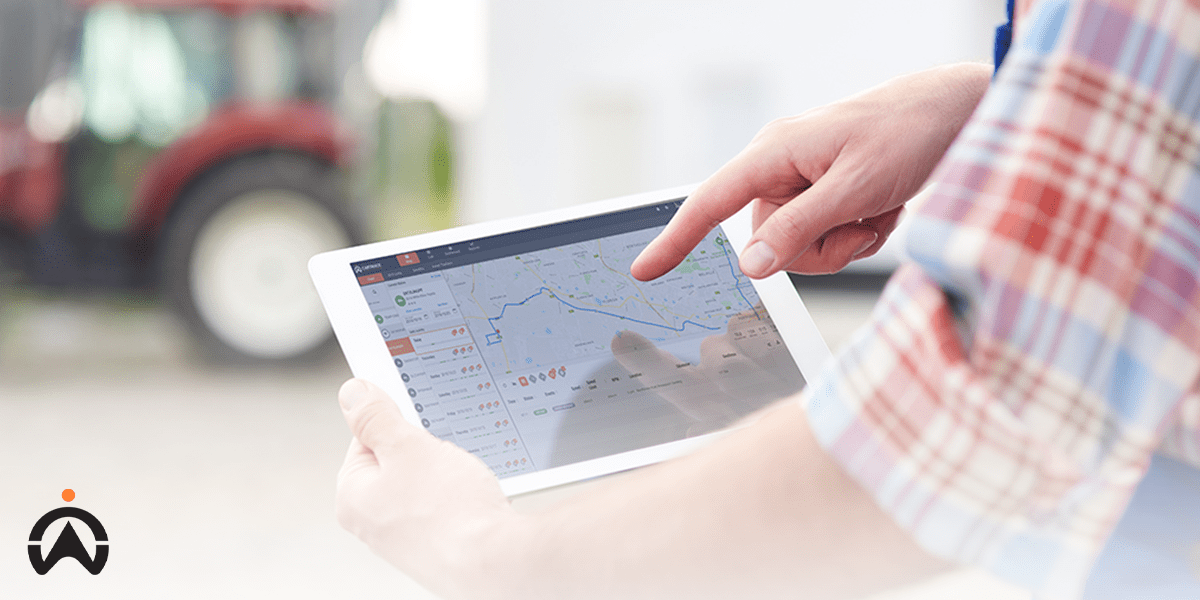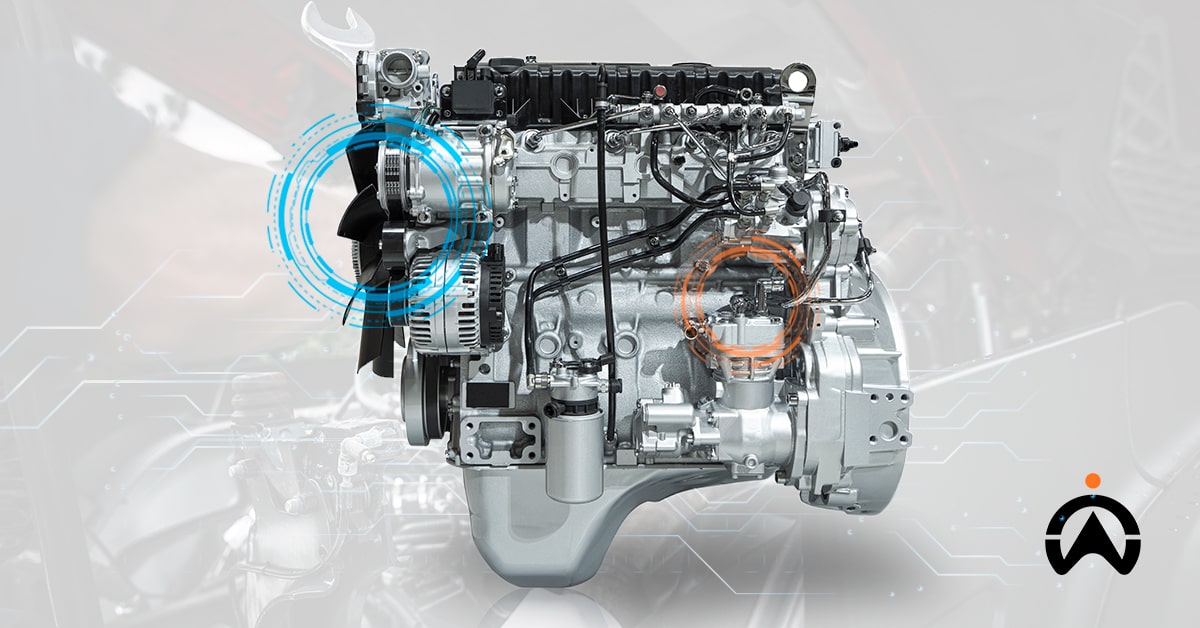

The Best Fleet Compliance Checklist You’ll Ever Need

Managing a fleet involves many responsibilities and one that takes a top spot is ensuring fleet vehicles and drivers meet the required compliance standards

Besides securing a safe work environment for drivers and their designated vehicles — compliance adherence also helps businesses avoid negatively impacting productivity and budgets with unnecessary fines, penalties, and even accidents.

A detailed compliance checklist ensures businesses and fleet managers cover all their bases. Luckily for you, we’ve compiled a guide that comprehensively lays out everything you need for the ultimate compliance checklist.

The Basics of Fleet Management Compliance

It’s important to understand fleet management compliance and why it’s crucial for safe and effective fleet management. It helps businesses understand how much they will benefit from implementing a solid compliance checklist.

One of the most important goals of fleet compliance is to guarantee the safety of drivers, assets, and members of the public. Staying fully compliant involves implementing measures that promote fleet safety and driver compliance. Compliance requirements and an advanced telematics platform help businesses determine their safety standards and how to maintain them.

What is the importance of fleet management compliance?

Fleet compliance goes hand in hand with fleet risk management. Both are crucial for identifying issues that can make a fleet unsafe or non-compliant and then finding ways to avoid these issues and make the necessary improvements.

How the Procedures in Fleet Management Link to Compliance

Foolproof fleet management software is a great way to identify compliance-related issues that need attention. It’s also an intelligent guideline for creating a custom compliance guide for your business. Discover some of the main fleet management components you can use to create yours.

Vehicle management: Regular inspections ensure that vehicles are always roadworthy and function as they should, contributing to a safe working environment.

Driver management: Tracking driver behaviour and managing an organised roster helps identify unproductive driving habits while ensuring drivers are well-rested, contributing to safety-related compliance.

Movement tracking: Making sure vehicle movements are always efficient with optimised routes is part of efficient fleet management. Tracking your fleet’s movements helps fleet managers proactively identify and deal with any compliance issues.

Workflow monitoring: Monitoring individual and fleet-related workflows helps create efficient fleet management systems. This enables fleet managers to identify the need for workflow adjustments and implement them accordingly.

Admin management: Admin is not every fleet manager’s favourite part of the job, but leaving a paper trail of detailed reports backs up any compliance-related claims and is a valuable source of information for future improvements.

A solid telematics system simplifies fleet management and drastically reduces the admin burden.

What types of fleet management documents are used?

Fleet owners or managers use fleet management documents to record information about fleet vehicles. These documents are often in the form of checklists for specific procedures to simplify the compliance process.

Companies often use a fleet vehicle inspection checklist in pdf format. This ensures all fleet vehicles are road-worthy, contain the necessary equipment, and are generally issue-free. Using a daily vehicle inspection checklist in Excel format can add more functionality to how the form is used.

When in doubt, it’s easy to download free daily truck inspection checklists or vehicle inspection checklist forms as a base for creating customised versions that fit your business’s needs. What all of these documents and checklists have in common is that they are used to monitor fleet-related movements and ensure that fleet drivers and vehicles meet compliance standards.
What_types_of_fleet_management_documents_are_used?

What Fleet Managers Need to Know: The Only Compliance Checklist You’ll Ever Need

With a streamlined compliance process where fleet managers can track all aspects of their fleets, including tax compliance, internal audits, and inspections, you can avoid possible penalties while keeping your accounting up to date and your drivers safe.

Look no further if you’ve been looking for the ultimate checklist to keep your fleet compliant — here’s what you need to do to stay on top of things.

1. Prioritise tax compliance

Benjamin Franklin famously said: death and taxes are the two things that are certain in life. When it comes to fleet management compliance, the latter certainly rings true. Companies must follow local tax laws to avoid fines and meet legal compliance standards.

These essential tax streams can be added to your compliance to-do list:

VAT: Value-added tax

PAYE: Pay As You Earn

UIF: Unemployment Fund

SDL: Skills Development Levies

In the US and Canada, fuel tax forms an essential component of companies’ tax compliance, as fleet managers must be able to indicate where fuel taxes go. They do this by monitoring fuel usage.

The IFTA or International Fuel Tax Agreement allows 48 US states and ten CA provinces to collect data, including travel miles, fuel purchased, and purchase locations.

While different countries may have different tax laws and compliance requirements, tax compliance remains an integral part of global fleet management compliance, and using a sophisticated SaaS platform helps companies gather the data they need to stay compliant.

2. Conduct regular vehicle inspections

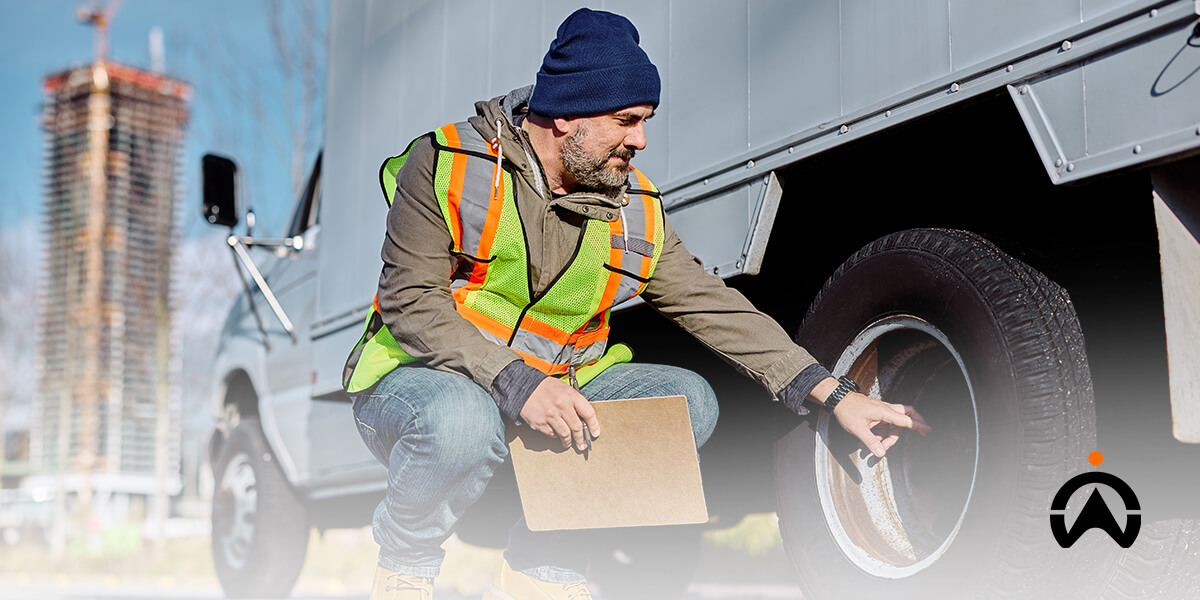
As part of your overall compliance checklist, a fleet vehicle maintenance checklist can help you ensure your fleet vehicles are roadworthy and in tip-top shape. Regular vehicle inspections contribute to compliance best practices and help identify crucial defects while raising fleet safety standards and increasing fleet longevity.

Keep your fleet on the road with an expert vehicle inspection checklist

Start the process by jotting down the vehicle’s odometer reading, the last six digits of its VIN, license plate details, make and model, and the designated driver’s first and last name.

These details help you keep track of the vehicle’s mileage, age, identification markers, and assigned driver during an inspection.

When done, follow the five-step checklist below to do a comprehensive inspection:

1. Pre-Startup : Check the oil, transmission, and washer fluids

2. Interior : After starting the engine, check if the following is in working order: Fuel level, hooter, aircon, interior lights, brake pedals. Then, check the seatbelts and upholstery. Make sure the first aid kit is stocked and the vehicle has emergency tools like flares, flashlights, and spare wheels.

3. Mirrors/windows : Test the windscreen wipers and make sure the mirrors are clean.

4. Exterior : Start by checking the head-and-taillights, turn signals, and hazard lights. Then move on to the tyres and check for wear and tear and the spare tyre pressure.

5. Undercarriage : Check for fluid leaks and any loose or hanging objects

This checklist helps identify issues that may affect the fleet’s compliance status. By flagging these issues and taking immediate action, businesses can avoid further compliance and safety issues.

3. Keep tabs on licence & permit validity

Staying within the boundaries of the law is a non-negotiable part of fleet compliance. This can include ensuring registrations and licences are up to date and valid to keep fleet cars on the road and avoid related fines. Staying on top of the following fleet-related admin helps fleet managers remain compliant:

– Obtain and regulate proper permits for your vehicles

– Register vehicles with the proper authorities

– Stay on top of driver’s licence renewals

– Make sure vehicle registration renewals are done on time

4. Run internal audits

So, let’s say you’re implementing a new fleet management system or looking to identify pain points in your current one. Conducting internal audits can help you do both while also being a massive help in fleet compliance.

A comprehensive audit doesn’t only rate all aspects of fleet management, it also provides better insight about whether a company’s processes are compliant with government regulations, fleet management requirements, and best practices. What’s not to like about killing two birds with one stone?

The ultimate fleet management audit checklist:

To help fleet managers and companies benefit from staying compliant, here is a detailed fleet management audit checklist:

Fleet Management Policy – Review fleet safety and health and safety policies.

Vehicles – Review vehicle inspections and forward plan for vehicle replacement. Assess vehicle monitoring procedures. Analyse fuel usage.

Drivers – Assess drivers and review staff training. Review licence validity and insurance arrangements. Retrain drivers where needed.

Third-party – Review and assess third-party providers.

Fleet Security – Review and assess fleet security.

Operationally – Assess and review inventory.

Once all the data has been assessed and reviewed, it’s important to take three final steps:

– Review and assess recommendations from previous audits

– Review the current audit’s findings

– Get the findings approved by the relevant authority in the company

After completing all of these steps, you have conducted an in-depth audit of your fleet on the aspects that matter most.

5. Know your fleet drivers’ hours of service

Even if a company only has a few fleet drivers, knowing their exact hours of service or HOS on top of everything else that needs to be done is virtually impossible. However, keeping track of each driver’s HOS is crucial to remain compliant with health, safety, and environmental requirements. Here’s why.

Drowsy drivers risk their lives behind the wheel and pose a genuine danger to themselves and the public. Fleet managers that keep track of HOS can avoid drivers’ fatigue by giving drivers enough time to rest after a shift so they start a new one refreshed.

Additionally, drowsy drivers are likelier to exhibit lousy driving behaviour, leading to cost-related and environmental slipups, including increased fuel costs and unnecessary CO2 emissions from excessive idling and speeding.

Managing HOS leads to improved driver fatigue management and a safer fleet.

The_Only_Compliance_Checklist_You’ll_Ever_Need

Experience Effortless Compliance With Cartrack Zimbabawe

Here’s how Cartrack’s advanced telematics-based features can help make staying on top of compliance, safety, and risk management a seamless and painless process:

– Receive automated updates on licence renewal, permit, and registration compliance with the MiFleet accounting software which is seamlessly integrated into the Cartrack Zimbabwe fleet management platform.

– Enable fleet managers to keep track of vehicle services and scheduled maintenance, ensuring proper safety compliance via the MiFleet system.

– Ensure fleet drivers are well-rested by keeping track of their HOS. Cartrack’s SaaS platform allows you to track driver shifts and generate shift reports, facilitating proactivity and continuous improvement.

– Use Cartrack’s AI-powered camera solution to give drivers real-time audible alerts for risky and distracted driving behaviour so they can rectify it on the spot, boosting driver accountability and safety.

Achieving fleetwide compliance can be a difficult, if not, impossible task. To make compliance adherence as easy as possible, especially when it comes to acquiring data and accurate reporting – a sophisticated telematics system is every fleet manager’s best friend. Cartrack is a dominating SaaS provider, with over half a million active fleet management units in South Africa alone.

Chat with a Cartrack agent today for a smart tailor-made solution to all your fleet compliance needs.
Fleet Risk Management: Secrets Revealed To Make Your Fleet Thrive

Are you ready to discover the hidden ingredient that separates successful fleets from the rest? Successfully identify, assess, and mitigate potential issues in your commercial fleet that can impact your organisation’s goals and objectives with fleet risk management.

How can risk management achieve all this? Let’s get started.

What makes a fleet safe? — Risk management

You’ve probably heard of the saying “better safe than sorry”. It’s the principle behind risk management. Fleet risk management is the secret weapon companies use to ensure their drivers, other employees, and vehicles are always safe and secure.

We know life happens, so having a backup plan is important to mitigate those risks. This is where your plan B or risk management comes in. This hidden gem helps you foresee and prevent bad things from happening, like accidents, breakdowns, or theft. But effective risk management isn’t just about avoiding problems, it’s also about creating value.

How? Well, if you own or manage a fleet of vehicles, you want to make sure they’re operating at their best and ultimately working hard for the business, right? Managers must minimise the risk of breakdowns or accidents, to avoid expensive repairs and downtime. By implementing safety policies, conducting driver training, and maintaining vehicles regularly, you’re not just reducing risk, you’re also improving performance and cutting fleet costs in the long run.

What is the role of a fleet risk manager?

The fleet risk manager plays a crucial role in overseeing and managing risks associated with operating a fleet of vehicles. They are responsible for identifying potential risks and implementing strategies to mitigate them.

Their duties may include:

  • Developing and implementing safety policies and procedures to promote driver safety and minimise the risk of accidents.
  • Conducting driver training to improve skills and ensure compliance with safety policies and regulations.
  • Monitoring vehicle performance and maintenance to reduce the risk of breakdowns and improve fleet efficiency.
  • Implementing telematics technology to track driver behaviour and vehicle performance, using gathered data to identify areas for improvement.
  • Managing insurance and claims processes to minimise financial risk.
  • Staying updated with industry regulations and best practices to ensure compliance with the latest laws.

Fleet managers work tirelessly to protect their fleet at all times. They not only safeguard their vehicles and the business’s bottom line but also prioritise the safety of their employees. After all, the drivers are the ones behind the wheel, interacting with customers, delivering services, and moving assets from one location to another.

What_is_the_role_of_a_fleet_risk_manager

Unlock the hidden benefits of proper fleet risk management

See immediate results within your fleet with risk management. Unlike hidden secrets that take ages to reveal their benefits, risk management delivers instant advantages from the moment it’s implemented.

Reap the benefits:

1. Increased returns on investment: By keeping your fleet in top shape, you can avoid unexpected downtime and other costly issues, ultimately leading to higher returns on your investment. This can help you save money and invest in other important areas of your business.

2. Lower insurance premiums: When you manage fleet risks, you show your insurance company that you’re committed to safety. This can lead to lower insurance premiums, which can ultimately save you money.

3. Reduced business liability: If one of your drivers causes an accident, it could spell disaster for your business. By taking steps to reduce risk and improve safety, you can protect your business from legal battles and maintain a positive reputation in the market.

4. Heightened work focus: When you prioritise fleet safety, you create a culture that encourages your employees to take extra precautions with their tasks. This can help keep everyone in your organisation safer and more focused on the task at hand.

5. Less guesswork: With a risk strategy in place, you can predict and prevent potential issues before they happen. This helps you make more informed decisions leading to better outcomes for your business.

Why is fleet risk management important?

It’s reported that the risk management software market was valued at USD 27.80 billion just two years ago, in 2021, and is now projected to reach USD 86.53 billion by 2030. Many businesses are falling in line with investing in their fleet’s safety.

If you’re not yet convinced that your business needs a fleet risk manager, here are a few key aspects that could have you rethink your approach. Risk managers help:

Reduce costs – By preventing accidents, vehicle downtime, and legal issues, fleet risk management can save your business money in the long run. It also helps you optimise your resources and allocate them to other priorities.

Remain compliant – Compliance with local, provincial, and federal regulations is essential for any business operating a fleet. Failing to comply with regulations can result in hefty fines and legal issues that can damage your business’s reputation and harm your budget.

Improve driver safety – Fleet risk management helps you promote a safety-first culture in your organisation, reducing the risk of accidents and injuries. This can also lead to reduced insurance premiums and a more favourable risk profile.

Improve productivity – By minimising operational interruptions, fleet risk management can improve your fleet’s performance and productivity, leading to increased savings and better resource allocation.

Why_is_fleet_risk_management_important

Areas focused on by risk management

Fleet risk management covers a wide range of areas related to operating a fleet of vehicles. Here are five areas fleet risk management covers:

  1. Driver safety
    This involves implementing safety policies and procedures to promote driver safety and reduce the risk of accidents. This can include driver training, monitoring driver behaviour and implementing telematics technology to track driver performance with AI cameras and audible alerts.Monitoring drivers via telematics data can provide behavioural insights such as tailgating, late braking, or speeding. This can then be addressed through coaching safe driving and result in dramatically improving fleet and driver safety.
  2. Insurance and claims management:Fleet risk management includes managing insurance policies and claims processes to minimise the business’s financial risk. This can include working with insurance providers to ensure adequate coverage and managing claims processes to minimise downtime and costs.

    Fleet managers regularly review their policy terms with insurance providers to ensure the fleet’s insurance coverage is up to date, and aligned with business needs. This helps to explore opportunities for optimising coverage while minimising costs.
  3. Compliance and regulationsOne of the biggest headaches fleet managers experience is keeping up with the rules that govern commercial fleet operations and the related paperwork.

    Fleet vehicles should be fit for purpose, inspected regularly, and follow a planned maintenance schedule. All drivers should be fully trained to operate their assigned vehicles, be fully aware of the company’s safety policies and know the broader compliance regulations that it operates under. Plus, drivers should be in good health and hold a valid driving licence to drive.

  4. Fleet maintenanceMaintenance is a vital part of fleet risk management as it directly affects driver safety and fleet efficiency. Fleet risk management involves developing and implementing maintenance schedules, monitoring vehicle performance, and conducting regular inspections.

    With fleet technology, managers can efficiently maintain their vehicles by monitoring engine data, tyre pressure and braking systems, this ensures optimal fleet performance and increases vehicle longevity.

  5. Asset management:Fleet risk management involves managing fleet assets, including vehicles, equipment, and facilities. This can include developing asset management plans, monitoring asset performance, and implementing strategies to reduce asset loss or damage.

    Take a construction company for example, managers oversee a fleet of excavators, bulldozers, loaders etc and can accurately track the usage of each piece of equipment, and identify unusual idle times or underutilised assets.

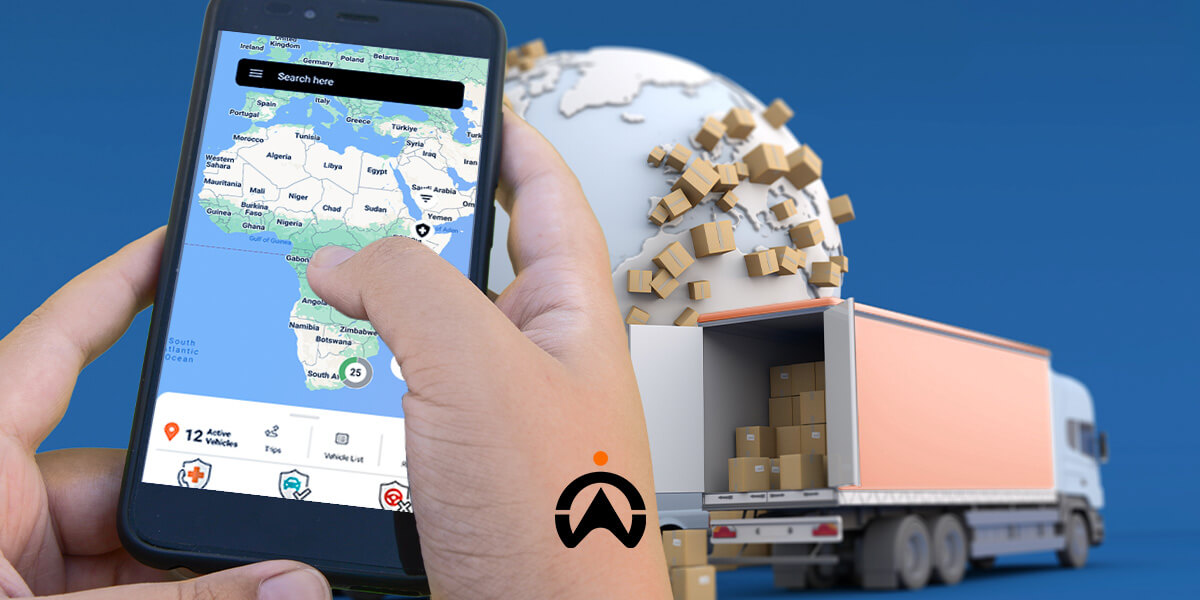
  6. Telematics and GPS technology:The use of telematics and technology can help fleet managers identify potential risks, monitor driver behaviour, and improve overall fleet performance. This includes GPS tracking, driver scorecards, and real-time monitoring of vehicle data.

    Fleet managers can use this type of technology to improve equipment visibility, seeing the real-time location of their assets without depending on their drivers to inform them of their whereabouts.

Daily fleet risks

In the world of mitigating risks, every day brings its own set of challenges. From unexpected accidents to rising fuel costs, being aware of these day-to-day risks is the first step towards developing strategies that can overcome these challenges.

Here are some potential fleet risks you can encounter:

  • Vehicle collisions and other accidents
  • Costly vehicle repairs
  • Driver and motorist injuries and fatalities
  • Legal, medical, and other liabilities
  • Property and asset damage
  • Fines and other penalties for violating regulations
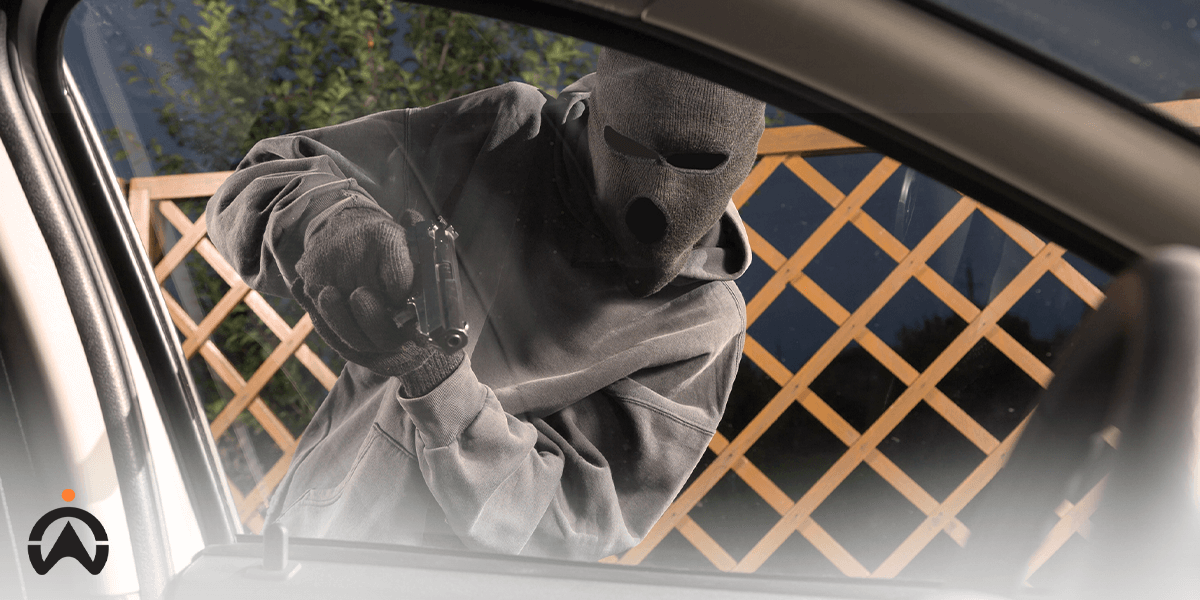
  • Vehicle theft and highway robberies
  • Vehicles getting caught on fire (e.g., when carrying highly flammable items)
  • Cargo loss and damage
  • Theft and vandalism
  • Insurance and liability

This long list still doesn’t cover the full extent that fleet risk managers have to oversee and control. Depending on specific industries such as food and pharmaceuticals, risk managers are faced with unique elements they have to take care of to ensure everything runs smoothly daily.

Luckily, fleet management systems are equipped to help.

Daily_fleet_risks

How fleet management systems keep risks under control

Advanced technology such as Cartrack’s smart telematics has given fleets the ability to leverage millions of data points to make better decisions in risk management. Managers can employ a variety of telematics to lower risk and make operations safer and more efficient.

Fleet management can be an effective solution to keeping fleet risks under control for several reasons:

Telematics: Telematics technology uses GPS tracking and other sensors to collect data on vehicle performance, driver behaviour, and other key metrics. Fleet managers can use this data to identify areas of risk, such as speeding or aggressive driving, and implement strategies to improve driver behaviour and reduce accidents.

Data-driven decision-making: Fleet management relies on data to make informed decisions about risk management. By collecting and analysing data on driver behaviour, vehicle performance, and other key metrics, fleet managers can identify areas of risk and develop targeted solutions to address them, as well as track improvements over time.

Proactive approach: Fleet management takes a proactive approach to risk management, which means that potential issues are identified and addressed before they become major problems. By implementing preventive maintenance programs, driver safety training, and other proactive measures, fleet managers can reduce the likelihood of accidents and breakdowns.

Compliance: Fleet management solutions can help fleet managers ensure compliance with regulatory requirements related to vehicle safety and maintenance. By staying up-to-date with the latest regulations and implementing strategies to meet these requirements, fleet managers can reduce the risk of fines, penalties, and other legal issues.Additional devices include:

Additional devices include:

  • GPS tracking devices offer real-time location tracking and other vehicle data on both powered and non-powered assets. They also support better route decisions based on the latest road, weather and traffic condition information
  • ELDs (Electronic Logging Devices) give fleets the ability to collect and transmit reports that are needed to meet compliance mandates
  • Dash cams offer real-time images/footage of what is happening both inside and outside a vehicle
  • Fuel cards give managers control over when and where fuel is purchased and by which driver

How_fleet_management_systems_keep_risks_under_control

The ultimate secret revealed: Cartrack Zimbabwe fleet technology

With the ever-increasing number of vehicles on the roads, fleet risk management has become more difficult to manage.

Cartrack Zimbabwe provides technology and services designed to help fleet managers ease through this process with their fleet solutions.

Real-time monitoring: With installed tracking units and Cartrack’s fleet management platform, vehicle tracking technology allows fleet managers to stay connected to their fleet at all times with accurate vehicle location and instant notifications. Cartrack Zimbabwe also offers a Geofence feature that allows you to set virtual boundaries around areas and receive real-time alerts whenever your vehicle enters or exits these areas.

Driver behaviour analysis: Cartrack’s technology also includes driver behaviour analysis through driver scorecard reports that indicate unsafe driving behaviours like harsh speeding, braking and turning, and AI cameras with in-cabin audio alerts that go off when drivers show signs of fatigue or distraction. This can help fleet managers provide targeted training and coaching to those unfocused drivers, ultimately improving driver safety and reducing the risk of accidents.

Maintenance tracking: Cartrack’s fleet management system keeps track of each vehicle’s mileage, engine hours, and time intervals between services to help ensure that vehicles are properly maintained and serviced on schedule. Managers are informed of the on-coming vehicle service through auto-generated reminders when a vehicle reaches its maintenance threshold. This can reduce the risk of breakdowns and other issues leading to downtime.

Accident management: In the event of an accident, Cartrack’s telematics technology can detect sudden impacts or collisions and instantly send a notification of the event to fleet managers while their tracking units further help by quickly locating the vehicle and prompting a quick response to send emergency personnel to the incident. This can help save the driver’s life and reduce the risk of damage to other motorists and your vehicle.

Remain compliant: Easily manage and automate your regulatory compliance throughout your operations with these Cartrack tools:

  • Time tracking: This enables tracking of driver work and break times, preventing vehicle operation if the driver doesn’t take their full break time, ensuring drivers get the necessary rest periods.
  • Automated compliance management: Automate regulatory compliance and track fleet requirements such as insurance, permits, and contracts through Cartrack reminders.
  • Real-time risk alerts: Prevent violations with Cartrack’s fleet compliance software that provides real-time alerts about compliance or operational risks and prevents unauthorised vehicle or machinery usage until the risk is handled.
  • Specialised sensors: Cartrack Zimbabwe offers a range of specialised sensors that cater to diverse industries. With sensors such as CANBus vehicle diagnostics, cargo door monitoring, temperature monitoring, and seat pressure sensors, Cartrack empowers various industries like transportation, logistics, construction, security and perishable goods to enhance efficiency, security, and safety.

All these smart features and services from Cartrack, help fleet managers become more vigilant to potential risky events and alleviate or at least lessen their daily stresses with top-notch fleet management solutions that can help identify and mitigate risks and keep their fleets running safely and efficiently.

A fleet management company that can reduce fleet risks

Looking for a reliable solution to help manage and mitigate fleet risk? Cartrack Zimbabwe offers a comprehensive suite of telematics and fleet management services that can help keep your vehicles, drivers, and assets safe and secure.

Contact Cartrack Zimbabwe today to learn more about how we can help your business!

Why does your fleet need to monitor frozen goods with Cartrack’s temperature monitoring system?

Don’t let the outside environment influence the quality of your product. Get a temperature monitoring system and control the temperature of your cargo area as well as your products.

If you are a part of the food, beverage, medical or pharmaceutical industry, you know having the right temperature is the key to safeguarding your products against the outside environment. Temperature monitoring systems can be easily tailored to fit every industry and provide the right temperatures every time.

There are numerous remote temperature monitoring systems on the market that might be more suitable for one industry than the other. Read on to find the right one that will benefit both your business and your products.

What is a temperature monitoring solution?

In countries prone to extremely high weather temperatures, such as African and Asian regions, using a temperature monitoring system while storing or transporting your products is often the only method to sustain product quality.

Almost 20% of perishable products are damaged each year because of poor cold chain practices, resulting in billions of dollars in losses. This system strives to decrease product damage by efficiently controlling and monitoring the temperature of any cargo environment. It constantly maintains the quality of the transported or stored products by providing constant low temperatures suitable for the products.

The food industry is not the only entity that frequently uses this technology. Numerous businesses specifically need cold temperatures to thrive, such as:

  • Healthcare
  • Hospitals
  • Clinics
  • Science organisations

This technology is a must-have throughout the supply chain, especially for cold-chain logistics businesses in the perishable goods industry.

Cold chain logistics

When implementing temperature monitoring, you are likely to also use cold chain logistics. This takes the practice of preserving products one step further.

This offers a variety of cold storage and cold transportation options, specially manufactured to provide a controlled cold environment for products. Cold chain logistics also offers cold technologies that can be used even when you don’t have cold storage or a vehicle fully equipped to transport cold chain products.

To keep temperature-sensitive products at their preferred temperature throughout transit, you’ll need:

  • Gel packs
  • Dry ice
  • Liquid nitrogen
  • Reefer (refrigerated container)

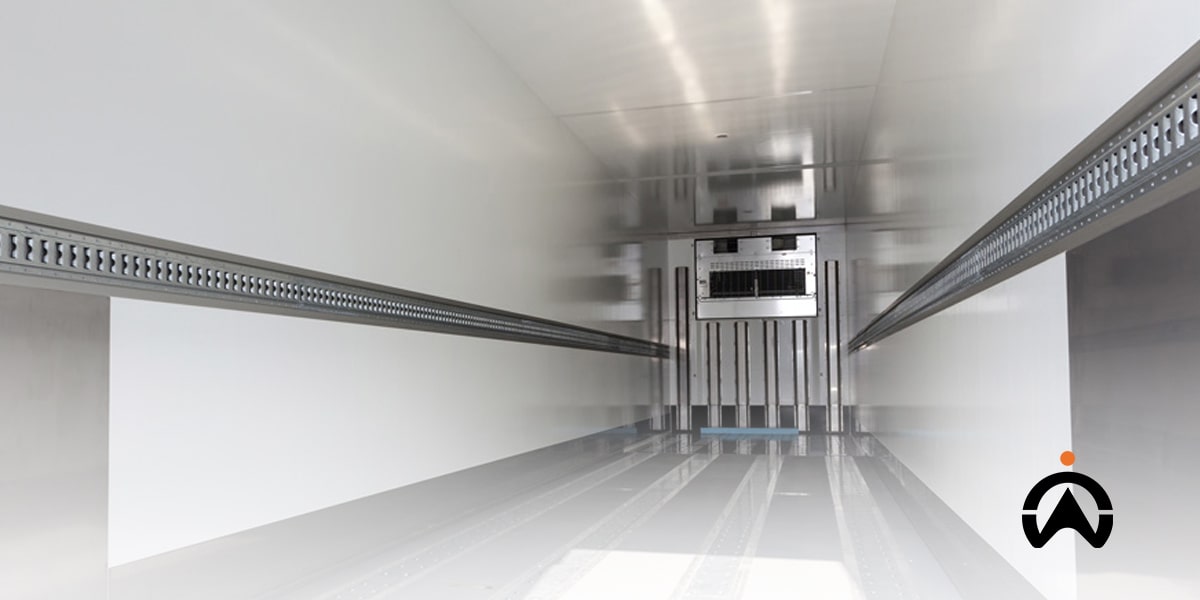
Reefer (refrigerated container)

How does a temperature measurement device monitor?

Finding out how a temperature monitoring device works can be overwhelming. There are many moving parts all working together to get this system up and running.

Usually, a remote temperature monitoring system has six common temperature sensors that each play their part and contribute greatly to the system.

1. Temperature sensor or probe

A temperature sensor is what allows the temperature monitoring system to track environmental temperatures and detect any changes in degree, while a system temperature probe converts signal levels, changes impedance levels and provides easy connection methods.

Measuring temperature is the whole point of the sensor. Without it, the system wouldn’t be able to work. These are the three most common temperature sensors you’ll find:

Thermocouples: These are the most affordable and common temperature sensors. If you don’t mind extreme high-temperature data accuracy, a simple-to-use sensor and a cost-effective solution, this is the right sensor for you.

RTD sensors: Theyhave a higher accuracy percentage than thermocouples and offer more accurate readings. This is ideal for freezers and refrigerators as the sensors’ temperature range is limited.

Thermistors: Similar to RTD sensors, thermistors have a limited temperature range, but they are more resistant to non-linear thermocouples fluctuating. For this sensor to work, it has to be paired with a system that supports the non-linear resistance curse.

2. Thermal buffers

A material or liquid is used to buffer response time in temperature sensors. They aid monitoring systems in accurately measuring product or ambient temperatures.

A sensor with a lower reaction time will be able to detect slight temperature changes in a short period and alert necessary personnel to the switch.

Examples of thermal buffers include:

  • Glycol bottles,
  • Nylon blocks
  • Vials filled with glass beads

3. TMD (temperature measurement device)

Every modern-day system has that one critical element and a temperature monitoring system is exactly that. (TMD) is responsible for doing the following tasks:

  • Connects to sensors for digitising the temperature value
  • Records temperature data
  • Temporarily stores data before transmission to the storage destination

This works with three types of temperature measurement devices:

  • Standalone temperature measurement device – this standalone temperature monitoring is an all-in-one independent device that doesn’t need a helper device to record or process temperatures.
  • Networked temperature measurement device – this needs to be connected to a PC, server, or cloud via a LAN or wi-fi to send through and receive data.
  • Wireless temperature monitoring – this is a popular option that needs a little more technology to run. It includes a wider wireless monitoring system range and a higher data update rate. Ideal if you have multiple fixed points, like stationary freezers or refrigerators, that require automatic data collection and live alerts.

4. Data storage

Any system used to collect and send data needs a big place to store all that information. Depending on your business, you might need to store temperature data frequently, or even once a week.

Data storage options for temperature monitoring systems include:

Local memory storage: Simply use any USB stick or memory card you have to store data. Unfortunately, this is only suitable for small businesses as USB sticks and memory cards are easy to lose and don’t usually have large storage space.

Local gateway: This can connect to and use a cellular network for the temporary collection and storage of data. The data is later transmitted to a larger storage device like a local PC.

Cloud solutions: These automatically transfer data to servers and additionally offer a wide variety of features to managers. Connected cloud-based solutions, like Cartrack, are becoming increasingly popular in temperature monitoring systems and are being implemented more with each passing year.

5. Alarms

One of a temperature monitoring system’s most important components is the alarm. An alarm makes sure that every threat or warning is effectively communicated, through various communication channels such as email, SMS, and fleet platforms.

Your temperature monitoring system’s alarm settings must be customised for your company.

6. Software

After the monitoring has done its part and gathered information, the software is needed to decide what you do with the data, whether you choose to chart it, archive it or simply categorise it. Software is needed to run and control the operations of the entire system.

Software is needed for:

  • Configuration
  • Charting
  • Alarm management
  • Data retrieval
  • Reporting

What is a continuous temperature monitoring system?

This is a powerful system that can weather any storm, from power outages to internet outages. It will continue to have 24/7 monitoring of products.

For a South African business that suffers through load-shedding almost daily, using technology to monitor the temperature of your products might not always work out when the power goes off.

To combat this, many businesses have had to find alternative means to maintain a constant temperature, continuous temperature monitoring is one of those options.

How does this monitoring system work?

Continuous temperature monitoring equipment has internal batteries that provide just enough power to keep the system running regardless of weather conditions.

While the power is out, the system can:

  • Record temperature readings without interruption
  • Capture necessary data that is critical to the operation

Having a generator might help in these situations, but even when the generator turns on, it sometimes doesn’t bring back the internet or phone network, which can hinder temperature readings by not transmitting the data.

Without an internet connection, a cloud-based platform such as Cartrack will recognise the break in communication from the temperature sensor and see that transmissions are not being received, which will notify personnel of the disconnect.

This system is often used in labs, museums or construction sites.

How does this monitoring system work?

How to find the best temperature monitoring and control system

Like many temperature sensors in use, the best one is always the one that suits and caters to the business’s needs. Every added feature works differently and brings its strengths and weaknesses. Finding the right one for your business solely depends on how you intend on using this system and the type of products you specialise in.
Features temperature monitoring needs:

1. Accuracy

What good is a temperature monitoring system that doesn’t give you accurate temperature readings? Accuracy is important for both gathering and sharing temperature data. If the readings are off, alarms won’t work and products would spoil without the manager being aware.

2. Long battery life

A system that provides 24/7 monitoring and has a battery life that lasts over a year is preferable. After you have this, testing the system is important. Knowing exactly how long the battery lasts is the difference between being prepared and scheduling a new battery to continue monitoring or clocking in the next day, and finding a dead system along with damaged products.

Most temperature-sensitive products need to be at a certain temperature constantly, a change in degree can mean the manufacturer suffers a loss in products and won’t profit. So, long battery life is pretty important.

3. Large storage

Most temperature systems are used in shipments, warehouses or storage containers over a long period. Temperature monitoring systems often have months and months of backlog piled up. Most businesses look for storage big enough to handle the capacity.

If the storage and temperature monitoring system are not up to the task, data leaks might occur, leaving chunks of data missing and no way of knowing if your products are still in pristine condition.

4. Wireless data transfer

This is the ultimate form of transferring data if your business uses a cloud-based data storage system. Either than other systems, monitoring systems’ wireless data transfer allows immediate access to data without interfering with the temperature system. Reducing the use of physical paper in the long run as all information is already gathered and stored.

How to find the best temperature monitoring and control system

What can a temperature monitoring system do for your business?

Your business can easily track, control and regulate the products and assets’ temperature in any specific environment with a good temperature monitoring system. This will ensure that the business and customers are satisfied with the product and your services.

Here are some essential components that benefit the business:

Automatic alerts
You will automatically be notified of events that impact your products, like high and low-temperature changes. With this, you can determine if your product has experienced fluctuating temperatures and to what degree.

Temperature notifications
The monitoring system will be notified if there is the slightest temperature change and will instantly alert managers. The faster you are notified, the faster you can come up with a solution.

Reports
Thiswill be generated automatically by the temperature monitoring system so you can see trends and analyse the patterns. Giving you the bigger picture of what’s happening within your warehouse, vehicle or storage area.

Temperature tracking
Get product updates and current temperature measurements without manually checking in. A temperature monitoring system will do all that for you, allowing for easier monitoring.

Customised indicators
Create specific temperatures for minimum and maximum thresholds based on the kind of product or container being monitored by the system.

Complete temperature monitoring solution

Looking for a smart fleet system that will not only drastically decrease the chances of product spoilage or damage but also automatically regulate temperatures and keep managers in the loop?

Cartrack offers solutions that allow credible insights into your warehouses without having to leave the comfort of your office.

Interested? Contact us today.

How fleet managers can improve employee productivity and increase efficiency with actionable insights

Have you ever wondered how fleet businesses keep their operations running smoothly, productively, and profitably?

From dispatch to delivery, operation costs to business profits, there is a lot of work involved in fleet management. Behind every productive and successful business is an efficient fleet manager with the best fleet management software.

Firstly, what is fleet management?

The term fleet management refers to the management and supervision of vehicles such as cars, trucks, or vans that are used for business purposes. Fleet management does not only refer to a single task but a process involved in overseeing the entire fleet operation, from employee performance to fleet performance.

The fleet management process includes:

  • Managing fleet vehicles
  • Tracking task completion rates
  • Improving driver safety and productivity
  • Ensuring vehicle maintenance
  • Analysing fuel costs and managing fuel consumption
  • Optimising routes for on-time deliveries
  • Using actionable insights to make strategic decisions

All these tasks are undertaken to increase employee productivity, ensure fleet operations run smoothly, improve customer experience and increase profits while reducing operational costs and time wastage.

To better understand fleet management, let’s take Bill as an example. Bill is a fleet manager for a small fleet business in the health industry.

What is a fleet manager and what do they do?

As a fleet manager Bill is responsible for all aspects of the fleet business, this includes directing and managing fleet vehicles, resources, and costs. This role requires efficient use of time, and excellent leadership and decision-making skills to effectively oversee fleet assets and increase fleet performance. Even though Bill’s daily routine may differ slightly from that of other fleet managers who work in different fleet industries, they all share common responsibilities which include:

  • Managing, overseeing, and supervising fleet operations
  • Hiring quality drivers and monitoring driver behaviour and performance
  • Creating and managing driver tasks and schedules to maximise productivity
  • Ensuring the fleet remains compliant and avoids unnecessary setbacks
  • Implementing fleet management strategies to reduce fleet costs and increase productivity
  • Creating and using detailed reports
  • Organising paperwork and administration
  • Ensuring regular vehicle maintenance for operational efficiency and minimising downtime
  • Meeting customer expectations and ensuring a high level of customer satisfaction

It’s challenging for Bill and other fleet managers to efficiently manage their fleet’s daily tasks while boosting profits. Therefore, they usefleet management software to help them manage small, medium, or large fleets efficiently. This type of system allows them to receive reports, data, information, and actionable insights designed to improve fleet operations and productivity.

Let’s gain a deeper understanding of this fleet management software.

Table with meeting, papers, computers discussing actionable insights

What is a fleet manager and what do they do?

Who uses fleet management software and why?

Fleet management software is a computer software that simplifies the work of a fleet manager by using GPS tracking so managers can:

  • Track fleet vehicles and assets
  • Monitor driver behaviour and performance
  • Measure task completion rates
  • Manage and reduce operation costs
  • Schedule regular vehicle maintenance
  • Ensure fleet compliance

Manually managing all the above can be challenging whether it is one vehicle or an entire fleet. Businesses use fleet management software to simplify the fleet management process by gaining a birds-eye view of the entire fleet operations with an all-in-one platform. This way, Bill or any other fleet manager can improve safety, reduce fleet costs, increase vehicle lifespan, receive real-time fleet alerts, optimise routes, and increase customer satisfaction – all remotely, from his fingertips.

Fleet management software is useful for any company that needs commercial vehicles and drivers to conduct everyday business. This includes businesses in the following industries:

  • Food transportation
  • Public or private transportation
  • Construction
  • Health and emergency services
  • Courier and package delivery services

With the use of fleet management software, fleet managers in the above industries can successfully manage a fleet business by efficiently overseeing driver behaviour, internal and external factors that impact fuel prices, customer expectations, and vehicle maintenance – just to name a few.

Fleet insights connected in country

Who uses fleet management software and why?

4 benefits of fleet management software

There are multiple ways that fleet management software benefits fleet operations. Let’s unpack four of these:

  1. Fleet management provides fleet visibility: Fleet management software integrates vehicle telematics to provide fleet managers with a complete view of all fleet activities. Fleet managers can use real-time visibility or historical data to make data-driven and informed decisions regarding deliveries, routes, tasks, costs, and safety, as well as exonerate drivers or expedite insurance claims.
  2. Fleet management reduces fuel costs and consumption: Fuel costs alone can amount to approximately 40% of fleet expenses. With fleet management software, fuel costs and consumption can be reduced by using GPS vehicle tracking to detect fuel wastage and find solutions, for example:
  • Idle time: A bus wastes 3.5 litres of fuel per hour of idling, a medium-heavy truck wastes 3 litres, and a large sedan wastes 1.5 litres. With fleet management software, fleet managers can detect idling and educate drivers about the need to reduce idle times.
  • Delivery time: Quickturnaround times translate to less mileage and less fuel used. Fleet managers can use fleet management software to optimise the most efficient routes, access driver and vehicle information, and monitor traffic and weather.To ensure drivers have quicker turnaround times.
  • Driver behaviour: Speeding, harsh braking, and cornering are some of the driver behaviours that waste fuel. Fleet management software allows fleet managers to monitor driver behaviour and receive real-time alerts in the case of poor driver performance.

With Cartrack’s easy-to-use Mi-Fleet software, fleet managers can easily manage and control fuel transactions, pinpoint fuel wastage, and detect fuel fraud. This saves fuel, money, and admin.

  1. Fleet management increases employee productivity and safety: Managers can ensure fleet operations are both safe and productive by using fleet management software that manages vehicle maintenance, reduces downtime, improves driver behaviour, optimises routes, monitors vehicle and driver safety, and boosts employee efficiency.
  2. Fleet management increases customer satisfaction: In the age of fast internet, online shopping, and same-day delivery, customers have become less patient and have high expectations. 61% of shoppers would like to have their items delivered within three hours of making an online purchase. With GPS tracking as a fleet management solution, fleet managers can increase customer expectations by optimising routes and ensuring that drivers remain on course with delivery schedules. GPS tracking further allows customers to track their deliveries in real-time while fleet managers can keep drivers updated on any emergencies or changes to deliveries.

Any fleet industry or size can reap these benefits if a fleet operation is efficiently managed. For fleet managers to effectively manage a fleet business, teamwork and well-maintained assets are vital. In contrast, having a non-functional team and ill-maintained assets can lead to an unfulfilled fleet manager role and an unsuccessful business operation.

Top-four productivity challenges fleet managers face

Productivity is the key to a successful business story. As a fleet manager, Bill’s job is to maximise the fleet’s productivity. The productivity of a fleet operation is dependent on a fleet manager’s ability to efficiently manage the fleet. However, fleet managers may struggle to effectively meet their responsibilities and efficiently manage a fleet operation because their role is dependent on the productivity of employees, the state of the business assets and resources, as well as external factors such as inflation rates.

These are the top four productivity challenges that fleet managers face:

  1. Time and energy spent on admin and paperwork: The administrative overload from fleet management tasks such as invoicing, creating reports, creating driver schedules, scheduling vehicle maintenance, and following up with drivers and customers can be challenging and time-consuming. Fleet management software provides an efficient, cost-effective, and paperless way to handle admin by digitising and automating day-to-day operations on one cloud-based platform
  2. Unplanned vehicle downtime: The time vehicles spend off the road due to incidents such as breakdowns, collisions or delays in maintenance and service schedules, hinders the fleet operations productivity and profits. Rather than waiting for unplanned vehicle downtime, fleet managers can use fleet management software to perform vehicle diagnostics and automate maintenance schedules and reports to keep their vehicles on the road, maximising productivity and ultimately profits.
  3. Unsafe driving: Unsafe driver behaviour such as speeding, harsh braking, cornering, and fatigued driving increase the risk of accidents and damaged goods. This means more time and costs spent on repairing vehicles, insurance claims, and replacing and re-delivering customers’ products. By using real-time alerts of poor driver behaviour and driver scorecards for performance-based feedback and training, fleet managers can improve driver behaviour and boost productivity.
  4. Unclear communication: Another big one is communication or the lack thereof, especially on tasks, schedules, and pick-up and drop-off locations which can lead to an unmotivated and unproductive work environment, as well as time and costs wasted on wrong deliveries. Fleet managers must ensure drivers are well-informed, well-rested, and well-trained. Fleet management software can automate certain tasks and managers can use actionable insights to improve fleet productivity and efficiency.

Fleet manager with computer / tablet

Top-four productivity challenges fleet managers face

Actionable insights to improve fleet management and employee productivity

Actionable insights can be defined as data and information about a business that can be used to make business decisions and achieve business goals. This refers to data and information that can be translated into action (whether decisions or performance). When used effectively, actionable insights lead to improved employee productivity and business growth.

This way, Cartrack can help fleet-based businesses get more productivity out of their employees, assets, and resources.

Top-three actionable insights by Cartrack to help improve employee productivity:

1. Contextualised metrics for strategic decision making:With the use of the fleet’s operational, administrative and financial data, Cartrack produces tangible data so fleet managers gain insight into the fleet operation that they can actually use to make accurate strategic decisions.

For example, the fleet’s operational, administrative and financial data can be used to determine the cost per job. If the cost per job is too high and outweighs the profit per job, fleet managers can use this information to decide on cost changes and direct actions to reduce fuel consumption, optimise routes or decrease idling time.

2. Comparable metrics to pinpoint challenges and solutions: This allows fleet managers to compare metrics across drivers and vehicles to pinpoint leakages, identify challenges and solutions to tackle them, and spot where to optimise time and increase productivity.

For example, fleet managers can compare cost differences per task per vehicle based on driver behaviour, vehicle maintenance costs, fuel costs, and cost per kilometre. If one vehicle’s costs are significantly higher than others, fleet managers can pinpoint the challenge and tackle it.

This information can be used to further empower, educate or train the driver to use assets, resources, and time more productively.

3. Instant insights to spot unproductiveness:This helps fleet managers instantly find the information needed and stay in the know of any unproductive areas of the fleet operation. Whether it is time per delivery, data on a specific vehicle, or driver behaviour – fleet managers can receive instant insights in case they need the information urgently.

Cartrack gives fleet managers an overview of fuel consumption, unproductive idling, safety, and vehicle utilisation on a dashboard, all within just one click. Fleet managers can further use the filters to specify what information is needed- this saves hours that would be spent analysing data.

Improve employee productivity with Cartrack today

Get actionable insights to improve employee productivity with Cartrack’s easy-to-use platform that gives you an overview of your fleet’s operation.

Get a quote today and say goodbye to the downtime!

Boost driver safety and empower fleet drivers to improve their driver behaviour

From the products we deliver to the drivers who transport them, discover actionable fleet safety tips and efficient ways fleet managers can empower drivers to drive safer.

For many fleet businesses, drivers are instrumental in keeping everything up and running. Safety affects the entire business, so how drivers behave can have a huge impact on a business’s finances, reputation and even customer relationships.

It is the responsibility of your fleet managers to follow safety regulations set out by the business. To develop a solid safety culture throughout the business you need the right fleet system and process to ensure your drivers are productive, safe and compliant.

Drivers and their place within a fleet

If you’ve ever wondered ‘who is a fleet driver and what is their purpose?’ Well, their skills are sought-out and contribute to the business like every other employee. Fleet drivers work to keep the business running and are often the middleman between the business and customers. They are employees who drive cars, trucks, or other vehicles, picking up and dropping off cargo, people, various items or raw materials within a factory, site or on the road.

To be eligible to transport items, the following qualifications are required:

  • Valid driver’s licence (depending on vehicle type)
  • Clean driving record
  • Optimal customer service skills
  • Proficient defensive driving techniques

While transporting, drivers can become distracted, practice unsafe driving behaviour or face many challenges that might hinder or delay delivery. These issues could be anything from dealing with vehicle maintenance problems, like tyre punctures, or unforeseen criminal activity that puts the driver’s life, other motorist and cargo in possible danger.

This brings up the age-old question asked throughout the transport industry: How do we keep our drivers safer?

Fleet management software and safety within the fleet

Effective driver management through fleet systems can save your company considerable time and money, all while modernising your fleet with some technological help. While fleet systems are mainly targeted at bettering a manager’s daily responsibilities, it’s important to also use technological innovations to positively impact fleet drivers.

Fleet management software can be seen as a driver management tool that has the power to not only optimise delivery workflow but also improve driver skills, awareness and behaviour on the road, all benefits drivers can use to better their driving performance.

Fleet owner trucks Driver Behaviour & Driver Safety

Fleet management software and safety within the fleet

Which driver management technique is best for managing fleet drivers?

As a fleet owner or a fleet manager, it’s important to protect your fleet – namely, your drivers and vehicles. To do this, you need to know exactly which behaviours to address; and which technique you can use to help improve them.

Here are four useful techniques to help fleet managers better manage their fleet:

1. Learning management system (LMS)

This prepares drivers with basic course materials for all circumstances aligned with driver safety, including how to handle traffic, road law compliance and weather conditions. Fleet drivers occupy more time on the roads than average commuters, so fleet management is needed to maintain safety measures for the sake of the drivers, vehicles in use and the transported items.

2. Fleet management systems (FMS)

This is known as a fleet manager’s no.1 method of managing operations. It can help you optimise and streamline your entire operations. It provides advanced data and insights that help managers monitor and enhances driver behaviour, vehicle safety and good maintenance practices. This results in a more efficient, higher-performing fleet that can continue to grow as a business.

3. GPS vehicle tracking

Asset monitoring systems play an integral part in your driver management and make keeping track of fleet vehicles that much easier. This system uses GPS location technology to help you pinpoint your vehicles and give you driver and vehicle behaviour insights. Most Industry-leading vehicle tracking systems can automatically present this information on a user-friendly interface, which fleet managers can view via desktop, tablet and mobile.

4. Fleet driver safety programs

These are often the first steps in improving driver behaviour and implementing road safety practices. Safety programs are available through in-house personnel or subcontracting third-party references through accredited institutions. The purpose of these programs is to foster morale and instil mandatory driver training skills.

5 key elements of effective fleet management

To avoid losing money in the case of accidents or general poor productivity, businesses should invest in a fleet management system and a fleet safety program. The long-term investment of this pays off through better accountability, improved fleet safety, and promotes fewer collisions which all result in reduced operating costs.

These are a few key elements that contribute to an effective fleet safety program:

1. Hiring responsible drivers

An effective fleet safety program begins with the driver recruitment process. Start by finding the right drivers that meet the business’s fleet driver standards. Having a skilled driver with experience in driving fleet trucks would be beneficial.

The idea is to build a reliable and safe team of skilled drivers who understand the importance of fleet safety and prioritise it as much as possible. Hiring drivers who are like-minded in terms of work ethic, attitude and driving skills might result in having a low fleet driver turnover rate.

2. Having a comprehensive driver training program

After assembling a team of safe and reliable drivers, the next step is to train them.

Cartrack has a fleet management training course for fleet managers looking to maximise productivity, as well as offers training facilities for drivers to better improve their driving skills and behaviour.

The training of drivers not only reduces the possibility of accidents on the road but also sets a standard for safe driving among the fleet, ensuring smooth operations.

3. Monitoring driver performance and behaviour

Effective fleet safety programs require the use of high-end fleet management software that allows fleet managers to efficiently monitor all fleet activity. Regular monitoring of driver performance and driver behaviour ensures all drivers are following the fleet safety guidelines and driving safely.

As a Cartrack customer, you’d have the benefit of using an AI-powered camera system that monitors drivers while on the road. With this, you could get a full view of your drivers, vehicles and cargo in transit, and receive alerts on any risky driving behaviour or possible collisions.

You can also use driver scorecards to review their performance, which makes it easier for fleet managers to identify drivers who require further coaching.

4. Vehicle maintenance

Having routine inspections of fleet vehicles is also an essential part of proper fleet management. Now that you’ve trained your drivers to exercise safe driving behaviours, you need to equip them with vehicles that are in tip-top shape.

This will help prevent unforeseen breakdowns and accidents that result from faulty equipment or poorly maintained parts. Plus, regular vehicle monitoring will lower maintenance costs.

5. Keep a continued focus on fleet safety

The importance of overall fleet safety needs to be repeated regularly. With constant use of safety procedures, this idea will become the norm and integrate itself into the business’s culture.

Sharing important fleet safety metrics with your drivers, fleet managers, and safety officers frequently is also recommended. Seeing the benefits that the safety program brings will validate the effectiveness of the fleet safety program. The habit will continue and be properly implemented into the training programs of new drivers.

Delivery vehicle Driver Behaviour & Driver Safety

5 key elements of effective fleet management

Why is improving fleet driver behaviour important?

Your drivers are the most valuable assets of your fleet business. How they behave on the road is a direct reflection of your business culture. Bad driving paints a negative picture for potential customers driving alongside the branded vehicle. And bad customer service does the same thing since drivers are often the first interaction customers receive from a business after ordering/partnering with them.

So, if you wish to streamline your operations and take your business a step further, you must improve fleet driver behaviour first through driving behaviour monitoring and training.

For this, you need to know exactly which behaviours to address; this way, you can adjust your coaching accordingly, and be effective in instilling a safe driving mindset among your employees. This will be most effective if you remember that not all drivers struggle with the same thing and learn at different paces.

How do you create better driving within your fleet?

By putting driver safety and empowerment at the centre of training programs!

A successful training program results in fleet drivers who can recognise their risky driving behaviours and can swiftly correct them. Taking initiative puts fleet drivers in the best position to help keep their fleet on track during challenging times and gives their managers one less thing to worry about.

This long-term investment pays off through:

  • Better accountability
  • Promotes fewer collisions
  • Reduced operating costs

Safety needs to begin with fleet managers, implementing a few techniques will help to improve performance and create safer drivers:

  1. Identify driver behaviours

The more a driver is distracted while on the road, the more likely an accident will occur. Though driving for hours on end all day might be tiring, a self-aware, conscious driver is always better than one who isn’t.

Identify the drivers’ distractions accordingly, whether it’s dangerous actions like cell phone use, fatigue etc. With Cartrack’s smart AI-powered cameras, these behaviours can be quickly identified and help:

  • Prevent accidents
  • Improve driver behaviour
  • Provide video proof for incidents
  1. Improve performance

The key to creating better drivers is to improve performance. A fleet management system can store driver information, enabling easier reporting on accident rates and behaviour, which helps identify risk and reduce costly repairs, vehicle downtime and insurance premiums.

Having a system in place that enables you to understand the causes of safety challenges means a better chance of finding and implementing possible solutions. Fleet driver management software keeps your driver records up-to-date, organised and easily accessible for these purposes.

  1. Communicate better

A good management system doesn’t just help to inform you about your drivers’ live locations, it also helps by cutting the middleman out and communicating directly with drivers.

In the past, manager-to-driver communication was inefficient and mostly required manual communication through calling/texting. Luckily fleet management software has upgraded this process to GPS live locations, instant communication and other benefits that include:

  • Easily assign jobs to drivers according to proximity to the client
  • Optimise delivery routes for fast delivery and cut costs
  • Receive live alerts when jobs are completed

Fleet manager with laptop/device Driver Behaviour & Driver Safety

How do you create better driving within your fleet?

Work and reward method

Sometimes, something as simple as rewarding drivers who practise safe road behaviour is all the motivation needed to encourage self-awareness and improvement.

Just telling your crew to drive safely is sometimes not enough to improve fleet driver behaviour. Aside from instructions, you should also consider instilling good driving habits that can be measured up to notable results. Then, reward good driving habits.

A reward program that provides incentives or bonuses for their commitment is an effective way of attracting and retaining motivated, engaged, and high-performing drivers.

Just keep in mind that change doesn’t occur overnight, improving your fleet drivers’ behaviour needs patience from both sides.

To that end, a vehicle management system, which is based on telematics technology, like Cartrack’s complete fleet management solutions, can make all the difference. This can bring real-time insights that can help you develop a driver safety training plan and so much more.

Focus on safety with Cartrack

Cartrack gives you the opportunity to focus its provided fleet management features towards driver safety and empowerment.

Fleet managers can get more out of Cartrack by taking part in their fleet management training program and gaining the necessary skills to better manage and improve their fleet.

Visit Cartrack for more information.

How Cartrack’s Stolen Vehicle Recovery works with GPS and vehicle tracking

The pleasure of driving can unfortunately be ruined by the fear of being hijacked. Hijacking is a significant crime in many countries across the globe, with South Africa being one of the countries with the highest hijacking rate in the world.

Luckily, vehicle tracking can be used for vehicle safety and stolen vehicle recovery.

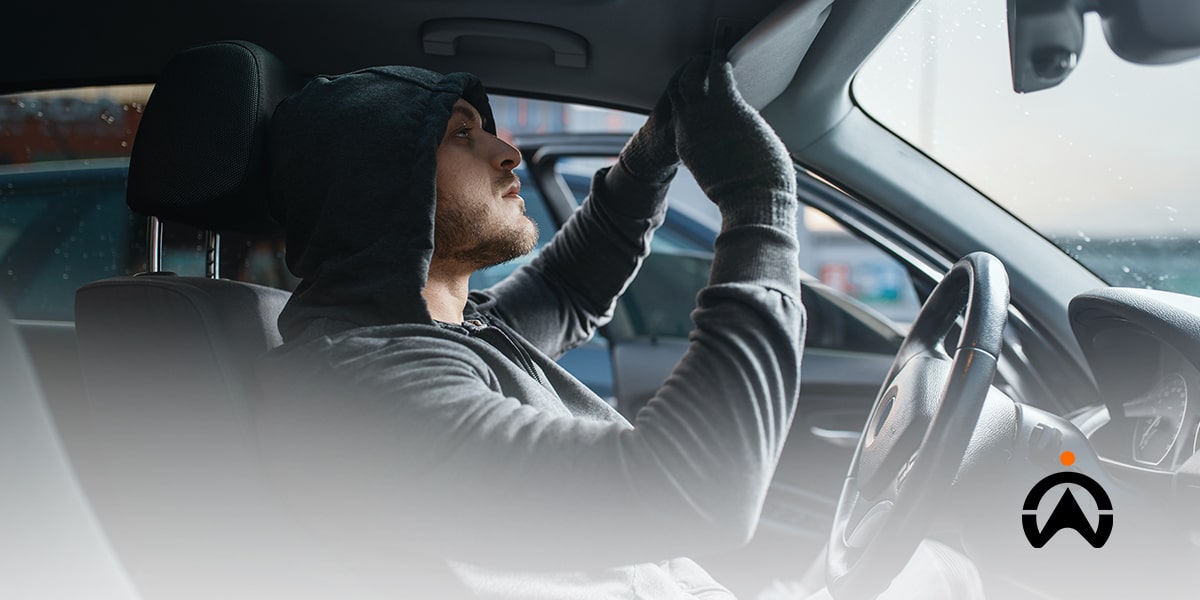
Whether you call it vehicle theft, hijacking, or carjacking, these terms are used to refer to the illegal act of stealing a vehicle. Examples of vehicle theft include breaking entry into an unattended parked vehicle followed by using tampering methods to start the vehicle like hotwiring or simply towing the vehicle. Another form of vehicle theft is forcefully taking a vehicle by threatening the driver and/or passengers out of the vehicle and driving off with the vehicle. In some cases, the driver and/or passengers are held hostage in the vehicle and if lucky, thrown out at a later stage.

In South Africa, the number of hijacking victims increased from 64 000 in 2020-2021 to 134 000 in 2021-2022. Between April and June 2022 alone, 5,866 hijackings were reported across the country – a 14%increase from the 5,146 hijackings reported over the same period in 2021.

Let’s find out how Stolen Vehicle Recovery works.

Vehicle-getting-hijacked-Stolen-vehicle-recovery

What is vehicle theft?

What is GPS tracking and how is it used for vehicle recovery solutions?

SVR, short for Stolen Vehicle Recovery, is when technology and data from vehicle tracking are used to recover the stolen or hijacked vehicle and in an attempt to return it safely to the owner. The stolen vehicle recovery process starts before the vehicle is stolen, it starts with vehicle tracking software.

Let’s unpack this software in a bit more detail.

We begin with GPS (Global Positioning System) which is a network of satellites and receivers used to determine the positioning of something on Earth. GPS has a range of uses, from military exercises across the globe to directions that help drivers find their way, and track vehicles.

Vehicle tracking requires a GPS tracking device to be installed in a vehicle or on an asset. The device then provides information about the exact location and subsequent movements of the vehicle or asset – this is what enables tracking in real time. For this reason, GPS tracking systems are a crucial part of stolen vehicle recovery used to monitor stolen vehicles’ location and activity.

Quality tracking systems exponentially increase the chance of stolen vehicles being recovered and even lower the risk of theft in the first place. This is because a GPS vehicle tracker has certain triggers that will send alerts if a vehicle is being tampered with or may have been stolen.

Car-thief-Stlen-vehicle-recovery

What is GPS tracking and how is it used for vehicle recovery solutions?

Here are some examples of a few ways alerts can be triggered:

  • If the vehicle is on the move, but there is no record of the engine being started (this is done by monitoring all engine activity).
  • Pressure sensors on seats can trigger alerts if there are more people in the vehicle than there should be.
  • Depending on predetermined routes, specific risk areas can trigger an alert, for example, if a vehicle is crossing into an area that is not part of the planned route or is a popular escape route for hijackers.

Get the best Stolen Vehicle Recovery services and products

Cartrack is South Africa’s leader in Stolen Vehicle Recovery, with world-class vehicle tracking and recovery technology that puts you in control. The following features and solutions can help you ensure that your vehicle is safe and more likely to be recovered if stolen:

  • CarWatch

Activated via the Cartrack App, CarWatch keeps a virtual eye on your car, when you can’t. CarWatch sends you alerts if your parked car moves or is started without your permission. When an alert is activated and triggered by unauthorised activity, you will be notified and Cartrack’s 24-hour control room agents will assist you.

  • Cartrack Protector

The Cartrack Protector is a value-added service which gives you access to a range of services that help make the travelling experience safe and worry-free. At the push of a button on the Cartrack App or website, a call centre agent will contact you immediately to assist with any of the services listed (such as roadside assistance or medical assistance).

  • Geofence

Geofences are virtual boundaries or ringfences set up on digital maps. These virtual fences can be created to mark no-go or high-risk zones, and alerts can be triggered the moment your vehicle enters or exits these geofenced areas.

  • Secure and reliable tracking device fitment techniques

Cartrack’s advanced fitment techniques give you the increased assurance that your vehicle’s tracking device will not be found or disabled by criminals during a theft. This high standard allows us to achieve our industry-leading recovery rate.

  • 24/7 emergency support and service team

Our emergency control room teams are always ready to support you, especially in the unfortunate event of vehicle theft or hijacking. We allow direct communication with the private response teams and local police to ensure a rapid response.

  • Air and on-the-ground recovery teams

Cartrack has a network of highly trained recovery response teams throughout South Africa and neighbouring countries which work alongside local police, ensuring stolen vehicles are successfully recovered as quickly as possible.

Car-with-family-Stolen-vehicle-recovery

Get the best Stolen Vehicle Recovery services and products

Looking for a stolen vehicle recovery service?

With a stolen vehicle recovery rate of over 90%, Cartrack will help you keep peace of mind and rest assured that your car is safe and secure. View the terms and conditions that apply to the warranty here.

How Cartrack helps digitise fleet management administration

Fleet administrators work in offices overloaded with stacks of paperwork and data that they need to compile, keep and search through manually. Thanks to digitisation, this chaos and confusion can simply be solved!

The emergence of fleet management software has allowed for the shift from manual to digital fleet management. Fleet administrators can now say goodbye to browsing through heaps of paperwork by streamlining the entire fleet operation and using data analysis to ensure smooth fleet operations.

Firstly, what is vehicle fleet management?

Fleet management is a term of paramount importancefor any business that relies on commercial vehicles to operate – whether it be cars, buses, vans, or trucks. This is because fleet management refers to the measures taken to manage all fleet vehicles and assets to operate a fleet business efficiently, in a timely manner, and within set budgets and profits.

The fleet management process ensures that a fleet business reduces operating costs to increase profits, improves its reputation by improving efficiency and customer satisfaction, and ensures fleet compliance.

Fleet management is therefore purposeful because it allows the fleet businesses to maximise productivity and profits with minimal associated risks and operational costs. Effective fleet management is achievable through the combination of vehicle or GPS tracking, fuel consumption management, monitored driver behaviour, and vehicle maintenance – all this is in the hands of a fleet administrator or manager.

Let’s take a moment to step into the shoes of a fleet administrator.

What a typical fleet management administrator job looks like

A fleet administrator is an individual responsible for overseeing a fleet business’s vehicles and operations. Fleet administrators possess the ability to ensure fleetbusinesses reduce fleet operation costs while increasing profits. This is an essential and critical role as the success or failure of a fleet business lies in the hands of a fleet administrator’s ability to effectively manage the fleet.

Although the precise job description of a fleet administrator varies based on the business industry, size, and type. Below is a list of some of the tasks a fleet administrator is responsible for:

  • Fleet analysis, reporting, and optimisation
  • Ensuring driver and vehicle safety
  • Ensuring vehicle maintenance and services
  • Managing and organising business admin and reports
  • Monitoring fuel consumption
  • Controlling and managing operation costs
  • Assigning tasks and ensuring timely delivery

Challenges faced by modern fleet administrators.

With all the demands and responsibilities, fleet administration management requires managers to ‘wear many hats’ in their role. As a result, this is accompanied by challenges encountered on a daily basis, such as:

  • Fuel management: One of the biggest operational cost challenges for fleet administrators is managing fuel consumption. Both internal factors such as driver behaviour and external factors such as fluctuations in the fuel market price affect the ability of fleet administrators to manage fuel costs and consumption.
  • Vehicle maintenance and driver safety: It is the responsibility of a fleet administrator to ensure the safety of both vehicles and drivers. It can be challenging for a fleet administrator to keep up with each fleet vehicle’s maintenance, and monitor each driver’s behaviour- whether it is for one or 100 vehicles and drivers.
  • Admin overload: Whether big or small, fleet operations generate a lot of data. Searching through large amounts of information can be time and energy-consuming, and runs the risk of misplacing or losing important information.

Luckily, there is fleet management software that helps fleet administrators overcome these challenges by digitising and automating the fleet management processes.

Fleet-Manager-with-calculator-and-pc-/-laptop

What a typical fleet management administrator job looks like

Digitise vehicle fleet management with fleet management software

Fleet management software is the technology that helps fleet administrators gain an overview of the entire fleet operations to efficientlycomplete fleet-related tasks in a productiveand timely manner.The purpose of fleet management software is to maintain an accurate and up-to-date overview of vehicle and asset GPS location, vehicle diagnostics, and identifying risky or unsafe driver behaviour while simultaneously reducing manager workload and admin.

With fleet management software, fleet management has never been more simple! Fleet administrators can now track, monitor, and manage:

  • Vehicles, assets, equipment, and drivers
  • Vehicle maintenance and repair
  • Fuel consumption and operation costs
  • Driver behaviour and road safety
  • Tasks, driver routes, and completion rates
  • Fleet compliance

Fleet administrators are therefore able to save time, money, and energy while collecting fleet-related data that is converted into easy-to-understand and easy-to-use reports and actionable insights.Fleet managers use this information to make informed decisions regarding the fleet operation, coordinate the fleet operation and reduce operational costs while ensuring maximum safety, efficiency, and compliance with fleet regulations.

Fleet management software also ensures that drivers are rewarded and recognised for their good work ethic and safe driving habits. With data stored on a cloud-based platform and easily accessible in real time, fleet administrators can use it anytime whether to reward, train or expedite employees.

Fleet-manager-trucks-vehicles

Digitise vehicle fleet management with fleet management software

5 advantages of fleet management software for fleet administrators

Digitisation has had a positive impact on fleet management. With the use of fleet management software, fleet administrators can:

  1. Improve driver and vehicle safety

Safety is a priority in fleet management, luckily vehicle and driver safety have improved thanks to digitisation. Fleet management software helps fleet administrators tackle safety concerns such as accidents, driving in unsafe areas, and unsafe driver behaviours. Fleet management software enables fleet managers to plan maintenance in advance and take vehicles that are at risk off the road, reducing the chance of breakdowns and potential accidents.

  1. Improve driver efficiency

One of the main benefits of the switch from manual fleet management to fleet management software is that it has improved fleet efficiency. With a birds-eye view of driver routes, fleet administrators can inform and instruct drivers to follow certain routes that lead to the safest and quickest deliveries while using the least amount of fuel- bravo!

This results in cost savings that can increase profitability and gives the business a competitive reputation.

  1. Monitor operation costs and fuel consumption

Typically, fuel costs account for most of the operating costs in a fleet business. The excessive use of fuel even in small amounts, add up quickly and steal from the business profits. Fleet management software has helped fleet administrators ensure that no drop of fuel goes to waste.

  1. Get alerts on vehicle maintenance

Using fleet management software to track and stay up-to-date on vehicle maintenance such as routine oil changes or tire rotations simplifies the job as fleet administrators can receive real-time alerts on when a vehicle inspection is due – leaving less room for downtime and more for work time.

  1. Track vehicles and assets

Telematics fleet management allows for GPS tracking of fleet vehicles and assets, and route optimisation so it is easier for fleet administrators to track assets and vehicles. This not only saves the fleet administrator time and guesswork but also saves fuel costs by reducing the chances of drivers getting lost and wasting fuel and time.

How Cartrack helps digitise fleet management administration

Cartrack is a software-as-a-service (Saas) platform that helps small, medium, and large businesses digitise fleet management to optimise fleet utilisation, driver and vehicle safety, risk management, as well as workforce optimisation while using data to grow the business.

Following are some Cartrack fleet management software and solutions that a business can use to shift from manual to digitised fleet management:

Fleet-manager-tablet-map-geofence

How Cartrack helps digitise fleet management administration

Web-based software

Cartrack’s easy-to-use and all-in-one platform empowers fleet administrators or managers to streamline the entire fleet operation from team and task management to controlling operation costs. With fleet telematics software, fleet administrators can track the current and historical location of fleet vehicles and assets from anywhere and at any time. Fleet administrators not only save time and energy on admin but also never lose data thanks to Cartrack’s web-based platform that stores data and gives access to historical data.

Reports and actionable insights

Cartrack’s fleet management system has a powerful onboard telemetry device that is responsible for monitoring the vehicle and driver behavioural patterns according to predefined settings, including GPS positioning. This data is obtained by the fleet management system and is designed to accurately and efficiently assist fleet administrators in managing fleet vehicles, driver behaviour, completion rates, and even fuel consumption. Fleet administrators have the option to select from a range of over 40 standard reports including mileage, driver scorecard, speeding, and productivity reports.

Automated and real-time alerts

With Cartrack, fleet administrators can pre-set vehicle violations such as driving over the road’s speed limit, driving over the vehicle’s set speed limit, harsh braking, cornering, acceleration, and entering and exiting geofences or no-go zones and receive real-time alerts when any unauthorised violations occur.

Fleet maintenance with MiFleet

MiFleet is Cartrack’s easy-to-use administrative and vehicle cost accounting software that can efficiently manage fleet vehicles, drivers, and operating costs. Fleet administrators enjoy the full benefits of MiFleet when tracking devices are installed in fleet vehicles. However, this software can be used for fleet management whether or not the fleet is equipped with telematics technology. One of the great advantages of MiFleet is fuel consumption monitoring. This enables fleet administrators to reduce fleet running costs by quickly detecting any discrepancies caused by fuel theft or uneconomical driving.

Routing

Routing is a software application that allows fleet administrators to easily set and manage predefined routes for drivers to follow. Fleet administrators receive alerts in real time of any route deviations. Keeping vehicles on their planned routes reduces wastage in operating costs and ensures that drivers are sticking to the task at hand and all cargo stays on the correct course.

Contact Cartrack and digitise fleet management administration

Cartrack is committed to providing solutions that make fleet management as simple as possible while in-turn empowering fleet operations to run smoothly and successfully.

Contact Cartrack today and get in control of your fleet.

How vehicle maintenance can be monitored through engine management systems

Taking care of your employees and your fleet makes a huge difference to your business. A healthy-running vehicle can benefit the business with reduced breakdowns and downtime while increasing productivity and profit.

What is vehicle maintenance?

This is the continuous process of repairing, servicing and maintaining vehicles owned by a business, an organisation and everyday motorists. The aim is to make it safer for drivers to operate these vehicles while enhancing their daily functions.

Businesses that have fleets often overlook the need for professional fleet maintenance, but many realise that it will cost them money, time, and productivity if fleet management and maintenance are not made a priority.

The importance of effective maintenance

Much like when you go to the doctor for your annual check-up, your vehicles need a similar treatment to make sure everything is running as it should. If one organ doesn’t work right, it affects the whole body, the same goes for a broken spark plug, piston rings, or cylinder head, if one thing is out of tune, it affects your entire vehicle.

Keeping up with the maintenance of your fleet can help you avoid unexpected breakdowns and unscheduled time off, which could ultimately affect the safety of your drivers and the productivity of your business.

A business will gain many advantages from adequate and proper maintenance, including:

  • Fuel and financial savings as mechanical systems affect fuel consumption and efficiency
  • Lowering long-term maintenance costs
  • Minimising harmful exhaust emissions and protecting the environment
  • Increasing vehicle dependability and lowering the risk of mechanical breakdowns or downtime
  • Increasing the longevity and resale value of your vehicles

Regular servicing will also extend the life of your vehicle’s mechanical components. Keeping up with or neglecting regular vehicle maintenance can make the difference between your vehicle being safe, fuel-efficient and running smoothly or not.

Engine Vehicle maintenance

The importance of effective maintenance

Basic automotive maintenance of your vehicle

It is best to trust trained automotive professionals or mechanics with the maintenance of your vehicles in order to avoid doing it on your own. They are equipped with the skills and knowledge necessary to identify issues, fix them, and safely get you and your drivers back on the road.

Motorists and fleet drivers can sometimes take matters into their own hands by performing simple preventive maintenance such as checking water and oil levels to keep their vehicles from breaking down. To meet the car manufacturer’s recommendations, it’s usually best to keep fleet vehicles under the care of the business’ mechanics or a third-party service provider.

Engine parts that need to be checked regularly to ensure safety on the road

Depending on how damaged the vehicle might be, various internal parts have to be checked and either fixed or completely replaced.

From minor to major, check these vehicle parts for an early heads-up on any maintenance issues:

  • Oil
  • Tyres (ensure correct tyre pressure)
  • Battery
  • Air filter
  • Oil levels

Finding and fixing vehicle problems early can help avoid the risk of breakdowns or accidents. These are only a few essential vehicle elements to inspect. The full list is unpacked in more detail below.

Different types of vehicle maintenance plans explained

To keep your vehicle longevity up, your car requires regular tender loving care. Car owners must pay special attention to how they maintain their vehicles.

Depending on the time of year and the season, there are several things you should check to help increase the life and performance of your car. Some of these auto parts require routine maintenance, while others only require long-term care. For clarification, the car brand can determine which parts you need to frequently inspect.

A vehicle service includes a collection of maintenance check-ups done regularly by a service centre (mandatory and specialised) and the vehicle owner, to ensure road vehicle safety.

The two most popular servicing options are:
Minor vehicle service – Taking care of your car’s minor issues, like changing the oil, oil filters and brake pads, among other things.

Major vehicle service – This includes a more extensive range of services and is much more focused than a minor service, as described in the list below.

Each of these servicing types can inspect many parts of the vehicle, including:

1. Minor servicing

  • Brake & warning lights
  • Front & rear brakes
  • Horn inspection
  • Wiper blades operation & condition
  • Engine oil & leaks
  • Prop shaft joints
  • Tyre pressure check

2. Intermediate servicing

  • Brake & clutch pedal (squeaks & adjustments)
  • Brake & handbrake inspection
  • Road check
  • Radiator maintenance
  • Battery & terminal
  • Hydraulic fluid levels
  • Cooling systems levels & leaks
  • Fan belt inspection
  • Replacement of filters
  • Accelerator pedal check for throttle opening

3. Major servicing

  • Dyno diagnostic test
    (before & after service)
  • Brake & warning lights inspection
  • Check all tyre pressure (spare wheel included)
  • Complete road test
    (rattles, wind noise, steering, straight, braking stability & noises)
  • Battery & terminals
  • Hydraulic fluid levels
  • Power steering fluid (replaced every 80 000 km)
  • Gearbox levels checked & inspected for leaks

While minor servicing can be done at any time, the intermediate service should be conducted after 20 000 km, while major servicing is recommended after 40 000 km, both by skilled mechanics.

Engineer working on Car Vehicle Maintenance

Different types of vehicle maintenance plans explained

Literally trust your senses

For a more practical approach, one of the best methods of knowing about and keeping track of your car is by checking the car brand’s manual, usually located in your vehicle’s glove box.

In a business setting, your drivers can check the fleet vehicle whenever they operate it and inform their managers before any further damage is done, after all, prevention is cheaper than cure.

If you a driver has enough experience driving fleets, they can simply use their senses to identify aspects that need maintenance and report these accordingly:

Smell

Foreign smells are not a good sign. It is important to monitor any mechanical smells coming from inside the vehicle, as these can be early warning signs of a mechanical or engine issue.

Some potential causes:

  1. Moist smells could indicate that there are some leaking liquids, which can lead to bigger mechanical issues if not detected and resolved. Any leaking, whether moist smelling or not, is not a good sign. Quickly try to identify the source of the leak, which could be one of these liquids;
  • Engine oil
  • Antifreeze
  • Transmission fluids
  • Power steering fluid

To fix the damage, visit your local mechanic.

  1. A range of smokey odours could be electrical. With this, it’s best to turn off the vehicle, open the bonnet, unplug the batteries, and call your local mechanic or get professional assistance immediately.
  2. When the fuel tank venting becomes blocked or if there has been an overflow, fuel smells may appear.
  3. If your engine smells like oil or exhaust fumes, this may be caused by:
  • Too much engine oil
  • Oil has grown old and is burning
  • Overheated oil

Sound

Strange noises while driving frequently go unnoticed due to everyday background noises like traffic, radio, passengers, etc. If the vehicle is damaged, you will hear various squeaks, squeals, bangs, and rattles each time you drive.

  1. Strange clicking while turning from the front wheels indicates that the front shaft is about to fall apart. Inform managers before it breaks off completely.
  2. A fan-belt squeal might indicate the need for another. Replacing it is the safest option.
  3. Rhythmic clicking while driving from the wheel could be the result of faulty bearings or, more likely, just large stones lodged in the tread pattern.
  4. If you have been driving steadily for a while and notice a change in engine tone, your engine is likely overheating. Stopping or varying the engine speed should be enough if there is no severe problem. Otherwise, pull over to the side of the road and let the vehicle cool before checking the water and radiator levels.
  5. Backfiring while driving normally indicates issues with the engine and might damage the car’s exhaust or intake. This needs to be thoroughly investigated. Reducing the speed, turning off the vehicle and immediately informing your fleet manager is the smart way to go.
  6. Engine knocks indicate that a lower gear needs to be selected. If it keeps happening, you should reduce speed, stop and check your engine, oil and gear shafts as soon as possible.

How often should a business service its fleet?

How often is too often? Vehicle wear and tear can often build up over time, resulting in mechanical failures, so maintaining and looking after your fleet vehicle(s) regularly is highly recommended to avoid getting into an accident.

When should you service your vehicle? This will depend on a few factors, like its age, how far it is driven each day, the surfaces and quality of the roads and sites they drive on, and how often you maintain it.

Using your vehicle in poor operating conditions will also be a determining factor. These circumstances include risky driving at high speeds, frequent stopping and starting of the car, and towing of caravans and/or loaded trailers. A vehicle used in these circumstances might need more maintenance than one that is only driven short distances and doesn’t operate frequently.

The majority of vehicles also have a maintenance schedule, and different manufacturers may have different maintenance schedule requirements. These recommended service times and maintenance procedures may be found in the vehicle’s service book.

In the world of transportation and logistics, you can’t always check on the status of every vehicle in your business. A fleet management system is often the answer for easy monitoring and tracking of fleet vehicles. The onboarded software can keep up with your business regardless of the fleet size and inform the manager of which vehicles require mechanical attention.

Importance of fleet management systems in vehicle maintenance

The purpose of a fleet management system is to assist with vehicle maintenance to ensure it is used efficiently so the lifespan of the vehicle can be maximised.

Vehicle maintenance, unfortunately, comes with inevitable downtime. Because of this, fleet managers often work to find the balance between planning and managing vehicle maintenance. Fleet maintenance management software can help with this, efficiently managing downtime while reducing costs.

To keep your vehicles on the road for longer, your car requires regular love and care, so car owners must pay special attention to how they maintain their vehicles.

Fleet manager with maintenance schedule Vehicle Maintenance

Importance of fleet management systems in vehicle maintenance

Fleet maintenance software and its role

Fleet maintenance software is a fleet application that offers actionable insights concerning vehicle diagnostics, safety, risky or unsafe driver behaviour, fuel consumption, and so much more.

Maintenance software forms part of the fleet management system that handles everything from ensuring assets are kept healthy. With alerts sent to fleet managers whenever something gets damaged, informing them of what vehicle parts need to be repaired or replaced, to actively monitoring fleet use on a day-to-day basis, ensuring everything is running smoothly.

Maintenance software benefits

Out of the long list of advantages, this software provides the most popular use for fleet maintenance.

Here are additional benefits that managers can use to further improve and monitor the health of their fleet:

  1. Preventative maintenance

Managers can create preventive maintenance tasks like checking adjustments, cleaning, lubrication, repairs and replacements, and track when they should be performed by date, distance travelled, hours worked, or fuel used.

  1. Repair and upkeep

Track unforeseen repairs using the fleet platform to stay on top of them. This will help you keep track of how often your fleet gets repaired and how much repair costs are per vehicle. This can help managers assess if the vehicle is worth the frequent maintenance costs or if they should replace it and acquire a new one.

  1. Maintenance history

You can analyse costs and maintenance history by looking at a detailed history of the work that has been done. A thorough maintenance history offers reports on vehicle efficiency and guides you in future decision-making.

  1. Parts inventory

Easily manage your vehicles, assets, and parts maintenance with up-to-date information about each item’s health and whether it’s been damaged, repaired, or replaced. This can save you from unexpected breakdowns and asset downtime.

  1. Maintenance reporting

Reports play a key role in determining whether or not your fleet maintenance strategy is working. You can export a variety of reports or even create in-depth custom reports for your fleet, comparing one to another to see a difference in performance.

Group of trucks in depot Vehicle Maintenance

Maintenance software benefits

Complete fleet maintenance with Cartrack’s fleet solutions

Get automated maintenance alerts and receive licence renewal updates so you can ensure every vehicle in your fleet is well-maintained and roadworthy. Cartrack’s software solutions ensure vehicle longevity while preventing unnecessary downtime and improving productivity.

Visit Cartrack for more information.

What is cold chain logistics and why is it important to maintain your refrigerated trailers?

Do you run a delivery business in the cold chain industry? Are you a fleet manager for a company that delivers temperature-sensitive products? Or are you here to simply learn more about cold chain logistics and refrigerated trailers? Either way, whether you have a fleet of one or 100 reefer trailers, this blog is for you.

What is cold chain logistics and how has it evolved?

Back in the 1700s villages in Great Britain used community cooling houses to keep meat, fruit, and vegetables stored. Later in the 1800s, fishermen and farmers used ice to preserve their produce while transporting it from rural to urban areas for commercial purposes.

Today, the methods of managing the temperature of products to sustain their quality are referred to as cold chain, and the transportation of these products while maintaining suitable temperatures for preservation is known as cold chain logistics (also called chill chain logistics).

Any product categorised as “perishable” or “temperature-sensitive” needs effective cold chain managementwhich ensures that temperatures are controlled in transit, process, storage, and display to the end customer.These perishable, temperature-sensitive products include foods, beverages, and even pharmaceutical products such as:

  • Vaccines (including COVID-19 vaccines) and medical products
  • Wine
  • Artwork and flowers
  • Frozen desserts
  • Perishable meat, seafood, and poultry
  • Fresh and frozen fruits and vegetables
  • Milk and other dairy products

Companies that manufacture, transport, or sell the above types of goods and products, place a high priority on cold chain logistics. This is because temperature-sensitive products are at high risk of spoiling, losing flavour and quality, as well as being dangerous to public health if the right temperatures and environments are not maintained throughout the cold chain.

Let’s take a peek at the five elements that make it possible for temperature-sensitive products to be transported from everywhere to anywhere.

What is cold chain logistics and how has it evolved?

Five elements of cold chain logistics

The cold chain logistics process does not begin with transportation. Instead, it is aprocess that involves a series of tasks that must be performed to prepare, store, transport, and monitor temperature-sensitive products. The success of cold chain logistics relies on the ability to control temperatures along every step of the cold chain logistics process, ensuring that products are in good condition upon delivery to the end customer.

Here are the five elements involved in cold chain logistics:

  1. Cooling systems: These are systems used to bring products to their required and specified temperature, ensuring that products are at the appropriatetemperature during all aspects of the cold chain, including processing, storing, and transporting.
  2. Cold storage: Temperature-sensitive products need to be stored in the right place during the waiting period – before being transported for processing or distribution to markets. Cold storage facilities and equipment such as vaccine and medical refrigerators and freezers, refrigerants, insulated containers, and cold rooms or chillers are some cold storage essentials used to protect and preserve temperature-sensitive products.
  3. Cold chain packaging: Cold chain packaging systems also known as cooling technologies are designed to maintain temperature-sensitive products at the correct temperature whether cool, cold, or even frozen. These include gel packs, dry ice, liquid nitrogen, eutectic plates, and quilts.
  4. Cold transport: Whether the cold chain is local or global, cold transport keeps cold products at a stable temperature by controlling humidity levels. There are several means by which cold chain products can be transported, including:- Refrigerated trucks or reefer trailers
    – Refrigerated cargo ships
    – Air cargo

Cold transporting also involves using IoT devices for temperature tracking and monitoring to provide real-time data needed to ensure temperatures remain consistent, product quality and integrity are not compromised, and safety and regulations are complied with.

Cold processing and distribution: This involves maintaining the appropriate temperature from when products are received from suppliers to the unloading from trucks, trains, or air-planes onto pallets or crates to move them to storage for end customers. Cold processing and distribution facilities enable multiple suppliers and distributors to deliver cold products to various destinations to meet B2B or B2C customer demands.

Five elements of cold chain logistics

What is a refrigerated trailer and how does it work?

Ice cream arrived at its destination as cool as when it was loaded – just the way you like it! Also known as reefer trailers, refrigerated trailers are insulated trailers (attached to a semi-truck) with built-in refrigeration units designed for the safe delivery and storage of perishable products at consistent temperatures.

So how do reefer trailers work?Interestingly, they are not responsible for actually cooling products. Instead, reefer trailers are designed to restrict heat from entering the trailer for products to maintain a consistent temperature during transportation and storage.

Reefer trailers do this using three main components: the evaporator coil, the compressor, and the small diesel engine; these work together to make sure the air inside the trailer remains cool and consistent by removing any heat or humidity through the evaporator coil.

The importance of maintaining reefer trailers and six ways to maintain them

For some companies in the business of cold chain logistics, refrigerated trailers are the main assets needed for day-to-day business operations. Without reefer trailers, there is consequently no business. Therefore, maintaining refrigerated trailers should be made a high priority for business owners to keep the business moving.

Here are six ways to maintain your reefer trailer(s) and reasons why this is so important::

  1. Practise routine vehicle maintenance: As a company that relies on refrigerated trailers for daily business operations, vehicle maintenance issues such as unexpected breakdowns, wear and tear, condenser or evaporator problems, temperature sensor malfunctions, and blocked airflows will disrupt the ability to optimise the use of refrigerated trailers.It is therefore important to have a routine maintenance plan that is followed to prevent unexpected downtime from maintenance issues and breakdowns –- that in turn lead to late or even missed deliveries. As a result of practising routine maintenance, refrigerated trailers can be used more efficiently, deliveries can be made on time, and businesses can retain a good reputation and customer relationships.
  1. Clean the interior: With all the kinds of temperature-sensitive products being transported, reefer trailers can get messy. Once emptied, reefer trailers need to be cleaned using a pressure washer with water mixed with industrial refrigeration detergent. This is important because the leftovers, dirt, and other messy things can hinder proper airflow within the trailer, risk the temperature consistency in the trailer, and put products at risk of spoilage and damage.
  2. Perform pre-trip inspections: Interior inspections include checking if drains have clogs, walls have cracks or cuts, and air chutes have holes. Exterior inspections include checking for oil leaks, faults in hoses and belts, unusual engine noises, trailer body damages, light malfunctions, and low tire pressure. It is critically important for drivers to perform these interior and exterior checks to ensure reefers are operating correctly because these inspections will prevent complications such as breakdowns that cause delivery delays and inconsistent temperatures within trailers that result in spoiled goods.
  3. Stay fully fueled up: Before transporting products be sure there is a full fuel tank to prevent the reefer trailer from running out of fuel. If the reefer runs out of fuel, it also runs out of cold, placing the perishable products at risk of spoilage and can cause major mechanical issues as the cooling unit will pull accumulated moisture out of the lines if fuel is low.
  4. Monitor temperatures: Drivers should monitor the temperature in the refrigerated trailer to ensure the right temperature is consistent during the transportation of temperature-sensitive products. Efficient temperature monitoring is important because it will prevent unsafe temperatures within the trailer and thus prevent the spoilage or damage of the products.
  5. Comply with loading guidelines: To ensure that products are well preserved, fresh, and receiving the right amount of airflow, it is important to adhere to loading guidelines:- Freight must be at least 1-2 inches (2-5 cm) from the reefer trailer’s side walls
    – Freight must be 9 inches (23 cm) from the ceiling of the reefer trailer
    – Freight must be 4 inches (10 cm) from the rear doors
    – The evaporator must not be blocked

Risks of poorly-maintained refrigerated trailers

Firstly, it is impossible to run a compliant cold chain logistics business without well-maintained refrigerated trailers. Companies that use reefer trailers to transport temperature-sensitive products need to comply with regulations and standards around the worldto ensure the health and safety of the transported products and protect customers’ interests. By not maintaining refrigerated trailers, companies cannot correctly monitor temperatures and provide good transporting conditions, thus running the risk of not abiding by the regulations and standards which include:

  • A permit by a food governing body or an import licence authorising the transportation of temperature-sensitive products
  • Maintaining adequate temperature controls to ensure food safety
  • Retaining records of transportation conditions for 12 months for inspection or audit purposes
  • Providing the receiver with the operating temperature, demonstrating temperature conditions have been maintained during transportation

Secondly, poorly maintained reefer trailers risk the safety and usability of temperature-sensitive products. This will lead to a broken cold chain that may result in a range of short and long-term consequent impacts such as:

  • Damage, spoilage, flavour loss, and bacterial growth: the lack of access to fresh and healthy foods (e.g fruits, vegetables, protein, etc) may further result in food insecurity on a local or global scale. Additionally, damaged vaccines and medications may have profound effects on public health.
  • Business downfall: damaged and spoiled products will in turn lead to waste and loss of products, sales, and overall business profits. In addition to declining finances, low-quality products and service delivery as a result of unmaintained refrigerated trailers can further destroy the company’s brand and reputation.

Risks of poorly-maintained refrigerated trailers

Keep refrigerated trailers maintained, products fresh, and customers happy with Cartrack’s technology

From monitoring temperatures to ensuring regular maintenance and regulation compliance, running or managing a business that relies on refrigerated trailers for day-to-day operations can get challenging. However, Cartrack makes it easy. With our reefer temperature monitoring software you can:

  • Rapidly reduce unexpected downtime with preventative maintenance

    Cartrack’s real-time maintenance alerts, seamless maintenance plan, and engine diagnostics help you pre-determine which vehicles need servicing, mitigating downtime and surprise maintenance issues for drivers and customers. Simply having calendar-based engine inspections in your fleet can help reduce breakdowns which can hinder productivity and delay deliveries. Preventative maintenance plans allow you to visually plan schedules, dispatch vehicles and allocate jobs accordingly – boosting overall fleet productivity and longevity.
  • Keep refrigerated products fresh with real-time temperature monitoring

    Businesses can use Cartrack’s reefer temperature monitoring software, and GPS and IoT tracking technology to monitor the location and temperature conditions of their refrigerated trailers. Fleet managers can receive alerts the moment any temperature fluctuations occur, allowing them to immediately check in with drivers to resolve issues or send a replacement trailer if necessary to prevent massive profit losses. This ensures products are always kept fresh, eliminating rejected deliveries and building better customer relationships.
  • Optimise routes for faster and fresher deliveries

    Our user-friendly fleet management platform helps fleet managers easily manage and track drivers and their tasks. Managers can view driver statuses to quickly assign new tasks to their nearest available drivers, and optimise the quickest and safest routes for faster and fresher deliveries. Being able to track tasks and communicate via the app, improves communication and productivity between managers and drivers as they no longer have to waste time trying to locate and contact each other for job updates.
  • Remain fully compliant

    Easily make your cold chain logistics operation fully compliant by using Cartrack’s software system. Digitise and automate the temperature tracking, recording, and monitoring of your reefer trailers. This will ensure you have all the necessary documents at your fingertips and receive real-time updates on the exact temperature range of your refrigerated trailers. Remaining compliant, also helps you avoid unexpected downtime and makes you more attractable for new business ventures as you can cater to any temperature-specific standards and industry requirements for customers.

Monitor your refrigerated trailer(s) with Cartrack

Visit Cartrack today for a free demo of how our reefer temperature monitoring software will help you maintain the quality, freshness, and compliance of your temperature-sensitive products.

Huge Increase in New Hijacking Hotspots in South Africa

South Africa has seen a massive spike in hijackings, in the past year. Based on the SAPS crime stats from Oct 2021- Sep 2022, over 47 600vehicles were hijacked and stolen – that’s more than the number of seats in the Orlando Soccer Stadium!

Unfortunately, SA vehicle theft has become a billion-dollar industry. How much of a billion-dollar industry? Well according to the crime stats released by SAPS a whopping R4.9 billion worth of vehicles are taken across the border every year. That’s pretty much what it cost to build The Mall of Africa.

It’s not all doom and gloom – when there are villains, there are superheroes – Cartrack has been and will always be around to help keep you and your vehicle safe.

In this article, we’ll give you the latest hijacking insights in South Africa, so you can be more vigilant and prepared on the roads.

How much do you know about organised crime?

It’s important to understand the psychology of criminals and to know that very often, crimes are not coincidental. The execution of crime events often involves thorough planning and organised criminal tactics, which can catch potential victims off-guard, increasing their likelihood of being hijacked.

Here are some points to note, so you can be more prepared and understand perpetrator’s minds a bit better:

  • Criminals do their ‘shopping’ beforehand: Perpetrators will research what vehicles are the best for them to steal in advance and will continue to learn the organised skill sets needed to hijack these vehicles
  • Technology is changing: The technology in vehicles is advancing at a rapid rate, which could be a contributing factor to the increase in hijackings. A lot of vehicles can no longer be “hotwired” but the key is still required for the vehicle to operate, which can put people at more risk of being hijacked and taken with the vehicle
  • Criminals are evolving: These days criminals aren’t walking around in tattered clothing and masks, they can be seen driving expensive vehicles, and are neatly dressed. This makes them look less suspicious, which makes potential victims less aware and more of a target

In addition, it’s also important to note that hijackers operate in groups of two to five, where they sometimes impersonate police or traffic officers, and can often be seen driving big luxury vehicles.

Furthermore, according to Fidelity Services, 48.9% of hijackers prefer white vehicles, however, the colour of the vehicle isn’t the top priority for hijackers, but rather the make and model. Hijackers are also becoming increasingly desperate to fulfil their supply and demand obligations, so they are willing to take more significant risks to get the vehicles they want.

According to MasterDrive, the prime times when hijackings are more likely are:

  • On Wednesdays, Thursdays, and Fridays between 18h00 to 21h00
  • On Friday or Saturday evenings from 21h00 to midnight
  • During peak-morning traffic times, 06h00 to 09h00
  • During reduced visibility at night between 18h00 to 24h00, especially on Fridays and Saturdays.

Hijacker_with_gun

Top 10 hijacking hotspot areas to look out for

According to SAPS, carjackings are most prevalent in South Africa’s most populous regions, such as Gauteng, KwaZulu Natal, and the Western Cape.

Do you know what the hijacking rate in South Africa is?

There has been an escalation in hijackings in the Eastern Cape compared to 2021, with a record 70% hike in cases.

However, Gauteng still has the most hijackings overall, with a 17% increase. According to Crime stats SA, over 19 380 vehicles were reported hijacked and stolen in Gauteng in less than a year.

Cartrack, a global leader in stolen vehicle recovery, has also reported a rise in hijacking incidents in the past year. In January 2023, Cartrack recovered 1228 vehicles with an estimated vehicle value of R188.103.71, 52 suspects were arrested, one firearm was recovered, and five jammers were confiscated.

Where do most hijackings take place in South Africa?

Cartrack has announced the top 10 worst hijacking hotspots in South Africa from January to December 2022, reporting the most incidents in Gauteng, KZN, and Cape Town:

  • Braamfontein
  • Alexandra
  • Jabulani
  • Boksburg North
  • Pretoria Central
  • Olievenhoutbos
  • Krugersdorp
  • Witpoortjie
  • Durban Central
  • Klipfontein

Hijacking_hotspots_in_South_africa

Six hijacking trends or techniques to watch out for

We encourage you to be alert for new tactics or techniques used by criminals to hijack victims.

In fact, the SAPS have highlighted a disturbing new trend in hijacking cases, with a growing number of incidents also involving kidnappings as part of the crime.

Here are some other trends and methods to be aware of, so you can be more prepared and protected:

  1. Driveway hijackings: Victims can become a target in their driveway when they are waiting for the gate to open or close, which allows criminals to box them in when they are entering or exiting their property.
  1. The blockage method: Hijackers ambush unsuspecting motorists or even delivery persons in drive-throughs of fast food establishments, where they have little room for escape and are forced to comply with demands. There are usually two vehicles involved. One car will be in front of a motorist, and another car will be behind them to block them from reversing. Armed suspects from the car in front will try to force the motorist out of their car and then make a getaway.
  1. The ‘tap tap’ trap: Criminals will deliberately drive into or ‘tap’ the back of your car in traffic. Motorists are then hijacked when they get out of the car to assess the damage.
  1. The good samaritan: Perpetrators convince targets that something is wrong with their vehicle at traffic lights, and they are then hijacked when they get out of the vehicle, to see what’s ‘wrong’ with the vehicle.
  1. The slow-moving traffic method: Criminals will choose a spot in traffic, where it’s moving slowly or they will follow a target at a distance, and then they will later move closer and strike the victim at a traffic light.
  1. The imposter method or fake “blue light” trend: Perpetrators will pose as officials to get motorists to pull over on the road or to grant them access to their properties, on the road, at homes, and businesses.

Hijacker_grabbing_doorhandle

Protect yourself against hijackings

Unfortunately, hijackings are a reality, but there are certain measures we can take to protect ourselves. Remember, it’s important to check that you are not being followed, and you should always be extra vigilant when leaving malls, the office, or when heading home late at night – that is when most follow-homes take place.

Also make sure that you keep emergency numbers on hand such as your security provider, SAPS, and neighbours, if you suspect that you are being followed.

Click here to find out more ways to protect yourself against being a hijacking victim.

We hope that you never find yourself in a hijacking situation, but it’s important to remember to remain calm and do exactly as told by the hijacker and not make any sudden movements.

Your life matters more than your vehicle.

If you ever find yourself in a hijacking situation, Cartrack is a leader in stolen vehicle recovery, with an above 90% stolen vehicle recovery rate. Our highly trained air and on-the-ground recovery team, and 24-hour emergency response team, will do everything possible to recover your vehicle and give you emergency assistance.

We also have safety-add-on features, for even more additional safety, such as Cartrack’s Protector – an emergency service, accessed via the Cartrack app 24/7, which you can use in the event of a breakdown, medical situation or if legal advice is needed for a motor-related query.

And there’s also CarWatch, which keeps a digital eye on your car and will send you an alert if it moves or is started without your permission.

Sounds like ultimate safety, right?

Visit Cartrack today, to get a vehicle tracking device installed and learn more about how we can keep you and your vehicle safe 24 hours a day and 365 days a year.