
What is a GPS Tracker? Here’s What You Need To Know

How close of an eye are you keeping on your fleet?

GPS tracking is your key to gaining complete visibility of your fleet. This means knowing exactly where your drivers and vehicles are at all times, in real time. With Cartrack Zimbabwe, this process is seamless and hassle-free.

In this article, you will:

  • Learn what GPS is
  • Find out exactly how GPS trackers work
  • Understand the importance of GPS trackers for your fleet
  • Unlock ultimate fleet safety and efficiency with GPS technology

What is GPS?

Before we explore what a GPS tracker is, let’s understand everything about GPS.

GPS, which stands for Global Positioning System, is a satellite-based navigation system that can provide users with precise location, navigation, and timing information. As one of the most innovative inventions of our time, GPS is everywhere, from your car to your smartphone, and even your watch. GPS receivers, which are present in devices such as smartphones, navigation systems, and smartwatches, all make use of trilateration, which measures the time it takes for the signals to travel from satellites to the receiver.

The global positioning system is made up of three segments, namely:

  1. Space segment: This segment is made up of satellites that orbit the earth and work to transmit signals to users based on their geographical position and time of day. The main functions of the space segment are to transmit, store, and retransmit radio-navigation signal messages that are sent by the control segment to GPS receivers on the ground. This enables GPS receivers to calculate their precise location, navigation, and time.
  2. Control segment: Also known as the Operational Control System, this segment is essential for the proper operation and management of GPS. Made up of earth-based monitor stations, master control stations, and ground antennas, this segment is responsible for tracking and operating the satellites in space, monitoring signal transmissions, and maintaining the health and accuracy of the GPS constellation. This segment is important in ensuring that satellites are in their correct orbits, that their clocks are accurate, and that the navigation messages are correct.
  3. User segment: This segment refers to the equipment used to receive GPS signals from the satellites, including items such as smartphones and telematics devices.

These three sectors work together to empower GPS to decipher distances from various satellites and give users precise, real-time location information, helping them pinpoint the exact location.

What does GPS need to work?

For GPS to effectively function, several key elements are necessary:

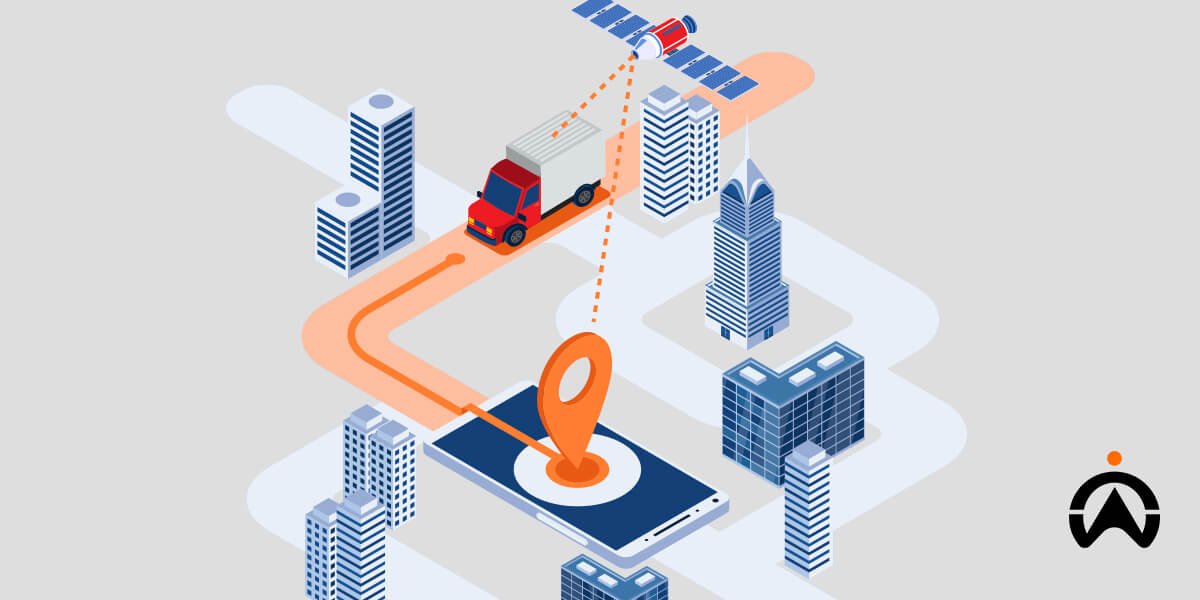
  • A satellite network: The satellite network typically comprises of 24 satellites that orbit the earth, acting as the backbone of the GPS.
  • A signal transmission: Each of the satellites in the network transmits its orbital position and the exact time of that position on radio frequencies.
  • A GPS device or receiver: These are commonly embedded in smartphones, wearable technology (such as smartwatches), vehicle tracking units, and specialised navigation systems.
What_does_GPS_need_to_work

What is a GPS Tracker?

A GPS tracker is a device that makes use of the Global Positioning System to determine and track the location of a specific object remotely. It consists of a GPS receiver that connects to a series of satellites to determine the device’s location. They are portable devices that allow people to track their vehicles.

Passive Versus Active GPS Tracking

GPS tracking can be split into two main categories: active tracking and passive tracking.

  • Active GPS TrackingAn active GPS tracking system is a real-time system that automatically sends the information on the GPS to a central tracking portal or system in real-time as it happens. Think of it as your co-pilot, helping you keep a constant eye on your vehicles.
  • Passive GPS TrackingA passive GPS tracking system focuses more on recording and storing tracking information, which can be downloaded and utilised at a later stage. This makes it a suitable solution for instances where real-time tracking isn’t essential.

The difference between active and passive GPSs

Here is a detailed table distinguishing the differences between active and passive GPS tracking:

Aspect Active GPS tracking Passive GPS tracking
Data Accessibility Provides immediate access to real-time location data transmission It only records and stores tracking data that must be downloaded periodically
Frequency at which data is stored Sends location updates at frequent intervals Records location data at predetermined intervals
Monitoring capability Live monitoring Retrospective analysis based on stored data
Alerts Real-time alerts No real-time updates or alerts

Why should you use GPS tracking for your fleet?

There are several reasons why your fleet should use GPS tracking, here are five:

  1. It gives you real-time visibility of your vehicles: This advanced tracking system allows fleet managers to pinpoint the exact location of each of their fleet vehicles at any given moment. The continuous, live updates provided empower decision-making, allowing for proactive measures to mitigate risks, and enhance overall fleet performance.
  2. It enables smarter route planning: GPS tracking gives you access to past trip reports by making use of location history. This helps fleet managers identify congested routes and find the best roads to take, which helps optimise routes for improved efficiency.
  3. It helps prevent unauthorised vehicle use: Real-time GPS tracking helps fleet managers quickly identify if a vehicle is being misused (e.g., for personal use or side jobs).
  4. It improves customer service: GPS tracking helps you know exactly how far your vehicles are from their destination. This information helps you deliver accurate estimated times of arrival to your customers so you keep them updated throughout the delivery process. Real-time vehicle tracking helps optimise delivery routes and avoid traffic congestion, ensuring timely deliveries and significant fuel cost savings.
  5. It reduces fuel usage: Fuel can be one of the biggest operational expenditures for most fleets. Companies that implement a GPS tracking system have seen their fleet fuel costs reduced by up to 30%. By comparing multiple routes with GPS tracking and historical reports, fleet managers can optimise fuel usage and reduce cost wastage. A GPS tracking system also plays a role in reducing vehicle speed and excessive idling, which both have detrimental effects on fuel consumption.

How accurate is GPS tracking?

The accuracy of GPS depends on various factors, including satellite geometry, signal blockage, and receiver design features.

  • Satellite position and visibility: GPS receivers need an unobstructed line of sight to at least four satellites to determine their position
  • Signal quality: The quality of the signals sent by satellites can be affected by various factors, such as atmospheric conditions and human-made interference. This can lead to errors in finding the accurate location.
  • Radio interference or jamming: External sources of radio interference, such as cell phone towers or other electronic devices, can cause signal delays.
How_accurate_is_GPS_tracking

Empower your fleet’s efficiency with Cartrack’s game-changing technology

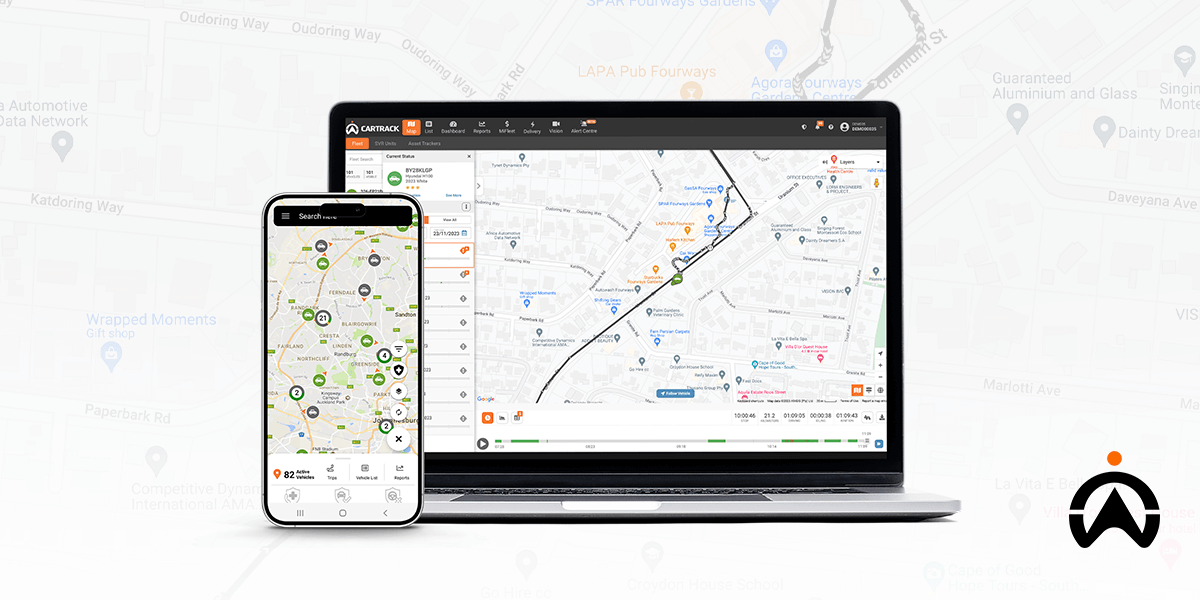
Gain full visibility of your fleet with Cartrack’s live GPS tracking. Our GPS tracking works by integrating the use of tracking units, satellites, and signals to determine a vehicle’s exact geographical location and trip history.

  • Optimise route efficiency: Cartrack’s GPS tracking technology enables the precise tracking of vehicles, which allows fleet managers to optimise routes for optimal efficiency. This not only boosts productivity but also saves fuel by reducing idle times and operational costs. This gives you the ability to monitor and adjust routes in real-time, acting as a proactive response to traffic congestion or accidents, helping drivers keep to delivery schedules and improving customer satisfaction.
  • Access your vehicle’s full trip history: Gain access to detailed reports from our easy-to-use fleet platform, so you can see what your drivers have been up to, giving you insights into idle times, fuel levels, engine diagnostics and more. By analysing this data, fleet managers can work to reduce idle times, optimise travel routes, and improve driver behaviour, leading to overall increased fleet efficiency.
  • Achieve unparalleled safety: Cartrack’s GPS tracking software offers advanced security and safety for your vehicles. Our cutting-edge tracking devices provide real-time location updates, which play a crucial role in rapid response to vehicle theft or hijacking scenarios. Cartrack’s specialised stolen vehicle recovery service makes use of GPS tracking to locate and recover the vehicle, it’s above 90% stolen vehicle recovery rate increases your chances of vehicle protection.
  • Monitor vehicle usage with geofencing: Unlock precise location control with Cartrack’s geofencing feature. Create virtual boundaries around specific areas your vehicles operate in or no-go zones you want drivers to avoid and receive alerts via SMS or email when they enter or exit these set boundaries. This gives you increased visibility of your vehicle’s activity, further enhancing your fleet’s safety and security.

Cartrack’s GPS Tracking Technology In Action

Cartrack Zimbabwe is devoted to providing you with world-class vehicle security, and this is reliant on GPS systems. With an above 90% audited recovery rate, our numerous success stories speak to the efficiency of GPS tracking for fleet visibility and safety.

On August 2nd, 2020, Cartrack’s recovery team was dispatched for the retrieval of a stolen 1975 Toyota Corona, a rare and irreplaceable classic. By making use of GPS tracking technology, Cartrack Zimbabwe was able to pinpoint this vintage vehicle’s location, making it possible for them to recover it within an hour of it being stolen.

Hear more about this success story right from the Cartrack Zimbabwe clients, by watching the video below:

At the heart of our advanced telematics technology lies the innovative power of GPS tracking. This unparalleled precision empowers our 24/7 emergency control room and highly trained stolen vehicle recovery team with real-time visibility, which ensures that we are ready to respond and recover at all times. Our unwavering commitment to innovation and technological advancements places Cartrack Zimbabwe at the forefront of the vehicle tracking industry.

Gain full fleet visibility with Cartrack’s Solutions

Whether you run a small delivery service or work in a high-demand sector like oil, gas, and mining, our solutions are the answer to keeping an eye on your fleet at all times.

Contact Cartrack Zimbabwe today, and enhance fleet safety, improve operational efficiency, and enable faster decision-making.

A Powerful Fleet Management Strategy Guide for 2024 and Beyond

As we fast approach the new year, seize the opportunity to elevate your fleet’s performance.

Optimise operations, reduce running costs and pave the way to a more prosperous year ahead with effective fleet management and groundbreaking fleet innovations.

Let’s dive into some ground-breaking trends that are set to change the way you manage your fleet of tomorrow.

In this article, you will:

  • Discover the essential steps to kickstart a strong fleet strategy for the new year
  • Explore the fleet trends reshaping the fleet management landscape for 2024
  • Uncover the fundamental basics of fleet management
  • Get a clear step-by-step guide to crafting an effective fleet strategy
  • Discover Cartrack’s key software features that’ll elevate your business

Start the new year with a fleet strategy that works

As we near the end of the year, let’s reflect and prepare for what lies ahead for your business. For fleet managers and business owners, it’s the perfect time to outline a clear fleet strategy to achieve future goals.

A fleet strategy is a plan that outlines how you will manage your fleet of vehicles. This includes everything from choosing the right vehicles to maintaining them and tracking their performance.

All you need is a well-defined fleet strategy that aligns with your business objectives and will ultimately contribute to a safer and more productive work environment.

Let’s kick start with the basics.

Fleet management basics for businesses

As your business grows and expands, so does your need for a reliable and efficient fleet of vehicles. Before implementing high-tech fleet management solutions, you need to find a fleet management system that suits your business practices and industry.

Start with the basics; fleet management involves overseeing, maintaining, and optimising your company’s fleet of vehicles and other assets through a wide range of tasks, from tracking vehicle location and fuel consumption to scheduling maintenance and monitoring driver behaviour.

To efficiently oversee your fleet, a range of tools and technologies can be employed. Here are some commonly used ones:

  • GPS tracking systems: This offers real-time visibility into your vehicles’ locations, facilitating enhanced route planning, minimised downtime, and prevention of vehicle theft.
  • Telematics systems: These systems automatically gather crucial data from vehicles, encompassing fuel consumption, engine performance, and driver behaviour. Analysing this data helps identify areas for enhancement and supports informed decision-making regarding your fleet operations.
  • Cloud-based software solutions: This can be used as a centralised platform for fleet managers, granting convenient access to crucial information such as vehicle location, fuel consumption, and maintenance schedules. This centralised approach streamlines fleet management processes.

Depending on what you want to focus on when it comes to fleet management, whether it’s keeping track of all your vehicles or easily accessing your fleet’s information, any one of these technologies can get the ball rolling towards effective fleet management before the year comes to an end.

Fleet_management_basics_for_businesses

Guide to crafting an effective fleet strategy

With a handy fleet management strategy in mind, it’s crucial to establish a solid foundation upon which these innovations can thrive. A well-defined fleet strategy serves as a roadmap, guiding your organisation towards achieving its fleet management objectives.

Here are 5 clear steps you can follow:

Step 1. Set clear fleet management goals:

Every fleet management strategy starts by clearly defining the goals you aim to achieve. Define your targets with the fleet management plan, whether it’s reducing fuel costs by 10% or enhancing driver safety through focused training programs. These objectives may include trimming fuel expenses, refining driver behaviour, optimising asset utilisation, or minimising downtime.

Established goals guide decision-making and offer a benchmark for evaluating the success of your strategy. If the goals from the current year were not achieved, you have the flexibility to either continue them or set new ones for the next year.

Step 2. Evaluate your current fleet status:

Examine your fleet, considering mileage, maintenance records, and overall performance, to determine if assets are still suitable for the upcoming year or if replacements are needed. This assessment builds a foundational understanding of your fleet’s strengths and weaknesses, helping you uncover areas for improvement.

Step 3. Assess your fleet requirements:

Align your fleet with new business objectives by identifying specific needs for upcoming projects. For instance, if your business is expanding into more urban projects, evaluate if your current fleet meets the demands of city environments or if adjustments are needed. Consider vehicle types, capacities, capabilities, frequency of use, and fuel consumption rates to guide your decisions on fleet expansion, replacement, or downsizing.

Step 4. Identify fleet management technologies:

Explore available fleet management technologies like GPS tracking, telematics systems, geofencing, and dashcams. Assess the suitability of these technologies based on your industry, specific business needs, and budget constraints. With new fleet innovations emerging annually, contemplate integrating the right ones into your fleet.

Step 5. Execute and monitor your fleet strategy:

Translate your fleet strategy into action by incorporating selected technologies and policies. Continuously monitor fleet performance, tracking metrics such as fuel consumption, vehicle uptime, and driver behaviour. Use this data to refine your strategy, making necessary adjustments along the way. Regularly review this information to make informed decisions and improve your strategy.

By following these steps, you can develop a robust fleet strategy that aligns with your business’s objectives.

Fleet management industry trends to watch out for in 2024

As the transportation industry continues to evolve, fleet management is at the forefront of innovation. By embracing technologies and adopting new strategies, fleet managers can rapidly improve fleet efficiency and fast-track their business plans to achieve their set goals.

Let’s explore four exciting fleet innovations that are shaping the future of transportation:

  1. Predictive analyticsPredictive analytics, driven by artificial intelligence (AI), is transforming fleet management by empowering managers to anticipate and prevent potential issues. AI algorithms analyse extensive data, encompassing vehicle performance, driver behaviour, and traffic patterns, to identify and predict possible challenges like vehicle breakdowns, fuel inefficiencies, or unexpected delays. This proactive approach enables fleet managers to take timely action, proactively scheduling maintenance, optimising fuel usage, and preventing disruptions that could impact business operations.
  2. Autonomous vehiclesThe emergence of autonomous vehicles and Advanced Driver Assistance Systems (ADAS) is reshaping how fleets operate. These vehicles can handle routine tasks, liberating drivers to focus on more intricate aspects of their roles, such as customer interactions or route optimisation. ADAS features, including lane departure warnings and automatic emergency braking, enhance safety and diminish the risk of human error. Integrating autonomous vehicles and ADAS into fleets allows businesses to enhance operational efficiency, reduce accidents, and elevate driver productivity.
  3. Electric vehicle integrationAs electric vehicles (EVs) gain popularity, fleet management is adapting to meet their distinctive needs. Tailored solutions optimise battery use, identify optimal charging stations, and seamlessly integrate EVs into existing fleet operations. Utilising software to locate the nearest charging stations ensures that EVs remain charged and ready for operation, contributing to a smoother transition to electric mobility and minimising the environmental impact of a fleet.
  4. Mobility-as-a-ServiceAlso known as MaaS, this provides businesses with the flexibility to plan, book, and pay for a fleet they do not own. This innovative model eliminates the need for individual ownership and maintenance of a fleet, offering a cost-effective and adaptable transportation solution. Through partnerships with MaaS providers, businesses can share fleets for occasional deliveries or other transportation needs instead of being responsible for a full-time fleet, resulting in cost savings and efficient resource utilisation.

Master your strategy for 2024 with Cartrack Zimbabwe

Did you know that many trends shaping the transportation and logistics industry work seamlessly with robust fleet management software like Cartrack’s?

Cartrack Zimbabwe, the industry leader in telematics and vehicle tracking, offers a range of fleet management solutions that can help businesses of all shapes and sizes strengthen their fleet strategy for 2024 and beyond.

Here are some of the key services and features that can be particularly beneficial:

Practise informed decision-making with Cartrack reports

Tailored to your fleet operations, our reports cover fuel consumption, driver behaviour, maintenance schedules, and more such as; trip reports, driver scorecards and speeding reports. Now you can make confident decisions backed by accurate data that will ensure your fleet operates at its best. The data provided through our reports assist in identifying trends within your fleet, empowering fleet managers to use it to improve their fleet’s performance.

Monitor vehicle whereabouts and receive notifications with geofence alerts

Picture having digital boundaries set around your work sites, restricted areas, or delivery zones, Cartrack’s geofence feature does just that. This feature ensures you stay informed in real-time when vehicles enter or exit the zones you have geofenced. This not only informs you of your vehicle’s activity and whereabouts but also encourages more driver accountability.

Efficient fuel usage management with fuel consumption monitoring

Cartrack’s telematics system goes beyond vehicle tracking — it can track your vehicle’s fuel consumption, giving you the insights needed to optimise fuel efficiency. Identify areas for improvement, such as excessive idling and risky driver behaviour that burns more fuel than necessary and implement targeted strategies to reduce fuel costs. Whether excessive fuel consumption is caused by a leaking tank, driving behaviour, fuel theft or unoptimised routes that have longer travel times, Cartrack helps you pinpoint fuel-efficient practices that turn every drop into a saving on your bottom line.

MiFleet for comprehensive fleet cost management

Cartrack’s MiFleet provides fleet managers with detailed information about their fleet’s administration and running costs, including speeding tickets, toll fees, licence renewal dates, maintenance, and fuel costs. The system allows easy import of transactions without having to manually add information. MiFleet can also be a huge benefit as it automatically reviews all fuel transactions and matches it with your vehicle’s telemetry data. This makes it easier for fleet managers to identify areas of possible fuel theft and take the necessary steps to prevent it, saving the company thousands in fuel.

Delivery tool for streamlined task management and enhanced communication

Cartrack’s Delivery tool enhances communication between fleet managers and drivers, enabling effortless task assignment and real-time tracking from dispatch to delivery. You can easily assign tasks for deliveries or infield services to specific sites. This tool keeps fleet managers informed with live tracking, showing driver routes taken and when drivers will arrive. Your drivers also stay informed with instant job updates, ensuring that schedules are met with precision and more timely deliveries are made, boosting customer satisfaction.

fleet_management_software

Let Cartrack Zimbabwe assist in strengthening your business strategy for 2024

As you shape your business’s fleet strategy for the upcoming year, Cartrack Zimbabwe emerges as the powerful ally you need for unparalleled fleet management.

Contact Cartrack Zimbabwe today to start optimising for 2024.

The Best Fleet Management Software For Your Construction Business

Ever wished for the perfect assistant to effortlessly handle the ins and outs of your construction fleet? Well, meet the ultimate candidate for the job – Cartrack Zimbabwe.

Stay tuned as we delve into the features and benefits of fleet management software and find out what makes Cartrack Zimbabwe the ideal co-pilot for managing your construction fleet.

In this article, you will:

  • Uncover the construction fleet management essentials
  • Distinguish between construction fleet managers and project managers
  • Understand the challenges of not having a fleet management tool
  • Learn why fleet management software is a must-have for construction companies
  • See what makes Cartrack Zimbabwe your ideal fleet management solution

What is construction fleet management?

The construction fleet management process involves managing a fleet of vehicles and equipment used for various tasks in the construction industry.

For example, heavy-duty equipment such as excavators and bulldozers are designed to tackle big excavation and earthmoving projects, and smaller vehicles like dump trucks ensure that materials are transported to and from the site efficiently. These are all extremely valuable assets and poor management of them could cause project delays, safety risks or even increased downtime, impacting your construction business’s bottom line.

This is why construction fleet managers play a vital role. They help ensure the safety and efficiency of drivers, vehicles and the construction site itself. To effectively do this, fleet managers need to track their fleet performance on a day-to-day basis so they can identify areas where improvement is needed or where risk concerns should be addressed, and put systems in place to correct these.

Construction fleet manager vs construction project manager

Much like any fleet manager, a construction fleet manager is responsible for coordinating all aspects of the fleet, from route planning and fuel management to vehicle maintenance and repair. They manage the use, maintenance, and operation of construction vehicles and equipment, ensuring that each vehicle receives necessary maintenance to prevent issues or major repairs that could be costly or add to safety risks.

Apart from their vehicles and equipment, they also oversee;

  • Driver training
  • Safety protocols on site
  • Compliance with industry standards and regulations
  • Managing fleet costs

Additionally, construction managers are in charge of coordinating vehicles around the site, deciding on vehicle placement based on the type of project for better efficiency, managing fuel logistics and ensuring operations are streamlined.

Construction project manager

Construction project managers, on the other hand, seem to handle aspects of construction from behind the scenes.

A construction project manager is tasked with organising and supervising all stages of a construction project, ensuring it runs smoothly from start to finish. Their responsibilities include creating project plans, managing budgets and resources, collaborating with contractors, obtaining required permits, and ensuring compliance with regulations. Ultimately, their role is crucial in guaranteeing that projects are completed on schedule, within budget, and meeting specified quality and safety standards.The responsibilities of a project manager overseeing the construction of a new office building for example would include:

  • Creating a detailed project plan and executing it
  • Obtaining required permits and approvals from local authorities
  • Recruiting and supervising a team of contractors and subcontractors
  • Asset usage monitoring
  • Tracking project progress and making adjustments as necessary
  • Ensuring timely, budget-friendly, and satisfactory project completion

In summary, a construction project manager is the driving force behind the successful execution of complex construction tasks and projects.

Roles and responsibilities for a fleet manager in construction

Fleet managers in construction are responsible for overseeing and managing the company’s entire fleet, including vehicles, equipment, drivers, and cargo. This involves ensuring the efficient operation of the fleet and implementing essential practices for improvement.

  1. Acquiring and liquidating vehiclesFleet managers must meticulously assess the company’s requirements when buying new vehicles. Factors such as the nature of construction projects, fuel efficiency, operational conditions like weather and terrain, and budget constraints are all taken into account. When it comes to older assets that are continuously being serviced and are costly to repair, fleet managers are tasked with disposing and upgrading vehicles in a cost-effective and environmentally conscious manner. Options may include auctioning, trading for newer models, or charitable donations.
  2. Vehicle maintenance and servicingEnsuring the proper upkeep of all vehicles is crucial for fleet managers to sustain optimal conditions and prolong their lifespan. This involves creating and adhering to maintenance schedules, monitoring mileage and usage, and promptly addressing potential issues.
  3. SafetyPrioritising driver and vehicle safety is a paramount responsibility for fleet managers. They institute and execute safety programs, monitor and manage driver behaviour, and ensure vehicles are well-maintained with requisite safety features. Conducting safety audits and inspections to identify and rectify potential hazards is also part of their duties.
  4. Monitoring fleet performanceFleet managers routinely monitor fleet performance to pinpoint areas for enhancement. This involves tracking fuel and maintenance costs, asset usage, activity and vehicle downtime. Implementation of software for data collection and analysis aids in identifying trends and patterns.

    Beyond these responsibilities, fleet managers also conduct tasks like inventory tracking, material procurement, and coordinating deliveries. They may also supervise the loading and unloading of vehicles and equipment, ensuring proper storage and security for all materials and equipment.

Roles_and_responsibilities_for_a_fleet_manager_in_construction

Why choose fleet management software

Construction fleet management involves managing all equipment and vehicle assets for construction and building projects, including trucks, vans, and specialised construction machinery such as excavators, loaders, and cranes, and being in charge of all this can sometimes be overwhelming. A small oversight might jeopardise either the safety of your drivers or other civilians on sight. This is where fleet management software comes in, it assists construction fleet managers in ensuring there is no stone left unturned.

Which management technologies are needed in a construction company?

There are several fleet technologies out there that can provide a special set of benefits depending on your business model and industry. The needs of the business often determine the specific features that your construction fleet requires. For example, a business that is concerned about safety may want to choose a system that includes camera software like dashcams, while a business that is concerned about fuel efficiency may want to choose a system that includes fuel monitoring software.

Here are a few fleet management technologies that would benefit a construction business:

Telematics: Telematics systems offer detailed insights into vehicle performance and driver behaviour. They can monitor fuel consumption, engine diagnostics, harsh braking events, and other crucial metrics. This information helps pinpoint areas for improvement, provides coaching on safer driver practices, and reduces the risk of accidents or breakdowns.

Geofencing: Construction managers can use geofencing to create virtual boundaries around specific areas like job sites or restricted zones. When a vehicle enters or exits these zones, fleet managers receive alerts. This feature prevents unauthorised vehicle use, ensures compliance with safety protocols, and tracks vehicle movements for payroll or billing purposes.

Dashcams: Mounted on the dashboard or windshield, dashcams record the view in front of the vehicle. This footage serves various purposes, from exonerating drivers in accidents to providing evidence of unsafe driving practices and supporting insurance claims.

Fleet management apps or platforms: These apps empower construction managers to remotely access fleet data from their smartphones or tablets. They can track vehicle locations, monitor driver performance, send dispatch notifications, and receive real-time alerts, enhancing overall fleet management efficiency.

Challenges faced without a construction fleet management tool

Fleet managers in construction face a multitude of challenges in planning, organising, and executing construction projects. Without the use of construction fleet management software, these challenges become even more daunting, potentially hindering productivity, increasing costs, and impeding the overall success of projects.

Here’s a quick breakdown of the major challenges that construction managers encounter without proper fleet management software:

  • Inefficient vehicle and equipment trackingManual tracking of vehicle and equipment locations can be time-consuming and prone to errors, resulting in poor utilisation of resources and increased downtime. Without real-time visibility into the whereabouts of vehicles and equipment, construction managers struggle to optimise scheduling and dispatching, leading to delays and cost overruns.
  • Reactive maintenance practicesWithout predictive maintenance capabilities, construction managers often rely on reactive maintenance, responding to breakdowns and repairs only after they occur. This reactive approach can lead to frequent equipment downtime, unplanned shutdowns, and increased maintenance costs.
  • Poor operator management

    Manual tracking of operator schedules, timesheets, and performance metrics can be inefficient and error-prone, making it difficult to ensure operators are properly trained, compliant with regulations, and working productively. Inadequate operator management can lead to safety hazards, productivity loss, and increased labour costs.
  • Lack of data-driven insights

    Without access to real-time data and analytics, construction managers lack the insights needed to make informed decisions about fleet utilisation, maintenance schedules, operator performance, and cost optimisation. This lack of data-driven decision-making can lead to inefficiencies, resource misallocation, and increased project costs.
  • Increased safety risksManual tracking of safety incidents and near misses can be ineffective in identifying and addressing safety hazards. Without a safety system in place, construction managers struggle to prevent accidents, reduce injuries, and maintain a safe work environment.
  • Limited communication and collaborationManual communication methods, such as phone calls and emails, can be slow and inefficient, hindering communication and collaboration between construction managers, operators, and other stakeholders. This lack of real-time communication can lead to delays, misunderstandings, and missed opportunities for improvement.

For example, a construction manager may not be aware of a change in the project plan, leading to delays and rework if the operators are not informed promptly.

Reactive_maintenance_practices

The best fleet management tool for any construction business

If you’re looking for a fleet management solution for your construction business and prefer a tool that can provide you with real-time GPS tracking, mileage tracking and reports, asset management, and more, all on one platform — then Cartrack Zimbabwe is the solution you’ve been searching for.

Whether your business falls under construction field services, oil and gas mining or the transportation and logistics industry, Cartrack Zimbabwe provides various features, services and packages to perfectly suit your business model.

How Cartrack’s solutions can assist in efficiently managing your fleet

Cartrack Zimbabwe has all the features a construction fleet manager would need to properly run their fleet, no matter the job.

  1. AI camerasEnhance your fleet’s safety with AI-powered cameras, featuring up to eight internal and external cameras with in-cabin audio. These help boost the safety of your drivers, vehicles, and cargo, as drivers can receive real-time audible alerts of potential issues, allowing them to quickly rectify risky driving behaviour and prevent collisions. Our cameras also provide video footage for driver accountability during events or accidents, this can also be used to further train and educate drivers.
  2. Monitoring sensorsCargo door sensors: Monitor the drop point of the delivery and stay informed about cargo security by receiving instant notifications the moment cargo doors open or close. This feature ensures that only authorised persons can access your cargo area, helping to keep your valuable cargo safe.

    Drum rotation sensor: Tailored for cement trucks, our sensors monitor the speed and direction of your truck’s drum rotation. This functionality guarantees that your cement remains well-mixed, meeting the expected quality standard.

  3. Asset managementCartrack’s asset management allows you to keep track of your asset’s utilisation in real time. Effectively schedule your equipment remotely across various project sites, preventing over or underuse of your assets for optimised fleet performance.
  4. ID TagsBe informed of who is behind the wheel with our ID tags. A tag is assigned to each driver in your fleet to easily identify which drivers are operating your vehicles. These tags along with our Start Prevent feature ensure that only authorised personnel operate your assets.

    “Using Cartrack’s advanced fleet management we have been able to increase our operational efficiency to deliver a better service to our customers, as well as effortlessly establish a maintenance cycle that reduces our costs and increases our fleet longevity.”
    Gareth Langley, Operations Manager at Concord Cranes

    Concord Cranes faced challenges in precisely logging the operational hours of their cranes, impacting their ability to meet client delivery schedules. This obstacle prompted the search for a more efficient solution.

    We’ve helped Concord Cranes along with +110,000 other businesses in streamlining their construction fleet and optimising productivity, let us help your business.

Trust Cartrack Zimbabwe with your construction fleet management needs

Construction operations are fast-paced, involving various job sites, a range of assets, and mobile crews. Count on Cartrack Zimbabwe to monitor all your heavy equipment from vehicles to powered trailers, and other assets in your arsenal.

Get in touch with Cartrack Zimbabwe with the industry experts.

What Is Fleet Electrification? And How To Prepare For The Transition

We all know how much the transportation sector impacts our environment with all those emissions. But how many of us are actively doing something about it?

Fleet electrification has presented itself as a possible solution. Should your fleet jump on this eco-friendly train, and how can your business ease into the transition?

Let’s dive in and find out if it’s the right move for you.

In this article, you will:

  • Find out what fleet electrification is
  • Learn more about electric vehicles
  • Discover the benefits of fleet electrification
  • Explore the challenges fleet electrification can bring to a fleet
  • Uncover the Cartrack Zimbabwe solutions for all the transition challenges

What is an electric vehicle?

Electric vehicles, commonly known as EVs, are vehicles designed to operate entirely or partially using electricity as their primary source of power. In contrast to conventional vehicles, which rely on gasoline or fossil fuels, electric vehicles make use of an electric motor that draws energy from advanced sources such as rechargeable batteries or fuel cells. These sources supply the necessary electricity to power the rechargeable battery, enabling the vehicle to move. Electric vehicles are split into two types:

  • Battery Electric Vehicles (BEVs): These are powered entirely by electricity that is stored in batteries
  • Plug-in Hybrid Electric Vehicles (PHEVs): These feature both an electric motor and a regular petrol or diesel engine.

Electric vehicles are revolutionising the way we move and impacting fleets in businesses, with many companies now opting for fleet electrification.

What_is_an_electric_vehicle

What is Fleet Electrification?

Fleet electrification refers to a fleet strategically shifting its vehicles from traditional gasoline or diesel-fueled vehicles to zero-emission electric vehicles.

This switch encompasses a variety of vehicle types, including vans, trucks, and cars, all powered by electricity. This shift is driven by a range of factors, including advancements in battery technology, decreasing costs of electric vehicles, and the need to mitigate the effects of climate change.

Fleet electrification not only contributes to environmental sustainability but also aligns with broader efforts to achieve cleaner, more sustainable transport.

How Does Fleet Electrification Benefit Your Business?

The adoption of electric vehicles can be beneficial to fleets in numerous ways. These benefits include:

  1. Positively impacts the environment: One of the greatest benefits of fleet electrification is the reduction in greenhouse-gas emissions. Given the transportation industry’s significant contribution to these emissions, the integration of electric vehicles into fleets acts as a solution to curbing their environmental impact and combating climate change. EVs produce zero tailpipe emissions, so embracing this approach can help your business reach emission reduction and sustainability goals, subsequently positively enhancing its reputation and image.
  2. Acts as a sustainable energy source: Fleet electrification acts as a sustainable energy source by not only reducing carbon emissions from vehicle exhausts but also by promoting the use of renewable energy sources in the transportation sector. Although electricity in itself is not a sustainable energy source, it can be generated from renewable sources like solar, wind, or hydroelectric power, which further reduces the impact on the environment.
  3. Decreases fleet fuel costs: Fuel costs are an exceptionally high point of concern for fleets and have been for years. With fleets spending over 20% of their budget on fuel, lowering this can have a positive impact on a business’s fleet. High fuel costs have a significant impact on fleet efficiency, leading to reduced fuel efficiency and increased operating costs.

    EVs have lower fuel costs than conventional vehicles, as electricity is usually cheaper than gasoline and diesel. Filling up a gasoline tank is estimated to range anywhere between R900 and R1600, depending on your vehicle. The cost of recharging an electric vehicle is significantly lower. Assuming an 80kWh battery pack and a full charge from 0% to 100%, charging an electric vehicle with an alternating current (AC) at a public station would cost R376 while using a direct current (DC) would cost R461.60. (These prices are accurate as of the time of publishing).

  4. Reduces maintenance costs: Fleet electrification can reduce maintenance costs significantly. A 2020 Consumer Reports study indicated that EVs can save owners approximately 50% in maintenance costs compared to a traditional gasoline vehicle. This is partially because EVs require far less maintenance.There are only three types of fluids that are needed to run EVs: coolant, windshield washer, and brake fluid. Electrical vehicles do not need oil changes, transmission flushes, or other engine fluid replacements, which directly translates to a decrease in the number of times your vehicles undergo maintenance.

The Implementation of Electric Vehicle Fleet Management

Applying fleet management for EVs involves efficiently handling a group of commercial electric vehicles, which can consist of delivery vans or company cars. Fleet managers are responsible for vehicle maintenance, driver monitoring, and route optimisation to name a few. These responsibilities are a challenge for fleet managers with traditional vehicles and can be equally challenging for fleet managers with electric vehicles, making fleet management vital, irrespective of the nature of your fleet.

EV fleet management systems are designed to offer companies the ability to enhance productivity, save costs, and ensure compliance across their entire fleet. Fleet management can help electric vehicle fleet managers in this regard, by giving them access to real-time data on vehicle performance, battery life, costs, and more.

Electric_Vehicle_Fleet_Management

Factors That Can Hinder Electric Vehicle Adoption in a Fleet

Many fleet managers have shied away from adopting an electric fleet for numerous reasons, including:

  1. The High Initial Price: One unavoidable aspect of fleet electrification is the higher upfront cost in comparison to traditional vehicles. This initial cost can pose a big challenge, especially when strict budget constraints need to be adhered to. However, it is crucial to remember that, over time, the operational cost benefits are undeniable. Electric vehicles can eliminate the reliance on traditional fossil fuels, which leads to substantial fuel cost savings.
  2. The Availability of Charging Stations: A reliable charging network is crucial for the implementation of an EV fleet. Fleet vehicles need efficient charging stations to function smoothly, as more charging stations translate to reduced downtime. A strong EV fleet charging network and effective EV fleet tracking ensure optimal access to charging points and minimise idle time.
  3. Range Anxiety: A 2019 Kia Motors study found that 80% of fleet managers were held back from making the switch to electric vehicles due to range anxiety. Range anxiety describes the fear that electric vehicle drivers experience when they are concerned about the distance an EV can travel on a single charge and the possibility of getting stranded during a journey. An example we have of this is the Volvo FH. Volvo’s FH Electric has a maximum range of about 300 kilometres and a gross combined weight rating of 44 tons. While this is impressive for an EV, a diesel FH with the same GCWR can go 1,000 km between fuel stops. This tends to apply to the majority of electric vehicles, making fleet managers concerned about the impact this will have on their fleet efficiency.
  4. Battery Degradation and Replacement Costs: Electric vehicle batteries can degrade over time, and their capacity to store energy diminishes. This can lead to a reduction in vehicle range and may require battery replacements.

The Role of Telematics In Electric Fleets

Telematics is a technology that makes use of telecommunications and informatics to collect GPS fleet tracking data and a range of other vehicle-specific information. Telematics can provide in-depth data on vehicle speed, braking, and the areas the vehicle travelled to and from. Just like gasoline-powered fleets, telematics plays a significant role in electric fleets by providing crucial data and insights that can optimise the efficiency, performance, and management of electric vehicles. Here are the key roles that telematics plays in electric fleets.

  1. Monitoring Battery Performance: Telematics gives fleet managers access to battery performance history. This information helps them optimise battery performance, leading to an improvement in overall fleet efficiency.
  2. Cost Savings and Efficiency: Telematics gives fleet managers insight into energy usage patterns, which enables efficient route planning and maintenance scheduling. This helps improve operational efficiency, reduce energy costs and save costs.

Telematics_In_Electric_Fleets

How Cartrack Zimbabwe Helps You Tackle The Key Challenges of Fleet Electrification

  1. Reducing range anxietyThe time required to recharge an electric vehicle can significantly impact fleet operations. Quick and convenient charging solutions are needed to minimise downtime, especially for commercial use. This makes planning your routes important, as a higher density and accessibility of charging stations along a driver’s route not only enhances the convenience of charging a vehicle but alsoalleviates the concern of range anxiety among drivers and fleet managers.

    Cartrack’s advanced system allows you to easily locate charging stations along drivers’ routes, plan recharge times, and monitor each EV’s battery level in real-time. This helps you maintain optimum battery life, minimise surprise downtime, avoid costly breakdowns, and ensure that you’re always aware of your EV’s range status.

  2. Promoting preventative vehicle maintenanceAdhering to a comprehensive maintenance routine is important for reducing fleet operational costs. For instance, ensuring your electric vehicles maintain optimal tire pressure is important for maximising vehicle mileage per charge.

    Since electric vehicles don’t require the same maintenance that gasoline-powered vehicles typically do (such as oil changes and spark plug replacements), maintenance will mainly include:

    – Brake inspections
    – Tyre rotation
    – Battery health

    Use Cartrack’s preventative maintenance to gain access to predictive analytics. This predictive analytics feature facilitates the scheduling of timely maintenance and offers insights into optimal timing for battery replacements. EV battery replacements can be quite costly, so making use of a good preventative maintenance system is important to prolong battery life. The average EV battery life span is estimated to last between 10-20 years, but poor vehicle health can shorten this lifespan.

Easily Convert Your Fleet to an Electric One with Cartrack Zimbabwe

The future is electric, with industry experts predicting that electric vehicles will account for 40% of car sales by 2030 and 57% of all cars on the road by 2040.

Learn how Cartrack Zimbabwe can ease you into this transition and help you efficiently manage your EV fleet.

Contact Cartrack Zimbabwe today, and let’s make the process as seamless as possible.

Data-Driven Decision-Making In Fleet Management

Right now, there are hundreds, if not thousands of things happening in your fleet business all at once. Tonnes of crucial profit-impacting decisions need to be made daily. You don’t want to make some of those decisions on a hunch, gut feeling or instinct.

Well, with good fleet management software that’s designed to collect detailed data and insights, you no longer have to – you’ll be equipped to make data-driven decisions with complete confidence.

Ready to find out how?

In this article, you will:

  • Learn what data-driven decision-making is and its importance for fleet efficiency
  • Find out what types of fleet data you can receive
  • Discover the role telematics plays in collecting fleet data
  • See how Cartrack’s data-driven solutions can simplify your fleet management

What is Data-Driven Decision Making?

Data-driven decision making is the use of data and analytics to inform and guide decision making. When utilised in fleet management, it involves the collecting, analysing, and interpreting of data from different sources, including vehicle performance records, driver behaviour reports, and maintenance logs. This information helps spot trends, patterns, and insights that help your business’s decision-making processes further down the road.

The Different Types of Fleet Data

Fleet metrics are made up of a broad range of information that is gathered from fleet vehicles. Some of these include:

  • Location Data: By making use of IoT devices and GPS coordinates, fleet managers can view the historical movement of their fleet vehicles and monitor their movements in real-time.
  • Driver Behaviour Data: This data gives fleet managers insight into how their drivers are operating their vehicles. This includes their adherence to speed limits, harsh driving, acceleration, braking habits, and their overall behaviour behind the wheel.
  • Telemetry Data: This data gives fleet managers insight into various vehicle metrics, including speed, fuel consumption, engine performance, and mileage, amongst many others.
  • Maintenance Data: This data gives fleet managers insight into the condition of their vehicles and provides them with their full-service history.
  • Safety Data: This data gives fleet managers insight into vehicle safety incidents, including accident reports.

The automatic recording and storage of this data requires innovative, real-time technology. This technology is powered by telematics.

The Role Telematics Plays In Collecting Fleet Data

Telematics is a highly intelligent computer consisting of a GPS tracking unit and on-board sensors. These technologies work together to monitor and report on the overall status and activities of fleet drivers.

Telematics is essential for the gathering of fleet data by enabling the merging of telecommunications and informatics technologies to collect, transmit, and analyse data from multiple vehicles.

For an effective telematics system, the following parts need to be incorporated:

  • Global Positioning System (GPS) satellite technology: The incorporation of GPS within telematics is to accurately establish and track the location of a vehicle in real-time.
  • Wireless Networks: Wi-Fi and different cellular networks (e.g. 4G LTE or 5G) facilitate the transfer and storage of data from vehicle GPS tracking devices through internet or satellite connectivity.
  • Sensor-based Monitoring: Combining sensors with telematics into fleet management software, gives fleet managers in-depth insights into their fleet operations. An example of this is the use of temperature sensors in cold chain logistics. These provide real-time temperature monitoring capabilities and can alert fleet managers the moment temperature fluctuations are detected, allowing them to immediately check in with drivers to resolve issues or send a replacement trailer if necessary to prevent massive profit losses.

Role_Telematics_Plays_In_Collecting_Fleet_Data

How Does Telematics Work to Collect Fleet Data?

Telematics works by:

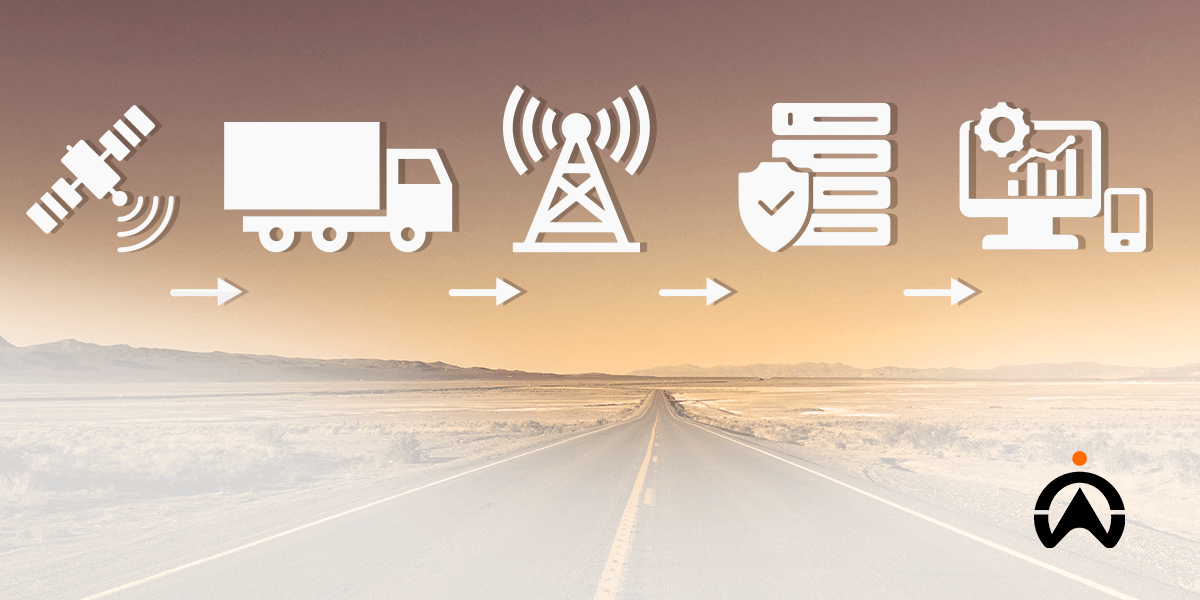
  1. Capturing data based on vehicle location and movement through a GPS tracking device installed in a vehicle
  2. Transferring the captured data via secure cellular networks
  3. Visualising vehicle data and information such as vehicle location, engine status (e.g. ignition on/off or idling time) and driver behaviour using a fleet management software platform (web or app-based)

Why is data-driven decision making vital for fleet management?

Here are 3 ways data-driven decision making helps fleet managers elevate their fleet’s efficiency:

  1. It helps you maximise fleet safetyData-driven decision-making plays an important role in maximising safety by making use of real-time data to inform and improve safety practices among drivers and fleet operations. This is done through:

    – Identifying risky driving behaviour: Telematics provide fleet managers with a wide range of data that can be analysed to identify risky driving behaviours. By monitoring these behaviours and spotting patterns, managers can implement measures to address these safety issues.

    – Preventative Maintenance: Data analytics help fleet managers proactively identify potential maintenance issues before they become safety hazards, leading to cost savings and improved fleet longevity. This significantly reduces the chance of breakdowns and accidents caused by mechanical failures, keeping drivers safe.

  2. Drives Cost Savings:Cost savings require you to keep track of your fleet’s data and use it to make informed, data-driven decisions.

    – Fuel Monitoring: A fuel monitoring system is a fleet cost management system that gives you real-time insight into all your fleet’s fuel costs and consumption, helping you identify where your cost drainages are (such as fuel theft). The accurate data allows fleet managers to proactively intervene and address any issues that may arise, therefore eliminating fuel waste.

    – Asset Tracking: Making use of asset-tracking software helps you gain insights into the state of your fleet vehicles. Know which assets are making you money and which ones are costing you more than they should, helping you use the right vehicles for the right job. These insights can help you make informed decisions as to which assets should be sold and which ones you need more of, helping you run your fleet more efficiently, safely, and cost-effectively.

  3. Improved Customer Satisfaction:The quality of service you provide to your customers can either make or break your business. Data-driven decision making aims to improve this through:

    – Route optimisation: Route optimisation can positively impact your business and customer service. By helping you optimise the quickest routes for your drivers, you are able to make more timely deliveries and save fuel.

    – Proactive Communication: By making use of data insights, fleets can anticipate possible delays or challenges in advance. By simplifying communication between drivers and fleet managers, real-time job updates are provided. This encourages proactive delivery communication with customers, which builds trust and manages customer expectations effectively.

Data is just numbersunless it can be turned into something actionable that you can use to solve your fleet challenges. With the insights listed above, a fleet can gain performance assessments and real-time monitoring, helping them make informed business decisions to achieve operational efficiency.

The Dangers of Not Making Data-Driven Decisions in Fleet Management

Fleet management is encompassed by overseeing a company’s vehicles as a means to guarantee safety, cost-effectiveness, and overall efficiency.

If a fleet isn’t making informed, data-driven decisions, they may face the following challenges:

  • Inefficient operations: Without data-driven insights on routes, vehicle usage, or maintenance schedules, a fleet will experience higher operational expenses.
  • Safety risks: The absence of an effective monitoring system leads to the overlooking of dangerous driver behaviour, which increases the risk of accidents and safety violations within the fleet.
  • Poor fuel efficiency: The inability to optimise driver routes and monitor fuel usage leads to an increase in unnecessary fuel expenses and fuel waste.
  • Customer Dissatisfaction: By not looking at past data relating to deliveries and not using it to optimise future deliveries, fleets experience delayed deliveries, which negatively affects customer satisfaction.

Do it all with Cartrack’s Data-Driven Solutions

Making well-informed decisions is what separates success from uncertainty in the field of fleet management. Cartrack Zimbabwe understands this and brings you data-driven solutions that empower you to steer your fleet towards unparalleled success. Here are 5 ways we do this:

  1. Preventative maintenance: Keep your vehicles running like a well-oiled machine with Cartrack’s preventative maintenance. Our platform helps you automate your fleet’s maintenance schedules by monitoring utilisation hours and the last-service times of each of your fleet vehicles. By using this data, the system can generate timely alerts, which act as proactive reminders to implement preventative measures to keep your vehicles serviced and compliant. These alerts are crucial in preventing unnecessary expenses, minimising downtime, and keeping your fleet healthy and cost-efficient for longer.
  2. Route optimisation: Get ahead of the delay with route optimisation. This feature on our Delivery app makes it easier for you to determine the safest and fastest routes for your drivers to take. By making use of GPS tracking and real-time position, the app gives you real-time alerts of delays or route deviations. With this data, you can make informed rerouting decisions, helping ensure faster delivery turnaround times and therefore boosting customer service. Our Delivery app also ensures drivers and jobs are effectively managed so more timely deliveries can be made. This leads to a boost in customer satisfaction because they can stay updated throughout the delivery process.
  3. Asset tracking software: End the guessing game when it comes to your fleet health with our asset tracking software. It helps you quickly identify signs that your fleet needs an upgrade. Having access to this data helps you make an informed decision when you need to change your vehicles. Cost-draining vehicles affect your entire fleet operation, and with at least 7% of vehicle expenses going to maintenance and servicing, you need to know for sure if a car needs servicing, or needs to be replaced.
  4. Driver behaviour monitoring: Prioritise driver safety with AI-powered and live-stream camera technology. This technology helps you pick up on distracted driving habits (such as smoking), detect yawning (which can indicate extreme fatigue), and track the position of the driver’s head and eyes to detect when the driver is looking away from the road. Once any of these are detected, drivers are immediately audibly alerted, and an event is generated. This video-recorded event data can be used to train drivers, making them aware of their dangerous driving behaviour and promoting safer driving habits. This comprehensive approach helps you proactively address safety concerns, mitigate risks, and guarantee a safer driving environment for your entire fleet.
  5. Fleet cost management system: Cartrack’s fleet cost management system gives you full visibility of all your fleet costs, like tolls, maintenance, and fuel expenses. A key feature of this system is fuel monitoring, which provides you with automated, real-time tracking and collection of data on fuel consumption, mileage, and engine operating hours. This gives in-depth insights into exactly how your fuel is being consumed and helps you identify driver behaviours that cause unnecessary fuel usage, like excessive idling, cornering and speeding so you can improve driver behaviour and fleet efficiency.

Turn Your Data Into Cost-saving Actions With Cartrack Zimbabwe

In a world shaped by data, being equipped with valuable information to make informed business-benefiting decisions is the cornerstone of effective fleet management.

Turn your insights and data into cost-saving actions today with Cartrack’s comprehensive solution.

Contact Cartrack Zimbabwe today, and let’s boost your fleet operations together.

7 Things Every CEO Should Know About Their Fleet

Picture this – a seamless operation where costs are optimised, drivers are well-trained, and technology seamlessly integrates with your fleet’s every move. This isn’t just a picture, it’s reality, and it can be your reality.

Explore the art of fleet management and how it will revolutionise your approach to fleet management forever, all in this blog.

Let’s dive straight in.

In this article, you will:

  • Gain an understanding of what it takes to manage a fleet
  • Discover the transformative capabilities of fleet management software
  • Dive into the seven crucial elements of fleet management CEOs should master
  • Explore the value of integrating Cartrack Zimbabwe into your fleet management strategy

CEO’s guide to fleet management

To ensure that a company, along with its fleet tracking, is operating efficiently, CEOs have a huge responsibility to fully understand the ins and outs of fleet management.

Fleet management is like the behind-the-scenes coordination tool for your fleet. To fully oversee your drivers, vehicles and equipment, you have to understand all the different aspects of fleet management, such as:

  • Vehicle acquisition
  • Asset maintenance
  • Driver management
  • Safety protocols
  • Performance metrics

These are some of the main building blocks to help you improve the way you run your fleet business and ensure your fleet always operates at optimal levels.

CEO's_guide_to_fleet_management

How to get started with fleet management

After delving into the crucial aspects of your fleet and understanding how fleet management can change your fleet for the better, the next step is implementation.

  • Assess your needs:Begin by comprehensively understanding the unique requirements of your fleet. Identify its size, type, and the specific tasks you need to manage effectively.
  • Choose the right solution:With your fleet’s needs in mind, select a fleet management solution tailored to your business objectives. Choose from various options available and opt for one that seamlessly aligns with your business’s requirements and long-term plans.
  • Implement your solution:After choosing your preferred fleet management solution, it’s time to put your plans into action. This may involve training your staff and making the necessary adjustments to your existing business processes.
  • Monitor and improve:Once your fleet management software is in operation, allow the system to run for a period, closely observing your fleet and team operations. This allows you to identify any potential issues or areas for improvement, ensuring that everything runs optimally and seamlessly aligns with your evolving needs.

The 7 key elements CEOs should know about their fleet

The fleet management responsibilities we touched on above might seem overwhelming at first, but using a fleet management system that best suits your business will help easily navigate the complexities of managing your fleet successfully.

To put this process into practice, here are 7 things every CEO or fleet manager should focus on when it comes to running their fleet:

  1. Effective cost managementGet familiar with managing every penny spent within your fleet. This will provide insights into potential areas where costs are higher than they should be and give you a chance tocraft strategies that cut costs without compromising on quality or safety.

    Fuel costs: Implementing a thoughtful fuel management strategy can provide positive change to how you manage fleet fuel costs. Keep a close eye on consumption patterns, optimise routes, and encourage fuel-efficient driving practices through training.

    Maintenance expenses: Develop a preventive maintenance program, negotiate contracts with suppliers for competitive prices, and schedule regular maintenance tasks with qualified technicians.

  2. Strategic vehicle lifecycle managementGet the most out of your fleet by understanding its lifecycle. From acquiring the right vehicles for your business operations to knowing when it is the perfect time to sell or upgrade your vehicles.

    Vehicle acquisition: Choose vehicles that align with your business needs, considering factors like fuel efficiency, reliability, and overall running costs.

    Vehicle utilisation: Optimise fleet efficiency by outsourcing tasks, using vehicles for multiple purposes, and employing telematics systems to keep track of usage.

    Vehicle maintenance: Stick to manufacturer recommendations, plan preventive maintenance, and use qualified technicians to keep your vehicles on the road.

    Vehicle disposal: Develop a solid plan for vehicle disposal, whether maximising resale value or opting for environmentally friendly methods like donation or recycling.

  3. Integration of technologyEmbrace the tech wave with fleet systems meant to automate and simplify your fleet processes. They’re not just fancy gadgets; they’re tools to boost efficiency, keep your drivers and vehicles safe, and streamline routes.

    Telematics systems: They can collect valuable data on location, speed, fuel consumption, and more, helping enhance fleet performance, reduce costs, and improve safety.

    Fleet management systems: Gain a holistic view of your fleet’s operation, track vehicle usage, manage maintenance schedules, optimise routes, and generate insightful reports.

  4. Compliance and regulatory awarenessStay compliant with regulations to avoid fines and legal complications. Missing out on compliance can lead to fines and legal headaches, which can be extremely costly for your business and even dent your business’s reputation.

    Regulatory requirements: Stay on the right side of the law by familiarising yourself with vehicle safety standards, driver licensing requirements, and environmental regulations. Develop policies and procedures to ensure compliance.

    Compliance standards: Adopting industry best practices help keep your operations safe and sound.

  5. Prioritising driver safety and trainingSafety first! To ensure driver safety, set up training programs and protocols to reduce accidents and create an all-around safe environment. With heightened safety protocols within your fleet, you can expect fuel efficiency to improve, vehicle longevity to extend, compliance to strengthen and insurance costs to lower, saving you money in the long run.

    Driver training: Equip your drivers with the skills they need for safe driving. Develop and implement driver training programs that cover topics like safe driving practices, best vehicle operation techniques, and emergency procedures.

    Safety protocols: Implement safety protocols, including vehicle inspections, maintenance procedures, and accident reporting. Cultivate a safety-oriented culture within your organisation by emphasising its importance to all employees.

  6. Environmental sustainabilityGo green. From choosing the right vehicles to adopting sustainable driving practices, it’s not just good for the environment – it’s good for business too.

    Eco-friendly vehicles: Make conscious choices, such as opting for the right hybrid or electric vehicle, to reduce fuel consumption and emissions.

    Sustainable practices: Incorporate sustainable practices, such as educating your drivers on sustainable driving practices. Reducing risky driving behaviour not only increases safety within your fleet but also reduces unnecessary fuel consumption.

  7. Data analytics for informed decision-makingInvest in data analytics. From fuel use patterns to maintenance records, it’s your secret weapon for smart decision-making.
    Types of data: Gather insights on fuel consumption, vehicle usage, maintenance costs, and driver behaviour. Utilise telematics and fleet management systems to collect this fleet data automatically.

    Using data for decision-making: Let this data guide your decisions. Identify cost-saving opportunities, improve fleet performance, and enhance safety. For example, you can use data to identify vehicles that are not being utilised efficiently or drivers who are performing unsafe driving habits.

Armed with a grasp of these key aspects, CEOs can confidently navigate the intricate landscape of fleet management. Understanding these critical elements is the key to steering your fleet towards success.

key_elements_CEOs_should_know_about_their_fleet

Bonus tip: Why CEOs Choose Cartrack Zimbabwe

If you’re a CEO looking to streamline and optimise your fleet operations, then consider integrating a comprehensive fleet management solution like Cartrack’s into your fleet strategy.

Cartrack Zimbabwe goes beyond a mere tool. Our advanced system offers a multitude of top-quality features that will help take complete control of your entire fleet and equip you with all the tools you need to run your business successfully and efficiently.

Here are a few ways our industry-leading software can assist you:

  • LiveVision – Driver & vehicle video monitoring softwareBoost driver and vehicle safety with our AI-powered camera solution. These cameras monitor drivers and audibly alert them in real time when distracted driving behaviour is detected, helping drivers immediately correct their actions and prevent an accident. You also gain access to recorded video footage of these events, so you can help train and make drivers more accountable to further increase fleet safety.
  • MiFleet – Fleet cost monitoring and management systemMiFleet is a fleet cost management system that provides you with detailed information about all your fleet’s running costs, like speeding fines, toll fees, licence renewals, maintenance, and fuel costs. MiFleet can also automatically review all your fuel transactions, match them to your vehicle’s data and highlight any areas of possible fuel theft so you can investigate these and prevent fuel cost wastage.
  • ID Tags – Driver authorisation monitoring solutionSecure, monitor and control driver-vehicle usage with our Driver ID Tags. Equip each driver with a unique tag which requires them to tap on a sensor within the vehicle in order to operate it. This helps you ensure that only authorised drivers use the correct vehicles, increasing the visibility and safety of your fleet.
  • Geofence – Vehicle boundary monitoring featureMake sure your vehicles don’t travel where they shouldn’t with our geofencing feature. You can see virtual boundaries around any area your vehicles operate in or even no-go zones and receive immediate notifications via SMS or email the moment your drivers enter or exit these areas, so you can accurately track your vehicle activity.
  • Delivery – Driver and job optimising toolTake any delivery job from do to done fast with Cartrack’s Delivery tool. It automates your processes, giving you full visibility of task progress and allows you to easily allocate jobs to your drivers and optimise them based on the quickest route or by job priority for faster deliveries.

Partner with the fleet management experts

With Cartrack Zimbabwe as your fleet management partner, business owners, CEOs, and fleet managers alike can confidently navigate any challenges their fleet might face.

Integrating Cartrack Zimbabwe into your fleet management strategy is a proactive step towards a more efficient, safer, and cost-effective operation.

Contact Cartrack Zimbabwe to get started.

Breakthrough Technological Innovations In Fleet Management Services

In a world where innovation is key to success, what does the future of fleet management look like?

From telematics to automation, fleet management innovations are what make good fleets, great.

Let’s find out how, and learn more about the breakthrough innovations that are empowering fleet excellence.

In this article, you will:

  • Learn what fleet management is
  • Gain a deeper understanding of a fleet manager’s duties
  • Discover how fleet management services can simplify a fleet manager’s job
  • Uncover the breakthrough innovations in fleet management
  • Find out how Cartrack Zimbabwe gives you access to these innovations

What is Fleet Management?

Before we explore the world of fleet management service innovations, let’s quickly unpack the basics of fleet management.

Fleet management is a complex and multifaceted process, systems and tools that encompass a wide range of activities designed to optimise the efficiency, cost-effectiveness, and safety of a business’s fleet of vehicles. This process is used to monitor fleet activities that help ensure a fleet remains productive and profitable.

What are Fleet Management Services?

Fleet management services include a wide range of activities and technologies that help businesses optimise their fleet operations. It is a combination of the tools, technologies, and solutions that are used to manage a fleet of vehicles.

Some examples of fleet management services include:

  • Vehicle Tracking
  • Telematics
  • Driver Management and Coaching
  • Fuel Management
  • Maintenance Management
  • Fleet Analytics

Fleet management services make use of the following advanced technologies:

  • Telematics
  • Internet of Things (IoT)
  • Augmented Reality
  • Blockchain
  • Autonomous Vehicles
  • Fuel Management Systems
  • Artificial Intelligence (AI) and Machine Learning (ML)

What Are the Benefits of Fleet Management Services?

  • Improved efficiency and productivity: Simplify administrative tasks, provide real-time data analytics, vehicle tracking, driver behaviour monitoring, and streamline paperwork.
  • Improved fleet safety: Monitor and record driving behaviours, helping fleets prioritise safety.
  • Improved vehicle health: Monitor fleet usage, helping you identify which vehicles are under or overutilised. Pair this with preventative maintenance to guarantee fleet health and say goodbye to unforeseen breakdowns.
  • Reduced operating costs: With features such as route optimisation, fuel management, and driver behaviour monitoring, you can reduce fuel consumption.
  • Enhanced safety and compliance: Provides real-time vehicle tracking, and driver behaviour monitoring software, and facilitates regular, scheduled maintenance.
  • Improved decision-making through data analytics: Provides valuable insight on driver behaviour, routes, fuel consumption, and more, helping fleet managers make informed decisions that benefit their fleet.
  • Remote management: Provides real-time insights into vehicle location, status, and performance, all on one platform.

Benefits of Fleet Management Services

The Importance of Fleet Management

Fleet management is crucial in South Africa for several reasons, including:

  1. Safety and security: Fleet management systems play a crucial role in enhancing fleet vehicle safety by using real-time tracking and anti-theft features.
  2. Driver behaviour and road safety: Fleet management systems help fleet managers monitor and improve driver behaviour, which helps reduce the chances of accidents occurring.
  3. Fuel prices: South Africa is constantly experiencing fuel price spikes. Fuel can take up a huge chunk of your fleet budget, but with fleet management systems, you can reduce fuel consumption through improved routing, maintenance planning, and the advanced detection of fuel theft.

Who Uses Fleet Management Services?

Fleet management is important for any organisation that uses commercial vehicles to function. It helps increase productivity, reduce costs, and improve safety.

Examples of organisations that need fleet management include:

  • Construction companies
  • Transportation and logistics companies
  • Delivery companies
  • Healthcare organisations
  • Retail companies

We’ve established what types of businesses benefit from using fleet management services. Now, let’s understand why fleet managers are the individuals in those businesses who cannot function without this software.

The Fleet Manager’s Roles and Duties:

A fleet manager is responsible for managing a company’s fleet of vehicles and ensuring that the fleet operates efficiently, safely, and cost-effectively.

Their main responsibilities include:

  • Driver Management
  • Maintenance Management
  • Cost Management
  • Safety Management
  • And more

What Are the Breakthrough Innovations in Fleet Management?

  1. Telematics:Telematics technology is an integration of telecommunications and informatics technologies that are used to collect, transmit, and analyse data from multiple vehicles. This has huge benefits for fleet managers, as it helps them track and monitor vehicles, improve safety, and enhance productivity. As a crucial part of fleet management systems, this technology can help fleet managers:

    – Receive real-time updates: Telematics offer real-time insights on vehicle location, driver behaviour, and vehicle performance. This gives you unparalleled knowledge of where all your fleet vehicles are at all times. This real-time awareness improves decision-making (thanks to up-to-date information on vehicle location, driver behaviour, and vehicle performance) and increases efficiency. (Helping fleet managers see what areas need attention immediately, reducing downtime and promoting productivity).

    – Improve fleet safety: By monitoring driver behaviour (telematics can monitor fleet speeds, acceleration rates, and hard brakes) and vehicle performance, telematics can help you track and solve unsafe driving habits, helping you prevent damage to vehicles, and reducing the chances of accidents occurring in the future.

  2. Automation:Fleet automation is the use of technology to streamline various aspects of fleet management. A fleet automation solution offers cutting-edge technology that offers fleet managers actionable insights into their fleet’s status and performance by combining software, hardware, and data analytics.

    This process can help fleet managers:

    – Improve efficiency: By automating functions such as route planning, dispatching, and fuel management, fleet managers can allocate more time to other tasks by innovating and streamlining their processes.

    – Improve fleet safety: Automation systems can help monitor driver behaviour and vehicle health, which helps fleet managers prevent accidents and unforeseen breakdowns.

    – Promote fleet visibility: Fleet visibility is the ability to track and monitor the location, performance, and behaviour of vehicles in real time. Automation ensures that fleet managers always have an eye on their fleet, which helps them improve driver behaviour, reduce downtime, and make route adjustments as needed.

    – Improve customer service: By providing real-time visibility into fleet operations, automation can help improve customer service by ensuring timely deliveries and providing accurate ETAs.

    – Increase data visibility and analytics: Fleet automation software compiles and analyses a wide range of data from vehicles, drivers, customers, routes, schedules, fuel consumption, and maintenance records. By employing advanced analytics and reporting tools, this data is converted into actionable insights that can help fleet managers make more informed decisions about their fleet operations.

  3. Remote Fleet ManagementThis involves the use of advanced software systems and innovative technologies to enable remote monitoring and management of fleet assets, including fleet vehicles while staying connected with drivers. This process can help fleet managers:

    – Track their vehicles in real-time: Remote fleet management allows fleet managers to track their vehicles and assets in real-time, from anywhere, at any time.

    – Improve communication: Remote fleet management solutions allow fleet managers to communicate with their drivers from anywhere, anytime, making it easier to delegate tasks and work orders and discuss potential delays.

    – Improve fleet safety: Remote fleet management helps fleet managers monitor driver behaviour in real time and proactively identify safety hazards from anywhere, at any time, allowing you to increase driver safety from wherever you are.

  4. IoT (Internet of Things)This technology revolutionises fleet management by delivering real-time data and insights to boost fleet efficiency. It connects devices and sensors to the internet, facilitating data sharing and communication. In fleet management, IoT is used to provide real-time information on the location and status of vehicles and address their fuel usage challenges.

    This information can be used to optimise schedules, select the perfect routes, monitor driving habits, reduce fuel consumption, and improve fleet safety. This is done through:

    – Route optimisation: IoT data can be used to optimise fleet routes, which has a positive impact on fleet efficiency and fuel consumption.

    – Cargo tracking: IoT sensors can be used to track the location and condition of cargo. This can help prevent cargo theft and ensure that these goods are delivered safely and on time.

    – GPS tracking: GPS (Global Positioning System) is a satellite-based navigation system that provides you with real-time location information about your vehicles. By having this real-time knowledge of your entire fleet, you can reduce fuel costs, improve fleet safety, and improve route planning.

    – Driver behaviour monitoring: IoT-enabled sensors can monitor real-time driver behaviour, including speeding, harsh braking and acceleration. This helps fleet managers identify areas for improvement, provide feedback to their drivers and enhance driver safety.

Breakthrough_Innovations_in_Fleet_Management

3 Steps to Innovate Your Fleet With Cartrack Zimbabwe

Managing a fleet can be extremely stressful, from monitoring drivers to keeping an eye on fuel consumption. Cartrack Zimbabwe understands this and aims to simplify your entire fleet operation, bringing you a vast range of solutions that help ensure your fleet makes innovation its standard.

Here is how:

  1. Aiding data-driven decision-making with actionable insightsNot knowing what’s happening with your fleet vehicles and drivers is a risky game to play, as this leads to a lack of visibility, inefficient routes, poor driving behaviour and high maintenance costs. But with us, you get this data at the tap of a button.

    Actionable insights, defined as data and information about a business can be used to make strategic decisions to achieve business goals, leading to improved employee productivity and business growth, making it a crucial part of fleet success.

    With actionable insights that are designed to help optimise fleet operations, reduce costs, and improve fleet efficiency, fleet managers are equipped to make accurate decisions regarding cost-saving strategies. These strategies can decrease idle time, optimise routes, and improve fleet fuel consumption.

  2. Simplifying preventative maintenanceVehicles can break down at any moment, and the unpredictability of this can lead to operation disruptions and financial stress. But with us, breakdowns will never catch you by surprise.

    Preventative maintenance helps fleets schedule and track vehicle maintenance, reducing downtime and extending vehicle life. By using vehicle utilisation hours and the time of the last service, it provides predictive analytics that helps you plan maintenance, resulting in cost savings, reduced downtime, and a prolonged vehicle lifespan.

    This also helps businesses utilising electric vehicles avoid low battery surprises with real-time battery monitoring. Additionally, it can also help you know when your electric vehicle is charging, how long it will take to fully charge, and how much mileage you will get from a full charge.

  3. Enabling real-time fleet trackingManually keeping track of your whole fleet can be a hassle for fleet managers. The need to constantly call drivers to inquire about their locations, adds to their workload. This makes it an inconvenient and time-consuming task. But with Cartrack Zimbabwe , real-time tracking can happen from any smart device.

    Cartrack Zimbabwe provides fleets with live GPS tracking technology and real-time alerts to gain complete control and visibility of their fleets through our easy-to-use platform. Fleet operators are empowered to streamline their entire operation by making use of real-time vehicle location information. This simplifies route optimisation, which limits delays and reduces expenses at the hands of fuel wastage. This also helps improve customer service and satisfaction, as you can provide accurate ETAs to customers.

Make Innovation Your Businesses Standard

Discover the fleet management system trusted by global enterprises and elevate your entire fleet operation with our breakthrough technological innovations.

Contact Cartrack Zimbabwe today, and drive your fleet to new heights of efficiency.

How To Boost Safety In Mining – With Advanced Telematics Technology

Just like every industry, mining comes with its own unique set of challenges.

Luckily, Cartrack Zimbabwe is the only solution you’ll need that offers numerous technological advancements to boost the safety of your mining operations.

Let’s find out how and learn more about the various solutions that keep your employees safer and your mine compliant.

In this article, you will:

  • Get a good understanding of the mining industry
  • Know what the basic safety requirements of the mining industry are
  • Find out how telematics play a role in the mining industry
  • Learn how Cartrack’s solutions will benefit your mining business

The Mining Industry Briefly Explained

The mining industry is a sector that plays a major role in our everyday lives. It revolves around the discovery and extraction of much-needed minerals from the earth like coal, metals, stone, and gravel.

As crucial as it is, mining, by its nature, involves working in harsh, hazardous environments with numerous safety risks, making it a dangerous industry with a unique set of challenges. Although safety regulations and guidelines exist to mitigate these risks and improve mining safety, ensuring compliance and enforcement remains an ongoing challenge.

These safety issues impact the well-being of workers and the efficiency and continuity of mining operations in general.

Basic Health and Safety Requirements For The Mining Industry

Mine health and safety in South Africa is governed by several laws and legislation. The primary legislation is the Mine Health and Safety Act (MHSA) of 1996. This act was designed to provide protection, health and safety to employees and other persons working in the mining industry.

Here are a few key ways it contributes to the well-being of mine employees:

  • Promoting safety training and human resources
  • Providing effective monitoring systems and inspections
  • Ensuring that only approved personnel can access heavy machinery
  • Guaranteeing that machinery and vehicles used, meet the safety standards

It is no easy task to ensure that all of these requirements are met, but that’s where a telematics solution comes in.

What Is Telematics?

Telematics, also known as fleet telematics, is a system used to collect GPS fleet tracking data along with a range of vehicle–specific information. The collected information is then stored in a database, where it can be analysed, interpreted, and compiled. This data is easily accessible for fleet managers via the software of the telematics system once uploaded.

By integrating wireless telecommunications and information technology to process, deliver actionable data, and effectively convey this information over vast networks. Telematics has now established itself as a new method of integrating all types of data, from vehicle equipment to driver behaviour.

The Main Benefits of Telematics

  • Increased fleet efficiency
  • Boosted efficiency with actionable insights specific to your fleet
  • Amplified fleet visibility with asset-tracking benefits
  • Eliminated fuel card fraud and fuel theft
  • Simplified communication between drivers and fleet managers
  • Improved driver safety

Benefits_of_Telematics

What Role Does Telematics Play in the Mining Industry?

Telematics technology is increasingly being employed to enhance safety, streamline workflow, and boost profitability within the mining industry. Let’s unpack a few ways of how it plays a major role in boosting safety:

  1. Vehicle and Asset TrackingTelematics systems make use of GPS tracking technology, making it possible to track the location, movement, and operation of mining equipment. This helps managers keep an eye on the location, speed, and status of each asset. With access to this real-time monitoring, quick responses to emergencies, potential accidents, and theft are improved.
  2. Collision AvoidanceTelematics can provide incident avoidance warnings with the use of sensors and alarms that alert drivers of potential collisions. In the event of an accident, real-time tracking technology can help easily pinpoint the exact location where it occurred, making response times for assistance much quicker.
  3. Fatigue MonitoringMine workers work long hours which can leave them feeling fatigued. Telematics can monitor driver behaviour to detect early signs of fatigue and distraction and alert drivers of these events as they occur. This reminds drivers to refocus on the task at hand or to take a break so they can prevent any potentially fatal accidents from occurring.
  4. GeofencingTelematics technology known as geofencing, allows you to set virtual boundaries for your equipment and receive notifications when it leaves that boundary. This helps ensure that you keep heavy or dangerous equipment in specified “safe” areas to protect your mine workers.
  5. Asset Maintenance MonitoringMining equipment requires regular maintenance to ensure that it operates at its optimum. By keeping track of machine-hours, fuel consumption, and obtaining diagnostic information, preventative maintenance is prioritised. This proactive approach ensures that downtime is reduced, breakdowns are minimised, and efficiency is boosted.

How Does Cartrack Zimbabwe Provide Safety Solutions For Your Mines?

  1. AI Cameras:This is a comprehensive camera system that allows fleet managers to remotely monitor and manage live stream footage from vehicles. The cameras help boost mining safety by:

    – Providing real-time alerts: Cartrack’s AI cameras are equipped to detect dangerous or distracted driving behaviour, such as cellphone use, smoking and yawning. When these are detected, drivers are audibly alerted in real-time, allowing them to immediately correct their actions.

    – Enabling proactive monitoring: By making use of AI technology, our cameras can track the position and orientation of a driver’s head and eyes. The moment the cameras detect that a driver’s eyes or head are no longer facing the road, an audible real-time alert is triggered, reminding them to focus.

    – Providing event-based recorded footage: This event-based footage instantly gives fleet managers the exact footage they need readily available at their fingertips. Recording events such as harsh braking, accelerating, and cornering, helps fleet managers provide specific driver training to help drivers identify where improvements are needed, ensuring that distracted driving habits become a thing of the past.

  2. Access to live stream footage:While Cartrack Zimbabwe remains compliant with the Protection of Personal Information (POPI) Act, our system can give you access to live stream footage in special circumstances. For example, If an accident is detected and there is no response from the driver, live streaming can be initiated by the control room to assess the situation and dispatch the necessary teams to ensure employee safety.
  3. ADAS Technology:Advanced Driver Assistance System (ADAS) is designed to improve a driver’s ability to react to dangers on the road or field, helping to reduce all types of accidents.

    ADAS technology acts as a safety net for drivers. Human error is the leading cause of accidents, and this applies to the mining industry too. ADAS makes use of forward collision warning, which alerts drivers in real-time if their vehicle is approaching an obstacle or another vehicle too quickly. With automatic emergency braking, the technology can detect possible collisions and force your vehicle to brake, which helps reduce the impact or even prevent the collision altogether.

  4. Driver Scorecards:Driver scorecards are a feature of ADAS technology that can promote safety for mine workers. Used to monitor and evaluate driver behaviour and performance, these scorecards rate each driver based on how safely they drive. The technology monitors high-risk behaviour such as speeding, and harsh accelerating or braking. By providing fleet managers with a comprehensive view of driver performance, they can provide targeted coaching and training to drivers. This ensures that driver safety is improved, resulting in reduced incidents and a safer driving culture.
  5. Geofencing:Geofencing works as a location-based feature that enables fleet managers to create virtual boundaries for their assets. These geofences can be set around job sites, or even restricted areas, which enable you to receive real-time alerts when vehicles or equipment enter or exit these areas. If a vehicle or equipment operates outside of an authorised zone, an alert is immediately set off. This helps fleet managers ensure that vehicles are operating where they should be and follow up with drivers to understand why they are not in their designated areas.
  6. Driver ID-TagsOne of the main objectives of the Mine Health and Safety Act is to ensure that only authorised personnel have access to certain equipment. The mining industry utilises equipment that must be operated by skilled and trained workers. If this is not prioritised, the misuse of equipment can occur, posing a safety risk to the operator and mine workers. Driver ID tags are small devices that are assigned to each driver. Drivers are required to tap a sensor using their tags to operate a vehicle, ensuring only authorised drivers operate the correct equipment.
  7. Asset trackerCartrack’s asset tracking software is a GPS-based device that helps fleet managers track and monitor their equipment and assets in real time. This technology provides remote access to diagnostics. This allows fleet managers to accurately track engine hours, keep service logs up-to-date, and ensure that all regulatory requirements are met.
  8. Preventative MaintenanceThis feature provides real-time vehicle diagnostics, helping businesses keep their vehicles and equipment in a good state with a seamless maintenance plan, providing you with real-time diagnostics.

    Cartrack’s preventative maintenance provides real-time alerts of any engine faults, oil and water fluctuations, and other diagnostics that could potentially harm overall efficiency. This helps you pre-empt which vehicles need servicing, reducing the chances of equipment acting up and posing a safety risk on the job site.

  9. Panic ButtonsDrivers can use in-vehicle panic buttons to alert Cartrack’s control room and their fleet managers about any dangerous situations (such as riots or in-transit theft) or medical emergencies (such as a heart attack or cardiac arrest). This allows Cartrack Zimbabwe to dispatch the necessary response teams to help ensure driver safety.

Cartrack_Provide_Safety_Solutions_For_Your_Mines

Empowering Mine Safety with Advanced Technology: Choose Cartrack Zimbabwe for a Safer, More Efficient Mining Environment

In an industry where every move counts, you should only trust the best, and who is better than the company with over 1.85 million subscribers globally? Contact Cartrack Zimbabwe today, and let’s make your mining operations safer, smarter, and more efficient by improving your safety culture.

P.S. Your miners and your bottom line will thank you.

Automated Fleet Management – Proven To Streamline Your Fleet Operations

In the dynamic landscape of modern businesses, managing fleets efficiently has become more critical than ever. Automated fleet management offers a streamlined solution that combines advanced technology and smart systems to elevate the performance and safety of your fleet.

Let’s plug into what makes automated fleet management the next big thing and how you can benefit from it.

In this article, you will:

  • Understand the impact automated fleet management has on your fleet
  • Discover the top 5 fuel-saving tips for your vehicle
  • Explore the key components of automated fleet management
  • Find out when it’s the perfect time to automate your fleet
  • Learn how Cartrack Zimbabwe can help you empower and automate your fleet

Introduction to automated fleet management

As technology continues to advance, more fleet managers are increasingly relying on automated fleet management solutions. With a growing trust in the capabilities of technology, there’s a noticeable shift toward integrating automated systems for effective, human-error-free fleet supervision.

Embracing change can be daunting, especially when it comes to your fleet management. Many hesitate to switch to automated fleet management fearing the complexities of the transition. However, with the right guidance and support, implementing this technology can take your business to new heights and allow it to operate on a far bigger and more profitable scale.

What makes automated fleet management so amazing?

Automated fleet management leverages advanced technologies such as GPS, IoT sensors, telematics devices, and data analytics to your benefit. All these technologies together, help provide real-time visibility, predictive insights, and automated task completion, enabling proactive decision-making and allowing managers to focus more on other vital aspects within their fleet.

Key components of automated fleet management include:

  1. Vehicle tracking: Real-time tracking of vehicle location and movement using GPS technology enables managers to optimise routes, identify inefficiencies, and ensure timely deliveries.
  2. Maintenance scheduling: Automated scheduling of vehicle maintenance tasks based on predefined criteria minimises downtime and prevents unexpected breakdowns.
  3. Telematics integration: Telematics devices collect and transmit data related to vehicle performance, driver behaviour, fuel consumption, and other critical metrics, providing valuable insights for efficient business decision-making.
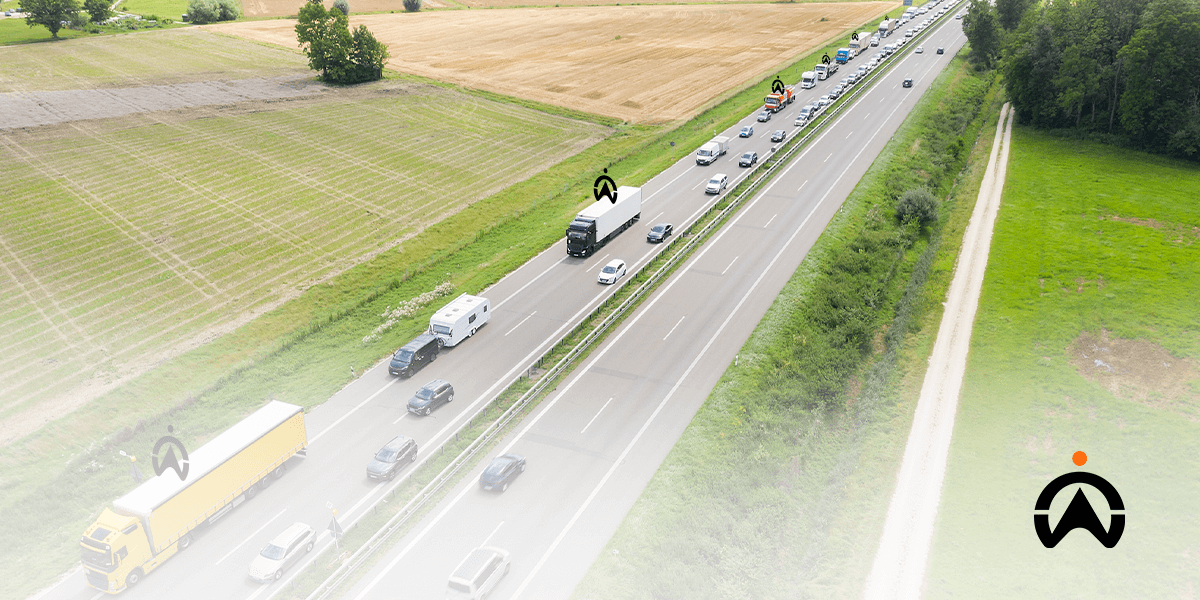
  4. Fuel management: Most fleet management systems can monitor fuel usage through fuel sensors, detect anomalies or inefficiencies, and provide data-driven recommendations to optimise fuel consumption and reduce fleet running costs.
  5. Driver safety and compliance: Be able to actively monitor driver behaviour, promote safe driving practices and ensure compliance with regulatory standards, enhancing overall safety and reducing the risk of accidents.\

When is the perfect time to automate your fleet?

After realising how the switch to automated practices can greatly benefit a business, many business owners choose to make the switch either when their fleet and business begin to grow or when managers can’t keep up with their fleet or daily tasks.The most common issues owners and managers face before implementing automated help include, but are not limited to:

  • Limited visibility into fleet operations
  • Notification overload
  • Trouble managing fleet costs
  • Supply chain disruptions
  • Failed route optimisation
  • Fleet non-compliance issues
  • Unsuccessful fleet maintenance management

Fleet innovation such as AI, machine learning, automation, and advanced analytics are solutions to all of the above-mentioned issues, as well as others that fleet managers might not be aware of. Fleet management software solutions and these technologies are the keys to improving the way you manage your fleet and run your business.

Essential_services_of_automated_fleet_management

Essential services of automated fleet management

In a world where everything is about speed and efficiency, manual fleet management simply won’t cut it anymore. By embracing the advanced technologies that have been mentioned throughout this blog like GPS tracking, telematics, etc., businesses can gain a comprehensive and real-time understanding of their fleet operations. Managing a fleet is changing fast, with automated solutions leading the way.

Let’s explore more of these solutions with practical examples of how they can be used to work for your needs.

Real-time tracking and monitoring:

Imagine having a bird’s-eye view of your entire fleet, tracking vehicle locations, routes, and potential delays, all in real-time. Automated fleet management systems make this a reality, empowering fleet managers to make proactive decisions and ensure timely deliveries.

For instance, during rush hour, fleet managers can identify congested, high-traffic zones that could cause potential delays and reroute vehicles accordingly, minimising disruptions and ensuring on-time deliveries, resulting in prolonged customer satisfaction.

Predictive maintenance:

Say goodbye to surprise vehicle breakdowns and costly repairs. Automated fleet management systems use telematics data to anticipate maintenance needs, schedule routine inspections and address potential issues before they escalate and become more costly.

By predicting when a vehicle is due for maintenance, businesses can avoid costly downtime and ensure their fleet is always in top-performing condition.

Driver behaviour analysis:

This technology promotes safer driving practices and fuel-efficient behaviour by assessing driver performance and identifying areas for improvement such as excessive idling, harsh braking, or speeding.

For example, if a driver is consistently exceeding the speed limit, the system can generate an alert and trigger targeted training interventions to promote safer driving habits. Reduced speeding incidents mean saving on speeding tickets and fuel, it’s a win-win.

Route optimisation:

Save time, reduce mileage, and optimise fuel consumption fleet Management. Managers can now promptly analyse historical data and current traffic conditions to recommend the most efficient routes for drivers.

If you operate in a delivery company, these systems can assist you in planning routes that avoid traffic congestion, ensuring more timely deliveries and reducing unnecessary fuel costs.

Fuel management:

Gain control over fuel consumption and detect potential fuel theft within your company such as these fuel fraud/theft types.

  • Syphoning: These are events of employees or someone else filling a company vehicle with fuel and then syphoning some of the fuel out into a separate container to use for personal use.
  • Fuel card misuse: When employees use their company fuel card for personal use, such as filling up their car or giving their card to friends or family to use.
  • Canister filling: This is when a driver uses their company fuel card to fill up a canister of fuel for personal use.
  • Fuel card cloning: This is when a criminal creates a fake copy of a company fuel card and uses it to make unauthorised fuel purchases.
  • Multiple transactions: This is when a teller swipes a fuel card multiple times, thinking that the initial transaction failed. This can result in duplicate charges to the company account.

These systems integrate fuel monitoring sensors, providing real-time insights into fuel usage patterns and identifying consumption irregularities.

For instance, if a vehicle is consistently showing abnormally high fuel consumption, the system can flag it for investigation, potentially uncovering unauthorised fuel usage and saving you thousands in fuel costs.

Compliance management:

Stay compliant with regulatory requirements and avoid penalties or fines for your fleet. Maintain accurate records, generate compliance reports, and ensure that vehicles meet safety and environmental standards.

Leave tedious paperwork and embrace the ease of automated emissions compliance reporting. Effortlessly generate reports that demonstrate your compliance with environmental standards, freeing up your time for more pressing tasks.

Automated fleet management systems are not just technological advancements; they are game-changers in the world of fleet management.

Benefits of an automated fleet management system

When it comes to innovations that assist in fleet management, ‘efficiency’ and ‘optimisation’ are not just buzzwords; they are essential for success. In fleet management, the shift towards automated solutions comes with a wide range of benefits that make the transition very appealing for businesses.

  • Streamlined administrative tasks: By automating operations, it simplifies tasks, reducing manual data input and paperwork. This not only cuts down administrative costs but also allows fleet managers to dedicate more time to critical responsibilities.
  • Cost savings: Through predictive maintenance, optimised routing, and reduced fuel consumption, automated systems can significantly contribute to cost savings, minimising both fuel expenses and vehicle downtime.
  • Enhanced safety measures: With automated fleet management, managers can track driver behaviour, stay on schedule with vehicle maintenance and identify potential hazards to improve safety protocols and reduce the possibility of accidents and associated costs.
  • Improved customer satisfaction: By providing real-time tracking updates and ensuring timely deliveries, automated fleet management contributes to enhanced customer satisfaction by communicating realistic ETAs and managing their expectations

Benefits_of_automated_fleet_management_systems

Challenges and solutions in implementing modern fleet management software

Fleet management can bring the numerous benefits mentioned above to businesses, but sometimes, businesses experience difficulties in implementing technology to their daily tasks, these difficulties turn into challenges employees must face before fully accepting the available fleet innovations we often use to run a fleet.

Addressing potential resistance to change can be effectively managed through careful planning, robust training programs, and fostering a culture of adaptability within your organisation.

Here are practical steps that businesses can take to address the challenges of implementing automated fleet management:

  1. Embracing technological transformation:The introduction of AFMS brings about a paradigm shift in fleet management practices. To ensure successful onboarding, businesses must equip their employees with the necessary knowledge and skills to navigate the new system. This requires a comprehensive training program that goes beyond basic user guides.

    Hands-on workshops, interactive tutorials, and personalised support are essential to bridge the gap between theoretical knowledge and practical application.

  2. Addressing resistance to change:Transitioning to a new system can understandably raise concerns among employees and customers. Addressing these concerns proactively and fostering open communication are crucial steps in mitigating potential resistance. Encourage employees to voice their apprehensions and actively involve them in the decision-making process. Organise team meetings and discussions to gather feedback on the benefits and potential drawbacks of a new system.
  3. Safeguarding sensitive data:AFMS handles a wealth of sensitive data, including vehicle locations, driver behaviour, and fuel consumption. Protecting this data from unauthorised access, breaches, and cyberattacks is paramount. Businesses must implement stringent data security protocols, including regular data encryption, robust access control measures, and continuous security audits.

    Investing in advanced cybersecurity software and establishing clear data governance policies can further strengthen data protection efforts and soothe customers’ worries about the protection of their data when implementing new technology.

  4. Selecting the right technology partner:The choice of AFMS provider is critical to the success of the implementation. Businesses should carefully evaluate credible partners such as Cartrack, and consider these aspects:

    – Scalability: Ensure the AFMS can grow with your business, accommodating future expansion and evolving needs.

    – Integration capabilities: Verify that the system integrates seamlessly with your existing infrastructure and software applications.

    – User-friendliness: The AFMS should be intuitive and easy to use, minimising the learning curve for employees.

    – On-going support: Choose a provider that offers comprehensive support services, including training, troubleshooting, and ongoing updates.

Future trends in fleet management technology

The future of fleet management is brimming with exciting advancements that promise to revolutionise the way businesses manage their vehicles and operations. Key trends include AI-powered predictive analytics, leveraging IoT sensors for real-time data insights, the integration of autonomous vehicles and advanced driver assistance systems (ADAS), the growth of electric vehicles (EVs) and the adoption of mobility-as-a-service (MaaS)

  1. Predictive analytics: Anticipating problems before they ariseArtificial intelligence (AI) is playing a pivotal role in fleet management, particularly in the realm of predictive analytics. By analysing vast amounts of data on vehicle performance, driver behaviour, and traffic patterns, AI algorithms can identify potential issues before they escalate into costly breakdowns or accidents. This proactive approach allows fleet managers to schedule timely maintenance, improve fuel efficiency, and minimise downtime delays.
  2. Harnessing the power of IoT and sensorsThe use of Internet of Things (IoT) sensors embedded in vehicles and infrastructure is generating a treasure trove of real-time data. Fleet managers can leverage this data stream to make informed business decisions about vehicle deployment, maintenance schedules, and driver training. Insights derived from IoT data can optimise route planning, reduce fuel consumption, and enhance overall fleet efficiency.
  3. Autonomous vehicles: Transforming fleet operationsThe advent of autonomous vehicles and advanced driver assistance systems (ADAS) is poised to transform fleet operations. Self-driving vehicles will automate repetitive tasks, freeing drivers to focus on more complex aspects of their jobs. ADAS features, such as lane departure warning and automatic emergency braking, will further enhance safety and reduce the risk of human error.
  4. Electric vehicle integration: Adapting to the EV revolutionThe growing adoption of electric vehicles (EVs) is driving the development of specialised fleet management solutions tailored to their unique requirements. These solutions will optimise battery management, identify optimal charging station locations, and ensure seamless integration with existing fleet operations.
  5. Mobility-as-a-Service: Embracing shared fleet solutionsThe concept of mobility-as-a-service (MaaS) offers businesses the flexibility to access shared fleets of vehicles on demand. This model eliminates the need for individual ownership and maintenance, reducing costs and providing a more adaptable transportation solution.

    These are not the total innovations being created or already in use in more modern businesses but they are the most popular trends that have had the most impact in businesses.

Comparison of different automated fleet management software and providers

There are many different automated fleet management software and providers available, each with its unique features and benefits. Cartrack Zimbabwe is a leading provider of fleet management solutions and one of the most trusted companies in this field according to Hello Peter.

4 Reasons why Cartrack Zimbabwe is a no-brainer for your fleet?

Its software is known for its reliability and performance. Cartrack’s software is more reliable and feature-rich than its competitors’ software, and it is seamless to integrate its easy-to-use system into your fleet.

Interested? Here are some of the advanced features and services we provide to our customers.

  1. Unparalleled visibility and control with our MiFleet cost monitoring systemMiFleet is the perfect web-based tool that shows managers the exact running costs of their fleet. This data includes items such as speeding tickets, toll fees, licence renewal dates, maintenance, and fuel costs.

    – MiFleet automatically reviews all your fleet transactions and organises them for you for easy access.

    – When it comes to fuel, match your fuel receipts with your vehicle’s telemetry data and highlight areas of possible fuel theft, such as syphoning, fuel card misuse and more.

    – With the insights it gathers, it reminds you of all fleet costs due so you never miss a payment.

  2. Enhanced safety and driver coaching with AI camerasCartrack’s AI-powered cameras provide an extra layer of safety for your fleet and its drivers. These cameras detect risky driving behaviours, such as distracted driving, smoking, and fatigue, and provide real-time alerts to help prevent accidents.

    – Distracted or fatigued driving detection: The cameras monitor the driver’s head and eye movements to identify signs of distraction, such as when their attention drifts from the road. This eye movement detection triggers an instant real-time audible alert, warning the driver to refocus on the road and avoid potential hazards.

    – Mobile phone use detection: Cartrack’s AI cameras can also detect signs of phone use while driving, such as holding the phone or manipulating it near the ear. Upon detecting such behaviour, the cameras emit an audible alert, prompting the driver to put away their phone and eliminate this dangerous distraction.

    – Smoking detection: Cartrack’s AI cameras can detect when drivers are smoking in the vehicle, emitting an audible alert to remind them to keep both hands on the wheel and focus on the road ahead. This feature helps to eliminate distractions and promotes a smoke-free environment within company vehicles.

  3. Streamlined operations and cost savingsCartrack’s comprehensive fleet management solutions help you streamline operations, eliminate unnecessary costs, and boost profitability.

    – Geofencing and alerts: Set up geofences to receive alerts when vehicles enter or exit specific areas, ensuring that drivers adhere to company policies and routes.

    – Compliance management: Cartrack Zimbabwe helps you comply with various regulations, such as driver licensing and vehicle safety inspections.

    – Automated reporting and analytics: Access detailed reports and insights into your fleet’s performance, helping you identify areas for improvement and make data-driven decisions.

  4. Scalability and adaptabilityCartrack’s solutions scale seamlessly to meet the evolving needs of your fleet, whether you have a few vehicles or a large fleet.

    – Flexible Cartrack packages: Choose from a range of packages that offer advanced features, especially for your fleet and those that will match your budget.

    – Customisable solutions: Tailor Cartrack’s features and functionalities to align with your unique business needs and industry-specific challenges.

    – Global expertise: Leverage Cartrack’s extensive experience and expertise in fleet management across diverse industries and regions.

Empowering your fleet for the future

Cartrack Zimbabwe is committed to empowering businesses to thrive in the ever-evolving landscape. With continuous innovation and a focus on customer success, Cartrack Zimbabwe is the ideal partner for your fleet’s transition into automation and beyond.

Trust in Cartrack Zimbabwe to lead your business to improved fleet operations, enhance safety, and boost your business to achieve new levels of success.

How To Drive Customer Service Excellence with the Right Fleet Management System

Customer service excellence is a crucial part of the success of any business, playing a role in its profitability, reputation, and ability to maintain customer loyalty.

Interested in knowing how your fleet can prioritise and maximise its customer service excellence? Then you’re in the right place.

In this article, you will:

  • Know exactly what customer service excellence is
  • Learn what impact customer service excellence has on the success of your business
  • Find out how a fleet management system impacts customer service excellence
  • Discover how Cartrack’s solutions help you boost your customer service excellence

What is Customer Service?

Customer service is the direct, one-on-one interaction between a customer, a company, and their product/service.

We’ve all experienced good and bad customer service. Good experiences usually leave us feeling satisfied, while bad service can leave a lasting impression, for all the wrong reasons.

This is why customer service plays such a crucial role in the success of a business. It focuses on providing support, assistance, and satisfaction to customers by meeting their expectations.
Businesses that do this well usually experience long-term success.

What_is_Customer_Service

Why Is It So Important For Your Fleet’s Success?

  1. It Promotes Customer Retention and Loyalty:Retention is cheaper than acquisition. This applies to your business and its customers too. Customer retention is a business’s ability to keep its existing customers happy and loyal to the business. It plays a crucial role in the success and sustainability of a business, as poor customer service is one of the main reasons why customers leave a company. Studies show that all it takes is one negative interaction or mistake for your customer to jump ship.

    According to a Northbridge Group study, 72% of consumers reported that they would switch to a competing brand after one poor customer experience. This also applies to your loyal customers, with the number increasing. In 2022, Emplifi, a leading customer service platform, released a report titled “11 Key Things Consumers Expect From Their Brand Experiences Today”. This report indicated that 86% of consumers would leave a brand they trusted after only two poor customer experiences.

  2. It Promotes Customer Advocacy:Customers talk. In a world where word-of-mouth is the most effective and least expensive marketing tool, their talk can either help you gain or lose potential customers. Customer advocacy is when your customers spread positive word-of-mouth about your product, service, or business.

    Loyal customers provide a stable base, while their positive reviews and referrals contribute to new customer acquisition. If you are offering your customers poor service, they will most likely share it with others. While negative reviews are an unavoidable reality, you shouldn’t be giving people more of a reason to write them due to poor service delivery. According to research, 94% of consumers report that a bad review has convinced them to avoid a business.

  3. It Increases Profits:Customer service excellence boosts profits in multiple ways. Studies show that most customers will prioritise service delivery quality over affordability. A study of over 1,000 U.S. customers found that 58% of consumers are willing to pay more for a product or service if they know that they’ll receive excellent customer service. By promoting customer loyalty and advocacy, profits increase over time. Repeat customers contribute to steady revenue, which reduces the need for customer acquisition efforts that can be quite costly.

Achieving Customer Service Excellence In The Digital Age

In the digital age, customer service excellence has taken on a new level of importance. With the rise of technology, customers have come to expect faster, more efficient, and personalised service across multiple channels.

For a business to succeed and remain sustainable, it needs to adapt to these changes. While this may sound like a lot of work, decent fleet management software and its ability to help streamline your processes can make your quest for customer service excellence a lot easier to attain.

Achieving_Customer_Service_Excellence_In_The_Digital_Age

What Is Fleet Management?

Fleet management refers to the comprehensive process of optimising the lifecycle of a fleet of vehicles. It encompasses all the actions needed to run a fleet operation efficiently in a way that saves you money and guarantees profits. With a range of tasks that are designed to aid efficiency, safety, and fleet productivity, fleet management is an essential part of any successful fleet.

The Key Components of a Good Fleet Management System

  1. Vehicle tracking: GPS tracking technology is an important part of a successful fleet management system. It allows fleet managers to get full visibility into the location and movement of their vehicles, giving them the ability to monitor routes, optimise dispatching, and improve overall efficiency.
  2. Asset management: This involves tracking and managing your physical assets, including vehicles and equipment. This helps you stay informed of which assets are adding value to the business and identify which ones need upgrading or replacement.
  3. Driver Management: This component provides fleet managers with tools to monitor and manage driver behaviour, performance, and compliance. This enables you to improve driver safety, performance, and scheduling.
  4. Cost management: This component provides tools for tracking and managing costs associated with your fleet. This includes fuel consumption monitoring, maintenance and repair tracking, and expense management.

How Does Fleet Management Boost Customer Service?

  1. Improving and Enhancing Visibility: Integrated fleet management software offers increased driver visibility during their trips, giving you access to real-time vehicle tracking. This enables you to offer customers accurate updates on their deliveries or services, promoting better communication and trust. This helps you keep customers well-informed, reducing frustration and enhancing their overall experience.
  2. Improved Planning and Scheduling: Enhanced planning and scheduling through real-time tracking empowers precise monitoring of drivers’ locations and job durations. This enables effective dispatching, reduced service windows, and accurate Estimated Time of Arrivals (ETAs). Accurate planning prevents overcommitment, which builds trust and minimises customer frustration. It also helps optimise vehicle usage, expanding the capacity to efficiently serve more customers.
  3. Improved Route Planning: Efficient route planning is the key to faster deliveries. It significantly reduces travel time and ensures prompt arrivals, helping you meet customer expectations more easily. Similar to planning and scheduling, route planning can help you establish and provide accurate ETAs, adding convenience and value to customers’ lives. It plays a crucial role in minimising delays by equipping drivers with information to avoid traffic congestion and road closures, resulting in a more seamless daily operation of your fleet.
  4. Effective Communication: Effective communication, especially through real-time channels, significantly enhances customer satisfaction by ensuring that all issues are promptly addressed and resolved. Furthermore, real-time communication empowers your drivers to effectively liaise with you regarding any on-road delays or vehicle-related issues, empowering them to proactively manage situations. This eliminates potential inconveniences for clients and improves the professional image of the business.
  5. Increased Efficiency: Implementing a fleet management solution equips your team with valuable data-driven insights as it pinpoints areas that can be improved. These insights play a crucial role in monitoring and enhancing driver behaviour, consequently reducing accident risks and enhancing overall safety. Additionally, it helps your drivers operate vehicles more efficiently and securely, directly contributing to improved customer service excellence. Enhanced driver behaviour promotes more prompt deliveries as drivers are more focused on the road and the task at hand. Safer driving also reassures customers that their goods will be handled with care, preventing potential damage during transit and avoiding customer dissatisfaction.

How Cartrack’s Solutions Help Achieve Customer Service Excellence

Here are 4 Cartrack Zimbabwe solutions that can help your business improve its customer service excellence:

  1. Cartrack DeliveryOur Delivery app gives you full visibility of your delivery operations. With this system, you can notify customers when their delivery is on route, and completed, promoting customer convenience and communication. You can also allocate jobs to your drivers and optimise them based on the quickest route or by job priority for faster deliveries. Additionally, the app can help you prepare driver schedules in advance and dispatch your nearest available drivers. This ensures disruptions are limited, and all delays or schedule changes can be effectively communicated with customers, boosting customer satisfaction.
  2. Temperature MonitoringIf you provide goods that are temperature-sensitive, such as foods, beverages, or pharmaceutical products, our GPS and IoT tracking can help you monitor the location and temperature conditions of your refrigerated trailers. By offering you real-time alerts in the event of any temperature fluctuations, you can check in with drivers to either resolve the issue or dispatch a replacement trailer. This helps you consistently deliver goods that are fresh and compliant, positively impacting your customer service.
  3. Automated Maintenance PlansOur fleet management software helps you unlock perfectly timed vehicle maintenance by automating maintenance schedules for each vehicle. Our software ensures that you receive real-time alerts of vehicle faults, including worn brake pads, engine faults, and oil and water fluctuations, allowing fleet managers to address issues quickly and efficiently. This ensures that downtime is minimised, boosting overall efficiency and improving customer service.
  4. Live Vision AI CamerasOur Live Vision AI camera technology gives you 24-hour visual access to your vehicles. Equipped with in-cabin audible alerts, this live-streaming technology immediately notifies your drivers of any distracted or dangerous driving, including smoking, distracted or fatigued driving, mobile phone use, and yawning. This allows your drivers to correct their actions in real time, preventing avoidable delays and reducing the risk of incidents that could disrupt deliveries and result in customer dissatisfaction.

Make Customer Service Excellence Your Business Standard with Cartrack Zimbabwe

Whether you’re providing a service or delivering goods, give your fleet an efficient fleet management system to ensure customer satisfaction.

Let Cartrack’s industry-leading solutions keep your customers beaming. Contact Cartrack Zimbabwe to learn how to achieve improved customer service excellence and take your business to the next level.