
What Are a Fleet Manager’s Duties – How to Master Your Responsibilities

Those who really know it will tell you, that fleet management isn’t child’s play.

Fleet managers are crucial to a successful fleet, playing a vital role in its running, safety and profitability. If you’re trying to do this all by yourself, it could be quite the challenge. But with a fleet management system, your stormy day-to-day can turn into a smooth-sailing current.

Sound like music to fleet management ears? Well, let’s get you informed and equipped.

In this article, you will:

  • Learn what a fleet manager is
  • Find out what a fleet manager’s responsibilities are
  • Delve into what makes an effective fleet manager
  • Explore the benefits of investing in your fleet
  • Discover what key challenges fleet managers face
  • Gain insights into how Cartrack’s solutions will improve your fleet management

What is a fleet manager?

Each fleet has its own unique set of tasks and challenges, which is where fleet managers come in. A fleet manager is an individual who is responsible for managing a company’s fleet, along with all its aspects. Their main purpose is to ensure that the fleet remains safe, reliable, and efficient, and this is done through a range of responsibilities.

What are a fleet manager’s responsibilities?

Fleet managers are responsible for the overall running of the fleet. This may not sound like much but when you dive deeper into those responsibilities, you start to see, that it’s quite a handful of tasks:

1. Vehicle Acquisition:

Vehicle acquisition is a crucial responsibility of a fleet manager. It involves the process of obtaining, managing and maintaining a fleet of vehicles. This responsibility includes multiple stages, including vehicle selection, procurement, and the overseeing of vehicles that are essential for the company’s operations. Fleet managers must create a clear, well-thought-out acquisition plan to ensure the fleet saves time, money, and possible frustration. This crucial process also involves considering factors such as financing options and total cost of ownership.

The benefits of fleet vehicle acquisition include:

  • Cost savings
  • Environmental sustainability
  • Improved brand reputation
  • Enhanced productivity

2. Supervising fuel consumption and expenses:

Fuel is one of the most essential expenses in fleet management, with most fleets spending around 24% of their budget on fuel. Fleet managers need to effectively manage and identify effective ways to reduce fuel expenses. They should always be monitoring fuel consumption and looking for ways to decrease fuel expenses. This means they need to keep a close eye on each of their vehicle’s fuel consumption.

The benefits of supervising fuel consumption and expenses include:

  • Lowered fuel consumption
  • Improved fleet efficiency
  • Increased profitability

3. Managing fleet maintenance schedules:

The managing of fleet management schedules involves developing a maintenance plan that outlines when each vehicle requires maintenance. This is based on multiple factors, including vehicle age, mileage and usage patterns. This means that fleet managers need to closely and frequently evaluate fleet vehicles to determine their individual maintenance needs, identify the maintenance tasks that each vehicle requires, and develop a maintenance schedule that clearly outlines when each of these maintenance activities needs to take place.

The benefits of managing fleet maintenance schedules include:

  • Fleet and vehicle longevity
  • Improved vehicle safety
  • Improved driver retention
  • Minimised downtime
  • Reduced operating expenses
  • Increased productivity

4. Tracking the fleet:

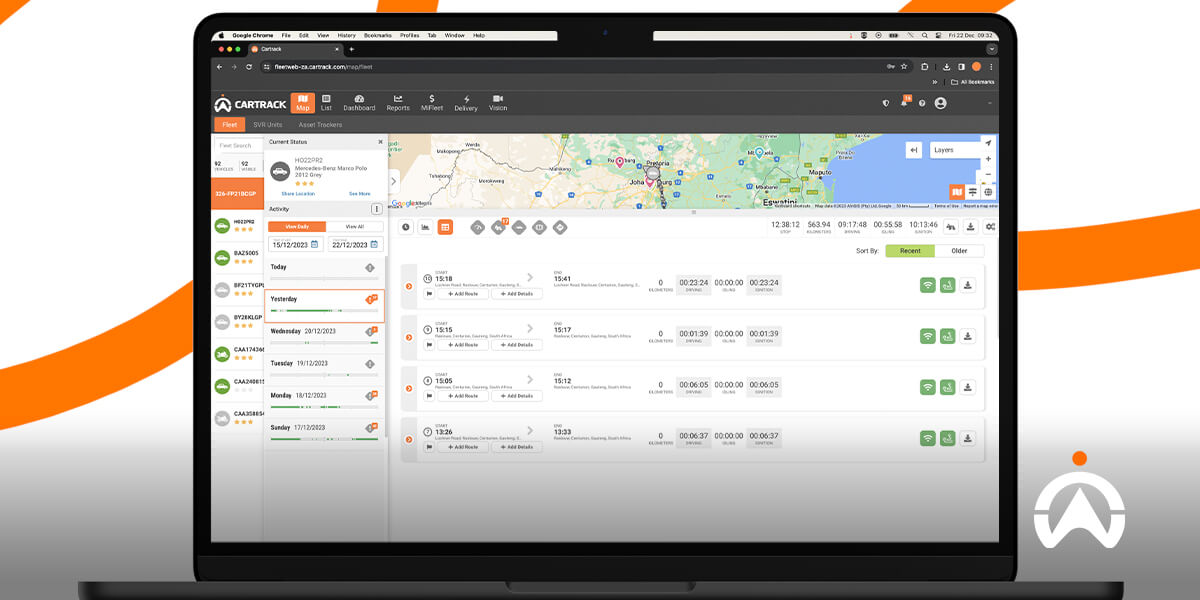
Tracking an entire fleet of vehicles is no easy feat. Vehicle tracking, which is crucial for fleet visibility, makes use of advanced technologies such as telematics and GPS to provide real-time monitoring and data-gathering about a vehicle’s location and performance.

The benefits of tracking your fleet include:

  • Full and accurate fleet visibility
  • Improved route planning
  • Improved vehicle utilisation
  • Improved driver safety
  • Boost operational efficiency

The benefits of tracking your fleet include:

  • Full and accurate fleet visibility
  • Improved route planning
  • Improved vehicle utilisation
  • Improved driver safety
  • Boost operational efficiency

5. Benchmarking fleet performance:

Fleet managers must regularly compare their fleet’s performance with industry benchmarks to help identify areas for improvement, ranging from fuel efficiency, maintenance costs and safety records, to driver productivity and uptime.

The benefits of benchmarking your fleet’s performance include:

  • Identifying areas for improvement
  • Improved goal setting
  • Simplifying progress tracking
  • Staying competitive

6. Networking with other fleet managers:

Fleet managers must be able to share best practices, learn from others’ experiences, and stay up-to-date on industry trends by networking with other fleet professionals. This can be done through industry associations, online forums, trade shows, and networking events.

The benefits of networking with other fleet managers:

  • Learn from others’ successes and failures
  • Stay up-to-date on industry trends
  • Find new solutions to existing problems
  • Build relationships with potential partners

7. Partnering with industry experts:

As a fleet manager, partnering with consultants and technology providers who can offer specialised expertise and support can be very helpful for implementing new technologies, improving efficiency, reducing costs, and complying with road and safety regulations.

The benefits of partnering with industry experts:

  • Gaining access to specialised forms
  • Reduced fleet cost
  • Improved fleet efficiency

What_are_a_fleet_manager’s_responsibilities

What makes a highly effective fleet manager?

Now that we’ve covered the responsibilities, what truly sets a fleet manager apart from the crowd? The answer is their effectiveness, and this is achieved by doing the following:

1. They embrace technological advancements:

As a fleet manager, it is important to understand that the purpose of technological advancements is to simplify and streamline your processes. Embracing technological advancements enhances the effectiveness of fleet managers. It provides them with the tools and capabilities to reduce costs and adapt to evolving industry trends. By leveraging advanced technology such as telematics, GPS technology, and fleet management software, fleet managers can gain real-time insights into the functioning of their fleet, grab a competitive edge, improve overall fleet performance, and drive business success.

2. They focus on fleet safety:

Prioritising safety ensures the well-being of your drivers, passengers, and other road users, fostering a culture of safety and responsibility within the organisation. This can be done by implementing a comprehensive fleet safety program, which encompasses various elements, including vehicle maintenance, fleet monitoring systems, and driver training programs designed to enhance the safety and efficiency of your drivers. When these measures are integrated with technology, fleet managers can obtain data-driven insights, helping them integrate safety into every facet of their fleet operations. By placing a strong emphasis on fleet safety, fleet managers can minimise accidents and protect drivers. According to the National Safety Council, drivers who have undergone training can reduce crashes by a staggering 50%.

3. They simplify vehicle maintenance

Simplifying vehicle maintenance is a hallmark of effective fleet management, as it leads to improved operational efficiency, cost savings, and enhanced safety. This process encompasses a range of crucial aspects that help fleet managers ensure that their fleet operates as smoothly as possible. By leveraging technological solutions such as cloud-based fleet management software, fleet managers can streamline the entire vehicle maintenance process, making it more efficient. This subsequently boosts a fleet’s fuel economy, reduces downtime, and extends vehicle lifespan. This means fleet managers can now focus on strategic planning and vehicle optimisation instead of dealing with constant vehicle issues.

4. They work to improve and simplify communication

We’ve all heard that “communication is key”, and this statement applies to fleet industries too. Clear communication not only ensures that team members understand their roles, responsibilities, and objectives, but it also helps in addressing issues promptly, whether it’s scheduling maintenance, or dispatching a second vehicle to ensure deliveries aren’t delayed. By maintaining convenient open lines of communication, fleet managers can quickly address challenges, provide support, and gather valuable feedback to make informed decisions and drive continuous improvement. Not only that, but effective communication within a fleet ensures that the fleet can easily adapt to new technologies. The byproduct of effective communication is streamlined operations, reduced costs, and fleet sustainability.

5. They are focused on data and insights

Focusing on data and insights empowers fleet managers to make informed decisions regarding vehicle usage, maintenance, and optimisation, enhance operational efficiency, and prioritise safety. By analysing data on various fleet metrics, including fuel consumption, mileage, and driver behaviours, fleet managers can quickly identify inefficiencies and implement strategies to improve overall fleet performance. Insights derived from this data enable proactive decision-making, such as implementing predictive maintenance strategies which can help reduce unplanned downtime and prevent costly breakdowns.

What are the benefits of investing in your fleet?

These responsibilities may seem like a lot for a fleet manager to have on their plate but when taken seriously, they can have a massive and direct impact on your fleet’s success, here are some rewards you can reap:

1. Reduced fleet costs

Reduce fuel consumption and maintenance expenses by investing in technologies that optimise vehicle utilisation (such as telematics and route optimisation software) and lower overall fleet costs. By coaching and training drivers on safe driving techniques, you can reduce the risk of car accidents. This also means you can eliminate fuel-wasting driving behaviour, lowering the amount of money your fleet has to spend on fuel. It has been found that drivers who are trained in fuel-efficient driving techniques can save their company up to 20% on fuel costs.

2. Increased productivity

Increase fleet productivity by investing in technologies that help reduce idle time, improve dispatching, optimise routes, and improve dispatching. This enhanced productivity leads to improved response times, better customer service, and an increase in profits. By leveraging data from this tech, informed decision-making is enabled, positively impacting fleet productivity.

3. Reduced turnover

Investing in your fleet through the implementation of fleet management solutions can significantly reduce drivers’ stress levels and improve job satisfaction. When employees see that their managers are investing in their safety, productivity, and mental well-being, loyalty to the company is fostered, resulting in driver retention.

Cartrack Zimbabwe: The ideal no-brainer investment for your fleet

Cartrack Zimbabwe brings you a wide range of solutions that are designed to simplify fleet management. Let’s explore these solutions, and how they can help make you a better fleet manager:

1. Cost management system (MiFleet)

No more guessing games when it comes to fleet costs. Know exactly how much money your fleet needs to run with Cartrack’s MiFleet software. This vehicle cost management software helps fleet managers keep track of all fleet expenses, including finance, fuel costs, and taxes. This means you can eliminate manual admin, spot cost leakages and stop human error.

2. Fuel monitoring:

Accurately track exactly how much fuel your fleet vehicles are consuming with Cartrack’s fuel monitoring system. By making use of a fuel sensor that is installed in your vehicle’s tank, you can keep a close eye on your vehicle’s fuel consumption. However, our fuel monitoring system goes beyond real-time visibility into fuel usage, it also matches fuel transactions, which is crucial in helping you spot potential fuel theft.

3. AI cameras:

Always keep a close eye on driver behaviour with Cartrack’s Live Vision AI cameras. We offer you cloud-connected video management software that gives you access to real-time driver behaviour alerts by making use of in-cabin cameras and AI analysis. This next-level technology can identify dangerous driving behaviours such as cell phone use, yawning, speeding, and smoking. When these behaviours are detected, in-cabin audible alerts immediately notify your drivers, allowing them to correct their behaviour in real time.

4. GPS Tracking:

Know exactly where your entire fleet is at all times with Cartrack’s live GPS tracking. By giving you real-time location updates, our solution gives you total fleet control, letting you know exactly when, where, and how your vehicles were used. It also provides you with key performance metrics such as total idle time and the distance travelled, giving you full insight into your fleet’s trips. This helps you improve fleet efficiency, promote driver safety, and optimise vehicle performance.

5. Preventative vehicle maintenance:

Say goodbye to unplanned downtime and costly breakdowns with Cartrack’s preventative vehicle maintenance. Our preventative maintenance software makes use of a combination of artificial intelligence and advanced analytics to spot potential vehicle maintenance issues before they become costly and dangerous. By analysing vehicle performance, our software can send you alerts about maintenance-related issues, such as low water and oil levels, engine faults, and worn-out brake pads. This helps you avoid costly future repairs, keep your vehicles healthy for longer, and save money.

6. Delivery app

Improve your fleet’s delivery task efficiency with Cartrack Delivery. This feature-rich solution is designed to optimise and streamline delivery operations for both managers and drivers. This app gives you access to a wide range of fleet benefits, including delivery route optimisation, real-time view of all deliveries, and eliminating excess paperwork. This leads to faster task and delivery completion, improved productivity, and happier customers.

Space for fleet manager tips
The_ideal_no_brainer_investment_for_your_fleet

Top 8 tips to help you be the best fleet manager

Here are our top 8 tips you can implement to elevate your fleet management:

  1. Use a telematics system: Streamline the monitoring of your vehicle’s location, performance, and driver behaviour in real-time, and provide real-time alerts for vehicle diagnostics.
  2. Prioritise driver safety: Promote fleet safety by tracking driver behaviour such as speeding, harsh braking, and distracted driving, and use this data to provide comprehensive driver training.
  3. Optimise your routes: Keep your routes as short and deviation-free as possible, which minimises fuel consumption and ensures on-time deliveries. Use a system that considers factors such as real-time traffic and weather conditions.
  4. Keep your vehicles well-maintained: Implement an effective maintenance plan that helps you pre-empt repairs and gives you real-time alerts of any vehicle faults.
  5. Leverage data analytics: Make use of data analytics on fuel consumption, maintenance costs, and driver performance to identify fleet trends, optimise your operations, and most importantly, make data-driven decisions.
  6. Keep team morale and stability high: Retaining a stable team is important for effective fleet management, as it improves job satisfaction, overall productivity and efficiency. Putting your driver’s safety and well-being first will improve your fleet’s driver retention.
  7. Think of your entire business when making decisions: The decisions you make can impact your drivers, customers, and those outside your business. For example, choosing to keep your vehicles maintained, safe and roadworthy can protect your drivers, other motorists and your business’s brand image.
  8. Always communicate with your team: Good communication puts all team members on the same page. Keeping your team in the loop with new schedules, route updates and job changes, all in real time, can help you drastically improve productivity and avoid delays.

Who better to help you implement these tips than Cartrack Zimbabwe?

Master your fleet management duties and responsibilities with Cartrack’s solutions

While being a fleet manager is no child’s play, it doesn’t have to be a struggle. As seen above, our solutions are just the trick you need up your sleeve to turn your fleet management expectations into expertise.

Contact Cartrack Zimbabwe today to get a free quote.
Social Engineering Scams in Car Theft Tactics: How to Prevent It

Imagine a thief stealing your car without ever breaking a window or picking a lock.

While technology has done its part by providing security measures to safeguard your vehicle against theft, criminals have found an alternative way to get their hands on your vehicle without triggering any alarms — social engineering.

In this blog, we’ll unpack what to do and what to avoid when faced with social engineering tricks, and the solutions you can implement to keep your vehicles secure.

Let’s begin.

In this article, you will:

  • Gain insights into the psychology behind social engineering tactics
  • Learn practical tips to recognise and resist common scams
  • Get real-life social engineering scenarios and tactics used by criminalsr
  • Discover practical solutions and security measures to protect your vehicles
  • Understand Cartrack’s features to help you combat social engineering tactics

Social engineering attacks: A car theft tactic

Nicknamed a sophisticated form of psychological manipulation, social engineering often uses trust, emotions, bias, and other human vulnerabilities to gain access to sensitive information, systems, and resources or to influence someone to perform actions like granting them unauthorised access to a secure location.

In the case of car theft, criminals use social engineering to gain access to vehicles and the valuable contents inside.

The consequences of social engineering in car theft extend beyond stolen vehicles and valuables. Personal information acquired through these tactics can also be used for further identity theft, financial fraud, and so on.

Unlike traditional thieves who use brute force to get a car, thieves who use social engineering don’t rely on lockpicks, weapons or crowbars. Instead, they pose as trustworthy civilians to exploit inherent human traits and deceive their victims.What makes drivers so susceptible to these tactics?

  • An inner desire to help others: Our inherent willingness to assist people in need can be manipulated to gain trust and extract information.
  • A fear of authority: Sometimes thieves will pose as law enforcement and stop your vehicle. The perceived power dynamics with figures of authority can lead to compliance, even if the request seems suspicious, like “Get out of the car and leave the keys in”.
  • A sense of curiosity and urgency: Intriguing information or a sense of urgency can cloud judgment and lead to hasty decisions without proper scrutiny. This is where criminals would use distraction tactics to get your attention and lower your guard.

Examples of real-life scenarios:

The ‘lost’ scam: A thief pretends to be lost in a specific area, seeking help, be it looking for a family member or directions, to potentially lure the victim out of their vehicles.

The ‘vehicle breakdown’ scam: A thief poses as a motorist who needs help with their vehicle, like replacing a flat tyre, distracting the victim while an accomplice steals valuables from the car.

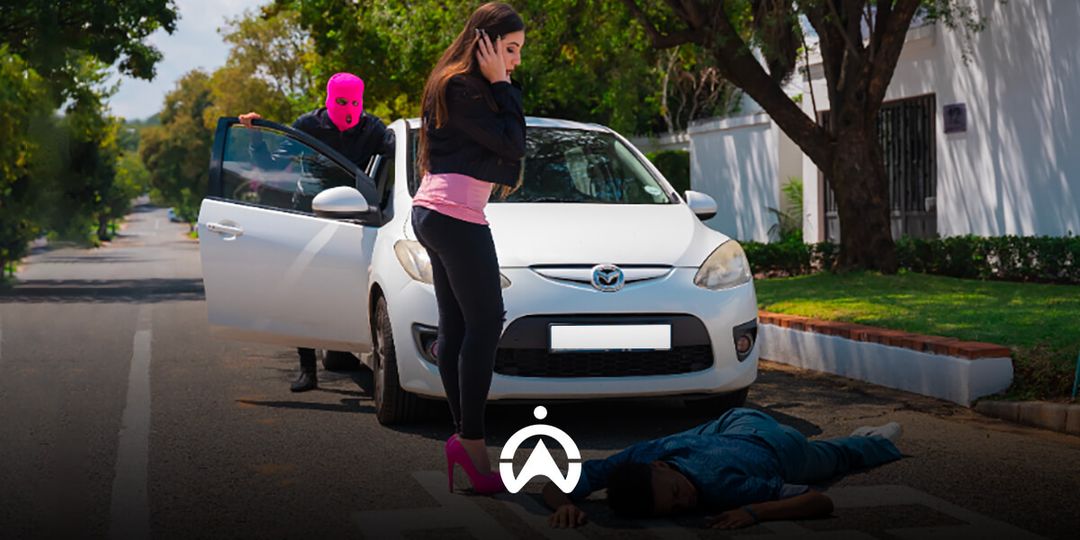
The “car damage” scam: A thief can create a minor incident by tapping the back of your car or approaching the victim under the pretence that there is something wrong with their car. While you step out to assess the damage, someone hops in and takes off with your vehicle.

How motorists can prevent social engineering attempts on their vehicles

From a ‘friendly’ stranger distracting you at a parking lot while another steals your car keys to a person ‘stuck’ on the side of the road asking for help: criminals are advancing their car-stealing tactics by manipulating and exploiting the genuine curiosity and kindness of motorists.

Remember, vigilance is key. While social engineering tactics can be tricky to identify, there are ways to lower your risk of becoming a victim:

  • Be cautious of unexpected requests: Always double-check the identity and assess the legitimacy of anyone asking for help or claiming authority.
  • Don’t give out personal details and belongings: Never give your car keys, PIN codes, or personal information to strangers, regardless of their story.
  • Stay informed: Learn about hijacking and car theft trends and share your tips and knowledge with others to help create greater awareness and safety.
  • Trust your instincts: If something seems fishy, it probably is. Don’t be afraid to say no or walk away from a situation that doesn’t feel right.
  • Park smart: Choose well-lit secure areas to park in, and try to park near security cameras whenever possible.
  • Report anything suspicious: Don’t hesitate to contact the authorities if you think someone is using social engineering tactics.
  • Secure your vehicle: Use physical locks like steering wheel locks and invest in security systems or vehicle tracking technology that allows you to track your vehicle if it’s ever stolen.

How_motorists_can_prevent_social_engineering_attempts_on_their_vehicles

Impact of social engineering scams on fleet vehicles

While the previous section highlighted how social engineering exploits individual vulnerabilities for vehicle theft, the stakes escalate dramatically when businesses and fleets become the target.

Social engineering relies on exploiting human vulnerabilities. In businesses, criminals can use this technique solely to gain unauthorised vehicle access without triggering any alarms.

This means that, even with the most robust security measures designed to protect their vehicles, fleet businesses are not 100% bulletproof against social engineering tactics.

Common social engineering tactics for vehicle theft in fleets

Fleet management companies face a vastly different, yet equally concerning, landscape of social engineering attacks. Just as individual drivers can be manipulated, so too can employees, with potentially devastating consequences for entire fleets and the business.

To effectively shield your organisations, it’s crucial to understand the popular methods used by criminals.

  1. ImpersonationBy posing as legitimate figures like law enforcement, mechanics, insurance agents, or even roadside assistance personnel, criminals can gain access to vehicles or personal information under false pretences.
  2. Phishing for informationDeceptive emails or text messages containing malicious links or requests for personal information can trick victims into providing vehicle access or revealing access codes or financial details. Or, if in person, they might engage in friendly conversation, asking seemingly harmless questions about your car, security systems, or daily routines. This information can be used to plan to steal a vehicle.
  3. Distraction and misdirectionDistractions can occur when drivers stop their vehicles at a petrol station to fill up or while taking a break. One person can distract them by taking away their attention from their vehicles while their accomplice attempts to steal the keys, access the vehicle, and drive off. Criminals can even use this method to plant tracking devices unnoticed, with you, unknowingly, leading them to the rest of the fleet for a bigger vehicle theft operation.

Challenges to business security caused by social engineering

On the surface, it might seem harmless — maybe you share some well-meaning information, bend the rules a little, or trust someone who seems genuine. But when it comes to social engineering, that seemingly harmless interaction can have dire consequences for fleet owners.

  1. Unauthorised vehicle access:Social engineering can lead to criminals getting unauthorised access to fleet vehicles. This can happen when criminals manipulate individuals within the organisation to gain keys, access codes, or other critical information necessary to steal or misuse vehicles.
  2. Cargo theft and loss:Deceptive tactics can manipulate workers to load the wrong cargo, change plans, or divert shipments, resulting in stolen goods and disrupted supply chains.
  3. Data breach:Criminals using social engineering can steal sensitive information about the fleet, its routes, schedules, or maintenance protocols, causing huge potential issues when it comes to keeping information secret and safe.
  4. Financial Impact:All these problems can cost fleet owners a lot of money. Stolen vehicles, operational disruptions, and potential legal issues can cause significant financial losses, affecting the overall profitability of the business.

Practical solutions to fight against social engineering for businesses

Social engineering poses a significant challenge for fleet management, as it’s sometimes difficult to prevent by just using conventional security measures alone.

Social engineering is a persistent threat, but with awareness, training, and the right tools, you can outsmart criminals.

  1. The human firewall:Train your workers on social engineering tactics and create an open environment for your drivers to report dodgy events or conversations that have happened. Regular refreshers promote constant vigilance.
  2. A culture of scepticism:Promote a culture where questioning suspicious requests, verifying information through established channels, and reporting concerns, even small ones, are encouraged, valued, and celebrated through incentives.
  3. Limit privileged access:Grant employees access and permissions fit for their specific roles. This makes it harder for them to provide access to confidential areas or share important information that could have potentially damaging consequences for the company if received by criminals.
  4. Use technological solutions:Get security software to stop phishing attempts, keep an eye on systems, and see if someone is trying to get in. Consider a trusted fleet management system to improve fleet visibility, and monitor all vehicle locations and status through one platform.

    Addressing these risks requires both technological solutions and employee training to create a stronger defence against social engineering threats.

How Cartrack’s solutions give you an added layer of protection in your fight against vehicle theft

While steering wheel locks and other conventional safety features can help, they can’t protect vehicles when criminals directly manipulate drivers to strip off the safety measures and trust them with your business’s vehicle.

While we can’t protect motorists against the feeling of violation, anger and worry that social engineering causes, Cartrack’s solutions can assist in giving your vehicle an added layer of protection and recovering your stolen vehicle.

  1. GPS tracking deviceOur units give you full visibility of your vehicle’s location in real time, allowing you to see exactly where your vehicles are 24/7. This with a dedicated air and ground recovery team, gives you extra protection and peace of mind should your drivers ever be victims of social engineering vehicle theft.
  2. Driver ID tagsAdd an extra layer of vehicle security by assigning driver ID tags to each of your drivers. If a vehicle is used without the tag, it can be flagged as potential vehicle theft, helping you to act swiftly. Our ID tags can also be used as ‘access cards’ for your facilities, which can let you know what drivers were on duty on the day an incident occurred.
  3. Driver ID tags and Start PreventCombining Start Prevent technology with driver ID tags can give you more vehicle protection. This now means a driver needs to use the ID tag to start a vehicle and the Start Prevent feature when activated, can prevent a driver from starting a vehicle without your authorisation. Together, these features can help create extra layers for thieves to bypass in your combat against vehicle engineering theft.
  4. GeofencingSet up virtual boundaries around authorised areas and receive alerts for unauthorised movement or attempts to leave designated zones. Managers can use Cartrack’s geofence feature with our GPS tracking technology to live-locate vehicles the moment they’ve exited an authorised zone, which can allow you to react quickly should you suspect foul play.

How_Cartrack’s_solutions_give_you_an_added_layer_of_protection_in_your_fight_against_vehicle_theft

Build your defence against vehicle theft with Cartrack Zimbabwe

Whether for personal or business use, Cartrack’s advanced safety solutions can help you protect your vehicles against social engineering threats.

Contact Cartrack Zimbabwe today to get a free quote.

Driver Efficiency: 5 Reasons Your Vehicles Need this Vehicle Management System Now

How effective are your fleet drivers?

A simple question that not many businesses can accurately answer. It is crucial to know this, as driver efficiency can hinder your fleet from optimal performance and maximum profit.

This is why every fleet needs an efficient vehicle management solution. Yoursearch for the ultimate, all-in-one solution officially ends here.

In this article, you will:

  • Learn what fleet management is
  • Delve into driver efficiency
  • Explore the key parts of an effective vehicle management system
  • Find out why your vehicles need an effective vehicle management system
  • Discover how Cartrack’s solutions can help you level up driver efficiency

What is fleet management?

Simply put, fleet management refers to all the activities that are crucial for running a fleet operation efficiently, while keeping costs low, and profits high. It involves overseeing everything related to a fleet, including managing vehicles, drivers, fuel consumption, vehicle tracking, and diagnostics.

Whatever the vehicle type, be it cars, trucks, or buses, one or one thousand, if it is used for business operations, fleet management is the solution that helps organise and optimise the running of them and the tasks they need to carry out.

What is a fleet vehicle management system?

A fleet management system is a set of processes and tools used by fleet managers to oversee and optimise the performance of a fleet of vehicles or assets. It is a sophisticated software platform that is designed to streamline and enhance the comprehensive management of a fleet of vehicles.

This system encompasses a wide range of functions that are designed to streamline and optimise the management of a fleet of vehicles. Fleet management software operates through a multifaceted system that makes use of various technologies to efficiently manage and optimise the performance of a fleet of vehicles.

A fleet’s success is heavily dependent on how effectively its operations are managed, especially with the impact these operations have on driver efficiency.

Let’s take a look at what driver efficiency is, and the role a fleet management system can play in it.

What_is_a_fleet_management_system

What is driver efficiency?

Driver efficiency in fleets refers to the ability of drivers to operate vehicles in a way that maximises fuel efficiency, reduces maintenance costs, increases safety, enhances driver performance, and improves customer service.

To sum it up, driver efficiency is all about how well fleet drivers can complete their assigned tasks promptly and effectively, while still adhering to safety regulations and company policies.

It is a critical component of fleet management, playing a big role in fleet productivity, the reduction of fleet costs, and the improvement of customer satisfaction. When drivers operate efficiently, they can get jobs done on time, which saves the company money, makes services more reliable and boosts customer satisfaction.

The key parts of an effective fleet management system

Fleet management systems are quite complex, catering to the various needs of your fleet in one simple solution. However, there are a few key parts that are needed for a fleet management system to be effective for your fleet operation, they are:

  • Vehicle maintenance:Vehicle maintenance is a crucial aspect of fleet management, encompassing various elements to ensure operational efficiency, safety, and longevity of the fleet. It involves the process of keeping vehicles in good working condition to ensure that they remain safe and road-worthy. By implementing a regular maintenance and inspection routine, fleets can prevent breakdowns, minimise downtime, and reduce the fleet’s overall operating costs.
  • Vehicle tracking:Vehicle tracking is key to an effective fleet management system, providing fleet managers with real-time visibility into the location and activities of their fleet vehicles. This visibility promotes quick decision-making. Real-time visibility allows fleet managers to optimise routes and reduce travel times and unnecessary trips, which leads to cost savings. Real-time vehicle tracking is powered by GPS tracking, which plays a crucial role in the prevention of vehicle theft, and enabling the quick recovery of vehicles if they are stolen.
  • Driver management:Driver management plays an important role in an effective fleet management system by focusing on driver performance. This helps you ensure compliance, safety, and productivity through their behaviour. A good driver management system gives you access to real-time alerts for your drivers, and notifications for you, helping you quickly identify areas for improvement and reward drivers for their performance. This is essential in keeping your fleet safe, compliant, and fuel-efficient.
  • Fuel monitoring:Fuel monitoring is an important part of an effective fleet management system. By closely monitoring fuel consumption and providing real-time updates, this technology helps fleet managers optimise their fleet’s fuel usage, reduce fuel expenses, and quickly detect fuel theft. This information can then be used to not only reduce fuel waste but also prevent fuel theft.
  • Fleet cost monitoring:Fleet cost monitoring is a key part of an effective fleet management system as it allows fleet managers to keep track of all fleet expenses in real time. It enables fleet managers to keep an organised record of their expenses, helping them make informed decisions that can affect every aspect of their fleet management.

5 reasons your fleet vehicles need a vehicle management system today

A vehicle management system is what can help take your fleet from good to exceptional. Yielding a wide range of benefits across the board.

Let’s explore the 5 reasons why your fleet vehicles need an efficient vehicle management system:

  1. It promotes fleet cost reduction:Knowledge is power, and vehicle management systems help fleet managers gain this knowledge. By identifying areas of inefficiency and implementing cost-saving measures, these systems provide real-time data on expenses, fuel usage, and other important metrics, enabling fleet managers to make informed decisions and optimise fleet operations, leading to significant cost savings. By cutting maintenance costs, reducing fuel consumption, and streamlining administrative processes, vehicle management systems contribute significantly to lower fleet costs.
  2. It helps increase fleet productivity:By providing real-time data on vehicle location, fuel usage, and driver behaviour, vehicle management systems can help fleet managers make informed decisions to optimise their fleet operations, which directly improves fleet efficiency and productivity. Managers can quickly identify areas of inefficiency, and implement measures that boost their fleet’s productivity.
  3. It increases fleet safety:Vehicle management systems are equipped with features that monitor and analyse driver behaviour, such as harsh braking and aggressive driving. This information allows fleet managers to address unsafe driving habits through training and coaching, ultimately reducing accidents. Leveraging real-time data on vehicle location and vehicle management systems gives managers higher levels of visibility of their vehicles. This helps safeguard them from vehicle theft and assists with quick recovery if the vehicle is stolen.
  4. It simplifies fleet vehicle maintenance:Vehicle management systems are equipped with features that streamline vehicle maintenance by electronically monitoring fleet maintenance. This is essential for automating maintenance scheduling, tracking vehicle health in real time, and providing alerts when vehicles are due for maintenance and schedules. This takes the guesswork out of vehicle maintenance, helping you ensure that unplanned downtime is reduced.
  5. It improves fuel efficiency:Fuel costs can account for almost half of a fleet’s total operating budget. Vehicle management systems play a crucial role in improving the fuel efficiency of each of your fleet vehicles, helping managers lower the total amount of money they need to spend on fuel. By providing real-time data on fuel consumption, fleet managers can monitor fuel consumption in real-time, which can help them pinpoint and stop fuel-wasting behaviour.

reasons_your_fleet_vehicles_need_a_vehicle_management_system

Say goodbye to driver inefficiency: Make your fleet safe, cost-effective and productive with Cartrack’s solutions

Are you ready to boost fleet efficiency, lower fuel consumption, gain unparalleled insights on driver behaviour, and lower fuel costs? Then look no further than Cartrack’s solutions, designed to help you boost your driver efficiency, through a powerful vehicle monitoring system.

These solutions include

  1. Stolen vehicle recovery:Cartrack’s stolen vehicle recovery is a comprehensive solution that leverages advanced technology and a network of highly trained recovery response teams. By using live GPS location tracking, Cartrack can pinpoint your vehicle’s location, aiding swift recovery. With an externally audited recovery rate of over 90%, Cartrack’s extensively trained recovery teams operating nationwide can track and recover your hijacked or stolen vehicle 24/7, 365 days a year.
  2. MiFleet:Take control of vehicle maintenance, scheduling, and vehicle issues with MiFleet, a powerful fleet cost management system. This web-based software application consolidates fleet management data on operational costs, (including fuel costs, maintenance costs, and tolls), into a single user-friendly database, giving you insight into your fleet’s running costs and cost-saving measures for your fleet. It provides a dashboard for management to effectively communicate data with drivers, access data analysis, and send on-the-go updates.
  3. Cartrack Delivery:Streamline your business’s delivery process with the Cartrack Delivery app designed to empower fleet managers and drivers. This tool provides an intuitive and easy-to-use platform for managing deliveries, from scheduling to tracking and payment. Delivery gives you access to route optimisation, a feature that helps you avoid travel delays and save fuel, reducing fuel costs and increasing efficiency. This feature helps you optimise your driver’s routes by analysing various factors such as real-time traffic and road conditions and route history.
  4. AI cameras for driver monitoring:Get 24-hour, on-demand visual access to your fleet vehicles with Cartrack’s Live Vision AI cameras. This AI-powered, live-streaming technology helps you monitor driver behaviour in real time, giving you access to real-time audible alerts when various forms of distracted or dangerous driving are detected (such as speeding, smoking, fatigue, and cell phone use). Pair this cloud-connected video management solution with Cartrack’s Advanced Driver Assistance System (ADAS), a technology designed to enhance fleet safety by alerting your drivers to potential road hazards, and detecting and responding to obstacles.
  5. Fuel management:Optimise fleet fuel consumption with Cartrack’s fuel monitoring system. This software gives fleet managers access to real-time data on fuel consumption per kilometre and per job with daily, weekly, or monthly. By utilising advanced sensors installed inside fuel tanks, enabling live monitoring of diesel consumption, you can quickly spot sudden spikes in fuel consumption and pinpoint the reasons, whether it be theft or fuel-wasting driver behaviour. The fuel trend monitoring provides detailed fuel metrics on fuel per km travelled and per job completed for every driver and vehicle, giving you an accurate overview of how much diesel your fleet consumes.
  6. Preventative Maintenance:Keep your vehicles functioning at their optimum level with Cartrack’s preventative maintenance. Avoid unexpected downtime and reduce maintenance costs. This system sends real-time diagnostic alerts for mechanical faults, including engine faults and worn brake pads, which help you immediately identify vehicles that need servicing, preventing costly repairs and collisions. The fleet management system looks at each vehicle’s utilisation hours and the time of its last service to automate maintenance schedules, helping you streamline the maintenance process and prevent unplanned vehicle downtime, helping you increase fleet longevity.

Ditch driver inefficiency: Boost productivity and profits with Cartrack Zimbabwe

If you’re tired of having an inefficient fleet with high fuel consumption, costly unplanned breakdowns, and distracted drivers, look no further than Cartrack, helping you level up your driver efficiency, and ensure that your fleet is functioning at its optimum level.

Contact us today, and take your fleet to new heights.

Last Mile Delivery: What is it, and How to Make Your Fleet Deliveries Profitable

Is your fleet equipped to handle last-mile deliveries? No, this isn’t referring to a literal mile; it’s the last phase of fleet deliveries focused on getting goods to customers.

What exactly does this “final lap” entail, and how can your fleet ensure it stays efficient in it?

Let’s find out.

In this article, you will:

  • Learn what last-mile delivery is
  • Delve into the different stages of delivery in the supply chain
  • Explore how the e-commerce industry grew with the COVID-19 pandemic restrictions
  • Find out what challenges are faced with last-mile delivery
  • Discover how Cartrack’s solutions are the key to having profitable deliveries

What is last-mile delivery?

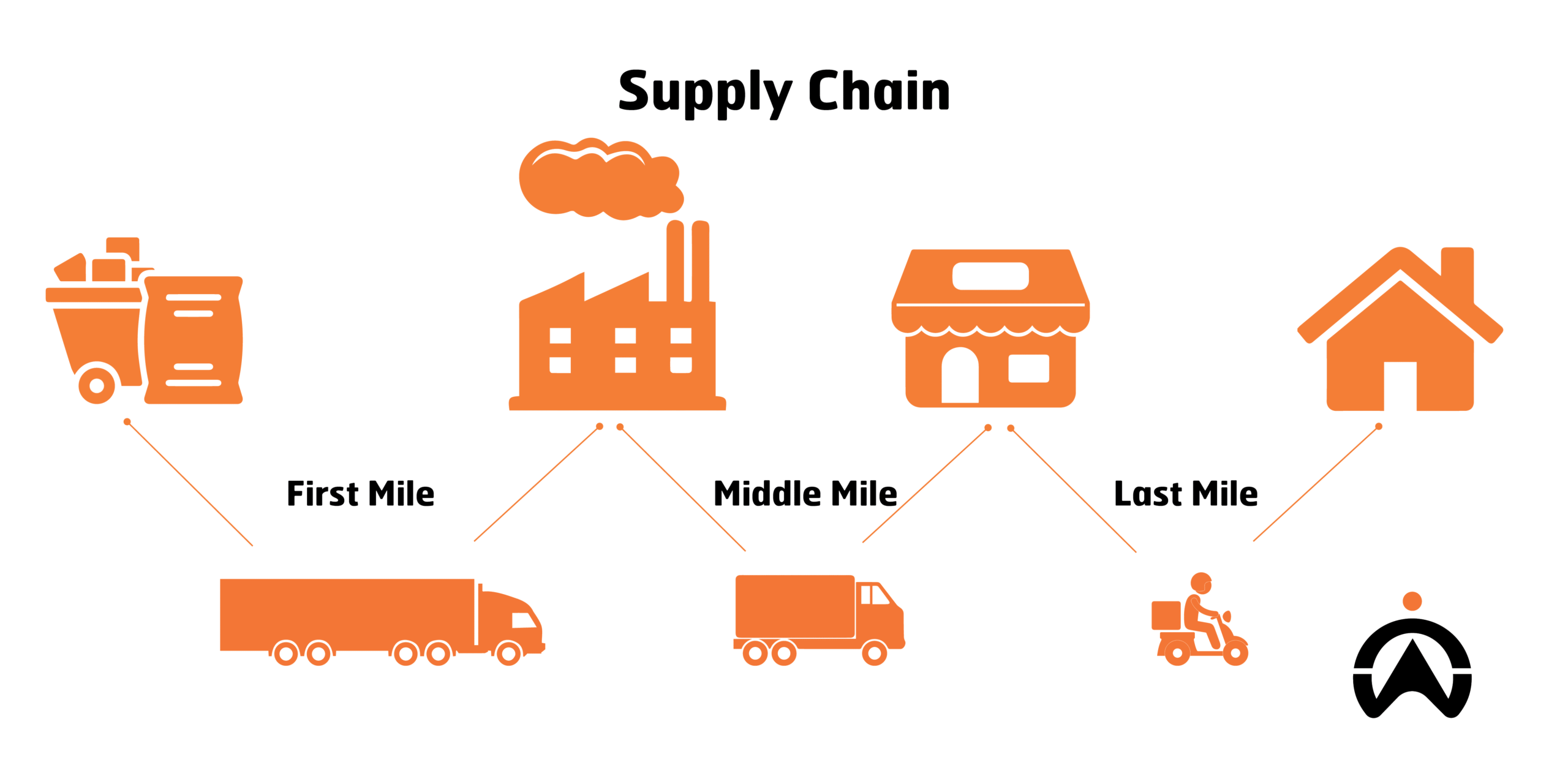
Last-mile delivery, also known as the “final mile,” is the concluding part of the supply chain, where products move from a distribution centre to their ultimate destination, the end consumer’s home or business. This phase, which is often seen as the most critical yet challenging aspect of logistics, involves the actual delivery of goods to their final destinations, requiring a focus on efficiency, speed, and cost-effectiveness to promptly fulfil customer orders while minimising operational expenses.

Despite the relatively short distance covered compared to other stages of the supply chain, last-mile delivery presents complexities. Its challenges stem from the transition of goods from transportation hubs or distribution centres to customers’ homes, lacking the same level of control, consistency, and scale as earlier stages in the logistics process. While the broader logistics process involves a complex network of rail, sea, road, and air transport, the last mile poses unique difficulties that make it a crucial and intricate part of the entire supply chain.

To gain a comprehensive understanding of last-mile delivery, we must examine the entirety of the supply chain and its various stages.

The supply chain explained

A supply chain is the network of individuals, activities, and technology involved in the creation and sale of a product. From the delivery of sourced materials from suppliers to the delivery of a finished product to clients, the supply chain is a vital part of any business. The supply chain process involves two other major stages that come before last-mile delivery:

  1. First Mile:First-mile delivery marks the beginning of the delivery process, encompassing the initial phase of transporting goods within the supply chain. This stage involves transportation and the potential assembly of materials. It is a critical step where products are acquired, manufactured, and moved from their origin to a warehouse or distribution centre. This logistical process holds immense significance, particularly in the era of e-commerce, where customer expectations for fast and reliable delivery services have increased.

    An example of first-mile delivery in the retail industry is the shipping of bulk orders of newly ordered garments from a factory to a regional distribution centre, marking the beginning of the supply chain.

  2. Middle Mile:Middle-mile delivery plays a crucial role as a vital connection between the first and last stages of delivery, involving the transportation of goods from regional distribution centres to sorting facilities. This critical phase typically sees the movement of goods from ports or manufacturing facilities to warehouses or regional distribution centres.

    In contrast to first-mile delivery, which deals with individual producers or manufacturers, and last-mile delivery, which concentrates on product delivery to end customers, middle-mile delivery encompasses the transportation of goods between warehouses and established shipping points. This transportation involves the movement of goods across longer distances, potentially traversing various regions or international borders.

    To effectively do this, businesses may need to employ multiple modes of transportation, such as trucks or air, making it a complex and challenging aspect of the overall logistics journey.

    An example of middle-mile delivery in the retail industry is the shipping of bulk orders of garments from its regional distribution centre to a central sorting facility, where the items are organised and then sent to various retail stores in different locations.

Final-mile delivery trends in the e-commerce surge following the COVID-19 pandemic

The COVID-19 pandemic accelerated the rise of e-commerce, making it an essential service for purchasing a wide variety of goods. With physical stores temporarily closing or operating with restrictions, businesses were forced to either adapt to the changing landscape or run at a loss.

The lockdowns, social distancing measures, and concerns about in-person interactions due to the pandemic led people to shift towards online shopping as a safer, more convenient alternative.

The_supply_chain_explained

The rise of new customers and business expectations

This rise in e-commerce has significantly impacted last-mile delivery, resulting in the rise of new expectations from customers for the logistics industry. These expectations include:

The core of e-commerce is the ultimate convenience for consumers, and its rise has not only impacted the way these customers engage with businesses but also what they expect from them.

Let’s take a look at three of the most common expectations that have risen:

  1. Increased purchase demand:

    Online shopping has made life incredibly convenient, allowing you to order anything you need at the touch of a phone or click on a computer. This convenience has led to a significant increase in the demand for various products. As more people make purchases, we see a growing number of packages that need to be delivered to homes. While this increase in demand is incredible as it directly equates to higher profits, it also means the business needs to implement more strategies to ensure that they aren’t overwhelmed and under-equipped.

  2. Increased demand for fast and reliable deliveries:

    The convenience of online shopping has raised customer expectations for fast, reliable, and cost-effective deliveries, so much so that many businesses even offer same-day or next-day deliveries. This puts pressure on the logistics industry to meet these demands. While the average customer’s willingness to wait for a delivery can vary, it is widely known that customers want to receive their goods as soon as possible. An example of this is seen in the retail industry, where 41% of global customers expect delivery within 24 hours and 6 out of 10 customers expect delivery within three days.

  3. Real-time tracking and visibility:One of the major selling points of online shopping is that customers can know exactly where their deliveries are. This insight is powered by the use of advanced technology, which has made it possible for businesses to gain full visibility of their entire operations. This also applies to those in the logistics industry. Customers want to know exactly where their delivery is and how long it will take to arrive at their door.

What are the challenges if customer and business delivery expectations aren’t met?

The success of a business and its ability to conduct efficient deliveries is dependent on its ability to meet the above expectations because if they aren’t made a priority, they can turn into challenges.

Let’s look at a few of the challenges faced in the last-mile stage of deliveries:

  1. Lack of visibility:

    Lack of visibility in the last-mile stage of deliveries refers to the limited or insufficient information on the status and location of your delivery while it is in transit. This makes it difficult to identify and address potential issues that may arise while a product is being delivered. This is directly linked to the next challenge, which is inadequate route planning.
  2. Inadequate route planning:

    Unpredictable conditions on the road when deliveries are being made, such as road closures and traffic conditions caused by car accidents or harsh weather conditions affect last-mile delivery. Poor route planning can contribute to high operational costs because inefficient routes are directly linked to increased fuel and labour expenses. Delivery environments are very complex, including congested urban areas and limited infrastructure, which can make planning and executing routes extremely difficult. Not being able to plan your route ahead of time is directly linked to the next challenge, which is late deliveries.
  3. Late deliveries:

    What makes this a dangerous difficulty is that it directly impacts a customer’s experience. Late delivery refers to the failure to deliver goods to customers within the expected time frame. This can take place due to multiple reasons, which include poor route planning, no delivery route planning, traffic congestion, and car accidents. When there is no fleet visibility, managers aren’t able to see exactly where their vehicles are or how long it will take for deliveries to be completed. This means dates and times aren’t based on accurate numbers and customer commitments turn into a bit of a guessing game. With the lack of accurate information, businesses cannot give customers a heads-up on possible delays which increases their frustration and service dissatisfaction. Worse, an increase in late deliveries presents the next challenge, high delivery costs. Now you are forced to use more fuel for the delivery you failed to make and/or negotiate discounted rates to maintain customer relationships.
  4. High delivery costs:

    Factors that contribute to high delivery costs in last-mile delivery include increased demand and customer expectations, poor route planning, failed deliveries, traffic congestion, and increased labour costs. Completing deliveries can be costly due to the fuel consumed when drivers need to travel to and from multiple delivery addresses. If these costs are consistently high, they can significantly lower fleet profits. Consistent high delivery costs can lead to profits declining by 26% over three years, especially if last-mile delivery isn’t optimised.

Breakdown of delivery stage costs

Having an inefficient delivery system can negatively impact your business finances, especially because last-mile delivery is the most costly stage.

Let’s take a look at the breakdown of costs in the 3 different delivery stages:

First-mile delivery:

Cost: 12%-20% of total delivery cost

In this initial stage, delivery costs come from the transportation of raw materials to production or storage. The composition of these costs includes:

  • Transportation costs
  • Warehouse receiving process
  • Quality checks and packaging
  • Paperwork and documentation

Middle-mile delivery:

Cost: 25%-35% of total delivery cost

In this second stage, delivery costs come from transportation from production or storage to distribution centres. The composition of these costs includes:

  • Transportation and distribution costs
  • Storage costs
  • Route optimisation

Last-mile delivery:

Cost: 41%-53% of total delivery cost

In this third and final stage, delivery costs come from transportation, which takes the final products to their customers. This includes driver wages, vehicle maintenance, and route planning

The importance of customer experience and satisfaction

A customer’s experience is one of the most important aspects of final-mile delivery because it has a significant impact on customer satisfaction. Keeping customers happy goes beyond providing them with a great product or service; it’s about how you make them feel. This is a feeling that stays with them and has a long-term impact on the business and its reputation.

A positive customer experience helps you not only retain customers but also encourage brand advocacy. Increasing customer retention rates by just 5% can increase your profits by up to 95%, with 93% of customers likely to use a business again if they experience good customer service.

This is especially important in today’s digital age, where people can easily find a review of your company, which has a massive impact on whether they decide to do business with you or not. Studies show that 94% of consumers have avoided a company due to it having negative reviews, making these comments and reviews have a heavy impact on a business’s reputation.

The_importance_of_customer_experience_and_satisfaction

Make fleet deliveries efficient with Cartrack Zimbabwe

Ensuring that your fleet stays on top of its last-mile delivery game can be quite the challenge, but with Cartrack Zimbabwe, that challenge becomes a breeze. The key? It’s our Delivery software

Cartrack Delivery is a feature-rich solution that is specially designed to streamline and optimise delivery operations for fleet managers and drivers. This user-friendly app caters for customers where constant change is a common occurrence, which we see in delivery services. What makes Cartrack’s Delivery software so unique is the fact that you don’t need a Cartrack tracking device installed in your vehicle to make use of it; all you need is a smartphone for each driver.

Let’s look at the 6 ways this solution can help you improve your fleet’s deliveries.

  1. Eliminate excess paperwork:

    Streamline your administration and delivery processes at the tap of a button. You can leave notes on each job assigned to a driver with special instructions. Whether it be a car checklist, declarations and indemnity forms that customers need to sign, or setting up customer service reports, they can all be included in the job notes so your driver doesn’t miss a single step. All you need to do is add a relevant URL to your driver’s notes when creating a job that will redirect your client or driver to the document you need signed. Our app makes Proof of Delivery (POD) easier, allowing drivers to take photos of products being delivered as proof and allowing customers to e-sign for their packages. All this can be documented on the driver’s handheld device and managers can receive an instant notification that their delivery has been completed.
  2. Gain full visibility of all drivers and trips:Gain access to a real-time view of all deliveries that need to be made, along with those that are currently in progress. Quickly see which of your drivers are available by looking at their status, which indicates if they are online, or taking a break. This allows you to not only track drivers but also accurately estimate when they will complete a delivery, helping you effectively schedule future deliveries.
  3. Keep operations functional with offline mode:

    Sometimes, deliveries are made in areas with little to no coverage. This may sound like a challenge, but with Delivery, you can stay on track even when coverage isn’t on your side. Your drivers can operate in offline mode, and the moment they’re back online, all their delivery data will automatically update or upload, ensuring no job progress is ever lost.
  4. Unlock real-time update alerts for your drivers:Don’t keep your drivers waiting before they receive updated information. Delivery ensures that all changes you make on the fleet platform will immediately reflect on your driver’s handheld devices. This fast response time helps ensure that your drivers are immediately made aware of any changes, keeping them on track with all their jobs and avoiding any job frustration.
  5. Optimise your delivery routes:Reduce travel delays and unnecessary fuel consumption with our route optimisation feature. By analysing distance and travel times, this feature helps you and your drivers identify shorter and deviation-free routes to promote on-time deliveries. This is done by taking real-time road conditions into account, helping drivers quickly make the best rerouting decisions whenever an unforeseen delay occurs. This means you can make more timely deliveries, which positively impacts customer satisfaction.
  6. Keep your customers informed:Don’t leave your customers in the dark; instead, give them full insight into the delivery of their goods. With Delivery, you can notify your customers once their driver has started the delivery of their good/s via email. If you decide that you want to give your customers full visibility, a link that enables them to track their driver and the route that they are taking can be sent to them, helping them know exactly where their package is which keeps them in control and boosts customer satisfaction.

Make your fleet deliveries faster and more profitable with Cartrack’s Delivery solution

Whether you’re looking to improve delivery routes, eliminate excess paperwork, or gain full insight into your deliveries, Cartrack Zimbabwe is the solution you’ve been looking for.

Ready to automate your fleet processes today and gain full visibility of task progress so you can complete jobs way more efficiently?

Contact usContact Us, and let’s boost your fleet delivery business.

CAN Bus System – A Powerful Partnership for Fleet Data and Efficiency

Imagine your vehicle could tell you exactly what it needs, when it needs it and where it needs it. Even better, imagine it could also tell itself all this without your help.

Well, with CAN bus, it does exactly that, and a whole lot more.

Get ready to peek under the hood of your vehicles as we unpack everything you need to know about CAN bus.

In this article, you will:

  • Learn what CAN bus is and how it facilitates communication among components
  • Explore the working mechanism of CAN bus, from protocols to message framing
  • Understand the three main types of CAN and their influence on transmission speed
  • Discover the advantages of a CAN bus network
  • Uncover the flawless integration of Cartrack’s solutions with CANBus

Firstly, what is CAN bus?

In simple terms, it’s the digital language that lets your car’s parts communicate effectively with each other.

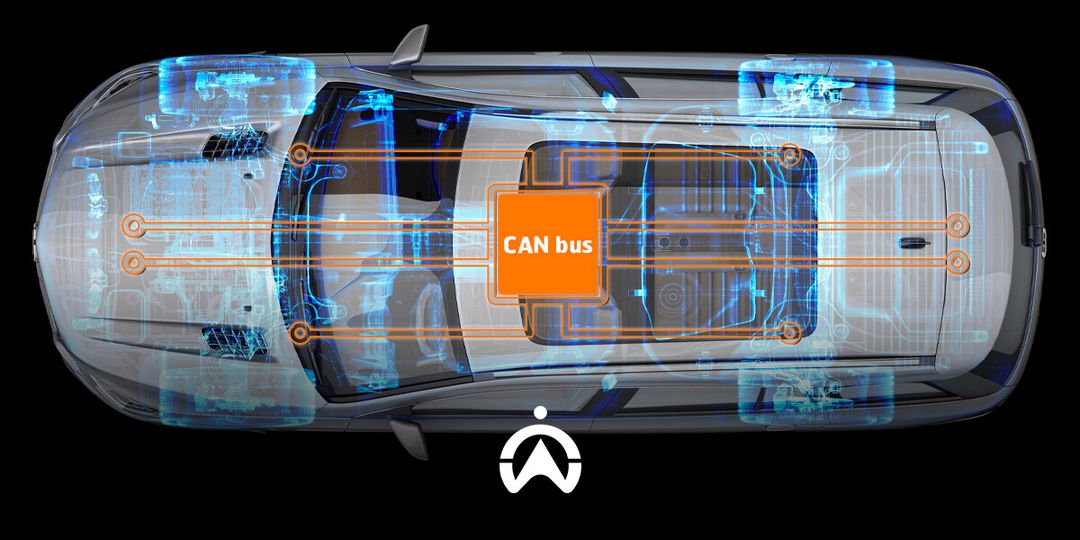
CAN bus, short for Controller Area Network Bus, is like the car’s own signal or network that allows all the components in your vehicle, from the engine to the brakes, to tune in and share information seamlessly.

This ‘communication’ allows your vehicle’s components or Electric Control Units (ECUs), such as the engine, transmission, and sensors, to share information in real time.

How does CAN bus work?

Instead of having one main component that gives orders, CAN bus allows for each ECU to talk to the others directly. This is useful in cars and factories as it ensures everything runs smoothly.

Within a CAN bus network, different features of a vehicle rely on continuous information exchange to ensure smooth operation. This collaborative communication is facilitated by special wiring, where each component is equipped with a microcontroller, a small computer, that handles processing incoming messages and sending outgoing ones.

The communication process involves these main steps:

  1. Unified communication protocolCAN bus acts like a language translator, ensuring that all parts can understand and communicate effectively with one another, allowing for a cohesive dialogue.
  2. Message framingThe information is within types of “frames” or data packets. Each frame contains details, like the sender’s identity, the nature of the message, and the actual data payload. Think of it as a letter, the frame is the letter, the sender’s identity is the return address, the nature of the message is the subject line, and the actual data payload is the content.
  3. Priority systemSome messages are more urgent than others, for this, CAN bus ensures that critical messages get sent through first.
  4. Multi-access networkUnlike a one-on-one conversation, CAN bus allows multiple parts to talk at the same time. This ensures that everyone stays in the loop and that the ECUs don’t just wait their turn to “speak” and waste time.
  5. Collision managementWith all the parts “talking” at the same time, sometimes messages might clash with one another. If this happens, CAN encourage the components to take turns and try transmitting again.

To make this a bit simpler to understand, see the four process steps mentioned above as CAN Frames:

  • Data frame – the only frame for actual data transmission
  • Error frame – contains nodes to detect errors
  • Overload frame – activates when there is a delay between data and remote frame
  • Remote frame – a frame that requests information from a specific identifier

How_does_CAN_bus_work

Understanding the CAN protocol message structure

Now that we’ve covered the journey from one ECU to another, let’s delve into the details of what exactly they communicate and the specific structure of their communication.

In a CAN bus system, how messages are structured plays a key role in making communication between devices efficient. The protocol relies on a data frame format that includes various fields, such as an identifier, control field, data field, and error detection mechanism.

Identifier: This shows how important each message is on the network. There are up to 2048 different levels of importance and each message gets its unique importance badge.

Data field: This is where the actual information is carried, moving between nodes in bite-sized pieces.

Cyclic redundancy check (CRC): Acting as a built-in error detector, CRC ensures reliable communication by spotting transmission errors and asking for a resend if needed.

Acknowledgement slot: A single bit that receiving nodes use to confirm they got a message successfully or to point out errors that need a resend.

Error frame: An optional part of CAN messaging that lets nodes signal if they spot a problem with their own messages or messages they get from other devices on the network.

Understanding three main types of CAN within the protocol message structure

The following three types influence the CAN protocol message structure in terms of data transmission speed and capabilities. Here’s how each type differs from one another and how they each work.

  1. Low-speed CAN:Often dubbed as fault-tolerant or ISO 11898-3, Low-speed CAN operates at speeds up to 125 kbps. It finds its niche in less critical systems like body control modules, specifically door locks, interior lighting, and window controls.

    What makes it stand out? This CAN can still function, even if one wire in the bus decides to call it quits.

  2. High-speed CAN:Aka ISO 11898-2, is a High-speed CAN that takes things up a notch, reaching speeds of up to 1 Mbps. Tailored for time-sensitive applications like:- Aka ISO 11898-2, is a High-speed CAN that takes things up a notch, reaching speeds of up to 1 Mbps. Tailored for time-sensitive applications like:
    – Electronic braking systems: Ensuring rapid and precise response to braking commands
    – Transmission control: Managing gear shifting in automatic transmissionsIt boasts faster data transfer rates than its low-speed counterparts. However, it comes without the safety net of fault tolerance found in low-speed networks.

    So, for example, in a car equipped with an anti-lock braking system (ABS), High-speed CAN facilitates rapid communication between the ABS sensors and the braking system.

  3. CAN FD (flexible data rate):Introduced by Bosch in 2012, CAN FD is an extension of high-speed networks with increased data rates, reaching up to 5 Mbps. It maintains backward compatibility with existing high-speed devices and systems.

Advanced driver assistance systems (ADAS): Processing and transmitting data for features like lane-keeping assistance and collision avoidance.

Infotainment systems: Handling high-bandwidth data for multimedia and connectivity features.

CAN FD can also be used to transmit and process data from sensors for adaptive cruise control or automated parking.

The primary advantage of this technology is its efficient transmission of larger payloads compared to traditional CAN, making it well-suited for modern vehicles with increasingly complex electronic systems or advanced safety features.

The choice of which CAN type to use aligns with the specific needs of applications, ensuring optimal performance and reliability within both automotive and industrial contexts.

What are the advantages of a CAN bus network?

There are many reasons why CAN bus has become the preferred network architecture for modern vehicles and other complex systems.

Here are some of the key reasons why you might choose to use CAN bus:

Easy access: The CAN bus provides ‘one point-of-entry’ to communicate with all electric control units ECUs – enabling central diagnostics, data logging and configuration.

Simplified wiring: Goodbye, spaghetti wires. CAN bus replaces the old maze of point-to-point wires with a single pair of twisted cables. This saves space and weight, and simplifies maintenance, making cars lighter and easier to assemble.

Enhanced reliability: CAN bus is built for robustness. The protocol includes error detection and correction mechanisms, ensuring messages reach their destination intact. This translates to fewer electrical glitches and more dependable performance.

Scalability and flexibility: Adding new features becomes a breeze with CAN bus. Nodes can be easily connected or removed without major re-wiring, making it ideal for integrating new technologies and adapting to future advancements.

Cost-effectiveness: Fewer wires, simpler design, and easier assembly translate to lower production costs. Additionally, the system promotes less downtime and repair expenses, further benefiting both manufacturers and owners.

Improved data sharing: CAN bus facilitates efficient communication between various car systems. Engine parameters, sensor readings, and control commands flow freely, enabling features like real-time engine adjustments, adaptive cruise control, and even predictive maintenance.

Safety: The fast and reliable communication of CAN bus plays a crucial role in safety systems. Airbags can deploy faster based on real-time braking data, and stability control systems can react instantaneously to prevent skidding.

Reduced power consumption: The streamlined communication and efficient data sharing of CAN buses contribute to lower power consumption, leading to improved fuel efficiency and reduced environmental impact.

Beyond these, the advantages of CAN bus extend far beyond cars. It finds applications in diverse fields like aviation, medical equipment, industrial automation, and even building management systems, making it a truly versatile and powerful communication technology.

What is MQTT and its link to CAN bus?

Understanding how our devices perform using CAN bus data is crucial, but it comes with challenges like high data rates and limited bandwidth. That’s where MQTT steps in.

MQTT, or Message Queuing Telemetry Transport, is a lightweight messaging protocol designed for devices with limited resources and networks with low bandwidth, high latency, or unreliability. Common in IoT applications, MQTT helps sensors, actuators, and devices communicate efficiently.

In the world of CAN, MQTT ensures data goes smoothly from cars to the cloud, even when the network isn’t perfect

To set up this system for collecting car data, you can use tools like EMQX or eKuiper. EMQX is a language expert, and eKuiper is like a data collector that gathers data from various sources like HTTP, FileSystem, MQTT, and CAN bus, making sure everything gets translated correctly.

What types of vehicles use CAN bus?

CAN bus isn’t exclusive to cars — it’s the standard communication system in trucks, buses, ships, EV batteries, machinery, and more.

As advanced as this technology is, it has become the dominant network in most modern vehicles across the world, produced after the late 1990s.

How can you see if your vehicle has CAN bus:

1. Check your car’s owner’s manual or manufacturer’s website for specific information about the network architecture used. It often contains information about the technology and features integrated into your specific model.

2. Check the OBDII Connector. This is a port in your vehicle used for diagnostics. If your car has it, it likely supports the CAN (J1979) protocol. Most vehicles manufactured after 2008 have this port, it’s usually located beneath the dashboard near the driver’s seat. If your vehicle has this port, it’s likely equipped with CAN bus technology.

What_types_of_vehicles_use_CAN_bus

Why should you use CAN bus for fleets?

For one, CAN bus stands out as a strong multitasking system that also has a fault-tolerant protocol. These help ensure the software can accurately keep up with the demands of automotive applications.

Its simplicity, cost-effectiveness, reliability, and adaptability to harsh environments collectively enhance fleet efficiency, safety, and overall management.

Here are key reasons favouring the adoption of the CAN bus in fleet applications:

  1. Real-time monitoring:Efficient data transmission:


    CAN bus enables real-time communication between various vehicle components, providing instant access to critical data such as engine performance, fuel consumption, and diagnostics.Enhanced fleet visibility: Fleet managers can monitor vehicle status, driver behaviour, and operational parameters in real time, allowing for proactive decision-making and immediate response to issues.

  2. Comprehensive diagnostics:Early issue detection:


    The CAN bus facilitates continuous diagnostics, enabling early detection of potential mechanical or electrical issues within fleet vehicles.Proactive maintenance: Fleet managers can schedule preventive maintenance based on actual vehicle conditions, reducing the risk of unexpected breakdowns and minimising downtime.

  3. Fuel efficiency and emissions monitoring:Optimised fuel management:


    CAN bus data provides insights into fuel consumption patterns, enabling fleet managers to identify opportunities for fuel efficiency improvements.Emissions compliance: Monitoring emissions-related data helps ensure that fleet vehicles comply with environmental regulations, contributing to sustainability goals.

  4. Driver behaviour analysis:Safety monitoring:


    CAN bus data includes information on acceleration, braking, and speed, allowing fleet managers to assess and address risky driving behaviours.Training opportunities: By analysing driver behaviour, fleet managers can implement targeted training programs to enhance safety and reduce the likelihood of accidents.

  5. Cost savings:Predictive maintenance:


    Proactively addressing maintenance needs based on CAN bus data reduces the likelihood of major repairs, saving on repair costs.Fuel efficiency improvements: Optimising routes and addressing inefficient driving behaviours can lead to significant fuel cost savings.

  6. Fleet optimisation:Routing and logistics:


    CAN bus data aids in optimising route planning and logistics, improving overall fleet efficiency.Asset tracking: Fleet managers can track the location and status of vehicles, enhancing asset visibility and security.

  7. Data security and accuracy:Secure communication:


    CAN bus protocols are designed with a focus on secure communication, ensuring the integrity and confidentiality of data.Accurate reporting: Reliable data from the CAN bus supports accurate reporting for regulatory compliance, audits, and performance assessments.

Cartrack’s flawless integration with CANbus

Cartrack Zimbabwe, a leading vehicle telematics and fleet management provider, leverages the advanced capabilities of CANBus to empower businesses across different fields.

Here are some headaches a CANBus can help you avoid:

Data accessibility: One of the biggest pain points of not having a CANBus system in a vehicle is its limitation on the vehicle’s ability to transmit data between various systems and devices accurately. Cartrack can swiftly integrate with CANBus technology, bringing you real-time vehicle data and allowing fleet managers and companies to swiftly log CAN data to the cloud for easy access.

Safety concerns: CANBus allows businesses to monitor driver behaviour, including speeding, harsh braking, and erratic driving with accurate dashboard data showing vehicle speed, odometer, RPM etc, to be downloaded in real-time for analysis. Businesses can mitigate the risk of accidents and ensure the safety of their employees and assets.

Connection: Our technology even works in areas where GPS signals are unavailable like driving through a tunnel and underground parking, making this a huge asset for businesses in the mining industry.

Whether it is monitoring temperature-sensitive cargo, or ensuring regulatory compliance, Cartrack Zimbabwe and CANBus offer versatile solutions.

Integrate Cartrack’s CANBus software in your business for enhanced insights and efficiency

Cartrack Zimbabwe unleashes the potential of your fleet’s CAN bus systems, converting real-time data like fuel consumption, driver behaviour, engine health, cargo security and more into actionable insights easily. Allowing your fleet to improve performance, speed up productivity and maximise efficiency.

Understand what your vehicles are telling you and start with Cartrack Zimbabwe today.

Power Take-off: The Complete Guide You Need to Know About for Your Vehicles and Trucks

Knowing how vehicles and equipment in your fleet work is crucial for developing an effective and well-oiled fleet management system.

As a must-have component for fleet vehicles with unique or specific purposes, power take-off is important to understand if you want to get the most from your fleet’s day-to-day activities.

Read on to learn everything about power take-off, how it works, and how to usepower take-off monitoring to transform your fleet operations.

In this article, you will:

  • Get to know the basics of power take-off and how it works
  • Identify vehicle and equipment types that use PTO
  • Familiarise yourself with the different PTO types
  • Get the lowdown on PTO monitoring and sensors
  • Discover how PTO monitoring can transform fleet management
  • Find out more about Cartrack’s advanced PTO monitoring solutions

The basics of power take-off (PTO)

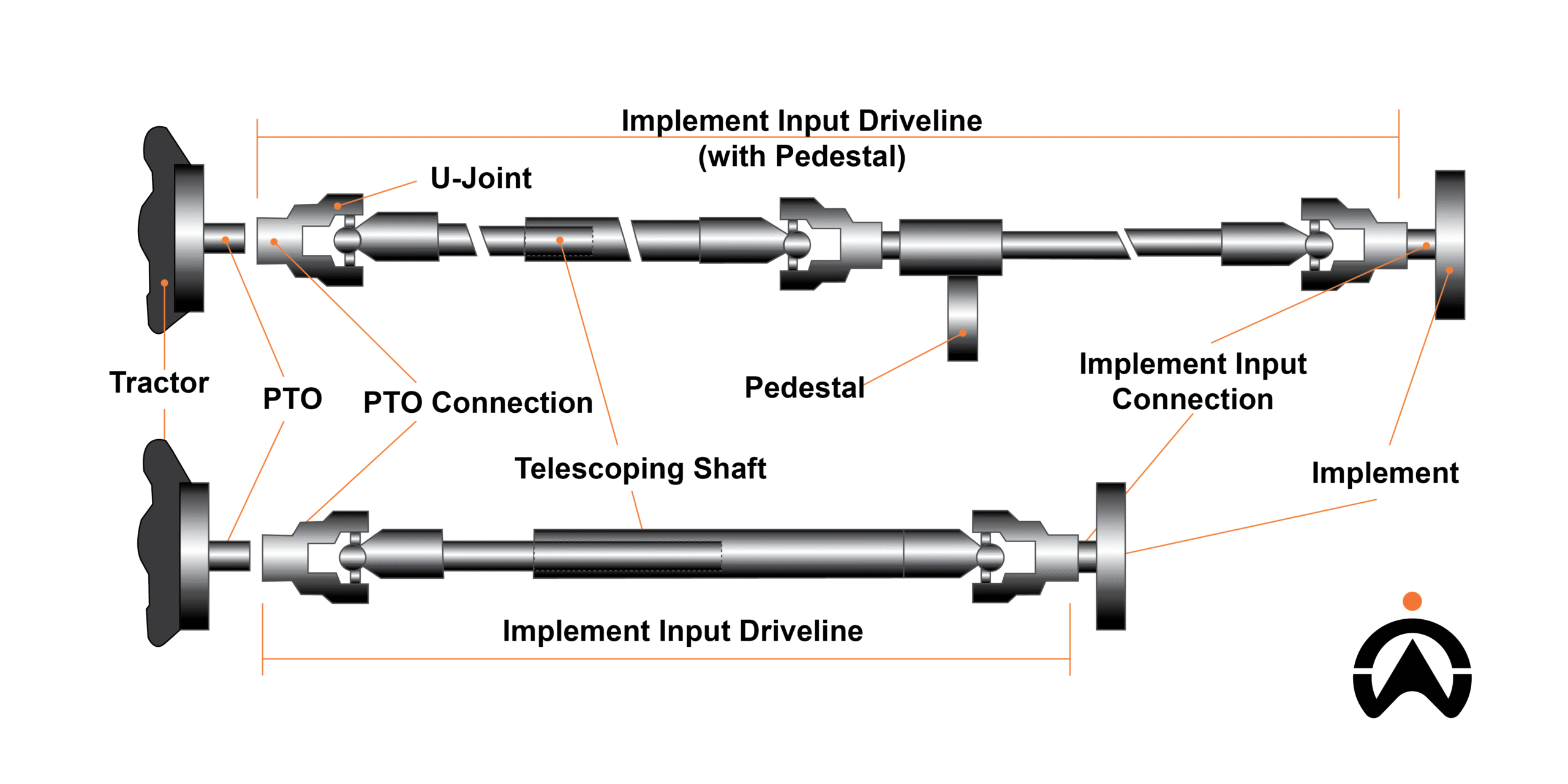
The power take-off or PTO is a fundamental part of many fleet vehicles’ operations, especially those that have additional functions like raising truck beds, cranes, or any other function required without directly using energy from the vehicle’s engine.

What is the principle of power take-off?

Think of PTO as a portable power generator that transfers energy from your vehicle engine to an auxiliary component like a crane or hydraulic pump. Ultimately, it helps transfer energy to other essential parts of a vehicle without using the main power source. This has many benefits like ensuring an even and consistent power distribution that meets a vehicle’s specific requirements.

What vehicles and equipment have power take-off?

With the potential to power a wide range of equipment, PTO is commonly used in fleet, construction, and other industrial vehicles with the following equipment types:

  • Auxiliary Equipment

    These devices use engine power to perform specific functions like pulling heavy loads or operating hydraulic systems on commercial trucks or other industrial vehicles.
  • Commercial Vehicle AttachmentsAccessories like tow arms and compressors use the PTO powered by the vehicle engine to function optimally.
  • Construction EquipmentAny ancillary attachments like cement mixers, cranes, or concrete pumps work efficiently using vehicle engine power thanks to the power take-off.

Power take-off types and how they are applied

Looking at how many different types of equipment PTOs can power, it’s also important to establish whether there is more than one type of power take-off and identify their advantages and disadvantages.

  1. When taking a closer look at how PTO is applied, there may be a slight difference in application. For example, a mechanical type known as a live-power take-off is linked to the engine with a belt or shaft. However, while its constant power supply makes it a great tool, it can be subject to costly repairs as it’s prone to wear and tear over time.
  2. Another type of mechanical power take-off is called auxiliary or independent PTO. Here, the PTO’s speed is completely independent of the vehicle’s ground speed and can be activated or disengaged while the vehicle is moving.
  3. The hydraulic PTO is the third type. It uses hydraulic fluid to do a power transmission from the engine to the external component with the power requirement. Hydraulic PTO is a great option because of its increased efficiency, but it’s also more expensive than live power and independent PTO.

Overall, hydraulic PTOs are more popular due to their increased efficiency.

How does PTO monitoring work? Unloading everything you need to know

Not only is power take-off a valuable device that provides additional power for a variety of fleet, construction, and agricultural vehicles, but keeping an eye on your fleet’s PTO also has some fantastic benefits for improving its performance.

The power take-off is monitored using a specialised sensor. By being able to keep tabs on the PTO’s activity, you can track your fleet vehicle’s productivity. Let’s take a closer look at how this sensor works and how it measures PTO activity.

How the power take-off sensor works its magic

The PTO sensor is a small device designed to pick up and monitor any auxiliary or supportive activities powered by the vehicle engine, making this sensor a game-changer for checking vehicle usage for working hours and productivity.

The main mechanism in the PTO sensor picks up when a vehicle’s on/off indicator is triggered, which creates an event that can be recorded on a linked telematics system. PTO sensors can pick up a variety of support activities, making them very versatile in a fleet environment across several work settings.

A PTO draws its power from the vehicle engine, and it needs to be engaged before it can start transferring power. As there is more than one type of PTO, there is more than one engagement method; so, for example, it can be via air pressure or hydraulic pressure. After the PTO has been engaged, its output shaft will transfer power to the auxiliary element, activating the function or component linked to the vehicle. A good example here would be moving the mechanical arm of a construction vehicle.

How_the_power_take-off_sensor_works_its_magic

Common types of PTO monitoring data

PTO sensors pick up specific activity depending on the vehicle type and function. For example, a crane’s PTO sensor will pick up the movement of the crane’s arm, while a dump truck’s PTO sensor will pick up the lifting of the truck bed.

Take a look at some of the most common types of data picked up by a PTO sensor.

  1. Trip fuel used
  2. Oil temperature
  3. PTO is engaged, meaning the vehicle is working as it should
  4. PTO idling (productive vs. unproductive idling)

These are all examples ofcrucial information fleet managers need to determine their fleet’s productivity levels and whether they’re over or underperforming.

The link between power take-off monitoring and effective fleet management

Power take-off enables ordinary vehicles to do extraordinary things across industries, simplifying construction, agriculture, waste disposal, and more. PTO monitoring also has great benefits for fleet managers and can transform your fleet’s daily performance by supporting increased productivity during set working hours. Here are some top reasons you should consider PTO sensors for your fleet.

Why you need PTO sensors for your business

There are various ways to track your fleet activities with telematics, but external PTO monitoring adds relevant information with lots of potential value for fleet management. Consider the following pros linked to having PTO sensors in all of your fleet vehicles and how this extra tool can build on your fleet’s overall performance.

  • Improved cost management and fuel usage: An active PTO means a vehicle is busy performing additional activity, resulting in increased fuel usage. Tracking PTO engagement patterns can help develop crucial fuel and cost-saving strategies.
  • Boosted safety and compliance: Some industries require reporting or tracking to ensure regulatory standards are being adhered to, and PTO monitoring can add value here by offering valuable data. From unauthorised to misuse of fleet vehicles and equipment, PTO sensors help promote safety and compliance in the workplace.
  • Accurate diagnostics and troubleshooting: Hit the nail on the head when you’re troubleshooting with useful data like irregularities. Knowing about inconsistencies helps you trace and address the cause or main issue instead of only the symptoms.
  • Optimised maintenance planning: Fleet vehicles have extended active hours, leading to unavoidable wear and tear and an increased need for service and maintenance. PTO data can help provide context on runtime and engagement frequency, helping to estimate smart preventative service and maintenance times.
  • Operational proficiency: PTO monitoring can provide crucial insights into not only when but also how fleet vehicles’ PTOs are used. Fleet managers can use this information to improve overall operational proficiency and prevent unauthorised use of company vehicles, which can have a positive effect on the company’s budgets and annual ROI.

Why_you_need_PTO_sensors_for_your_business

How Cartrack’s specialised sensors helped Concord Cranes level up their fleet monitoring

Concord Cranes provides crane hire solutions in South Africa. With over 180 cranes, their services range from transport to specialised lifting projects and the hiring of mobile cranes; however, they struggled to accurately record their equipment working hours, impacting timely deliveries and overall customer satisfaction.

  • Cartrack’s specialised PTO sensors and IoT device enabled Concord Cranes to track their crane’s on-site working hours and miles travelled, giving them complete visibility of their vehicle activity.
  • With accurately tracked working hours as well as access to advanced predictive maintenance insights, the company was able to ensure timely deliveries while implementing preventative maintenance measures, increasing its fleet’s longevity and reducing costly repairs.
  • Concord Cranes also used Cartrack’s fleet management platform to boost their brand reliability. With software that allows streamlined driver scheduling and proactive service planning tools that ensure their cranes are always in tip-top shape, enabling them to maintain a high level of customer satisfaction.

    “Using Cartrack’s advanced fleet management, we have been able to increase our operational efficiency to deliver a better service to our customers, as well as effortlessly establish a maintenance cycle that reduces our costs and increases our fleet longevity.”– Gareth Langley, Concord Cranes operations manager


This is just one of many examples of how Cartrack’s advanced SaaS products can help you gain full control of your fleet.

Cartrack’s advanced sensors can help optimise your fleet’s productivity

Apart from PTO being a crucial component in running many construction, agricultural, and other commercial vehicles, its monitoring potential can transform the way you manage your fleet. Understanding the power of monitoring your PTO is key to having full control and keeping your fleet’s performance on track.

Contract Cartrack today and get the tools to help increase workplace productivity and advance your fleet operations.

Buying a Car – Know the Worst Car Buying Mistakes

Buying a car comes with extreme highs and lows. On the one hand, you have the freedom to travel wherever your heart desires, and everyday trips to work are now a breeze, but on the other hand, you now have to navigate vehicle maintenance, petrol, insurance, and monthly car payments for your new set of wheels.

Before coughing up and driving off, consider going through these car-buying tips and insights to avoid making car-buying mistakes that could cost you thousands.

Let’s get straight into it.

In this article, you will:

  • Learn what car-buying mistakes to steer clear of
  • Explore the basics of buying a car
  • Weigh the pros and cons of buying a new or used car
  • Discover the benefits of installing a vehicle tracking device
  • Understand why Cartrack is the perfect vehicle tracking company for your new car

Thinking about those first or next set of wheels?

Found yourself thinking about buying your next or first car lately? Before you embark on test drives and dealership negotiations, buckle up and equip yourself with some essential knowledge.

This crash course on car buying will navigate you through the twists and turns of getting the perfect buy without experiencing any bumps on the road.

The worst car-buying mistakes

Steering clear of common car-buying blunders is crucial for a smooth purchase experience. To avoid getting lost in a maze of bad decisions, here are the top five mistakes to avoid:

  1. Focusing only on monthly payments

    When looking at your budget to assess if you can afford to buy a new car, don’t just concentrate solely on how much you will pay each month. Negotiating the overall vehicle price and financing terms separately is key to avoiding a higher overall cost.
  2. Letting emotions drive decisions

    Falling in love with a particular model might lead to overpaying. It’s crucial to stay practical, do research, compare models, and ask yourself if the vehicle matches what you need and what you can afford.

  3. Skipping the test drive

    Don’t judge a book by its cover, or, in this case, a vehicle by its design. Get in the driver’s seat and see what else the vehicle has to offer. The test drive is vital to ensure the chosen vehicle meets expectations and to prevent any surprises post-purchase.
  4. Overlooking used car inspections

    When buying a used car, don’t always take the dealer’s word as fact. Get a trusted mechanic to further inspect the used vehicle. It is important to catch potential issues and avoid unexpected expenses.
  5. Lack of research

    Not visiting and comparing other dealerships or delving enough into the vehicle itself, like the pricing and financing options, can all lead to overpaying and making uninformed decisions.

Now that you know what not to do when getting a car, let’s rewind to some car-buying basics and teach you all you need to get your new car off the lot and into your garage.

Buying a car: 101

Acquiring a car is a decision one should take seriously, some take months contemplating the make, model, year, diesel or petrol and so much more. Before deciding on the popular brand out right now, consider asking yourself these questions:

‍Buying_a_car_101

When is the best time to buy a car?

The answer to this might vary depending on where you are in the world. In South Africa, there are various trends that car buyers follow to find the right vehicle at the right price, like sales promotions, new model launches, and holiday trends.

Motorists often follow the seasonal sales at the end of the year. Between October and December. Many dealerships push to meet annual sales targets during this period, offering discounts and promotions on both new and used cars.

Similar to seasonal clothing sales, when a car manufacturer introduces a new model, dealerships also often slash prices on older models to make space for the latest release. This allows you to enjoy reduced prices, just like snagging discounts during a fashion sale.

If you can’t afford to wait months for the prices to cheapen up, you can visit the dealerships midweek on a Monday or Tuesday. Most dealerships are not as busy during the week, so you can take advantage of the low sales and strike up a deal.

What are your needs?

Finding the perfect car involves thoughtful consideration of various factors like financial planning, lifestyle preferences, and car features to ensure your choice aligns seamlessly with your priorities and, most importantly, your wallet.

  • Financial planning: Think about what you can comfortably afford, not just for the car but also for insurance, fuel, and upkeep. Set a budget limit and stick to it.
  • Lifestyle and requirements: Are you a city driver or someone who loves weekend trips? Consider what you need for daily life and plans, like space for the family or golf clubs, or maybe both.
  • Car features: First, focus on important things like safety and reliability. Then, think about extra stuff like fancy tech or comfort. Usually, the more extras you want, the more it’ll cost, right? But if you want extra features from an affordable car, then buying a used vehicle with all the extras already included at a low price would be a big benefit.

What are the first steps of buying a vehicle?

When it comes to choosing your ideal vehicle, it’s all about informed decisions and hands-on experiences. Here’s how to navigate the process seamlessly:

  • Do the research: Look up trusted brands online, learn as much as you can about the different types of vehicles, and ask aroundamongst your peers about their opinions.
  • Explore: After reading articles and brand pages, your work is not yet finished. Visit dealerships, check online listings, and consider used cars for potentially better deals. If you’ve made your choice and have a specific car in mind, set up a test drive and experience driving the vehicle.
  • Get a quote: If you think you’ve found the one, get a quote for the car from different dealerships and online car-selling platforms to compare prices and finance options.

Did you read the fine print?

It is time to “cross the ‘t’s and dot the ’i’s.” When it comes to paperwork, you must understand the small details. Take a closer look at the following:

  • Insurance: Once your vehicle is on the road, its value decreases, and various issues like windscreen damage or hijacking can happen. Having insurance is crucial for protection. Select the coverage that fits your requirements and pocket.
  • Maintenance package: Think about a maintenance plan that suits your vehicle’s requirements and usage. Invest in an extended warranty or maintenance package to enhance your vehicle’s well-being, ensure its longevity, and possibly reduce future repair expenses.

New or used?

Deciding between a new or used vehicle can be a tough call, with each option offering unique advantages and drawbacks. To help you navigate this important choice, let’s list out things to look out for each alluring option.

Pre-loved cars Brand new cars
Price Generally, it costs less upfront and might be negotiable. Higher initial cost, but the potential for incentives.
Depreciation Loses value more slowly over time. Rapid loss of value, especially in the first years.
Safety Depends on the condition of the vehicle and how old the vehicle is. Depends on the model, but should have the latest standard safety features, like emergency braking and lane departure warnings.
Insurance rates Often come with lower insurance premiums. Higher insurance costs due to the car’s new value, make, model and colour.
Variety More choices are available in the used vehicle market, from old to relatively new models. Have access to the latest models but sometimes new cars are not readily available, especially for high-end cars, so drivers have to be on a waiting list.
Condition May have some wear, tear and potential issues. New vehicles have no history of accidents or wear and tear. They also come with a maintenance warranty.
Customisation Modifications may already be done or available. Full range of customisation options from the start.
Warranty coverage Depending on the age, there might be limited or no warranty left. But some dealerships can provide a maintenance warranty at a cost. Typically comes with a comprehensive warranty of around 3-5 years or 100,000 km, whichever comes first.
Financing rates Higher interest rates for used car loans but lower total car costs. Lower interest rates for new car loans but higher overall vehicle cost.

How do you tell if a used car is a good buy?

If, after reviewing the list, you find yourself leaning more towards getting a pre-owned vehicle that matches your current needs and budget. It’s good to keep in mind that since these vehicles aren’t brand new and shiny, there are some additional precautions to consider to ensure the car you choose doesn’t have any hidden dents or extra expenses.

  1. Maintenance record

    See if there’s a history of regular check-ups from a trusted garage. This tells you the car was looked after. If you can’t find these records or they’re not consistent, it might mean the car wasn’t well taken care of or has some hidden issues that might cost you in the future.
  2. Hidden damagesDon’t just focus on the shiny leather and fresh car smell. Check the car thoroughly for dents, scratches, and rust, especially in hidden spots. When you take it for a spin, pay attention to any strange sounds or handling issues.

    Tip: If you see different paint colours or uneven body parts, it could mean the car had some fixes done. Ask the seller directly about any past accidents and get records if they have them.

  3. Inspect the interiorLook for signs of wear like worn-out seats, ripped upholstery, and electronics that don’t work right. Test everything – the air conditioning, radio, power windows – to make sure they’re in good shape. Keep an eye out for weird smells or stains, which might mean there’s been water damage or other problems.
  4. Mileage
    Think about how much the car has been driven. Lots of miles don’t always mean it’s a bad car, but it might need more fixing. Compare it with the maintenance record to be sure.
  5. VIN checkMake sure the car’s VIN (vehicle identification number) matches the documents. Use a VIN check service to find out if the car was in any accidents or had other issues. Always double-check that identification number if the VIN doesn’t match, it might mean the vehicle has been stolen.

    You can learn a lot about a car’s history by checking out its previous owners and the reason why it was sold. An extra precaution to consider is to look up how many owners the car has had. The manual should provide this information, but the dealer should be able to provide it as well.

How_do_you_tell_if_a_used_car_is_a_good_buy

Get a tracking device for your new vehicle

So you’ve chosen the vehicle and you’re happy with your purchase. The next mission to tackle is security; get yourself a vehicle tracking device.

These days vehicle theft is as common as vehicle buying. It is an unfortunate reality, and ensuring a car’s safety is a top priority for most motorists. In these cases, a vehicle tracking device is more than just an optional accessory — it’s a proactive measure to safeguard your valuable asset.

Most new cars at the dealership today are already fitted with a tracking unit to help you protect your investment. All you have to do is become an official client of that tracking company.

Benefits of a tracking device

Besides all the safety features a vehicle tracking unit comes with, it also provides a big advantage in terms of insurance. Insurance companies like vehicles with tracking units because they make it easier to recover stolen cars quickly. This not only lowers the risk for insurers but might also score you some discounts or lower premiums if you go for this extra security measure.

Let’s see other benefits that come with installing a vehicle tracking device.

  1. Safety and security

    – Decreased risk of theft: Without tracking, a stolen car is much harder to recover. With tracking devices installed, they can alert you in real time and assist police in locating your vehicle.- Emergency assistance: If you’re stranded or involved in an accident, you can use the provided mobile app to receive emergency assistance, or if the tracking unit has crash detection and you are involved in an accident, then the company will be notified of the event and send emergency assistance to your location.

    – Able to prove innocence: In the case of false accusations or hit-and-run incidents, proving your location and driving behaviour history through your GPS device can assist in validating your innocence.

  2. Peace of mind and convenience

    – Precise driver monitoring: Stay informed about your vehicle’s location and usage. For instance, when your teenager is behind the wheel, track their adherence to safe driving practices.- Reduced anxiety and stress: Eliminate uncertainty by always knowing your car’s whereabouts, even during nighttime journeys or on unfamiliar routes.

  3. Financial aspects- Lower insurance premiums: As mentioned above, some insurance companies offer discounts for cars with tracking devices due to the lower risk of theft and fraudulent claims.

    – Potential depreciation impact: Cars without tracking might be less desirable to future buyers, impacting resale value.

    – Costs associated with recovery: In case of theft, without tracking, recovery efforts can be time-consuming and very expensive, especially if the vehicle cannot be found and you have to potentially buy a new vehicle.

Choose the right tracking unit for your new vehicle

Searching for a trusted GPS unit is as easy as opening your search engine and looking for the most reliable and proven vehicle tracking company. Among the many companies that present themselves, there is one that has one of South Africa’s highest stolen vehicle recovery rates — Cartrack.

Install a Cartrack tracking device on your new vehicle and enjoy these benefits:

  • Stolen vehicle recovery services (SVR): In the unfortunate event of vehicle theft or hijacking, our 24/7 control room and recovery teams leverage GPS tracking technology to locate and recover your vehicle swiftly.
  • Limited recovery warranty: If your vehicle has been stolen and Cartrack cannot recover it, you can claim up to R150 000 in cash-back to replace your stolen vehicle. Ts&Cs apply to this warranty.
  • At Cartrack, installation is free, at no cost to you or your wallet!

To sweeten the deal, Cartrack offers quality value-added services:

  • CarWatch: Thisacts as an early warning system that you can activate through our mobile app. Once activated, it alerts Cartrack if your parked vehicle is moved without your knowledge.
  • Protector: Provides 24/7 professional roadside assistance when you press the button on the Cartrack app. This service covers battery jumpstarts, tyre changes and car towing. Plus Legal assistance and emergency or accident services if needed.

Give your new car that extra layer of security you can trust with Cartrack’s vehicle safety solutions. Join over 1,9 million other happy Cartrack customers worldwide and put your vehicle’s protection first.

Get your free installation today.

Truck Accidents: How To Shield Your Drivers And Protect Your Fleet

Truck drivers transport cargo on Zimbabwean roads daily, making truck accidents a real risk fleet managers must mitigate.

But don’t hyperventilate yet; there are smart solutions and software that can help you optimise your fleet operations and increase your fleet safety.

Ready to start dramatically decreasing truck accidents in your business?

Let’s dive straight in.

In this article, you will:

  • Learn more about the causes of truck accidents
  • Determine if and how fleet accidents can be prevented
  • Wise-up on top tips to avoid and minimise truck accidents
  • Understand the importance of driver wellness
  • Get insights on driver safety that help reduce the risk of trucking accidents
  • Discover how Cartrack can help you dramatically reduce truck accidents

Why it’s essential to protect your fleet from truck accidents

Automotive road accidents have disastrous consequences with potential injuries and even fatalities.

However, there are other influential factors from a fleet management perspective. The fewer truck accidents, the more improved and consistent your fleet’s performance and confidence will be. You’ll also see a notable reduction in maintenance costs as fewer vehicles need to be repaired or replaced and a visible increase in ROI.

Why_it’s_essential_to_protect_your_fleet_from_truck_accidents

The top trending causes of commercial vehicle accidents

  • Speed: According to the United States Department of Transportation’s National Highway Traffic Safety Administration, speed contributes to a concerning one out of three fatal truck accidents in the US. While this may be related to the systematically rising speed limits in several states, speeding in Zimbabwe is a big concern even without speed limit increases.
  • Distracted driving: Another trending cause of commercial vehicle accidents is distracted driving, and the statistics in Zimbabwe are concerning.
  • Driver fatigue: Traveling hundreds of kilometres doing a monotonous task like long-distance driving takes its toll on the body and mind and can cause serious deterioration in the required alertness and concentration. According to Arrive Alive, 41% of road accidents are fatigue-related, while 39% of problems truck drivers experience are fatigue-related.

Discover the most pressing FAQs about truck accidents

1. How do truckers protect themselves?

Prevention is most definitely better than cure, and in long-distance truck driving, it’s the best way to avoid potentially devastating accidents that may cost truckers and other motorists their lives.

There’s also the issue in Zimbabwe of trucks being prime targets for commercial vehicle hijackings precisely because of the commodities they’re transporting. In these cases, the following precautions can help keep truckers, vehicles and cargo safe on the road:

  • Sticking to pre-planned routes,
  • Staying in regular contact with your dispatcher,
  • Keeping the vehicle locked at all times,
  • Only parking in well-lit areas,
  • Avoiding picking up hitchhikers, and
  • Only stopping at official truck stops

2. How can truck accidents be prevented?

Like all fleet vehicle accidents, truck accidents cannot be a hundred per cent prevented. To ensure a fleet is prepared for any situation on the road, fleet managers can implement various strategies and technological solutions to minimise the risk of accidents and increase efficiency.

Cartrack’s fleet management solutions provide a range of options to help increase driver safety and simplify the tracking of driver behaviour and risky driving with automated fleet admin.

3. How do I protect myself from other drivers?

If there’s one thing professional truck and other fleet drivers are well aware of, it’s that you can never presume the behaviour of another driver while on the road. So, it’s crucial to practise defensive driving techniques like:

  • Anticipating and predicting the behaviour of other motorists, whether they’re pedestrians, drivers, or cyclists.
  • Obeying traffic rules with no exceptions
  • Practising caution
  • Maintaining a safe following distance. Training your drivers to have a defensive driving mindset is crucial to setting a gold standard for safety and reducing the risk of accidents and injury on the road

Lower the risk of accident with these 4 top tips

Monitor and reward safe driving

Using a reward system or positive reinforcement strategy is a viable way to improve road behaviour and compliance linked to driver safety and reduced accident risk. Driver reward system efficiency is well-researched, and by getting to know your drivers’ behaviour more intimately with a driver monitoring system, you can create a solid base for relevant assessments that offer rewards your fleet drivers will value, fostering motivation and team workplace compliance.

The link between motivation and compliance is essential to ensure safety and reduce truck accidents. Keeping tabs on driver behaviour with telematics technology helps keep your fleet safe and motivated.

Use advanced tech to your advantage

The good old dashcam can help you identify key causes of trucking accidents, road conditions, traffic issues, and driver behaviour. However, even more advanced cameras and SaaS-based technology are available to optimise fleet driver protection and reduce truck accident risks.

  1. A fleet management performance tracking system uses telemetry data to track different components of a fleet’s performance, including trip reports, risky driver behaviour like excessive braking and speeding, and whether drivers stick to their allocated route to help fleet managers effectively pinpoint areas of concern for effective training and improved driver safety.
  2. With smart cameras, live stream technology, and face recognition, you’ll always know who’s in your driver’s seat. So, if there are incidents on the road with our drivers, you’ll have the video footage to help you settle any disputes and insurance claims.
  3. If you don’t want your fleet vehicle to move, technology allows you to disable it remotely, significantly contributing to roadside safety for your fleet and other motorists. Controlling fleet vehicle movement can prevent accidents caused by driving under the influence, unauthorised vehicle usage, fatigued driving, and increased road safety.
  4. Fleet management technology that allows streamlined reporting on driver behaviour is also a key contributor to tailor-made driver training by allowing fleet managers to pinpoint exactly where drivers are going wrong and focus on their improvement.

Encourage regular rest and breaks

Driving, especially long-distance driving, requires quick-wittedness and a healthy mindset. Studies have found that poor sleep quality negatively impacts truck drivers’ job performance, with a high percentage of drivers reporting sleepiness during the day. Software created to accurately monitor drivers’ working hours plays a vital role in making sure drivers are not overworked and minimising potential truck accidents caused by fatigue.

Getting a good night’s sleep and stopping regularly to freshen up on long routes makes the world’s difference in your truck drivers’ mental capabilities and drastically reduces the risk of having a truck accident.

Prioritise fleet vehicle preventative maintenance

Preventative maintenance has so many advantages that it’s difficult to imagine effective fleet management operations without it. From increasing fuel efficiency to saving on costly vehicle breakdowns, preventative maintenance also has a notable effect on reducing truck accidents.

By ensuring fleet vehicles are in peak working condition, you’re taking an essential precaution to protect your fleet and other drivers on the road against preventable accidents. A fleet should operate like a well-oiled machine, and it all starts with the health of your vehicles’ gearboxes, brakes, tyres, and lights.

Conduct regular driver training

With the right fleet management technology, you can monitor drivers closely and create a custom-made training programme vital to address your fleet’s flagged behaviours. Overall, it’s important to instil a defensive driving mindset, which creates a solid platform for responsible driving habits. Consider the following defensive driving tips:

  • Always be prepared for an emergency
  • Watch out for those blind spots
  • Keep enough following space
  • Communicate with other drivers
  • Make slowing down the default

Encourage_regular_rest_and_breaks

How Cartrack’s advanced software can help keep your drivers safe

With Cartrack, we design our products with your fleet’s safety in mind. By implementing advanced telematics-based fleet management and camera-based technology, you can help prevent truck accidents and optimise your business’s safety with the following state-of-the-art tech:

  1. LiveVision cameras for increased driver safetyHave 24/7, real-time access to driver activity in fleet vehicles with a flexible, user-friendly vehicle video system. This live-streaming system allows the improvement of driver safety, reduces driver liability by pinpointing and addressing unproductive behaviour, assists with insurance claims, and ultimately keeps drivers safe and compliant.
  2. AI camera technology to address distracted driver behaviourEnsure increased driver awareness and concentration with advanced in-cabin AI technology that detects distracted driving behaviour. By sending audible, real-time alerts to drivers for behaviours like yawning, smoking, phone use and more, so your drivers can rectify mistakes in real time to prevent accidents and boost overall fleet safety.
  3. Driver behaviour reports for effective, personalised driver trainingIdentify risky driver behaviour like speeding, harsh braking, cornering and more, and use these detailed driver behaviour reports to train drivers on where improvements need to be made, allowing you to instil a safer driving culture and boost fleet safety in your business.
  4. Driver ID tags so you’re sure the right person is behind the wheelBeing able to choose who can and cannot start your fleet vehicles helps put you in control of your fleet’s safety. You can stop unauthorised vehicle usage by giving each driver a unique driver tag, which they need to tap against a sensor to start their fleet vehicle, helping you increase driver safety and reduce the risk of accidents.

Discover how Cartrack empowers Diraro Group to minimise truck accidents

At Cartrack, we aim to take the guesswork out of long-distance commercial trip safety and help you reduce fleet incident rates.

Here’s how we helped Diraro Group reduce fleet accident risks and increase driver security:

Get Cartrack and boost truck driver safety in your business

Contact us today to discover how Cartrack puts you in control of your fleet’s safety.

Fleet Management Best Practices – Unlock The Roadmap To Revenue

Fleet managers have a finger in every pie. That isn’t a bad thing. It’s how they ensure business success.

They are often responsible for empowering their fleet and figuring out how to implement the best practices for overall fleet efficiency.

From customer and client services to ensuring timeous fleet activity, cutting costs, and improving efficiency, to seeing that drivers and fleet vehicles are in tip-top shape.

Let’s unpack the key to fleet management best practices.

In this article, you will:

  • Understand the different fleet management practices
  • Learn how to increase your revenue with better fleet management practices
  • Discover how to build a fleet management plan to combat your business challenges
  • Know how Cartrack’s fleet management software helps businesses accelerate revenue

What is fleet management?

Fleet management is all about overseeing the operation of various types of vehicles e.g. buses, cars, trucks and even other assets used for business purposes. It’s not just about keeping them fueled and maintained; it’s about building a system that ensures efficiency, safety, and cost-effectiveness.

What are the priorities of fleet management?

Fleet management priorities can vary depending on the specific industry, company size, and individual fleet goals. However, some key priorities are generally applicable across most contexts:

  • Safety and compliance
  • Efficiency and cost management
  • Driver management and engagement
  • Sustainability and environmental awareness
  • Technology integration

These are the general properties that fleet managers concern themselves with daily. By developing a comprehensive and effective fleet management strategy, fleet managers can improve vehicle and driver safety, maximise efficiency and increase cost savings.

Let’s take a look at the common fleet management practices involved in a fleet system.

Common fleet management practices

  1. Vehicle acquisition
    Vehicle acquisition is the crucial process of adding new vehicles to the fleet. It’s more than just buying cars; it’s about strategically selecting the right vehicles, at the right time, in a cost-effective way, that will reap the most rewards for your business.
  2. Vehicle tracking
    This is the backbone of modern fleet management, providing real-time information on the location, movement, and performance of company vehicles. It’s like having a continuous digital eye on your entire fleet as you get data-driven insights.
  3. Route management and dispatch
    Fleet managers are responsible for the planning and coordination of their fleet, which involves assigning tasks, and planning the best routes for drivers based on real-time data, customer needs and driver availability.
  4. Fuel management
    Fuel management in fleet management is all about squeezing the most miles from every drop, optimising fuel consumption, and saving costs. It’s not just about filling tanks; it’s a strategic approach to monitoring, analysing, and controlling fuel use across the fleet.
  5. Monitoring driver behaviour and safety
    Keeping drivers safe and their behaviour responsible is paramount in fleet management. This involves actively monitoring and improving their actions on the road. Fleet managers prioritise driver safety to reduce accident rates and lower maintenance costs.
  6. Scheduling fleet maintenance
    Keeping your fleet in tip-top shape is crucial for reliable operations, driver safety, and cost control. Fleet managers work to schedule maintenance and will accurately and efficiently ensure vehicles are serviced at the right time, preventing breakdowns and maximising their lifespan.
  7. Vehicle rotation
    Rotating vehicles involves strategically swapping or reassigning vehicles within a fleet to optimise their use and lifespan. It’s not just about switching keys; it’s about maximising efficiency, minimising wear and tear, and ensuring the right vehicles are in the right hands.
  8. Fleet economics
    Fleet economics delves into the financial aspects of managing a fleet of vehicles. It’s about understanding the costs involved, optimising resource allocation, and making informed decisions to maximise profitability and minimise expenses.
  9. Safety and compliance management
    Safety and compliance are pillars of successful fleet management. It’s about more than just avoiding accidents and fines; it’s about creating a safety culture and ensuring every element of operations adheres to regulations.

Common_fleet_management_practices

The purpose of fleet management

Fleet management is the smartest way that businesses with moving assets can improve their operations, from productivity, security, compliance, safety and reduced costs. Strategic fleet management has plenty of benefits that guarantee a well-oiled fleet operation.

Here are the top benefits of fleet management:

  • Improves driver and road safety
  • Optimises fleet operations (on-time deliveries, optimal routes, fast dispatch, etc.)
  • Helps reduce fleet costs while boosting profits
  • Enhances overall visibility into fleet activities
  • Generates important compliance data
  • Increases vehicle longevity
  • Improves fleet security by discouraging theft, fraud, and vandalism
  • Helps lower fleet emissions and fuel consumption
  • Enhances work experience for the fleet crew
  • Ultimately improves customer satisfaction

Guide: how to increase revenue with these five fleet management best practices

With fleet management, it’s not only about acquiring more vehicles or getting more drivers. Every link in the chain is supposed to result in increased revenue for the company. This can only be achieved by implementing best practices for fleet management.

These five best practices for fleet management can help you increase your revenue:

1. Use fleet data management software

Fleet data management refers to the processes of using the powers of GPS, AI and other tech, to gather, organise, consolidate, analyse and report on the fleet operations in a business.

This is a strategic way of creating a system for fleet diagnosis which helps businesses to identify areas for improvement, optimise performance, and prevent problems.

There are a few strategies businesses can use to ensure they are on the right track:

  • Using data on vehicles to make better decisions
  • Leveraging driver logs
  • Upgrading your dispatching system
  • Prioritising maintenance

2. Use fuel management solutions

Introducing fuel monitoring strategies and fuel cost management solutions is one of the smartest decisions fleet managers can make. Businesses are challenged by the rising fuel costs, as well as other pain points like fuel theft and fuel waste caused by poor route planning.

These best practices for fuel management will help businesses increase their revenue:

  • Monitoring fleet fuel trends
  • Improving driver behaviour
  • Stop fuel-card fraud and fuel theft using automated systems
  • Detect the impact of fuel increases on fleet fuel management

3. Improve driver administration

Driver administration in fleet management involves managing your workforce who drive your wheels. It’s about ensuring your drivers are qualified, understand safe driving practices, can be productive and ultimately that they successfully drive your fleet.

These best practices for hiring and managing drivers will help businesses increase their revenue. Here are some best practices:

  • Select qualified and licensed drivers
  • Introduce training on safety and good driving practices
  • Implement performance management
  • Train drivers on fuel-saving driving practices

4. Develop a fleet maintenance strategy

The best way to stay on top of your fleet’s performance is to get ahead of your fleet maintenance strategy. Fleet managers can ensure their vehicle stays on the road longer and reduce the cost of upkeep, by using fleet maintenance. Whether the maintenance strategy is preventative or predictive, you get to decide the smartest strategy for your fleet

Here are the best approaches for fleet maintenance for businesses:

  • Avoid reactive fleet maintenance.
  • Opt for either a preventative maintenance strategy or a predictive maintenance plan
  • Use digital systems to streamline your process and keep accurate records of vehicle health

5. Become customer-centric

Client satisfaction is the number one priority for your business to ensure and improve the revenue of your business. Focusing on customers leads to increased sales, and higher customer loyalty and will help you gain new customers. By running efficient operations, fleet managers and business owners, gain in every way possible.

Here are some best practices to boost customer satisfaction:

  • Route planning for deliveries to ensure that goods, equipment and services are timeously delivered to customers.
  • Improve communication with customers, if there are delays or changes in delivery dates, it is better to communicate this with customers.
  • Reduce the frequency of breakdowns, through maintenance plans and proper fuel management.

Every business is unique and has its fleet challenges. A small business, for example, may have 5-10 vehicles, while a more established fleet company can have over 50, and even 100 fleet vehicles to manage. Businesses in different industries also have unique challenges, relating to their fleet operation.

Let’s have a look at this guide for different businesses.

how_to_increase_revenue_with_these_five_fleet_management_best_practices

Guide: how to build a fleet management plan to combat your business challenges

A fleet management plan is valuable for companies in different industries, including companies in construction, oil and gas, cold chain supply, engineering, logistics and even finance or security services.

Here’s a quick guide on how to build a fleet management plan in three types of industries to combat various business challenges.

Construction

Construction businesses face unique challenges when it comes to managing their fleets. Beyond the usual concerns of cost, efficiency, and safety, specific factors in the construction environment add an extra layer of complexity. Here are some key challenges that a fleet management plan can help businesses in construction.

Common Fleet Challenges

  • Heavy wear and tear on specialised equipment
  • Project-based operations
  • Locating construction equipment
  • Driver management and safety

Transportation

From trucking companies to ride-sharing platforms, all transportation businesses, face a unique set of challenges in managing their fleet. Challenges that are more prevalent in this industry. Here are some of the challenges that a fleet management plan can help a transportation business with.

Common Fleet Challenges

  • Rising fuel and maintenance costs
  • Minimising vehicle downtime
  • Keeping up with new legislation
  • Vehicle utilisation

Food industry

Transporting temperature or time-sensitive goods is a challenging task for fleet management, but in the food industry, it’s not something that can be compromised. The biggest challenge for these businesses is that it is highly customer/business partner-centric, and share similar pain points.

Common Fleet Challenges

  • Poor customer service
  • Driver shortage
  • Late/failed deliveries
  • Reducing theft or product damage

With each of these challenges affecting different industries, introducing a general fleet management plan will not automatically improve some business operations. Your fleet management plan should be strategic and incorporate best practices for efficiency and to ensure revenue.

4 ways Cartrack paves the way to fleet management best practices

When you are ready to transform your fleet management practices, from common to best practices, then Cartrack’s advanced software offers the smartest solutions.

Here are four ways Cartrack’s Fleet Management Software can help your business establish best practices for increased revenue.

1. Data accuracy and reliability

As a fleet manager, you may often encounter challenges in maintaining accurate and up-to-date information about the location of fleet vehicles, assets, or cargo.

With telematics installation in your fleet vehicles, trailers and assets, fleet managers can ensure the reliability of the data and monitor their vehicle and equipment activities. Fleet managers gain a comprehensive view of their fleet performance and operation with Cartrack’s Fleet Pages. Fleet managers can optimise fleet routes, monitor their fleet vehicle usage, and access vehicle and driver reports. With the addition of sensors, fleet managers can also ensure the safe transportation of their cargo.

Our advanced Internet of Things (IoT) tech goes beyond vehicle tracking and provides accurate data about your fleet that can be used to improve the overall efficiency and performance of your business operations.

2. Fuel monitoring and management

Fuel is one of the largest expenses in a fleet business, and with fuel costs being so volatile, managers need to conserve and monitor every drop in their fleet. The lack of fuel efficiency can impact the productivity and profits of a business.

With Cartrack’s fuel sensors, you can accurately measure the amount of fuel in your vehicle tank. These sensors are installed in a vehicle, such as a truck, bus or private car, as well as ships and also stationary equipment like generators. With these sensors, fleet managers can know about any increases or decreases in fuel levels, and accurately monitor any refills or fuel waste and loss events. With additional software integration like MiFleet, fleet managers can also have the system automatically review all their fuel transactions, match fuel receipts with vehicle telemetry data and receive alerts on any abnormal fuel costs. This helps them detect any fuel theft or fraud. Our fuel monitoring and management software is one of the most advanced ways to monitor your fleet’s overall fuel consumption and compile reports on fuel expenditure, levies and taxes.

3. Fleet maintenance solutions

Often vehicle and equipment breakdowns directly affect business revenues. If your fleet is not operating or your equipment is non-operational, your business loses money on downtime.

One of the most effective ways to avoid vehicle downtime is through fleet maintenance. Businesses can avoid reactive maintenance on their fleet by introducing a predictive or preventative fleet maintenance solution. This helps businesses stay ahead of any vehicle breakdown.

Cartrack’s fleet management system is a quick and accessible way to schedule maintenance for your fleet. On this all-in-one platform fleet managers can receive notifications about their vehicles’ condition. For example, they can receive information about engine faults and various reminders about when to get an oil change or change tyres based on the vehicle mileage. This makes it easy for fleet managers to schedule vehicle maintenance and set up any other reminders/alerts for vehicle services and repairs.

4. Driver performance monitoring

Whether it’s recklessness, negligence or apathy, your drivers’ behaviour on the road could cost your business more than just a few speeding fines.

Cartrack’s driver safety and SmartCabin camera technology help managers monitor driver performance using various in-built software. SmartCabin uses live streaming, AI cameras and real-time audible alerts to record and discourage dangerous activity while drivers are en route. These cameras can detect events such as distracted/fatigued driving and phone use while driving. It also gives front collision warnings to help drivers quickly change their actions and prevent accidents.

By monitoring driver performance behind the wheel, fleet managers can cut inefficient practices that hurt your business’s revenue. With Cartrack’s IoT, managers can also access driver reports to discourage bad driving habits. Installing telematics solutions and smart AI-powered cameras can help fleet managers identify poor driving practices, high-risk driving behaviour and various safety violations. Fleet managers can use this information to get proactive about driver, cargo and fleet safety, creating a safer driving culture.

Unlock the roadmap to revenue today

Secure your business’s bottom line, quarter after quarter by implementing these essential guides for fleet management best practices.

With Cartrack’s fleet management solutions, you can turn this roadmap into a sure way to unlock sustained financial growth as a fleet manager.

Contact us today and let us help you go from common practices to the best.

What Is The Best Fleet Management Software for Small Businesses?

So, you’re a small business owner. Maybe you have an army of drivers on your payroll or just one very respectable company car. Either way, you have a fleet that is a business investment, and you want to ensure it succeeds.

While profit-draining issues like fuel costs and driver safety may top your worry list, fleet management software is sure to make business breezier. But, how do you know which system is best for your small business?

Let’s find out.

In this article, you will:

  • Learn what small businesses are
  • Find out what the current climate of small businesses looks like
  • Delve into the challenges small businesses face
  • Explore how fleet management can be the solution to these challenges
  • Gain insights into why Cartrack is the perfect software for all your small business fleet needs

What is the best fleet management solution for small businesses?

Are you a small business looking for the best way to manage your fleet? Maybe you have everything under control and don’t feel the need for a solution to your fleet management problem yet. But, here’s the thing about small businesses – they think big.

So how can your small business think big? By trusting the industry leaders in fleet management for small businesses. That leader is Cartrack.

But before we unpack all that our fleet management system has to offer you and your small business, let’s first cover the business side of things.

What is a small business?

A small business is typically a privately owned corporation, partnership, or sole proprietorship with a small number of employees and less revenue than a regular-sized business. Small businesses can come in different forms and operate in various industries, whether it be a restaurant, a bakery, a plumbing service, construction, online retail, or boutiques.

South Africa is home to a large number of small businesses in different industries. But how does the climate of these unique businesses look in the country, and what does their future look like?

What is the current climate of small businesses

According to Business Partners Limited’slatest SME Confidence Index, the impact of load shedding, a low growth economic path, and high lending rates on the confidence of small and medium enterprises is clear, causing small and medium enterprises (SME) confidence that their businesses will grow this year to decrease by five percentage points.

There seems to be hope though, with the author of the document David Morobe, sharing that small businesses are “gaining some confidence in initiatives implemented by both the public and private sectors… to create a more enabling business environment.”

Although, with these initiatives not being guaranteed, small businesses are still faced with several challenges that can prevent their fleet from achieving optimum success. Let’s explore these.

What is fleet management?

Fleet management is a general term for all the activities and processes that are essential for the efficient running of a fleet.

A fleet can be made up of buses, trucks, or commercial vehicles that are used for business functions. The main purpose of fleet management is to not only streamline driver’s jobs but also simplify a fleet manager’s responsibilities.

What are the responsibilities of a fleet manager in a small business?

Fleet managers have several fleet responsibilities on their shoulders, including:

  • Driver management: Fleet managers are responsible for overseeing driver behaviour and operations, along with providing the necessary coaching to them.
  • Documentation and record keeping: Fleet managers are responsible for maintaining accurate fleet records and documentation, including servicing and inspection documents.
  • Fuel management: Fleet managers are responsible for ensuring their fleet remains fuel efficient by monitoring fuel consumption and spotting fuel wastage.
  • Maintenance and repairs: Fleet managers are responsible for keeping vehicles well maintained by scheduling regular vehicle management and maintenance checkups.
  • Cost management: Fleet managers are responsible for monitoring and optimising all fleet-related expenses, ranging from fuel consumption to vehicle usage, to increase their return on investment.

As a fleet manager, this can be a lot of work for you to do, especially when you have to deal with fleet challenges faced by small businesses too. Let’s take a look at these challenges.

What are the fleet challenges typically faced by small businesses?

Due to their size, small businesses deal with a unique set of challenges that can significantly impact their growth and success. The most common ones include:

  • Limited resources: Since small businesses don’t have a large fleet of vehicles, effectively completing all their tasks, especially when there is high demand, can be quite challenging. This increases the chances of consistent wear and tear on equipment due to overutilization, leading to increased maintenance costs.
  • Unforeseen repair and maintenance costs: Due to limited financial resources, small businesses aren’t able to attend to unforeseen repairs and maintenance costs, which strains their financial resources. These unexpected costs that aren’t budgeted for can also lead to vehicle downtime.
  • Unplanned vehicle downtime: Unplanned vehicle downtime is a problem for every business, but it’s more damaging for small businesses. Small businesses usually don’t have a large fleet of vehicles, so unplanned vehicle downtime can seriously affect the business’s productivity, revenue, and customer reputation.
  • Effectively tracking and managing vehicles and drivers: Small businesses may not have access to the time and the same level of expertise and resources as large businesses, making it difficult for fleet managers to continuously know where their drivers and vehicles are and how they are being operated.
  • Driver safety concerns: Ensuring drivers are operating safely is a major concern for all businesses, but since small businesses typically lack the resources to invest in a robust driver monitoring system, this can pose an even greater challenge for them and the overall safety of their fleet and drivers. This also increases their risk of negatively impacting their fleet’s fuel efficiency.
  • Fuel costs: Fuel costs can be a significant expense for small businesses, especially when they are not closely monitored. Consistently high levels of fuel consumption can negatively impact a small business’s bottom line and profitability.
  • High driver turnover rate: Since small businesses don’t have large budgets, they may find it difficult to compete with the competitive packages that large-scale businesses offer. This means that managers need to find ways to keep their drivers happy and loyal to the company, which can be quite a challenging task.

These challenges may seem daunting, but there may just be a simple, easily accessible, and affordable solution that can help you tackle all of them. That software is a fleet management system.

What are the benefits of using fleet management software?

At its core, fleet management plays a very important role in the successful, convenient running of a fleet. Fleet management software works to streamline all the tasks encompassed by fleet management by bringing you the following benefits:

  • Improving route planning: Route planning is crucial to the successful operation of a fleet because it has a substantial impact on operational efficiency, cost savings, and customer satisfaction. Fleet management software can help fleet managers create routes that are efficient and economical by taking into account factors such as the shortest possible route, traffic conditions, and vehicle capabilities. Efficient route planning reduces fuel consumption and vehicle wear and tear, leading to decreased operational expenses. A poorly defined route equates to travelling unnecessary kilometres to perform the most simple tasks, which increases fuel consumption and vehicle wear. By optimising routes, reducing mileage, and cutting costs, businesses can save time and money.
  • Aiding fleet cost reduction: One of the main benefits of fleet management software is the unparalleled fleet visibility it helps unlock. With greater visibility of drivers, vehicle conditions, fuel consumption, and cargo safety, fleet managers can gain better control of their fleet’s costs. By providing features such as fuel monitoring, route optimisation, and preventative maintenance, fleet management software is important in helping fleets reduce their operational costs.
  • Improving customer satisfaction: Customer satisfaction is crucial to success, especially for small businesses. Studies show that 67% of customers have stopped doing business with a company due to poor customer service. On top of that, 39% of customers who experienced poor customer service said that they would never use the company again. By providing real-time tracking and visibility of their entire fleet, fleet managers can keep their customers informed about the progress of their deliveries with accurate estimated time of arrival (ETA) predictions. Drivers are a crucial aspect of fleets, so by improving safety and compliance through driver behaviour monitoring, managers can not only ensure that their drivers aren’t doing anything that could potentially compromise fleet success but also ensure that goods are delivered without any damage. With maintenance schedules, they can ensure that their goods or services are delivered with little to no delays.
  • Improve and extend vehicle health: Vehicle health and longevity are crucial to success, especially for small businesses that have a limited number of vehicles and cannot afford to replace them frequently. Fleet management software gives you access to preventative maintenance, which helps you quickly detect vehicle damage before it becomes worse and affects the fleet’s efficiency and driver safety. This helps fleets prevent unplanned vehicle downtime, which can lead to costly delays and lower customer satisfaction. Asset utilisation helps fleet managers know which of their vehicles or equipment is being overutilised, helping them evenly distribute workloads and avoid placing unnecessary strain on specific vehicles/equipment.
  • Encouraging data-driven decision-making: Managers need to ensure that all fleet decisions are backed up by data. Fleet management software gives you access to actionable insights through data and analytics, which help you make decisions that are specific to your fleet and can help take its effectiveness to the next level. By providing real-time visibility into the location, status, and performance analytics of each vehicle, fleet management software makes it easier for small businesses to quickly and thoroughly compile data, helping them generate reports and statistics that help streamline operations and make informed decisions.
  • Simplifying fleet scalability: Fleet scalability for small businesses refers to the ability of a fleet management system to accommodate and support the growth and increased demands of a fleet operation. It involves the system’s capacity to accommodate the increasing demands of a growing fleet. A fleet management system simplifies the upscaling of your fleet by streamlining these operations. So whether you’re adding more vehicles or employing more drivers, fleet management software is the key to ensuring your business remains efficient with little to no growing pains.
  • Simplifying remote management: Small businesses need to make the most of the limited resources they have. By gaining an efficient overview of vehicles and drivers from anywhere and anytime, remote management helps fleet managers stay connected with their drivers and provide support through driver and job analysis 24/7, 365, which enhances overall operational efficiency and safety.

How can fleet management software help tackle challenges faced by small businesses?

The purpose of fleet management software is to streamline the various tasks that are crucial to effective fleet management. Here are 4 ways this software can make this possible:

  1. GPS Tracking: Real-time vehicle tracking in fleet management involves using GPS and telematics technology to monitor the location, movement, and behaviour of vehicles in real time. This allows fleet managers to improve operational efficiency, ensure driver safety, optimise vehicle performance, and reduce operational costs. By implementing real-time fleet tracking, fleet managers can make data-driven decisions. This technology offers the following benefits:- Real-time, on-demand visibility of your vehicles: By providing continuous live updates, GPS tracking makes it easier for fleet managers to know exactly where each of their fleet vehicles is at any moment.

    – Prevent unauthorised vehicle use: By giving you insights into how your vehicle is being operated, fleet managers can quickly spot if their drivers are using fleet vehicles for personal use instead of the assigned job.

  2. Maintenance scheduling and alerts: Maintenance scheduling and alerts in fleets involve the use of technology to track and manage all maintenance-related activities for vehicles and equipment. By making use of real-time alerts and reminders, fleet managers adopt a proactive approach to maintenance scheduling, allowing them to stay on top of their fleet vehicle’s maintenance, which offers the following benefits:- Lower repair costs: By sending alerts the moment an issue is detected, this technology helps you quickly attend to maintenance issues before they worsen and become more costly to repair.

    – Extend your fleet vehicles’ life span: By automating the scheduling of routine check-ups and vehicle servicing, this technology helps extend a fleet’s life span by keeping vehicles operating at their best and preventing expensive repairs and replacements.

    – Keep fleets compliant: By keeping track of maintenance records and ensuring all issues are quickly addressed, this technology helps you ensure that fleet vehicles always meet legal and regulatory standards and that the fleet operates within compliance parameters.

  3. Fuel management: Fuel management in a fleet context refers to the process of monitoring and controlling fleet fuel consumption. A fuel management system makes use of telematics to measure a vehicle’s fleet usage, and by offering automated software for the monitoring, controlling, and optimising of fuel usage, this system automates what was once time-consuming, manual fuel tracking. A fuel management system is important as it helps fleets:- Prevent fuel theft: By equipping fleet managers with real-time fuel capacity monitoring, a fuel management system helps managers quickly spot possible fuel theft, ranging from syphoning and fuel card fraud to fuel card cloning.

    – Reduce human error: By automating fuel monitoring, errors caused by human input are eliminated, which guarantees you accurate vehicle and driver data. As a fleet manager, you can now say goodbye to manually recording data, which would typically lead to inaccuracies that harm overall fleet efficiency.

    – Improve driver behaviour: By identifying and eliminating fuel-consuming driver behaviour, fleet managers can ensure their fleet remains fuel efficient.

  4. Driver monitoring: Driver behaviour monitoring works to continuously assess and analyse driver behaviour and actions while they’re behind the wheel. This is done by making use of a combination of cameras, sensors, and GPS vehicle tracking. The system makes use of a set baseline of normal driver behaviour and can issue real-time warnings when deviations from this behaviour are detected. Whether it be drowsiness, signs of fatigue, or distracted driving, this technology helps drivers correct this behaviour in real-time, which has the following benefits:

    – Reduced distracted driving: By detecting signs of distracted driving, such as constantly looking away from the road, this software warns drivers to focus, which ultimately lowers the chances of a road accident caused by distracted driving.

    – Reduced fatigue: By detecting signs of fatigued driving, such as constantly yawning, this software alerts your drivers that it might be time for them to take a break, which ultimately lowers the chances of a road accident caused by fatigued driving.

So how do you find the perfect fleet management system for your business?

All these benefits tell us just how beneficial fleet management software can be for your small business, but how do you pick the right one for your fleet? Finding a fleet management system isn’t a one-size-fits-all approach because businesses face different challenges depending on the industry they operate in and the product or service they provide. However, there are four key questions you should be asking to find the perfect fit for your business:

  1. Is it compatible with your fleet?As a small business, you need fleet management software that can be tailored to the specific needs and challenges you face. The challenges that large businesses face aren’t the same as those that small businesses face, so you need to ensure that the fleet management software you choose supports the size of your fleet and caters to its specific industry and requirements.
  2. Does it simplify fleet scalability?

    Your business may be small right now, but this may not be the case forever. Let’s say you want to purchase another vehicle or hire more drivers, but you’re not sure if your current system is efficient enough to keep your fleet functioning effectively. Fleet management software should work to simplify this and make any transitions as seamless as possible.
  3. Does it help you keep track of your drivers?

    Whether you have one driver or a large team, you need software that makes keeping up with their behaviour simple. It’s not enough to give you a monthly report; you need real-time visibility into their behaviour, as this can help you quickly address any behaviour that could compromise your fleet’s success and efficient functioning.
  4. Is it affordable?Affordability is a very important part of finding the perfect fleet management software, especially for small businesses. Your business may face financial restrictions that large businesses don’t, so you need fleet management software that understands this and can provide solutions that are tailored to your means and needs.

This may seem like a lot to figure out, but you don’t have to worry, because we have the answer to all these questions and are bringing you a fleet management system that is perfectly suited to your fleet. That software is Cartrack.

Elevate efficiency in your small or big business with Cartrack’s advanced fleet management software

Cartrack’s fleet management system gives you access to a wide range of software that caters to your fleet’s every need and helps you navigate the speed bumps you may face along the way. Here are 9 ways we’ll help you boost your small business:

  1. Live Vision AI cameras:Unlock real-time alerts on dangerous or distracted driving behaviour withCartrack’s Live Vision AI cameras. Our cloud-connected video management software makes use of in-cabin cameras and AI analysis to give you access to real-time driver behaviour alerts. When dangerous driving behaviours such as speeding, yawning, cell phone use, and smoking are detected, in-cabin audible alerts immediately notify your drivers so they can correct their behaviour in real-time. You can also receive real-time alerts and access the footage via a livestream feed, ensuring that preventative maintenance is immediately implemented.
  2. GPS Tracking:Accurately track your fleet vehicles’ location in real-time with Cartrack’s live GPS tracking. As a small business, you can use the data gathered from your GPS tracking data to monitor and improve overall fleet performance by pinpointing any inefficiencies. Real-time GPS tracking also gives you access to enhanced security and safety. Stolen vehicle recovery goes hand in hand with real-time GPS tracking, as the data that is recorded and monitored in real-time helps our highly skilled 23-hour recovery team track and recover your vehicle as quickly as possible.
  3. Geofencing:Keep an eye on where your vehicles or equipment are being operated with Cartrack’s geofencing feature. This software allows you to set virtual boundaries around specific areas to monitor the movement of your drivers, vehicles, and equipment. Once a geofence has been set up, you can receive alerts the moment the vehicle enters or exits that specific area, which gives you real-time visibility into the activities of your fleet.
  4. Cargo Monitoring:Keep your fleet’s cargo safe withCartrack’s cargo monitoring solutions. Working as a part of our AI-powered SmartCabin system, our cargo cameras help you gain unparalleled visibility of the cargo your vehicles are carrying. This software helps you easily monitor your cargo by live streaming up to four cameras and making it possible to download the recorded footage if potential cargo tampering is detected. Use this in conjunction with our specialised cargo door sensors, which send you real-time alerts the moment your cargo door is opened. If you are handling heavy cargo, you can make use of our tailgate sensors, which work to monitor the safety of heavy cargo by sending live alerts the moment your trailer’s tailgates are activated.
  5. Regulatory compliance:Keep your fleet compliant with Cartrack’s logbook. Easily accessible from our app, this feature helps you log your trips and differentiate between business and personal trips. You can download your reports and send them through to your tax consultant. No more lost paper trails or missed tax deadlines.
  6. Vehicle maintenance:Keep your fleet vehicles functioning at their optimum with Cartrack’s preventative vehicle maintenance. Powered by artificial intelligence and advanced analytics, our preventative maintenance software analyses vehicle performance and spots potential maintenance issues before they become dangerous and costly. Receive alerts about issues such as damaged brake pads, low water and oil levels, service interval reminders, and more so you can anticipate and avoid costly breakdowns, road accidents, and further damage to your vehicles and create effective maintenance plans.
  7. Fuel monitoring:Keep an eye on every litre of fuel with Cartrack’s fuel monitoring system, and make every cent count. Our fuel cost monitoring software works to review your fuel transactions, matches fuel receipts with a vehicle’s advanced telemetry, and provides you with real-time visibility into fuel usage. By making use of a fuel sensor that is installed in your vehicle’s tank, you can closely monitor how much fuel your vehicle is consuming. This makes the system essential to reducing fuel wastage, identifying fuel theft, and improving your fleet’s fuel efficiency.
  8. Route optimisation:Determine the quickest and safest routes for your fleet’s drivers with Cartrack’s route optimisation. Accessible via our Delivery app, this feature gives you access to real-time alerts of route deviations and delays, which helps you ensure fast delivery turnaround times and boost customer service. You can also conveniently view driver statuses, which allows you to quickly assign tasks to your nearest available driver.
  9. MiFleet:Know the exact running cost of your fleet with Cartrack’s MiFleet software. Whether you have one or one hundred vehicles, you need to effectively manage your fleet-related finances, and our software works as your assistant. MiFleet is a vehicle cost management software that helps fleet managers keep track of their fleet expenses, ranging from taxes and vehicle permits to finance and fuel costs. By giving you in-depth insight into your fleet’s expenses, you can unlock greater fuel and cost savings and reduce admin time and fees.

Make big moves in your small business with Cartrack’s solutions

Truth is, small businesses need to think big if they want to remain relevant and succeed. No matter the size of your business, let’s get the best out of your fleet and take your company to the next level.

Chat with us here today.