
Diesel Management System – 24-7 Real-time Management For All Fleet Vehicles

Do you know just how much diesel your fleet vehicles are consuming?

Drive into excellence today. Learn how an effective diesel management system can give you real-time insight into your fleet’s diesel fuel consumption.

Step into unparalleled diesel management with a world-class fleet management system solution!

In this article, you will:

  • Find out what diesel fleet management is
  • Discover how a vehicle management system powers diesel fleet management
  • Learn why vehicle management is important for fleets
  • Understand the power of a fuel management system
  • Explore how Cartrack’s solutions can help simplify your diesel fleet

What is diesel management?

Diesel management refers to the process of overseeing and controlling the consumption of diesel in a fleet. This is particularly important, as most businesses and organisations rely heavily on diesel-powered equipment and vehicles. Diesel fuel, which is heavier than gasoline, takes longer to evaporate. It also has a greater energy density than gasoline, which means it produces 20% more energy for the same amount of fuel. So in the long run, it’s more affordable for fleets than gasoline, which is why the majority of fleets opt for diesel fuel in their business.

What tasks are typically involved in diesel management?

Diesel management involves covering the following tasks based on diesel consumption:

  • Monitoring fuel levels: Tracking the amount of diesel in storage tanks and vehicles, which helps fleet managers easily spot and address potential fuel leaks or spills
  • Optimising fuel efficiency: Diesel management focuses on improving fuel efficiency by eliminating fuel-wasting activities. This is done through proper vehicle maintenance, route optimisation, and regular training
  • Data analysis and reporting: Diesel management systems collect data on fuel usage. By analysing this data, fleet managers can make informed decisions to help improve fuel efficiency.

Why is diesel management important?

Diesel management is made up of various strategies and practices aimed at maximising the performance and economy of diesel vehicles while minimising diesel consumption and associated costs. Here are 5 reasons why it is crucial for fleets:

  • It helps reduce fuel costs: By optimising diesel usage and preventing waste, diesel management can help businesses save money on their fuel bills and get the most out of their diesel refills.
  • It helps improve fleet efficiency: By identifying and addressing inefficiencies in diesel use, diesel management can improve business fuel efficiency.
  • It helps improve vehicle maintenance: Diesel management keeps track of vehicle maintenance schedules, which helps fleet managers ensure that their diesel-powered vehicles are well-maintained, leading to reduced wear and tear, fewer breakdowns, and longer vehicle lifespan.
  • It enables real-time knowledge: By making use of advanced technologies such as GPS tracking and telematics, diesel management allows for real-time monitoring of fuel consumption and vehicle performance.
  • It helps improve driver behaviour: Diesel management helps you know which driving habits are causing your vehicles to burn more diesel fuel than usual. With this information, you can provide specific training to drivers and help eliminate these habits.

Before we get into the nitty gritty of a diesel management system, let’s break down the vehicle management software that powers it.

What is vehicle management software?

Vehicle management software, also known as fleet management software, is automated software designed for any organisation that makes use of fleet vehicles. Playing a crucial role in diesel management, it is designed to streamline and optimise the various aspects of managing a fleet of diesel vehicles, offering a comprehensive suite of tools that help with fleet-related tasks that can affect overall efficiency. This system enables the recording, storage, processing, reporting, and exporting of data related to fleet vehicles. This is done by making use of advanced technology and software.

Why is vehicle management so important for diesel-powered fleets?

Vehicle management plays a vital role in a fleet’s overall efficiency. Here are 5 reasons why:

  • It enhances fleet efficiency: Vehicle management systems play an important role in optimising diesel-powered fleet operations. This system works to provide comprehensive, real-time insights into important fleet aspects such as vehicle location, performance metrics, and maintenance. On top of providing this data to fleet managers, the system’s automation capabilities help streamline routine fleet tasks, such as planning maintenance schedules.
  • It helps improve fleet safety: Vehicle management systems help fleet managers proactively implement measures and practices aimed at minimising safety risks. By tracking vehicle maintenance schedules, you can ensure that your diesel fleet remains well-maintained and in its best running condition. This helps significantly mitigate the risk of breakdowns and potential accidents that are caused by mechanical issues. This proactive approach to the upkeep of your diesel fleet not only enhances overall fleet safety but also creates confidence for your drivers in the vehicle’s reliability.
  • It helps minimise fleet running costs: A vehicle management system optimises routes, maintenance, and scheduling systems. Optimising maintenance schedules for your diesel fleet translates to reduced repair costs; monitoring fuel usage translates to reduced diesel expenses; and monitoring driver behaviour translates to safer driving habits that reduce the risk of costly accidents. Altogether, this multifaceted approach to cost management not only guarantees financial savings but also fosters an effective and sustainable fleet operation.
  • It aids in the monitoring of driver behaviour and performance: With human error being one of the greatest causes of road accidents, driver behaviour needs to be monitored at all times. Vehicle management software can monitor risky driving behaviour, including harsh braking, cornering, harsh acceleration, and excessive speeding. By identifying these behaviours, fleet managers gain valuable insights into areas for improvement and can provide targeted coaching to improve driver behaviour and boost the overall performance of their diesel fleet.
  • It aids the monitoring of fuel consumption: Vehicle management plays an important role in effectively monitoring and controlling fleet diesel consumption. The software provides comprehensive insights into diesel fuel usage by accurately recording crucial data points such as fuel levels, fuel consumption rates, and refuelling events. This gives fleet managers detailed information to help them analyse diesel consumption patterns and trends across their fleet. This information helps them implement strategies to regulate and optimise diesel fuel usage, contributing to cost savings and fuel efficiency.

What are the different components of a fleet management system?

An effective fleet management system is made up of the following components:

  • Vehicle tracking: Vehicle tracking is a fundamental component of a vehicle management system. It makes use ofGPS (Global Positioning System) technology and telematics to help businesses monitor the location, movement, and status of their diesel vehicles in real-time. This unparalleled visibility enables fleet managers to gain valuable insights to optimise fleet operation, improve efficiency, and enhance overall safety.
  • Driver management: Driver management is another crucial component of a comprehensive vehicle management system, helping fleet managers oversee and optimise the performance, safety, and compliance of their diesel fleet drivers. A fleet management system helps keep track of each driver’s habits, performance, and efficiency. By doing this in real-time, fleet managers and drivers alike are alerted the moment dangerous behaviour is detected, which helps mitigate risks and enhance overall fleet safety.
  • Vehicle maintenance management: Vehicle maintenance within a vehicle management system involves all the processes, tools, and practices that aim to ensure the upkeep, servicing, and optimal performance of diesel vehicles. A vehicle management system helps fleet managers reduce mechanical issues that lead to unplanned downtimes, track individual vehicle movements and locations throughout maintenance and deliveries, and identify harsh driving events and potential engine issues. By prioritising maintenance, businesses can minimise unscheduled repairs, increase the lifespan of their diesel vehicles, and effectively manage maintenance costs, contributing to efficient asset management.
  • Fuel management: Fuel is a significant expense for any fleet operation, making fuel management one of the most important components of a vehicle management system. Let’s explore this in detail and find out how it can help businesses achieve 24/7 real-time management of their fuel consumption.

What is a fuel management system?

A fuel management system is a comprehensive set of technologies, processes, and tools designed to manage and improve your fleet’s fuel usage and costs. This system provides businesses with valuable insights into their petrol or diesel usage, helping them identify areas for improvement and reduce fuel costs. The system facilitates effective fuel budgeting, cost control, preventive maintenance planning, and the implementation of strategies to eliminate fuel wastage.

The key components of a fuel management system

Fuel management systems involve the implementation of two key components to track fuel consumption and analyse all forms of data related to fuel usage patterns. These are:

The hardware:

These components are responsible for monitoring and controlling fuel consumption.

  • Fuel sensors: These are installed in fuel tanks and measure the level of fuel remaining in vehicle tanks, along with how it was used.
  • GPS trackers: These track the location of vehicles and equipment, helping fleet managers effectively monitor fuel usage by location
  • CANBus integration: This wireless integration allows for the real-time downloading of accurate vehicle diagnostics such as odometer readings, water temperature, oil temperature, etc., helping fleet managers prepare for their vehicle maintenance and servicing.

The software:

These components are responsible for monitoring and controlling fuel consumption.

  • Data management platform: This platform collects and stores data from the hardware sensors and trackers
  • Fuel management applications: These applications allow users to access data and manage their fuel inventory remotely.
key_components_of_a_fuel_management_system

How does a fuel management system work?

The main purpose of a fuel management system is to determine a fleet’s petrol or diesel efficiency and help fleet managers determine how to improve it. The system does this through the following 3 steps:

  • Data collection: The hardware sensors, which are integrated into the vehicles, collect data in real-time on diesel or petrol levels, engine performance, and flow rates. This data is transmitted to the central data management platform through wireless connections.
  • Data analysis: The software analyses the collected data to identify trends and patterns in diesel usage. This data can be used to calculate a fleet’s fuel efficiency, identify areas for improvement, and generate reports that fleet managers can use to identify solutions.
  • Actionable insights: The system provides actionable insights to fleet managers. These insights can be used to implement steps that work to improve fleet efficiency with diesel or petrol consumption-based solutions, such as optimising routes, reducing idle time, and implementing preventative maintenance programs.

What are the benefits of using a fuel management system for your diesel fleet?

A fuel management system yields multiple benefits for your fleet, including:

  • Reducing fuel costs: A fuel management system provides insights into fuel consumption patterns. By providing accurate monitoring of fuel usage and consumption patterns, fleet managers can spot the source of their fuel wastage and mitigate it, reducing fuel costs. An example of this is making use of route optimisation. It is reported that optimised routes can increase a fleet’s fuel savings by 20%-40%.
  • Improving accuracy in fuel usage reports: Manually recording vehicle and driver data leads to data inaccuracies that negatively affect your fleet’s efficiency. With a fuel management system, your fleet’s fuel consumption data is automatically recorded with telematics, which ensures accuracy in fuel usage reports. This automation of data collection ensures that human input errors are eliminated and that all recorded data is accurate.
  • Reducing fuel theft: Fuel theft is a massive challenge for fleets, whether it be through syphoning, false transactions, or fuel card fraud. If you’re not aware of your fleet’s fuel consumption, then you won’t be able to tell when fuel theft is taking place. A fuel management system works to combat this by giving you full insight into your fleet’s fuel consumption and recording all fuel-related expenses to determine accuracy.
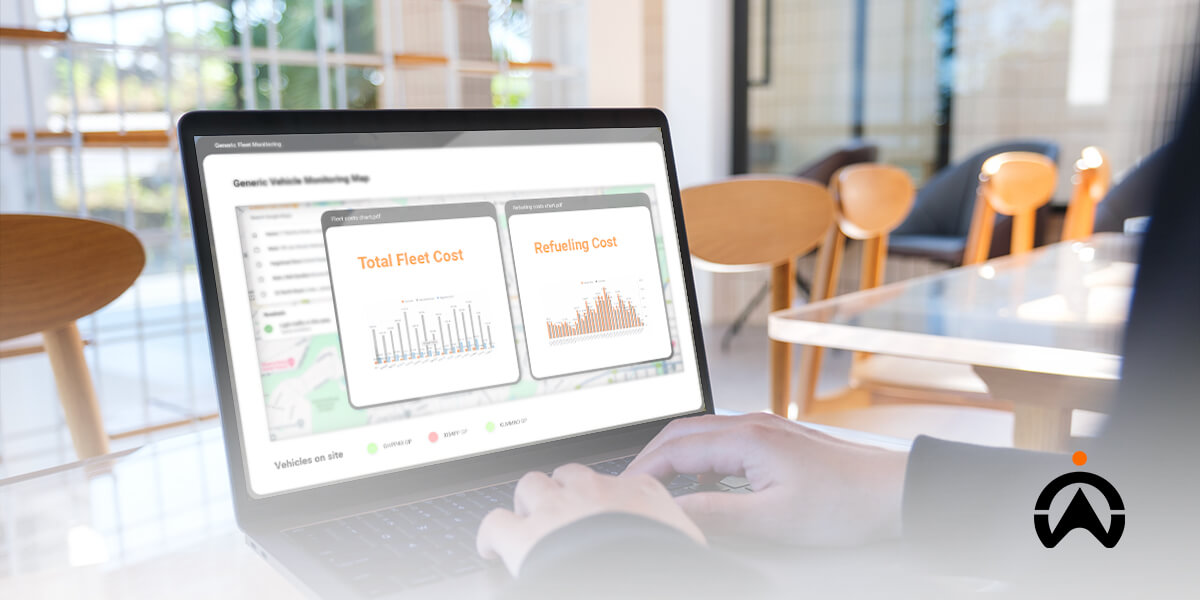
  • Improving data-driven decision-making: Fuel management software provides fleet managers with detailed reports on fuel usage, costs, efficiency, and fuel trends. By tracking these reports over time, you can determine fuel patterns in your fleet and use this information to make informed decisions on optimising fuel management.

Elevate your fleet’s diesel management with 4 Cartrack solutions

Take your fleet’s diesel management to the next level with our world-class solutions. Here’s how:

  • Fuel management: The fuel cost monitoring system meticulously cross-references fuel receipts with vehicle telemetry data, effectively detecting potential fuel theft and preventing fuel fraud. With real-time monitoring and customisable reports, irregularities are quickly identified. The real-time fuel level monitoring utilises advanced sensors installed inside fuel tanks, enabling live monitoring of diesel consumption. This helps you pinpoint the reasons for sudden spikes in fuel consumption, whether it be syphoning or fuel-wasting driver behaviour. The fuel trend monitoring provides detailed fuel metrics on fuel per km travelled and per job completed for every driver and vehicle, giving you an accurate overview of how much diesel your fleet consumes.
  • Driver behaviour monitoring: Eliminate fuel-wasting driver behaviour with Cartrack’s driver monitoring system. By making use of driver scorecard data reports, you can quickly pick up on aggressive driving and idling. An idling diesel truck burns about 4 litres of fuel an hour, and speeding has the same negative impact on fuel efficiency. In fact, it has been shown that a truck travelling at about 120km/h consumes 27% more fuel than a truck travelling at 104km/h. Our solution gives you detailed reports on each driver’s behaviour and shows you exactly what caused the sudden increase in fuel consumption, helping you mitigate these issues and lower fuel consumption. Use this to provide driver training or coaching to improve behaviour and stop fuel-wasting behaviours.
  • Preventative maintenance: Preempt vehicle maintenance with Cartrack’s preventative maintenance. This system works by providing real-time alerts and diagnostics for various aspects of a vehicle’s maintenance, such as engine damage, worn brake pads, and worn-out tires, which are all vehicle issues that lead to increased fuel consumption. By receiving real-time diagnostics for vehicle mechanical issues, you can detect and quickly address these issues before they become costly, helping you minimise fuel consumption and maximise fleet productivity.
  • Route optimisation: Make your routes short and deviation-free with Cartrack’s route optimisation. This innovative tool helps you optimise your driver’s routes by analysing various factors such as real-time traffic and road conditions and route history. Traffic conditions not only cause delivery delays but also lead to increased idling, making efficient route planning crucial. An idling diesel truck burns about four litres of fuel an hour, which can be a very costly addition to your fleet’s fuel expenses.

Maximise savings and minimise waste with Cartrack’s real-time diesel management

Keeping an eye on your fleet’s diesel consumption can be quite stressful, but with Cartrack’s fleet management solution, it doesn’t have to be.

Contact Cartrack Zimbabwe today, and let’s simplify your fuel monitoring together
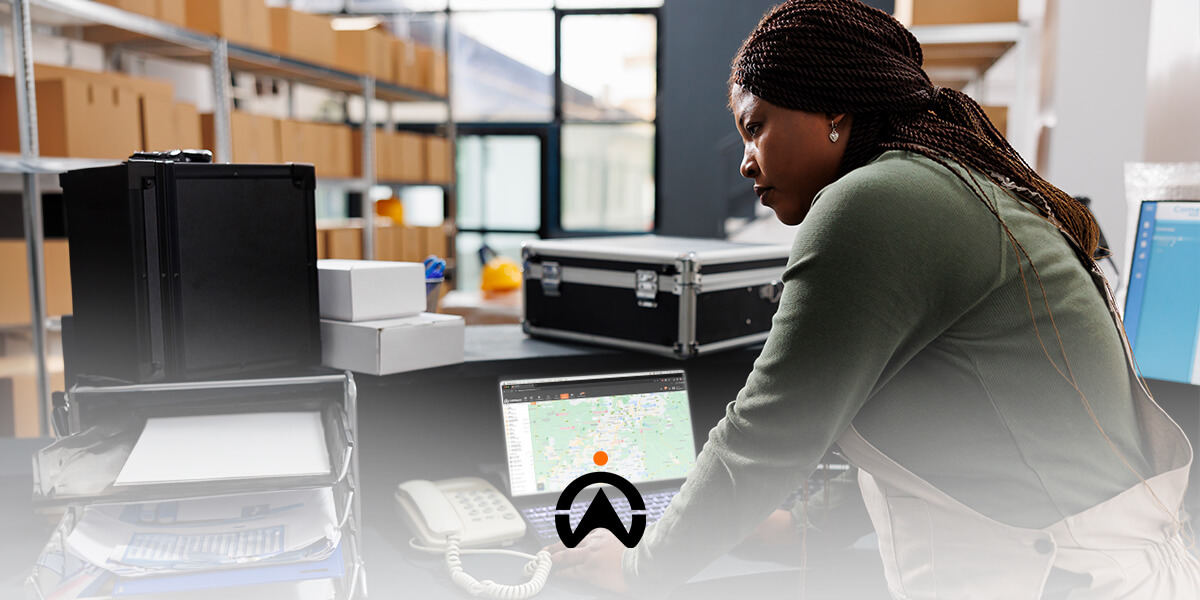
Dispatch Management Software – Get the Most Trusted Fleet Technology Solution

An uninterrupted movement of goods, services, and personnel is not just a goal for various industries but a necessity, especially in the modern world of fleet businesses. Without proper dispatching, challenges, delays, inefficiencies, and missed opportunities often present themselves.

That’s where implementing the right dispatch management software can transform your fleet into a well-oiled machine. A machine that gives you the power to optimise routes, monitor driver performance, and gain valuable insights into your operations.

Let’s explore how this tool can turn your fleet trials into triumphs.

In this article, you will:

  • Understand the ins and outs of asset dispatch management
  • Learn the benefits of using dispatch fleet management for asset allocation
  • Delve into the responsibilities and role of dispatchers
  • Master manual dispatch methods and dispatch fleet management software
  • Revolutionise your fleet asset operations with Cartrack solutions

You’ve come here with a purpose.

Maybe you’re a dispatch controller keen on refining your task management skills. Perhaps you’re intrigued by the idea of stepping into the world of dispatch control or just seeking a wealth of information on the subject because you like to stay updated with the latest fleet trends.

No matter the reason, you are in the perfect place. This blog is crafted to cater to your curiosity and provide insights into dispatching and the system needed for efficient task management.

Let’s start with the job title: Dispatchers

You might picture dispatchers glued to multiple screens, chugging coffee and giving instructions into a microphone. While this image does capture the fast-paced and sometimes stressful environment, the reality is much more nuanced.

Dispatchers are skilled people with a real knack for keeping the wheels turning from dispatch to delivery. They are strategic planners that assign drivers to tasks, optimise drivers’ routes, track the location of vehicles, collaborate with drivers and communicate with customers.

In a nutshell, dispatcher responsibilities are:

  • Schedule drivers for pickups or deliveries
  • Keep records, monitor driver logs, and track vehicle locations
  • Manage logistics, including supply chains, workflows, and task progression
  • Communicate with drivers, providing updates and instructions, and addressing any issues that arise

Depending on the industry, there are many types of dispatchers:

  • Delivery dispatch: Optimising routes for couriers, truck drivers, or delivery personnel.
  • Emergency dispatch: Managing emergency calls and coordinating responses for police, fire, or ambulance services.
  • Field service dispatch: Assigning technicians or repair crews to service appointments and ensuring efficient completion.
  • Transportation dispatch: Overseeing the movement of public-use vehicles like buses or trains.

What is a fleet dispatch system?

So, say you run a delivery service for an e-commerce company. Your dispatch fleet management system conducts the entire delivery process, ensuring job efficiency, timely deliveries, and cost-effectiveness.

A fleet dispatch system comes packed with tools and features to smoothly assign, track, and manage your vehicles and drivers. Thanks to this system, both fleet managers and dispatchers can stay in the loop with real-time updates on job status, driver availability, and vehicle status.

With this, dispatchers can make smart and efficient vehicle assignments based on location, vehicle type, and availability, not on a whim.

What_is_a_fleet_dispatch_system

What happens when assets are needed? Dispatching occurs

In any business that deals with handling continuous orders, schedules, and deliveries, dispatching plays a crucial role in ensuring the seamless operation of various systems.

Before the widespread adoption of dispatch fleet management software, companies relied on a variety of manual methods to manage their fleets. These methods were often inefficient, time-consuming, and prone to errors.

Here’s a comparison of the old and new approaches:

Old methods:

  • Paper-based systems: Dispatchers relied on handwritten notes, maps, and spreadsheets to track vehicle locations, assign jobs, and communicate with drivers. This was a tedious and error-prone process, making it difficult to optimise routes and respond to real-time changes.
  • Two-way radios: Communication between dispatchers and drivers relied primarily on two-way radios. This method was limited in its range and capabilities, making it difficult to communicate complex instructions or receive detailed updates.
  • Manual route planning: Dispatchers manually planned routes using paper maps and calculators, a process that was time-consuming and often resulted in suboptimal routes.
  • Limited data and analytics: Data on driver performance, fuel usage, and other key metrics was limited and difficult to analyse. This made it challenging to identify areas for improvement and make data-driven decisions.

Innovative new method – Dispatch fleet management software:

The introduction of dispatch fleet management software has brought about a significant shift in how businesses handle their fleets. This software offers a unified platform to oversee various aspects of fleet operations.

  • Stay in the loop with real-time tracking: Thanks to GPS-equipped vehicles, fleet managers can track their every move in real-time, enabling dispatchers to allocate jobs in an optimised way on the go.
  • Job assignments made easy: With the dispatch fleet management system, jobs get assigned to drivers automatically, taking into account where they are, when they’re available, and their specific skills.
  • Two-way communication: Stay connected with your drivers through secure text messaging and voice communication, enhancing efficiency and reducing dispatch time. Give clear instructions and get instant updates in return.
  • Comprehensive data and analytics: The software generates detailed reports on driver performance, fuel usage, maintenance schedules, and other key metrics. This data aids in identifying areas for improvement and making informed decisions.

Don’t forget smart route planning. To get the assets or drivers to where they are needed quickly, route optimisation can lend a helping hand by providing the most efficient routes to take based on the distance needed to travel, traffic conditions, or delivery priorities. With route optimisation in use, this can save you on fuel consumption, travel time and overall efficiency.

How does a dispatch fleet management system work?

For fleet dispatch software to work to improve asset distribution, it needs to be integrated with GPS and telematics systems so they can properly monitor dispatched vehicles and accurately track their vehicle usage.

The key components start with dispatching software. This platform is where all the magic happens, it tracks vehicles, drivers and tasks and allows managers to:

  • Assign jobs: Match driver skills, driver location and vehicle type for accurate task assignment.
  • Plan and optimise routes: Consider traffic, road closure, weather, travel distance and fuel usage to provide optimised and fuel-efficient routes to take.
  • Monitor dispatched drivers/vehicles: Track task progress until completion, if there are delays, managers can swiftly provide support and inform clients to manage their expectations.
  • Communicate with teams: Clearly communicate instructions to field teams while allowing drivers to inform dispatchers of any updates that occur on the job.
  • Analyse gathered data: Access driver reports, fuel consumption reports and vehicle/equipment usage reports and use the information to improve future dispatching.

Must-have features for your dispatch fleet management system:

Before finding the right dispatch software for your business, there are a few key elements every business would benefit from having when it comes to dispatching software.

  1. Driver and vehicle profilesYou have to be able to keep all essential information about your drivers, vehicles, and assets in one place.
  2. Easy availability tracking and schedulingSimplify tracking availability, scheduling, and assigning drivers to specific vehicles effortlessly.
  3. Real-time tracking for better controlMonitor your fleet’s location, status, and progress in real time for effective management. With knowing your asset’s location and status, proper dispatching can be achieved.
  4. Streamlined process automationAutomate routine processes to boost operational efficiency and save time, so dispatchers can allocate their attention to other elements like job progression or any issues they have to address.
  5. Effective communication tools

    Facilitate clear and timely communication between dispatchers and drivers for a smooth workflow.
  6. Smart route planning and optimisationPlan routes smartly, considering factors like traffic, distance, and delivery priorities for cost-effective operations.
  7. Data-driven analytics and reportingLeverage analytics to generate detailed reports and gain insights into your fleet’s performance.
  8. Seamless integration with other systemsIntegrate smoothly with other essential systems to avoid data entry hassles and ensure consistency.

In the realm of dispatching, these features aren’t just checkboxes; they’re the essential features that could drive your fleet forward in dispatching efficiency.

What’s the difference between dispatch and fleet management systems?

Doesn’t this system remind you of the capabilities of another smart fleet system? Dispatch fleet management is under the same umbrella as fleet management systems, but their differences lie in their focus and functionality.

Here are the main differences:

1. Fleet management system

Fleet management is a powerful toolkit designed to enhance your vehicle fleet’s efficiency and performance. From keeping tabs on vehicle locations to managing fuel usage and scheduling maintenance, it covers a spectrum of tasks crucial for seamless operations and seamless dispatching.

Key features:

  • Dispatch excellence: Enjoy all the benefits of a dispatch system, ensuring your operations run seamlessly.
  • Proactive maintenance: Schedule and track vehicle maintenance to prevent breakdowns and keep your fleet performing optimally.
  • Fuel efficiency: Keep a close eye on fuel usage, identify improvement areas, and enjoy cost savings along with environmental benefits.
  • Compliance made easy: Navigate regulations effortlessly, ensuring your fleet operates legally and mitigating risks.
  • Insightful analytics: Dive into detailed reports on fleet performance, fuel efficiency, driver behaviour, and more, guiding your strategic decisions.
  • Smooth integration: Seamlessly connect with accounting, vehicle diagnostics, and fuel management systems for streamlined operations and efficient data exchange.

Where fleet management focuses more on the management of the fleet internally, e.g., asset location, maintenance needs, usage rate, etc., dispatch fleet management systems are more about the planning, coordinating and optimisation of delivering goods, services, or personnel.

2.Dispatch fleet management system

Dispatch management is a complex system comprising various interconnected elements working together to achieve seamless resource allocation. These essential components include:

  • Dispatch planning: This marks the beginning of the dispatch process, where planners prioritise tasks based on factors like customer orders, delivery deadlines, and available resources. It involves assessing workload, determining task order, and allocating resources accordingly.
  • Routing and scheduling: Routing selects the most efficient path for each task while scheduling assigns specific time slots. This minimises travel time and optimises resource utilisation.
  • Vehicle and driver management: Dispatchers assign the appropriate vehicle and driver to each task, considering factors like capacity, skills, and availability. This also includes managing vehicle maintenance and inspection schedules.
  • Communication and tracking: Effective communication is vital. Dispatchers relay task assignments, updates, and instructions to drivers. Real-time tracking enables quick responses to changing conditions.
  • Resource allocation and optimisation: Efficiently allocating resources involves assigning the right vehicle, driver, and equipment for each task. Optimisation considers factors like route efficiency, fuel consumption, and workload balancing.
  • Data analysis and reporting: Data analysis is crucial for identifying trends, areas for improvement, and cost-saving opportunities. Reporting tools offer valuable insights for decision-making.

How do you know when your business needs dispatch management?

Beginning to witness the inefficiencies of navigating the operational landscape without a robust dispatch fleet management system?

From losing track of dispatched assets to underutilised fleet resources, the challenges are mounting. Brace yourself – the scenario could escalate further without the investment in this innovative solution:

Delivery delays:

Ineffective dispatch systems often result in delayed deliveries, jeopardising customer satisfaction and triggering financial penalties for missed deadlines. This causes negative customer experiences, potential loss of clients, and increased operational costs.

Implementing a dynamic dispatch system with real-time tracking and route optimisation capabilities will ensure timely and efficient deliveries.

Resource underutilisation:

Poor optimisation leads to underutilisation or overloading of resources like vehicles and personnel. Reduced productivity, inefficient allocation of assets, and increased operational expenses.

A dispatching software would effectively consider factors like vehicle capacity, driver skills, and workload balancing and assign tasks accordingly, leaving space for no over or underutilised assets in your fleet.

Rising operational costs:

Ineffective routing and scheduling contribute to higher fuel costs and increased wear and tear on vehicles, escalating operational expenses, financial strain on the business, and reduced profitability.

Utilising dispatch systems that incorporate advanced algorithms for optimal route planning, minimising fuel consumption and maintenance costs.

Communication breakdowns:

Lack of real-time communication between dispatchers and drivers creates misunderstandings, errors, and delays in task execution, affecting overall operational efficiency.

Implementing two-way communication features within dispatch software for seamless and instant communication between dispatchers and drivers.

Inaccurate tracking:

The absence of accurate real-time tracking hampers monitoring and responsiveness. Inefficient task progress tracking hinders quick adaptation to changes or unexpected events.

The solution is deploying GPS-enabled tracking systems to provide accurate, real-time location data for all vehicles and equipment, enabling precise monitoring.

Customer dissatisfaction:

Delays, missed appointments, or incorrect deliveries result in dissatisfied customers causing a negative impact on the business reputation and loss of future opportunities.

Implementing customer notification features and providing real-time delivery updates will enhance transparency and manage customer expectations.

Limited scalability:

Inefficient systems struggle to handle the demands of business growth, hindering performance and increasing challenges in accommodating expansion.

Choose a scalable dispatch solution that can adapt to the evolving needs of a growing business.

Lack of adaptability:

If your business doesn’t embrace new technologies or strive to step into an evolving business environment it might find it difficult to address emerging challenges and adapt to market trends.

Opt for dispatch solutions that are agile and easily adaptable to changes ensuring future-proofing against evolving business landscapes.

Now that you know the common telltales of needing a dispatching system and what your business is missing, let’s switch to the benefits your business can start enjoying if modern dispatching methods are used.

Benefits of proper asset dispatching

An all-in-one dispatch and fleet management software isn’t just a game-changer for transportation logistics providers. Industries like delivery, food and beverage, oil and gas, construction, and more can also reap the benefits of fleet dispatch software, which are:

  • Boosted efficiency: Trimmed travel time, optimised routes, and lighter driver workloads result in quicker deliveries, more completed tasks, and reduced costs.
  • Enhanced customer service: Punctual deliveries, real-time tracking, and effective communication contribute to heightened customer satisfaction and loyalty.
  • Improved compliance: Automated monitoring and alerts assist in mitigating risks and ensuring adherence to regulations.
  • Cost reduction: Lower fuel consumption, decreased maintenance needs, and improved operational efficiency can lead to substantial cost savings.
  • Data-driven decision-making: Insights from data reports empower managers to make informed decisions regarding fleet size, resource allocation, and overall strategy.

As these benefits can positively influence any business fleet dispatching, it’s essential to understand how choosing the right fleet dispatching system can have a significant impact on how effective these benefits can be.

Benefits_of_proper_asset_dispatching

How do I choose the right fleet dispatching system?

When looking for a system to upgrade how you organise your assets, it’s best to first look at your business and assess what it needs.

Identify your business’s needs and set goals; then ask yourself the following questions:

  1. Is your fleet large or small?
  2. What industry do you operate in?
  3. What types of vehicles does your business use?

After taking a close look at the essentials of your business, consider these factors that could potentially make deciding which dispatch software to choose that much easier and narrow down your options.

  • Scalability and customisation:Choose software that can grow with your fleet and adapt to changing business needs. Customisation options ensure the software is aligned precisely with your fleet’s unique requirements, promoting flexibility and efficiency.
  • Integration:Opt for software that seamlessly works with other fleet management systems to ensure a smooth transition and avoid disruptions. This cohesion, whether with telematics, fuel tracking, or maintenance software, streamlines operations, making decision-making more efficient.
  • Ease of Use:Look for a user-friendly interface that’s easy to navigate and understand. This boosts adoption rates and minimises training requirements, ensuring a smoother implementation of the software solution.
  • Mobility:Embrace cloud-based dispatch software for its mobility advantages. This allows dispatchers and drivers to stay connected and access vital information on the go, enhancing operational flexibility.

Why is dispatch management important?

Dispatch management is essential for businesses, as it ensures that resources like vehicles and drivers are used efficiently. By planning tasks and assigning them based on factors like location and availability, dispatch management helps complete jobs on time, saving fuel costs and preventing unnecessary wear on vehicles.

Clear communication between dispatchers and drivers is crucial for a smooth process, and efficient routing algorithms contribute to optimal travel routes, reducing both time and expenses.

The key factors that push many businesses into investing in a dispatching fleet management system are plenty, a few of which are:

Cost efficiency: By optimising routes, reducing fuel consumption, and minimising overtime for drivers, dispatching can lead to significant savings. This not only benefits the company’s bottom line but also promotes sustainability.

Customer satisfaction: Providing timely and accurate deliveries or services is essential for customer loyalty.

Resource optimisation: Ensures resource optimisation by efficiently managing vehicles and drivers, reducing idle time, and maximising overall productivity.

Real-time decision-making: Dispatchers play a pivotal role in making real-time decisions to adapt to changing conditions such as traffic, weather, and unexpected delays.

Compliance and safety: Dispatch management aids organisations in adhering to safety regulations, managing driver hours, and maintaining compliance with industry standards, ensuring a secure and reliable operation.

This not only satisfies customers by ensuring timely deliveries but also provides valuable data for decision-making and continuous improvement. In a dynamic environment, dispatch management allows businesses to adapt quickly to changes, ensuring a streamlined and effective operation.

How do dispatch management systems add value to fleet operations?

Legacy dispatching programs (not to mention spreadsheets) don’t come close to the location-aware, analytics-driven dispatch and scheduling software available today.

A digital dispatching system is more than a convenient interface for doing fleet tasks the old way. Modern systems rely on vehicle telematics data to supply dispatchers with real-time information about:

  • Track locations and cruising speeds
  • Average route travel speeds
  • Current road conditions
  • Estimated vehicle ETAs
  • Driver behaviours
  • Cargo transportation conditions

Using this data, fleet managers can develop dynamic schedules to maximise asset usage and adjust schedules in real time.

Also, dispatch tools can automate redundant tasks. For example, they can automatically generate regular routes and schedules based on historical records, codified rules, or real-time information. Such a degree of automation reduces the volume of human errors and increases overall workforce productivity, both among managers and drivers.

An hour of idle time is the equivalent of 40 kilometres of driving. By composing better schedules and adjusting for cancellations in real time, you can plan better driver shifts and prevent overwork.

As we wrap up dispatch management software, only one driver and vehicle management software solution stands out: Cartrack.

Dispatch easily with one smart fleet management system

Cartrack is a leading provider of vast fleet management solutions that can assist CEOs, business owners, fleet managers and dispatchers with their fleets. Cartrack Zimbabwe equips dispatchers with solutions to transform dispatching from a reactive method to a proactive process of efficiency from dispatch to delivery.

Here are some of the ways Cartrack Zimbabwe can be a valuable asset for dispatchers:

  1. GPS tracking for real-time visibilityCartrack’s GPS tracking offers real-time insights into vehicle locations. This empowers dispatchers to enhance operational efficiency and cut costs per job by helping you intelligently dispatch the closest driver with the right vehicle and skills for each task.
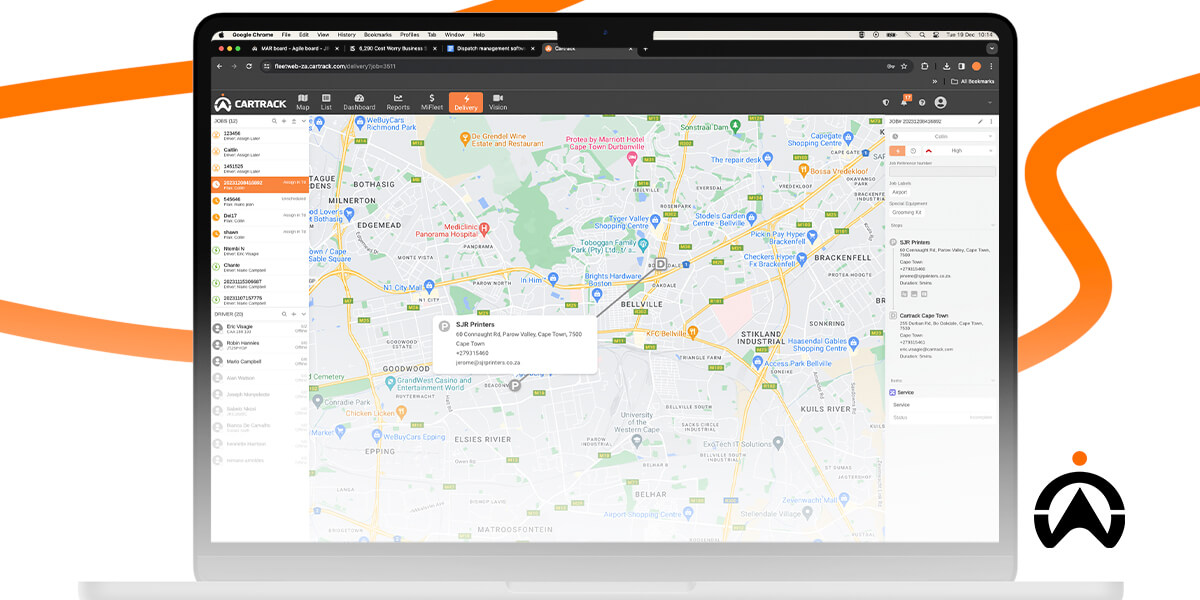
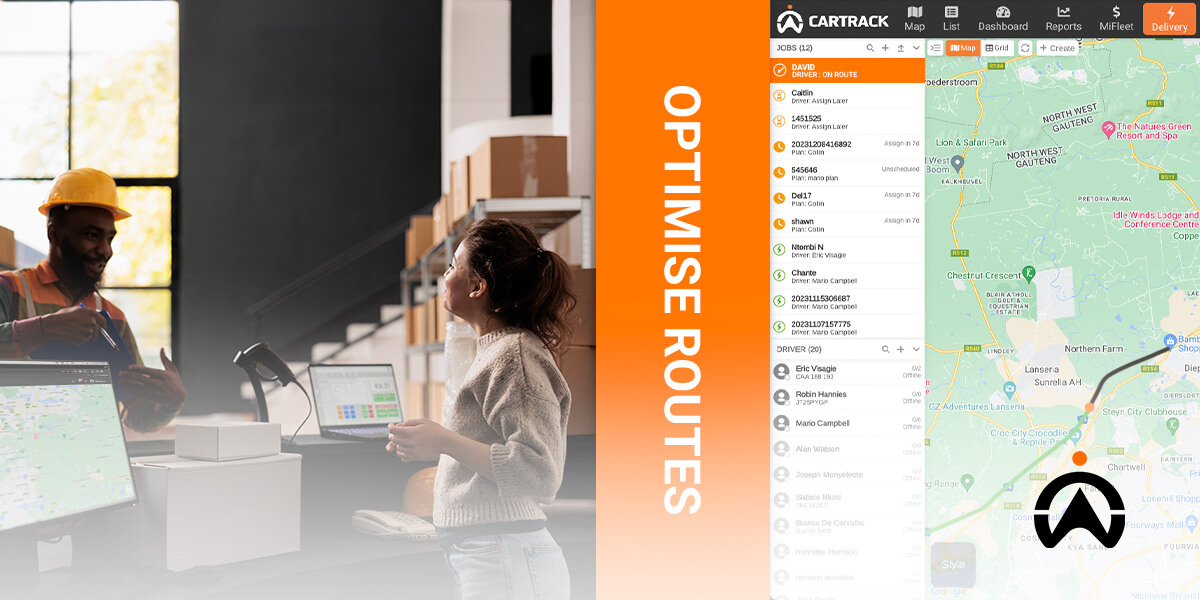
  2. Delivery tool for streamlined task managementCartrack’s Delivery tool simplifies task assignment and real-time tracking from dispatch to delivery. This tool automates processes, offering full visibility into task progress and allowing easy job allocation to drivers. Through route optimisation, Delivery also provides quicker route options for your dispatched drivers to cut down on lengthy trips, save fuel and boost turnaround times.
  3. Geofencing for increased fleet movement knowledgeSet virtual boundaries around any location to gain wider visibility of your vehicle activity with our geofencing feature. You can zone off warehouses, dispatching sites, delivery drop-off locations or any area you want to monitor and receive alerts when your vehicle enters or exits these zones. This is a great way to see if your drivers are on schedule and keep your customers updated on the delivery progress.

Cartrack’s dispatching success story

Diag is a Vietnamese medical laboratory committed to providing fast and affordable human blood testing packages, samples, and health kits. When it came to delivering their samples, they faced challenges in driver and vehicle tracking.

Through delivery, Cartrack helped with smart dispatching, simplifying task allocation and enhancing fleet productivity.

“Delivery enabled Diag to scale their business by over 1,200%, whilst decreasing their logistics admin costs in half.”

said Diag.

With Cartrack, dispatchers can rely on a trusted partner for enhanced communication, route optimisation, and overall fleet efficiency.

Elevate your dispatching and delivery operations with Cartrack Zimbabwe

From monitoring your drivers and vehicles, to accurately dispatching your assets to clients, Cartrack Zimbabwe provides the ultimate fleet management solution that does it all.Use Cartrack Zimbabwe to efficiently get your assets to where they need to go without hassle or confusion. Streamline the dispatch management in your business today. Visit Cartrack — your industry leader in fleet management solutions.